
Why Tarot Is Divided into Major and Minor Arcana and How the Split Developed
Tarot decks are organized into two linked but distinct groups: the Major Arcana (the trumps) and the Minor Arcana (the suit cards). This article traces how that split developed from early playing cards and Renaissance trionfi into symbolic systems used by modern readers, including the Rider‑Waite‑Smith tradition. Using the supplied card images—The Fool, Ace of Wands, and Ace of Cups—this piece explains the functional, symbolic, and practical differences between the two arcana, offers reading techniques, common mistakes to avoid, and concrete examples showing how to interpret these cards together. Readers will learn to use visual detail and conventional meanings (especially the supplied upright and reversed notes) to build coherent narratives in spreads while keeping historical context in mind.
Cards explored in this article
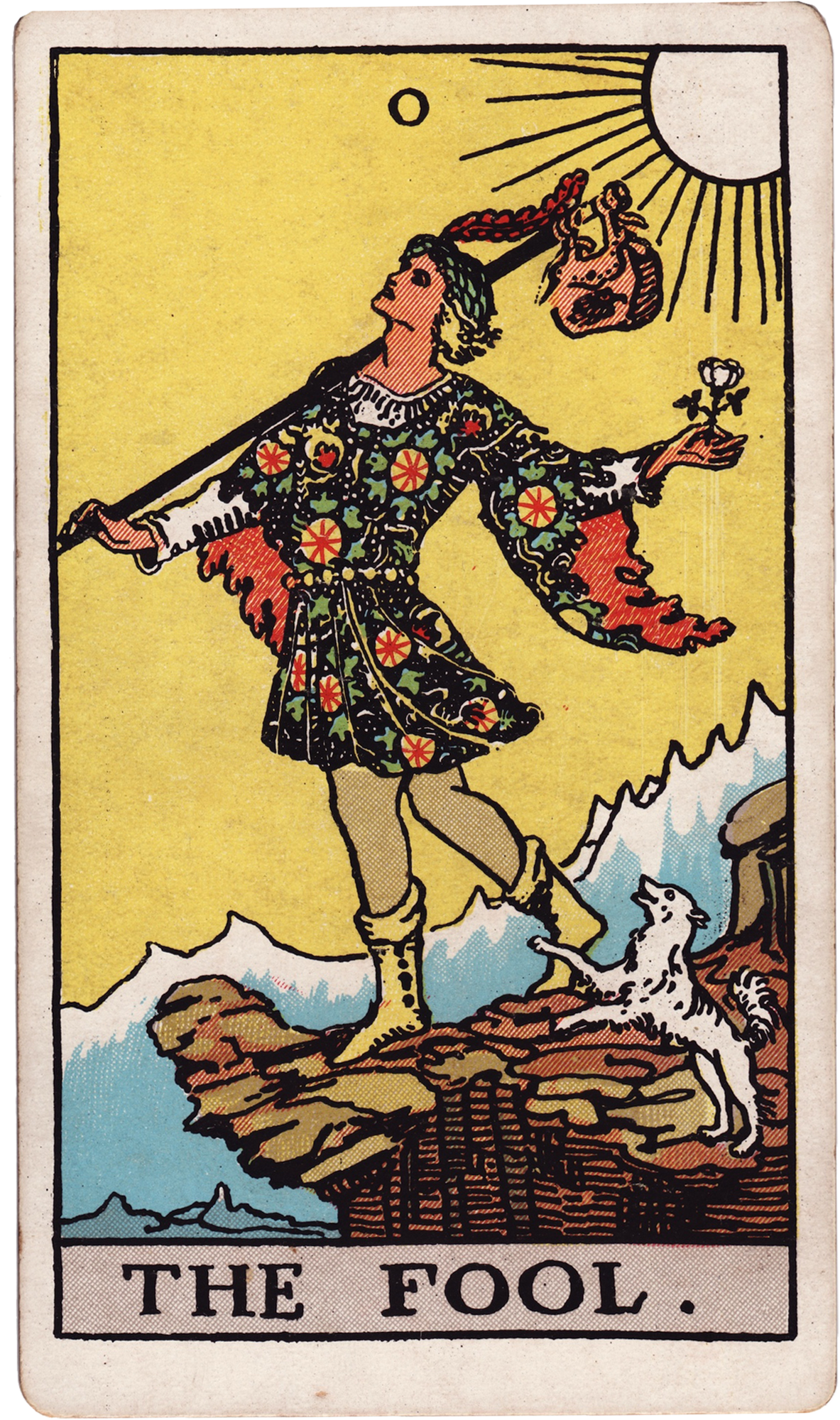 The Fool
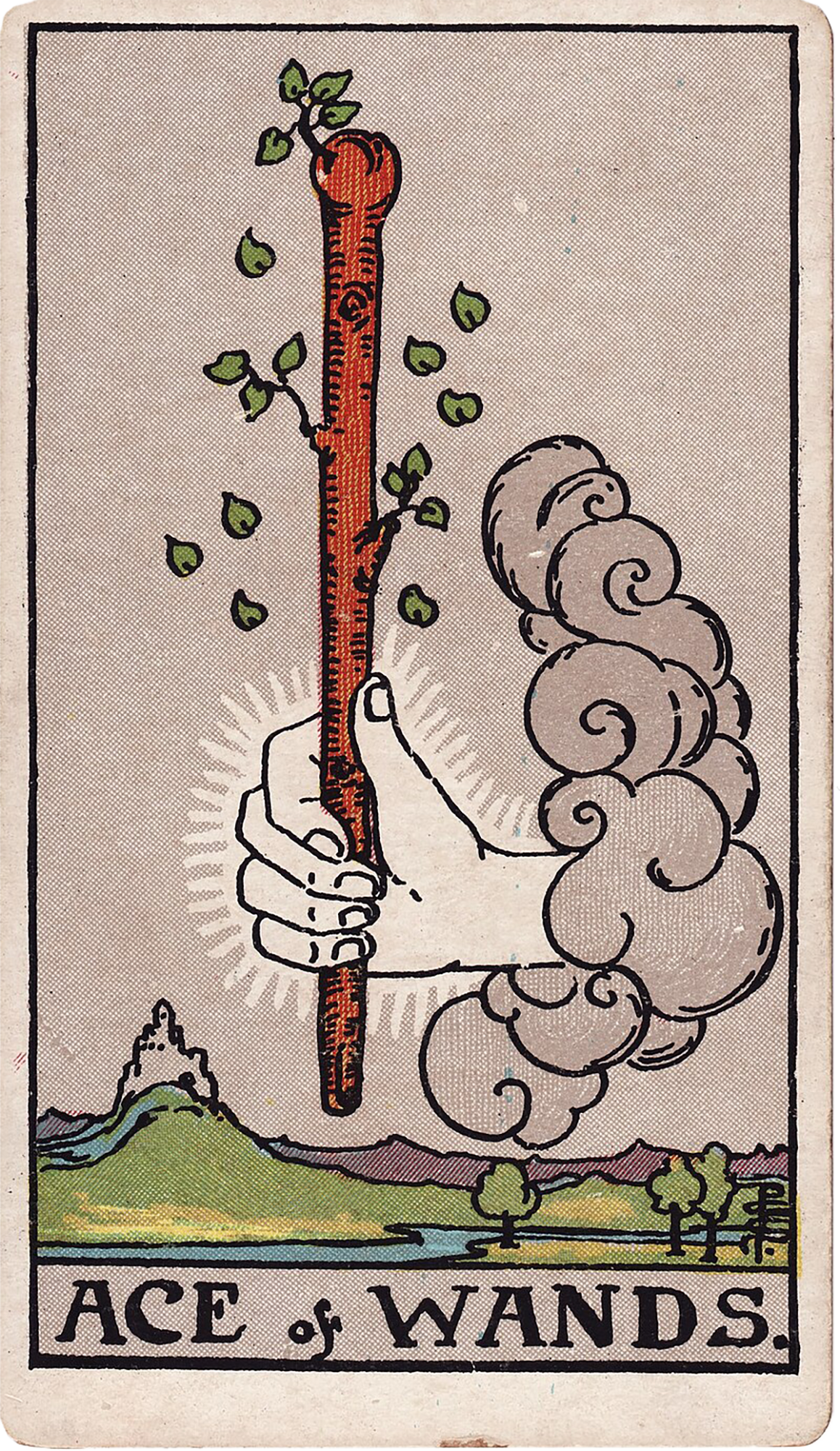 Ace of Wands
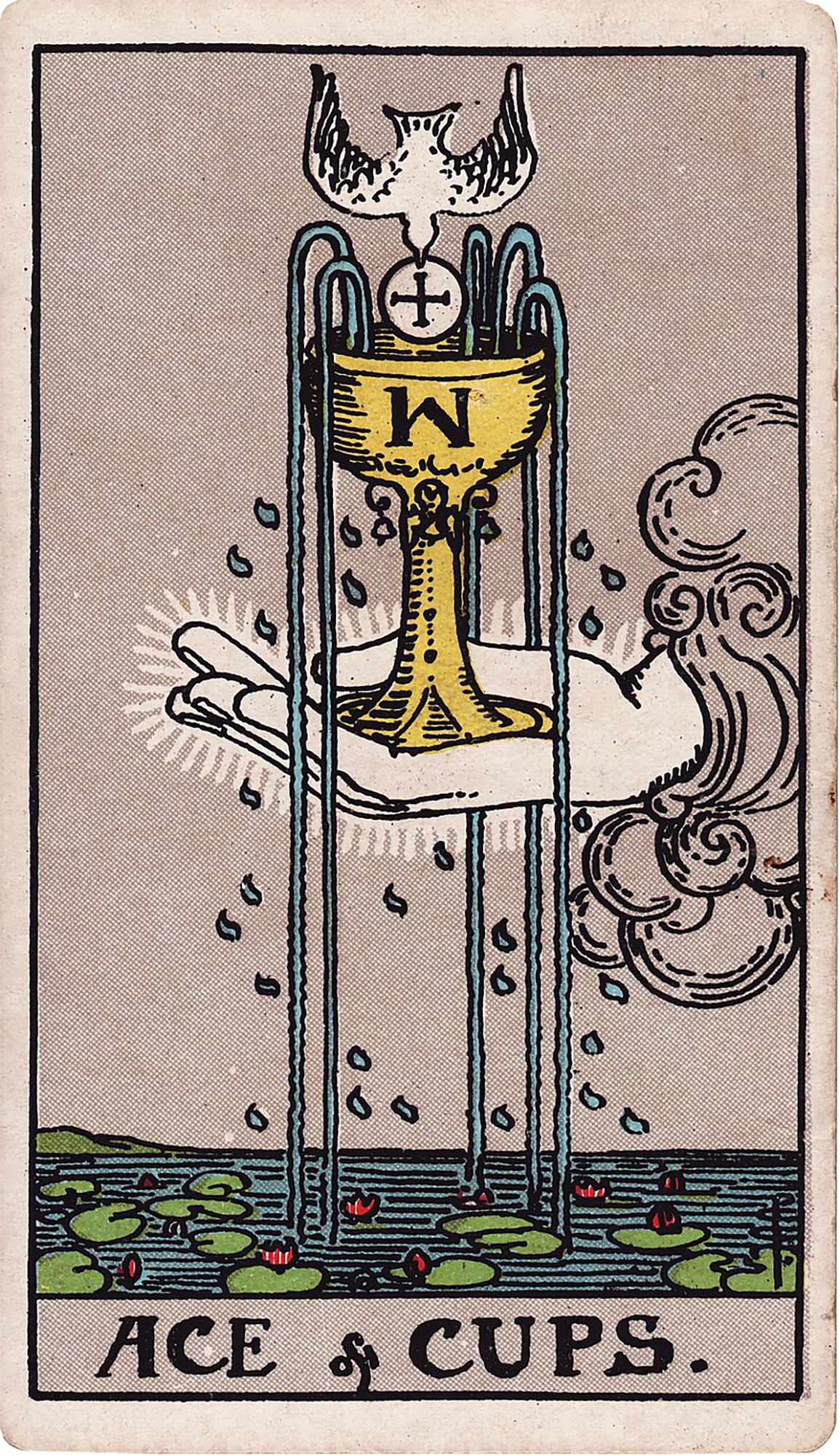 Ace of Cups
Introduction and scope
Tarot is commonly presented as two halves: the Major Arcana (often called the trumps) and the Minor Arcana (the suits). Many beginners learn this division quickly but miss why it matters both historically and practically. This article explains the historical development of the split, the symbolic distinction between the two groups, and how to interpret them together in readings. It uses three supplied cards for repeated visual grounding: The Fool (a Major Arcana card), Ace of Wands (a Minor Arcana card in the suit of Wands), and Ace of Cups (a Minor Arcana card in the suit of Cups). Wherever possible, the Rider‑Waite‑Smith imagery and traditional meanings are used to illustrate points. The focus is educational — intended to build technique and judgement rather than promise fixed predictive outcomes.
What we mean by Major Arcana and Minor Arcana
At a practical level, the Major Arcana are a sequence of stand‑out cards traditionally numbered and depicting archetypal figures and scenes. The Minor Arcana are organized into suits and behave more like a standard deck of playing cards with court cards and numbered pip cards. In reading practice the difference often maps to scale: Major Arcana speak to large themes, turning points, and the deep arc of a situation; Minor Arcana describe everyday processes, specific events, energies in motion, and the skills or feelings involved. Look at The Fool: as a Major Arcana image, it signals a threshold moment. The supplied upright description emphasizes 'starting before every detail is known' and 'meeting a new chapter with openness.' As a Major Arcana card, The Fool typically points to a broader life theme or a decisive stance: beginning a journey, taking an existential step, or initiating a new chapter. By contrast, the Ace of Wands and Ace of Cups are Minor Arcana cards. Each Ace acts as a seed or first impulse in its suit. The supplied upright notes for Ace of Wands show 'a new impulse that wants expression' in the realm of motivation and creativity; Ace of Cups highlights an 'opening of the emotional field' and receptivity. These Aces tend to describe the birth of energies or opportunities within domains (action and creativity for Wands; emotion and relationship for Cups) rather than the overarching life framework that a Major card like The Fool describes.
A short history of the split
The division between a set of trumps and suit cards developed over centuries rather than appearing fully formed. In 15th‑century Italy we find the first tarot or tarocchi packs used for gaming; these included suit cards and an additional set of ornate cards called trionfi (or triumphs) that outranked suit cards. These trumps were narrative and pictorial in a way suit cards were not, and they functioned as a special hierarchy for play. Over time the imagery of trionfi was elaborated. By the early modern period, some of those images acquired moral, philosophical, or allegorical content. In the 18th and 19th centuries, occultists and esoteric writers reinterpreted the trumps as a symbolic ladder of initiation or a sequence of archetypes, and the suit cards as expressions of life's practical domains. The Rider‑Waite‑Smith deck (early 20th century) standardized many of these symbolic associations for English‑speaking readers: the Major Arcana became full scenes laden with mythic and psychological motifs, while the Minor Arcana were illustrated (in RWS) to show narrative action even among pips, which aids interpretation. This history explains why the split exists: originally functional for gaming (trumps vs suits), later turned symbolic by readers and artists into a two‑tier system that distinguishes scale and kind of meaning.
Symbolic differences anchored to The Fool
The Fool is a useful anchor for understanding Major Arcana function. In the Rider‑Waite‑Smith imagery you see a young figure about to step off a cliff, a small dog at his heels, a white rose in his hand, and a knapsack slung over his shoulder. These are symbols of innocence or faith (the white rose), travel and baggage (the knapsack), and instinct or companion energy (the dog). The Fool's scene is archetypal: it compresses a narrative about beginning, risk, and existential openness. The supplied upright meaning emphasizes starting with curiosity rather than perfect preparation. That tone exemplifies Major Arcana: the image invites readers to think about attitude, identity shifts, and larger life directions. When The Fool appears, ask where the querent is at a threshold, what manner of beginning is being asked for, and whether their stance is courageous curiosity or reckless avoidance (the supplied reversed meaning names those distortions). The Fool's symbolism helps a reader think in broad strokes—'is this a new life chapter?'—before zooming into the particulars with Minor cards.
Minor Arcana function through the Aces of Wands and Cups
Minor Arcana cards represent specific energies, resources, or events. The Aces are especially instructive because they are seed images: the Ace of Wands shows a single wand, budding, held upright; the Ace of Cups shows a chalice overflowing, sometimes with five streams and a dove — classic RWS symbols. In the supplied upright texts the Ace of Wands asks for a first action to express an impulse (creativity, initiative), while the Ace of Cups signals an opening of feeling and receptivity. In reading practice, Aces often answer the question 'What form does the new energy take?' whereas a Major Arcana like The Fool answers 'What is the overall tone or stage of the querent's life?' For example, The Fool plus Ace of Wands can describe not just the start of a journey but that this new journey is fueled by creative energy or an entrepreneurial push. The Fool plus Ace of Cups can indicate a new chapter where emotional openness or a heart opening is central. Remember that Minor Arcana are more situational and scope‑limited. The Ace of Cups might show a specific budding emotional connection or creative inspiration that needs a contained, practical response (see supplied notes about practical action). The Ace of Wands can show the practical first step needed to make an impulse useful before enthusiasm fades.
Reading technique: integrating Major and Minor
A reliable technique is to treat Major Arcana as context and Minor Arcana as content. Start by identifying whether a Major Arcana card like The Fool speaks to a long arc or a central posture. Ask: is this situation a pivot with spiritual or identity significance? Then use Minor cards like the Aces to detail the immediate energies, practical openings, or obstacles. Example method for a three‑card spread (past / present / next): - If The Fool appears in the present, read it as an active threshold; ask whether the querent is invited to begin something. Then read the adjacent Ace of Wands or Ace of Cups (if drawn) to see what kind of beginning is present—creative/actional (Wands) or emotional/receptive (Cups). The supplied upright meanings help: Ace of Wands asks for first action; Ace of Cups asks for receptive expression. - If The Fool appears reversed in the past position (use supplied reversed meaning), it might indicate previous recklessness or avoidance that shapes current options. The current Ace of Wands reversed might then show blocked inspiration; Ace of Cups reversed might show emotional blockage. The interplay tells a coherent story: unresolved avoidance (The Fool reversed) plus blocked inspiration (Ace of Wands reversed) suggests the querent is delaying because they feel the impulse is premature or chaotic. For larger spreads: place Major Arcana cards in positions that ask about long‑term patterns (core lesson, life theme, advice of the year) and Minor cards in positions about actions, obstacles, and near‑term outcomes. Always let imagery and posture guide the tone.
Interpreting reversals and practical clues
The supplied card texts include upright and reversed commentary; use these as your primary guide. Treat reversals not as absolute negatives but as signals: blocked expression, internalized energy, excess, or a temporary pause. For example: - The Fool reversed: watch for recklessness, avoidance, or refusal to begin because of fear. It can also mean the journey is internal or stalled. - Ace of Wands reversed: watch for blocked inspiration, premature or scattered action, or waiting for certainty. - Ace of Cups reversed: look for emotional blockage, depletion, or fear of vulnerability. When reversals appear together, prioritize relational logic. If The Fool reversed appears with Ace of Cups upright, the story might be: the querent hesitates to begin publicly (Fool reversed) but internally is experiencing a new opening of feeling (Ace of Cups upright) that needs private cultivation before outward action. The imagery supports this: The Fool’s outward posture versus the inward quality of a cup overflowing but perhaps not yet shared. Practical clues to use from imagery: The Fool’s white rose suggests intention and discernment; the knapsack points to resources and what you carry; the dog hints at instinct or warning. For the Ace of Wands notice budding growth and orientation upward—energy ready to be channeled. For the Ace of Cups notice overflow, receptive posture, and the possibility of a dove or streams—signals about spiritual or emotional nourishment. Name these visible details to clients to make readings feel concrete and grounded.
Common mistakes and how to avoid them
1) Overvaluing majors as fate. A common error is to treat Major Arcana cards as guarantees of destiny. The Fool may indicate an important tone, but it doesn't remove agency. Use it to frame questions, not to absolve action. 2) Dismissing minors as unimportant. Minor Arcana cards do the practical work. An Ace of Wands can provide the exact next step. Neglecting minors loses nuance. 3) Ignoring reversals' nuance. Reading every reversal as purely negative produces fear. Use the supplied reversal notes to see whether energy is blocked, internal, excessive, or being corrected. 4) Forcing the story. Readers sometimes overfit a narrative by ignoring discordant imagery. If The Fool suggests a fresh start but the Ace of Cups looks drained in the spread, explore that tension rather than harmonizing them prematurely. 5) Reading symbol lists without synthesis. Naming the white rose, the dog, and the cliff is useful, but always explain how those symbols work together in context. For example, 'white rose' + 'cliff' + 'dog' = innocence, potential risk, and instinctive support; this suggests a beginning that benefits from both openness and pragmatic boundaries.
Practical exercises and example readings
Exercise 1 — Two‑card focus: Draw a Major and a Minor. Ask: what is the life context (Major) and what immediate resource or impulse is present (Minor)? Use The Fool + Ace of Wands to explore: The Fool sets the stage (a new chapter required), Ace of Wands says the energy available is creative initiative. Ask what first step fits the querent's capacity — the supplied Ace of Wands upright asks for a proportionate first action. Exercise 2 — Troubleshoot with reversals: Pull three cards with positions Problem / Inner Cause / Advice. If you draw The Fool reversed in Problem and Ace of Cups reversed in Inner Cause, interpret as blocked new starts caused by emotional depletion or fear of vulnerability. Advice could be a Minor card upright indicating practice or a specific act of self‑care. Worked example: A querent asks about starting a small creative business. You draw The Fool (upright) in present, Ace of Wands (upright) in near future, Ace of Cups (reversed) in obstacles. Interpretation: The Fool shows a genuine new chapter—willingness to begin. Ace of Wands says creative energy and initiative are available but require a concrete first step. Ace of Cups reversed warns of emotional drain, fear of opening to customers, or unresolved relational issues that might undermine the business launch. Practical advice: use The Fool's openness to begin modestly, take the Ace of Wands' recommended first action, and address the emotional blocks named by the Ace of Cups reversed (rest, therapy, or honest conversations) before scaling up. Always describe how the images inform the reading: mention The Fool’s stance, the wand’s budding tip, the cup’s overflow and reversal cues. This ties reading to visible detail and avoids abstraction.
Conclusion and continuing practice
Understanding why tarot is divided into Major and Minor Arcana deepens interpretive clarity: Majors set the horizon and tone; Minors give actionable specifics. Historical development explains the form (from trionfi and playing cards to symbolic systems like Rider‑Waite‑Smith), and the supplied cards—The Fool, Ace of Wands, and Ace of Cups—show how these groups function together in practice. Use The Fool to ask about life stage and posture; use the Aces to locate emerging impulses and the next practical move. Keep studying imagery, practice reading combinations, and watch for common mistakes like overemphasizing majesty or undervaluing the minor details. With steady practice, the arc between Major and Minor will feel less like a technical distinction and more like a flexible language for telling the story unfolding in front of you.
Practice questions
• When The Fool appears in a reading for you, does the situation feel like a new chapter or an avoidant repetition? How can you tell?
• How would you distinguish in practice between a Major Arcana 'tone' and a Minor Arcana 'event' when both appear together?
• Using the supplied imagery, what details in The Fool, Ace of Wands, and Ace of Cups feel most relevant to your life right now and why?
• What steps can you take to avoid treating Major Arcana cards as immutable fate in your readings?
• How might a reversed Ace of Wands or Ace of Cups change how you advise immediate next steps?
Comments
Sign in to comment.
Continue learning
Harnessing the Power of The Magician and Ace of Wands: Igniting Creativity and Manifestation in Tarot Readings
The combination of The Magician and the Ace of Wands in tarot readings offers a potent blend of creative energy and manifestation power. This article delves into the ways these car...
Unlocking the Creative Synergy of The Magician The Empress and Ace of Wands in Tarot Combinations
This article delves into the dynamic interplay of The Magician, The Empress, and Ace of Wands when they appear together in tarot readings. It explores how these cards collectively...
Unveiling Personal Power Through The Magician Strength and Ace of Wands
This article delves into the dynamic interplay of The Magician, Strength, and Ace of Wands tarot cards, exploring how their combined symbolism illuminates personal power across var...
Exploring the Symbolism and Elemental Correspondences of the Four Tarot Suits for Deeper Understanding
This article offers an in-depth exploration of the symbolism and elemental correspondences of the four tarot suits—Wands, Cups, Swords, and Pentacles—anchored by the imagery and me...
Using the Five Card Cross Spread to Overcome Career Burnout and Reignite Passion
This article guides learners through the Five Card Cross spread applied to overcoming career burnout and reigniting passion. Featuring a worked example using The Emperor, The Chari...
Mastering the Art of Combining The Magician The Empress and Ace of Wands for Creative Manifestation
This article explores the combined reading of The Magician, The Empress, and Ace of Wands Tarot cards, focusing on their synergy for creative manifestation. Through detailed analys...
Exploring the Symbolic Language and Elemental Meanings of the Suit of Wands in Tarot
The Suit of Wands in Tarot represents dynamic energy, creative force, and the drive for identity and ambition. Rooted in the elemental symbolism of fire, Wands cards articulate mot...
Unlocking Creative Synergy with The Magician The High Priestess and Ace of Wands
This article examines the powerful combination of The Magician, The High Priestess, and Ace of Wands within Tarot readings. By exploring their symbolic interplay, readers learn how...
Exploring the Symbolic Meanings and Elemental Correspondences of the Suit of Wands in Tarot
The Suit of Wands in Tarot embodies dynamic energy, creativity, and ambition, rooted in the elemental force of fire. This article delves deeply into the symbolism and elemental cor...
Mastering the Art of Combining The Magician The High Priestess and Ace of Wands for Advanced Tarot Readings
This article delves into the advanced skill of synthesizing The Magician, The High Priestess, and Ace of Wands within Tarot spreads. By grounding the discussion in the Rider-Waite-...