
Build a Microlearning Cycle with Tarot Court Card Archetypes
This article teaches a practical microlearning technique that uses four court cards from the Minor Arcana as archetypal roles in a learning cycle. Using the Page of Pentacles, Knight of Wands, Queen of Cups, and King of Swords (Rider‑Waite‑Smith imagery and conventional meanings), you will learn how to design short experiments, act with focused momentum, reflect emotionally and intuitively, and analyze for strategic improvement. The method is suitable for habit formation, skill practice, small projects, and reflective coaching. Includes step‑by‑step spread instructions, micro‑assignment templates, examples, handling reversals and common mistakes.
Cards explored in this article
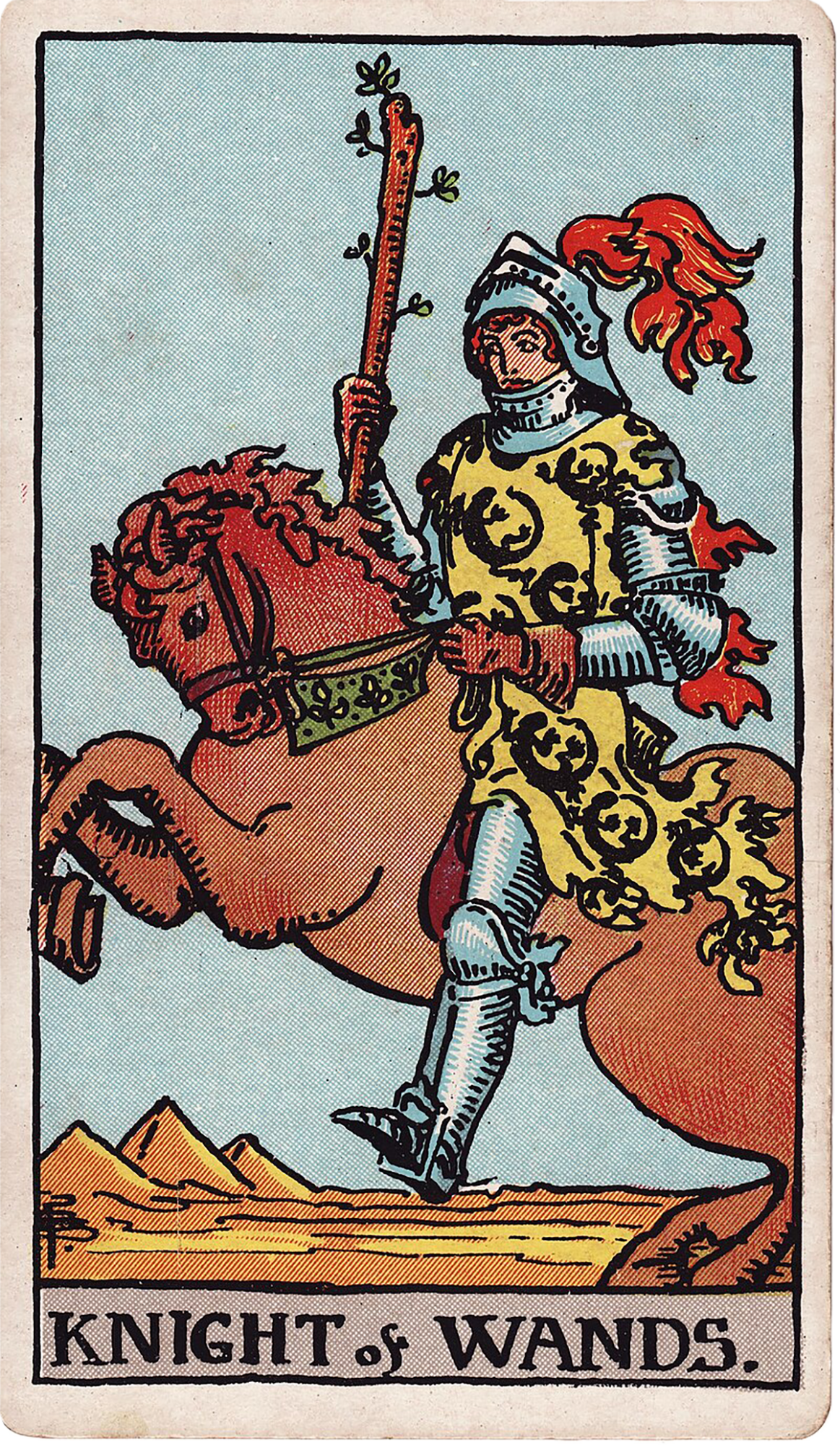 Knight of Wands
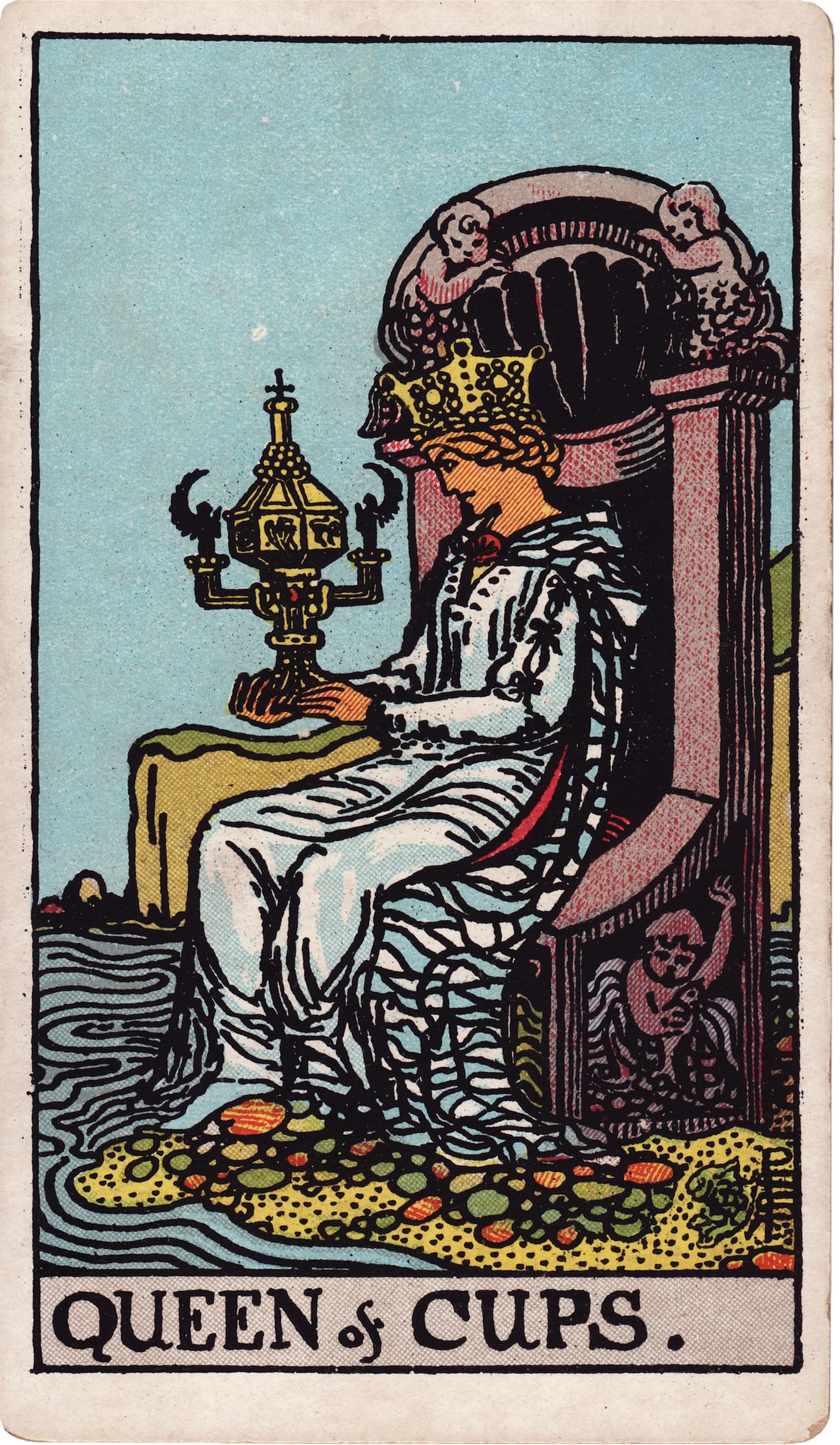 Queen of Cups
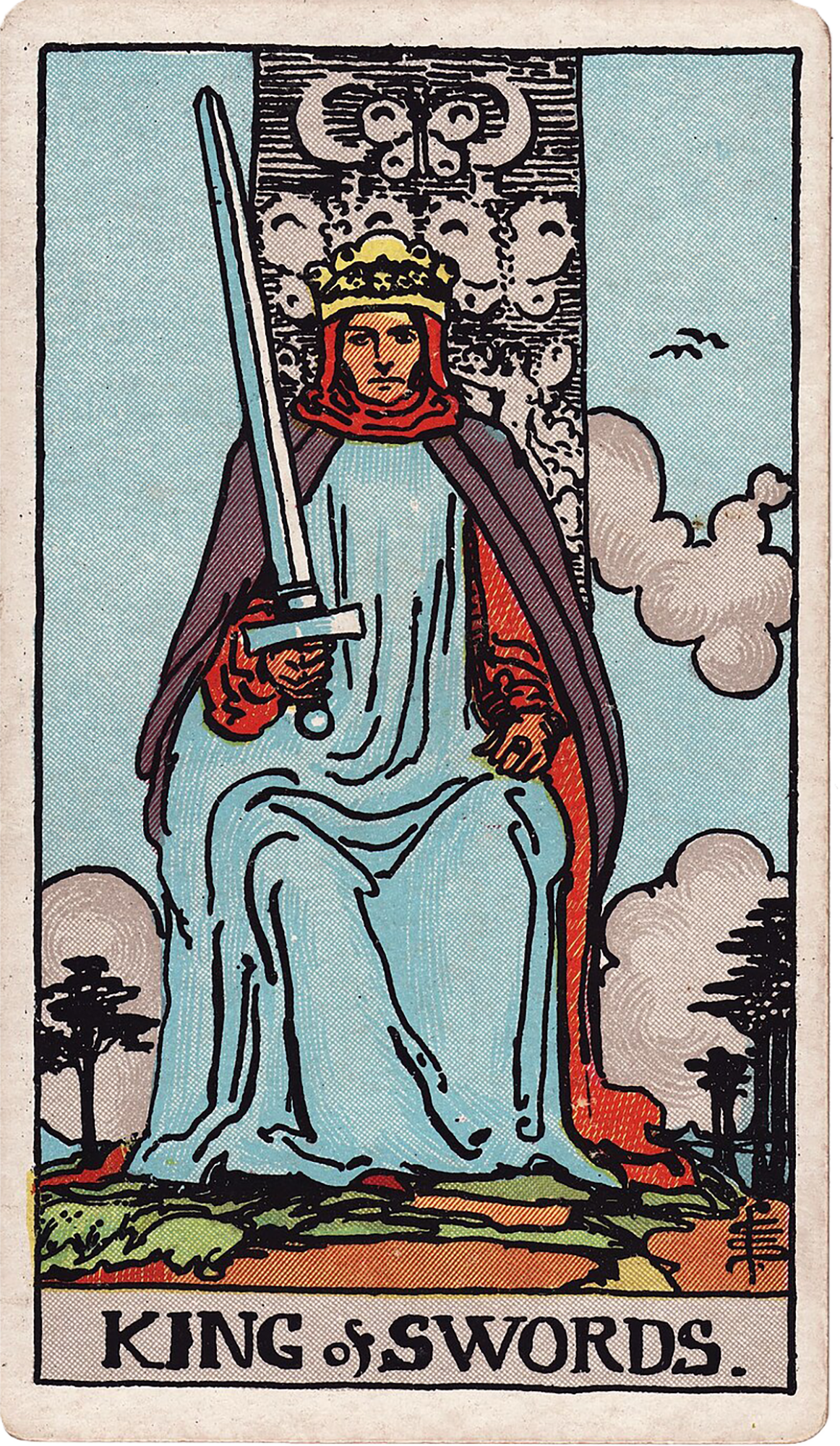 King of Swords
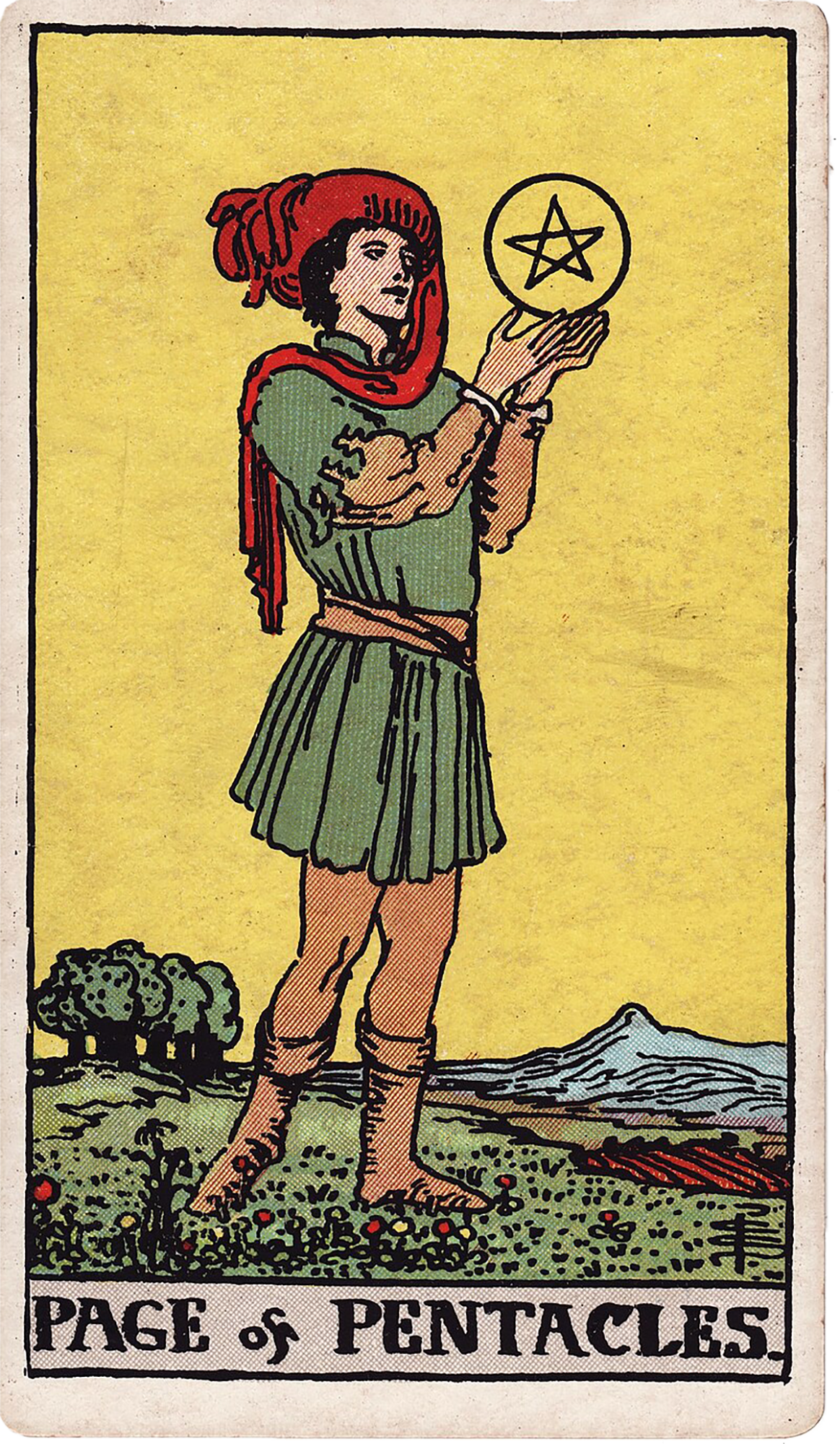 Page of Pentacles
Introduction: Why use court cards to structure microlearning
Court cards describe roles, personalities, or functions rather than singular events. That quality makes them ideal scaffolds for repeated learning cycles: each court card can represent a phase a learner steps into and out of. The four supplied cards — Page of Pentacles, Knight of Wands, Queen of Cups and King of Swords — form a compact, balanced loop. They map cleanly to stages every learner experiences: preparing a small practical experiment (Page of Pentacles), taking decisive embodied action (Knight of Wands), reflecting on feelings and interpersonal effects (Queen of Cups), and making strategic adjustments (King of Swords). Because court cards emphasize method and identity, using them repeatedly trains not just skills but roles the learner can inhabit. This is microlearning: short cycles, immediate feedback, and repeated iteration. The imagery of the Rider‑Waite‑Smith cards supplied will be used as practical prompts and anchors throughout the method.
Court card archetypes and why these four work together
A short rationale for the ensemble helps you apply the cycle deliberately rather than symbolically. Use the supplied descriptions and Rider‑Waite‑Smith imagery as follows. Page of Pentacles — the beginner and observer: On the RWS card a young person studies a single pentacle with the earth and fields behind them. The Page models curiosity, focused attention, the launch of a practical experiment, and humility about skill. In a microlearning cycle the Page stage is about small, concrete, measurable goals and the habits that make practice possible. Knight of Wands — momentum and bold testing: The Knight of Wands in RWS rides forward, wand held upright, desert background implying movement and risk. This card brings decisive action, energy, and a readiness to test ideas in the real world. In microlearning the Knight stage is a short, energetic test where you deliberately act quickly enough to reveal results but with enough direction to learn. Queen of Cups — integration and emotional feedback: The Queen of Cups sits on a throne by the sea holding a closed cup, suggesting contained receptivity and intuitive listening. This stage is where you attend to feelings, relationships, audience reactions, and how the experience felt. The Queen helps you process subjective data that numbers miss. King of Swords — analysis, criteria and refinement: The King of Swords sits upright with his sword and a throne decorated with symbols of transformation. He represents clarity, standards, ethical judgment and strategy. In the cycle his role is to synthesize evidence, set acceptance criteria, and design the next Page experiment. Together they form a loop: Page makes a small plan, Knight executes a bold micro‑test, Queen collects emotional and relational feedback, King codifies learning and refines the next plan. Anchor each phase to the card’s imagery and the conventional suit associations: Pentacles = material/practical, Wands = energy/initiative, Cups = feelings/relationships, Swords = thought/analysis.
A step‑by‑step reading method to run a microlearning cycle
Purpose: Run short learning cycles (single session or a week) and use the court cards to structure action, extraction of insight, and next steps. Materials: The four supplied cards or images of them, a journal, a timer, and a clear learning target (one sentence). 1) Set intention (3–5 minutes). State a single measurable target: what small skill or habit you want to explore. Example: “Deliver a 3‑minute introduction without notes.” Shuffle and focus on the intention. 2) Lay the four‑card loop visually (2–5 minutes). Arrange the cards clockwise: top‑left Page of Pentacles, top‑right Knight of Wands, bottom‑right Queen of Cups, bottom‑left King of Swords (or any clockwise order). Use the supplied card images so the visuals remain present. 3) Page stage — design a micro‑experiment (5–15 minutes). Look at the Page of Pentacles image: the figure studying a coin suggests making an observable, low‑risk test. Write one concrete micro‑assignment with a timebox (5–20 minutes), resources required, and success criterion. Example micro‑assignment: “Practice a 3‑minute intro twice, time myself, note one sentence to drop.” Keep it small and material — Pentacles asks for practical reality. 4) Knight stage — enact the experiment (timebox from the Page). Embody the Knight of Wands: move with intention and speed. Execute the task. Use the RWS Knight imagery to encourage confident movement rather than perfection. Record what happened: what worked, surprises, and immediate outcomes. 5) Queen stage — emotional and relational reflection (5–15 minutes). Sit with the Queen of Cups image. Ask: How did it feel? What emotional responses showed up? What did listeners seem to feel? The Queen’s closed cup suggests listening inwardly before speaking outward judgments. Record feelings, physical sensations, and observed interpersonal reactions. 6) King stage — analysis and criteria (10–20 minutes). Move to the King of Swords image. Translate observations into criteria: what would count as success? Which parts are reproducible? Make a short plan for the next Page micro‑assignment based on this analysis. The King helps you create rational guardrails and a clearer metric. 7) Close the loop. Note the cycle duration and set a re‑run time. Microlearning works when loops repeat quickly, so plan the next cycle within a day to a week. 8) Track progress across cycles. Keep a simple log with: cycle number, micro‑assignment, Knight result, Queen notes, King actions. Over time you will see patterns of what changes and what stalls.
Interpreting each card in the microlearning context with upright and reversed nuance
Understanding upright vs reversed as process states (rather than moral opposites) is essential. Use the supplied reversed descriptions as guides to troubleshoot stalled learning. Page of Pentacles upright: Beginner energy, curiosity, realistic plan. Imagery cues: the studious gaze at the pentacle, fields and mountains signalling patience and practice. Microlearning implication: design small practice steps, pick materials, set conditions. Page of Pentacles reversed: Procrastination, poor study habits, lack of follow‑through. Ask: What is blocking the beginner’s habit? Is the assignment too large, or are resources missing? Simplify the task and restore environmental cues. Knight of Wands upright: Bold movement and decisive testing. Imagery cues: charging horse, wand held confidently. Microlearning implication: do a short, energetic test to generate feedback quickly. Value speed paired with a clarified direction. Knight of Wands reversed: Recklessness, impatience, unfinished ventures. If you jump too fast without structure, you’ll gain shallow data. Slow the Knight: reduce scope, set clearer criteria, or convert the Knight test to several smaller attempts. Queen of Cups upright: Mature emotional receptivity. Imagery cues: the closed cup, a throne by water, reflective seas. Microlearning implication: take qualitative data seriously. Journal feelings and interpersonal nuances; ask how the learner’s internal state affected performance. Queen of Cups reversed: Emotional overwhelm, codependency, or withdrawal. If the Queen is reversed you might be conflating anxiety with intuition or avoiding honest feeling. Use named affect labeling and boundary questions: what did you feel that was yours vs borrowed? King of Swords upright: Strategy, clear standards, ethical judgment. Imagery cues: upright sword, symbols of transformation on the throne. Microlearning implication: set measurable criteria, create rules for practice, and decide next steps with clarity. King of Swords reversed: Coldness, intellectualization without compassion, or misuse of authority. If reversed, avoid only using numbers without context. Bring the Queen’s empathy back into the King’s analysis and temper decisions with kindness. Use these interpretations to answer: Is the cycle moving forward, merely energetic without learning, stuck in emotion, or over‑rationalized? Place more attention on the card that signals imbalance.
Three concrete examples showing the cycle in action
Example 1 — Public speaking (target: concise introductions) Page: Assign a 3‑minute intro to practice twice on video. Success criterion: maintain structure and end at 3:00 ± 10s. Knight: Deliver both takes quickly as a Knight of Wands would. Note where you rush or bloat. Queen: Watch recordings, note feelings—anxiety before opening, warmth on a particular anecdote, audience cues (eye contact?) that felt good. King: Create rules: open with a one‑sentence hook, follow two transition phrases, practice pacing with a timer. Next Page assignment: rehearse just the opening hook 10 times with breath cues. Example 2 — Learning a short coding task (target: write a function that filters data) Page: Read one short tutorial and write a one‑function implementation. Success criterion: function runs on sample input. Knight: Implement the function quickly, deliberately using prior patterns. The Knight phase will reveal syntax mistakes and logic gaps. Queen: Note frustration, confusion spots, moments of clarity. Record which metaphors helped. King: Decide which conceptual gaps to teach yourself next (e.g., how filters work), update the next microlesson with specific examples. Example 3 — Habit formation (target: five minutes of daily journaling) Page: Design a five‑minute morning prompt and clear location (at the kitchen table) with a timer. Knight: Do a week of five‑minute sessions, moving quickly past resistance. Queen: Reflect on mood changes and whether journaling affected interactions. King: Analyze adherence patterns and adjust (change prompt, time, or environment). In each example the RWS imagery reinforces action: the Page’s attention to the object, Knight’s forward motion, Queen’s receptive container, King’s upright criteria.
Designing micro‑assignments from visual cues on the cards
Use the Rider‑Waite‑Smith images to craft assignments that match each card’s mood and suit skill. Page of Pentacles cues: focused observation, small physical or material step, a single concrete target (one problem, one paragraph, one physical repetition). Assignment templates: 'write 150 words on X', 'practice chord progression A for 8 minutes', 'compile a one‑page checklist.' Include material supports: pen, timer, whiteboard. Knight of Wands cues: movement, speed, boldness. Assignment templates: 'deliver a 90‑second presentation', 'commit to a quick cold‑call', 'do a timed improv coding challenge.' Encourage minimal preparation and decisive execution. Queen of Cups cues: contain and feel. Assignment templates: 'note three feelings during the task', 'reflect on two interpersonal reactions', 'write a short empathy note to yourself about what happened.' Use the cup image to remind learners to hold rather than react immediately. King of Swords cues: set standards and rules. Assignment templates: 'create a pass/fail checklist for the skill', 'write three explicit acceptance criteria', 'list two experiments to test the most uncertain assumption.' The King transforms qualitative feedback into actionable orders.
Common mistakes and how to troubleshoot them
Mistake: Treating the cards as magic instructions rather than process scaffolding. Fix: Use them as prompts for evidence‑based action and reflection. Mistake: Making micro‑assignments too big. Fix: Follow the Page’s model: aim for micro, measurable, achievable steps (5–20 minutes). Mistake: Skipping reflection because action feels productive. Fix: Honor the Queen phase: emotional and relational data often explain why behaviors persist. Mistake: Over‑rationalizing every failure at the King stage and losing motivation. Fix: Combine King analysis with Queen compassion; revise acceptance thresholds and reward incremental progress. Mistake: Misreading reversals as purely negative. Fix: Treat reversed cards from the supplied descriptions as signals of where the process is stuck — what needs to be simplified, practiced, released, or communicated. Mistake: Applying a single cycle once and expecting large change. Fix: Plan rapid repetition. Microlearning gains come from many small cycles with immediate feedback.
Advanced variations and tracking progress
1) Time scales: Run cycles as short as 30 minutes (for technical drills) or weekly (for interpersonal skill development). Keep cycle length consistent for better comparative data. 2) Weighted reporting: Quantify Knight outcomes (score 0–5), code Queen observations (emotional valence), and log King actions (changes made). Over time you can chart trends. 3) Role swapping and team learning: Use the cards to assign roles in group practice. One person designs (Page), one performs (Knight), one observes emotional dynamics (Queen), one records metrics and suggests next steps (King). This helps train multiple perspectives and develops shared vocabulary. 4) Layered decks: If you work with only images, consider printing the four supplied cards and pinning them where you work; their visual presence primes each phase. 5) Reframing reversals: If the Knight keeps appearing reversed across cycles, shorten the Knight actions and run additional Page experiments to rebuild reliable mechanics. If the Page is reversed across cycles, revisit environment and incentives.
Putting it into practice: a short routine to start today
1) Identify a one‑sentence learning target. 2) Pull the four supplied cards into the order described and gaze at each image for 30 seconds to orient your mind. 3) Use the Page step to design a 10‑minute micro‑assignment. 4) Time and execute the Knight test. 5) Spend 5 minutes on Queen reflection, writing sensations, moods, and social notes. 6) Spend 10 minutes with the King making clear criteria for success and a single change for the next cycle. 7) Repeat the cycle in 24–72 hours and compare logs. This practice trains both skill and the learner’s capacity to inhabit time‑limited, role‑based work states.
Conclusion and ethical notes
This microlearning cycle is an adaptable, evidence‑friendly way to use court card archetypes for practical skill development. The four cards supplied — Page of Pentacles, Knight of Wands, Queen of Cups and King of Swords — give a balanced loop of curiosity, action, feeling and judgment. Use Rider‑Waite‑Smith imagery as a practical prompt: the Page’s attentive gaze, the Knight’s movement, the Queen’s contained cup, and the King’s upright sword each point to concrete behaviors. Remember: this is a pedagogical technique, not a divination guaranteeing outcomes. Maintain compassion for the learner, iterate quickly, and use the cards to help structure repeated, measurable practice.
Practice questions
• Which of the four supplied cards most accurately describes how you usually begin a new skill, and why?
• After a Knight stage test, what emotional responses did the Queen phase reveal that numbers missed?
• When the Page of Pentacles is reversed for you, what small environmental or planning change helps restart progress?
• Which criterion would the King of Swords set as an honest pass/fail for your next micro‑assignment?
• How many cycles will you commit to before changing your metric or strategy?
Comments
Sign in to comment.
Continue learning
Interpreting the Dance of Justice and The Devil: Balancing Morality and Temptation in Tarot Readings
The combination of Justice and The Devil in tarot presents a profound exploration of morality, temptation, and personal accountability. This article unpacks how these cards influen...
Advanced Techniques for Combining The Moon and The Star to Enhance Intuition in Tarot Readings
This article explores advanced techniques to combine the symbolism and energy of The Moon and The Star Tarot cards to enhance intuition during Tarot readings. Drawing from traditio...
Unlocking Life Insights with the Celtic Cross Tarot Spread
This article offers a thorough exploration of the Celtic Cross Tarot Spread, focusing on its application within family and practical life contexts. Using a worked example featuring...
Unlocking Hidden Meanings with The Hermit and The Hanged Man for Spiritual Growth
This article offers an in-depth exploration of The Hermit and The Hanged Man Tarot cards focusing on their roles in spiritual growth. It guides readers through beginner and advance...
Unlocking Personal Insight with the Seven Card Horseshoe Spread
The Seven Card Horseshoe Spread is a practical and insightful Tarot layout ideal for exploring personal and family dynamics. This article breaks down each position—Past, Present, H...
Mastering the Court Cards of Wands for Unlocking Personal Drive and Leadership
The Court Cards of Wands represent a dynamic spectrum of personal energy, ambition, and leadership potential within the Minor Arcana. This article offers a comprehensive exploratio...
Tracing the Origins and Evolution of The Fool Card in Tarot History
The Fool card holds a foundational place in tarot tradition, symbolizing beginnings, openness, and the embrace of uncertainty. This article traces its origins from early European d...
Techniques for Reading Court Cards to Unlock Personality Insights
Court cards in Tarot often represent people, personality traits, or energy patterns within a situation. This article offers a structured approach for beginners and advanced readers...
Unlocking Emotional Transformation with Death and The Moon Tarot Combination
This article explores the rich and complex interaction between the Death and The Moon tarot cards within the Rider-Waite-Smith tradition, focusing on their combined potential to un...
Applying The Star Card to Foster Hope and Renewal in Personal Growth
The Star card in Tarot symbolizes hope, authenticity, and the process of steady renewal. In a single-card reading, The Star encourages embracing what is present, cultivating openne...