
Court Card Roleplay Exercises to Sharpen Decision Making and Teamwork
This article uses three Minor Arcana court cards—the King of Wands, Queen of Cups, and Page of Swords—as role templates for structured roleplay. It explains how their Rider-Waite-Smith imagery and conventional upright/reversed meanings map to leadership, empathy, and information dynamics. The result is a set of exercises, a practical reading-method for group work, interpretation logic, common mistakes, and sample sessions to sharpen decision making and teamwork.
Cards explored in this article
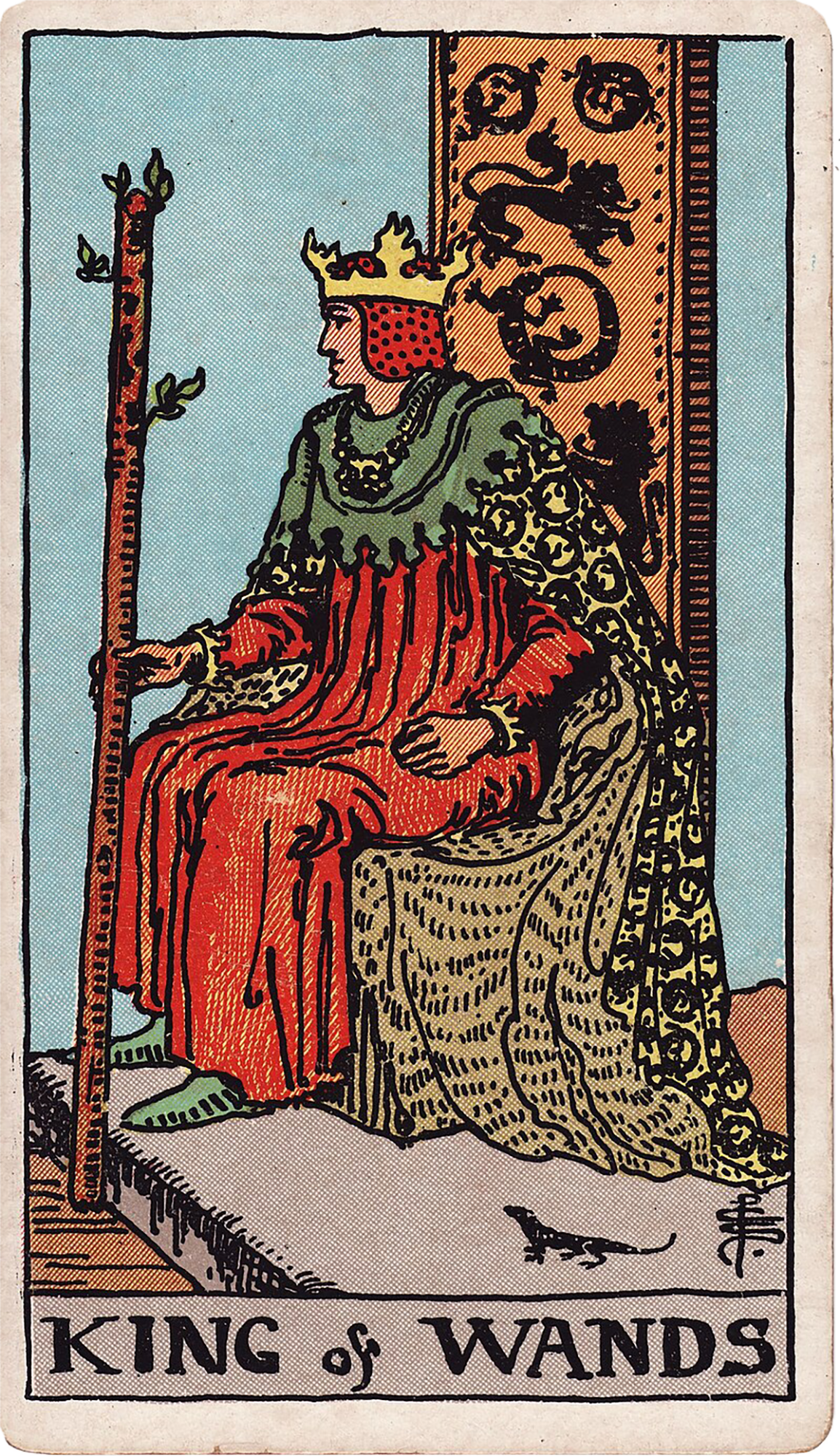 King of Wands
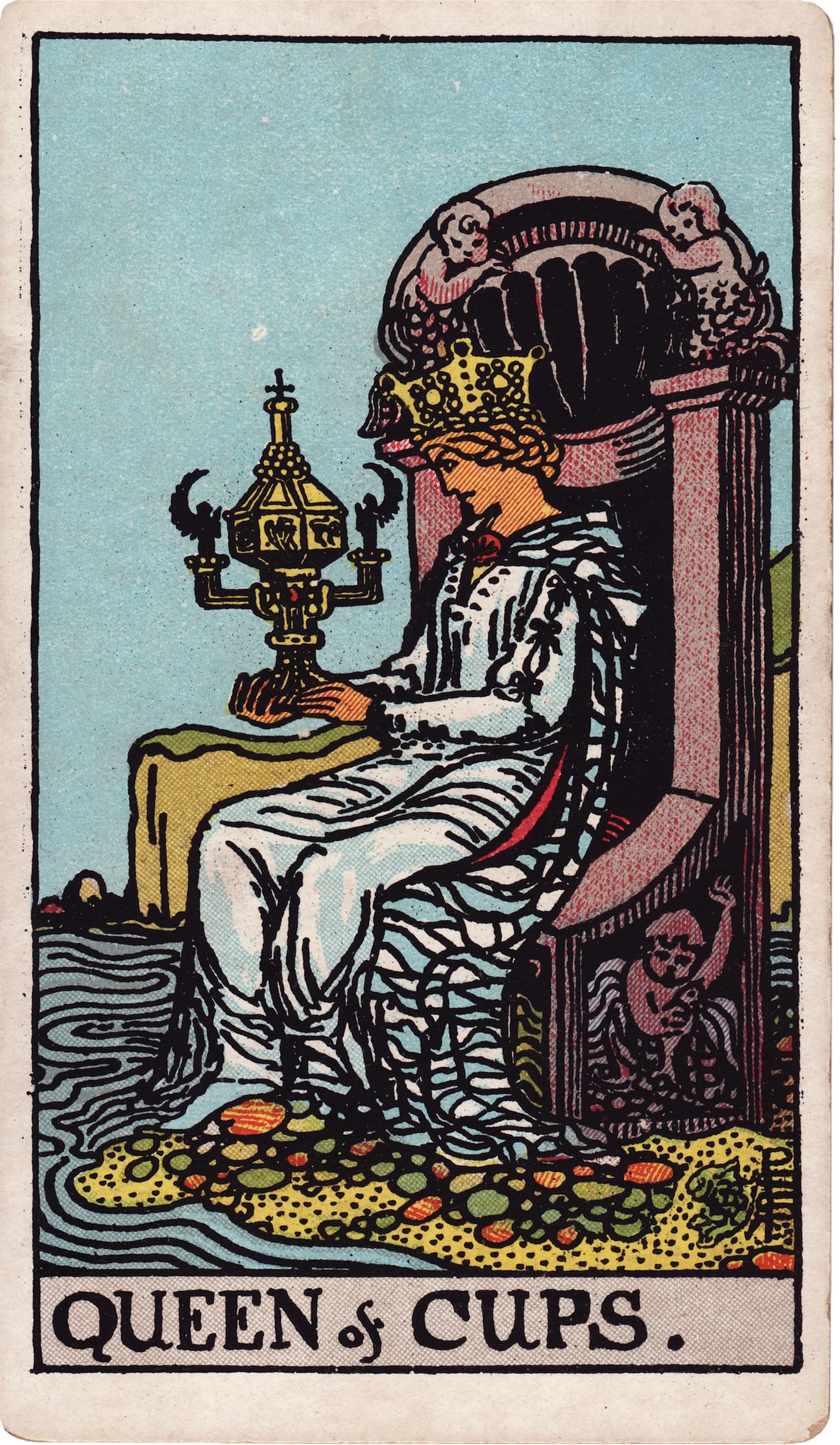 Queen of Cups
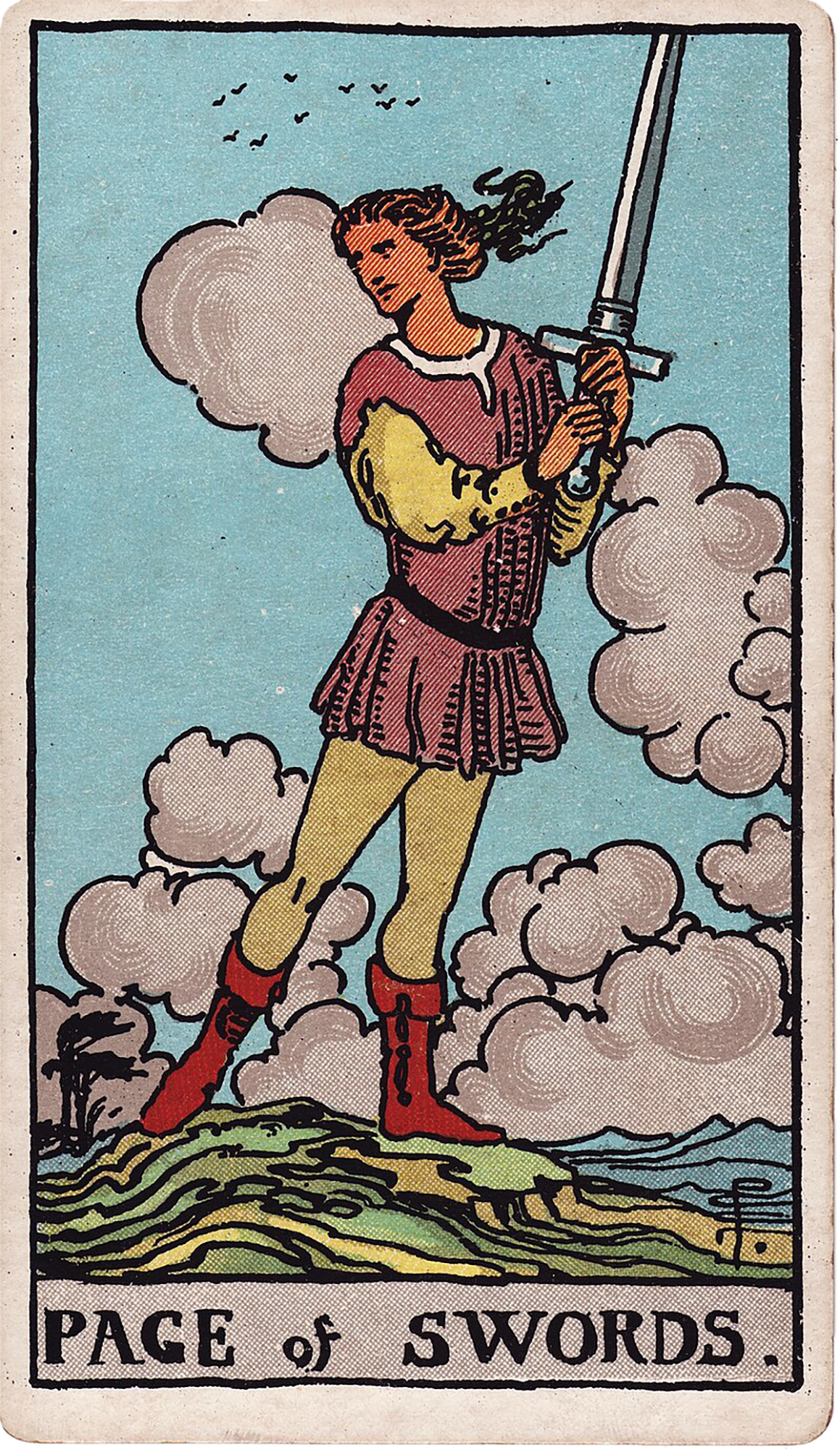 Page of Swords
Overview and Learning Goals
This article teaches facilitators and learners how to use court cards as live role templates. Using the supplied card images—King of Wands, Queen of Cups, and Page of Swords—participants adopt behavioral stances that highlight specific decision-making and teamwork skills. The King of Wands represents mature direction of creative force: vision, courage, entrepreneurship and responsibility for the energy one sets in motion. The Queen of Cups represents mature emotional receptivity, empathy and intuitive understanding while maintaining an inner container for feeling. The Page of Swords represents mental curiosity, vigilance and a desire to ask questions or gather information. Each card offers upright and reversed dynamics; in roleplay, upright prompts are practiced strengths, reversed prompts reveal stuck patterns or shadow behaviors to surface and work with. Learning goals: 1) Practice clear role differentiation for faster group decisions; 2) Build emotional regulation and receptive listening under pressure; 3) Strengthen information-gathering, challenge assumptions, and improve communication; 4) Use tarot imagery as a stable, translatable archetype so learners can externalize behaviors and iterate safely.
Why Court Cards Are Effective for Roleplay
Court cards are human-scaled archetypes. Unlike numbered pip cards that emphasize situational forces, court courts are personas—useful for embodied practice. The Rider-Waite-Smith symbolism helps learners anchor improvisation to concrete visual cues: the King of Wands holds a flowering wand and sits amid symbols of leadership (robes, a throne) suggesting action that is intentional and generative; the Queen of Cups sits by the water with a lidded cup, reminding players to contain and respect feeling; the Page of Swords, windblown and watchful, emphasizes enquiry and alertness. Because each court card maps to a constellation of skills and pitfalls, they create compact role prescriptions that a group can adopt quickly. For teams trying to improve decision-making, assigning these roles clarifies who focuses on vision & direction (Wands), who monitors relational tone & empathy (Cups), and who checks assumptions, evidence and language (Swords). Reversals—such as domination from the King of Wands or emotional overwhelm from the Queen of Cups or gossip-prone Page of Swords—become intentional constraints or stress tests in exercises.
Reading the Supplied Cards as Role Templates
This section anchors role templates to the supplied card imagery and provided meanings so that practice stays visually connected and textually consistent. King of Wands — image and role signals: In the supplied King of Wands image you will see a mature figure holding a flowering wand, seated with symbols of authority and fire imagery on robes. Use the upright description—"mature direction of creative force: vision, courage, entrepreneurship and responsibility for the energy one sets in motion"—as your role brief. In practice the King of Wands acts as initiative-leader: proposes a bold direction, sets priorities, and accepts responsibility for follow-through. Upright practice focus: clarity of intent, decisive announcements, delegation that includes explanation. Reversed prompt: "domination, impatience, grandiosity, temper, or expecting others to execute a vision that has not been communicated clearly." Use reversals as fault-injection: the King may withhold crucial details, bully consensus, or get frustrated at implementation. The learning target is to notice when vision becomes coercive and how to return to responsible leadership. Queen of Cups — image and role signals: The Queen of Cups picture shows a seated figure by the water holding a lidded cup. The upright description emphasizes "mature emotional receptivity, empathy and intuitive understanding while maintaining an inner container for feeling." As a role, the Queen monitors relational climate, asks clarifying emotional questions ("How is this landing for you?"), and holds silence for processing. Upright practice focus: reflective listening, naming feelings, and offering containment without rescuing. Reversed prompt: "emotional overwhelm, codependency, absorbing others' moods, withdrawal into fantasy or difficulty separating intuition from anxiety." Use that to simulate overload environments where the Queen struggles to maintain boundaries; teammates practice noticing and compensating. Page of Swords — image and role signals: The Page of Swords shows a young, alert figure holding a sword upright against a windy sky. The upright description highlights "mental curiosity, vigilance and a desire to ask questions or gather information." Role behavior: ask probing, clarifying, and sometimes inconvenient questions; point out assumptions, inconsistencies, and hidden risks. Upright practice focus: targeted interrogation, evidence requests, diagramming options. Reversed prompt: "gossip, defensiveness, scattered attention, spying, argumentative communication or speaking before understanding." Use reversals to practice de-escalation and channeling curiosity into constructive inquiry rather than commentary.
Concrete Exercises and Formats
Below are detailed roleplay formats you can run in groups of 3–8 people. Each format ties directly to the supplied cards and their upright/reversed dynamics. 1) Triad Scenario Sprint (30–45 minutes) - Setup: For each triad, assign King of Wands, Queen of Cups, and Page of Swords to three people. Fewer than three? Use one person to rotate roles in short rounds. Use a concrete, bounded scenario (e.g., "We need to decide whether to pivot our product feature this quarter"). - Round 1 (Upright emphasis): Each role acts only in its upright mode. King proposes a direction, Queen listens and names emotional impacts, Page asks clarifying questions. Timebox to 10 minutes. Debrief 10 minutes: what decisions surfaced? What was missed? - Round 2 (Shadow injection): Flip one role to a reversed prompt (e.g., reversed King). Run the scenario again. The reversed King might bulldoze without communicating details. Debrief: What signs indicated domination? How did the Queen and Page respond? Rotate reverse to other cards. - Learning objective: Practice boundary setting, asking for specifics, and restoring collaborative process under pressure. 2) Escalation Ladder (45–60 minutes) - Setup: A group forms a meeting. One person plays King of Wands (leader), another Queen of Cups (team health), and a rotating Page of Swords (analyst). Leader introduces an escalating constraint (timeline shortened, budget cut). Each escalation step adds pressure and optionally flips one role reversed. - What to train: decision speed without sacrificing clarity, maintaining empathy when resources shrink, and rigorous questioning to avoid rash choices. 3) Hot Seat with Witnesses (60 minutes) - Setup: One participant sits in the "hot seat" as King of Wands presenting a decision. Queen of Cups and Page of Swords are designated responders. The rest of the group are neutral witnesses tasked with observing specific behaviors tied to the supplied card meanings (e.g., witness list: signs of domination for King, signs of emotional flooding for Queen, signs of scattered attention for Page). - Process: After 5–7 minutes of roleplay, witnesses give feedback citing concrete behaviors seen in the images and descriptions. The hot-seat person replays incorporating feedback. 4) Reverse-Role Empathy Swap (40 minutes) - Setup: After practicing upright behavior, swap roles: King practices Queen behaviors, Queen practices Page behaviors, and Page practices King behaviors. Use supplied card language to brief them quickly. - Purpose: Build cognitive flexibility and appreciation for others' responsibilities. Noticing the King trying to be empathic or the Page trying to generate vision exposes growth edges and teamwork gaps. 5) Rapid Card Draw for Decision Drills (15–30 minutes) - Setup: Shuffle three cards (the supplied images are used as prompts rather than drawn randomly)—declare one as the focus for the round. Ask a quick-fire decision question (e.g., "Approve or delay feature release?"). Assign roles and give 3 minutes each to speak in-card. Debrief on speed vs quality trade-offs. Each exercise refers back to the supplied images and provided upright/reversed meanings so participants can describe concrete visual cues and phrase feedback in card language (e.g., "When you leaned forward and pointed, I saw the King of Wands' impatience; can you slow down and name the steps?").
Step-by-Step Practical Reading Method for Group Roleplay
This method converts a normal tarot reading flow into a live group training exercise using the three supplied court cards as personas. 1) Intention and Scenario: Facilitator sets a clear, bounded scenario (30–60 minute decision, conflict, or planning prompt). State learning intentions (e.g., "practice clear delegation and listening under time pressure"). 2) Show the Cards: Display the supplied King of Wands, Queen of Cups, and Page of Swords images. Read aloud the upright summary phrases and the reversed caution phrases so all participants share language. 3) Role Assignment: Assign roles, ensuring each person understands both upright strengths and reversed pitfalls drawn from the supplied descriptions. 4) Round Structure: Timebox each round (3–10 minutes depending on exercise). Encourage players to speak only in-role during their turns but allow 1–2 interventions from others when safety or process breaks down. 5) Live Noticing: One or two witnesses track behavior using a checklist derived from the supplied reversals (e.g., "King: bossy statements without rationale; Queen: taking on others' distress; Page: interrupting with rumor"). Witnesses record timestamps and quotes. 6) Debrief Protocol: After each round, do a structured debrief—what worked (link to upright strengths), what signals indicated a reversal, and what small experiment will be tried next round. 7) Micro-practice and Repeat: Run 2–4 cycles to embed learning. After iterations, rotate roles so everyone experiences each card. 8) Integration: Finish with a brief group synthesis: write one behavioral rule to keep (e.g., "Before the King gives a directive, they will state the outcome they own and one delegated action") and one failure mode to watch for (e.g., "Queen must not carry more than two people's emotional summaries at once").
Interpretation Logic: From Imagery to Team Signals
How do you translate card imagery and upright/reversed descriptions into reliable interpretive cues in roleplay? Use this logic chain: 1) Symbol → Behavior mapping: Identify a dominant image on the card and name the probable behaviors. Example: King of Wands' flowering wand suggests initiative combined with stewardship—behaviors: propose vision, set tone, initiate resources. Queen of Cups' lidded cup suggests containing emotion—behaviors: pause, reflect, check-in. Page of Swords' alert stance suggests monitoring and interrogation—behaviors: ask clarifying questions, test assumptions. 2) Upright as skill-focus: Treat the upright meaning as the set of intended competencies to practice. If the King of Wands is upright, expect decisive framing and responsible follow-up; coach on calibration (is decision clear and feasible?). 3) Reversed as process failure or stress symptom: Use reversed meanings as intentional stress conditions to surface latent process failures. The reversed King shows domination—look for interruption frequency, unilateral directives, or missing explanation. The reversed Queen shows emotional enmeshment—look for absorption of others' feelings or inability to maintain boundaries. The reversed Page shows gossip or scattered attention—listen for off-topic comments, premature conclusions, or lack of source-checking. 4) Behavioral anchors: Convert card language to measurable anchors for feedback. Examples: interruptions per minute, number of clarifying questions asked, number of emotional check-ins, number of unrecorded decisions. These anchors let you transform poetic card meaning into actionable observation. 5) Integration with outcomes: Tie the roleplay to decision-quality metrics (choice clarity, stakeholder buy-in, next-step ownership) and team metrics (psychological safety, mutual understanding). Use the cards as lenses to explain why a decision succeeded or failed (e.g., "The King set a vision but forgot to name the who/when, which is a classic reversal described in the King of Wands reversed text").
Common Mistakes and How to Avoid Them
1) Over-literal role adoption: Mistake: participants copy only the pictured props or one catchphrase. Fix: Emphasize behavior anchors—what the card's energy does for the group—and rotate to prevent caricature. 2) Unclear scenario bounds: Mistake: scenarios too vague lead to wandering. Fix: Give a tightly scoped decision with time and resource constraints so roles must act. 3) Moralizing the cards: Mistake: treating reversed dynamics as "bad people" rather than process signals. Fix: Frame reversals as learnable conditions—"this is what happens when X goes unchecked"—and build repair steps. 4) Skipping debrief: Mistake: roleplay without structured feedback. Fix: Use the witness checklist and force a 1–2 minute synthesis from each role about what they learned. 5) Neglecting safety: Mistake: emotional load from Queen-of-Cups scenarios runs high. Fix: Set a stop-word, allow timeouts, and designate a facilitator who can pause if boundaries are crossed. 6) Assuming tarot predicts decisions: Mistake: treating exercises as divination. Fix: Remind learners that this is a pedagogical tool; the cards are prompts for behavior, not guarantees of outcomes.
Sample Session: A Worked Example
Scenario: A product team must decide whether to delay a launch by two weeks due to a quality concern. Phase 1 — Upright Round - King of Wands (upright) starts: "I recommend delaying two weeks to avoid reputational risk. I will own communicating timelines to stakeholders and set a task list for the patch." (Clear vision + ownership) - Queen of Cups (upright) responds: "How are the engineers coping with the added pressure? What are we risking emotionally in customer relationships?" (Containment and empathy) - Page of Swords (upright) asks: "What exact tests failed? Who will verify fixes? What metrics are we using to release?" (Targeted inquiry) Outcome: Decision to delay with named owner and verification criteria. Phase 2 — Shadow Injection - King is flipped reversed mid-planning and begins ordering tasks without explaining constraints. Queen begins absorbing team anxiety and can't keep a boundary. Page slips into gossip about a vendor's reliability instead of checking facts. - Witnesses note: increased interruptions, emotional flooding, and unverified assertions. - Debrief: Use the King of Wands reversed text—"domination, impatience, grandiosity... expecting others to execute a vision that has not been communicated clearly"—to reframe what happened. Restore process: ask King to restate the outcome in one sentence, Queen to name two emotions and one boundary, Page to list sources for two claims. This worked example demonstrates how upright skills produce a clear decision and how reversed dynamics create failure modes that can be repaired using the supplied card language as a common vocabulary.
Advanced Variations and Remote Adaptations
1) Multi-team Simulation: Scale the triad into pods where each pod includes a King, Queen, and Page. Give each pod a different constraint. After parallel runs, rotate representatives to cross-pollinate learning. 2) Asynchronous Roleplay: In remote settings, assign roles and have participants post short video clips of their contributions. Use timestamped witness feedback. This increases reflection time and allows careful anchoring to card imagery. 3) Data-Backed Practice: Combine roleplay with simple metrics—time to decision, number of unclarified assumptions, post-session confidence rating. Compare across rounds to measure improvement. 4) Written Role Journals: After each session, participants write a short reflection mapping their behavior to the supplied upright/reversed text. This solidifies the learning link between image and action. Note on inclusivity: When using court cards, be mindful that archetypes can carry gendered or cultural resonances. Emphasize role-as-function, not personality, and encourage players to adapt language to their comfort. The King of Wands is about function (direction) more than any fixed gendered trait.
Closing Teaching Notes
Court cards are powerful because they make abstract team dynamics concrete and shareable through image and text. By repeatedly anchoring exercises to the King of Wands, Queen of Cups, and Page of Swords—using both their upright capacities and reversed failure modes—learners gain a vocabulary for fast feedback and iterative improvement. The method turns tarot imagery into a low-tech, high-fidelity simulation tool for decision making and teamwork. Always close sessions with a commitment to a small, testable behavior change and a plan to measure one observable improvement before the next session.
Practice questions
• Which of the three supplied cards (King of Wands, Queen of Cups, Page of Swords) most naturally describes your habitual contribution to a team? Why?
• When have you seen a leader behave like the King of Wands reversed? What concrete signals indicated that pattern?
• How does the Queen of Cups' lidded cup image help you imagine healthy emotional boundaries versus absorption?
• What kinds of questions from a Page of Swords are most disruptive versus most helpful in your teams?
• During roleplay, which reversal felt hardest to work with and what supports or rules helped restore productive process?
• What measurable anchor (e.g., interruption rate, number of clarifying questions) will you use next session to track improvement?
• How can you reframe a moment of domination, overwhelm, or gossip as an opportunity to practice a specific micro-skill?
• Which exercise format (triad sprint, hot seat, empathy swap) will you run first with your group and what is your one-sentence learning intention?
Comments
Sign in to comment.
Continue learning
Interpreting the Dance of Justice and The Devil: Balancing Morality and Temptation in Tarot Readings
The combination of Justice and The Devil in tarot presents a profound exploration of morality, temptation, and personal accountability. This article unpacks how these cards influen...
Advanced Techniques for Combining The Moon and The Star to Enhance Intuition in Tarot Readings
This article explores advanced techniques to combine the symbolism and energy of The Moon and The Star Tarot cards to enhance intuition during Tarot readings. Drawing from traditio...
Unlocking Life Insights with the Celtic Cross Tarot Spread
This article offers a thorough exploration of the Celtic Cross Tarot Spread, focusing on its application within family and practical life contexts. Using a worked example featuring...
Unlocking Hidden Meanings with The Hermit and The Hanged Man for Spiritual Growth
This article offers an in-depth exploration of The Hermit and The Hanged Man Tarot cards focusing on their roles in spiritual growth. It guides readers through beginner and advance...
Unlocking Personal Insight with the Seven Card Horseshoe Spread
The Seven Card Horseshoe Spread is a practical and insightful Tarot layout ideal for exploring personal and family dynamics. This article breaks down each position—Past, Present, H...
Mastering the Court Cards of Wands for Unlocking Personal Drive and Leadership
The Court Cards of Wands represent a dynamic spectrum of personal energy, ambition, and leadership potential within the Minor Arcana. This article offers a comprehensive exploratio...
Tracing the Origins and Evolution of The Fool Card in Tarot History
The Fool card holds a foundational place in tarot tradition, symbolizing beginnings, openness, and the embrace of uncertainty. This article traces its origins from early European d...
Techniques for Reading Court Cards to Unlock Personality Insights
Court cards in Tarot often represent people, personality traits, or energy patterns within a situation. This article offers a structured approach for beginners and advanced readers...
Unlocking Emotional Transformation with Death and The Moon Tarot Combination
This article explores the rich and complex interaction between the Death and The Moon tarot cards within the Rider-Waite-Smith tradition, focusing on their combined potential to un...
Applying The Star Card to Foster Hope and Renewal in Personal Growth
The Star card in Tarot symbolizes hope, authenticity, and the process of steady renewal. In a single-card reading, The Star encourages embracing what is present, cultivating openne...