
Decoding the Celtic Cross to Track Change and Forecast Next Steps
This article teaches a learner-centered, reproducible method for reading the Celtic Cross to track change and forecast practical next steps. Using a worked example with the supplied cards in order — The High Priestess, The Emperor, The World, 8 of Wands, 6 of Cups, King of Cups, 5 of Swords, 8 of Swords, 9 of Swords, and 2 of Pentacles — the piece explains each position's purpose, links card imagery from the Rider-Waite-Smith tradition to meaning, analyzes card-to-card relationships, and demonstrates how to translate the spread into clear, proportionate actions. It includes technique, timing, common mistakes, practice exercises, and reflection prompts so learners can reproduce the method reliably and ethically.
Celtic Cross
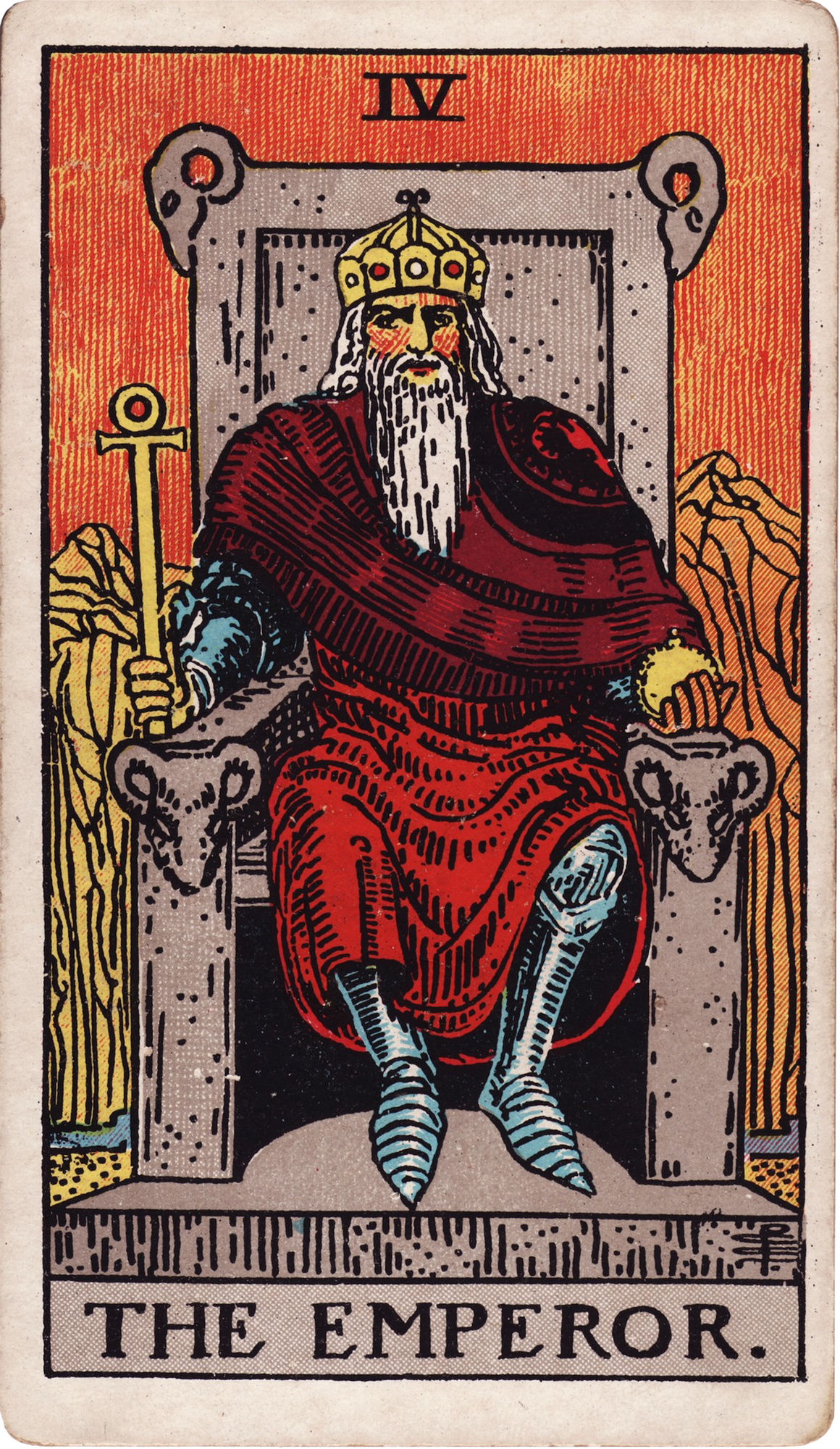 Present / HeartThe Emperor
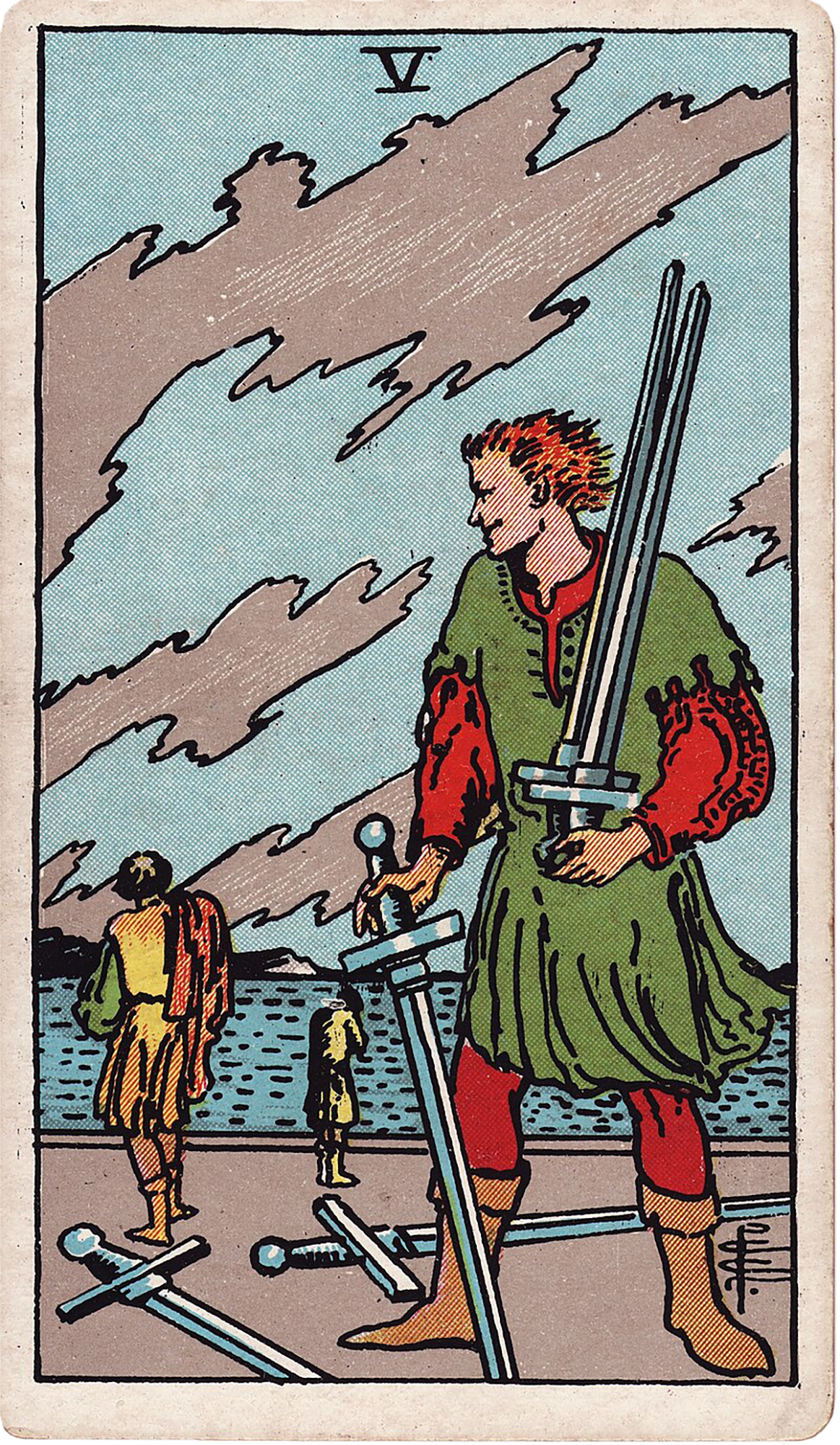 Challenge5 of Swords
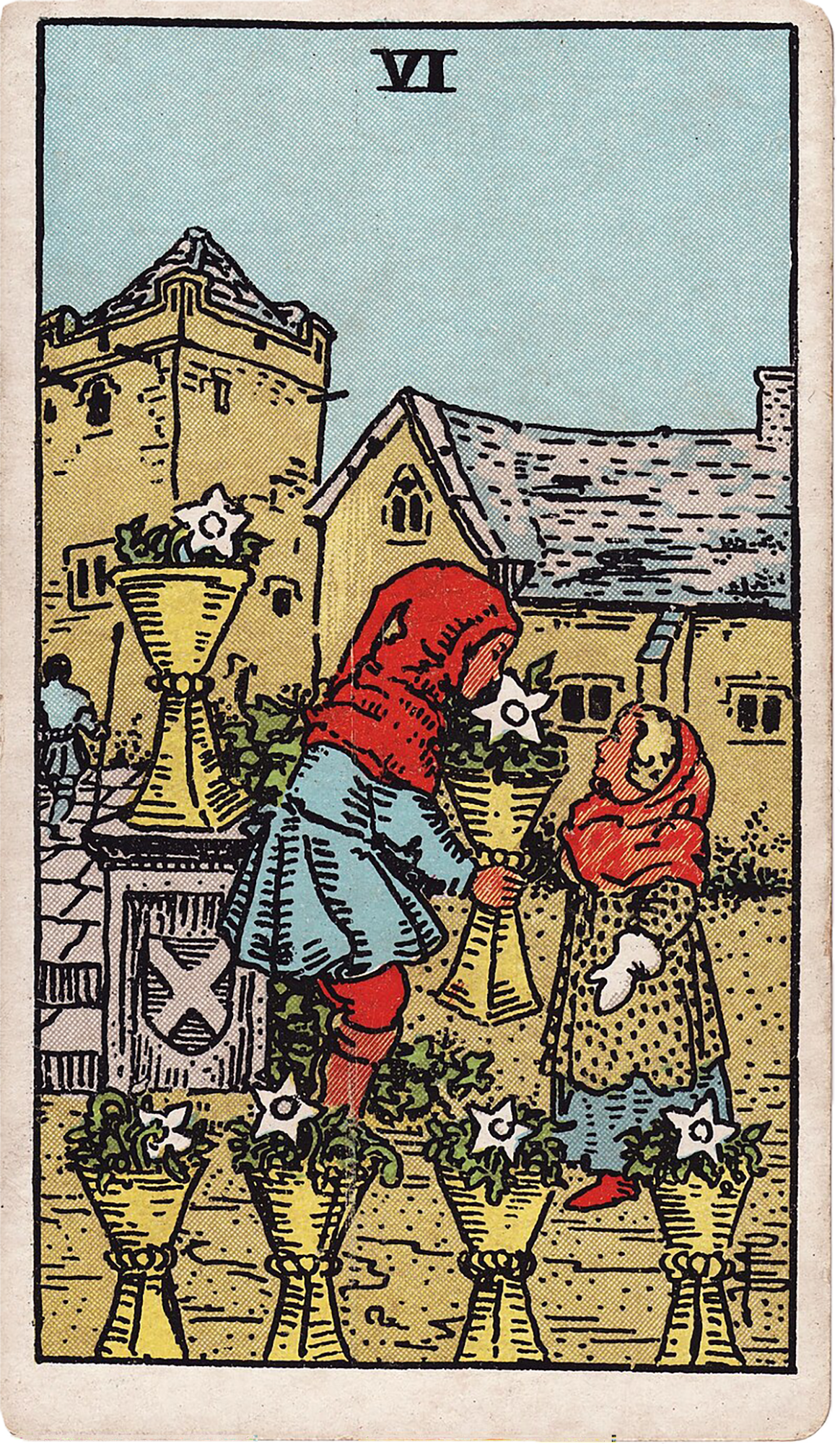 Foundation6 of Cups
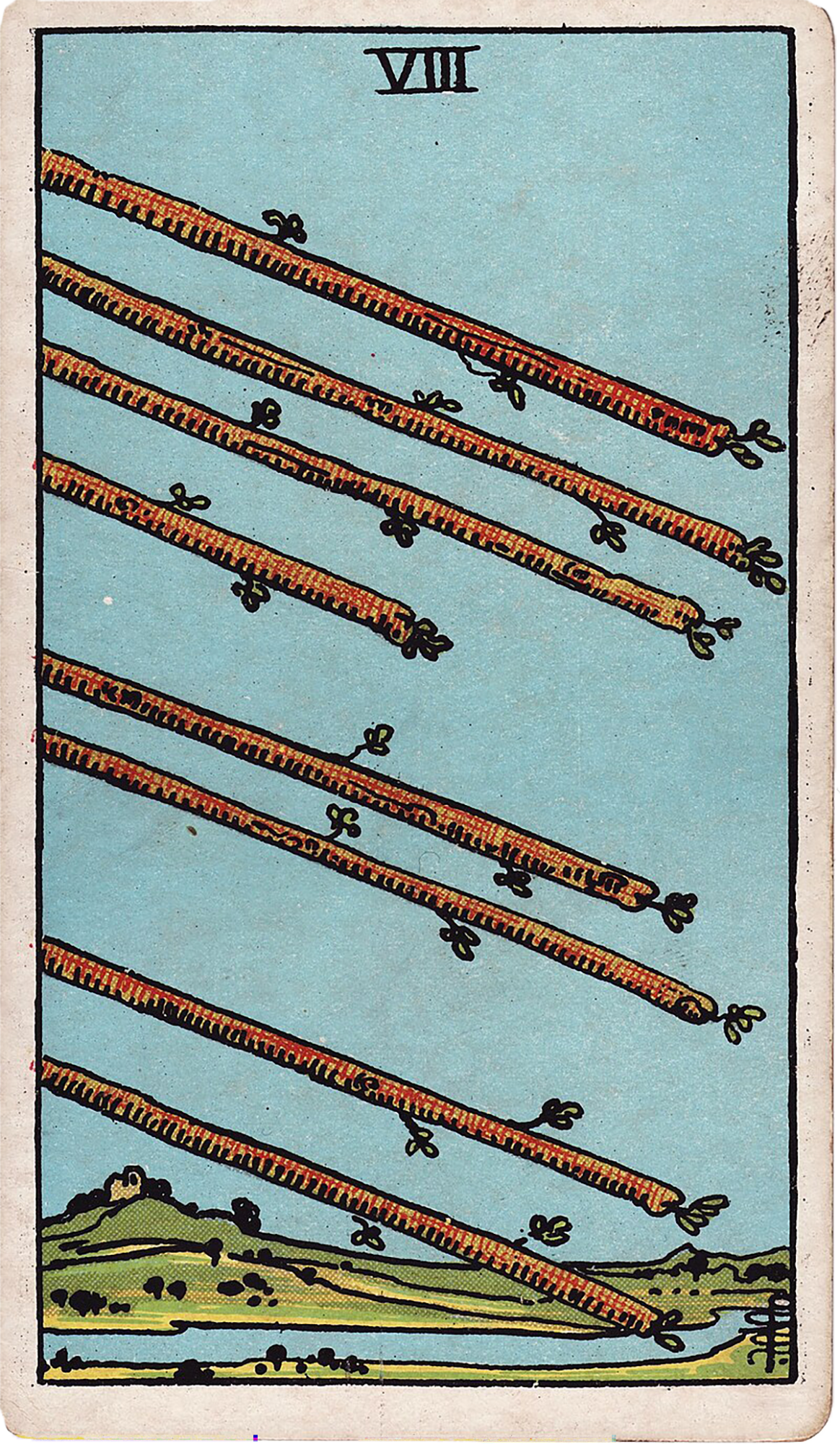 Recent Past8 of Wands
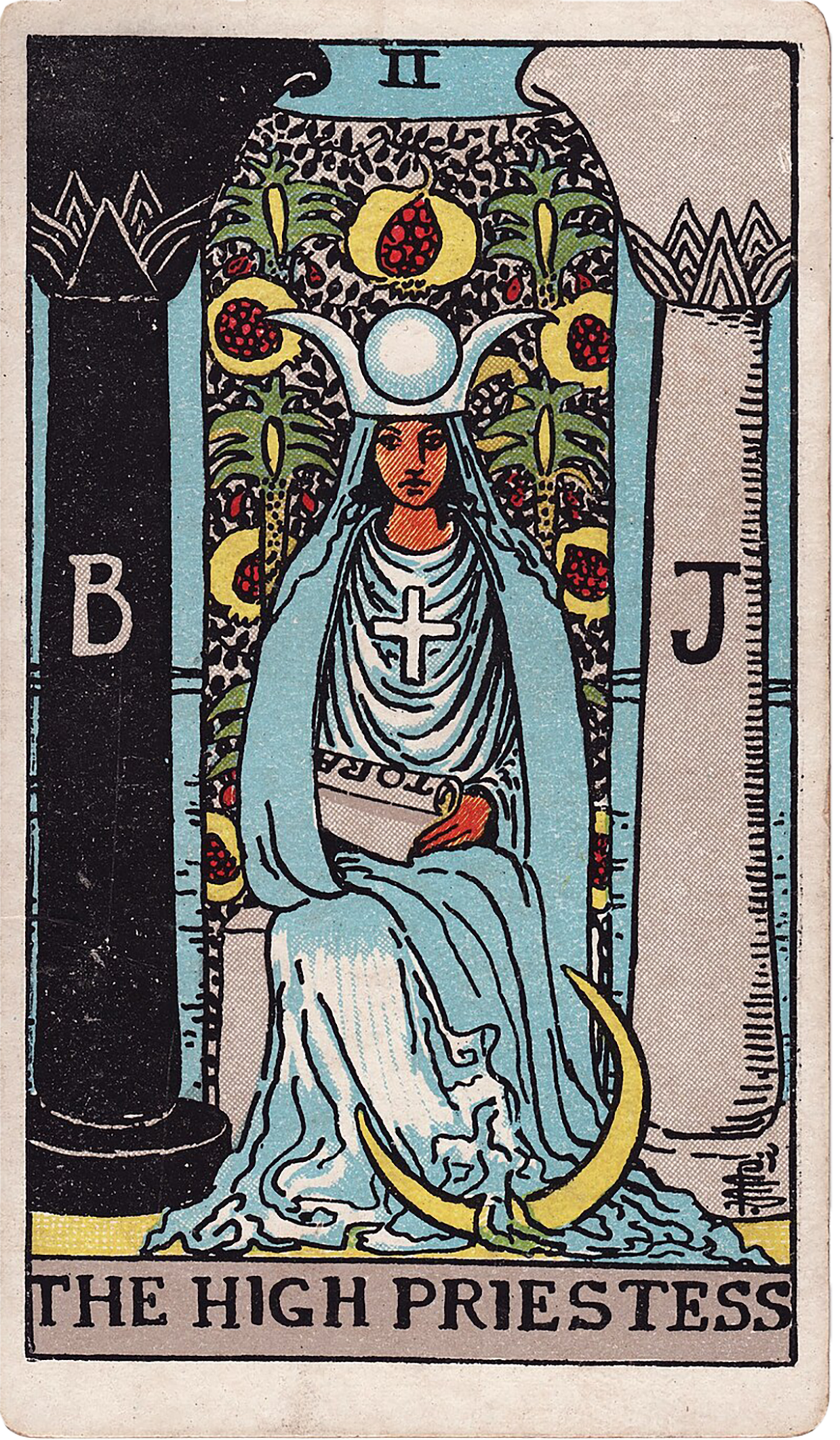 PossibilityThe High Priestess
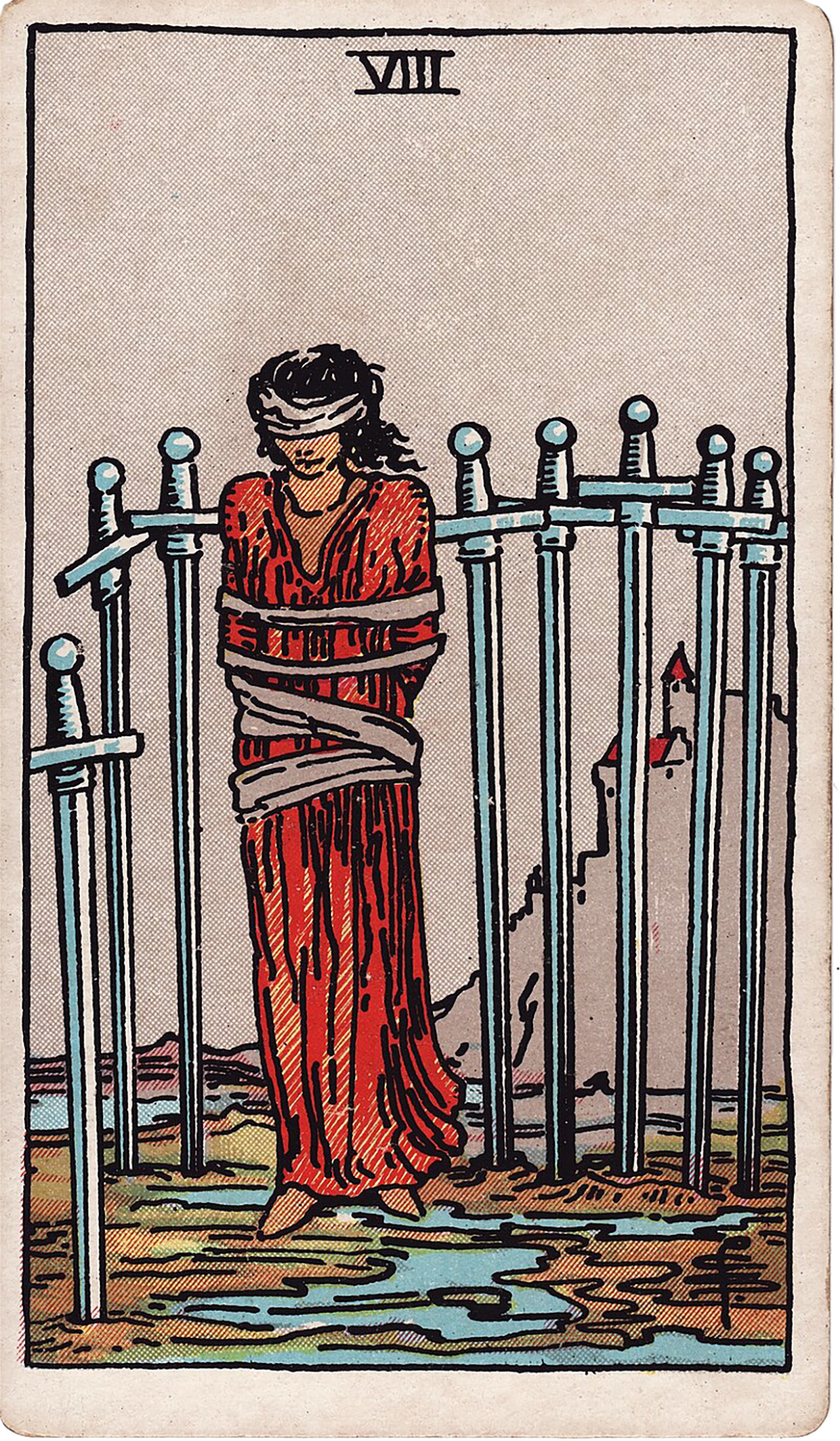 Near Future8 of Swords
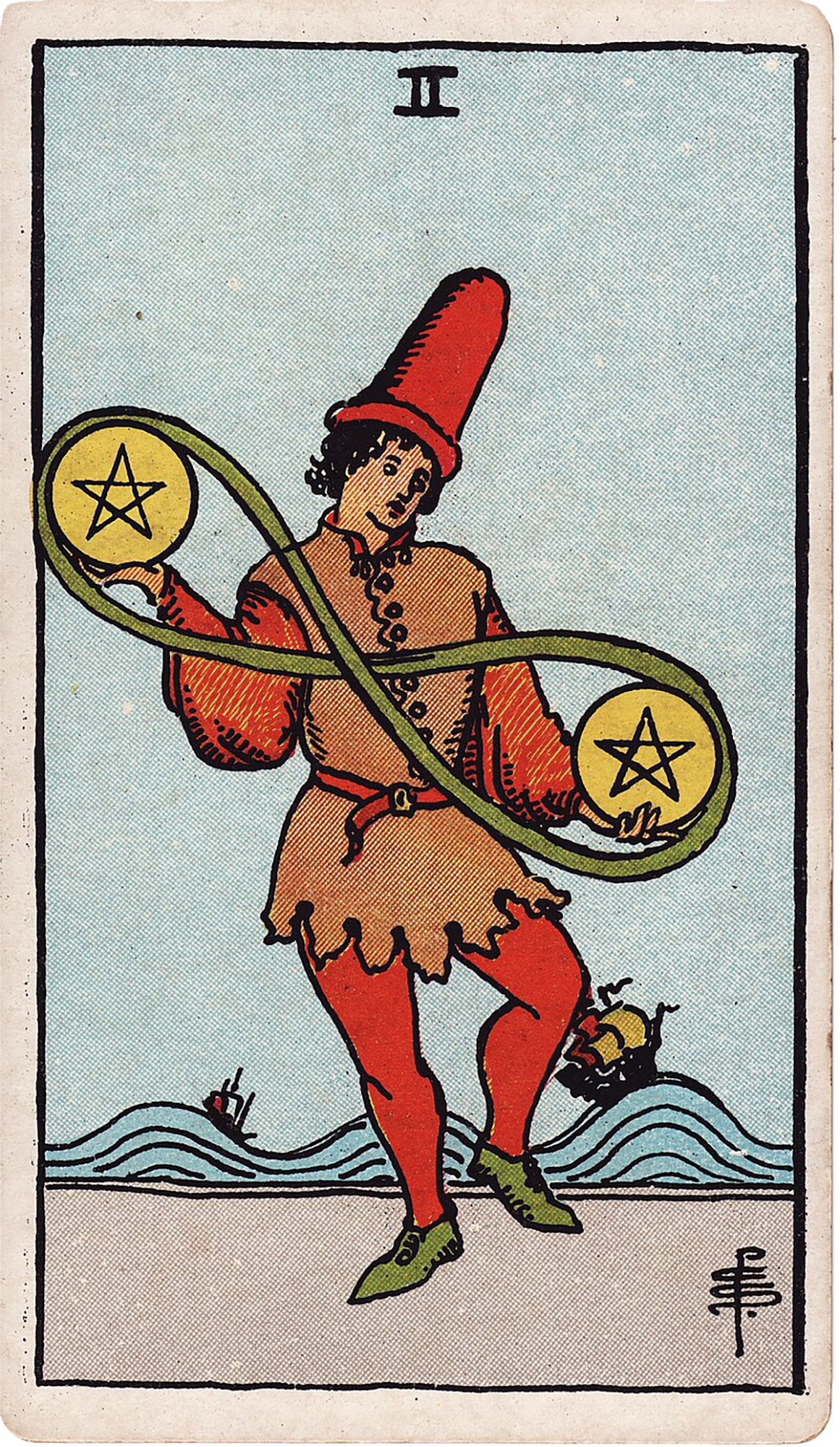 Self2 of Pentacles
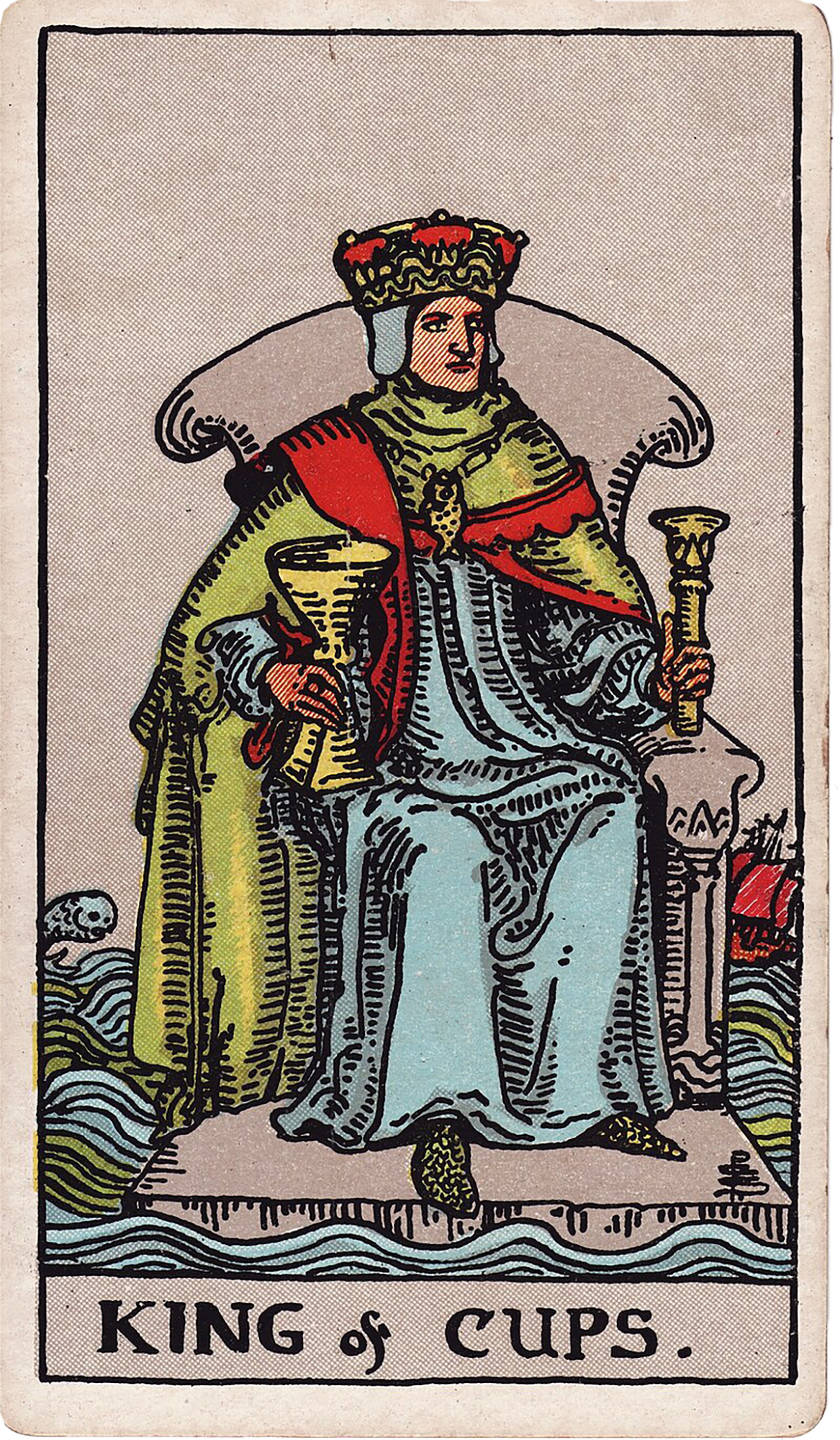 EnvironmentKing of Cups
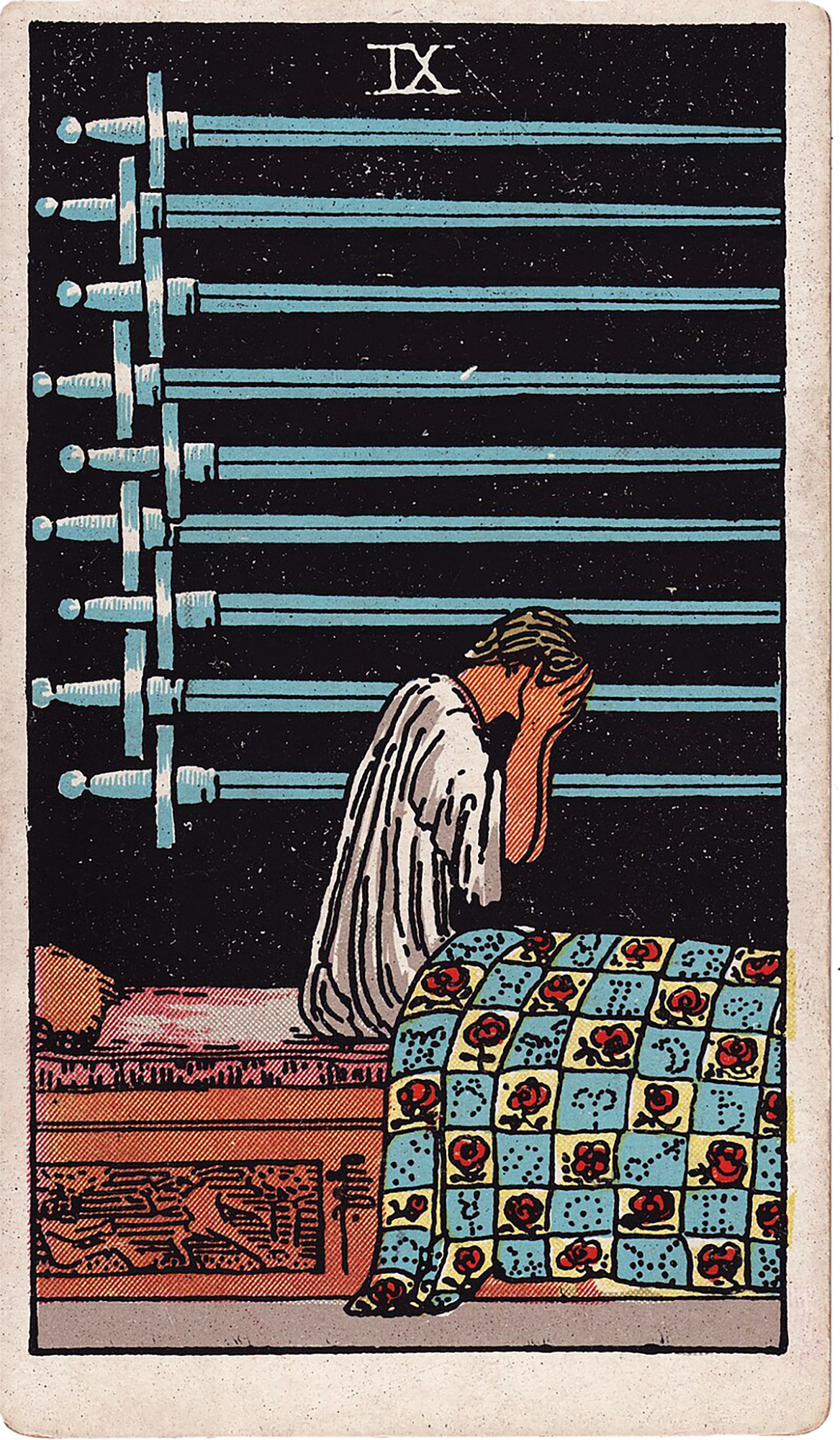 Hopes & Fears9 of Swords
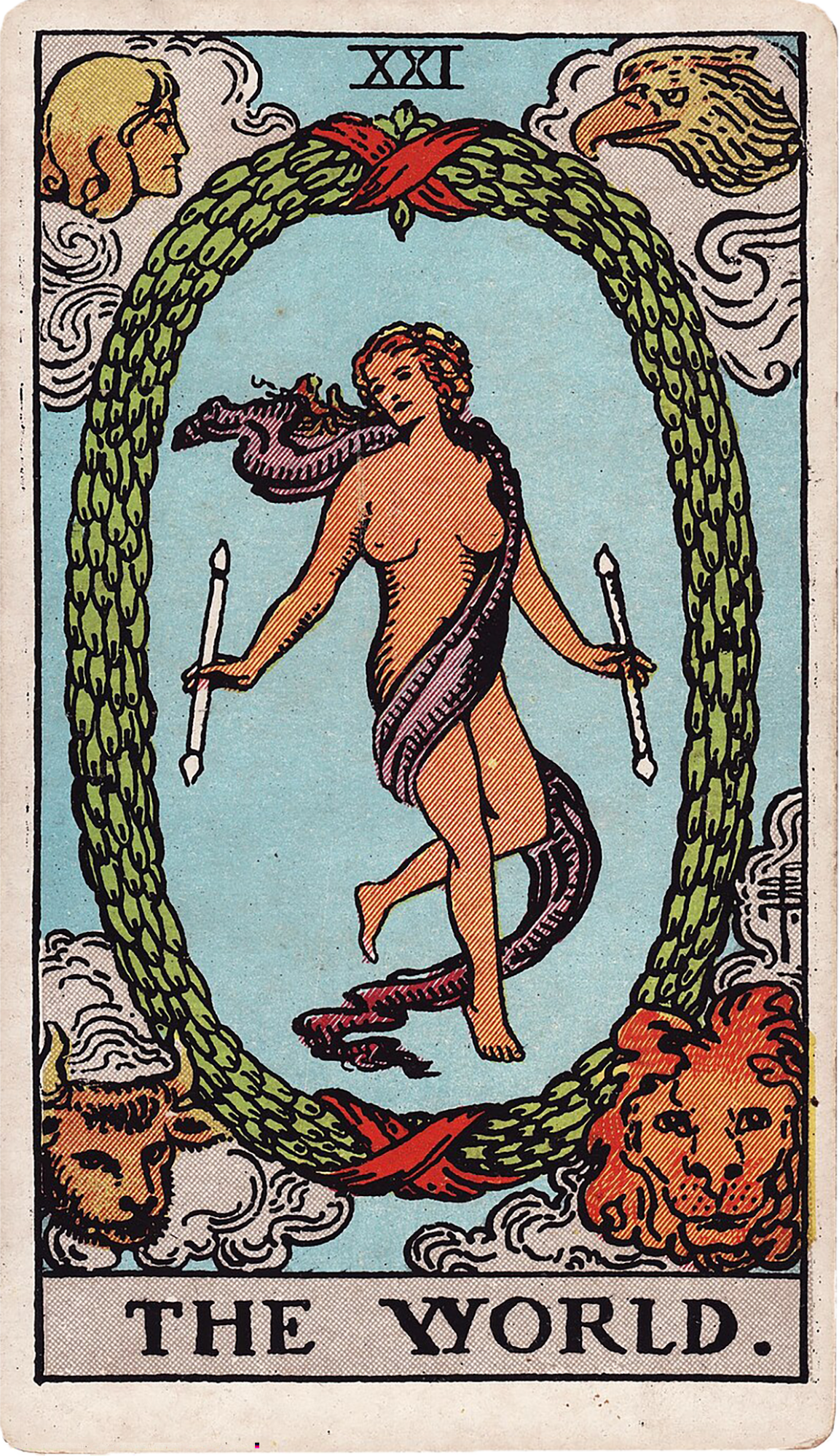 OutcomeThe World
Introduction and pedagogical aim
The Celtic Cross is one of the most used spreads for mapping a situation's present configuration, the forces acting on it, and the next steps likely to arise. This article treats the Celtic Cross as an analytical tool and a practical decision aid rather than a deterministic oracle. You'll learn to read patterns, track change, and identify actions that fit what the cards describe. The worked example uses the supplied cards in order: The High Priestess, The Emperor, The World, 8 of Wands, 6 of Cups, King of Cups, 5 of Swords, 8 of Swords, 9 of Swords, and 2 of Pentacles — placed into the standard Celtic Cross positions labeled here as Present / Heart, Challenge, Foundation, Recent Past, Possibility, Near Future, Self, Environment, Hopes & Fears, and Outcome. I assume upright orientation for this demonstration; where reversed meanings are useful for learning, I point them out as interpretive options.
Celtic Cross layout and the role of each position
Before we read the cards, review what each Celtic Cross position asks you to notice. Use this list as a checklist while looking at imagery: 1) Present / Heart — the central issue. 2) Challenge — what opposes or needs resolving now. 3) Foundation — deeper context or root cause. 4) Recent Past — events that shaped the present. 5) Possibility — potential energy available. 6) Near Future — what is coming into play. 7) Self — the querent's role, behavior, or attitude. 8) Environment — external forces, other people, circumstances. 9) Hopes & Fears — conscious or unconscious expectations about the outcome. 10) Outcome — where the spread is leading if current energies continue. With the supplied cards, we place them in order into these positions and read them as a connected narrative.
Quick note on Rider-Waite-Smith symbolism and image-based reading
The Rider-Waite-Smith (RWS) images are especially useful for learners because their scenes and figures provide concrete visual anchors: the High Priestess sits between black-and-white pillars with a veil and scroll; the Emperor's throne and armor signal stability and authority; the World dancer within a wreath announces completion and integration; 8 of Wands shows arrows in flight; 6 of Cups depicts children sharing cups and gifts; the King of Cups sits steady on a sea-bound throne holding a cup; 5 of Swords shows a solitary figure gathering swords while others retreat; 8 of Swords shows a blindfolded, bound figure surrounded by swords; 9 of Swords shows wakeful suffering at night; 2 of Pentacles shows a juggler with the mobius-like ribbon. When you read, name what you literally see first, then connect that visual detail to the card's upright or reversed meanings. That method keeps interpretations tied to the image rather than free-floating assumptions.
Worked reading — position by position
Below is a careful interpretation of each Celtic Cross position using the supplied card in the required order. Treat each explanation as a learning model: name the image, state the card's core meaning, explain what that means in the given position, and suggest questions or next-step actions. 1) Present / Heart — The High Priestess: The High Priestess seated between pillars, with a crescent moon and partially hidden scroll, locates the central issue in inner knowing, withheld information, and the need for patient attention to subtle signals. As present energy, she asks: where are you listening beneath surface appearances? Practical learning prompt: identify two pieces of information you do not yet have and one place where you can slow down to notice more (journal, wait for a conversation, consult documents). 2) Challenge — The Emperor: The Emperor brings authority, structure, and a demand for visible control. As the challenge, he indicates tension between inward listening (High Priestess) and the pressure to act with clear rules, boundaries, or leadership. Ask: is a demand for quick, authoritative action suppressing the quieter data you need? A practical next step can be to draft a one-page boundary or decision criterion that respects both intuition and necessary structure. 3) Foundation — The World: The World as foundation says the present situation rests on a cycle that has reached a kind of completion or integration. This is fertile soil: lessons are available for synthesis. As root context, it suggests that recent work or an ended phase is why the High Priestess's inward clarity is possible. Exercise: list what has recently completed and what you can carry forward as an integrated skill or resource. 4) Recent Past — 8 of Wands: 8 of Wands indicates accelerated events, fast communications, or a burst of momentum just before now. This explains how The World sits as foundation — the speed of change has pushed a cycle toward visible completion. Practically, note communications, decisions, or travel in the recent past that landed you in the present. The question to answer: what arrived quickly that I have not fully processed? 5) Possibility — 6 of Cups: 6 of Cups brings the possibility of goodwill, regeneration from past connections, or a chance to reconcile or borrow strengths from earlier stages. As potential energy, it suggests that reconnecting with a past method, ally, or generational wisdom could be constructive. For action: consider a respectful outreach to someone from your past or reintroducing a practice that once provided safety and competence. 6) Near Future — King of Cups: The King of Cups indicates emotional balance approaching — steadiness, diplomacy, and mature feeling leadership. After the High Priestess and The Emperor's interplay, the King of Cups suggests you (or an ally) will be called to hold composure and provide empathy while decisions unfold. Practical step: cultivate one calm ritual (brief breathing, a set wording for difficult conversations) to stabilize reaction when events accelerate. 7) Self — 5 of Swords: Placed in 'Self', 5 of Swords signals a personal tendency toward winning at cost, defensiveness, or picking battles that leave regrets. As a self-reflection, ask: where have I prioritized being right over preserving relationship or long-term cohesion? Action: choose one domain where letting go of a 'win' now would protect future options. 8) Environment — 8 of Swords: The environment shows external or social forces that feel restrictive — colleagues, family expectations, institutional rules, or narratives that make options seem narrow. Image-wise, the bound figure surrounded by swords indicates perceived entrapment. Interpretation: your outer world is shaped by limiting beliefs or rigid expectations; your inner work (High Priestess) must negotiate this. Practical move: map two perceived constraints and find one small, negotiable liberty within them. 9) Hopes & Fears — 9 of Swords: In the hopes and fears position, the 9 of Swords exposes worry about future suffering or the mind magnifying worst-case scenarios. It may be both what you hope to avoid and what you secretly imagine. For learners: differentiate evidence from story. Countermeasure: write down three facts that contradict the worst thought and one person you can talk to about your fears. 10) Outcome — 2 of Pentacles: The 2 of Pentacles in Outcome suggests that if current directions continue, you will be juggling responsibilities and shifting priorities rather than reaching neat closure. The mobius-like juggling ribbon implies necessary flexibility and active balance. As an outcome-based action: prepare a simple two-week juggling plan that lists priorities, what can be postponed, and a scheduled check-in to rebalance.
Card-to-card relationships and narrative threads
A useful skill is to read the cards relationally rather than as isolated sentences. The supplied cards form several clear threads you can practice tracing. A. Intuition versus structure: The High Priestess (Present) sits directly against The Emperor (Challenge). That pairing sets the reading's core tension — inner discretion versus outer authority. In Rider-Waite imagery, the High Priestess' veil suggests hidden content; the Emperor's armor and throne demand measurable decisions. When you see this pairing, make the interpretation dialogic: ask what the querent needs to hear from inner wisdom before committing to the Emperor's structural fixes. B. Completion feeding practical choices: The World (Foundation) beneath the High Priestess clarifies why inner listening is possible now — something has reached completion, making the deep lesson available. The recent burst of 8 of Wands (Recent Past) helps explain the speed that brought matters to resolution. This sequence — 8 of Wands -> The World -> The High Priestess — reads as: fast events closed a cycle and now a quieter appraisal is required. C. Emotional maturation pathway: The 6 of Cups (Possibility) leading into the King of Cups (Near Future) offers a bridge from past relational patterns to mature emotional leadership. In practice, reconnecting with a stabilizing memory or supportive figure (6 of Cups) can evolve into measured caregiving and steady influence (King of Cups). D. Inner conflict and outer restriction: 5 of Swords (Self) with 8 of Swords (Environment) and 9 of Swords (Hopes & Fears) creates a cluster of mental and relational strain. The imagery — the victorious figure in 5 of Swords, the bound figure in 8 of Swords, the wakeful worry in 9 of Swords — suggests a narrative where choosing damaging short-term victory has contributed to a climate of restriction and anxiety. This cluster points to remediation: practice choosing long-term resource preservation over instant rhetorical wins. E. Outcome synthesis: The 2 of Pentacles (Outcome) integrates many threads: flexibility required by external constraint (8 of Swords), the pressure to act (The Emperor), and the emotional steadiness arriving (King of Cups). Read it as a practical summary: you will likely be in active management mode; use the High Priestess' listening and The World's integrated lessons to prioritize successfully.
Technique: how to reproduce this reading step by step
Reproducing this method requires consistency in layout, image-first habits, and a notation system. Follow these steps: 1) Question framing: phrase a focused question or area of life (work decision, family dynamics, next steps). 2) Shuffle with intention: shuffle until you feel ready, keeping the question in mind. Decide whether to include reversals. For training, practice both with and without reversals to notice their effect. 3) Cut and draw ten cards, placing them in the Celtic Cross order: center cross (Present / Heart), crossing card (Challenge), under (Foundation), left (Recent Past), above (Possibility), right (Near Future), then the vertical staff: Self, Environment, Hopes & Fears, and Outcome. 4) Image-first reading: for each card, name three literal visual details (figure, objects, color, posture), then state the RWS upright meaning and how it fits the position prompt. 5) Note relationships: draw lines or arrows between positions that feel connected (for example, Present -> Challenge; Foundation -> Present; Recent Past -> Foundation; Possibility -> Near Future; Self -> Environment -> Hopes & Fears -> Outcome). 6) Synthesis into next steps: for each position, extract one small, concrete action. Prioritize actions that are proportionate to the scale of the problem (small steps for informational gaps, decisive actions for structural failures). 7) Journal and follow-up: write the spread's reading and set a 1- or 2-week review date to see what changed and what adjusted your reading. Keep a record of how accurate or useful the guidance was.
Interpreting timing, reversals, and degrees of certainty
Celtic Cross spreads often imply timing but do so qualitatively rather than with precise calendar dates. Use Near Future (position 6) to denote weeks to months depending on the situation's tempo. The 8 of Wands in Recent Past suggests a fast tempo; therefore, the King of Cups as Near Future could arrive within a few weeks in this spread. If you include reversals in your practice, apply the reversed meanings in the provided card descriptions: e.g., reversed High Priestess draws attention to secrecy rather than accessible intuition. Remember: majors generally indicate large-scale themes or lesson-energy; minors describe processes, practical actions, or local dynamics. Weight your predictions toward likelihoods and actions instead of certainty.
Common mistakes and how to avoid them
Learners often make a few recurring errors. Here are the most common and how to correct them: 1) Overreading single cards: avoid treating one card as the whole story. Always integrate with position and neighboring cards. Example correction: if High Priestess seems passive, note the Emperor challenge and The World foundation to see that the passivity is situational, not personality. 2) Forcing narrative chronology: do not assume card order is literal time unless suits and tempo support it. 3) Ignoring image detail: name visual elements first. The High Priestess' scroll or the 2 of Pentacles' ribbon can provide precise metaphors for action. 4) Predictive absolutism: present advice as possibilities and actions, not guarantees. 5) Neglecting the querent's agency: always convert interpretations into concrete, proportionate next steps the querent can try.
Practice exercises for mastery
1) Repeating the spread twice: first use the question 'What helps me know next?', second, 'What will be required of me in the next month?'. Use the same deck and compare how the High Priestess behaves in each. 2) Imagery drill: for each supplied card, write five image descriptors and one sentence explaining how that visual detail informs the position. 3) Relationship mapping: draw a diagram linking positions and write a one-sentence causal narrative from Recent Past to Outcome using the supplied cards only. 4) Action translation: for each of the ten positions, convert the interpretation into a single, measurable action to be accomplished in one week. Track outcomes and revise your reading on the scheduled review.
How to turn this reading into ethical family or practical readings
When using the Celtic Cross for family questions or practical decision-making, prioritize consent, compassion, and clarity. Use neutral language that respects other people's privacy: for example, say 'the environment suggests restrictive expectations' rather than naming blame. The 6 of Cups as Possibility often points to family history or generational patterns — use it to invite conversation rather than accusation. When 5 of Swords appears in the Self position, focus on changeable behaviors and repair strategies instead of shaming. For family readings, propose one communal action (a shared ritual, a family meeting with a timed agenda) and one individual boundary-setting step (The Emperor's constructive side) so the reading leads to concrete, non-invasive practices.
Closing synthesis and how to extract next steps
Synthesize by asking three final questions: 1) What must I honor from the present? (answer: High Priestess — listen and gather.) 2) What friction must be addressed? (answer: The Emperor — create a clear framework that does not silence needed information.) 3) What immediate, practical choice can I make? (answer: Four micro-actions drawn from Outcome and Self: schedule a two-week juggling plan with the 2 of Pentacles, commit to one small conciliatory step that avoids a 5 of Swords win, and make one outreach suggested by 6 of Cups.) The Celtic Cross reads best when it converts image and pattern into tidy, proportionate steps. Use the supplied cards' imagery as anchors while you practice this translation: the veil and scroll of the High Priestess for listening, the Emperor's throne for boundary language, the World's wreath for listing completed parts to carry forward, the 8 of Wands for identifying recent deadlines, the 6 of Cups for safe reconnection, the King of Cups for emotional steadiness, the 5 of Swords for reputational cost awareness, the 8 of Swords for negotiable constraints, the 9 of Swords for anxiety-checking, and the 2 of Pentacles for ongoing balancing.
Practice questions
• Where in my life am I currently acting like The High Priestess by listening rather than reacting?
• In what area is an Emperor-style demand for structure blocking needed information or intuition?
• What cycle or phase (The World) has recently closed and what lesson should I integrate?
• What arrived quickly in the recent past (8 of Wands) that I have not fully processed?
• Who or what from my past (6 of Cups) could be a healthy resource now?
• How would practicing one King of Cups habit (calm language, a pause ritual) change my next interaction?
• Where have I chosen a 5 of Swords win that cost me longer-term options, and can I repair it?
• Which perceived constraints (8 of Swords) can I test for negotiability this week?
• What evidence contradicts my 9 of Swords worst-case thoughts?
• What two items am I juggling now (2 of Pentacles) and which one can I postpone next week?
Comments
Sign in to comment.
Continue learning
Interpreting the Dance of Justice and The Devil: Balancing Morality and Temptation in Tarot Readings
The combination of Justice and The Devil in tarot presents a profound exploration of morality, temptation, and personal accountability. This article unpacks how these cards influen...
Advanced Techniques for Combining The Moon and The Star to Enhance Intuition in Tarot Readings
This article explores advanced techniques to combine the symbolism and energy of The Moon and The Star Tarot cards to enhance intuition during Tarot readings. Drawing from traditio...
Unlocking Life Insights with the Celtic Cross Tarot Spread
This article offers a thorough exploration of the Celtic Cross Tarot Spread, focusing on its application within family and practical life contexts. Using a worked example featuring...
Unlocking Hidden Meanings with The Hermit and The Hanged Man for Spiritual Growth
This article offers an in-depth exploration of The Hermit and The Hanged Man Tarot cards focusing on their roles in spiritual growth. It guides readers through beginner and advance...
Unlocking Personal Insight with the Seven Card Horseshoe Spread
The Seven Card Horseshoe Spread is a practical and insightful Tarot layout ideal for exploring personal and family dynamics. This article breaks down each position—Past, Present, H...
Mastering the Court Cards of Wands for Unlocking Personal Drive and Leadership
The Court Cards of Wands represent a dynamic spectrum of personal energy, ambition, and leadership potential within the Minor Arcana. This article offers a comprehensive exploratio...
Tracing the Origins and Evolution of The Fool Card in Tarot History
The Fool card holds a foundational place in tarot tradition, symbolizing beginnings, openness, and the embrace of uncertainty. This article traces its origins from early European d...
Techniques for Reading Court Cards to Unlock Personality Insights
Court cards in Tarot often represent people, personality traits, or energy patterns within a situation. This article offers a structured approach for beginners and advanced readers...
Unlocking Emotional Transformation with Death and The Moon Tarot Combination
This article explores the rich and complex interaction between the Death and The Moon tarot cards within the Rider-Waite-Smith tradition, focusing on their combined potential to un...
Applying The Star Card to Foster Hope and Renewal in Personal Growth
The Star card in Tarot symbolizes hope, authenticity, and the process of steady renewal. In a single-card reading, The Star encourages embracing what is present, cultivating openne...