
Exploring Practical Wisdom and Growth Lessons from the Knight Queen and King of Pentacles
This article explores the practical wisdom and growth lessons embodied by the Knight, Queen, and King of Pentacles, three pivotal court cards within the Minor Arcana's Pentacles suit. It emphasizes their shared focus on material stability, resource management, work ethic, and nurturing grounded in tangible realities. By analyzing their upright and reversed meanings contextualized within the Rider-Waite-Smith imagery, the article provides tarot learners with interpretive strategies, common pitfalls, and practical reading methods. The discussion highlights how these court cards function as a family unit representing stages of maturity in handling resources, routine, and personal growth through practical response rather than abstract ideals.
Cards explored in this article
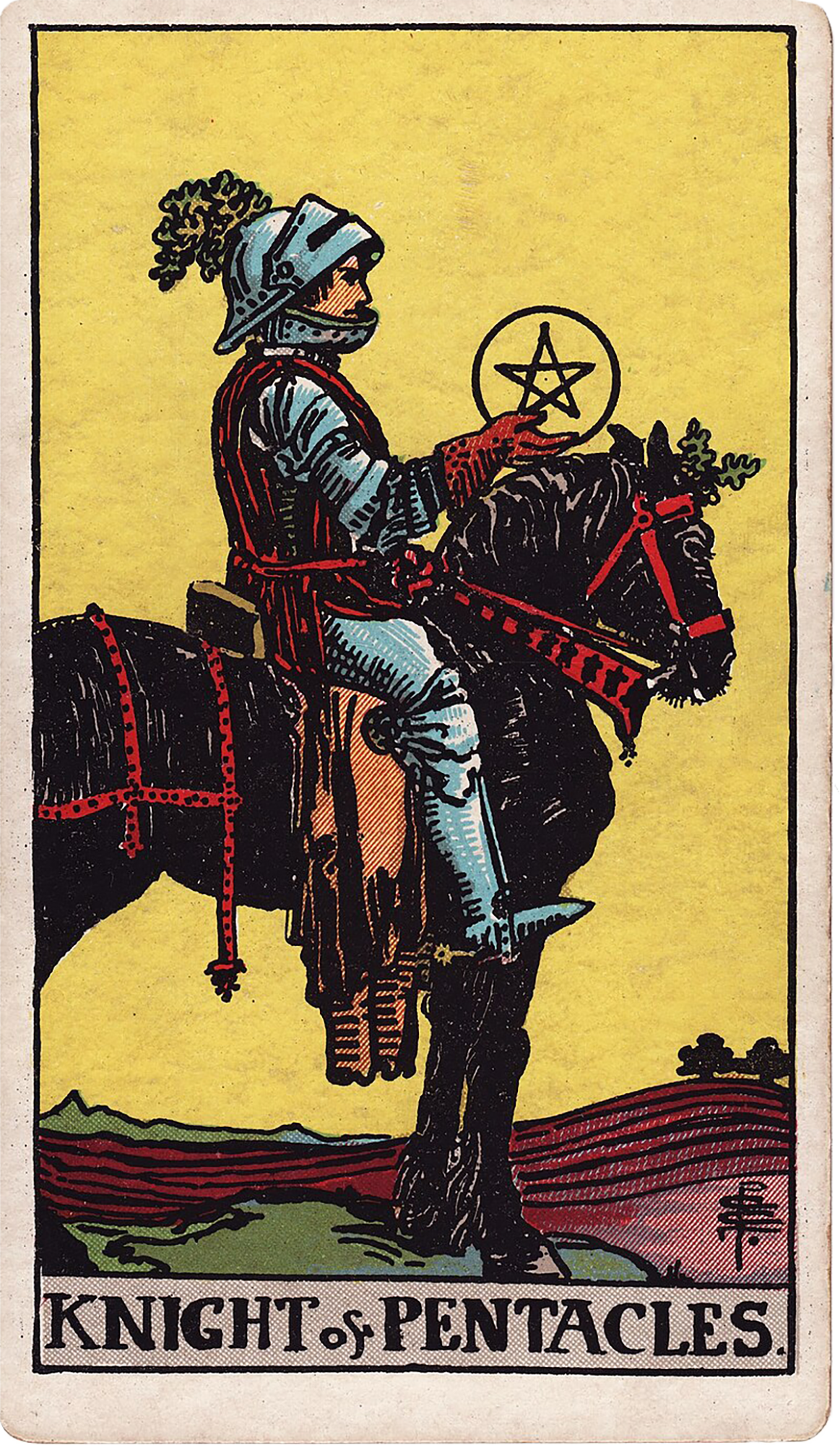 Knight of Pentacles
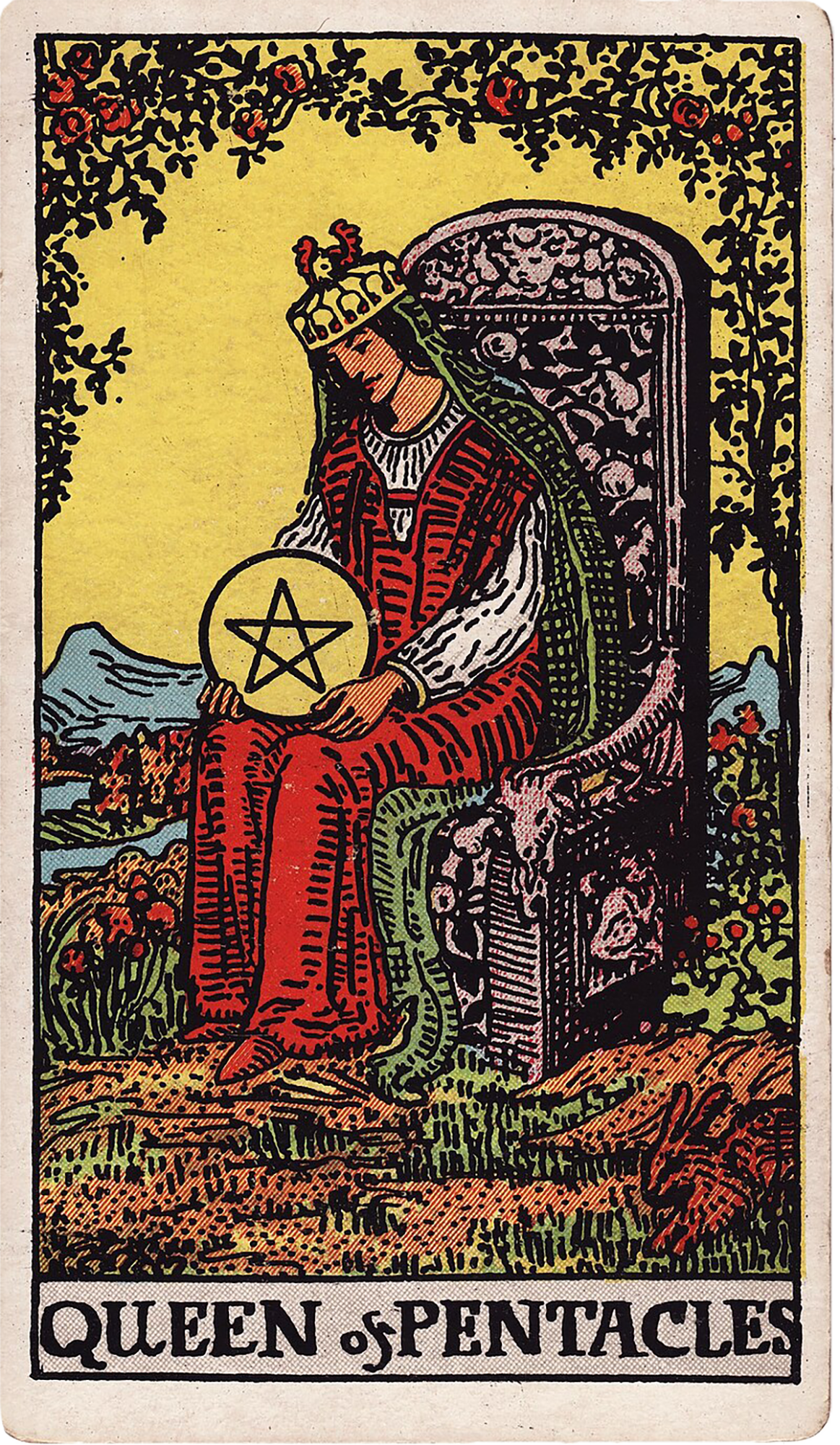 Queen of Pentacles
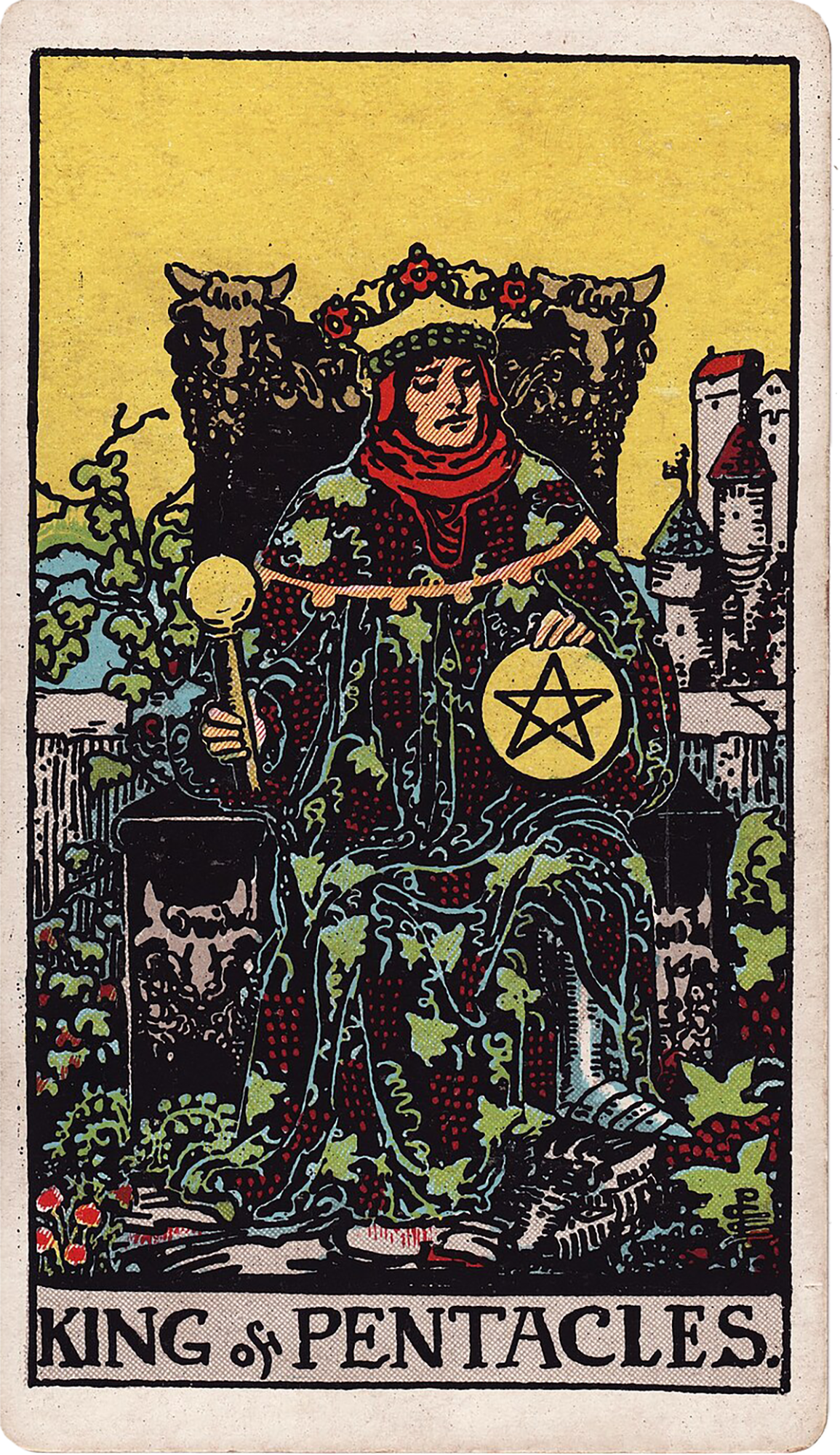 King of Pentacles
Introduction to the Pentacles Family and Court Cards
Pentacles, as one of the four Minor Arcana suits, is traditionally associated with the material aspects of life: work, money, health, routine, and physical resources. The suit reflects how we interact with the tangible world and build long-term stability. Within this suit, the court cards—the Knight, Queen, and King—represent evolving stages of mastery and relationship with these material elements. Each court card embodies specific archetypes that guide readers in interpreting practical life lessons. When we focus on the Knight, Queen, and King of Pentacles together, we observe a progression from steady effort and reliability through nurturing competence to mature stewardship and leadership. Understanding these cards as a family provides a richer lens for practical wisdom in tarot reading.
The Knight of Pentacles as Steady Progress and Reliability
The upright Knight of Pentacles emphasizes steady execution of tasks, reliability, and progress through routine rather than drama or sudden change. This card encourages a practical response that fits the present stage of a situation rather than chasing abstract ideals. Visually, the Rider-Waite-Smith Knight of Pentacles shows a knight mounted on a stationary horse, holding a pentacle firmly—symbolizing groundedness and cautious movement. His focused demeanor and the cultivated farmland in the background highlight diligence, patience, and a workmanlike approach. In readings, this card often signals that the querent or situation benefits from consistency, dedication to detail, and methodical effort. It can signify that the core task involves tangible skills related to work, health, or resource management. However, the Knight also warns against impatience or over-identification with routine to the point of rigidity. When reversed, the Knight of Pentacles points to stagnation, stubbornness, or confusing slow progress with no progress. It suggests that the lesson of steady work may be intellectually grasped but not yet embodied. The reversal invites readers to identify where the process has become stuck and consider what needs simplification, acknowledgment, or better communication to restore healthy forward movement.
The Queen of Pentacles as Practical Nurture and Competence
The Queen of Pentacles upright represents practical nurture, competence, and the ability to make resources support real life rather than mere status. The Rider-Waite-Smith imagery of this card presents a serene queen seated comfortably, holding a pentacle with one hand while surrounded by lush greenery and abundant fruits. This symbolism highlights grounded care, resourcefulness, and the seamless integration of material well-being with emotional and physical nurturing. In tarot spreads, the Queen of Pentacles often signals that competence in managing money, health, work, or daily routines is available or required. She embodies a balance between productivity and care, encouraging a harmonious approach that supports both oneself and others. This card also calls attention to making wise use of resources for sustainable long-term growth. The reversed Queen of Pentacles highlights potential pitfalls such as overwork, self-neglect, financial anxiety, or controlling care that becomes stifling. It warns against measuring personal worth solely by usefulness or productivity. The reversal invites reflection on where care might become controlling or where anxiety about resources impedes genuine nurture. As with the Knight, the reversal should be seen as a prompt to examine what internal or external blocks prevent a healthier expression of practical care and competence.
The King of Pentacles as Mature Stewardship and Stability
Upright, the King of Pentacles represents mature stewardship of resources, business competence, and the building of stability that supports both oneself and others. The Rider-Waite-Smith King sits confidently on his throne adorned with symbols of wealth and abundance, holding a pentacle and surrounded by vineyard imagery that conveys prosperity earned through wise management. This card reflects an advanced stage of mastery in the Pentacles suit, where material success is coupled with responsibility and generosity. It suggests the querent is or should be embodying leadership that balances security with growth and practical wisdom with ethical use of power. When reversed, the King of Pentacles warns against greed, rigidity, obsession with status, or misuse of financial power. It may reveal that attachment to security has become limiting, preventing necessary growth. The reversal also signals where lessons of mature stewardship are understood in theory but not integrated in practice. Tarot readers are encouraged to explore what needs to be released or communicated for the querent to regain a healthier, balanced relationship with material stability.
Interpreting the Knight Queen and King of Pentacles Together in Readings
When these three court cards appear together or within the same reading context, they narrate a family-like progression in handling material life and practical wisdom. The Knight of Pentacles introduces the value of steady work and reliability, emphasizing the disciplined application of skills at the current moment. The Queen of Pentacles builds on this foundation by highlighting nurturing competence—how to use resources wisely to support oneself and others with care and balance. The King of Pentacles culminates this trajectory as mature stewardship, combining business savvy, responsibility, and generosity. In practical readings, recognizing their relationship helps clarify the querent’s stage in a journey related to work, finances, or health. For example, a spread showing the Knight followed by the Queen may suggest moving from mere routine execution to a more balanced and caring use of resources. Seeing the King alongside the others can indicate the potential or need for leadership and stable growth. A common interpretative mistake is to treat these cards in isolation or as purely personality descriptors. Instead, anchoring their meanings in their shared suit context and Rider-Waite symbolism enriches the reading with practical lessons about growth, responsibility, and groundedness.
Techniques and Practical Tips for Reading These Pentacles Court Cards
1. Always contextualize: Use surrounding cards to understand whether the energy of the Knight, Queen, or King is beginning, developing, under pressure, or moving toward resolution. 2. Focus on the present stage: All three cards ask for responses fitting the current reality, not abstract ideals. Identify what practical actions are immediately available. 3. Notice reversals as process indicators: Instead of seeing reversed cards as simply negative, use them as signals that something is stuck or imbalanced. Ask what needs acknowledgment or adjustment. 4. Pay attention to the Rider-Waite imagery: For example, the Knight’s stationary horse, the Queen’s lush environment, and the King’s symbols of wealth provide visual clues about each card’s emphasis. 5. Explore the emotional tone: Although Pentacles are about material matters, the court cards also carry emotional lessons—patience for the Knight, nurturing for the Queen, and responsibility for the King. 6. Reflect on practical life areas: Work, money, health routines, crafts, or body care often relate closely to these cards, offering tangible entry points for interpretation. By integrating these methods, readers can deliver nuanced guidance that honors the cards’ traditional meanings while addressing the querent’s lived experience.
Common Mistakes and How to Avoid Them
One frequent mistake is to read the Knight, Queen, or King of Pentacles as static personality types rather than dynamic process stages. This limits the cards’ ability to offer growth-oriented messages. Instead, view them as archetypal roles that evolve and interact within the querent’s life. Another error is oversimplifying reversals as purely bad omens. Reversed Pentacles court cards are often internal or subtle indicators urging reflection and recalibration. Avoid jumping to negative conclusions without exploring underlying blocks or opportunities for healing. Failing to anchor interpretations in the Rider-Waite-Smith imagery can also weaken readings. The visual symbolism—like the Knight’s careful grip on the pentacle or the Queen’s natural abundance—provides essential context that enriches meaning. Lastly, ignoring the suit’s broader themes can cause confusion. Remember that all three cards operate within the Pentacles’ domain of practical, material realities, so abstract or purely spiritual interpretations may miss the point. By being mindful of these pitfalls and grounding interpretations in both imagery and suit context, readers can provide insightful, practical guidance.
Practice questions
• How do the Knight, Queen, and King of Pentacles represent different stages of handling material resources in your life?
• In what areas might you be exhibiting qualities of the Knight’s steady routine, the Queen’s nurturing competence, or the King’s mature stewardship?
• When reversed, what internal blocks or imbalances might these cards be highlighting for you or your querent?
• How can you use the Rider-Waite-Smith imagery of these cards to deepen your intuitive understanding during readings?
• What practical actions are suggested by these cards’ lessons that you can apply in your current life situation?
Comments
Sign in to comment.
Continue learning
Interpreting the Dance of Justice and The Devil: Balancing Morality and Temptation in Tarot Readings
The combination of Justice and The Devil in tarot presents a profound exploration of morality, temptation, and personal accountability. This article unpacks how these cards influen...
Advanced Techniques for Combining The Moon and The Star to Enhance Intuition in Tarot Readings
This article explores advanced techniques to combine the symbolism and energy of The Moon and The Star Tarot cards to enhance intuition during Tarot readings. Drawing from traditio...
Unlocking Life Insights with the Celtic Cross Tarot Spread
This article offers a thorough exploration of the Celtic Cross Tarot Spread, focusing on its application within family and practical life contexts. Using a worked example featuring...
Unlocking Hidden Meanings with The Hermit and The Hanged Man for Spiritual Growth
This article offers an in-depth exploration of The Hermit and The Hanged Man Tarot cards focusing on their roles in spiritual growth. It guides readers through beginner and advance...
Unlocking Personal Insight with the Seven Card Horseshoe Spread
The Seven Card Horseshoe Spread is a practical and insightful Tarot layout ideal for exploring personal and family dynamics. This article breaks down each position—Past, Present, H...
Mastering the Court Cards of Wands for Unlocking Personal Drive and Leadership
The Court Cards of Wands represent a dynamic spectrum of personal energy, ambition, and leadership potential within the Minor Arcana. This article offers a comprehensive exploratio...
Tracing the Origins and Evolution of The Fool Card in Tarot History
The Fool card holds a foundational place in tarot tradition, symbolizing beginnings, openness, and the embrace of uncertainty. This article traces its origins from early European d...
Techniques for Reading Court Cards to Unlock Personality Insights
Court cards in Tarot often represent people, personality traits, or energy patterns within a situation. This article offers a structured approach for beginners and advanced readers...
Unlocking Emotional Transformation with Death and The Moon Tarot Combination
This article explores the rich and complex interaction between the Death and The Moon tarot cards within the Rider-Waite-Smith tradition, focusing on their combined potential to un...
Applying The Star Card to Foster Hope and Renewal in Personal Growth
The Star card in Tarot symbolizes hope, authenticity, and the process of steady renewal. In a single-card reading, The Star encourages embracing what is present, cultivating openne...