
Exploring The Hermit Card in Spiritual Solitude Personal Reflection and Guidance
The Hermit card invites a journey inward, emphasizing spiritual solitude and personal reflection as pathways to clarity and deeper understanding. This article explores The Hermit's multifaceted interpretations across different contexts — love, career, money, advice, challenge, person, and outcome — using the classic Rider-Waite-Smith imagery. It offers practical techniques for tarot learners to engage with The Hermit’s symbolism, avoid common pitfalls, and interpret this card’s guidance in a balanced, nuanced way. The Hermit encourages conscious steps toward insight by embracing solitude, asking deliberate questions, and recognizing when withdrawal serves growth versus avoidance.
Cards explored in this article
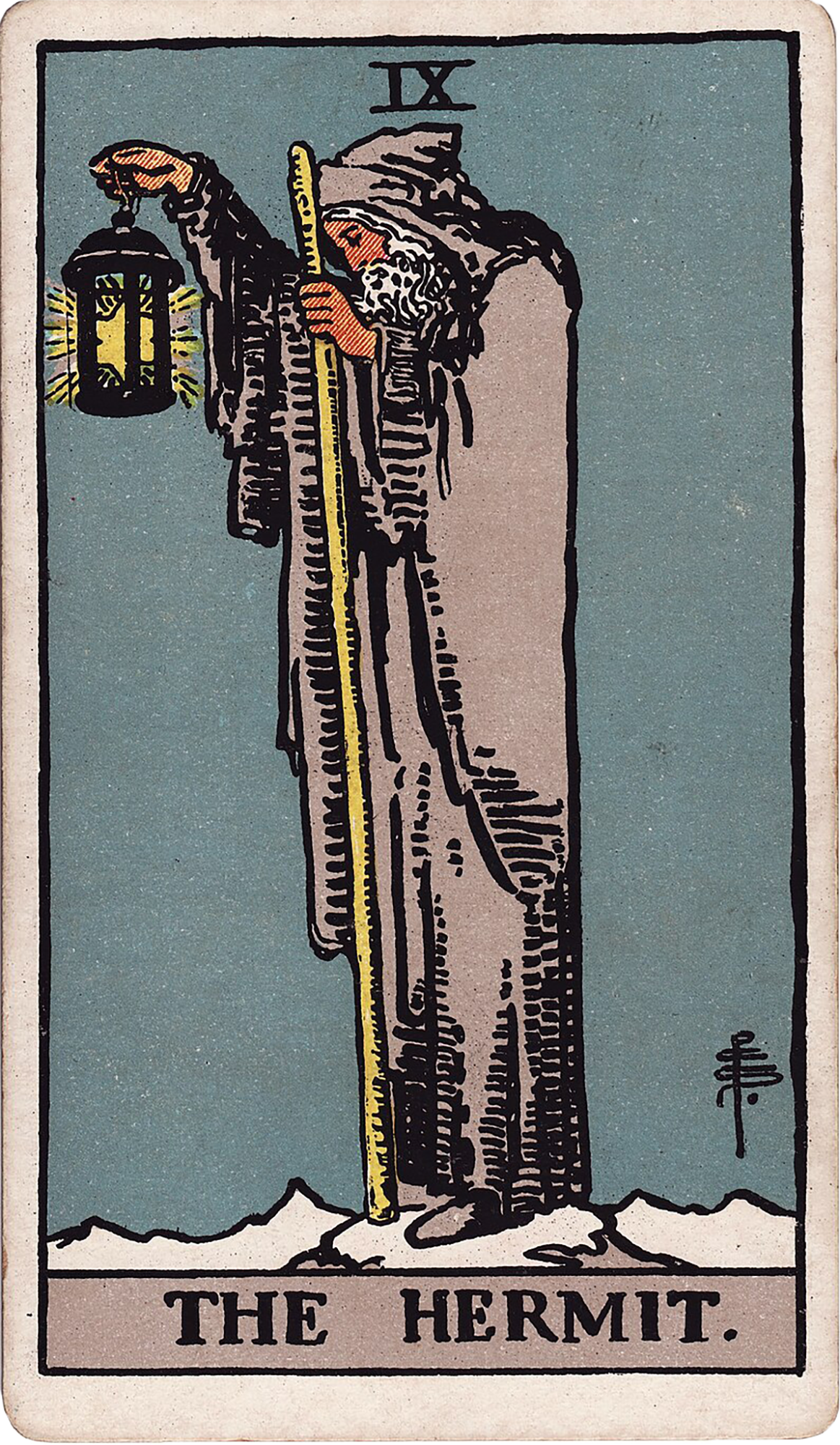 The Hermit
Introduction to The Hermit Card and Its Core Symbolism
The Hermit card, depicted in the Rider-Waite-Smith deck as an old man standing alone on a mountain peak, holding a lantern and a staff, is a powerful symbol of solitude, wisdom, and inner guidance. The lantern represents the light of truth and insight that illuminates a path through darkness or uncertainty. The staff symbolizes support and authority over one’s journey. Traditionally numbered IX, The Hermit calls for stepping back from the noise and distractions of daily life to seek clarity and deeper understanding. Upright, it emphasizes constructive solitude and intentional reflection as tools for growth. Reversed, it warns of isolation that may be excessive or used to avoid engagement with life’s necessary challenges. This foundational understanding frames how we interpret The Hermit in diverse contexts.
Understanding The Hermit Upright and Reversed in Depth
When The Hermit appears upright, it encourages deliberate introspection and measured decision-making. It suggests that the querent’s situation has reached a point where clarity is possible if approached with patience and presence. This card does not promise ease but rather the quality of focused insight that can illuminate the next practical step. Questions to ask include: Where is more honesty needed? Which boundaries require clearer definition? What choices must be made with deeper intention? Conversely, a reversed Hermit often signals that this inward focus may have become distorted. Withdrawal might be excessive, leading to loneliness or avoidance rather than healthy reflection. It can also reflect internal conflicts, delayed understanding, or resistance to change. The reversed Hermit asks readers to explore where the balance between solitude and participation has shifted unhelpfully, inviting careful observation of the card’s surrounding context.
The Hermit in Love Contexts
In matters of love, The Hermit upright suggests taking time for personal reflection within a relationship or during a period of solitude. It signals a need to understand deeper emotional truths before acting, emphasizing depth over surface connection. This might mean stepping back to assess one’s feelings, values, or boundaries, helping avoid rushed or reactive decisions. For singles, it encourages self-discovery and clarifying what kind of partnership truly aligns with the seeker’s inner light. Reversed, The Hermit may indicate unhealthy isolation or emotional withdrawal that harms relationship growth. It can point to avoidance of necessary conversations or emotional engagement. The card challenges readers to discern whether solitude serves healing or hides fear and disconnection.
The Hermit in Career Contexts
Career readings with The Hermit upright highlight the value of careful consideration, strategic planning, and learning from experience. It might advise pausing to reflect on long-term goals and ensuring alignment with inner values rather than external pressures. The Hermit’s lantern suggests illuminating hidden opportunities or truths about the workplace environment. It can also indicate mentorship, where wisdom is gained through study or guidance from a seasoned figure. When reversed, it warns against isolation in the workplace or overthinking that leads to inertia. It may reveal fear of collaboration or stepping into leadership. The key is to balance introspection with active engagement to avoid stagnation.
The Hermit in Money and Material Contexts
Financially, The Hermit upright encourages prudent management and reflective decision-making. It suggests utilizing current resources wisely and avoiding impulsive spending. The card advises seeking clarity about one’s financial situation and planning according to long-term security rather than instant gratification. It might also indicate researching or consulting a trusted advisor. In reverse, The Hermit can signal financial withdrawal, hoarding, or avoidance of responsibility. It may highlight the need to confront hidden issues about money or reevaluate one’s relationship with material security. The Hermit’s lesson is that true security comes from insight and steady, conscious choices.
The Hermit as Advice and Challenge
As advice, The Hermit calls for moments of solitude to foster clarity and wisdom before making decisions. It suggests cultivating patience and trusting inner guidance rather than external noise. The card invites asking: What do I truly need to see? Which distractions must I set aside? As a challenge, The Hermit may reveal tendencies toward isolation, resistance to participation, or excessive introspection that blocks action. It encourages balancing the benefits of withdrawal with the necessity of engagement. The card’s practical teaching is to take intentional, proportionate steps informed by self-knowledge rather than reacting from confusion or fear.
The Hermit as a Person Archetype
When The Hermit represents a person, it often describes someone wise, introspective, and somewhat solitary. This individual values deep understanding and may serve as a mentor or spiritual guide. They tend to prioritize internal truths over social approval and seek meaningful knowledge over superficial engagement. This archetype is patient, deliberate, and sometimes distant, choosing reflection over immediate reaction. In reversed position, this figure might struggle with isolation, social withdrawal, or difficulty sharing insights. Recognizing this archetype helps readers relate the card’s qualities to people in their lives or aspects of their own character.
The Hermit as an Outcome and Spiritual Reflection
When The Hermit appears as an outcome, it signals that clarity and insight will emerge through solitude and reflective practice. The journey may not be easy or quick, but it promises a deeper understanding of self and situation. Spiritually, The Hermit encourages the seeker to embrace solitude as sacred space for encountering inner light. It is an invitation to trust the process of inner inquiry, even when external answers are not immediately visible. This card reminds learners that spiritual growth often requires withdrawing from distractions to learn from silence and presence. The Hermit’s light guides toward authentic self-knowledge, deeper honesty, and deliberate living.
Common Mistakes and Practical Reading Tips
A frequent mistake with The Hermit is treating it as solely a card of loneliness or withdrawal without recognizing its constructive intent upright. Learners may also overlook the difference between healthy solitude and avoidance indicated by reversal. To avoid this, carefully assess the card’s position and surrounding cards, asking context-specific questions. Another error is to expect instant solutions from The Hermit; instead, it encourages gradual insight and proportionate action. Practical tips include focusing on the lantern’s symbolism—what is illuminated?—and the mountain peak—what higher perspective is gained? Encourage querents to consider which aspects of their life require clearer boundaries, honesty, or deliberate choice. Lastly, balance interpretation by acknowledging both the value of retreat and the need to re-engage when ready.
Conclusion and Integrating The Hermit into Your Tarot Practice
The Hermit card offers rich wisdom for tarot learners seeking to deepen their practice through spiritual solitude, reflection, and guidance. Its imagery invites readers to pause, look inward, and trust the subtle light of inner truth. By exploring its meanings across contexts such as love, career, money, advice, challenge, person, and outcome, learners develop a nuanced understanding that supports balanced interpretation. Integrating The Hermit into readings means honoring the power of thoughtful withdrawal and recognizing when this process needs adjustment. This card ultimately encourages conscious awareness, inner honesty, and deliberate steps toward growth, providing an invaluable tool for both personal reflection and meaningful guidance.
Practice questions
• Where in my life could stepping back into solitude reveal deeper clarity or insight?
• Am I using withdrawal as a form of avoidance or as a constructive practice for reflection?
• What aspects of my current situation require clearer boundaries or more deliberate choices?
• How can I balance the need for inner guidance with active participation in my relationships or work?
• What fears or resistances might be blocking the helpful qualities of The Hermit from emerging?
Comments
Sign in to comment.
Continue learning
Interpreting the Dance of Justice and The Devil: Balancing Morality and Temptation in Tarot Readings
The combination of Justice and The Devil in tarot presents a profound exploration of morality, temptation, and personal accountability. This article unpacks how these cards influen...
Advanced Techniques for Combining The Moon and The Star to Enhance Intuition in Tarot Readings
This article explores advanced techniques to combine the symbolism and energy of The Moon and The Star Tarot cards to enhance intuition during Tarot readings. Drawing from traditio...
Unlocking Life Insights with the Celtic Cross Tarot Spread
This article offers a thorough exploration of the Celtic Cross Tarot Spread, focusing on its application within family and practical life contexts. Using a worked example featuring...
Unlocking Hidden Meanings with The Hermit and The Hanged Man for Spiritual Growth
This article offers an in-depth exploration of The Hermit and The Hanged Man Tarot cards focusing on their roles in spiritual growth. It guides readers through beginner and advance...
Unlocking Personal Insight with the Seven Card Horseshoe Spread
The Seven Card Horseshoe Spread is a practical and insightful Tarot layout ideal for exploring personal and family dynamics. This article breaks down each position—Past, Present, H...
Mastering the Court Cards of Wands for Unlocking Personal Drive and Leadership
The Court Cards of Wands represent a dynamic spectrum of personal energy, ambition, and leadership potential within the Minor Arcana. This article offers a comprehensive exploratio...
Tracing the Origins and Evolution of The Fool Card in Tarot History
The Fool card holds a foundational place in tarot tradition, symbolizing beginnings, openness, and the embrace of uncertainty. This article traces its origins from early European d...
Techniques for Reading Court Cards to Unlock Personality Insights
Court cards in Tarot often represent people, personality traits, or energy patterns within a situation. This article offers a structured approach for beginners and advanced readers...
Unlocking Emotional Transformation with Death and The Moon Tarot Combination
This article explores the rich and complex interaction between the Death and The Moon tarot cards within the Rider-Waite-Smith tradition, focusing on their combined potential to un...
Applying The Star Card to Foster Hope and Renewal in Personal Growth
The Star card in Tarot symbolizes hope, authenticity, and the process of steady renewal. In a single-card reading, The Star encourages embracing what is present, cultivating openne...