
Exploring the High Priestess Card for Intuition Inner Wisdom and Hidden Knowledge
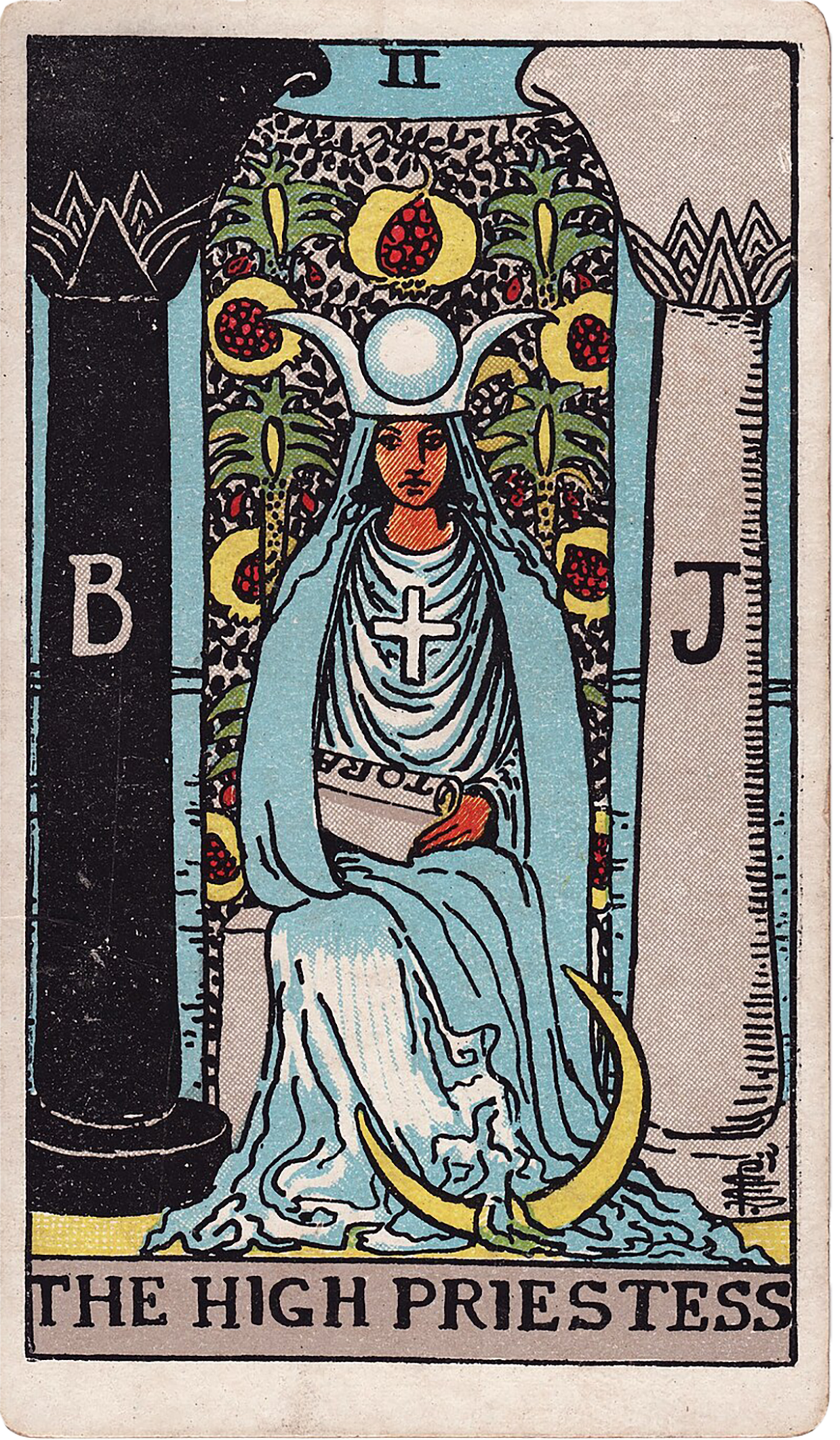
The High Priestess card embodies intuition, inner wisdom, and hidden knowledge. This article explores how to interpret The High Priestess in different single-card contexts such as love, career, money, advice, challenge, person, outcome, and spiritual reflection. Drawing on the upright and reversed positions of the supplied tarot card image, readers will learn to recognize the card’s symbolic cues—from the veiled scroll she holds to the crescent moon beneath her feet—and apply these insights for thoughtful, nuanced readings. The article guides learners through practical methods to trust inner discernment, identify where energy may be blocked or distorted, and use the card’s lessons to navigate ambiguity and unseen influences. Common interpretive pitfalls are addressed, emphasizing the importance of context and questioning rather than fixed predictions. By anchoring interpretation in the traditional Rider-Waite-Smith symbolism visible in the provided card image, readers gain a visually grounded framework to expand their tarot literacy.
Cards explored in this article
 The High Priestess
Introduction to The High Priestess Card and Its Symbolism
The High Priestess is a major arcana card rich with symbolism centered on intuition, mystery, and the subconscious. She sits calmly between two pillars marked B and J, representing Boaz and Jachin from the Temple of Solomon, signifying duality and balance. The veil behind her decorated with pomegranates hints at hidden knowledge and fertility of the mind. In her hands, she holds a partially visible scroll, traditionally inscribed with the word "TORA," symbolizing divine law or secret wisdom. At her feet rests a crescent moon, emblematic of intuition, feminine cycles, and the unconscious. The card’s color palette of blues and whites reinforces clarity and purity of inner insight. This imagery invites readers to look beyond surface appearances and seek truth through quiet observation and trusting subtle inner signals rather than overt action or logic alone. The High Priestess calls for patience and receptivity to what is not immediately visible.
Understanding Upright The High Priestess in Different Contexts
When The High Priestess appears upright, she signals a moment to listen beneath surface factors and trust intuition. In love, this card encourages sensing undercurrents and emotional truths that words may not express, suggesting a time for reflection rather than direct confrontation. It may indicate a relationship dynamic that requires patience and inner awareness. In career readings, the upright High Priestess advises working with what is presently known, using inner discernment to guide decisions rather than rushing into visible opportunities. It may suggest that the querent is developing a deeper understanding of their professional path. Regarding money, the card points toward subtle financial dynamics and encourages prudent contemplation rather than impulsive spending or investment. As advice, The High Priestess urges cultivating quiet observation and waiting for clarity before acting. It advises using existing resources and recognizing lessons already influencing the situation. As a challenge, the upright card highlights the difficulty of accessing inner wisdom or trusting one’s intuition, reminding the seeker to pause and reflect. When representing a person, The High Priestess depicts someone reserved, intuitive, perhaps secretive but wise—someone who listens more than speaks and values depth over surface conversation. As an outcome, the card suggests that answers will emerge through patience and subtle shifts rather than immediate resolution. In spiritual reflection, The High Priestess embodies connection to the unconscious and hidden realms, inviting meditation and inner exploration.
Interpreting Reversed The High Priestess and Its Nuances
The reversed High Priestess often indicates a blockage or distortion of the upright qualities. Instead of calm inner knowing, there may be disconnection from intuition or confusion between genuine insight and anxiety-driven projection. In love, the reversal can point to secretiveness, emotional withdrawal, or difficulty accessing true feelings. In career, it may suggest uncertainty, ignoring inner guidance, or being out of touch with what the situation requires. Financially, the reversed card warns against ignoring subtle warnings or engaging in imprudent behaviors masked as intuition. As advice, the reversal invites the querent to identify where they might be avoiding necessary truths or suppressing intuition due to fear. As a challenge, it highlights internal resistance to self-knowledge or denial of hidden factors that influence the situation. When representing a person, the reversed High Priestess might be someone who is secretive to a fault, emotionally unavailable, or out of balance in their inner world. As an outcome, the card may signal delayed clarity or the need to confront subconscious blocks before moving forward. Spiritually, the reversal suggests the seeker is in a phase of psychological introspection but not yet integrating deeper wisdom fully.
Practical Techniques for Reading The High Priestess in Single-Card Draws
To work effectively with The High Priestess in single-card readings, begin by carefully observing the card imagery: the dual pillars, the veil, the scroll, and the moon. Ask where hidden knowledge or intuition is relevant in the question’s context. Next, determine whether the card is upright or reversed to refine the interpretation. Then, consider the question’s domain (love, career, etc.) and frame interpretive questions such as: What is not being said or seen? Where might I need to trust inner guidance? What boundaries or silent forces are at play? Avoid the common mistake of assigning The High Priestess a passive or 'mysterious' label without exploring how her energy invites active inner listening and deliberate restraint. Use the card as a prompt for exploration rather than a deterministic predictor. Balance intuition with practical context by encouraging querents to engage consciously with the known elements of their situation, as the upright card suggests. When reversed, focus on identifying distortions or emotional blocks rather than fearing negative outcomes. Finally, integrate observations with any surrounding information or the querent’s own reflections to create a nuanced, growth-oriented reading.
Examples of The High Priestess Across Context-Specific Scenarios
In a love reading, an upright High Priestess may describe someone contemplating their feelings or sensing hidden emotional layers in a relationship. For example, a querent may be advised to pause and listen to their intuition before making commitments. In career, the card could appear when someone is gathering information quietly or developing skills behind the scenes, signaling that visible success is not immediate but understanding is deepening. In money matters, it might suggest withholding judgment on financial decisions until more information surfaces or trusting subtle instincts about expenditures. As advice, The High Priestess often urges patience, observation, and reliance on inner wisdom rather than external noise. As a challenge, it might signal a block to accessing trustworthy intuition, prompting work on emotional awareness. Representing a person, the card’s symbolism points to someone with calm, reserved, and deeply perceptive qualities. As an outcome, it implies evolving understanding rather than sudden change. Spiritually, it encourages diving beneath superficial beliefs to explore subconscious or mystical knowledge.
Common Mistakes and How to Avoid Them
A frequent error is interpreting The High Priestess as purely passive or a sign to avoid action altogether. While the card emphasizes receptivity, it actually encourages deliberate inner work and conscious engagement with subtle information. Another mistake is treating the reversed card as inherently negative without investigating where intuition or hidden knowledge is blocked, distorted, or incomplete. Ignoring the card’s rich symbolism—such as the significance of the pillars or the crescent moon—can lead to shallow interpretations. Instead, use these visual elements as anchors to deepen insight. Overlooking context is a risk: The High Priestess in a career reading differs markedly in nuance when compared to love or spiritual reflection. Always tailor interpretation to the question domain. Finally, avoid framing The High Priestess as a fixed prediction. Instead, approach it as a guide to inner processes and subtle dynamics influencing the situation.
Summary and Integrative Tips for Learners
The High Priestess is a powerful card that invites tarot readers to trust intuition, seek hidden knowledge, and acknowledge the unseen forces shaping their questions. Upright, she encourages patient observation, working consciously with current reality, and discerning deeper truths beneath surface appearances. Reversed, she highlights where access to inner wisdom is blocked or distorted, offering opportunities for healing and greater self-awareness. Learners should familiarize themselves with the card’s traditional Rider-Waite-Smith imagery, reflect on how its symbolism applies in different contexts, and practice framing interpretive questions that stimulate introspection. Using The High Priestess in single-card readings can provide rich, layered insights when approached with balance, curiosity, and respect for nuance. Always integrate intuition with practical realities, and remain open to the card’s lessons about timing, boundary-setting, and the complexity of inner knowing.
Practice questions
• In what areas of my life do I tend to rely on surface information instead of trusting my intuition?
• How might I create space for quiet discernment when facing complex decisions?
• Where in my current situation could hidden knowledge or unconscious influences be at play?
• How do I differentiate between genuine inner guidance and anxiety or projection?
• What lessons from The High Priestess’s symbols (pillars, veil, moon, scroll) resonate most with me personally?
• When I face a reversal or blockage in intuitive knowing, what steps can help me reconnect?
• How can I apply the balance of receptivity and conscious action suggested by The High Priestess in daily life?
Comments
Sign in to comment.
Continue learning
Interpreting the Dance of Justice and The Devil: Balancing Morality and Temptation in Tarot Readings
The combination of Justice and The Devil in tarot presents a profound exploration of morality, temptation, and personal accountability. This article unpacks how these cards influen...
Advanced Techniques for Combining The Moon and The Star to Enhance Intuition in Tarot Readings
This article explores advanced techniques to combine the symbolism and energy of The Moon and The Star Tarot cards to enhance intuition during Tarot readings. Drawing from traditio...
Unlocking Life Insights with the Celtic Cross Tarot Spread
This article offers a thorough exploration of the Celtic Cross Tarot Spread, focusing on its application within family and practical life contexts. Using a worked example featuring...
Unlocking Hidden Meanings with The Hermit and The Hanged Man for Spiritual Growth
This article offers an in-depth exploration of The Hermit and The Hanged Man Tarot cards focusing on their roles in spiritual growth. It guides readers through beginner and advance...
Unlocking Personal Insight with the Seven Card Horseshoe Spread
The Seven Card Horseshoe Spread is a practical and insightful Tarot layout ideal for exploring personal and family dynamics. This article breaks down each position—Past, Present, H...
Mastering the Court Cards of Wands for Unlocking Personal Drive and Leadership
The Court Cards of Wands represent a dynamic spectrum of personal energy, ambition, and leadership potential within the Minor Arcana. This article offers a comprehensive exploratio...
Tracing the Origins and Evolution of The Fool Card in Tarot History
The Fool card holds a foundational place in tarot tradition, symbolizing beginnings, openness, and the embrace of uncertainty. This article traces its origins from early European d...
Techniques for Reading Court Cards to Unlock Personality Insights
Court cards in Tarot often represent people, personality traits, or energy patterns within a situation. This article offers a structured approach for beginners and advanced readers...
Unlocking Emotional Transformation with Death and The Moon Tarot Combination
This article explores the rich and complex interaction between the Death and The Moon tarot cards within the Rider-Waite-Smith tradition, focusing on their combined potential to un...
Applying The Star Card to Foster Hope and Renewal in Personal Growth
The Star card in Tarot symbolizes hope, authenticity, and the process of steady renewal. In a single-card reading, The Star encourages embracing what is present, cultivating openne...