
Exploring the Multifaceted Role of The Hanged Man in Surrender Patience and New Perspectives
This article explores the rich and multifaceted meanings of The Hanged Man tarot card when drawn in a single-card reading. Emphasizing themes of surrender, patience, and shifting perspectives, it examines how the card's upright and reversed positions influence its interpretation across different life contexts such as love, career, finances, personal challenges, and spiritual reflection. By carefully linking Rider-Waite-Smith symbolism with practical reading techniques, the article guides learners to use The Hanged Man as a tool for conscious engagement with current circumstances rather than passive waiting. Key insights highlight how the card encourages deliberate pausing to foster inner transformation and new awareness, while also cautioning against stagnation or resistance when reversed. The content prioritizes educational clarity and nuanced understanding for Tarot enthusiasts seeking to deepen their interpretive skills.
Cards explored in this article
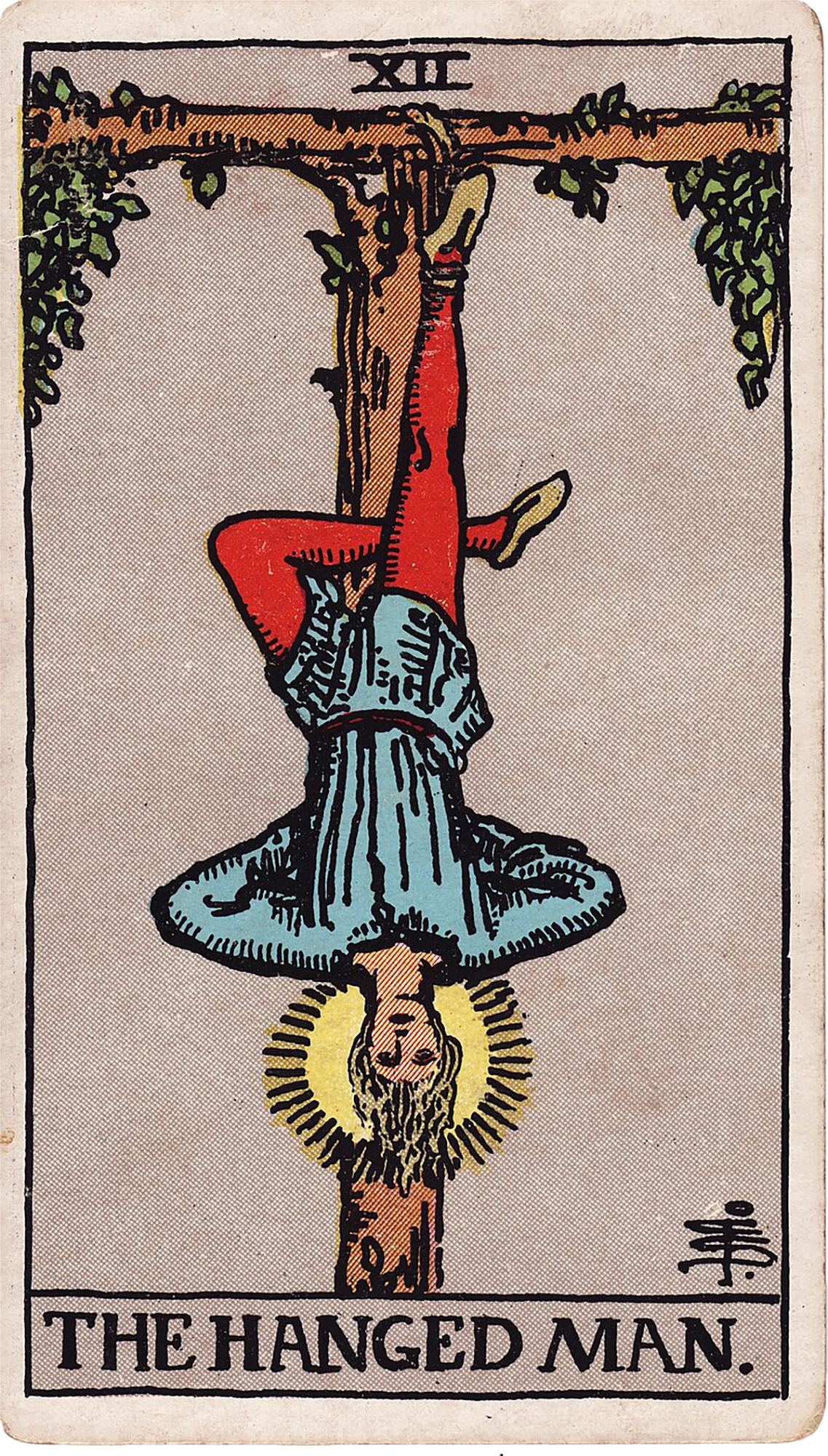 The Hanged Man
Introduction to The Hanged Man and Its Core Symbolism
The Hanged Man is one of the most symbolically rich cards in the Rider-Waite-Smith Tarot deck. Traditionally numbered XII, the card depicts a figure suspended upside down by one foot from a living tree, often interpreted as the Tree of Life or a symbol of sacrifice and enlightenment. The figure’s expression is calm, almost serene, reflecting acceptance rather than distress. This imagery encapsulates the card’s key themes: voluntary surrender, a pause or suspension of action, and the gaining of new perspectives through unconventional means. Rather than representing defeat, The Hanged Man signals a conscious choice to release control and allow transformation through altered perception. It is crucial to note that the card’s upright and reversed positions offer distinct but related lessons. Upright, it encourages active engagement with pause and perspective shifts. Reversed, it highlights blocks in these processes such as stagnation, resistance, or martyrdom. Recognizing this duality is essential for nuanced interpretation in varied life contexts.
Technique for Reading The Hanged Man
To effectively interpret The Hanged Man, start by observing the card’s central image: the suspended figure, the halo of light around the head, and the natural elements like the sturdy tree branch. These details emphasize themes of enlightenment through stillness and natural cycles. In a single-card reading, focus on the question or situation posed and consider how the themes of pause, surrender, and perspective shift might be relevant. Ask yourself which aspect of the querent’s life calls for deliberate suspension or a new viewpoint. Importantly, avoid assuming the card promises immediate ease or resolution. Instead, read it as a prompt to engage consciously with the present moment and recognize what is already unfolding beneath the surface. When reversed, look for signs of internal resistance or unproductive delay. Use the card’s symbolism as a lens to identify whether the querent is stuck in old patterns or beginning to understand them. Cross-reference with the querent’s narrative to clarify if the reversal signals an opportunity for recovery or a warning against stagnation.
Interpreting The Hanged Man in Love Contexts
When The Hanged Man appears in a love reading upright, it often indicates a need for patience and re-evaluation. The card suggests stepping back from immediate reactions or desires to gain a clearer understanding of the relationship dynamics. The calm expression of the figure hints that surrendering control—such as releasing expectations or habitual roles—can lead to deeper insight and growth. It invites the querent to consider perspectives they might have previously ignored, perhaps empathizing with their partner’s viewpoint or reassessing personal boundaries. The Hanged Man can also signal a pause in the relationship to allow emotions and communication to evolve naturally rather than forcing progress. Reversed in love, The Hanged Man may reveal resistance to necessary change or a tendency toward martyrdom, where one partner sacrifices too much without growth or reciprocity. It can also indicate stagnation or waiting without learning—an emotional limbo where fear of surrender prevents transformation. Readers should gently probe whether the querent is avoiding difficult conversations or clinging to outdated patterns. The reversal calls attention to the consequences of refusing to shift perspective and encourages awareness of subtle relational imbalances.
The Hanged Man’s Meaning in Career and Work Situations
Upright, The Hanged Man in a career context advises the querent to pause before making impulsive decisions or forcing change. It emphasizes working with current resources and circumstances rather than rushing toward an uncertain goal. The imagery of suspension suggests that this is a period for reflection, learning, and adopting unconventional approaches. Perhaps the querent needs to reconsider their career path or how they define success, gaining new insights by stepping outside traditional paradigms. The card encourages deliberate choice-making and warns against impatience. In reversed position, The Hanged Man can point to career stagnation or burnout resulting from resistance to adaptation or surrender. The querent might be feeling stuck in a dead-end situation yet unwilling to change perspective or relinquish control. This reversal can also indicate self-imposed martyrdom — taking on too much responsibility without recognition or feeling trapped by circumstances. The reading should explore whether the querent is open to new learning or resisting due to fear or pride.
Financial Interpretations of The Hanged Man
Financially, The Hanged Man upright suggests a time to pause and reassess spending, investment, or saving strategies. It encourages the querent to work with existing resources and resist impulsive financial decisions. The card’s call for patience and a shift in perspective might mean reevaluating one’s relationship with money—considering long-term stability over immediate gratification. The halo symbolizes enlightenment that can arise from thoughtful delay and self-restraint. Reversed, the card warns against procrastination or denial about financial realities. The querent might be delaying necessary financial actions, stuck in a pattern of avoidance, or over-sacrificing in ways that do not serve their material well-being. The reversal asks the reader to identify where financial energies are being distorted—perhaps the querent is caught in a cycle of waiting without learning or is resistant to adopting new money management habits.
Using The Hanged Man as Advice and Challenge
As advice, The Hanged Man urges deliberate pause and surrender to the present moment. It invites the querent to release the illusion of control and open to alternative viewpoints that might transform their understanding. The Rider-Waite-Smith symbolism highlights enlightenment through suspension—a reminder that insight often comes not from action but from stillness and reflection. This advice cautions against rushing and encourages the next proportionate step based on conscious awareness rather than impatience. As a challenge, The Hanged Man can indicate difficulty accepting necessary delays or changes. The reversed card especially signals that the querent may struggle with letting go, resulting in stagnation or martyrdom. The challenge is to recognize when resistance is blocking growth or when the pause has become a standstill. The imagery of the suspended figure reminds us that true transformation requires balance: neither reckless action nor passive waiting but a conscious embrace of the process.
Personality and Outcome Readings Featuring The Hanged Man
In personality readings, The Hanged Man upright describes someone who embraces patience, introspection, and an openness to altered perspectives. This individual often approaches life’s challenges by stepping back and reflecting deeply before acting. Their calm acceptance of uncertainty and willingness to surrender control can inspire those around them to consider different viewpoints. The reversed Hanged Man personality may indicate a person who struggles with letting go or who falls into patterns of self-sacrifice without personal growth. They might resist change or feel stuck in unproductive delays. Regarding outcomes, The Hanged Man upright suggests that the resolution will come through surrender and patience rather than immediate action. The situation may require enduring a pause and consciously engaging with new perspectives to foster transformation. The reversed card warns that outcomes could be hampered by resistance or stagnation unless the querent consciously shifts their approach.
Spiritual Reflection and The Hanged Man
Spiritually, The Hanged Man is a powerful symbol of surrendering the ego’s need for control to access higher wisdom. The halo around the figure’s head represents enlightenment gained not through external achievements but through internal transformation. Upright, the card encourages spiritual seekers to embrace stillness and altered viewpoints as paths to growth. It reminds us that spiritual progress often requires pausing habitual patterns and perceiving reality differently. Reversed, the card may reflect spiritual blockage or resistance to surrender. The seeker might be stuck in dogma, martyrdom, or spiritual bypassing, avoiding true transformation. The reversal serves as a call to examine where spiritual energies are distorted and encourages honest reflection on one’s path.
Common Mistakes and Practical Reading Tips
A frequent mistake when interpreting The Hanged Man is assuming it predicts passivity or failure. Instead, the card invites active engagement with the concept of pause and perspective. Remember that surrender is a deliberate act, not a passive one. Another error is reading the reversed card as simply 'negative'—it often signals an internal process or a nuanced struggle rather than outright misfortune. Practically, always anchor interpretations in the card’s imagery: the upside-down figure’s peaceful expression, the sturdy tree branch, and the glowing halo. Use these details to remind yourself of the card’s lessons in conscious suspension and enlightenment. When reading, ask questions like: “Where can the querent step back to gain clarity?” or “What patterns are resisting change?” This approach helps maintain a balanced and insightful reading focused on growth.
Practice questions
• In what areas of my life might I be resisting necessary pauses or changes?
• How can I consciously practice surrender without feeling powerless?
• What new perspectives might I gain by temporarily stepping back from a situation?
• Am I confusing impatience with progress in my current challenges?
• Where might martyrdom or self-sacrifice be blocking my growth?
Comments
Sign in to comment.
Continue learning
Interpreting the Dance of Justice and The Devil: Balancing Morality and Temptation in Tarot Readings
The combination of Justice and The Devil in tarot presents a profound exploration of morality, temptation, and personal accountability. This article unpacks how these cards influen...
Advanced Techniques for Combining The Moon and The Star to Enhance Intuition in Tarot Readings
This article explores advanced techniques to combine the symbolism and energy of The Moon and The Star Tarot cards to enhance intuition during Tarot readings. Drawing from traditio...
Unlocking Life Insights with the Celtic Cross Tarot Spread
This article offers a thorough exploration of the Celtic Cross Tarot Spread, focusing on its application within family and practical life contexts. Using a worked example featuring...
Unlocking Hidden Meanings with The Hermit and The Hanged Man for Spiritual Growth
This article offers an in-depth exploration of The Hermit and The Hanged Man Tarot cards focusing on their roles in spiritual growth. It guides readers through beginner and advance...
Unlocking Personal Insight with the Seven Card Horseshoe Spread
The Seven Card Horseshoe Spread is a practical and insightful Tarot layout ideal for exploring personal and family dynamics. This article breaks down each position—Past, Present, H...
Mastering the Court Cards of Wands for Unlocking Personal Drive and Leadership
The Court Cards of Wands represent a dynamic spectrum of personal energy, ambition, and leadership potential within the Minor Arcana. This article offers a comprehensive exploratio...
Tracing the Origins and Evolution of The Fool Card in Tarot History
The Fool card holds a foundational place in tarot tradition, symbolizing beginnings, openness, and the embrace of uncertainty. This article traces its origins from early European d...
Techniques for Reading Court Cards to Unlock Personality Insights
Court cards in Tarot often represent people, personality traits, or energy patterns within a situation. This article offers a structured approach for beginners and advanced readers...
Unlocking Emotional Transformation with Death and The Moon Tarot Combination
This article explores the rich and complex interaction between the Death and The Moon tarot cards within the Rider-Waite-Smith tradition, focusing on their combined potential to un...
Applying The Star Card to Foster Hope and Renewal in Personal Growth
The Star card in Tarot symbolizes hope, authenticity, and the process of steady renewal. In a single-card reading, The Star encourages embracing what is present, cultivating openne...