
Exploring the Roles of the Page Knight Queen and King in the Suit of Cups to Enhance Emotional Intelligence
This article explores the four Court Cards of the Suit of Cups—Page, Knight, Queen, and King—to deepen understanding of emotional intelligence within Tarot reading. Using detailed analysis of their Rider-Waite-Smith symbolism and upright and reversed meanings, we examine how each card represents stages and expressions of emotional awareness, intuition, and relationships. Practical guidance is provided on how to read these cards in context, avoid common interpretive mistakes, and apply their lessons in personal growth and emotional skill development. The article is designed for learners seeking to enhance their Tarot practice and emotional literacy.
Cards explored in this article
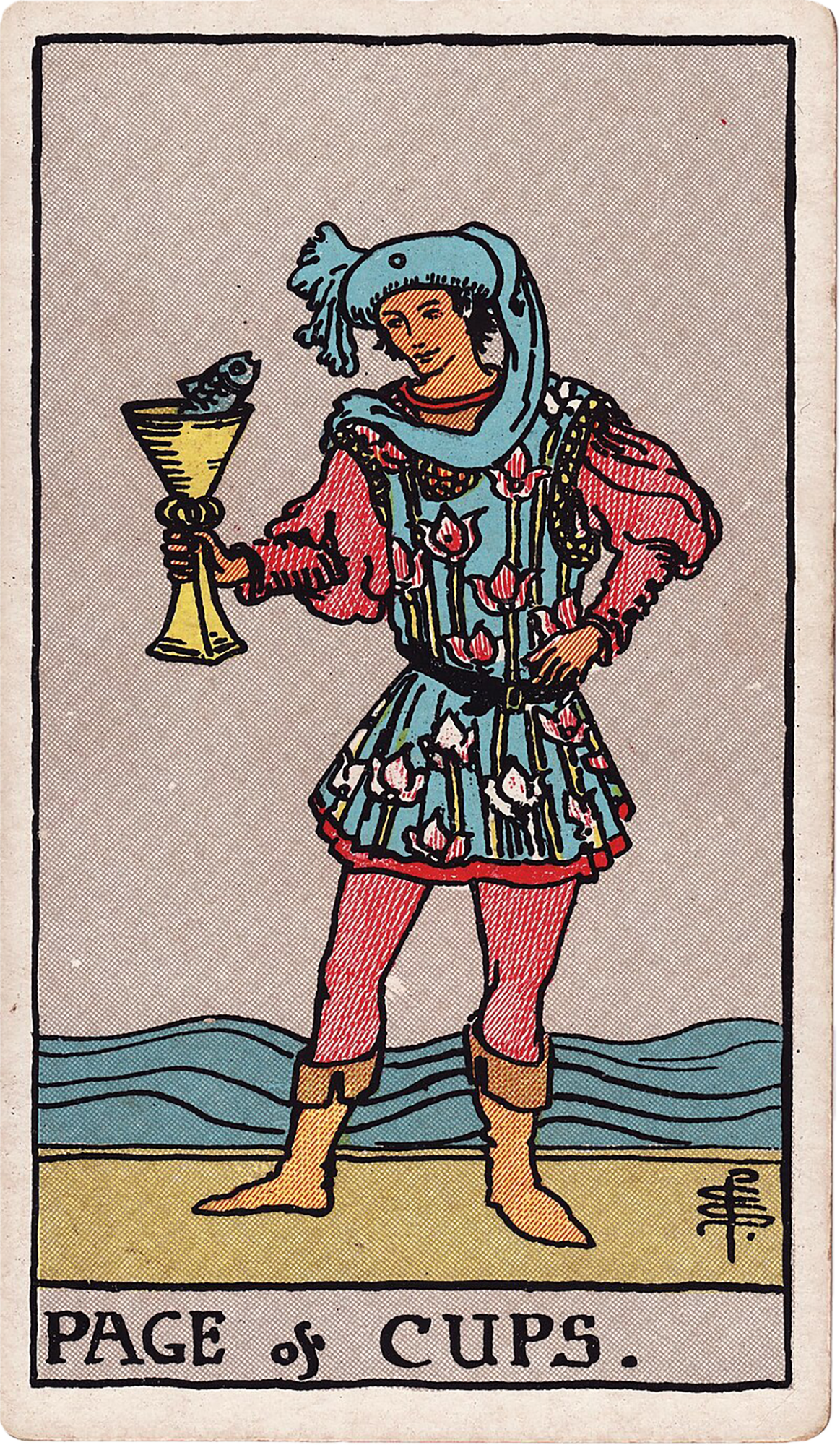 Page of Cups
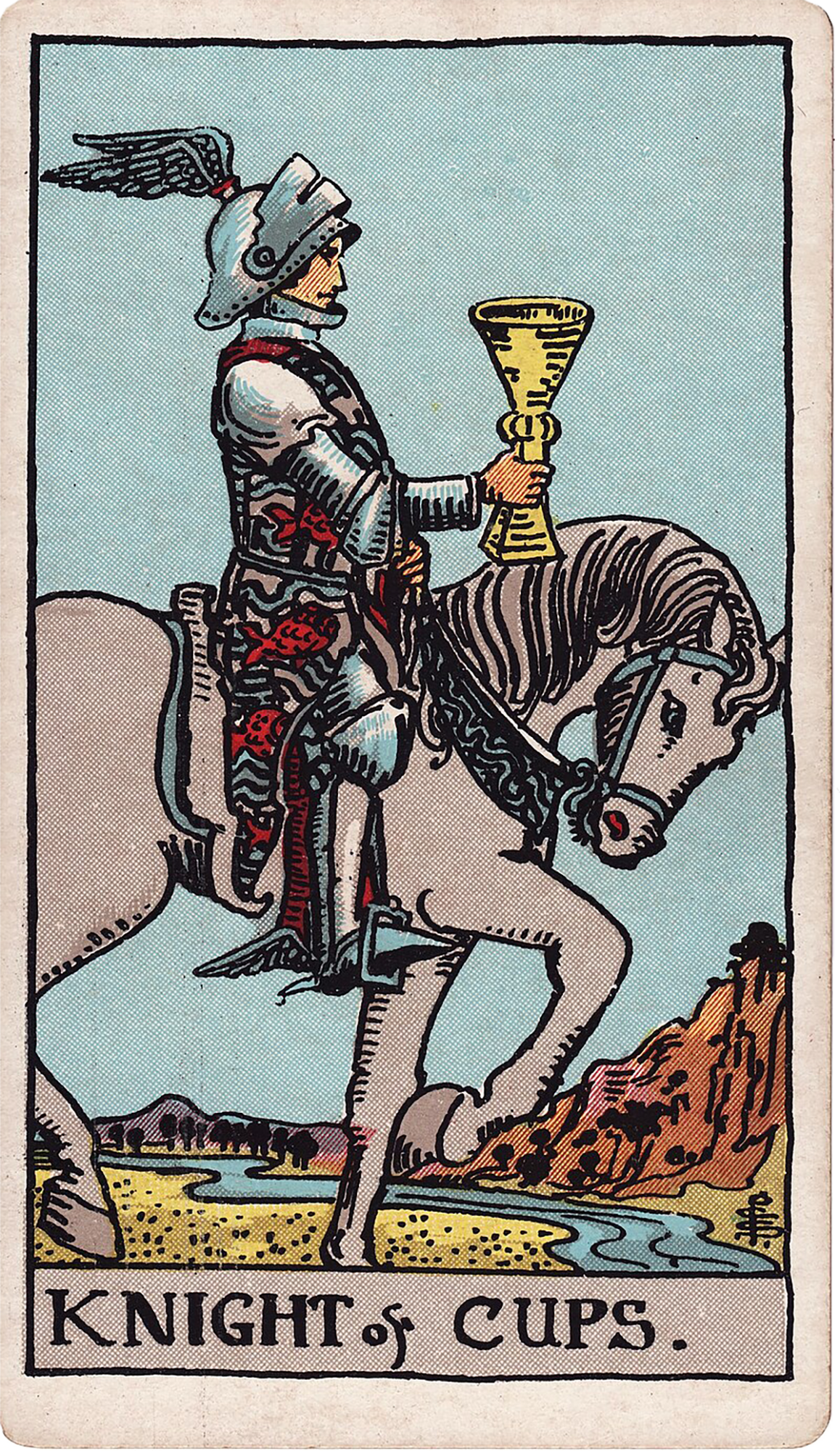 Knight of Cups
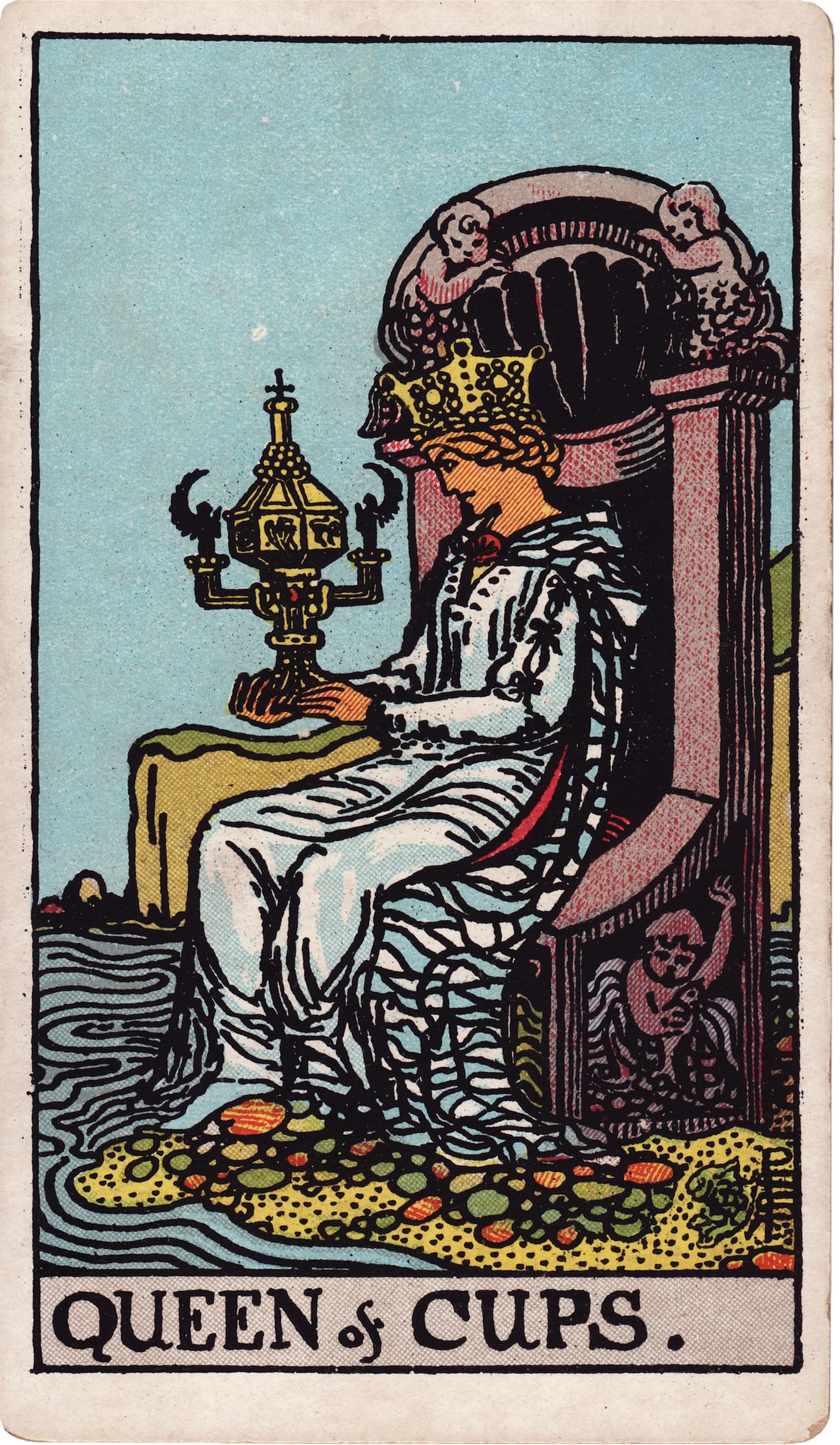 Queen of Cups
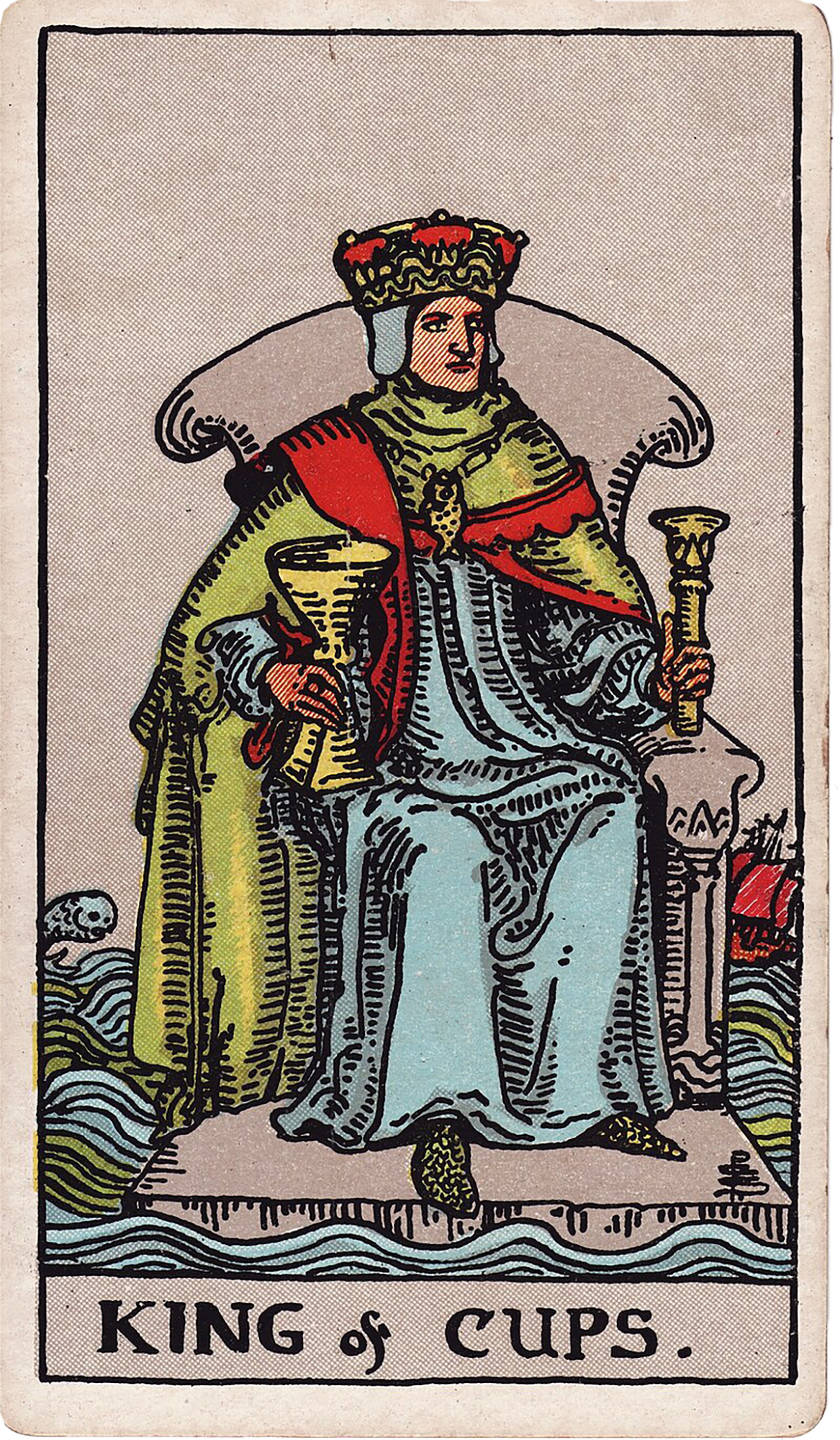 King of Cups
Introduction to the Suit of Cups and Emotional Intelligence
The Suit of Cups traditionally governs the realm of emotions, relationships, intuition, and the fluid inner world of feelings. In Tarot, Cups correspond to the element of water, symbolizing depth, receptivity, and transformation. Emotional intelligence refers to the capacity to recognize, understand, and manage emotions in oneself and others, a skill closely mirrored in the dynamics portrayed by the Cups. The Court Cards—Page, Knight, Queen, and King—each represent distinct archetypal roles or stages within this emotional landscape. Exploring these cards in depth provides practical tools for interpreting feelings, intentions, and interpersonal dynamics in Tarot readings while encouraging readers to cultivate greater emotional insight.
The Page of Cups as the Messenger of Emotional Beginnings
The Page of Cups embodies the youthful, curious energy of new emotional experiences, intuitive sparks, and creative feelings. Visually, the Rider-Waite-Smith Page holds a cup from which a fish emerges—an unexpected symbol representing surprises from the subconscious and the birth of intuitive messages. Upright, the Page encourages receptivity and curiosity rather than immediate judgment, asking the querent to respond to the present emotional landscape with openness and sensitivity. It highlights the early stages of emotional development or situations where a fresh perspective or message is arriving. When reversed, the Page warns of emotional immaturity, hypersensitivity, or escapism. This reversal signals where emotional processes may be stuck, misunderstood, or denied. It invites reflection on whether feelings are being dismissed or misinterpreted and calls for simplifying or acknowledging emotions honestly before progress can occur. Practical reading technique involves placing the Page in the context of emerging emotional themes, noting surrounding cards to assess development or obstacles. Avoid common mistakes such as treating the Page's reversed meaning as merely negative; instead, consider where growth needs patience and gentle nurturing.
The Knight of Cups as the Pursuer of Heartfelt Intentions
The Knight of Cups represents an active, intentional movement through the emotional realm. The Rider-Waite-Smith depicts the Knight on a white horse, carrying a cup forward with grace and imagination, signifying the pursuit of what the heart truly values. Upright, the Knight encourages following emotional impulses with emotional intention and integrity, balancing passion with receptivity. This card often appears when one is acting on feelings or offers a proposal rooted in emotional connection. It highlights skillful navigation of relationships and intuition in motion. Reversed, the Knight cautions against chasing illusions, idealizing others unrealistically, or succumbing to moodiness and empty promises. It signals when emotional energy is misdirected or when fantasies replace genuine connection. Interpreters should use the Knight to identify when emotions are driving action and assess whether the energy is constructive or requires grounding. A common pitfall is overlooking the Knight’s call for practical emotional expression, instead romanticizing impulsivity.
The Queen of Cups as the Embodiment of Emotional Maturity and Empathy
The Queen of Cups stands as a powerful symbol of mature emotional receptivity, empathy, and intuitive wisdom. In the Rider-Waite-Smith deck, she is shown seated on a throne by the water, holding a covered chalice—signifying controlled emotions and the ability to contain feelings without being overwhelmed. Upright, she models emotional balance, compassion, and maintaining an inner container for feeling while relating deeply to others. The Queen’s strength lies in her deep understanding of both self and others, blending intuition and empathy into a steady presence. Reversed, the Queen signals emotional overwhelm, codependency, or difficulty in distinguishing intuition from anxiety. It can also indicate excessive absorption of others’ moods or withdrawal into fantasy as a defense. Readers benefit from recognizing the Queen’s role as a guide to emotional self-care and healthy boundaries. A frequent mistake is to interpret her only as softness, overlooking her strength in emotional regulation and discernment.
The King of Cups as the Archetype of Emotional Leadership and Stability
The King of Cups represents the pinnacle of emotional intelligence within the Suit of Cups, symbolizing steady leadership and composure amid emotional currents. The Rider-Waite-Smith King is seated on a throne surrounded by water, holding a cup confidently—portraying mastery over feelings without repression or impulsive reaction. Upright, the King reflects the ability to feel deeply while remaining balanced and creating safety for others. He is emotional maturity personified, combining empathy with calm authority. Reversed, the King warns of emotional manipulation, repression, or withholding vulnerability. It suggests when emotional control becomes a mask that blocks genuine connection. In readings, the King calls for the querent to practice emotional responsibility and integrity. Avoid mistaking emotional restraint for coldness; the King’s strength lies in conscious feeling and composed expression.
Integrating Court Card Lessons to Enhance Emotional Intelligence in Readings
Reading the Page, Knight, Queen, and King of Cups together offers a comprehensive framework for understanding the progression and facets of emotional intelligence. The Court Cards collectively illustrate stages from emotional curiosity and initial messages (Page), through active pursuit and emotional intention (Knight), to mature empathy and internal balance (Queen), culminating in steady emotional leadership and composure (King). When interpreting these cards, consider their position in spreads and relationships to surrounding cards. Are they signaling a beginning, development, challenge, or resolution in emotional themes? Use upright and reversed meanings as indicators of where emotional energy is flowing healthily or where it may be blocked or distorted. Techniques to enhance readings include: - Focusing on the practical question of how the querent can respond emotionally in the present, rather than abstract ideals. - Observing the imagery closely—for example, the fish in the Page’s cup or the Queen’s covered chalice—as symbolic cues to intuition, concealment, or emotional containment. - Avoiding binary good/bad interpretations of reversal; instead, exploring what emotional lessons are incomplete or require attention. By applying these approaches, the Court Cards become powerful tools for fostering emotional literacy and growth both in readings and personal reflection.
Common Challenges and Mistakes in Reading Cups Court Cards
Learners often struggle with the Cups Court Cards due to their nuanced emotional symbolism and the tendency to interpret reversals simplistically. Common challenges include: - Overgeneralizing the Page as simply a 'young person' or 'childlike' rather than recognizing its role as a messenger of emotional beginnings. - Mistaking the Knight for impulsive or purely romantic energy without appreciating its call for emotional intention and grace. - Viewing the Queen only as compassion without acknowledging her emotional boundaries and inner strength. - Confusing the King’s emotional control with emotional suppression or coldness. - Treating reversed cards as merely negative opposites, rather than signals of stuck processes or incomplete lessons. To avoid these pitfalls, always anchor interpretations in the card’s Rider-Waite-Smith imagery and practical meanings. Pay attention to the context within the spread and the querent’s situation to tailor insights effectively.
Practical Methods for Reading and Teaching the Cups Court Cards
To deepen mastery of the Cups Court Cards, try these practical methods: 1. Image Meditation: Spend time observing each card’s imagery slowly. Note symbols like the fish in the Page’s cup, the white horse of the Knight, the Queen’s throne and chalice, and the King’s composure by water. Reflect on what feelings or intuitions arise. 2. Role-Playing: Imagine embodying each Court Card’s emotional stance in daily life situations. How does the Page’s curiosity feel? How does the King maintain calm in emotional storms? 3. Spread Practice: Use spreads focusing on emotional intelligence themes, placing these Court Cards in positions related to the querent’s feelings, relationships, or challenges. 4. Journaling: Write reflections on how the qualities of each card appear in your own emotional experience or in people around you. 5. Integration with Surrounding Cards: Always interpret the Court Cards alongside neighboring cards to see whether their energy is emerging, developing, pressured, or resolving. These techniques help learners connect intellectually and emotionally with the cards’ lessons, enhancing both reading skill and personal growth.
Conclusion and Continued Exploration
The Pages, Knights, Queens, and Kings of the Suit of Cups offer profound insights into the complex terrain of human emotions and relationships. By studying these Court Cards carefully—attending to their Rider-Waite-Smith symbolism, upright and reversed nuance, and practical application—Tarot readers can enrich their emotional intelligence and provide more compassionate, accurate guidance. Continued exploration of these cards through practice, meditation, and reflection deepens understanding and reveals new layers of meaning. Embracing the lessons of the Cups Court Cards invites a richer connection to the self and others, fostering growth that extends far beyond Tarot itself.
Practice questions
• How do the different Court Cards in the Suit of Cups correspond to various stages of emotional development in your own life?
• In what ways does the Page of Cups encourage you to remain curious and open to intuitive messages rather than rushing to judgment?
• How can the Knight of Cups help you balance following your heart with maintaining emotional integrity and realism?
• What boundaries or emotional containers does the Queen of Cups model that might benefit your own emotional well-being?
• How might the King of Cups inspire you to practice emotional leadership and composure in challenging situations?
• When you encounter reversed Cups Court Cards, what specific emotional processes might be stuck or need your attention?
• How can integrating the lessons from all four Court Cards enrich your Tarot readings and personal emotional intelligence?
Comments
Sign in to comment.
Continue learning
Interpreting the Dance of Justice and The Devil: Balancing Morality and Temptation in Tarot Readings
The combination of Justice and The Devil in tarot presents a profound exploration of morality, temptation, and personal accountability. This article unpacks how these cards influen...
Advanced Techniques for Combining The Moon and The Star to Enhance Intuition in Tarot Readings
This article explores advanced techniques to combine the symbolism and energy of The Moon and The Star Tarot cards to enhance intuition during Tarot readings. Drawing from traditio...
Unlocking Life Insights with the Celtic Cross Tarot Spread
This article offers a thorough exploration of the Celtic Cross Tarot Spread, focusing on its application within family and practical life contexts. Using a worked example featuring...
Unlocking Hidden Meanings with The Hermit and The Hanged Man for Spiritual Growth
This article offers an in-depth exploration of The Hermit and The Hanged Man Tarot cards focusing on their roles in spiritual growth. It guides readers through beginner and advance...
Unlocking Personal Insight with the Seven Card Horseshoe Spread
The Seven Card Horseshoe Spread is a practical and insightful Tarot layout ideal for exploring personal and family dynamics. This article breaks down each position—Past, Present, H...
Mastering the Court Cards of Wands for Unlocking Personal Drive and Leadership
The Court Cards of Wands represent a dynamic spectrum of personal energy, ambition, and leadership potential within the Minor Arcana. This article offers a comprehensive exploratio...
Tracing the Origins and Evolution of The Fool Card in Tarot History
The Fool card holds a foundational place in tarot tradition, symbolizing beginnings, openness, and the embrace of uncertainty. This article traces its origins from early European d...
Techniques for Reading Court Cards to Unlock Personality Insights
Court cards in Tarot often represent people, personality traits, or energy patterns within a situation. This article offers a structured approach for beginners and advanced readers...
Unlocking Emotional Transformation with Death and The Moon Tarot Combination
This article explores the rich and complex interaction between the Death and The Moon tarot cards within the Rider-Waite-Smith tradition, focusing on their combined potential to un...
Applying The Star Card to Foster Hope and Renewal in Personal Growth
The Star card in Tarot symbolizes hope, authenticity, and the process of steady renewal. In a single-card reading, The Star encourages embracing what is present, cultivating openne...