
Exploring the Symbolic Depths and Elemental Associations of the Ace Tarot Cards
This article delves deeply into the symbolism and elemental foundations of the four Ace cards—Wands, Cups, Swords, and Pentacles—highlighting their traditional Rider-Waite-Smith imagery and meanings. It guides learners through practical interpretation methods, common pitfalls, and techniques to anchor readings in the present moment. By closely examining upright and reversed nuances, readers will gain tools to understand how these cards signal new beginnings and the energetic qualities they embody within the broader Tarot system.
Cards explored in this article
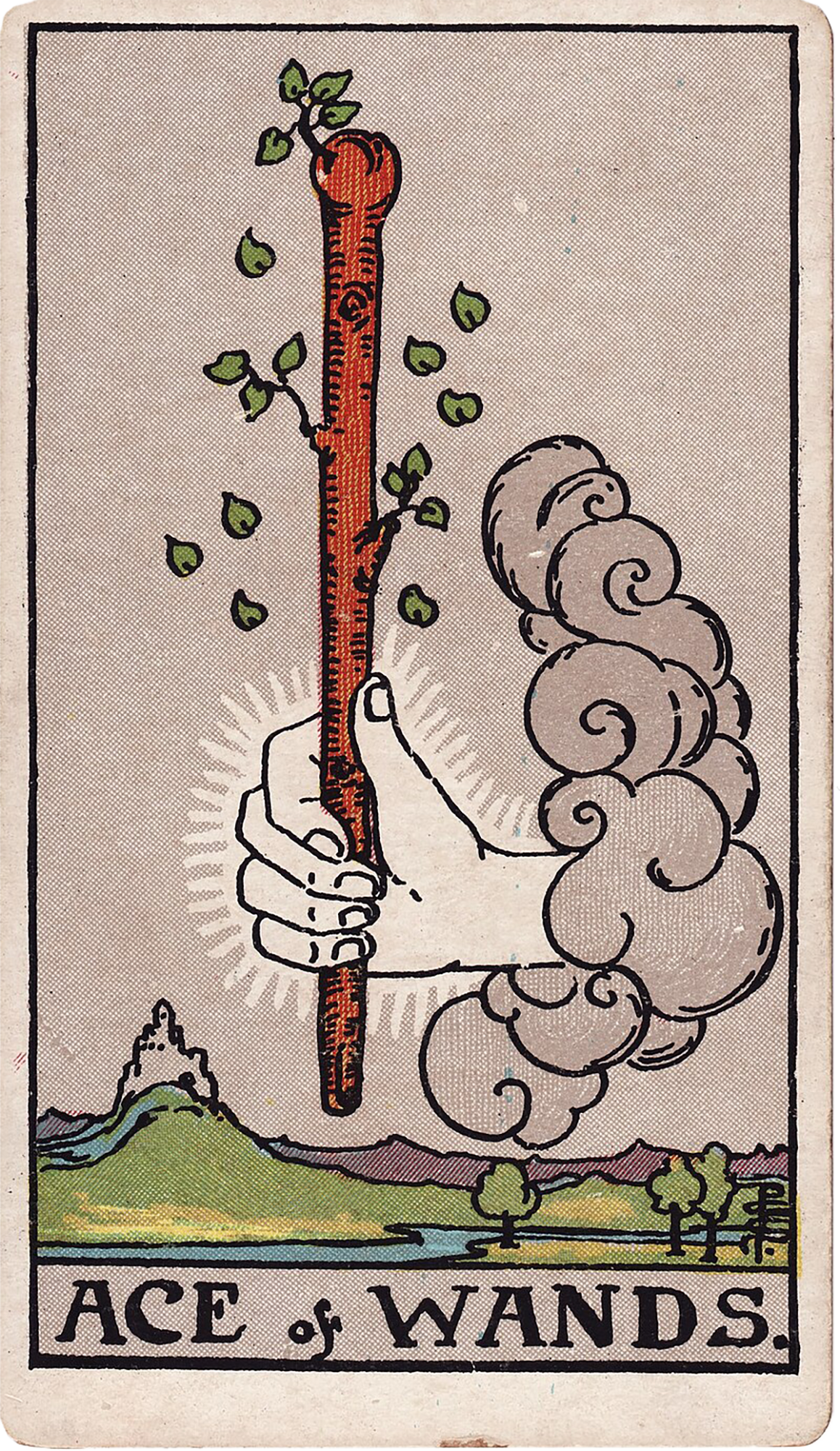 Ace of Wands
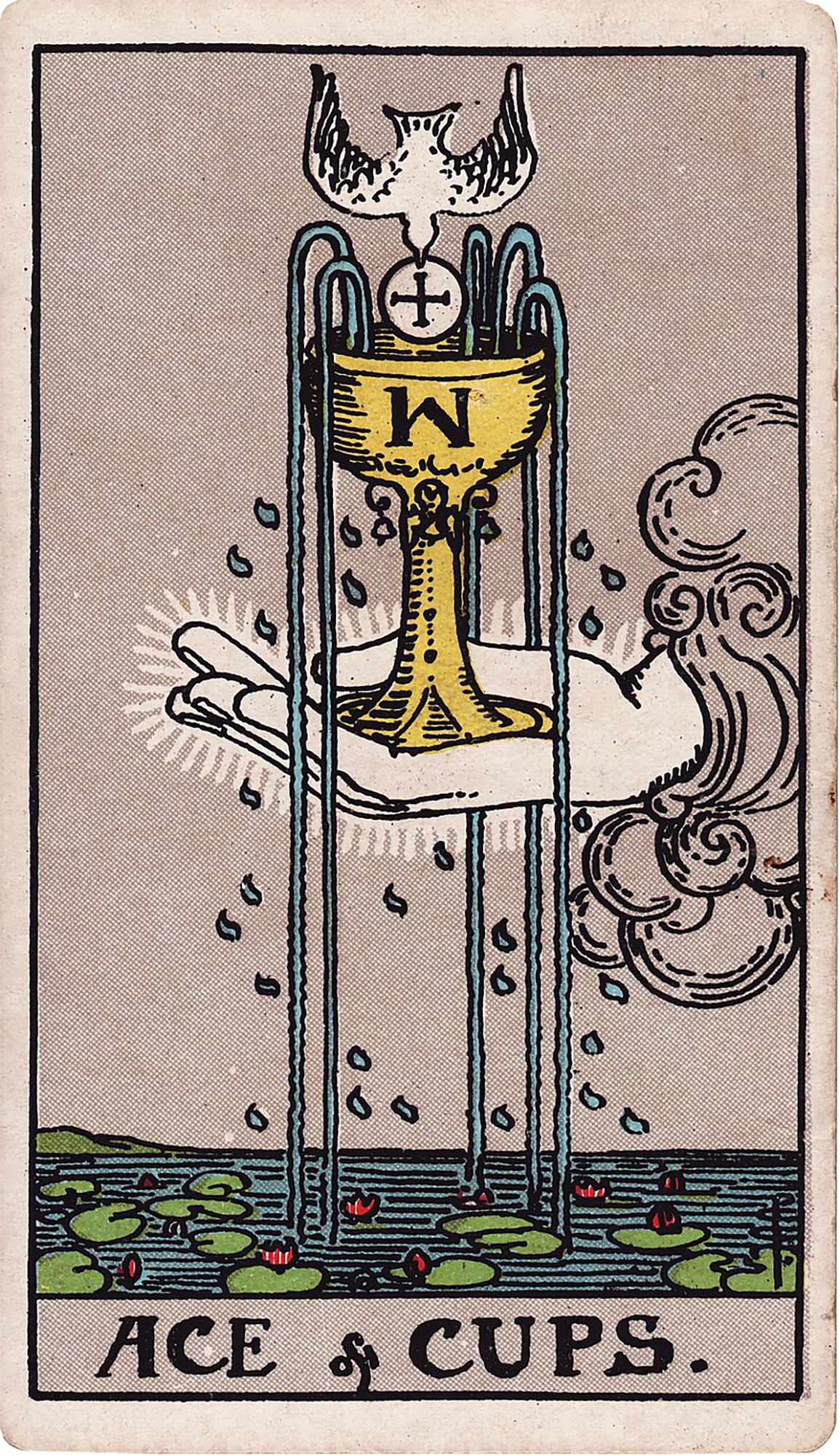 Ace of Cups
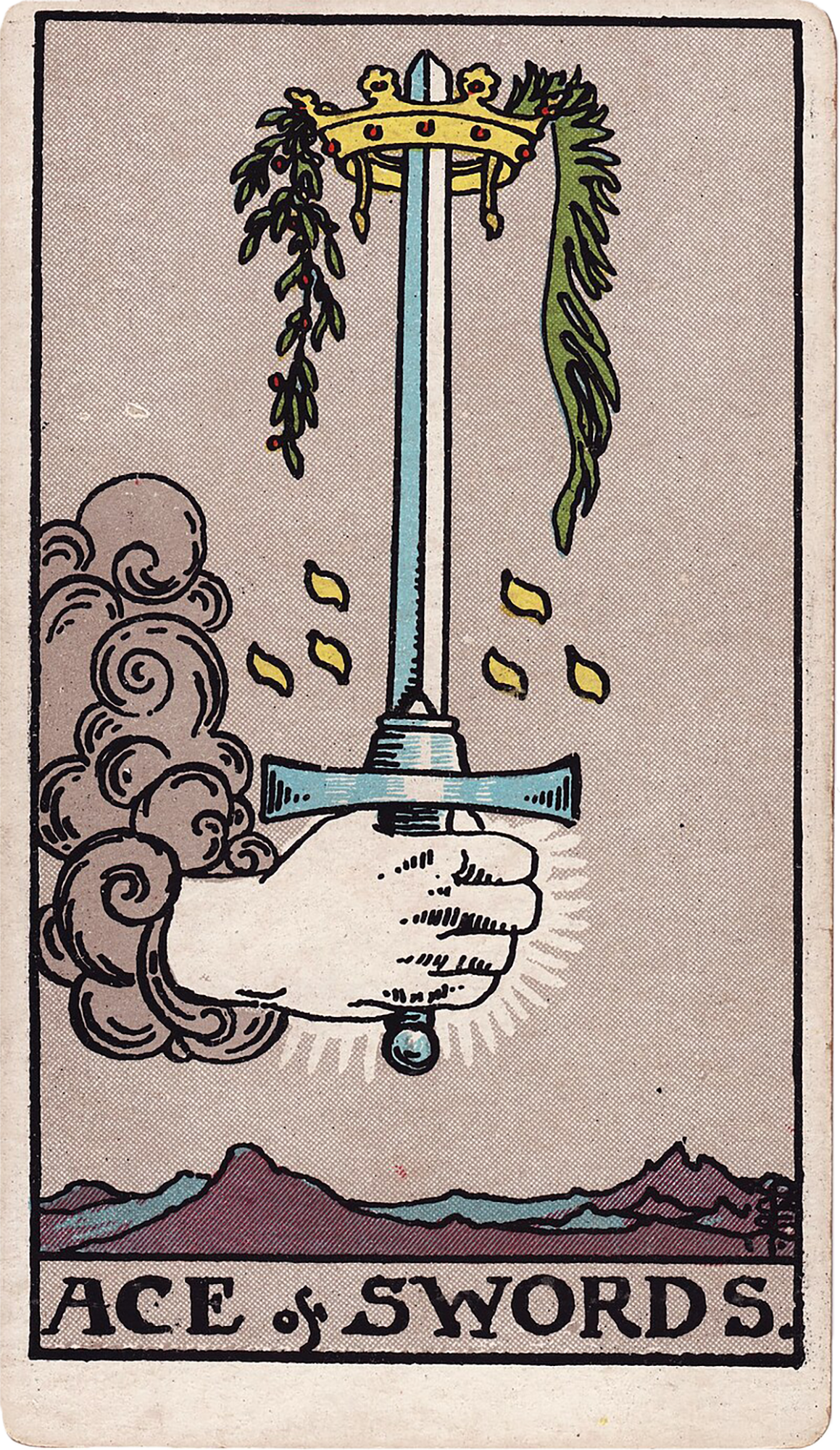 Ace of Swords
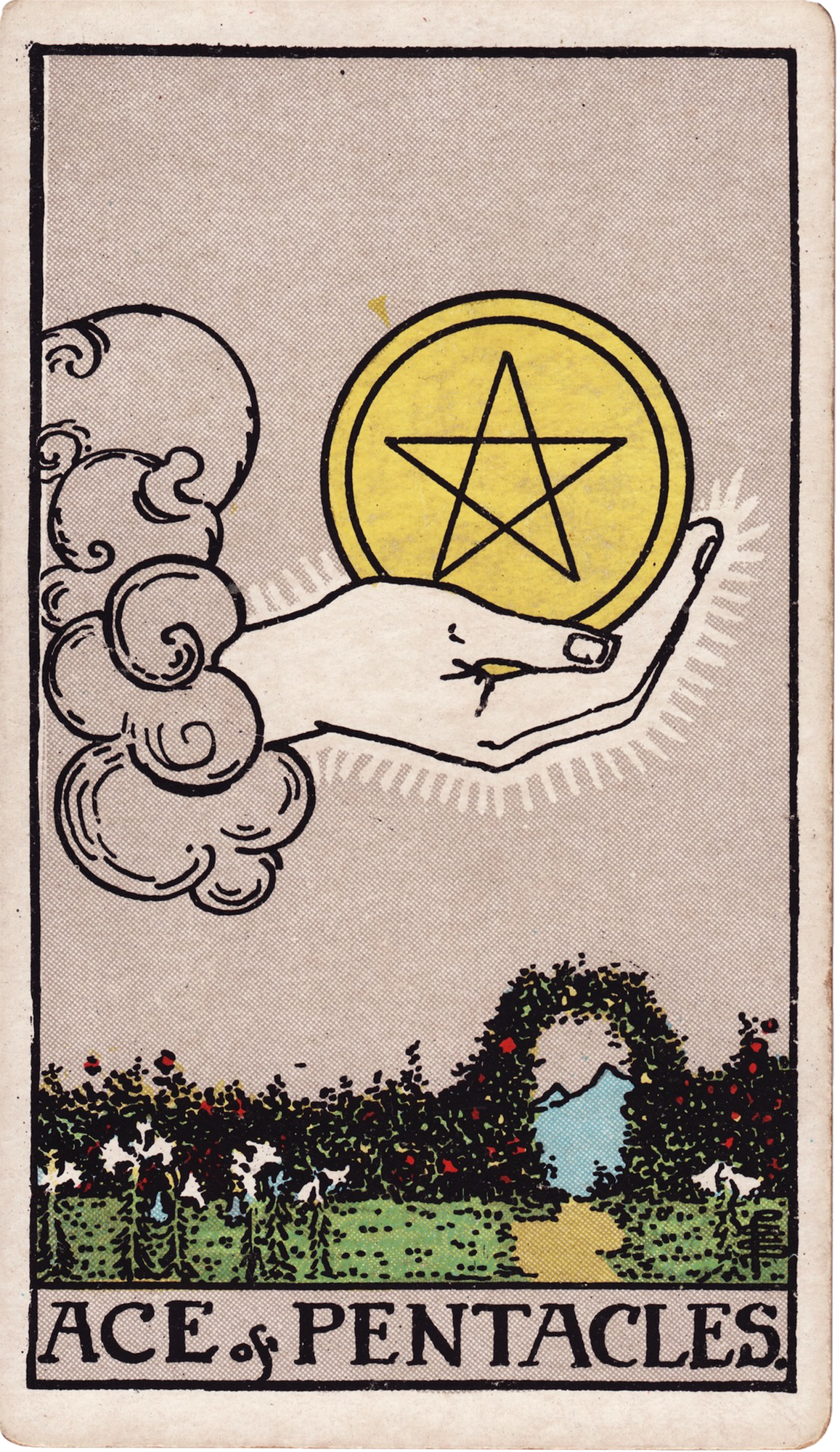 Ace of Pentacles
Introduction to the Aces in Tarot Symbolism
In the Tarot, Aces represent pure potential and new beginnings within their respective suits. Each Ace embodies the elemental essence and foundational energy that underpins the suit’s broader themes. Understanding these cards involves recognizing how their symbolism expresses an initiation of energy, whether it be creative spark, emotional opening, intellectual clarity, or material opportunity. This article explores the four supplied Ace cards—Ace of Wands, Ace of Cups, Ace of Swords, and Ace of Pentacles—using their Rider-Waite-Smith inspired imagery and associated meanings to deepen comprehension and practical application.
Elemental Associations and Symbolic Foundations
Each Ace in the Tarot corresponds directly to one of the four classical elements, which shape the card’s symbolism and interpretive framework. The Ace of Wands aligns with Fire, symbolizing energy, creativity, and willpower. The Ace of Cups connects to Water, representing emotion, intuition, and relationships. The Ace of Swords embodies Air, associated with intellect, communication, and conflict resolution. Lastly, the Ace of Pentacles is linked to Earth, denoting material reality, stability, and practicality. This elemental framework helps clarify the card’s core energy: the Ace of Wands urges a decisive, motivated action; the Ace of Cups invites emotional receptivity; the Ace of Swords demands mental clarity; and the Ace of Pentacles calls for grounded, practical beginnings. These elemental lenses enable readers to anchor interpretations in natural energetic principles, making the cards’ messages more intuitive and coherent.
Detailed Symbolism of the Ace of Wands
The Ace of Wands imagery traditionally shows a hand emerging from a cloud, holding a blossoming wooden wand. This visual highlights new creative impulses and raw energy demanding expression. The card’s upright meaning focuses on a practical call to act promptly before enthusiasm wanes. Its symbolism emphasizes motivation, identity, and initiative—core qualities of the Fire element. Upright, the card suggests that the querent is at the start of a dynamic process requiring concrete effort rather than abstract idealism. Reversed, it highlights blocked inspiration, scattered energy, or premature action. The reversal signals a need to assess where the creative flow has stalled, requesting simplification or increased self-awareness. In readings, observing adjacent cards can indicate whether the energy is nascent, developing, or approaching a climax.
Understanding the Ace of Cups and Emotional Symbolism
The Ace of Cups typically depicts a chalice overflowing with water, often with symbols of life and spiritual receptivity like doves or lotus flowers. This imagery reflects the Water element’s qualities: emotional openness, compassion, and intuitive depth. When upright, the card encourages welcoming new emotional experiences or creative feelings, emphasizing practical responses that nurture connection and vulnerability. Reversed, it warns of emotional blockages, fear of vulnerability, or feelings lacking healthy expression. The card invites the reader to explore internal emotional patterns that may not be externally visible and to seek ways to restore the free flow of feelings. Surrounding cards can clarify whether emotional energy is emerging, being tested, or resolving.
Ace of Swords and the Power of Mental Clarity
The Ace of Swords features a sword held upright, often piercing a crown or surrounded by clouds, symbolizing breakthrough, truth, and decisive insight. Air element symbolism here governs thought, communication, and conflict resolution. Upright, this card signals an intellectual breakthrough or clear decision cutting through confusion. It demands practical application of mental faculties to address the situation at hand. Reversed, it points to misused logic, harsh judgment, or communication used destructively. The reversal is not merely the opposite but rather an indication that the mental process is stuck or misdirected, requiring reflection and recalibration. Readers are advised to consider the card’s position and neighbors to understand the stage of cognitive energy present.
Grounding in the Ace of Pentacles and Material Beginnings
The Ace of Pentacles presents a hand offering a coin or pentacle, often set against a garden or archway, symbolizing tangible opportunities, resources, and foundational potential. Its Earth element association emphasizes practicality, stability, and long-term growth. When upright, it encourages embracing new material or physical ventures with careful nurturing and consistent effort. Reversed, it highlights missed chances, scarcity mindset, or faulty planning. The reversal suggests the need to examine where practical foundations are lacking or where internal attitudes may hinder tangible progress. The card’s imagery promotes focusing on concrete actions aligned with present realities rather than idealized futures.
Practical Techniques for Reading the Aces in Context
When incorporating these Aces into readings, it is crucial not to treat them as abstract symbols but as indicators of present-stage energy that require practical engagement. Begin by observing the upright or reversed state to identify whether the energy is free-flowing or blocked. Next, analyze surrounding cards to determine the phase of development—whether the energy is just emerging, intensifying, facing obstacles, or nearing resolution. Avoid common errors such as overgeneralizing the Aces as purely positive or negative. Instead, recognize their dual potential for opportunity or challenge depending on context. Encourage querents to reflect on where they see these elemental energies manifesting in real life. For instance, the Ace of Wands might point to a new creative project needing initial action, while the Ace of Cups could highlight a budding emotional connection requiring openness.
Common Mistakes and How to Avoid Them
A frequent mistake in interpreting Aces is assuming they always represent flawless beginnings or guaranteed success. Instead, Aces symbolize potential that demands effort and realistic response. Another pitfall is treating reversals as mere negative opposites; rather, reversals illustrate where the energy is blocked or unbalanced and invite deeper inquiry. Additionally, readers sometimes neglect the importance of the elemental associations, leading to generic or vague interpretations. Anchoring readings in the elemental qualities—fire for inspired action, water for emotional flow, air for mental clarity, and earth for practicality—enhances precision. To avoid these errors, always contextualize the Ace within the querent’s situation and the surrounding cards. Use the card’s imagery as a visual anchor to explore nuanced meanings and actionable advice.
Reflection Questions to Deepen Understanding
To integrate the lessons of the Aces, consider these reflective prompts: - In what areas of your life do you sense a new beginning or potential waiting for expression? - How do you experience the elemental energies of fire, water, air, and earth personally? - Where might you be blocking natural flows of creativity, emotion, thought, or practicality? - How can you respond to emerging energies with realistic, present-focused action rather than idealized hopes? - When a reversed Ace appears, what internal process might be stuck or misunderstood, and how can you support its healthy return?
Conclusion and Integration
The Ace cards serve as powerful symbols of elemental potential and new beginnings in Tarot readings. By grounding interpretation in their Rider-Waite-Smith imagery and elemental correspondences, readers can provide nuanced, practical guidance to querents. Recognizing the dynamic balance between upright opportunity and reversed blockage allows for deeper insight into the processes of initiation and growth. This approach transforms the Aces from abstract signs into living energies that invite engagement, reflection, and action. Whether the motivation of the Ace of Wands, the emotional opening of the Ace of Cups, the mental breakthrough of the Ace of Swords, or the tangible promise of the Ace of Pentacles, each card offers a pathway to explore the symbolic depths and elemental foundations that enrich Tarot study and practice.
Practice questions
• How do the elemental qualities of each Ace resonate with your personal experiences?
• What practical steps can you take to engage with the potential symbolized by these Aces in your life?
• In what ways might reversed Aces highlight areas where you need to simplify or release resistance?
• How can surrounding cards help you identify the development phase of the energy represented by an Ace?
• What common misinterpretations of Aces have you encountered, and how can this article’s approach help avoid them?
Comments
Sign in to comment.
Continue learning
Interpreting the Dance of Justice and The Devil: Balancing Morality and Temptation in Tarot Readings
The combination of Justice and The Devil in tarot presents a profound exploration of morality, temptation, and personal accountability. This article unpacks how these cards influen...
Advanced Techniques for Combining The Moon and The Star to Enhance Intuition in Tarot Readings
This article explores advanced techniques to combine the symbolism and energy of The Moon and The Star Tarot cards to enhance intuition during Tarot readings. Drawing from traditio...
Unlocking Life Insights with the Celtic Cross Tarot Spread
This article offers a thorough exploration of the Celtic Cross Tarot Spread, focusing on its application within family and practical life contexts. Using a worked example featuring...
Unlocking Hidden Meanings with The Hermit and The Hanged Man for Spiritual Growth
This article offers an in-depth exploration of The Hermit and The Hanged Man Tarot cards focusing on their roles in spiritual growth. It guides readers through beginner and advance...
Unlocking Personal Insight with the Seven Card Horseshoe Spread
The Seven Card Horseshoe Spread is a practical and insightful Tarot layout ideal for exploring personal and family dynamics. This article breaks down each position—Past, Present, H...
Mastering the Court Cards of Wands for Unlocking Personal Drive and Leadership
The Court Cards of Wands represent a dynamic spectrum of personal energy, ambition, and leadership potential within the Minor Arcana. This article offers a comprehensive exploratio...
Tracing the Origins and Evolution of The Fool Card in Tarot History
The Fool card holds a foundational place in tarot tradition, symbolizing beginnings, openness, and the embrace of uncertainty. This article traces its origins from early European d...
Techniques for Reading Court Cards to Unlock Personality Insights
Court cards in Tarot often represent people, personality traits, or energy patterns within a situation. This article offers a structured approach for beginners and advanced readers...
Unlocking Emotional Transformation with Death and The Moon Tarot Combination
This article explores the rich and complex interaction between the Death and The Moon tarot cards within the Rider-Waite-Smith tradition, focusing on their combined potential to un...
Applying The Star Card to Foster Hope and Renewal in Personal Growth
The Star card in Tarot symbolizes hope, authenticity, and the process of steady renewal. In a single-card reading, The Star encourages embracing what is present, cultivating openne...