
Exploring the Symbolic Language and Elemental Correspondences of the Suit of Cups in Tarot
The Suit of Cups represents the emotional realm in Tarot, connected to water as its elemental basis and embodying themes of feeling, intuition, relationships, and receptivity. This article delves into the symbolic language embedded in the imagery of key Cups cards—Ace of Cups, 2 of Cups, Page of Cups, and Queen of Cups—offering learners a structured approach to understanding their meanings upright and reversed. By integrating elemental correspondences, traditional Rider-Waite-Smith symbolism, and practical reading techniques, readers will gain clarity on interpreting Cups within the broader Tarot narrative. The discussion emphasizes the importance of context, encourages examination beyond simplistic opposites for reversed cards, and highlights common pitfalls to avoid in emotional and relational readings.
Cards explored in this article
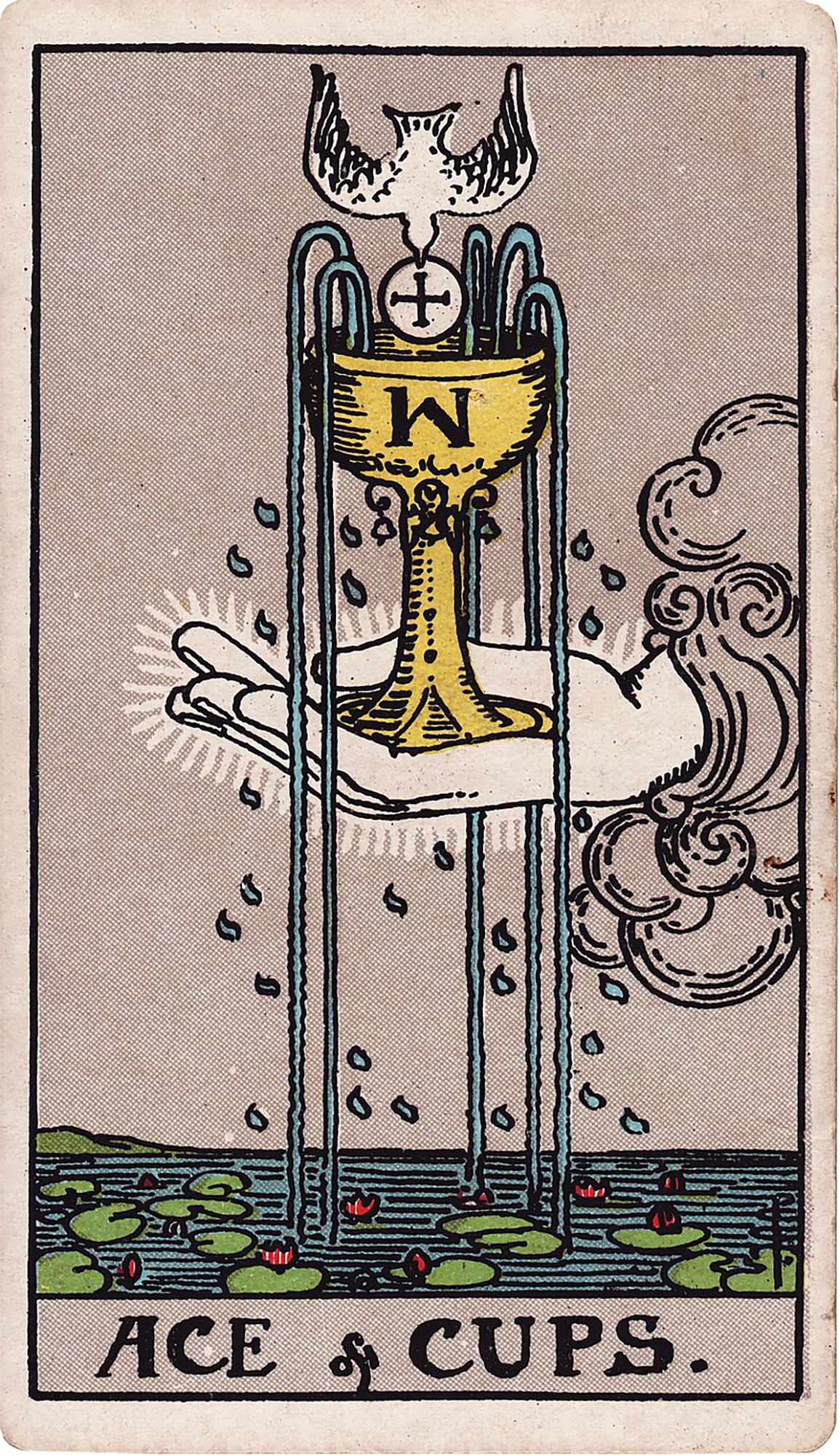 Ace of Cups
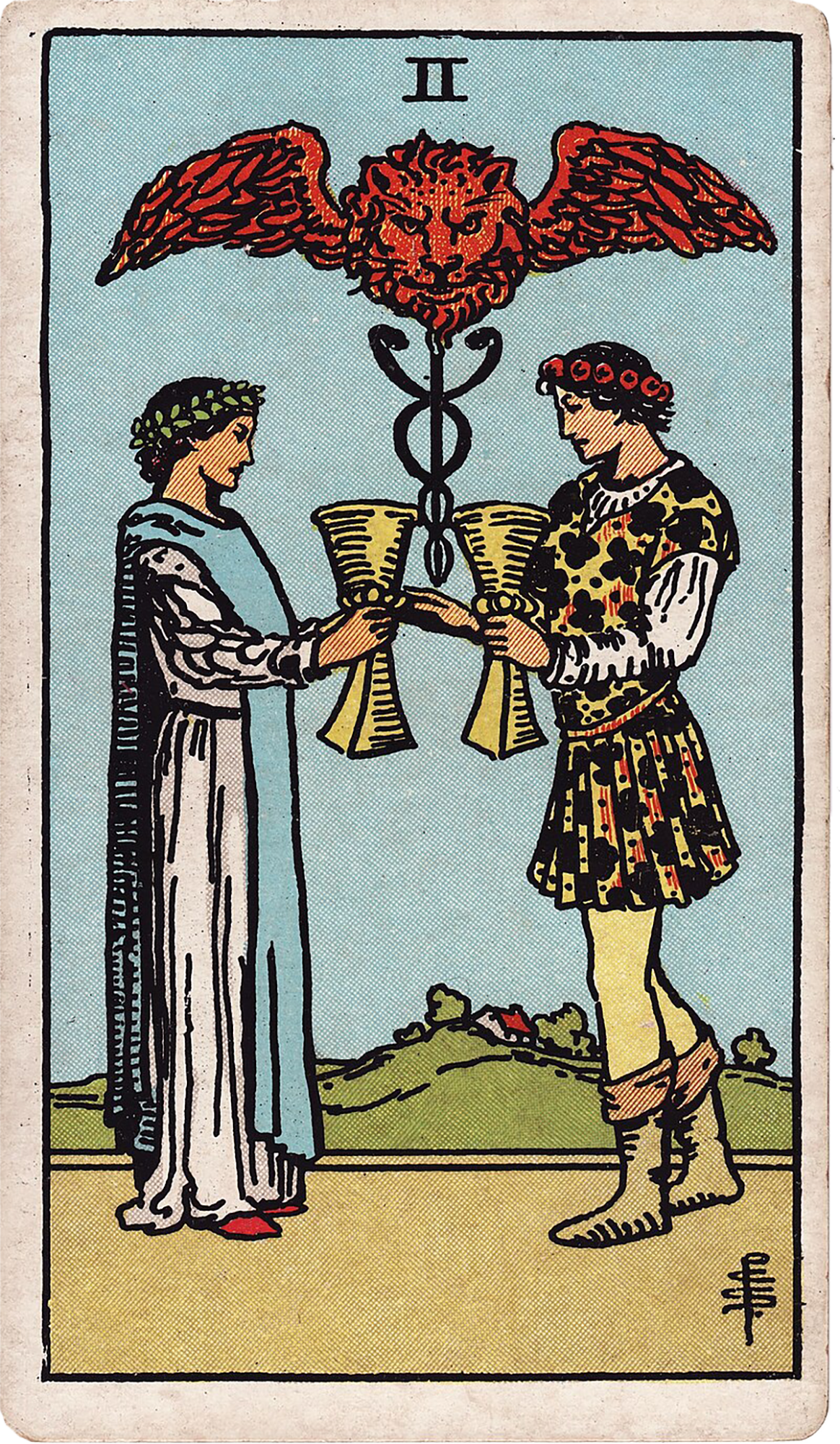 2 of Cups
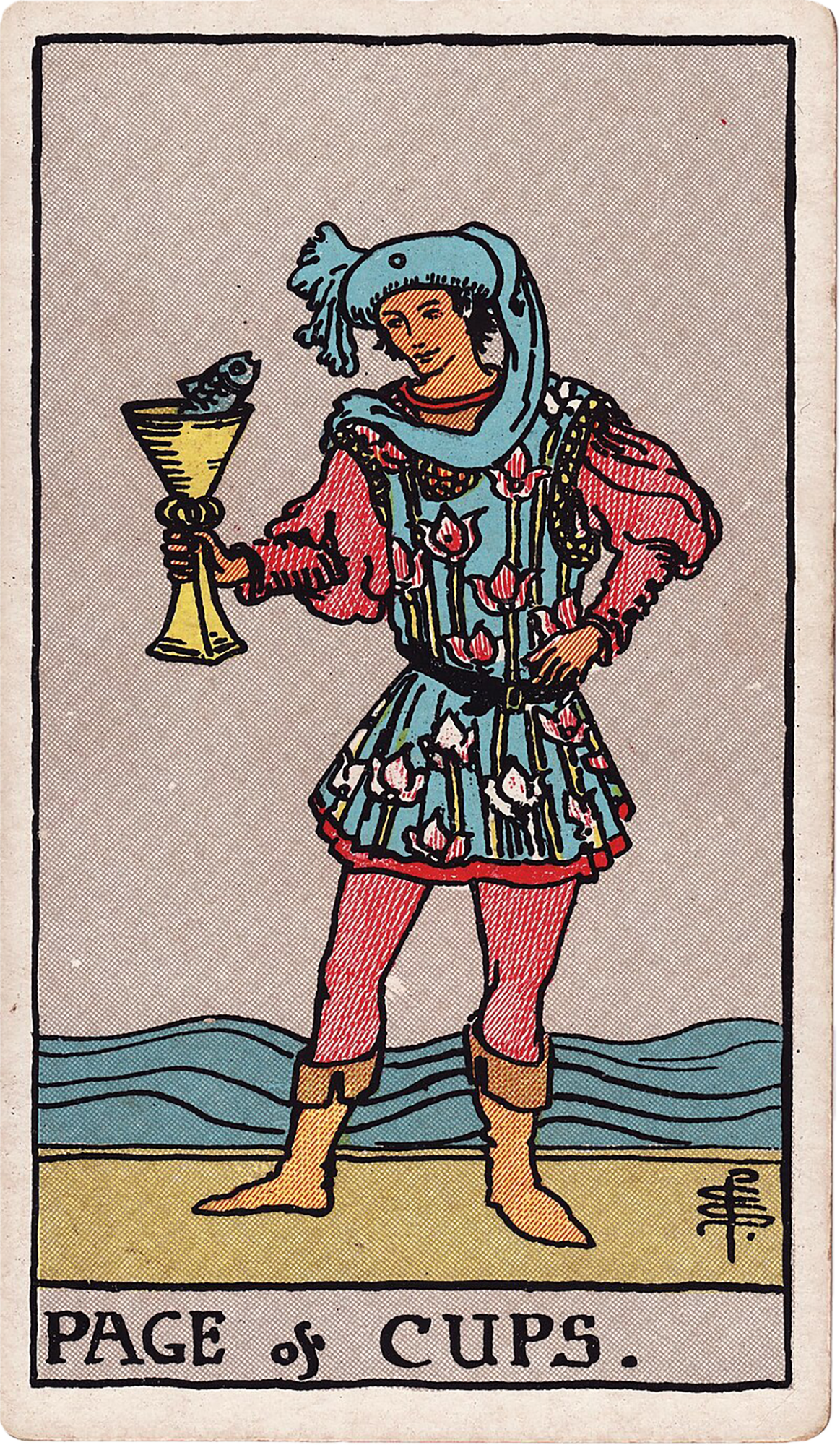 Page of Cups
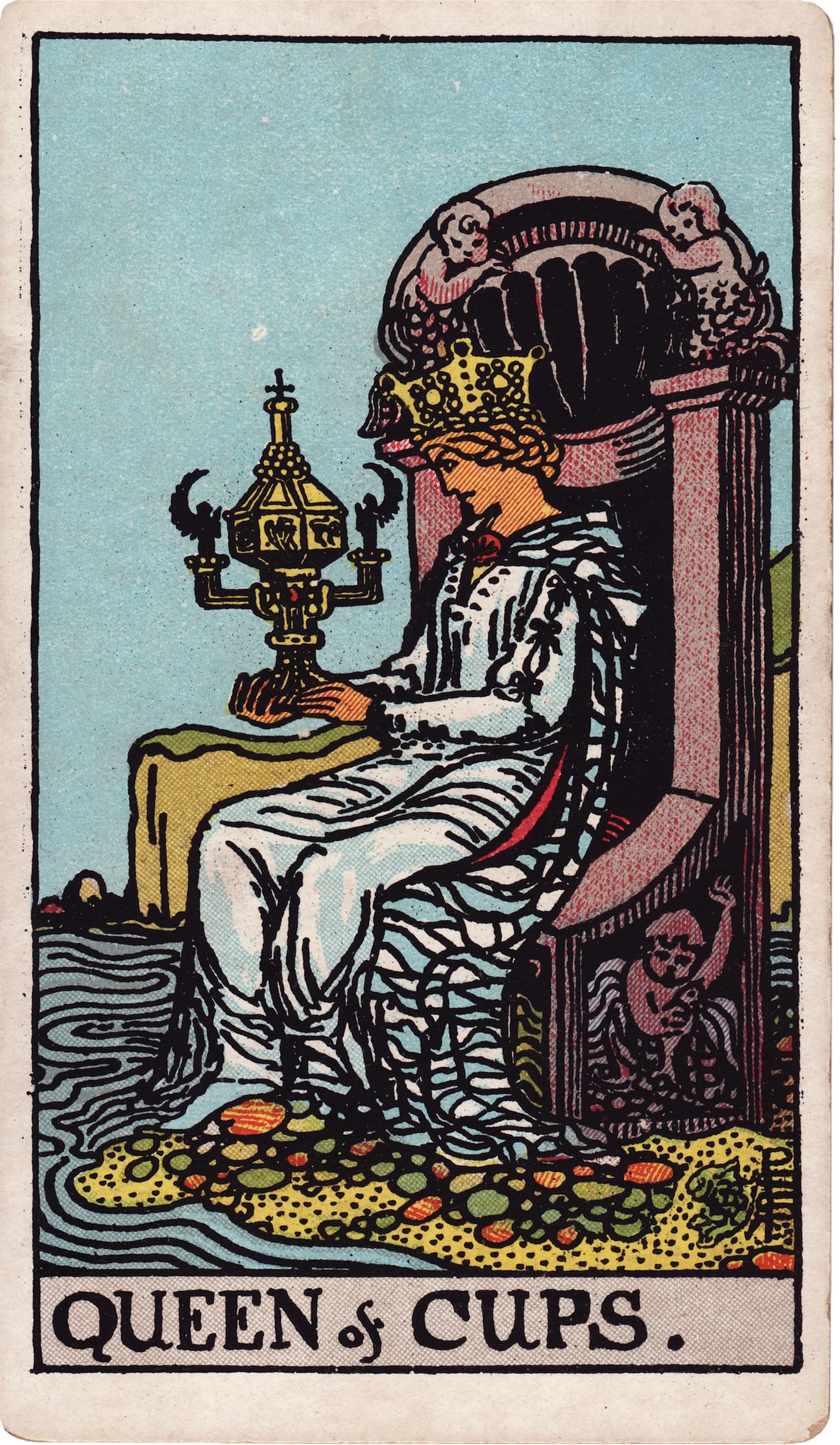 Queen of Cups
Introduction to the Suit of Cups and Its Symbolic Language
The Suit of Cups in Tarot is universally recognized as the domain of emotions, intuition, and the inner world of feelings. Rooted in the element of water, Cups cards symbolize fluidity, depth, and the often intangible nature of emotional experience. Water’s qualities—adaptability, mystery, and reflection—inform the suit’s themes of relationships, compassion, and receptivity. The Rider-Waite-Smith deck visually communicates these motifs through imagery such as overflowing cups, bodies of water, and figures immersed in contemplation or connection. Understanding the symbolic language of Cups requires recognizing these visual cues as metaphors for emotional currents and psychic openness. This suit challenges learners to think beyond intellectual analysis toward empathic resonance with the querent’s emotional landscape.
Elemental Correspondences and Their Influence on Interpretation
Water, as the elemental correspondence of Cups, governs the subconscious, intuition, and emotional flow. In Tarot, element symbolism assists in framing card meanings within a coherent system. For instance, the watery nature of Cups suggests receptivity and transformation, rather than rigid control or intellectual abstraction. This fluid energy means that Cups readings often emphasize process over fixed outcomes—feelings evolve, relationships shift, and inner knowing deepens over time. When interpreting key cards like the Ace of Cups, the overflowing water imagery represents a new emotional beginning, an intuitive opening that invites creative or compassionate response. The 2 of Cups uses water symbolism to underscore mutual exchange and the harmonious blending of emotional energies. Pages and Queens of Cups express developmental and mature stages of emotional awareness, respectively, all underpinned by water’s dynamic qualities.
Detailed Symbolic Analysis of the Ace of Cups
The Ace of Cups depicts a cup overflowing with five streams of water, often held by a divine hand emerging from a cloud, symbolizing the generous offering of emotional possibilities from a higher source. Upright, it highlights an opening of the emotional field: affection, compassion, intuitive receptivity, or creative feeling that seeks expression. Practically, it invites the querent to notice where emotional openness is emerging and to respond authentically rather than abstractly. Reversed, the card signals emotional blockage or fear of vulnerability, which might be internal and invisible to others. Importantly, the reversal should not be seen as a simple negation but as a signal to explore where emotional energy is stuck—perhaps needing acknowledgment, release, or clearer communication. The Ace’s imagery of flowing water and the symbolic five streams can be interpreted as emotional abundance that requires grounding and channeling.
Understanding the 2 of Cups and the Dynamics of Reciprocity
The 2 of Cups traditionally shows two figures exchanging cups in a gesture of mutual recognition and partnership. This card’s symbolism centers on reciprocity, balance, and harmonious emotional exchange. The upright meaning focuses on relationship dynamics where effort and feelings are shared, emphasizing practical interaction over idealized notions. Its water symbolism conveys emotional fluidity that works best when both parties reflect and respond to each other honestly. Reversed, the 2 of Cups points to tension, misalignment, or unequal emotional investment. The challenge lies in discerning where communication breaks down or efforts become one-sided. Similar to the Ace, reversed 2 of Cups invites inquiry into what needs recalibration to restore emotional harmony, avoiding simplistic opposites and instead focusing on process and awareness.
Page of Cups and the Role of Emotional Curiosity and Intuition
The Page of Cups embodies youthful curiosity, unexpected emotional messages, and nascent intuitive impressions. Often illustrated as a young person holding a cup from which a fish emerges, the image suggests surprise, creativity, and openness to the unconscious. Upright, the card encourages welcoming unusual feelings or creative impulses without premature judgment, recognizing that emotional development is ongoing. Reversed, it highlights pitfalls such as emotional immaturity, hypersensitivity, or dismissing intuition because it arrives in an unexpected form. The reversal signals that emotional lessons may be intellectually understood but not yet integrated into lived experience. Readers should use this card as a reminder to nurture emotional curiosity and engage with feelings in a practical, present-centered manner.
Queen of Cups as a Symbol of Mature Emotional Receptivity
The Queen of Cups represents an evolved stage of emotional awareness marked by empathy, intuitive understanding, and the ability to hold complex feelings within a stable inner container. Depicted typically as a regal figure gazing thoughtfully at her ornate cup, she embodies compassion balanced with discernment. Upright, this card invites the querent to cultivate mature receptivity and emotional support, serving as a model for healthy engagement with one’s own and others’ feelings. Reversed, the Queen warns against emotional overwhelm, codependency, or confusion between genuine intuition and anxiety-driven projections. The reversal asks readers to assess where boundaries might be needed and where emotional health can be restored by simplifying or releasing problematic dynamics.
Techniques for Practical Reading and Interpretation of Cups
When working with the Suit of Cups, readers benefit from focusing on the emotional process suggested by the cards rather than fixed outcomes. Key techniques include contextualizing the Cups cards within the full spread to determine whether emotional energy is emerging, developing, pressured, or resolving. Close attention to upright versus reversed states should move beyond binary 'good versus bad' interpretations and instead explore where emotional flow is facilitated or obstructed. Asking questions such as 'What emotional need is present here?' and 'Where is receptivity or resistance emerging?' helps ground interpretations. It is also useful to relate the water symbolism to the querent’s lived experience—how do emotions flow or stagnate? What intuitive signals are present? Using the supplied cards as anchors, readers can practice naming the core emotional task and suggesting practical steps to nurture emotional health and relational clarity.
Common Mistakes and Misinterpretations to Avoid
A frequent error in reading Cups cards is to oversimplify reversed meanings as mere opposites of upright ones—for example, assuming reversal always means 'no love' or 'failure.' Instead, reversed Cups often mark internal blockages, nuanced emotional complexities, or lessons not yet embodied. Another pitfall is ignoring the elemental water symbolism, leading to overly intellectual or rigid interpretations that miss the suit’s fluid nature. Interpreters must resist projecting their own emotional biases onto the cards and instead hold space for the querent’s unique emotional reality. Confusing emotional overwhelm with healthy empathy, or mistaking intuition for wishful thinking, also results in misreadings. Using concrete imagery from the supplied cards, such as the overflowing cup of the Ace or the mutual exchange in the 2 of Cups, helps keep interpretations grounded and balanced.
Examples and Case Applications Anchored in the Supplied Cards
Consider a querent drawing the upright Ace of Cups in the context of a new relationship question. The card suggests an open heart and willingness to engage emotionally, but the reader can deepen this by noting the five streams of water—indicating multiple emotional channels—inviting actions that strengthen genuine expression. If reversed, the same card might indicate the querent is guarded, possibly from past hurt, and needs to explore what emotional blockages exist. For the 2 of Cups, an upright draw in a partnership spread highlights mutual respect and shared feelings, while reversed signals practical steps toward honest communication or realignment of expectations. The Page of Cups might appear to prompt curiosity about unexpected emotional messages, whereas the Queen of Cups offers insight into embodying mature empathy. These anchored readings illustrate how the symbolic language and elemental context provide a rich, practical framework for interpretation.
Practice questions
• How does the water element influence the way emotions are expressed and processed in your life?
• In what ways can recognizing emotional blockage as a process rather than failure change your approach to reversed Cups cards?
• Which symbolic elements in the Ace of Cups or 2 of Cups resonate most with your experience of relationships?
• How might cultivating the qualities of the Queen of Cups support healthier emotional boundaries and intuition?
• What practical steps can you take to nurture curiosity and openness as suggested by the Page of Cups?
Comments
Sign in to comment.
Continue learning
Interpreting the Dance of Justice and The Devil: Balancing Morality and Temptation in Tarot Readings
The combination of Justice and The Devil in tarot presents a profound exploration of morality, temptation, and personal accountability. This article unpacks how these cards influen...
Advanced Techniques for Combining The Moon and The Star to Enhance Intuition in Tarot Readings
This article explores advanced techniques to combine the symbolism and energy of The Moon and The Star Tarot cards to enhance intuition during Tarot readings. Drawing from traditio...
Unlocking Life Insights with the Celtic Cross Tarot Spread
This article offers a thorough exploration of the Celtic Cross Tarot Spread, focusing on its application within family and practical life contexts. Using a worked example featuring...
Unlocking Hidden Meanings with The Hermit and The Hanged Man for Spiritual Growth
This article offers an in-depth exploration of The Hermit and The Hanged Man Tarot cards focusing on their roles in spiritual growth. It guides readers through beginner and advance...
Unlocking Personal Insight with the Seven Card Horseshoe Spread
The Seven Card Horseshoe Spread is a practical and insightful Tarot layout ideal for exploring personal and family dynamics. This article breaks down each position—Past, Present, H...
Mastering the Court Cards of Wands for Unlocking Personal Drive and Leadership
The Court Cards of Wands represent a dynamic spectrum of personal energy, ambition, and leadership potential within the Minor Arcana. This article offers a comprehensive exploratio...
Tracing the Origins and Evolution of The Fool Card in Tarot History
The Fool card holds a foundational place in tarot tradition, symbolizing beginnings, openness, and the embrace of uncertainty. This article traces its origins from early European d...
Techniques for Reading Court Cards to Unlock Personality Insights
Court cards in Tarot often represent people, personality traits, or energy patterns within a situation. This article offers a structured approach for beginners and advanced readers...
Unlocking Emotional Transformation with Death and The Moon Tarot Combination
This article explores the rich and complex interaction between the Death and The Moon tarot cards within the Rider-Waite-Smith tradition, focusing on their combined potential to un...
Applying The Star Card to Foster Hope and Renewal in Personal Growth
The Star card in Tarot symbolizes hope, authenticity, and the process of steady renewal. In a single-card reading, The Star encourages embracing what is present, cultivating openne...