
Exploring the Symbolic Language and Elemental Meanings of the Four Kings in Tarot
The Four Kings in Tarot represent mature, authoritative aspects of the four elemental suits. Each King embodies leadership qualities connected to their suit's element: the King of Wands channels fire's creative drive and courage; the King of Cups reflects water's emotional depth and composure; the King of Swords channels air's intellectual clarity and justice; and the King of Pentacles governs earth’s stability and stewardship. This article explores their traditional Rider-Waite-Smith symbolism, upright and reversed meanings, and offers practical guidance for readers aiming to interpret these cards through the lens of family symbolism and elemental language.
Cards explored in this article
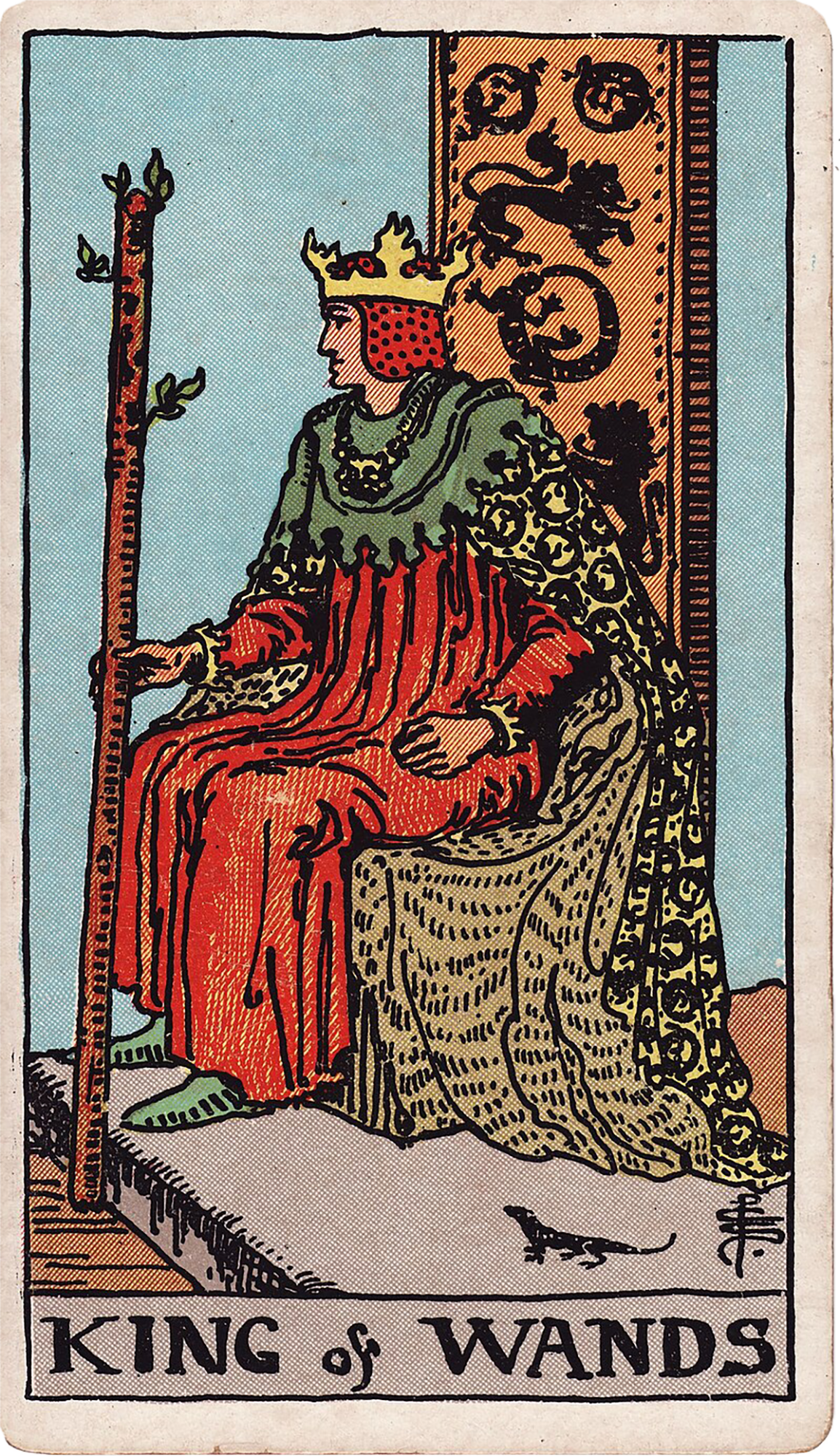 King of Wands
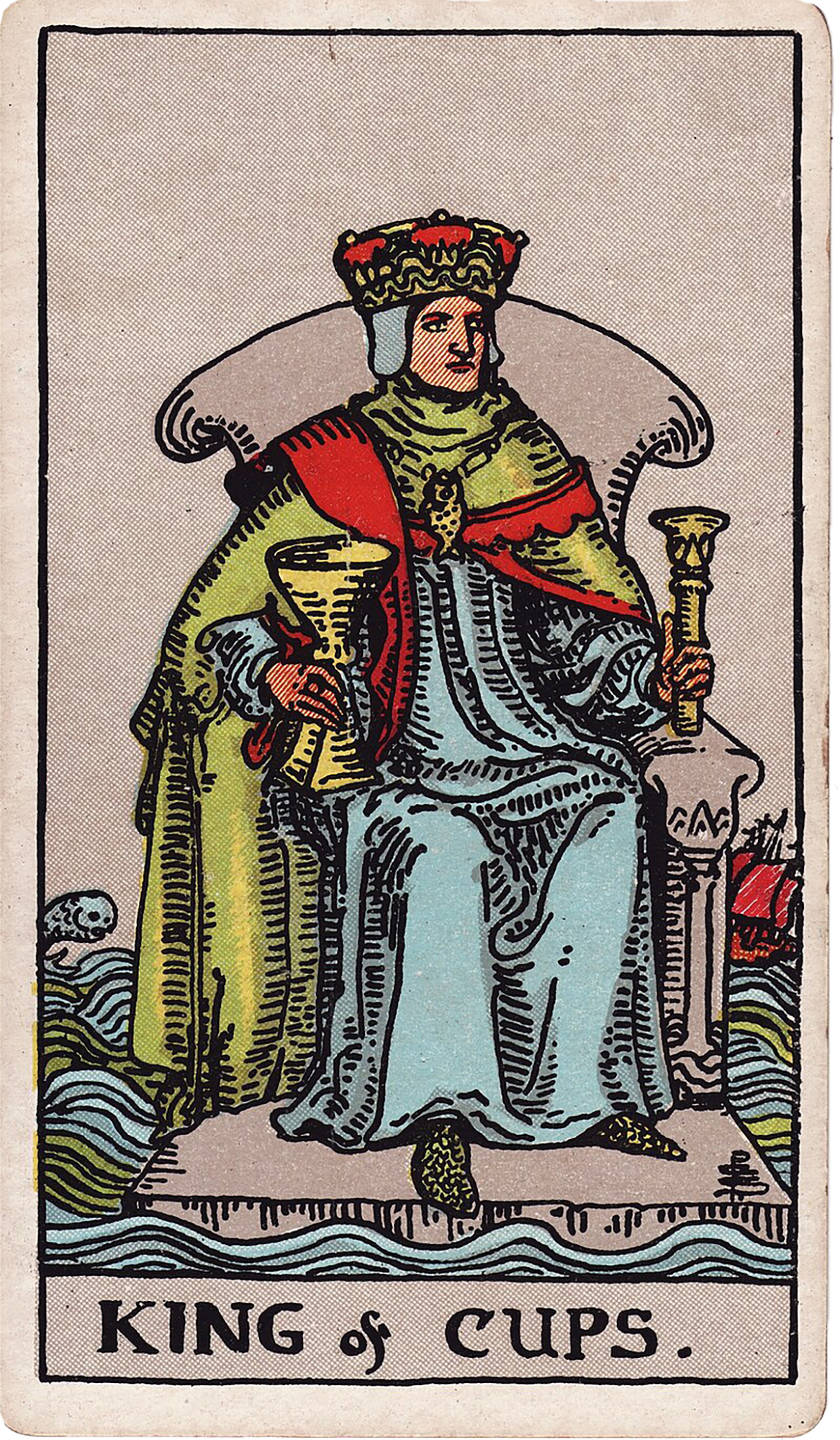 King of Cups
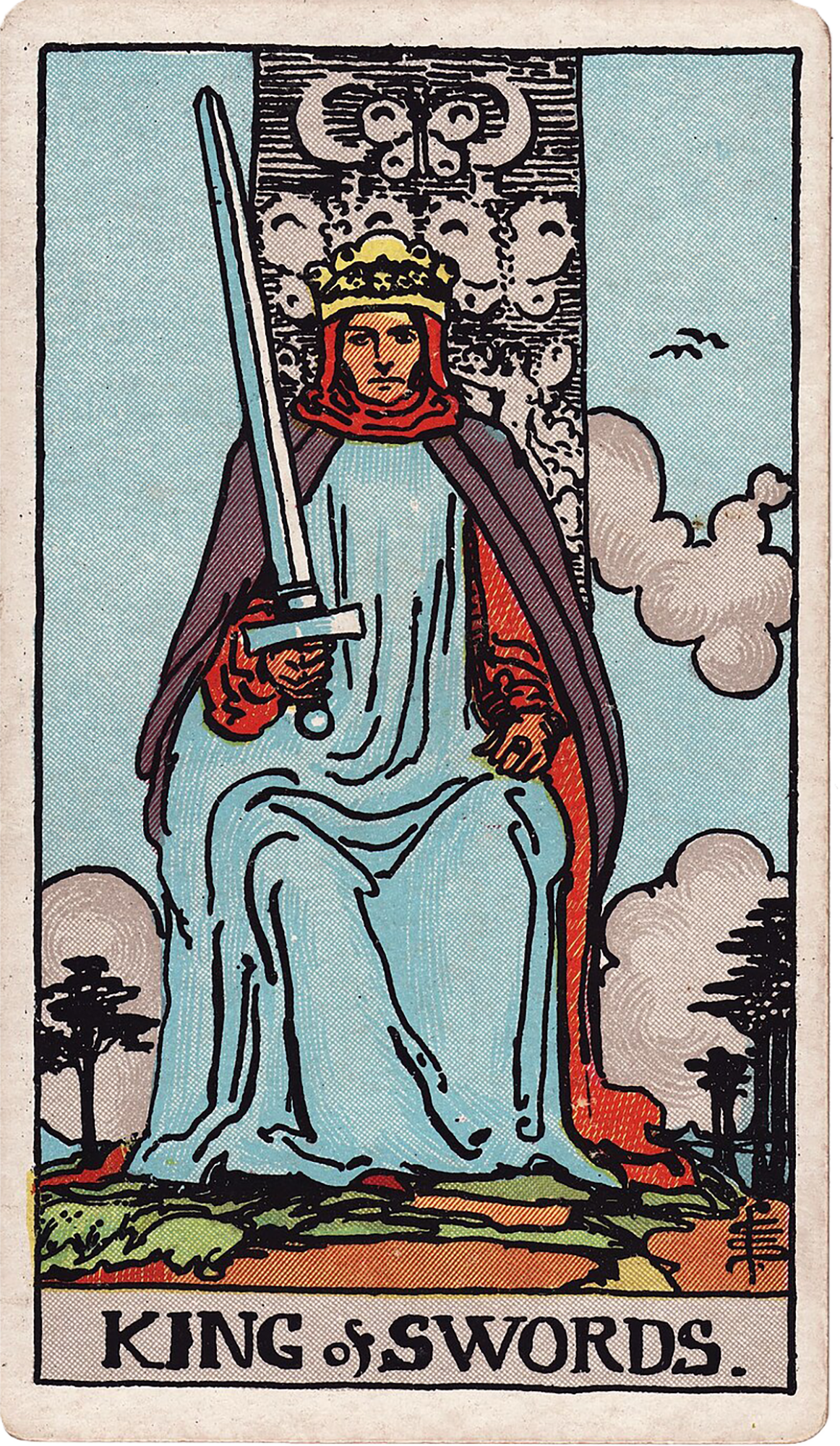 King of Swords
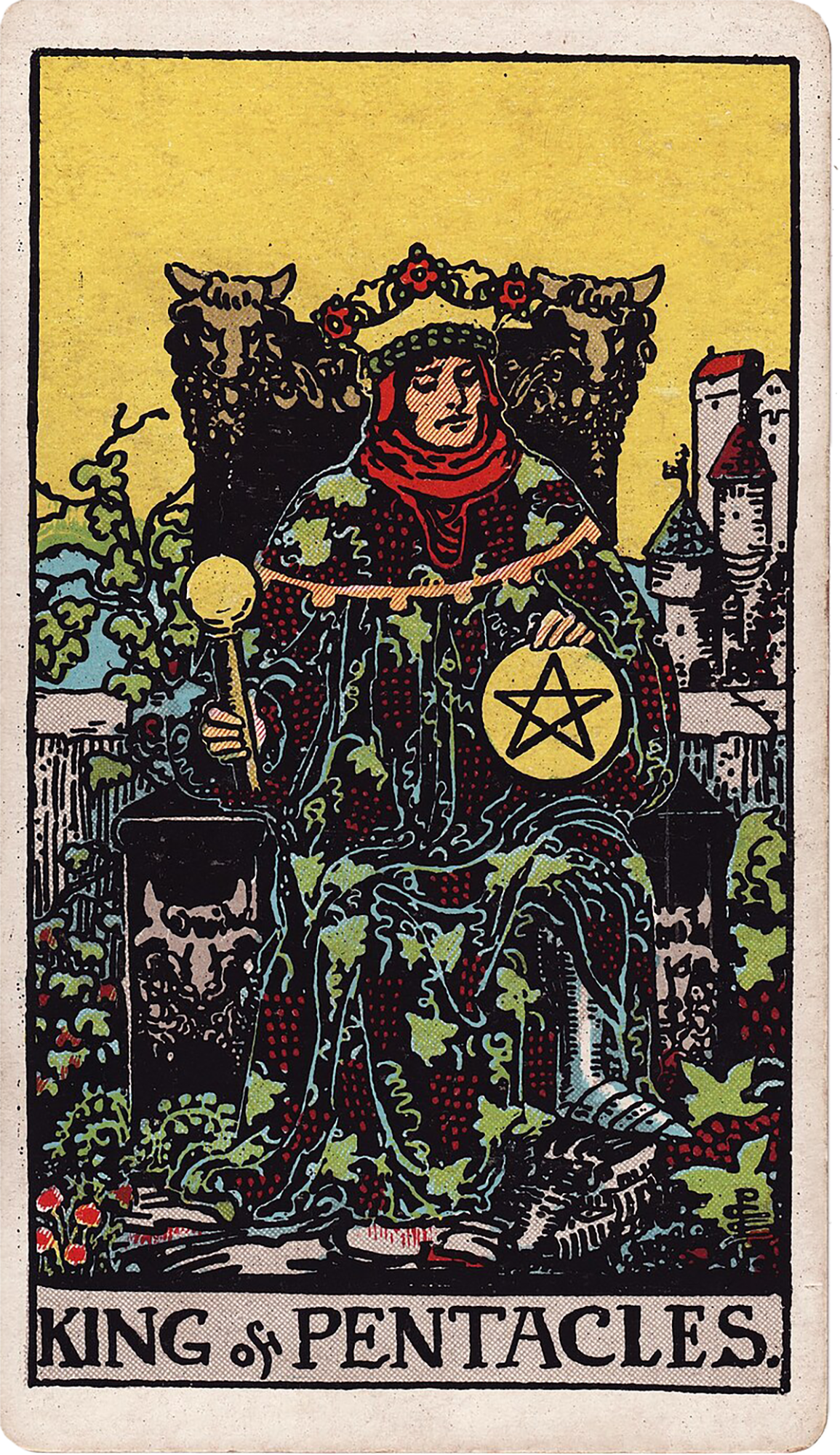 King of Pentacles
Introduction to the Four Kings and Their Elemental Foundations
In the Tarot deck, the four Kings serve as mature archetypes of authority, each ruling over one of the elemental suits: Wands (fire), Cups (water), Swords (air), and Pentacles (earth). These cards symbolize the highest expression of their suit’s qualities, personifying mastery and responsibility in their respective domains. The concept of family symbolism emerges strongly here, as the Kings represent paternal figures or leaders, guiding and shaping the energies of creativity, emotion, intellect, and materiality within the family dynamic and beyond. Understanding the elemental framework is crucial: fire evokes passion and initiative; water governs feelings and intuition; air governs thought and communication; earth embodies material and physical reality. The Kings crystallize these energies into mature leadership.
King of Wands as the Embodiment of Fire and Visionary Leadership
The King of Wands, associated with the element of fire, represents the mature direction of creative force, vision, courage, and entrepreneurship. Upright, this King highlights a figure who responsibly channels energy into practical outcomes, encouraging motivation, ambition, and initiative. His vision is grounded in the present stage of development rather than abstract ideals. Symbolically, the wand he holds is a staff of power, signifying active energy and spiritual authority. When reading this card upright, consider where creativity and leadership can be actualized through courage and responsible action. Reversed, the King of Wands warns of domination, impatience, and miscommunication of vision, indicating where fire energy has become unbalanced or stuck. The card asks readers to identify blockages and simplify or realign their approach to leadership and creative effort.
King of Cups as the Water Element’s Steady Emotional Guide
The King of Cups channels the element of water’s depth of emotion, intuition, and relational skills. As an upright card, he embodies steady emotional leadership—feeling deeply without being overwhelmed by every emotional wave. The imagery traditionally shows him seated calmly on turbulent waters, symbolizing mastery over emotional currents and the creation of a safe emotional space. This King nurtures others through compassion, empathy, and balanced receptivity. In practice, this card invites the reader to develop emotional composure and authentic vulnerability. When reversed, the card signals emotional repression, manipulation, or withdrawal, often hidden from external view. The challenge lies in uncovering repressed feelings and restoring genuine connection and emotional clarity.
King of Swords as the Air Element’s Intellectual Authority and Justice
The King of Swords personifies air’s qualities of thought, communication, and strategic judgment. Upright, he represents mature intellectual authority, making decisions grounded in principle, truth, and evidence. The traditional imagery often features him holding a sword upright, symbolizing clarity, justice, and mental discipline. This King governs conflict resolution with fairness and strategic thinking. For practical reading application, he encourages the use of reasoned analysis and ethical standards to navigate challenges. When reversed, the King of Swords may indicate coldness, intellectual arrogance, or misuse of power through manipulation. The card calls for reflection on where communication or judgment has become distorted or abused.
King of Pentacles as Earth’s Steward and Provider
The King of Pentacles embodies earth’s qualities of stability, stewardship, and material competence. Upright, he represents a mature figure who builds lasting security through practical skill, financial wisdom, and care for resources. In Rider-Waite-Smith symbolism, his throne is adorned with vines and bulls, symbols of fertility and abundance, emphasizing rootedness and prosperity. This King supports not only himself but also those depending on his grounded leadership. Interpreted practically, the card guides readers to focus on sustainable growth, responsibility toward material and physical well-being, and craftsmanship. Reversed, it warns against greed, rigidity, or stagnation; the challenge is to balance attachment to security with openness to growth and change.
Technique and Practical Reading Methods for the Four Kings
When interpreting the Four Kings in a reading, it is essential to consider both the elemental characteristics and the family symbolism they carry. Begin by identifying which King appears and the suit it governs. Reflect on which domain—creative fire, emotional water, intellectual air, or material earth—is most relevant to the querent's situation. Examine the card’s position in the spread to understand whether the energy is emerging, developing, or reaching resolution. Then, analyze whether the card is upright or reversed, noting how the qualities may be expressed healthily or where they may be stuck or distorted. Look closely at surrounding cards for context; for example, the King of Wands next to Cups cards may suggest emotional motivation in leadership, while the King of Swords near Pentacles could indicate intellectual strategies for financial stability. Avoid common pitfalls such as reading reversed Kings as merely the opposite of upright; instead, explore where the process is blocked or overextended. By applying this method, the Four Kings become dynamic guides to mature leadership and responsibility within the querent’s life.
Common Mistakes and Misinterpretations to Avoid
One frequent mistake in reading the Kings is treating them as rigid figures of authority without nuance, missing the subtleties of their elemental balance. For example, the King of Cups is often misread as simply emotional, but his true essence is emotional mastery, not emotional excess. Similarly, the King of Swords is not just cold logic; he embodies fair and principled judgment. Another error is to interpret reversed cards purely as negative omens; instead, reversals indicate areas needing attention or transformation. Overlooking the practical, present-focused guidance that these Kings offer can lead to abstract or idealized readings that do not serve the querent effectively. Emphasizing the familial archetypal aspects helps ground interpretations in relational dynamics and personal responsibility.
Examples of Applying the Four Kings in Family Symbolism Studies
Consider a reading focused on family roles and dynamics. The King of Wands may represent a father or leader figure who inspires and motivates the family through vision and active engagement. If reversed, this could highlight domination or a lack of clear communication in leadership roles. The King of Cups often symbolizes emotional stability and nurturing within family relationships, encouraging compassionate interactions. A reversed King of Cups might reveal hidden emotional repression or difficulty expressing true feelings. The King of Swords stands for intellectual guidance and fair decision-making in family matters, advocating for truth and clear communication. Its reversal may indicate authoritarian approaches or misuse of authority. Lastly, the King of Pentacles reflects the provider and stabilizer, responsible for material security and legacy. When reversed, it could warn of rigidity or harmful attachment to status. By applying these interpretations within family symbolism studies, readers gain insight into patterns of authority, care, and responsibility that shape familial experiences.
Conclusion and Integrative Reflection
The Four Kings in Tarot offer rich symbolic language grounded in their elemental suits, embodying mature expressions of leadership and authority. By integrating the Rider-Waite-Smith imagery with practical interpretation strategies, readers can unlock nuanced insights into personal and family dynamics. These Kings do not simply predict outcomes but serve as guides to responsible engagement with creativity, emotion, intellect, and material life. Their upright and reversed forms encourage reflection on how these energies are balanced or blocked within oneself or relationships. Embracing their symbolism with attentiveness and care enriches Tarot study and deepens understanding of the archetypal forces at play in our lives.
Practice questions
• How does each King’s elemental energy manifest in my personal leadership style or family role?
• In what ways might the reversed meaning of a King reveal stuck or unacknowledged aspects within my family dynamics?
• When I see a King card in a reading, how can I use the practical guidance of that King’s domain to support constructive action?
• What symbols in the Rider-Waite-Smith depiction of each King resonate most strongly with my current life situation?
• How can understanding the Four Kings as family archetypes improve my interpretation of authority and responsibility in Tarot readings?
Comments
Sign in to comment.
Continue learning
Interpreting the Dance of Justice and The Devil: Balancing Morality and Temptation in Tarot Readings
The combination of Justice and The Devil in tarot presents a profound exploration of morality, temptation, and personal accountability. This article unpacks how these cards influen...
Advanced Techniques for Combining The Moon and The Star to Enhance Intuition in Tarot Readings
This article explores advanced techniques to combine the symbolism and energy of The Moon and The Star Tarot cards to enhance intuition during Tarot readings. Drawing from traditio...
Unlocking Life Insights with the Celtic Cross Tarot Spread
This article offers a thorough exploration of the Celtic Cross Tarot Spread, focusing on its application within family and practical life contexts. Using a worked example featuring...
Unlocking Hidden Meanings with The Hermit and The Hanged Man for Spiritual Growth
This article offers an in-depth exploration of The Hermit and The Hanged Man Tarot cards focusing on their roles in spiritual growth. It guides readers through beginner and advance...
Unlocking Personal Insight with the Seven Card Horseshoe Spread
The Seven Card Horseshoe Spread is a practical and insightful Tarot layout ideal for exploring personal and family dynamics. This article breaks down each position—Past, Present, H...
Mastering the Court Cards of Wands for Unlocking Personal Drive and Leadership
The Court Cards of Wands represent a dynamic spectrum of personal energy, ambition, and leadership potential within the Minor Arcana. This article offers a comprehensive exploratio...
Tracing the Origins and Evolution of The Fool Card in Tarot History
The Fool card holds a foundational place in tarot tradition, symbolizing beginnings, openness, and the embrace of uncertainty. This article traces its origins from early European d...
Techniques for Reading Court Cards to Unlock Personality Insights
Court cards in Tarot often represent people, personality traits, or energy patterns within a situation. This article offers a structured approach for beginners and advanced readers...
Unlocking Emotional Transformation with Death and The Moon Tarot Combination
This article explores the rich and complex interaction between the Death and The Moon tarot cards within the Rider-Waite-Smith tradition, focusing on their combined potential to un...
Applying The Star Card to Foster Hope and Renewal in Personal Growth
The Star card in Tarot symbolizes hope, authenticity, and the process of steady renewal. In a single-card reading, The Star encourages embracing what is present, cultivating openne...