
Exploring the Symbolic Language and Elemental Meanings of the Suit of Cups for Emotional Insight
This article explores the Suit of Cups through the lens of symbolic language and elemental meanings to provide emotional insight for Tarot learners. Anchored around the Ace, 2, Queen, and King of Cups from the Rider-Waite-Smith tradition, it explains how these cards express emotional processes, relationships, and intuitive understanding. The article offers techniques for practical reading, common pitfalls, and step-by-step interpretation strategies that foreground the interplay of imagery, elemental symbolism, and emotional intelligence within the Tarot.
Cards explored in this article
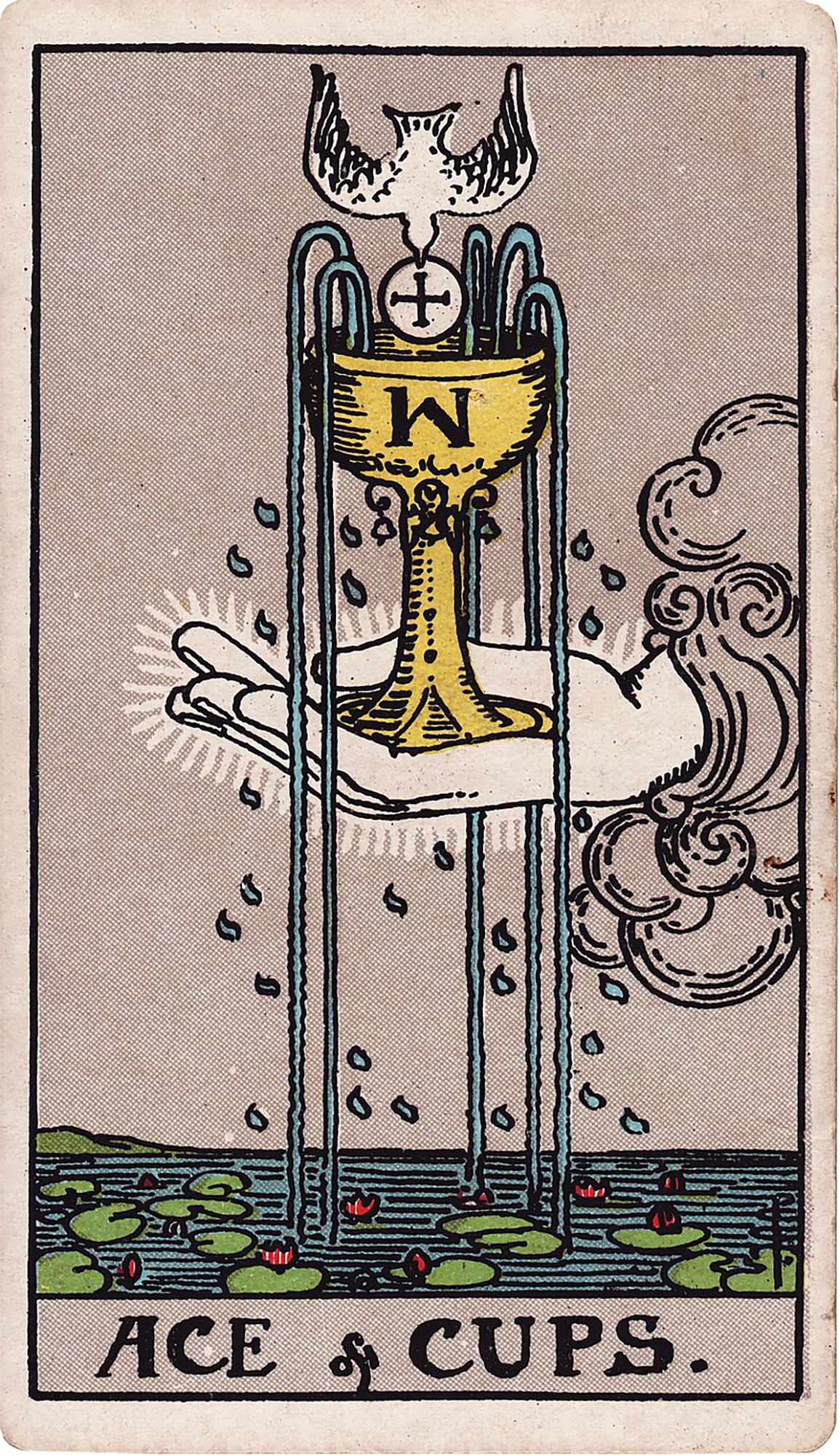 Ace of Cups
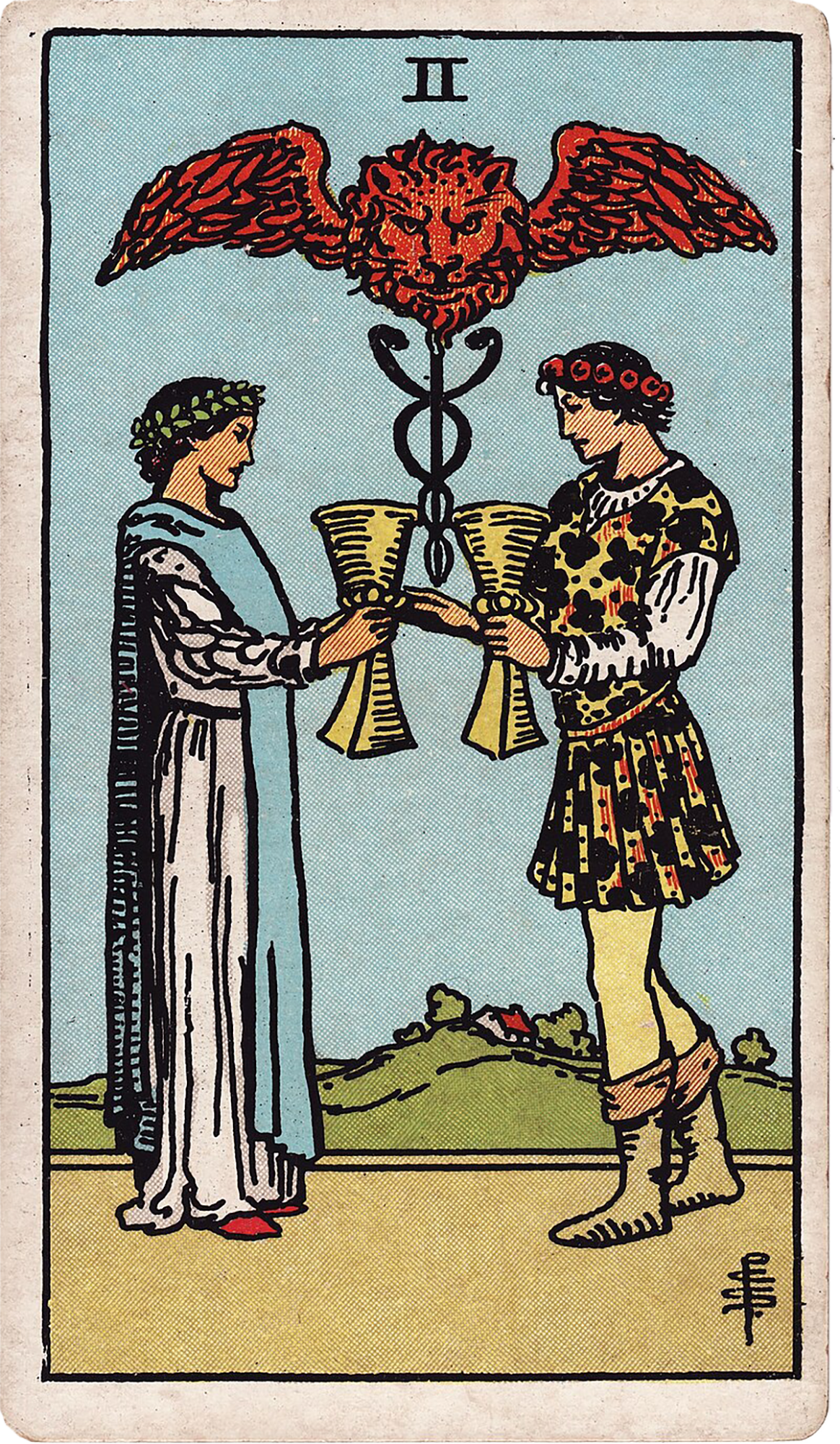 2 of Cups
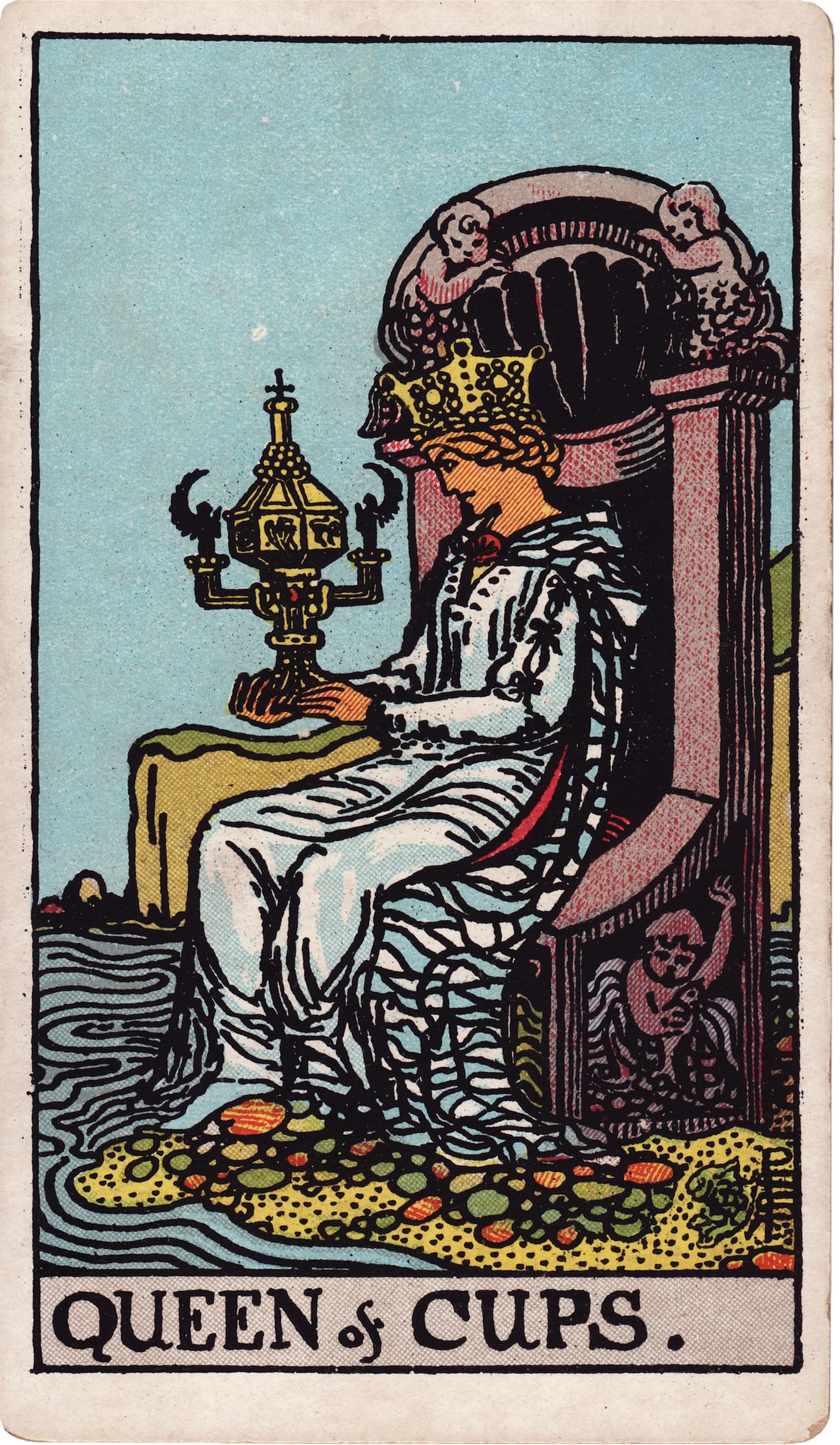 Queen of Cups
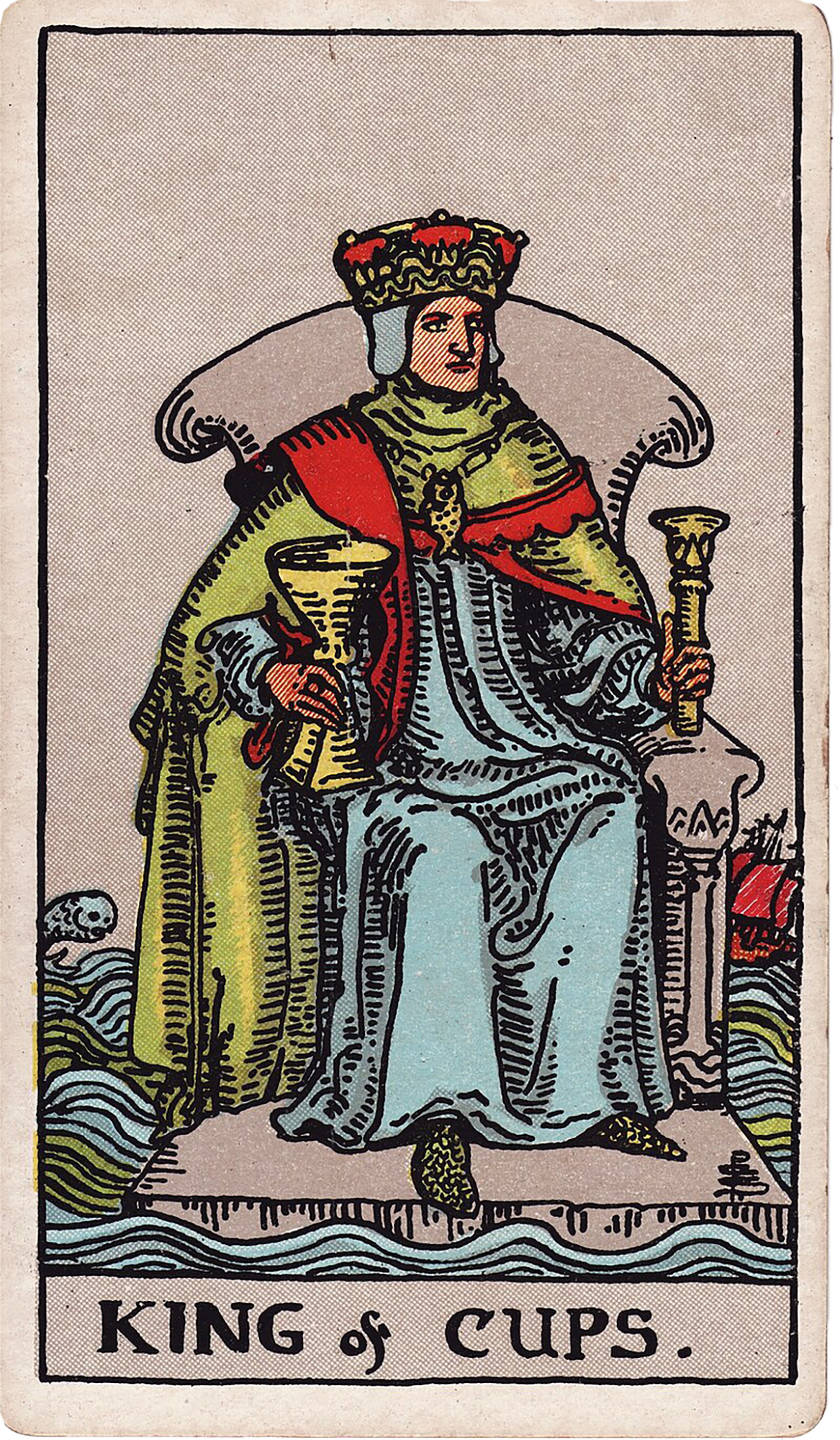 King of Cups
Introduction to the Suit of Cups and Its Emotional Domain
The Suit of Cups in Tarot is traditionally associated with the element of Water, symbolizing the fluid and often intangible realm of emotions, intuition, relationships, and the subconscious. Understanding this suit requires engaging deeply with symbolic language rooted in both elemental theory and archetypal imagery. Water embodies feelings that flow beneath the surface, shaping human experience in ways that are sometimes subtle, sometimes overwhelming. The cards within the Suit of Cups serve as mirrors and guides to emotional processes, illustrating stages and challenges in our inner and outer emotional lives. This article focuses on four specific cards—the Ace, 2, Queen, and King of Cups—as exemplars of how the Suit of Cups communicates emotional insight. These cards highlight beginnings, partnerships, mature receptivity, and emotional leadership respectively. By analyzing these cards in detail, learners can develop a nuanced understanding of how to interpret Cups in practical readings and symbolic studies.
The Element of Water as a Symbolic Foundation
Water, the elemental foundation of the Suit of Cups, symbolizes emotional depth, intuition, and the unconscious mind. Its qualities—fluidity, adaptability, depth, and reflective nature—are essential to grasp when reading Cups. The Rider-Waite-Smith deck visually reinforces these ideas: cups contain water, a vessel for feelings and psychic energy. Water’s dual nature allows it to nurture yet also overwhelm, reflecting the complexity of human emotion. In the Ace of Cups, for example, water spills forth from the chalice, symbolizing the opening of the emotional field and the creative potential of feelings. This imagery invites readers to consider where emotional openness or intuitive receptivity is emerging in a querent's situation. Water’s symbolism reminds us that emotions are not static but dynamic, needing expression and flow to avoid blockage or stagnation.
Ace of Cups as the Emotional Opening and Creative Potential
The Ace of Cups is a powerful symbol of emotional beginnings and fresh intuitive insight. Upright, the card suggests the opening of the emotional field—compassion, affectionate connection, and creative feeling wanting to be received and expressed. The Rider-Waite-Smith image shows a cup overflowing with water, from which five streams pour out, representing the five senses and the abundance of emotional energy available. Practically, when the Ace of Cups appears upright, it signals that the situation can be addressed with skills related to emotion, relationships, intuition, and receptivity. The card is not merely an abstract ideal but a call to consider how this emotional openness is already manifest and what actions can foster its constructive evolution. For example, a reading may highlight a new relationship or an intuitive insight ready to be explored. Reversed, the Ace of Cups directs attention to emotional blockage, fear of vulnerability, or depletion. It often indicates that emotional energy is present but not effectively channeled, perhaps due to fear or internal resistance. Instead of viewing the reversal as purely negative, readers should examine where the emotional flow has stalled and what simplifications or communications are needed to restore healthy expression.
Two of Cups as Symbol of Reciprocity and Partnership
The 2 of Cups traditionally depicts a mutual exchange of feelings and harmonious partnership. The Rider-Waite-Smith illustration shows two figures exchanging cups, symbolizing equality, shared emotions, and balanced relationships. Upright, this card emphasizes reciprocity and mutual recognition rather than unilateral pursuit. In readings, the 2 of Cups highlights situations where emotional skills—especially communication, empathy, and intuitive understanding—are key to resolving or developing a partnership, whether romantic, familial, or professional. Like the Ace, it invites practical reflection on how this pattern is already visible and what can be done to enhance mutual respect and connection. When reversed, the 2 of Cups signals misalignment, broken agreements, or unequal emotional effort. It often points to tension born from imbalance or difficulty meeting each other honestly. The reversal should prompt questions about where communication has broken down and what emotional simplifications or adjustments are necessary to reestablish harmony.
Mature Emotional Receptivity in the Queen of Cups
The Queen of Cups represents a mature, empathic emotional presence that combines intuition with emotional stability. The Rider-Waite-Smith card depicts her holding a closed cup, symbolizing a contained and protected emotional life, alongside a serene expression that conveys deep understanding. Upright, the Queen of Cups highlights empathy, intuitive understanding, and emotional supportiveness. She embodies the ability to maintain a safe inner container for feelings while being deeply receptive to others. In readings, she often points to the querent’s or an important figure’s capacity for emotional care and resonant insight. Reversed, this card warns of emotional overwhelm, codependency, or withdrawal into fantasy. It can indicate a blurred boundary between intuition and anxiety or absorption of others’ moods to an unhealthy extent. Readers should analyze where emotional boundaries need reinforcement and what practices can help distinguish genuine intuitive knowledge from emotional confusion.
The King of Cups as Emotional Leadership and Composure
The King of Cups synthesizes emotional depth with leadership and steady composure. His image in the Rider-Waite-Smith deck shows a serene figure seated on a throne surrounded by water, holding a cup and a scepter. This symbolizes mastery over the emotional domain without being ruled by it. Upright, the King of Cups represents the ability to feel deeply while maintaining balance and creating emotional safety. He models emotional maturity, compassion paired with discernment, and calm leadership. In practical readings, this card encourages responses rooted in emotional intelligence and steadiness. Reversed, the card points to emotional manipulation, repression, or refusal to engage authentically with vulnerability. It may show mood control tactics or withdrawal that hides true feelings. The reversal invites readers to explore where emotional expression has become distorted or blocked and what honest communication or acknowledgment is needed to regain integrity.
Techniques for Reading the Suit of Cups with Emotional Insight
To effectively read the Suit of Cups, learners should focus on the interaction between imagery, elemental symbolism, and the emotional context of the querent. Key techniques include: 1. Visual Anchoring: Study the cards’ water imagery—flowing water, cups’ shapes, figures’ postures—to discern nuances in emotional energy (e.g., overflowing, contained, or stagnant water). 2. Elemental Reflection: Link the qualities of Water (fluidity, depth, reflection) to the emotional themes in the reading. 3. Contextual Sensitivity: Compare upright and reversed meanings not as opposites but as different stages or blockages in emotional processes. 4. Relational Focus: Pay special attention to cards like the 2 of Cups that emphasize partnerships, examining balance and reciprocity. 5. Practical Inquiry: Ask what emotional skill or insight the situation requires now, rather than abstract ideals. 6. Surrounding Cards Analysis: Use neighboring cards to assess whether emotional energy is beginning, developing, under pressure, or resolving. By integrating these techniques, readers can provide nuanced emotional insight rather than simplistic predictions.
Common Mistakes and How to Avoid Them
Common pitfalls when interpreting the Suit of Cups include: - Oversimplifying reversals as purely negative; instead, view them as indicators of where emotional processes are stuck or need adjustment. - Ignoring the practical nature of Cups’ requests; the cards ask “what fits the present stage” instead of abstract ideals or wishful thinking. - Neglecting the interplay between imagery and elemental symbolism; missing cues like the overflowing cup in the Ace or the closed cup in the Queen can lead to shallow readings. - Reading the 2 of Cups only as romantic love; it can represent any authentic emotional exchange or partnership. - Overlooking the subtle distinctions in emotional maturity between the Queen and King of Cups, which represent different aspects of emotional intelligence. Avoid these mistakes by maintaining a grounded, nuanced approach that respects the complexity of emotional life as reflected in the cards.
Practical Examples Anchored in the Provided Cards
Consider a querent facing a relationship challenge. Drawing the 2 of Cups upright suggests that the emotional skill needed involves mutual recognition and balanced effort. If the card appears reversed, the focus shifts to misalignment or unequal emotional investment, suggesting the need for honest conversation or boundary-setting. If the Ace of Cups is present upright, it indicates new emotional or intuitive openings, encouraging the querent to embrace vulnerability and creative feeling. Reversed, it highlights where feelings are blocked or not fully expressed. The Queen of Cups upright may represent an individual or an aspect of the querent emphasizing emotional empathy and intuition, while reversed it warns of emotional overwhelm or codependency. The King of Cups upright reminds the querent of the value of emotional steadiness and leadership, and reversed it signals the potential for emotional manipulation or repression. Using these cards together, the reader can map an emotional narrative that progresses from opening (Ace), through partnership dynamics (2), to mature emotional receptivity (Queen), and culminating in emotional mastery (King). This layered approach enriches the reading and deepens emotional insight.
Interpreting Logic and Integration in Tarot Readings
The interpretive logic of the Suit of Cups rests on integrating symbolic imagery, elemental meanings, and emotional context with the querent’s situation. Readers should view Cups cards as markers of emotional phases and challenges rather than fixed outcomes. Integration involves recognizing how Cups relate to other suits and the overall narrative of the spread. For example, Cups often interplay with Swords when emotional clarity is needed or with Pentacles when emotional matters affect the material realm. When interpreting the supplied cards, consider their practical advice: they call for responses fitting the present emotional stage. This might mean nurturing new feelings (Ace), negotiating partnership challenges (2), cultivating empathy (Queen), or embodying emotional leadership (King). By weaving together these elements, readers can offer compassionate, insightful guidance that honors the complexity and fluidity of emotional experience.
Practice questions
• How does the symbolism of water deepen your understanding of emotional processes in Tarot?
• In what ways can the Ace of Cups guide you to recognize new emotional beginnings in a reading?
• How might the 2 of Cups inform your approach to interpreting relationships and partnerships?
• What distinctions do you notice between the emotional maturity of the Queen and King of Cups in their imagery and meanings?
• How can reversals in the Suit of Cups reveal emotional blockages or areas needing attention rather than simply negative outcomes?
• What practical steps can you take to apply the lessons of Cups cards to real-life emotional situations during readings?
Comments
Sign in to comment.
Continue learning
Interpreting the Dance of Justice and The Devil: Balancing Morality and Temptation in Tarot Readings
The combination of Justice and The Devil in tarot presents a profound exploration of morality, temptation, and personal accountability. This article unpacks how these cards influen...
Advanced Techniques for Combining The Moon and The Star to Enhance Intuition in Tarot Readings
This article explores advanced techniques to combine the symbolism and energy of The Moon and The Star Tarot cards to enhance intuition during Tarot readings. Drawing from traditio...
Unlocking Life Insights with the Celtic Cross Tarot Spread
This article offers a thorough exploration of the Celtic Cross Tarot Spread, focusing on its application within family and practical life contexts. Using a worked example featuring...
Unlocking Hidden Meanings with The Hermit and The Hanged Man for Spiritual Growth
This article offers an in-depth exploration of The Hermit and The Hanged Man Tarot cards focusing on their roles in spiritual growth. It guides readers through beginner and advance...
Unlocking Personal Insight with the Seven Card Horseshoe Spread
The Seven Card Horseshoe Spread is a practical and insightful Tarot layout ideal for exploring personal and family dynamics. This article breaks down each position—Past, Present, H...
Mastering the Court Cards of Wands for Unlocking Personal Drive and Leadership
The Court Cards of Wands represent a dynamic spectrum of personal energy, ambition, and leadership potential within the Minor Arcana. This article offers a comprehensive exploratio...
Tracing the Origins and Evolution of The Fool Card in Tarot History
The Fool card holds a foundational place in tarot tradition, symbolizing beginnings, openness, and the embrace of uncertainty. This article traces its origins from early European d...
Techniques for Reading Court Cards to Unlock Personality Insights
Court cards in Tarot often represent people, personality traits, or energy patterns within a situation. This article offers a structured approach for beginners and advanced readers...
Unlocking Emotional Transformation with Death and The Moon Tarot Combination
This article explores the rich and complex interaction between the Death and The Moon tarot cards within the Rider-Waite-Smith tradition, focusing on their combined potential to un...
Applying The Star Card to Foster Hope and Renewal in Personal Growth
The Star card in Tarot symbolizes hope, authenticity, and the process of steady renewal. In a single-card reading, The Star encourages embracing what is present, cultivating openne...