
Exploring the Symbolic Language of the Page Knight Queen and King Court Cards Across All Suits
This article delves into the rich symbolic language of the Page, Knight, Queen, and King court cards as seen in the Tarot, emphasizing their family symbolism across all suits. Using the Wands suit as a detailed example, it explores traditional Rider-Waite-Smith imagery, practical interpretation methods, common reading challenges, and the psychological and developmental stages these cards represent. Readers will gain a structured approach to integrating court cards into their readings, understanding their nuances, and applying this knowledge to facilitate personal insights and clearer guidance.
Cards explored in this article
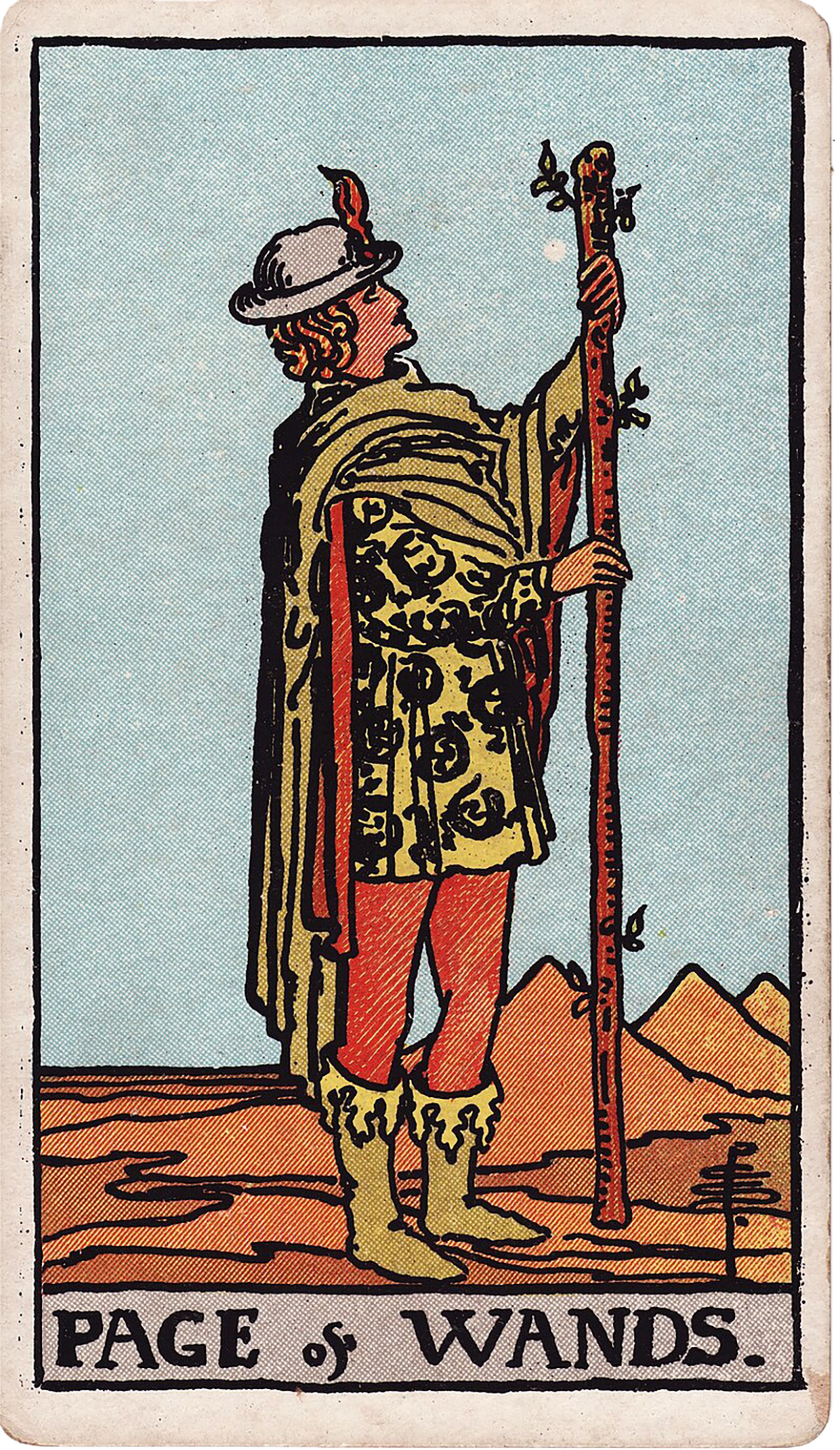 Page of Wands
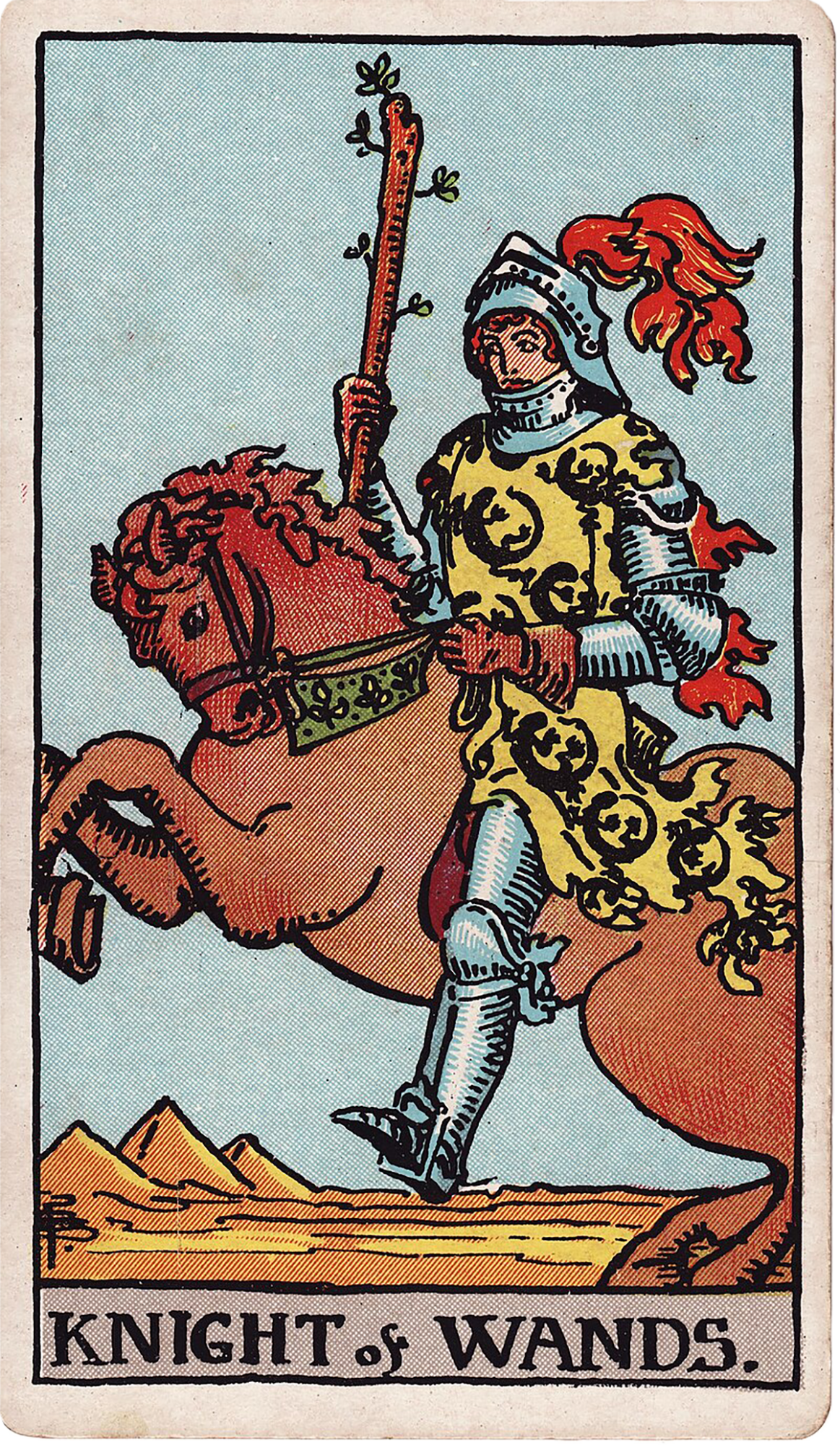 Knight of Wands
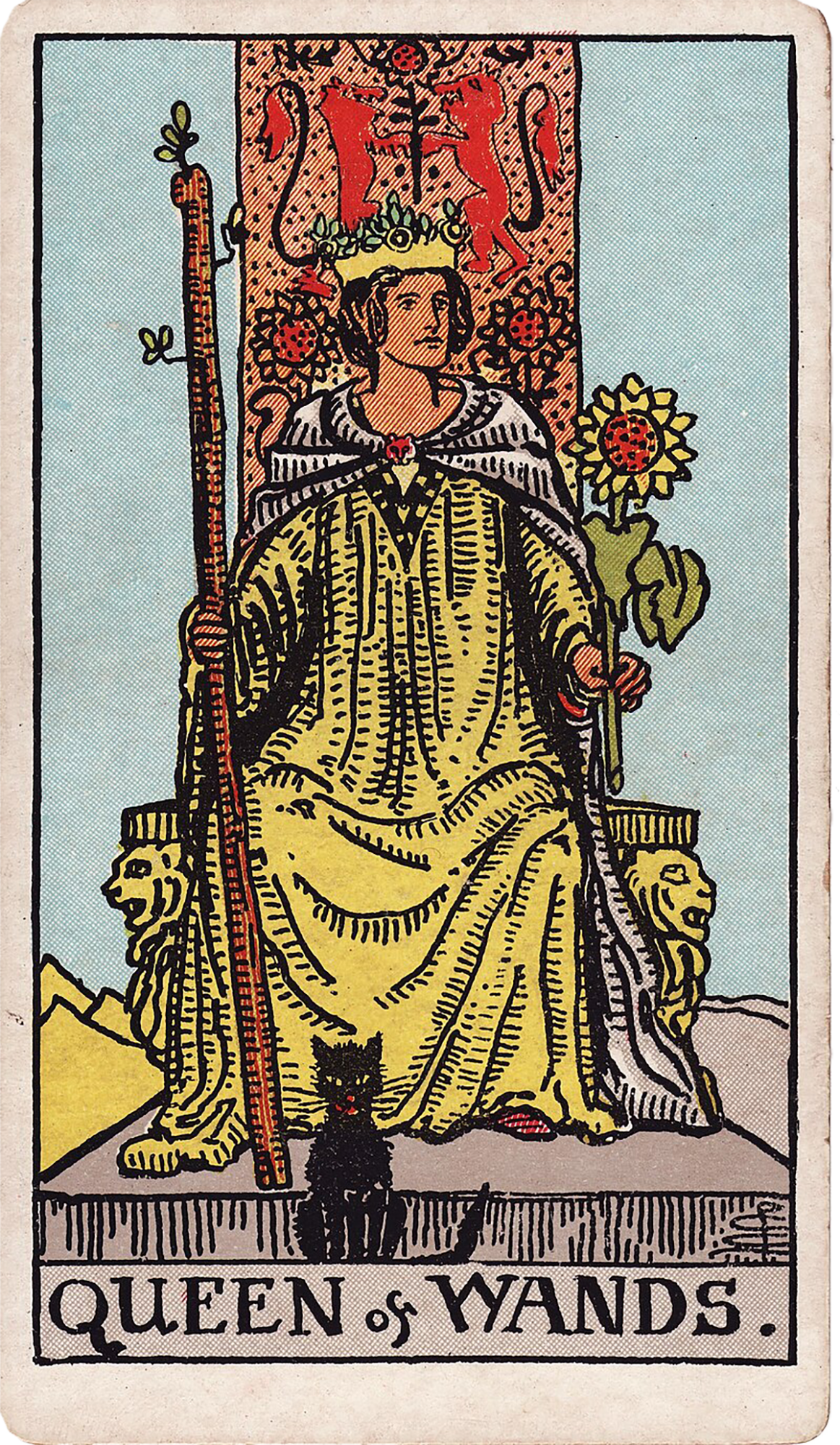 Queen of Wands
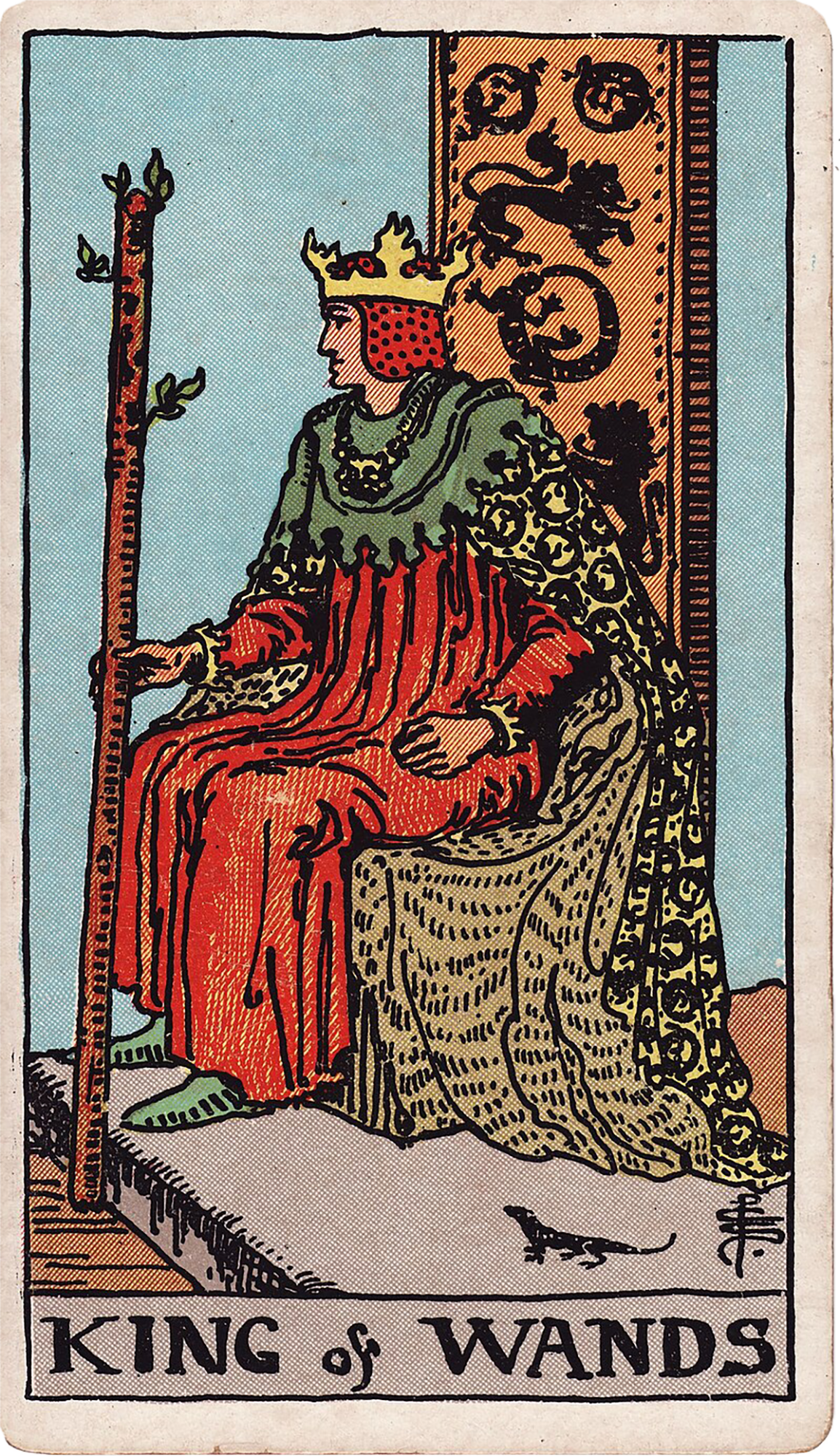 King of Wands
Understanding Court Cards as a Symbolic Family System
In the Tarot, court cards—Page, Knight, Queen, and King—function as a symbolic family representing stages of personality development, roles, and energies within the context of the suit’s elemental domain. Each card portrays a distinct archetype from youthful curiosity to mature leadership. The Rider-Waite-Smith deck, whose symbolism informs much of Tarot study, depicts these figures with visual elements that communicate their attitudes, modes of expression, and challenges. The family symbolism study approach views these cards not as literal people but as psychological and energetic patterns that may manifest internally or externally. This perspective helps readers to interpret court cards as evolving facets of self or as interpersonal dynamics. By exploring these archetypes within all suits, one gains insight into how elemental energies—fire, water, air, and earth—express through varying maturity and intention.
The Page as the Initiator of Elemental Energy
The Page court card is traditionally associated with beginnings, fresh ideas, and the first stirrings of elemental energy. Focusing on the provided Page of Wands image, the figure’s youthful stance and the budding wand in hand symbolize curiosity and experimentation within the fiery domain. Upright, this card highlights motivation, ambition, and an invitation to explore new creative directions. Its practical nature reminds readers to respond appropriately to the present moment, emphasizing initiation rather than idealized outcomes. Reversed, the Page of Wands signals blocked or immature expression: inconsistency, fear of inexperience, or excitement without follow-through. Instead of a simple negative inversion, the reversal invites readers to examine where the energy is stuck and what developmental steps—simplification, acknowledgment, practice, or communication—are needed to restore balance. This understanding prevents misreading the reversal as merely 'bad news' and encourages deeper inquiry.
The Knight as the Active Pursuer of Goals
Moving from the youthful Page, the Knight embodies movement, decisiveness, and pursuit of ambition. The Knight of Wands image shows a rider charging forward with determination, reflecting high energy and courage. The card’s traditional Rider-Waite-Smith symbolism—horse in motion, flames on the wand—illustrates drive and the need for direction. Upright, the Knight of Wands challenges readers to harness motivation wisely, balancing speed with clarity of purpose. It often indicates a phase where action is necessary, and momentum must be managed to avoid burnout or distraction. Reversed, the card warns of recklessness, anger, or aimlessness, where the fiery energy is either overwhelming or underutilized. The reversal’s meaning demands exploration of internal blockages or external misalignment rather than a simplistic good/bad dichotomy. Practically, readers should consider the Knight of Wands as an indicator of energetic phases in a situation, using surrounding cards to determine if this energy is constructive or nearing exhaustion.
The Queen as Embodiment of Mature Confidence and Leadership
The Queen court card represents a mature, confident expression of the suit’s energy, combining independence with social warmth. The Queen of Wands image depicts a regal figure seated with a wand, a symbol of creative authority and vibrant charisma. Traditional elements like the sunflower and the attentive cat emphasize optimism, fertility, and intuition. Upright, this card embodies visible confidence that uplifts rather than diminishes others, offering a model of leadership grounded in creativity and social engagement. Reversed, it highlights challenges like jealousy, insecurity masked by performance, or burnout from overextending strength. Importantly, the reversal invites readers to assess where genuine confidence is undermined internally and to look beyond surface charm or control tactics. In readings, the Queen of Wands calls for practical action that honors personal power balanced with empathy, encouraging examination of emotional states and social dynamics.
The King as the Visionary and Responsible Authority
The King court card signifies the mature, responsible direction of elemental energy. The King of Wands image portrays a figure of authority who commands creative force with vision and courage. The traditional Rider-Waite-Smith symbolism—such as the salamander on the king’s robe and the upright wand—reflects transformation, entrepreneurial spirit, and disciplined ambition. Upright, this card emphasizes the importance of clear communication, accountability, and purposeful leadership. It represents the ability to set energy in motion responsibly and to sustain long-term vision. In reversal, the King of Wands warns against domination, impatience, grandiosity, and a disconnect between vision and communication. The reversal invites reflection on where control is misused or where leadership lacks clarity. For practical readings, the King serves as a call to embody mature leadership qualities and to ensure that initiatives are grounded in responsibility and transparent dialogue.
Techniques for Interpreting Court Cards in Context
Interpretation of court cards benefits from a holistic approach that considers imagery, elemental associations, suit meanings, and positional context in spreads. The practical method involves: 1. Identifying the court card’s elemental suit and its domain (e.g., Wands for creativity and action). 2. Recognizing the developmental stage or role the card symbolizes (Page as beginner, Knight as active pursuer, Queen as mature nurturer, King as authoritative leader). 3. Examining upright versus reversed positions for nuanced energy expressions, focusing on where processes may be stuck or thriving. 4. Integrating surrounding cards to clarify the court card’s role in the narrative, energy flow, or interpersonal dynamics. Common mistakes include treating reversed court cards as simple opposites of upright meanings or reading them as direct personality descriptions rather than symbolic energies. Instead, readers should use the court cards as mirrors for psychological patterns or stages in a situation, which can be internal states or external influences.
Examples of Court Card Interpretation Using the Wands Suite
Using the supplied Wands court cards as anchors, consider the following reading scenarios: - If the Page of Wands appears upright in a creative project spread, it may suggest the querent is at a stage of curiosity and experimentation requiring encouragement and practical action. Reversed, it might indicate hesitation or fear of starting. - The Knight of Wands upright could mean a burst of energetic pursuit toward goals, advising the querent to harness courage but watch for impulsiveness. Reversed, it warns of restless energy that needs grounding. - The Queen of Wands upright might reflect the querent’s emergent leadership or social warmth, advising confidence and authentic engagement. Reversed, it flags internal insecurities or burnout needing attention. - The King of Wands upright suggests mature direction and accountability, encouraging the querent to take clear leadership roles. Reversed, it cautions against domineering behavior or unclear communication. Applying these interpretations alongside the cards’ vivid imagery helps learners to connect symbolic language with practical insights, enhancing reading depth and relevance.
Reflection and Practical Integration
Integrating court card symbolism into Tarot practice requires reflective questioning and openness to subtlety. By viewing the Page, Knight, Queen, and King as evolving stages of energy within each suit, readers gain a dynamic framework to approach complex situations. Practical steps include journaling responses to the cards, comparing interpretations across suits to identify patterns, and consciously exploring reversals as signals of growth opportunities rather than negatives. Visualization techniques focusing on the imagery—such as the fiery wand held by the Page or the confident posture of the Queen—can deepen intuitive connection. Ultimately, court cards offer a structured yet flexible language for exploring family symbolism in human experience, allowing Tarot readers to bridge internal development with external circumstances in compassionate and empowering ways.
Practice questions
• How do the symbolic images on the Page of Wands inspire your understanding of new beginnings within your personal or professional life?
• In what ways can the Knight of Wands’ energetic pursuit be balanced with patience in your current projects or goals?
• Reflect on a time when the qualities of the Queen of Wands—confidence and social warmth—manifested in your interactions. How did it affect your relationships?
• Consider the King of Wands' expression of leadership and responsibility. How do you currently embody or aspire to embody these traits?
• When you encounter reversed court cards, how can you shift from seeing them as obstacles to viewing them as invitations for growth and introspection?
Comments
Sign in to comment.
Continue learning
Interpreting the Dance of Justice and The Devil: Balancing Morality and Temptation in Tarot Readings
The combination of Justice and The Devil in tarot presents a profound exploration of morality, temptation, and personal accountability. This article unpacks how these cards influen...
Advanced Techniques for Combining The Moon and The Star to Enhance Intuition in Tarot Readings
This article explores advanced techniques to combine the symbolism and energy of The Moon and The Star Tarot cards to enhance intuition during Tarot readings. Drawing from traditio...
Unlocking Life Insights with the Celtic Cross Tarot Spread
This article offers a thorough exploration of the Celtic Cross Tarot Spread, focusing on its application within family and practical life contexts. Using a worked example featuring...
Unlocking Hidden Meanings with The Hermit and The Hanged Man for Spiritual Growth
This article offers an in-depth exploration of The Hermit and The Hanged Man Tarot cards focusing on their roles in spiritual growth. It guides readers through beginner and advance...
Unlocking Personal Insight with the Seven Card Horseshoe Spread
The Seven Card Horseshoe Spread is a practical and insightful Tarot layout ideal for exploring personal and family dynamics. This article breaks down each position—Past, Present, H...
Mastering the Court Cards of Wands for Unlocking Personal Drive and Leadership
The Court Cards of Wands represent a dynamic spectrum of personal energy, ambition, and leadership potential within the Minor Arcana. This article offers a comprehensive exploratio...
Tracing the Origins and Evolution of The Fool Card in Tarot History
The Fool card holds a foundational place in tarot tradition, symbolizing beginnings, openness, and the embrace of uncertainty. This article traces its origins from early European d...
Techniques for Reading Court Cards to Unlock Personality Insights
Court cards in Tarot often represent people, personality traits, or energy patterns within a situation. This article offers a structured approach for beginners and advanced readers...
Unlocking Emotional Transformation with Death and The Moon Tarot Combination
This article explores the rich and complex interaction between the Death and The Moon tarot cards within the Rider-Waite-Smith tradition, focusing on their combined potential to un...
Applying The Star Card to Foster Hope and Renewal in Personal Growth
The Star card in Tarot symbolizes hope, authenticity, and the process of steady renewal. In a single-card reading, The Star encourages embracing what is present, cultivating openne...