
Exploring the Symbolic Language of the Suit of Cups for Emotional and Spiritual Insight
The Suit of Cups in Tarot represents the domain of emotions, intuition, relationships, and spiritual connection. This article explores the symbolic language of Cups through detailed analysis of five key cards: Ace of Cups, 2 of Cups, Queen of Cups, and King of Cups. By grounding interpretation in Rider-Waite-Smith imagery and practical reading techniques, learners can gain tools to discern emotional dynamics, spiritual receptivity, and intuitive processes. We cover upright and reversed meanings, common interpretive pitfalls, and methods to integrate the symbolic cues into clear, stage-appropriate responses. The article emphasizes the importance of seeing Cups as a living emotional language rather than fixed predictions, encouraging readers to explore how these archetypes manifest in personal experience and readings.
Cards explored in this article
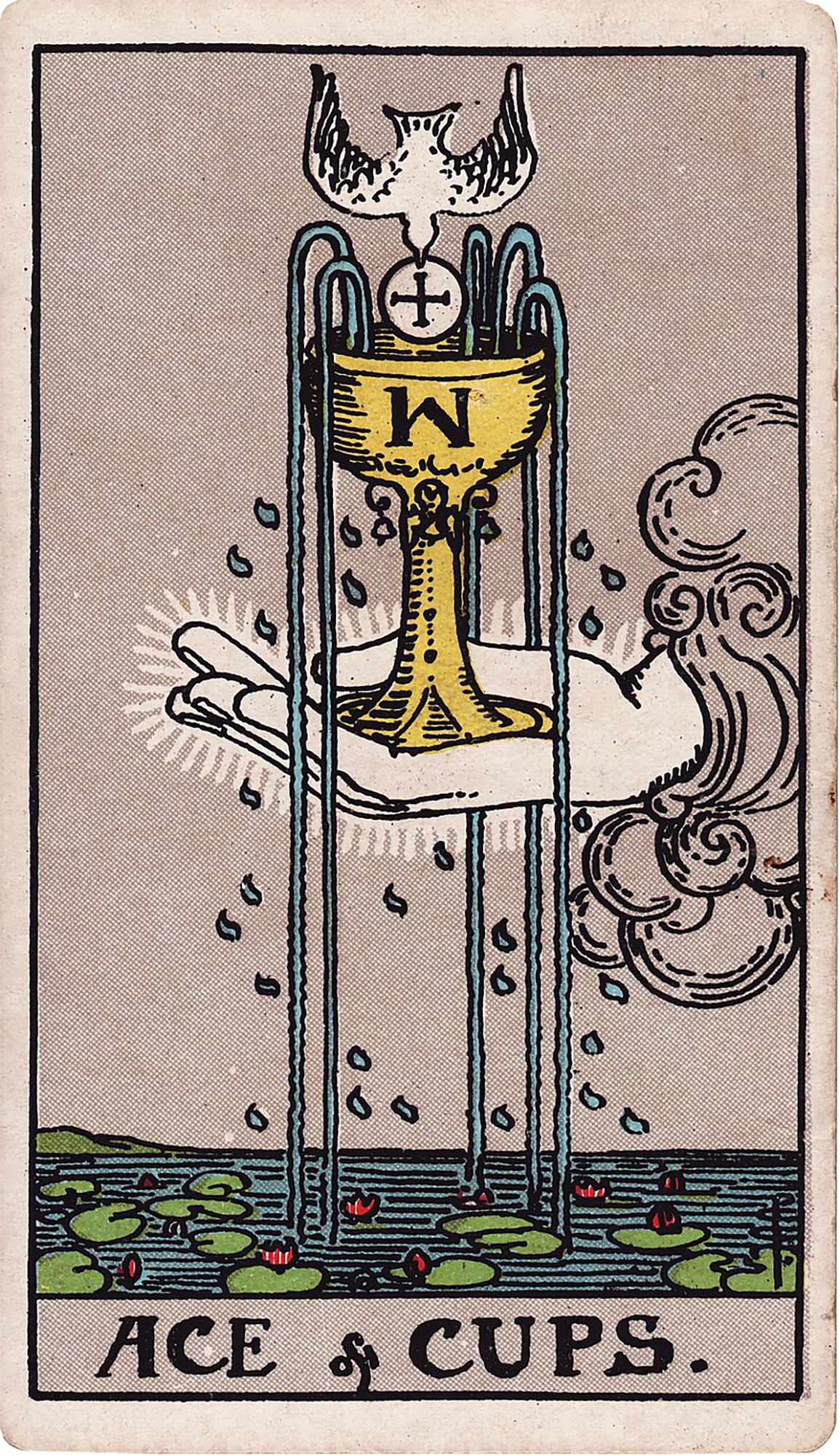 Ace of Cups
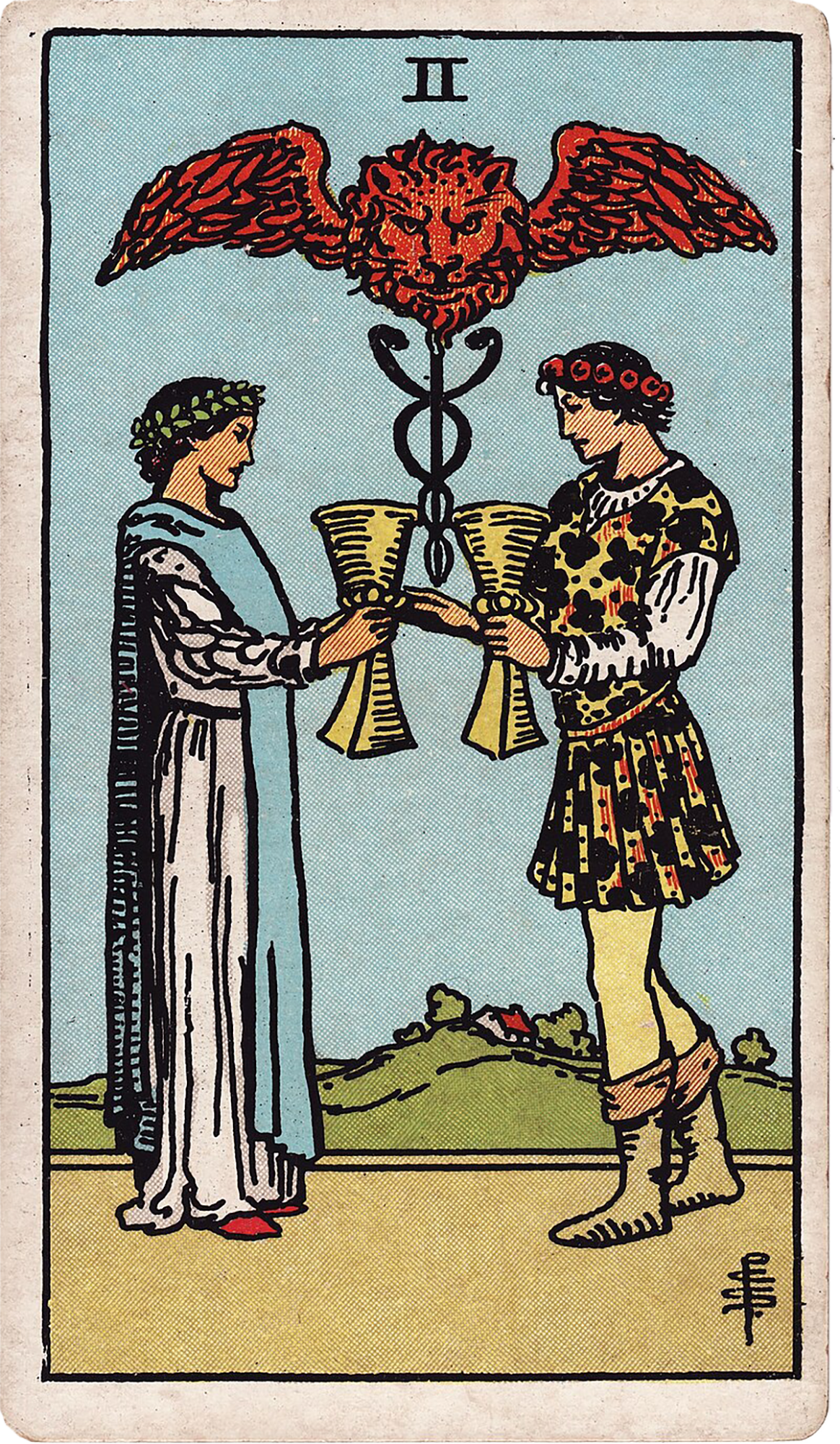 2 of Cups
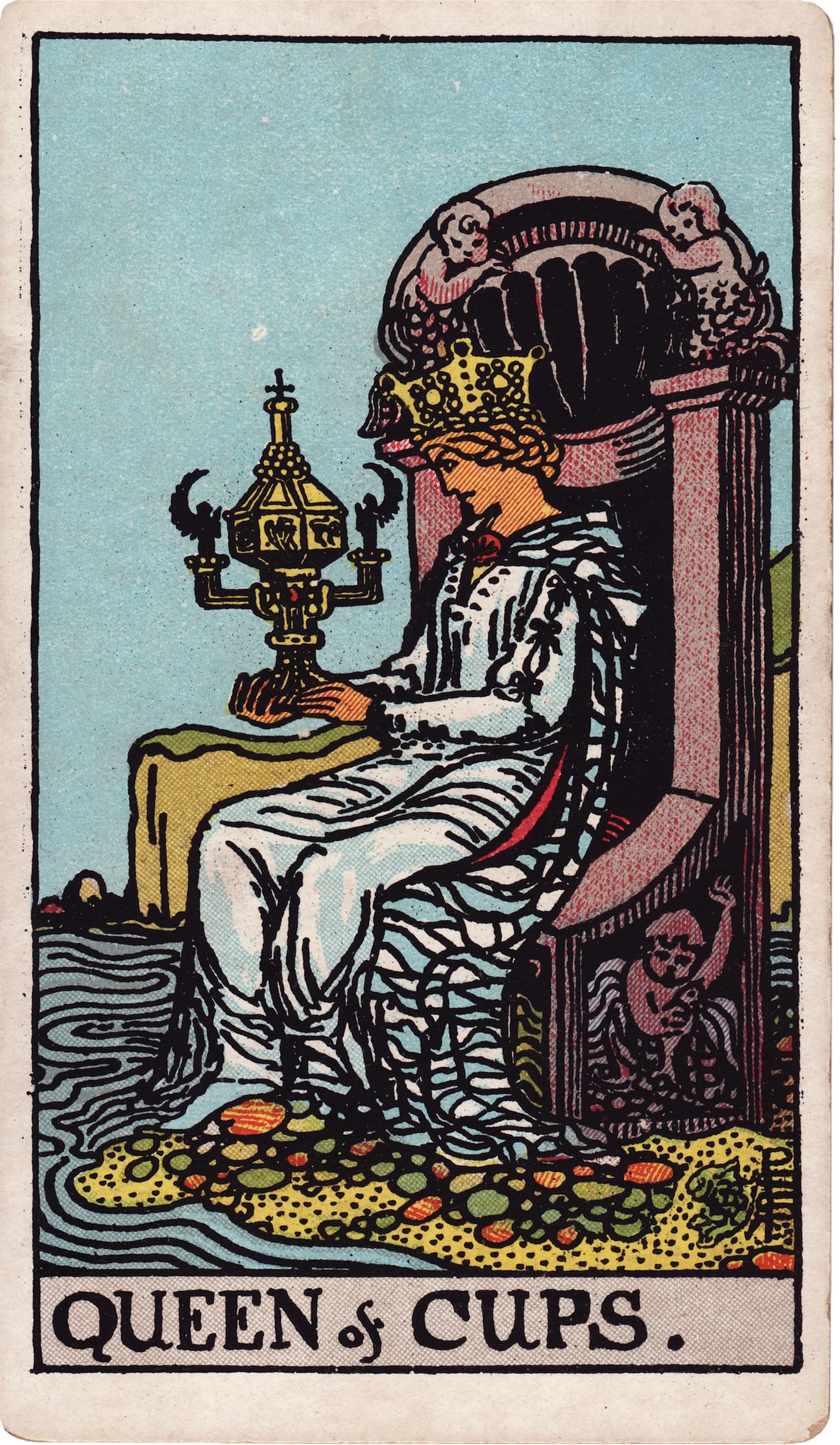 Queen of Cups
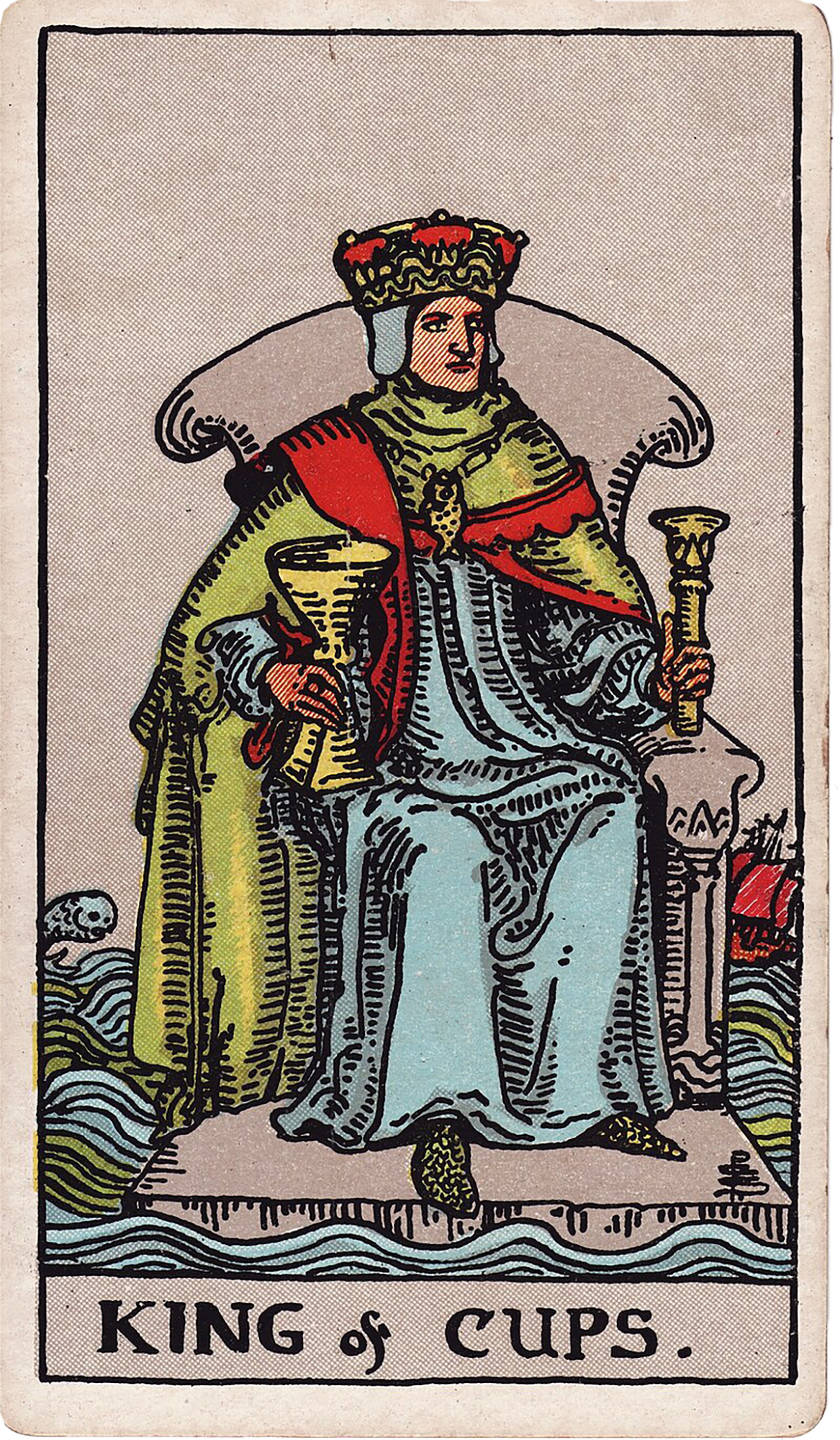 King of Cups
Introduction to the Suit of Cups and Its Symbolic Domain
The Suit of Cups belongs to the Tarot’s Minor Arcana and is traditionally associated with the element of water. Water symbolizes fluidity, depth, and the unseen currents of feeling that shape human experience. Cups, as vessels, hold and channel emotional energy, intuition, and creative inspiration. Unlike the more external or concrete suits, Cups invite the reader to delve into inner landscapes of love, empathy, memory, and spiritual openness. The Rider-Waite-Smith deck visually emphasizes this with cups overflowing, water imagery, and figures connected to emotional depth. Understanding Cups requires sensitivity to subtle emotional flows and the skill to interpret nuanced states rather than absolute events. This article focuses on how symbolic elements within key Cups cards—Ace, 2, Queen, and King—express stages of emotional development and spiritual insight.
Symbolism and Meaning of the Ace of Cups for Emotional Beginnings
The Ace of Cups traditionally signals the opening of the emotional field. In the Rider-Waite-Smith imagery, a hand emerges from a cloud holding a cup overflowing with five streams of water, symbolizing abundant feelings, spiritual blessings, and intuitive receptivity. Upright, this card highlights fresh affection, compassion, or creative feeling seeking expression. It is practical and present-focused, encouraging readers to notice where these energies are manifesting in the querent’s life and how best to nurture them. Reversed, the Ace of Cups draws attention to emotional blockages, depletion, or fear of vulnerability—states where feelings exist but lack healthy channels. Interpretation should focus on where the emotional process has stalled and what needs simplification, acknowledgment, or release to restore flow. In readings, the Ace of Cups helps learners recognize beginnings of emotional openness and the importance of responding to feelings with grounded awareness.
Understanding the 2 of Cups as the Symbol of Emotional Reciprocity
The 2 of Cups represents partnership, mutual recognition, and balanced exchange of feelings. Its Rider-Waite-Smith depiction shows two figures exchanging cups, emphasizing equality and connection rather than one-sided pursuit. When upright, this card encourages readers to evaluate relationships for reciprocity and honest emotional engagement. It asks what actions can strengthen mutual recognition and cooperation at the current stage rather than idealizing perfect harmony. Reversed, the 2 of Cups highlights misalignment, broken agreements, or tension—often reflecting internal or subtle relational dynamics rather than overt conflict. The card invites the reader to explore where communication or emotional balance is stuck and to consider what practical steps can restore honest meeting between partners or inner emotional parts. This card is crucial for learners because it underscores emotional exchange as a dynamic, evolving process.
The Queen of Cups as an Archetype of Emotional Maturity and Intuition
The Queen of Cups embodies mature emotional receptivity, empathy, and intuitive understanding while maintaining an inner container for feeling. The Rider-Waite-Smith image of the Queen shows her seated by water, holding a closed cup, symbolizing control and protection over her deep emotions and intuition. Upright, she indicates a stage where feelings are processed with balance and compassion, and intuitive insight is accessible without emotional overwhelm. The Queen encourages responses that honor emotional depth but avoid codependency or excessive absorption in others’ moods. Reversed, the card warns of emotional overwhelm, withdrawal into fantasy, or difficulty distinguishing intuition from anxiety. It signals where emotional boundaries may be blurred or where self-care is needed to regain clarity. For learners, the Queen of Cups teaches how to hold feelings consciously and respond to emotional information with discernment.
King of Cups as a Model of Emotional Leadership and Composure
The King of Cups represents steady emotional leadership: feeling deeply without being ruled by every wave of emotion, and creating safety through calm composure. In Rider-Waite-Smith symbolism, the King sits on a throne surrounded by water and fish, demonstrating mastery over emotional currents and the ability to integrate feeling with reason. Upright, the King encourages action that reflects emotional balance, compassionate authority, and wise guidance. This card is practical, reminding readers that emotional control is not repression but balanced engagement. Reversed, the King of Cups points to emotional manipulation, repression, or refusal of vulnerability behind a facade of calm. Interpretation should focus on where emotional expression is blocked or distorted and what is needed to restore authentic leadership over feelings. Learners benefit from seeing this card as an ideal to approach rather than an endpoint—emotional leadership requires practice and self-awareness.
Practical Methods for Reading Cups Cards in Emotional and Spiritual Contexts
When interpreting Cups cards, it is vital to combine symbolic language with sensitivity to the querent’s situation and the surrounding cards in the spread. Begin by identifying whether the card is upright or reversed to discern whether emotional energy is flowing or blocked. Use the card’s specific imagery—such as the overflowing cup in the Ace or the closed cup of the Queen—as visual anchors to guide interpretation. Always ask what stage of emotional or spiritual development the card might represent: beginning, growth, tension, or resolution. Avoid common mistakes like treating reversed cards only as negatives or assuming a one-to-one prediction of events. Instead, view Cups as dynamic emotional processes that invite the querent to engage with feelings consciously and practically. For example, with the 2 of Cups reversed, explore what internal or external misalignments need honest communication to heal. Practice integrating Cups cards with other suits to get a fuller picture of how emotions interact with thoughts and actions.
Common Interpretive Challenges and How to Overcome Them
Interpreting the Suit of Cups can be challenging because emotions are often subtle and internally experienced rather than externally visible. A common error is overgeneralizing Cups as purely positive or negative feelings rather than complex states requiring nuanced response. Another frequent pitfall is ignoring the practical element the cards emphasize; Cups ask for ‘a response that fits the present stage’ rather than abstract ideals. Learners sometimes struggle to differentiate between intellectual understanding of an emotional issue and lived emotional processing, especially when cards show energy ‘under the surface’ or internal blockages. To overcome these challenges, it is helpful to slow down and use the card’s imagery as a meditation focus, asking how the querent might realistically engage with the feelings represented. Reflect on questions like: Where is this emotional pattern currently visible? What needs to be practiced or released to move forward? How does this card’s energy interact with others in the spread?
Anchoring Interpretation in Rider-Waite-Smith Imagery for Deeper Insight
The Rider-Waite-Smith deck offers a rich symbolic vocabulary that is especially valuable for learning to read the Suit of Cups. For instance, the five streams of water in the Ace of Cups suggest an overflowing emotional blessing that touches multiple life domains. The 2 of Cups’ image of mutual cup exchange illustrates reciprocity and partnership as lived experience, not just abstract ideals. The Queen’s closed cup emphasizes emotional containment and inner reflection, while the King’s throne amid water signals mastery over emotional tides. By repeatedly returning to these visual cues during readings, learners can anchor their interpretations in tangible symbols rather than vague feelings. This approach also helps to track the emotional narrative across a spread, distinguishing where emotional energy is just beginning, where it is balanced, or where it is stuck or distorted. Encourage learners to pause on each card’s art and reflect on the symbolic elements to deepen connection to the card’s message.
Practice questions
• How do the symbols of water and cups in these cards help you understand different emotional states?
• In what ways can the Ace of Cups’ overflow of emotion be both a blessing and a challenge?
• How might the 2 of Cups guide you in assessing reciprocity and balance in your relationships?
• What does the Queen of Cups teach about holding emotions without losing boundaries?
• How can the King of Cups model steady emotional leadership in difficult situations?
• When you encounter reversed Cups cards, how can you explore internal blockages without rushing to negative conclusions?
• How can careful observation of Rider-Waite-Smith imagery improve your intuitive connection to the Suit of Cups?
Comments
Sign in to comment.
Continue learning
Interpreting the Dance of Justice and The Devil: Balancing Morality and Temptation in Tarot Readings
The combination of Justice and The Devil in tarot presents a profound exploration of morality, temptation, and personal accountability. This article unpacks how these cards influen...
Advanced Techniques for Combining The Moon and The Star to Enhance Intuition in Tarot Readings
This article explores advanced techniques to combine the symbolism and energy of The Moon and The Star Tarot cards to enhance intuition during Tarot readings. Drawing from traditio...
Unlocking Life Insights with the Celtic Cross Tarot Spread
This article offers a thorough exploration of the Celtic Cross Tarot Spread, focusing on its application within family and practical life contexts. Using a worked example featuring...
Unlocking Hidden Meanings with The Hermit and The Hanged Man for Spiritual Growth
This article offers an in-depth exploration of The Hermit and The Hanged Man Tarot cards focusing on their roles in spiritual growth. It guides readers through beginner and advance...
Unlocking Personal Insight with the Seven Card Horseshoe Spread
The Seven Card Horseshoe Spread is a practical and insightful Tarot layout ideal for exploring personal and family dynamics. This article breaks down each position—Past, Present, H...
Mastering the Court Cards of Wands for Unlocking Personal Drive and Leadership
The Court Cards of Wands represent a dynamic spectrum of personal energy, ambition, and leadership potential within the Minor Arcana. This article offers a comprehensive exploratio...
Tracing the Origins and Evolution of The Fool Card in Tarot History
The Fool card holds a foundational place in tarot tradition, symbolizing beginnings, openness, and the embrace of uncertainty. This article traces its origins from early European d...
Techniques for Reading Court Cards to Unlock Personality Insights
Court cards in Tarot often represent people, personality traits, or energy patterns within a situation. This article offers a structured approach for beginners and advanced readers...
Unlocking Emotional Transformation with Death and The Moon Tarot Combination
This article explores the rich and complex interaction between the Death and The Moon tarot cards within the Rider-Waite-Smith tradition, focusing on their combined potential to un...
Applying The Star Card to Foster Hope and Renewal in Personal Growth
The Star card in Tarot symbolizes hope, authenticity, and the process of steady renewal. In a single-card reading, The Star encourages embracing what is present, cultivating openne...