
Exploring the Symbolic Meaning and Elemental Correspondences of the Ace Tarot Cards for New Beginnings
This article explores the symbolism and elemental correspondences of the four Ace Tarot cards—Wands, Cups, Swords, and Pentacles—as powerful indicators of new beginnings. Anchored in the Rider-Waite-Smith tradition and enhanced by the VoxFati Tarot Library insights, it provides learners with practical reading techniques, contextual understanding, and interpretation logic. Each card's upright and reversed meanings are examined in detail, highlighting how they reflect the elemental energies of fire, water, air, and earth respectively. The article offers guidance on recognizing stages of energy development, common pitfalls, and methods to connect inner processes with external circumstances. This comprehensive study equips readers to engage meaningfully with the Aces as symbols of opportunity, initiation, and potential growth within Tarot readings.
Cards explored in this article
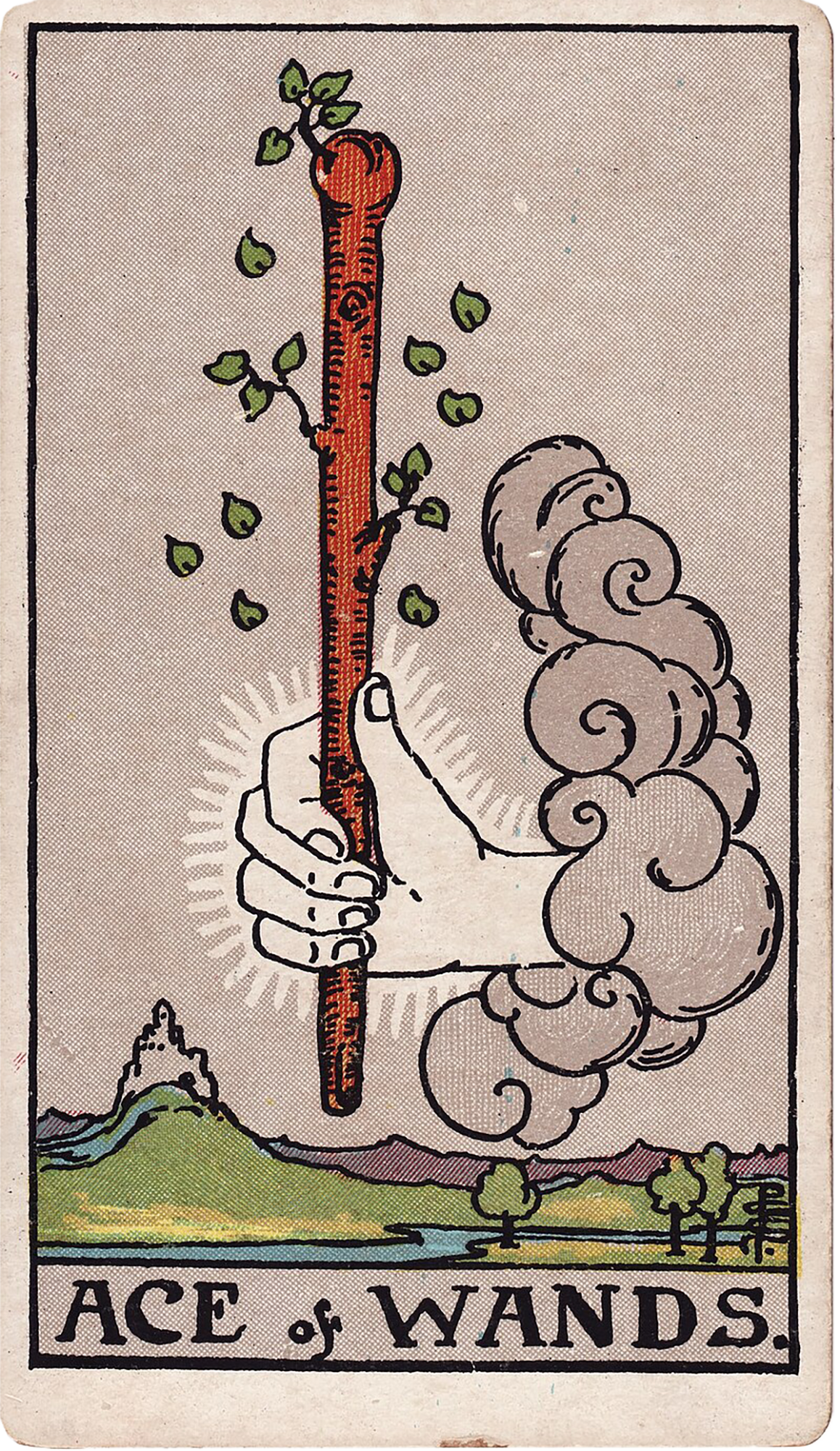 Ace of Wands
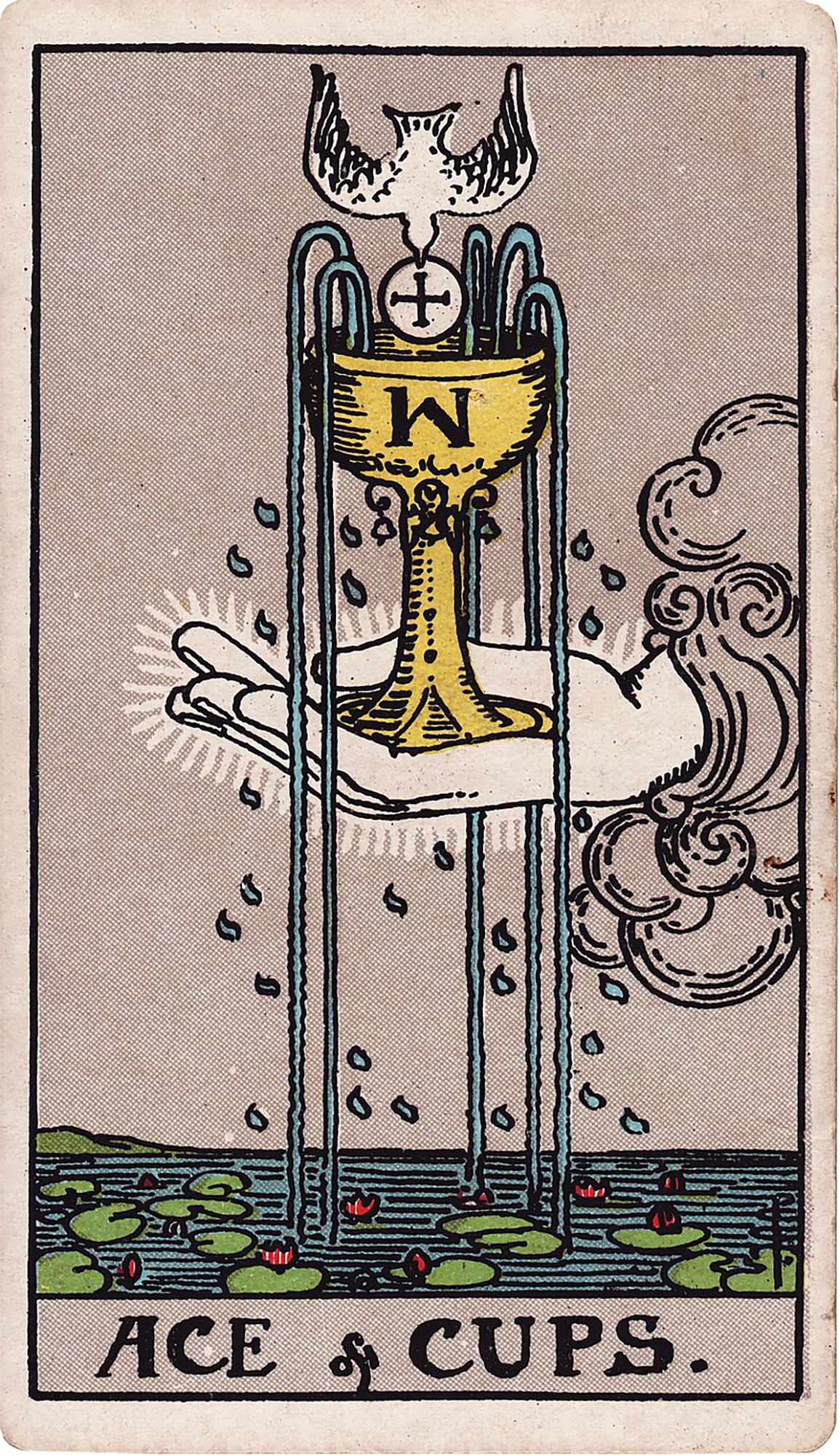 Ace of Cups
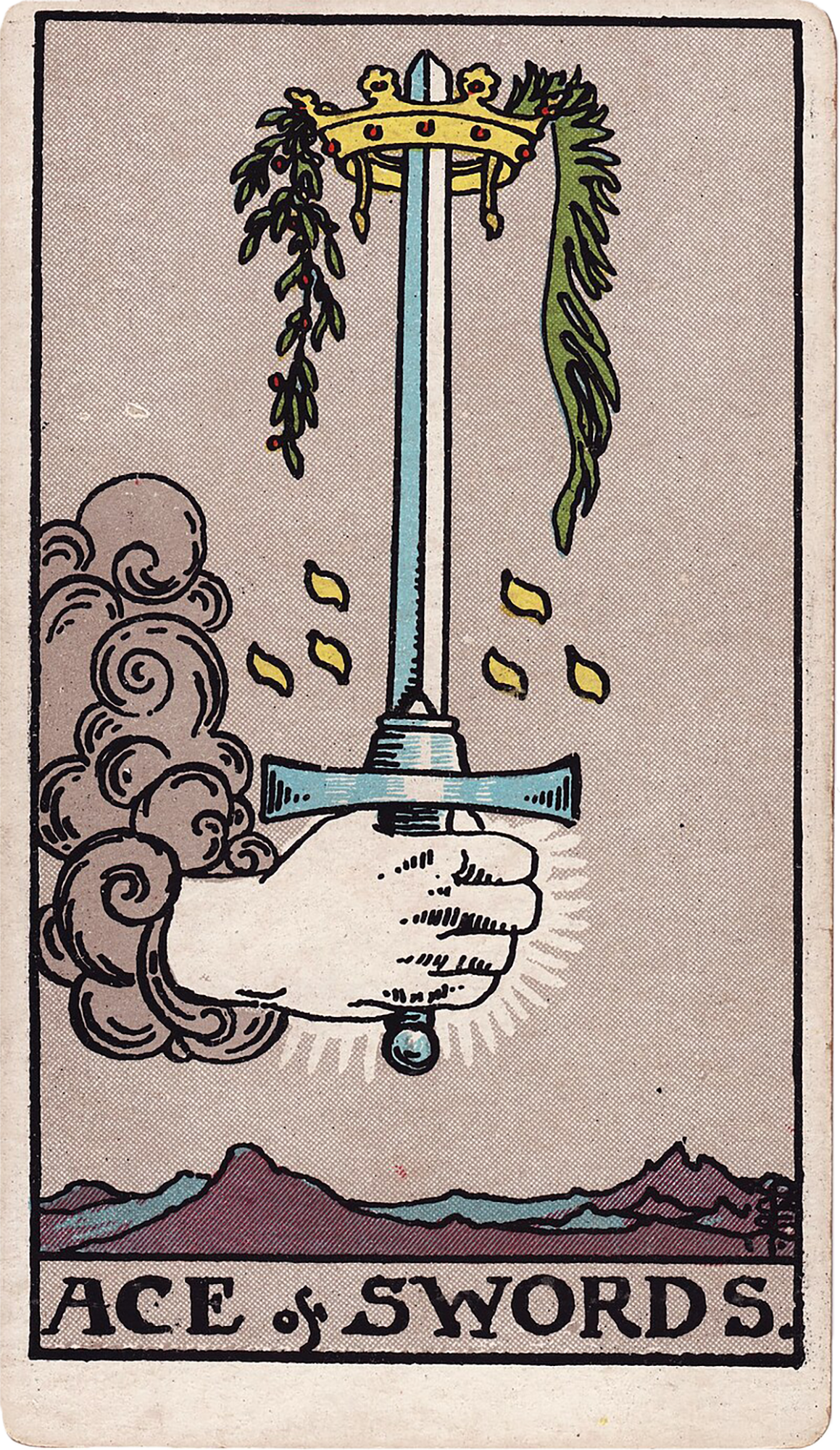 Ace of Swords
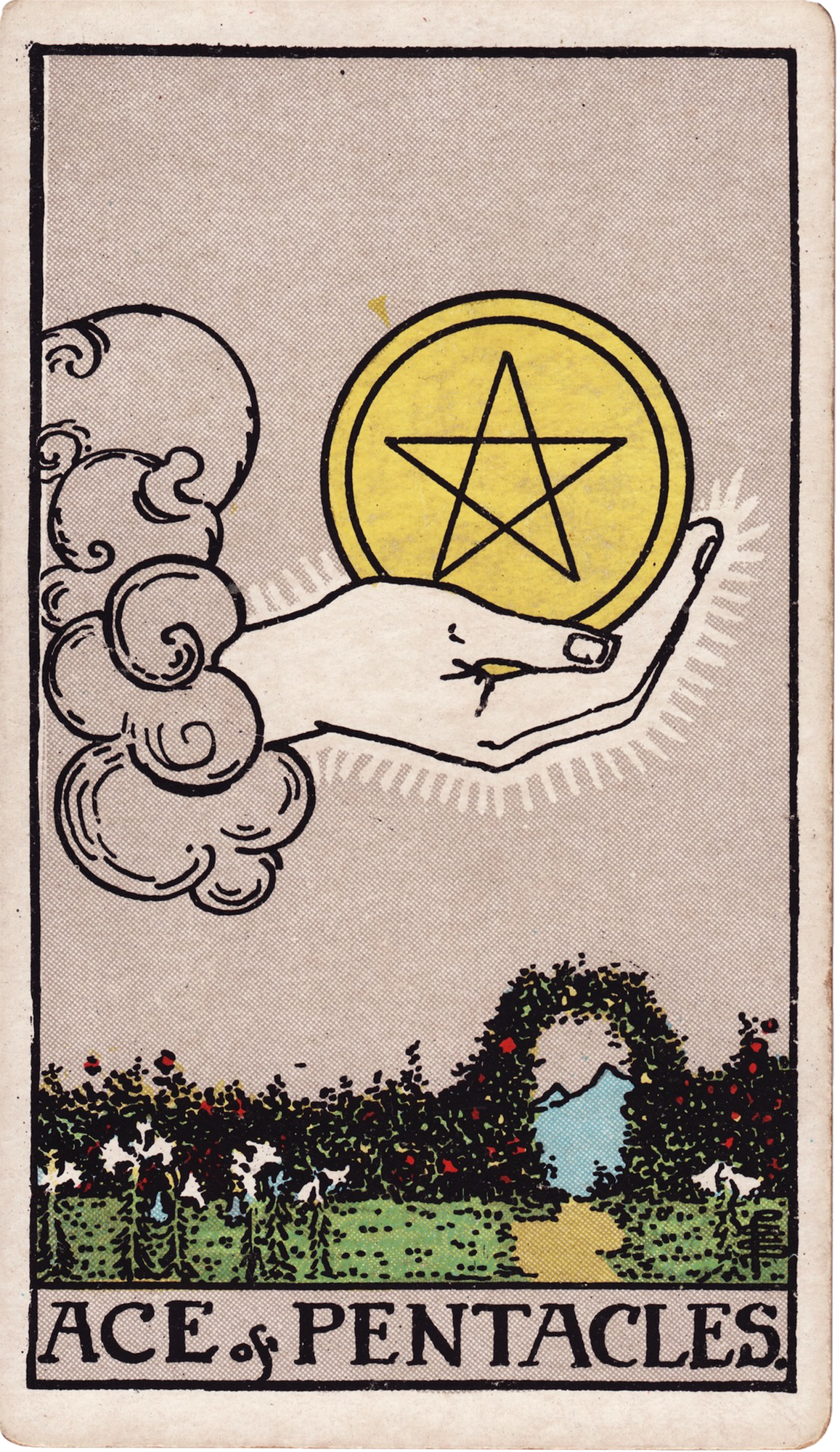 Ace of Pentacles
Introduction to the Aces as Symbols of New Beginnings
The four Ace cards in the Tarot deck—Ace of Wands, Ace of Cups, Ace of Swords, and Ace of Pentacles—are universally recognized as potent symbols of initiation and fresh starts. Each Ace embodies the purest form of its suit’s elemental energy, presenting a unique doorway into new experiences and opportunities. Rooted in the Rider-Waite-Smith symbolism and explored through the VoxFati Tarot Library’s detailed card context, these cards invite the querent to recognize where a new impulse or resource is emerging in their life. Far from abstract ideals, the Aces call for a practical response that matches the energy at its current phase—whether that be the spark of inspiration, emotional opening, intellectual clarity, or material potential. Understanding the elemental correspondences—fire for Wands, water for Cups, air for Swords, and earth for Pentacles—is essential for interpreting the cards with nuance and precision.
The Ace of Wands and the Element of Fire
The Ace of Wands represents the elemental fire associated with motivation, creativity, ambition, and the dynamic expression of identity. Visually, this card often depicts a hand emerging from clouds, gripping a blossoming wand, symbolizing potential energy ready to manifest. Upright, the Ace of Wands signals a new impulse eager for expression, urging action before enthusiasm diminishes. It encourages focusing on practical steps rather than abstract ideals—identifying where the pattern of energetic emergence is already visible can empower constructive action. The card can represent motivation and initiative but may also involve effort or discomfort as the energy is channeled effectively. When reversed, the Ace of Wands highlights blockages such as scattered excitement, blocked inspiration, or premature action that undermines the process. Instead of viewing reversal as mere negativity, readers should explore where the process is stuck—what needs to be simplified, recognized, or released to regain healthy flow. This approach ensures the interpretation is grounded in nuanced understanding rather than simplistic opposites.
The Ace of Cups and the Element of Water
Flowing from the element of water, the Ace of Cups embodies emotional beginnings, receptivity, compassion, and intuitive feeling. Traditional imagery often shows a hand offering a cup overflowing with water, symbolizing abundance and emotional nourishment. The upright card invites an opening of the emotional field where feelings such as affection, creativity, and intuitive insight seek expression. Like the Ace of Wands, it asks for a practical, stage-appropriate response rather than distant ideals. This card often indicates situations manageable through emotional intelligence, relationships, and intuitive guidance. Reversed, the Ace of Cups signals emotional blockages, fear of vulnerability, or energy depletion. It might reveal feelings that are present but not channeled healthily. Interpreters should focus on where the emotional process becomes stuck and what actions—simplification, acknowledgement, or communication—can restore balance. This nuanced perspective prevents misreading reversal as purely negative and aligns with the card’s deep symbolism.
The Ace of Swords and the Element of Air
The Ace of Swords channels the clarity, intellect, and decisive insight of the air element. Typically portrayed as a sword held upright by a hand emerging from clouds, sometimes crowned or surrounded by laurel wreaths, the card symbolizes breakthroughs cutting through confusion. Upright, it heralds intellectual clarity, strategic thinking, and truthful communication. The card requests practical engagement—identifying where insight or decisive conversation can clarify or resolve a situation. It also suggests managing conflict and decisions through mental discipline. When reversed, the Ace of Swords highlights misuse of logic, confusion, harshness, or premature judgment. The reversal should prompt explorations of stagnation or misuse of mental power rather than being seen as a simple negative. The reader is encouraged to ask what mental habits or communication patterns need adjustment to return to healthier expression.
The Ace of Pentacles and the Element of Earth
Grounded in the earth element, the Ace of Pentacles symbolizes tangible opportunity, resources, and beginnings that promise material stability. Its imagery often includes a hand presenting a golden pentacle set against lush greenery or a garden, evoking prosperity and growth. Upright, the card highlights the arrival of practical chances that require consistent care and action to flourish. It relates to work, health, finances, craftsmanship, and long-term physical well-being. Reversed, it draws attention to missed opportunities, poor planning, or scarcity mindset. The reversal also indicates situations where the foundation has not yet been solidified, leading to instability. Interpreters should avoid seeing the reversed card as failure but as an invitation to reassess what practical steps or mindset shifts are necessary to build a sustainable foundation.
Elemental Correspondences and Their Influence on Interpretation
Understanding the elemental correspondences—fire (Wands), water (Cups), air (Swords), and earth (Pentacles)—is central to unlocking the symbolism of the Aces. Each element colors how the energy of new beginnings is experienced: fire emphasizes action and creative impulse; water highlights emotional openness and intuition; air focuses on clarity and mental breakthroughs; and earth grounds potential in tangible reality. The Rider-Waite-Smith imagery reinforces these associations through visual cues such as flames, flowing water, clouds, and abundant gardens. Practitioners can use these elemental frameworks as interpretive lenses to discern the nature of the new beginning in a querent’s life. For example, a new venture emerging with the Ace of Wands will differ fundamentally in quality and challenge from one indicated by the Ace of Cups. Recognizing these distinctions helps avoid one-size-fits-all interpretations and enhances the reading’s practical value.
Practical Techniques for Reading the Ace Cards
When incorporating the Ace cards into readings, it is crucial to anchor interpretations in the immediate context and the querent’s current life stage. Begin by identifying the card’s elemental domain and the type of new beginning it suggests. Next, assess the card’s orientation—upright or reversed—and explore how the energy is manifesting or blocked. Use surrounding cards to trace the development of this energy: is it just emerging, growing, facing pressure, or nearing resolution? For example, the Ace of Wands upright may indicate the first spark of ambition, while accompanying cards might show obstacles or support. Avoid deterministic predictions; instead, view the Aces as invitations to recognize potential and take appropriate steps. Common mistakes include reading reversals as outright failures or ignoring the card’s practical call to action. Good practice involves asking what the querent can do now to nurture or unblock the energy represented. Documenting the querent’s responses to the reading over time can further refine interpretive skill.
Common Mistakes and How to Avoid Them
One frequent error is treating the Aces as purely positive omens without considering their practical demands. Each Ace signals potential, but that potential requires conscious engagement and effort. Another mistake is oversimplifying reversed cards as mere negatives; the VoxFati Tarot Library advises examining where the process is stuck and what needs addressing to restore balance. Ignoring the elemental context can also weaken interpretation clarity, as the nature of new beginnings varies across the suits. Additionally, neglecting surrounding cards misses vital information about the energy’s stage and interaction with other influences. Finally, reading the Aces as guaranteed outcomes rather than potential invitations limits the depth and usefulness of the tarot experience. Avoid these pitfalls by maintaining a holistic, nuanced, and open-minded approach grounded in the symbolic and elemental framework presented here.
Examples of Interpretations Anchored in Card Imagery
Consider the Ace of Wands card image: a hand emerging from clouds holding a budding wand. This visual suggests a sudden, almost divine inspiration or an opportunity that appears out of nowhere. Upright, it may indicate it is time to take the first concrete step toward a creative or professional goal. Reversed, the spread might reveal scattered energy or hesitation to act, prompting questions about internal blocks. The Ace of Cups image with water overflowing the cup reflects emotional abundance and intuitive openness. Interpreted upright, it encourages embracing emotional beginnings such as new relationships or creative projects. Reversed, it may highlight internal emotional depletion or an unconscious barrier to vulnerability. The Ace of Swords shows a sword piercing the air with a crown symbolizing victory or truth, urging clarity and decisive thought in problem-solving. Finally, the Ace of Pentacles, with its lush garden and golden pentacle, grounds the reading in material opportunity and reminds the querent that growth requires stable foundations. Anchoring interpretations in such imagery helps readers connect abstract meanings with the querent’s lived experience.
Summary and Integrative Reflection
The Ace Tarot cards serve as powerful gateways into new beginnings, each infused with the energy of its elemental suit. Through understanding the upright and reversed meanings of the Ace of Wands, Cups, Swords, and Pentacles, readers gain a practical framework for interpreting fresh starts in diverse life areas—creative, emotional, intellectual, and material. Emphasizing the practical call to action, the importance of context, and the nuances of blockage and flow enriches readings beyond superficial predictions. By anchoring interpretations in the vivid Rider-Waite-Smith imagery and the detailed analysis provided by the VoxFati Tarot Library, students can deepen their symbolic literacy and reading skill. Integrating elemental correspondences with situational awareness creates a grounded, dynamic approach to Tarot that honors both tradition and lived experience.
Practice questions
• How does recognizing the elemental correspondence of an Ace card influence your interpretation of a new beginning?
• In what ways can the reversed Ace cards reveal internal blocks rather than external obstacles?
• How can you use surrounding cards to identify the stage of energy development associated with an Ace?
• What practical steps might a querent take when an Ace of Pentacles appears reversed in a reading?
• How does the Rider-Waite-Smith imagery of each Ace card enhance your intuitive connection during a reading?
Comments
Sign in to comment.
Continue learning
Interpreting the Dance of Justice and The Devil: Balancing Morality and Temptation in Tarot Readings
The combination of Justice and The Devil in tarot presents a profound exploration of morality, temptation, and personal accountability. This article unpacks how these cards influen...
Advanced Techniques for Combining The Moon and The Star to Enhance Intuition in Tarot Readings
This article explores advanced techniques to combine the symbolism and energy of The Moon and The Star Tarot cards to enhance intuition during Tarot readings. Drawing from traditio...
Unlocking Life Insights with the Celtic Cross Tarot Spread
This article offers a thorough exploration of the Celtic Cross Tarot Spread, focusing on its application within family and practical life contexts. Using a worked example featuring...
Unlocking Hidden Meanings with The Hermit and The Hanged Man for Spiritual Growth
This article offers an in-depth exploration of The Hermit and The Hanged Man Tarot cards focusing on their roles in spiritual growth. It guides readers through beginner and advance...
Unlocking Personal Insight with the Seven Card Horseshoe Spread
The Seven Card Horseshoe Spread is a practical and insightful Tarot layout ideal for exploring personal and family dynamics. This article breaks down each position—Past, Present, H...
Mastering the Court Cards of Wands for Unlocking Personal Drive and Leadership
The Court Cards of Wands represent a dynamic spectrum of personal energy, ambition, and leadership potential within the Minor Arcana. This article offers a comprehensive exploratio...
Tracing the Origins and Evolution of The Fool Card in Tarot History
The Fool card holds a foundational place in tarot tradition, symbolizing beginnings, openness, and the embrace of uncertainty. This article traces its origins from early European d...
Techniques for Reading Court Cards to Unlock Personality Insights
Court cards in Tarot often represent people, personality traits, or energy patterns within a situation. This article offers a structured approach for beginners and advanced readers...
Unlocking Emotional Transformation with Death and The Moon Tarot Combination
This article explores the rich and complex interaction between the Death and The Moon tarot cards within the Rider-Waite-Smith tradition, focusing on their combined potential to un...
Applying The Star Card to Foster Hope and Renewal in Personal Growth
The Star card in Tarot symbolizes hope, authenticity, and the process of steady renewal. In a single-card reading, The Star encourages embracing what is present, cultivating openne...