
Exploring the Symbolic Meanings and Elemental Correspondences of the Suit of Swords for Mental Clarity and Decision Making
The Suit of Swords in Tarot represents the realm of thought, communication, and decision making, grounded in the element of Air. This article explores the symbolic meanings and elemental correspondences of the Suit of Swords, focusing on mental clarity and strategic thinking. Anchored by detailed analyses of the Ace, Page, Queen, and King of Swords, readers will learn how to interpret these cards within spreads, understand their upright and reversed dynamics, avoid common reading pitfalls, and apply practical techniques to enhance clarity and resolve mental conflicts. This exploration aims to deepen the reader's understanding of how Swords influence intellectual processes and decision making in Tarot practice.
Cards explored in this article
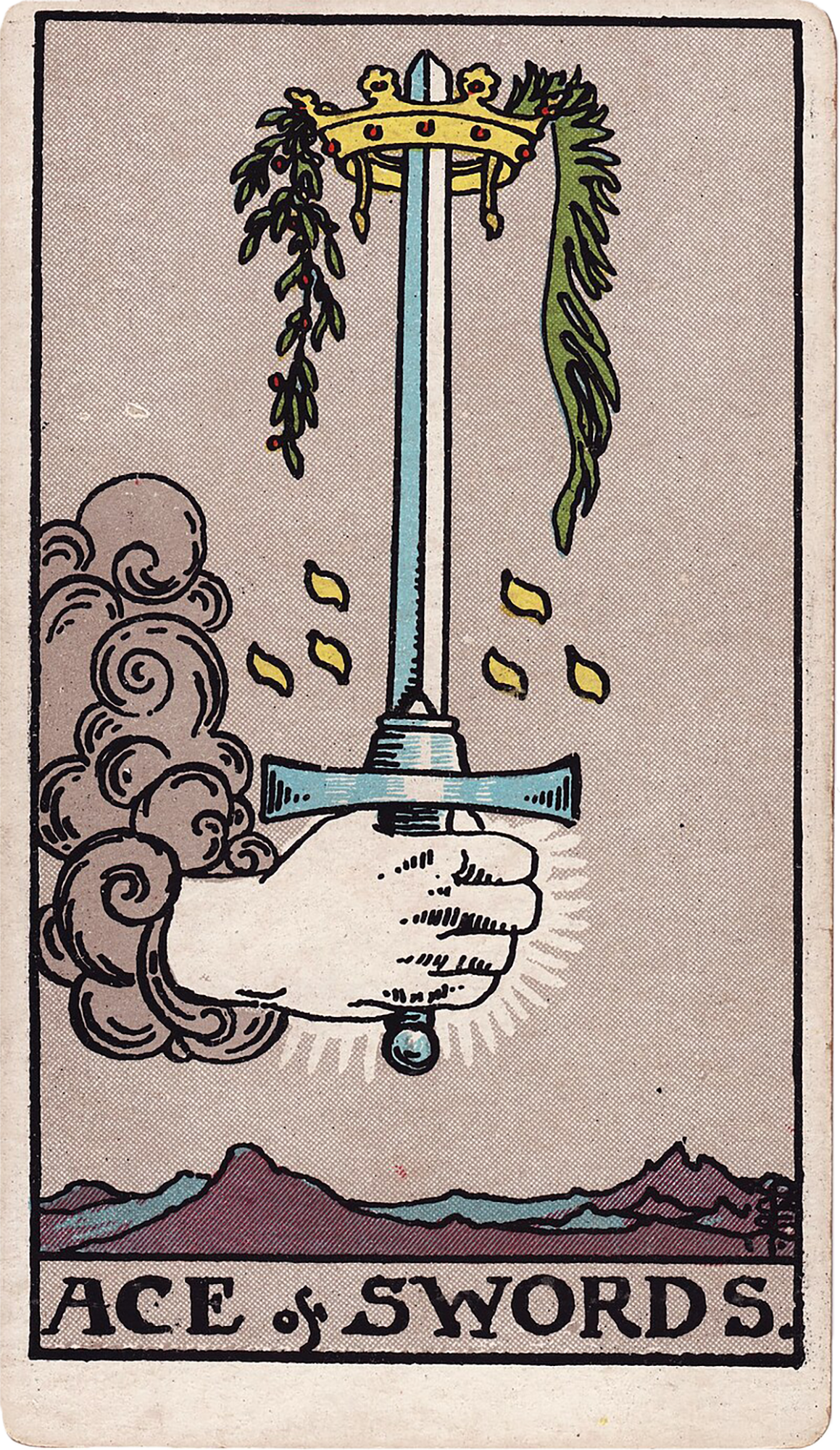 Ace of Swords
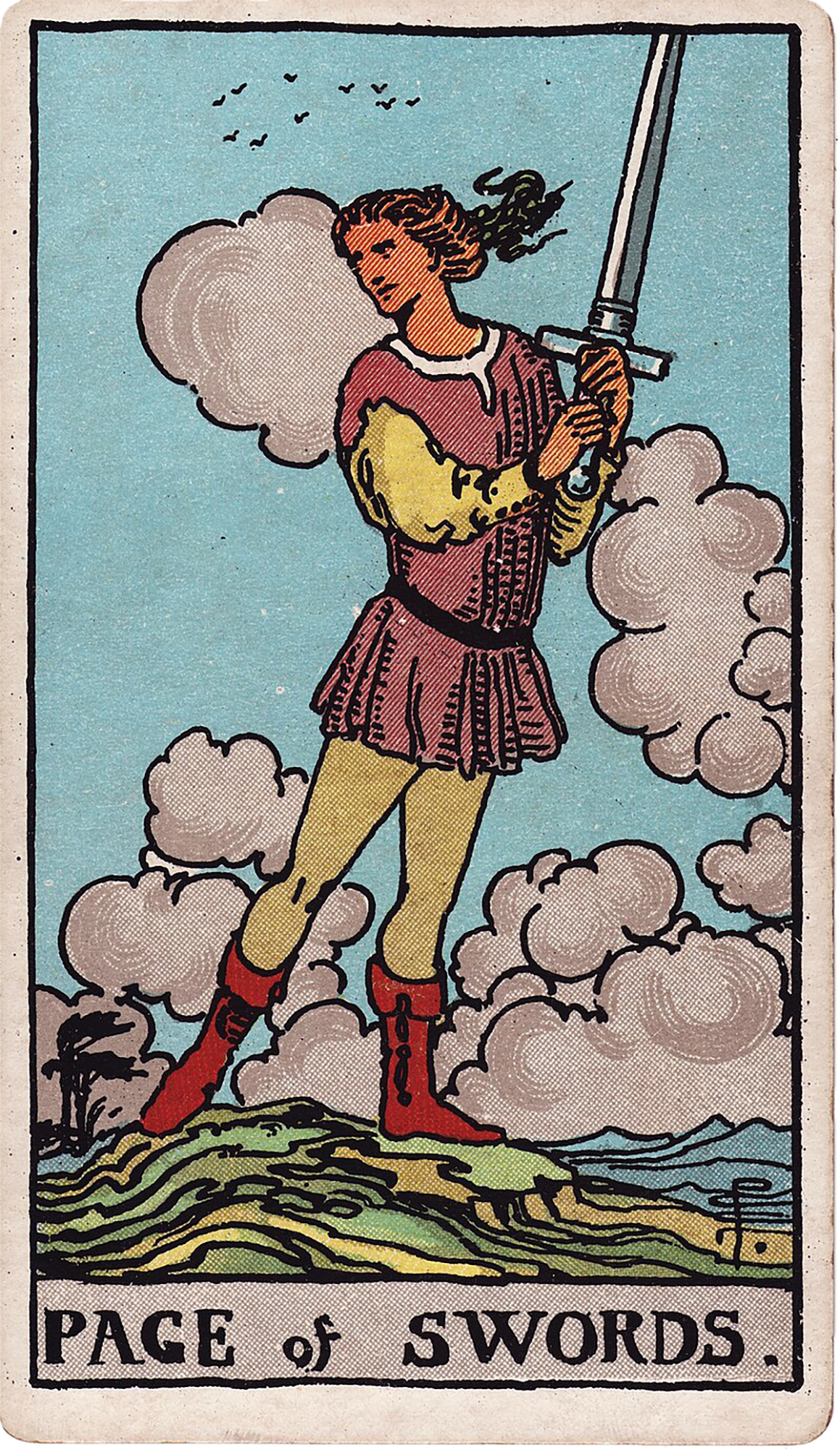 Page of Swords
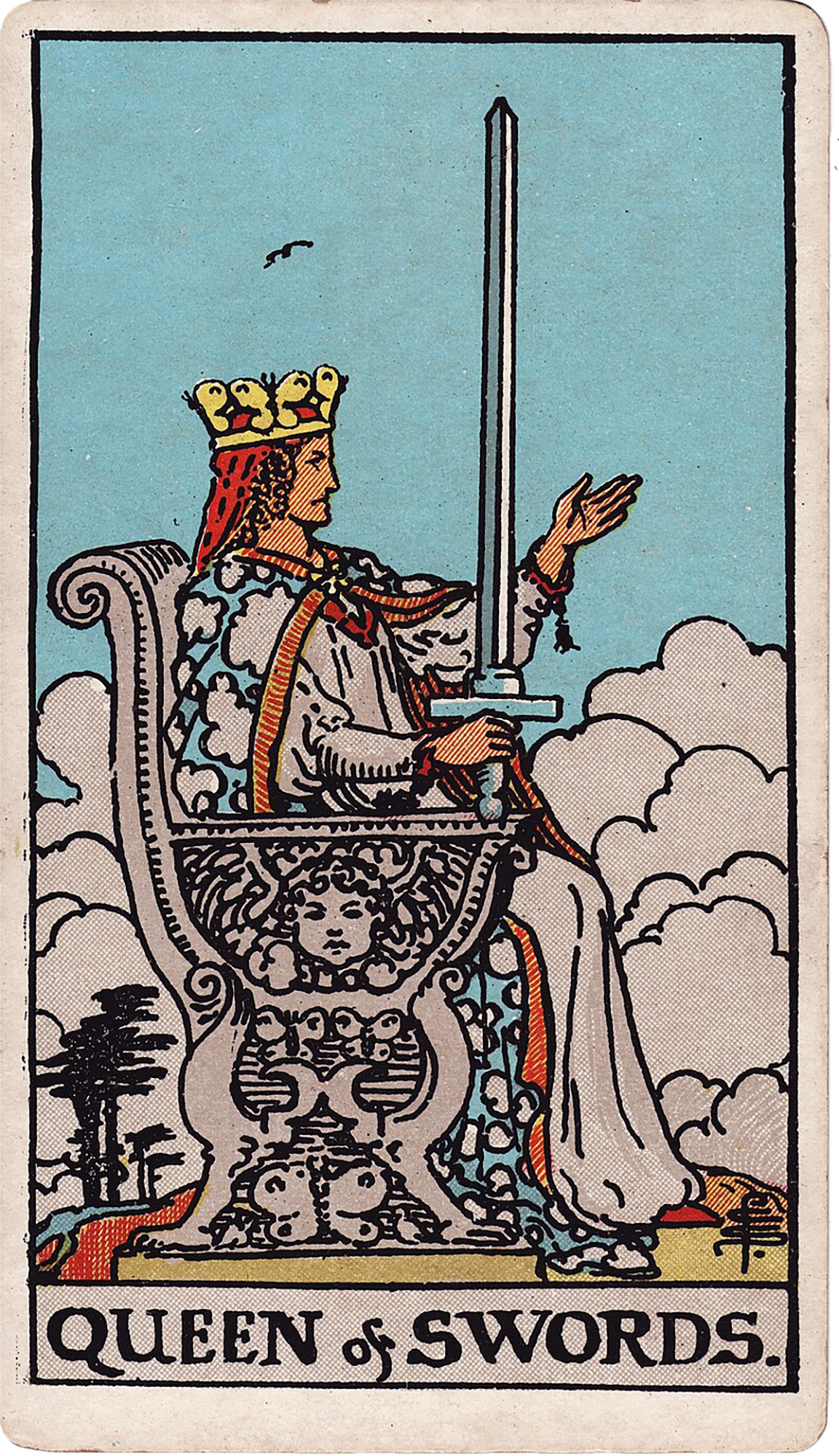 Queen of Swords
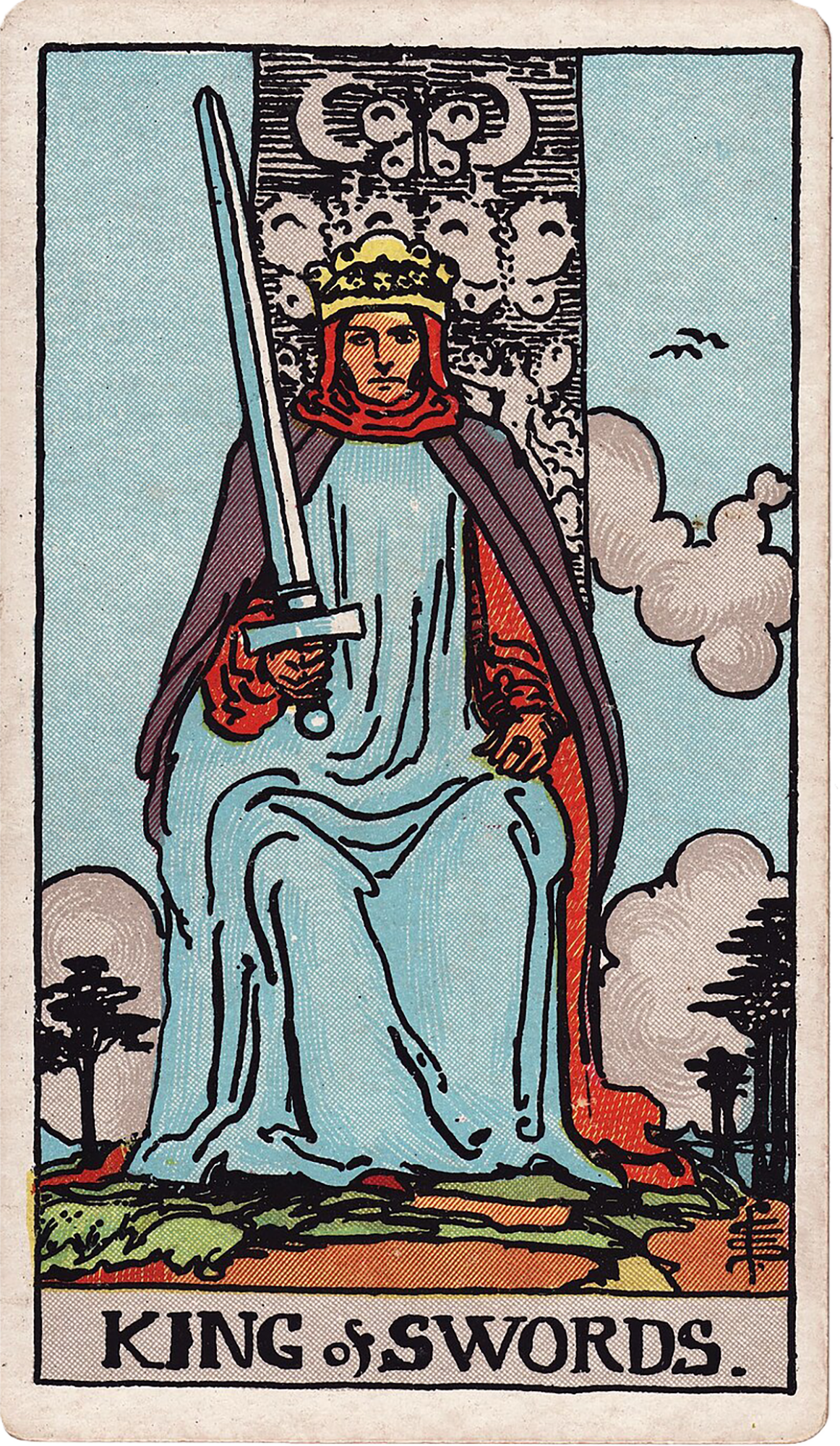 King of Swords
Introduction to the Suit of Swords and its Elemental Correspondences
The Suit of Swords is traditionally linked to the element of Air, which symbolizes intellect, thought, communication, and conflict. In the Rider-Waite-Smith Tarot system, this suit is associated with the mental realm, highlighting how ideas form, challenges arise through discourse, and decisions are made. Air’s qualities—clarity, precision, and sometimes sharpness—mirror the function of swords as tools that cut through confusion. As such, the Suit of Swords serves as a metaphor for mental processes and the clarity required to navigate complex situations. This elemental correspondence establishes a framework for interpreting the cards, especially when examining their roles in mental clarity and decision making.
Symbolic Meaning and Practical Interpretation of the Ace of Swords
The Ace of Swords is a powerful emblem of new intellectual beginnings, breakthroughs, and clear insight. Visually, the card often depicts a sword held upright, cutting through clouds or confusion, which aligns with its core message of mental clarity and decisive action. Upright, it signals an opportunity to address a situation through logical thinking, truthful communication, and strategic decision making. The card’s emphasis is practical; it urges the querent to respond appropriately to the present conditions rather than abstract ideals. In readings, it highlights moments when clarity emerges amid complexity, providing a focus point for cutting through mental clutter. Reversed, the Ace of Swords warns of confusion, harshness, or misused logic. Rather than simply indicating the absence of clarity, the reversal suggests that mental processes may be stuck or used destructively—such as weaponizing truth or jumping to premature conclusions. It invites reflection on what mental habits or communication patterns need adjustment before clarity can be restored. When interpreting, always consider whether the card’s energy is in a phase of emergence, development, or blockage by reviewing surrounding cards.
The Role of the Page of Swords in Mental Vigilance and Curiosity
The Page of Swords embodies intellectual curiosity, vigilance, and a youthful eagerness to question and gather information. The imagery typically shows a young figure holding a sword ready for action, eyes alert to the environment. This card encourages active engagement with ideas and communication, highlighting a dynamic mental state that is both inquisitive and watchful. Upright, the Page of Swords suggests that applying mental skills such as questioning, observation, and communication is key to managing the current situation. It represents the early stages of intellectual exploration, where gathering accurate information and maintaining mental flexibility are essential. In practical readings, this card encourages clients to stay alert, ask the right questions, and avoid premature judgments. Reversed, the Page of Swords can indicate scattered attention, gossip, or defensive communication. It signals that mental energy may be misdirected or that information is being mishandled. The reversal highlights the need to recognize when mental habits become counterproductive, emphasizing the importance of pausing, clarifying intentions, and refining communication before proceeding.
Understanding the Queen of Swords as a Symbol of Clear-Minded Independence
The Queen of Swords personifies mature intellectual independence, honesty, and clear boundaries. Visually, she is often depicted seated with a sword upright, symbolizing truth and mental clarity, while her expression conveys discernment without unnecessary cruelty. This card reflects a balanced use of intellect—engaging truthfully yet compassionately. When upright, the Queen of Swords advises embracing honest communication that values integrity and firm principles. She embodies the ability to make decisions free from emotional confusion, fostering clarity in boundary setting and strategic thinking. In readings, she often represents a person or energy that encourages objective analysis and truthful dialogue. The reversed Queen warns of bitterness, excessive criticism, or emotional avoidance through intellect. This state reflects an imbalance where mental sharpness may become cutting or isolating. Recognizing this reversal can help the querent reassess how intellectual energy is being applied, encouraging a return to balanced, compassionate clarity.
The King of Swords as a Model of Strategic Judgment and Intellectual Authority
The King of Swords stands as the archetype of mature intellectual authority, combining strategic judgment with principled decision making. Typically shown as a commanding figure with a sword held firmly, he represents clarity of thought grounded in evidence and ethics. This card encourages applying mental faculties with discipline and fairness. Upright, the King of Swords signals the presence or need for clear-headed leadership, rational decision making, and the responsible use of authority. It calls for discerning analysis and the courage to uphold truth even under pressure. In practical readings, this card urges the querent to embody or seek out these qualities when navigating complex mental or communicative challenges. When reversed, the King warns against coldness, intellectual arrogance, or manipulative tendencies. Such a state illustrates the misuse of intellectual power, turning mental clarity into a tool for control rather than understanding. Interpreters should explore where the querent’s intellectual processes might be rigid or disconnected from empathy, encouraging a recalibration toward balanced authority.
Techniques for Practical Tarot Reading with the Suit of Swords
When reading the Suit of Swords, it is crucial to engage with their thematic focus on thought processes, communication, and decision making. Begin by observing the card imagery deeply; for example, note the posture and facial expressions of the Page, Queen, and King of Swords, or the clarity and brightness surrounding the Ace. These visual cues underscore each card’s mental energy and help anchor your interpretation. In spreads, place the Swords cards in context by examining their position and relationship to other cards. Are they signaling the initiation of mental effort (as with the Ace or Page upright)? Or do they mark moments of challenge or blockage (often indicated by reversals)? Use the pattern of cards to determine whether the mental energy is rising, stuck, or resolving. Apply a balanced approach to reversals. Instead of viewing reversed Swords cards as simply negative, consider them as indicators of where mental or communicative efforts require adjustment. Ask yourself what mental habits or beliefs might be limiting clarity and what practical steps—such as clearer communication or focused reflection—can address these issues. Common mistakes include overemphasizing intellectual analysis without considering emotional or situational nuance, or treating reversals as pure bad omens rather than process markers. Always link the symbolic meanings to the querent’s question and life context, allowing the Suit of Swords to illuminate paths toward clearer thinking and better decisions.
Common Challenges and How to Overcome Them in Swords Readings
A frequent challenge when interpreting Swords cards is balancing intellectual insight with emotional sensitivity. Because the Suit of Swords deals with thought and conflict, readers and querents may focus excessively on rationality, overlooking underlying feelings or relational dynamics. To address this, actively seek to integrate the emotional context of the situation alongside intellectual analysis. Another pitfall is misreading reversals as purely negative or ignoring their nuanced messages. Reversed Swords cards often highlight internal conflicts or stuck mental patterns rather than external failures. Approach reversals as invitations to explore what mental adjustments or communications are overdue. Additionally, readers sometimes confuse the practical application of Swords with abstract theorizing. The provided cards emphasize practical response and situational fit—always ask how the represented mental qualities apply to the querent’s immediate decisions or communication challenges. Overcoming these challenges requires grounded interpretation, patient questioning, and linking symbolism to real-life mental clarity and decision-making processes.
Conclusion and Integrative Reflection on the Suit of Swords
The Suit of Swords offers profound insight into the intellectual dimension of human experience, symbolizing the pursuit of mental clarity and effective decision making. Through the Ace, Page, Queen, and King of Swords, we see a developmental arc from new insight and curiosity to mature, principled authority. By understanding their upright and reversed meanings in relation to elemental Air symbolism, readers can better navigate complex situations where thought, communication, and decisions intersect. Practically, the Suit of Swords encourages us to sharpen our mental tools, communicate truthfully, and approach challenges with strategic clarity. Using the provided cards as visual and symbolic anchors, learners can refine their interpretive skills, avoid common pitfalls, and foster deeper clarity in reading Tarot for themselves and others. Ultimately, the Suit of Swords serves as a guide to mental empowerment, helping transform confusion into understanding and indecision into purposeful action.
Practice questions
• How does the element of Air influence the symbolic meanings of the Suit of Swords in Tarot?
• In what ways can the Ace of Swords signify both clarity and confusion depending on its orientation in a reading?
• What mental qualities does the Page of Swords encourage, and how can these be applied to real-life decision making?
• How does the Queen of Swords balance intellectual clarity with emotional sensitivity, especially when reversed?
• What lessons about leadership and mental authority can be drawn from the King of Swords upright and reversed?
• How can readers avoid common mistakes when interpreting reversed Swords cards?
• What practical steps can a querent take when the Suit of Swords highlights mental blockages or communication challenges?
Comments
Sign in to comment.
Continue learning
Interpreting the Dance of Justice and The Devil: Balancing Morality and Temptation in Tarot Readings
The combination of Justice and The Devil in tarot presents a profound exploration of morality, temptation, and personal accountability. This article unpacks how these cards influen...
Advanced Techniques for Combining The Moon and The Star to Enhance Intuition in Tarot Readings
This article explores advanced techniques to combine the symbolism and energy of The Moon and The Star Tarot cards to enhance intuition during Tarot readings. Drawing from traditio...
Unlocking Life Insights with the Celtic Cross Tarot Spread
This article offers a thorough exploration of the Celtic Cross Tarot Spread, focusing on its application within family and practical life contexts. Using a worked example featuring...
Unlocking Hidden Meanings with The Hermit and The Hanged Man for Spiritual Growth
This article offers an in-depth exploration of The Hermit and The Hanged Man Tarot cards focusing on their roles in spiritual growth. It guides readers through beginner and advance...
Unlocking Personal Insight with the Seven Card Horseshoe Spread
The Seven Card Horseshoe Spread is a practical and insightful Tarot layout ideal for exploring personal and family dynamics. This article breaks down each position—Past, Present, H...
Mastering the Court Cards of Wands for Unlocking Personal Drive and Leadership
The Court Cards of Wands represent a dynamic spectrum of personal energy, ambition, and leadership potential within the Minor Arcana. This article offers a comprehensive exploratio...
Tracing the Origins and Evolution of The Fool Card in Tarot History
The Fool card holds a foundational place in tarot tradition, symbolizing beginnings, openness, and the embrace of uncertainty. This article traces its origins from early European d...
Techniques for Reading Court Cards to Unlock Personality Insights
Court cards in Tarot often represent people, personality traits, or energy patterns within a situation. This article offers a structured approach for beginners and advanced readers...
Unlocking Emotional Transformation with Death and The Moon Tarot Combination
This article explores the rich and complex interaction between the Death and The Moon tarot cards within the Rider-Waite-Smith tradition, focusing on their combined potential to un...
Applying The Star Card to Foster Hope and Renewal in Personal Growth
The Star card in Tarot symbolizes hope, authenticity, and the process of steady renewal. In a single-card reading, The Star encourages embracing what is present, cultivating openne...