
Exploring the Symbolic Meanings of The Three Tarot Suits for Emotional Balance and Practical Wisdom
This article examines the rich symbolism of the three Tarot suits—Cups, Swords, and Pentacles—through the lens of their respective Ace cards. Anchored in traditional Rider-Waite-Smith imagery and contemporary interpretation, it explores each suit's approach to emotional balance and practical wisdom. Emphasizing nuanced reading techniques, common interpretive challenges, and practical applications, the article helps learners deepen their understanding of how these suits reflect human experience and guide thoughtful responses to life's complex situations.
Cards explored in this article
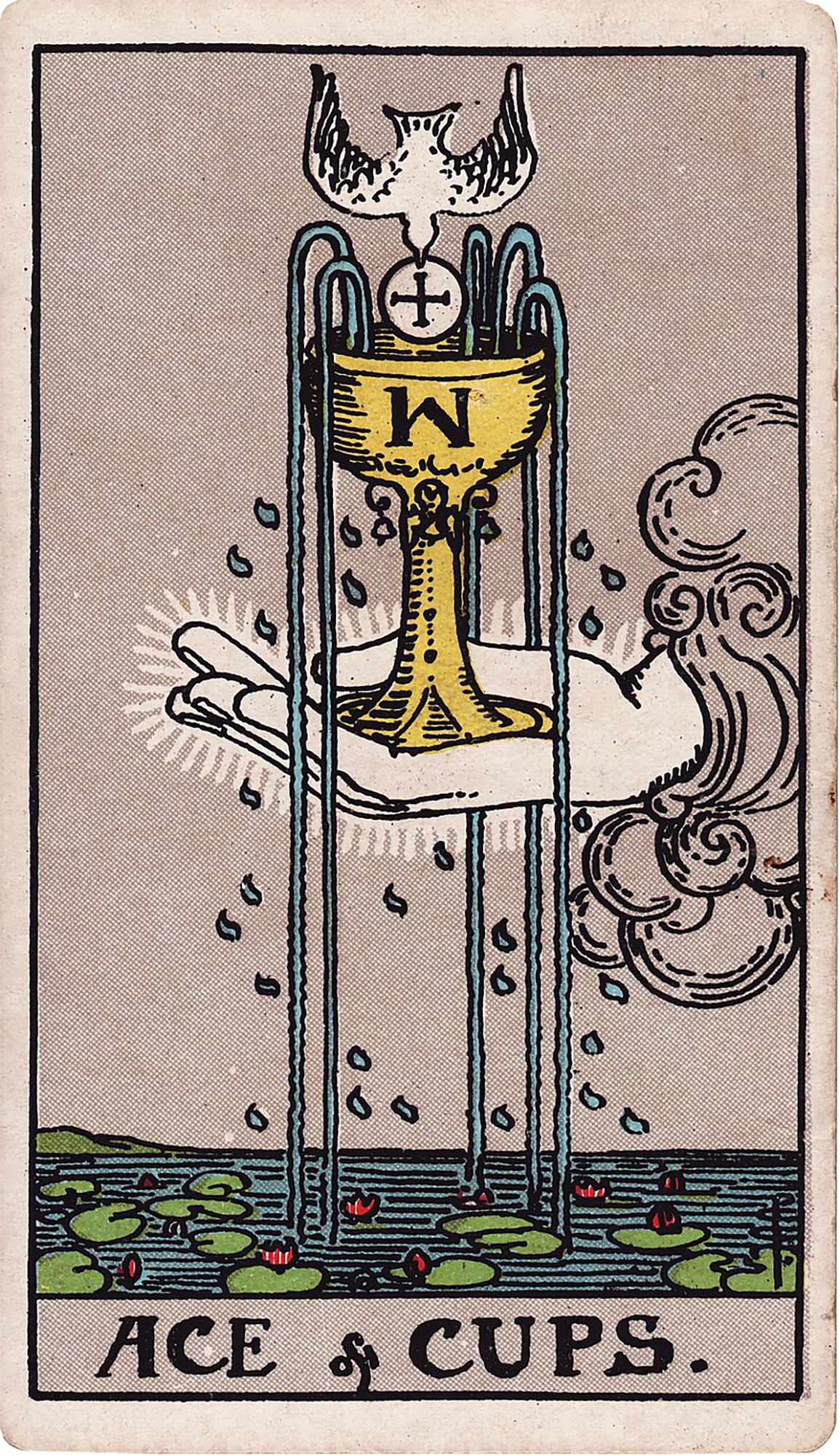 Ace of Cups
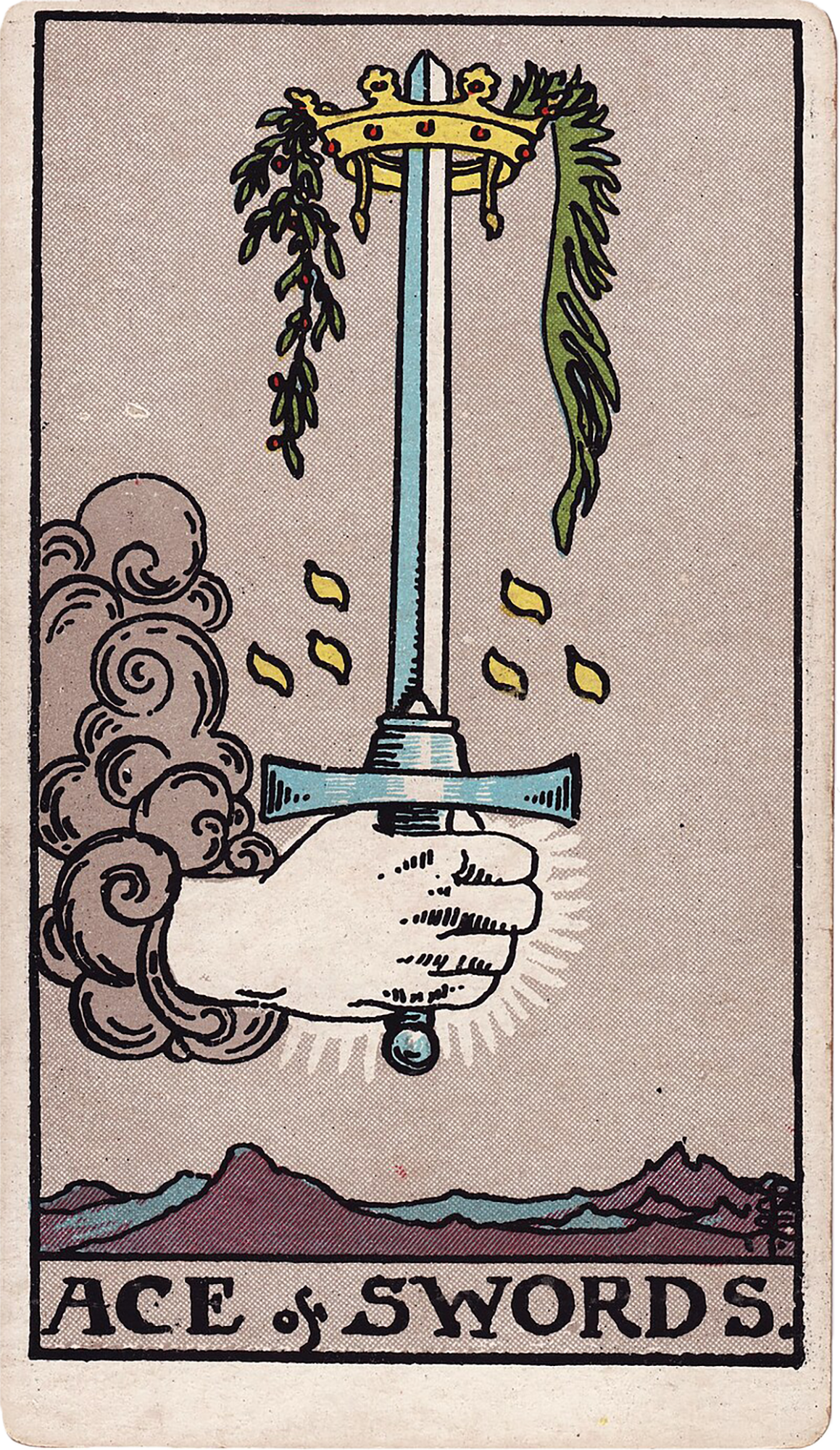 Ace of Swords
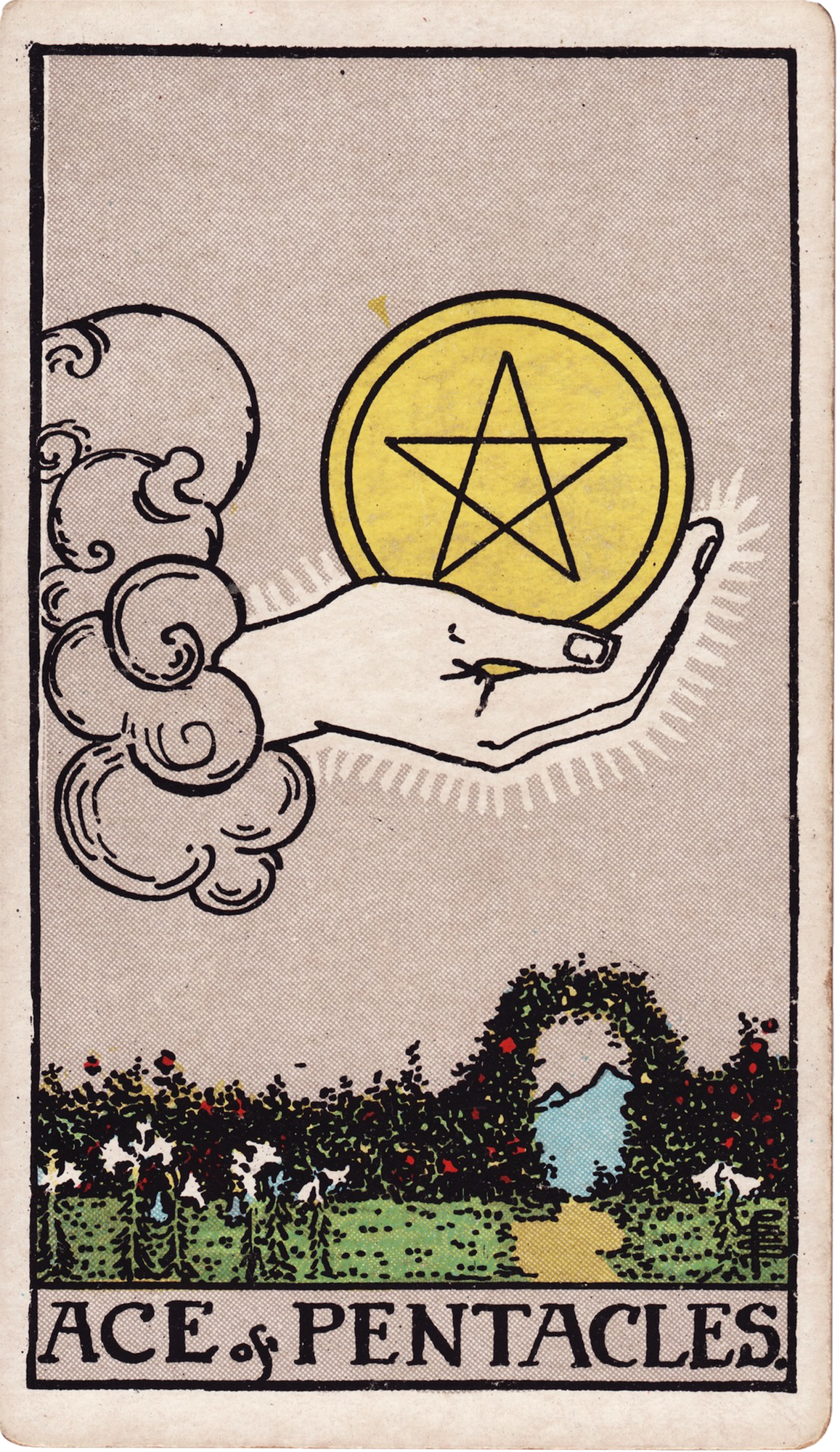 Ace of Pentacles
Introduction to Tarot Suit Symbolism in Emotional and Practical Contexts
The Tarot deck is structured around four suits, three of which—Cups, Swords, and Pentacles—carry profound symbolic meanings that reflect distinct aspects of human experience. This article focuses on these three suits to explore their roles in fostering emotional balance and practical wisdom. Each suit corresponds to a different domain: Cups to emotions and relationships, Swords to intellect and communication, and Pentacles to material and physical reality. By studying their Ace cards, which represent pure, concentrated expressions of each suit’s essence, learners can develop a clearer understanding of the energies at play when these cards appear in readings.
The Ace of Cups and Emotional Receptivity
The Ace of Cups is a powerful starting point for understanding emotional balance within the Tarot. Upright, this card symbolizes the opening of the emotional field, inviting affection, compassion, intuitive receptivity, and creative feeling. The Rider-Waite-Smith imagery typically shows a hand emerging from a cloud holding a cup overflowing with water, symbolizing abundant emotions and spiritual nourishment. This card encourages a practical response that fits the present stage of emotional development rather than abstract ideals. For example, if a reading suggests that emotional openness is present but fragile, the card advises strengthening healthy emotional channels through concrete actions such as honest communication or empathetic listening. Reversed, the Ace of Cups often signals emotional blockage or depletion. Instead of a simple negative, the reversal invites inquiry into where emotional energy is stuck or unexpressed. It may highlight internal struggles with vulnerability or a mismatch between intellectual understanding and lived emotional experience. A practical reading approach involves identifying what emotional patterns need to be acknowledged or released to restore flow. Common mistakes include interpreting the reversal purely as emotional failure rather than a call to deeper emotional work.
The Ace of Swords as a Symbol of Intellectual Clarity
The Ace of Swords represents the realm of thought, communication, and decisive insight. In the Rider-Waite-Smith deck, it typically depicts a hand holding a sword upright, sometimes crowned or surrounded by light, symbolizing clarity and breakthrough. When upright, this card signals a cutting through confusion, a moment of truth, or a strategic decision. It challenges the querent to respond practically by engaging mental faculties—logic, communication skills, and conflict resolution—appropriate to the current phase. For example, the card might indicate the need for a clear conversation or reevaluation of mental habits to overcome obstacles. The reversed Ace of Swords warns against harshness, misuse of logic, or confusing mental noise. It may represent premature judgment or truth wielded as a weapon. Rather than simply negating the upright meaning, the reversal serves as a diagnostic tool to locate where mental processes have become stuck or distorted. Effective reading practice involves asking what mental simplifications, acknowledgements, or shifts in communication style are necessary. A common interpretive error is to treat the reversal as an absence of clarity instead of a signal to examine cognitive or communicative dynamics more closely.
The Ace of Pentacles and Foundations of Practical Wisdom
Pentacles, associated with earth, material resources, and physical health, find their purest expression in the Ace of Pentacles. This card generally portrays a hand emerging from a cloud holding a large pentacle, often surrounded by lush gardens or gateways symbolizing opportunity and abundance. Upright, the Ace of Pentacles highlights tangible beginnings: resources, opportunities, or foundations that, when nurtured, grow into long-term stability. It calls for practical care, diligent effort, and consistent action tailored to the current stage. For instance, it may advise focusing on sound planning or establishing healthy routines. When reversed, the Ace of Pentacles points to missed opportunities, scarcity mindset, or impractical expectations for results without sufficient groundwork. It draws attention to internal obstructions such as fear of failure or poor planning. Instead of viewing the reversal as mere loss, the reader should explore what practical adjustments or mindset shifts are necessary to regain footing. A frequent mistake is to interpret the reversed card as hopeless material setback, rather than as a prompt for grounding and foundational work.
Integrating the Three Suits for Emotional Balance and Practical Wisdom
While each suit offers a distinct domain of experience, effective Tarot reading involves synthesizing their lessons for holistic understanding. The Cups suit nurtures emotional receptivity and connection, Swords cultivate clear thinking and truthful communication, and Pentacles provide the groundwork of physical and material stability. Together, they constitute a balanced approach to life’s challenges. For example, a reading that includes the Ace of Cups, Ace of Swords, and Ace of Pentacles emphasizes the need to unite heartfelt intuition (Cups) with mental clarity (Swords) and practical action (Pentacles). A querent might be encouraged to feel emotions openly, communicate honestly, and take concrete steps toward their goals. This integrative reading technique prevents overreliance on any single mode of experience, promoting emotional health, intellectual rigor, and grounded effort simultaneously. Common pitfalls include isolating one suit’s meaning without considering the others or overgeneralizing the symbolic messages. Using the Ace cards as touchstones, readers can examine where emotional openness, mental insight, and practical resources are aligned or disharmonious, facilitating nuanced and dynamic interpretations.
Practical Reading Techniques and Interpretation Logic
When working with the Ace of Cups, Ace of Swords, and Ace of Pentacles in readings, practitioners should adopt several key techniques: 1. Contextualize the Card Position: Consider where each Ace appears in the spread—beginning, middle, or end—to gauge the stage of the related process (emotional development, mental clarity, or practical manifestation). 2. Use Surrounding Cards: Other cards clarify whether the Ace’s energy is emerging, developing, under pressure, or moving toward resolution. 3. Balance Upright and Reversed Meanings: Rather than treating reversals as opposites, view them as indicators of where energy is stuck and what interventions are required. 4. Anchor Interpretation in Imagery: Pay close attention to traditional Rider-Waite-Smith symbols such as overflowing cups, radiant swords, or lush pentacles to deepen understanding. 5. Ground Abstract Concepts in Concrete Examples: For instance, relate the Ace of Cups to recent experiences of emotional openness or blockage, the Ace of Swords to moments of insight or miscommunication, and the Ace of Pentacles to tangible opportunities or scarcity fears. By applying these methods, readers enhance accuracy and practical value in their interpretations, fostering emotional balance and practical wisdom for themselves and querents.
Common Mistakes and How to Avoid Them
Interpreting the symbolic meanings of the three suits can be challenging. Some common mistakes include: - Overlooking the practical aspect: Each Ace card asks for a response fitting the present stage, but readers sometimes focus too much on idealized or abstract meanings rather than concrete action. - Misreading reversals as purely negative: Instead of exploring where energy is stuck or needs adjustment, readers may treat reversed cards as outright failures. - Separating the suits too rigidly: Emotional, intellectual, and material aspects are interconnected; isolating them can lead to incomplete readings. - Ignoring surrounding cards: Context within the spread provides essential nuance and direction for interpretation. Avoiding these pitfalls requires disciplined practice, mindful reflection, and ongoing study of Tarot symbolism, especially anchored in carefully chosen exemplars like the supplied Aces.
Conclusion and Steps for Further Study
The three Tarot suits of Cups, Swords, and Pentacles offer rich, interwoven symbolism that guides readers toward emotional balance and practical wisdom. By focusing on the Ace cards—the Ace of Cups, Ace of Swords, and Ace of Pentacles—learners gain a foundational understanding of each suit's core energies and how they manifest in real-life contexts. Applying practical reading techniques, honoring the nuances of upright and reversed meanings, and integrating the suits’ lessons holistically enhances the quality of Tarot interpretation. For further study, readers are encouraged to practice with these Aces in various spreads, observe how their meanings shift with context, and reflect on personal experiences related to the emotional, intellectual, and material themes they represent. This approach nurtures a deep, living connection to Tarot symbolism that supports ongoing personal and intuitive development.
Practice questions
• How do the symbols on the Ace of Cups illustrate the idea of emotional openness and creativity?
• In what ways can the Ace of Swords help clarify mental confusion or conflict in a reading?
• What practical steps does the Ace of Pentacles encourage when faced with material challenges?
• How can reversals of these Aces prompt deeper inquiry rather than simple negativity?
• How might integrating the lessons from Cups, Swords, and Pentacles improve your approach to daily problems?
• What are common signs that emotional, intellectual, or practical energies are out of balance as reflected by these cards?
Comments
Sign in to comment.
Continue learning
Interpreting the Dance of Justice and The Devil: Balancing Morality and Temptation in Tarot Readings
The combination of Justice and The Devil in tarot presents a profound exploration of morality, temptation, and personal accountability. This article unpacks how these cards influen...
Advanced Techniques for Combining The Moon and The Star to Enhance Intuition in Tarot Readings
This article explores advanced techniques to combine the symbolism and energy of The Moon and The Star Tarot cards to enhance intuition during Tarot readings. Drawing from traditio...
Unlocking Life Insights with the Celtic Cross Tarot Spread
This article offers a thorough exploration of the Celtic Cross Tarot Spread, focusing on its application within family and practical life contexts. Using a worked example featuring...
Unlocking Hidden Meanings with The Hermit and The Hanged Man for Spiritual Growth
This article offers an in-depth exploration of The Hermit and The Hanged Man Tarot cards focusing on their roles in spiritual growth. It guides readers through beginner and advance...
Unlocking Personal Insight with the Seven Card Horseshoe Spread
The Seven Card Horseshoe Spread is a practical and insightful Tarot layout ideal for exploring personal and family dynamics. This article breaks down each position—Past, Present, H...
Mastering the Court Cards of Wands for Unlocking Personal Drive and Leadership
The Court Cards of Wands represent a dynamic spectrum of personal energy, ambition, and leadership potential within the Minor Arcana. This article offers a comprehensive exploratio...
Tracing the Origins and Evolution of The Fool Card in Tarot History
The Fool card holds a foundational place in tarot tradition, symbolizing beginnings, openness, and the embrace of uncertainty. This article traces its origins from early European d...
Techniques for Reading Court Cards to Unlock Personality Insights
Court cards in Tarot often represent people, personality traits, or energy patterns within a situation. This article offers a structured approach for beginners and advanced readers...
Unlocking Emotional Transformation with Death and The Moon Tarot Combination
This article explores the rich and complex interaction between the Death and The Moon tarot cards within the Rider-Waite-Smith tradition, focusing on their combined potential to un...
Applying The Star Card to Foster Hope and Renewal in Personal Growth
The Star card in Tarot symbolizes hope, authenticity, and the process of steady renewal. In a single-card reading, The Star encourages embracing what is present, cultivating openne...