
Exploring the Symbolic Significance of The Emperor The Empress and The Hierophant in Tarot
This article delves into the rich symbolic language of three major Arcana cards—The Emperor, The Empress, and The Hierophant—focusing on their roles in family symbolism and related studies within Tarot. Using the supplied Rider-Waite-Smith-based card images and meanings, we explore how these archetypes represent aspects of authority, nurturing, and tradition. The analysis integrates upright and reversed interpretations, illustrating how readers can apply these insights for nuanced understanding in personal or professional Tarot practice. Emphasis is placed on connecting visual symbolism with practical reading methods to guide learners beyond surface-level interpretations.
Cards explored in this article
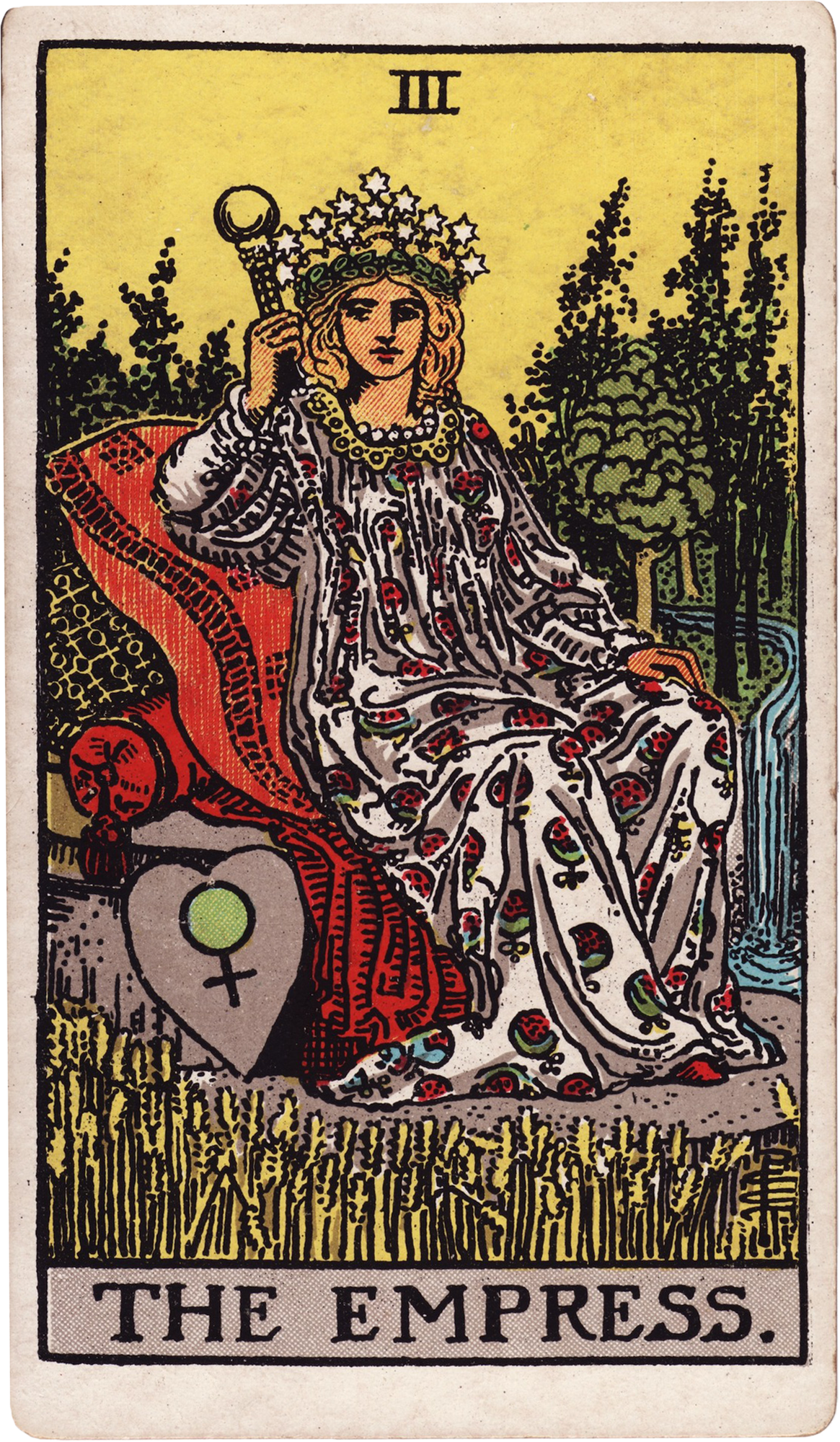 The Empress
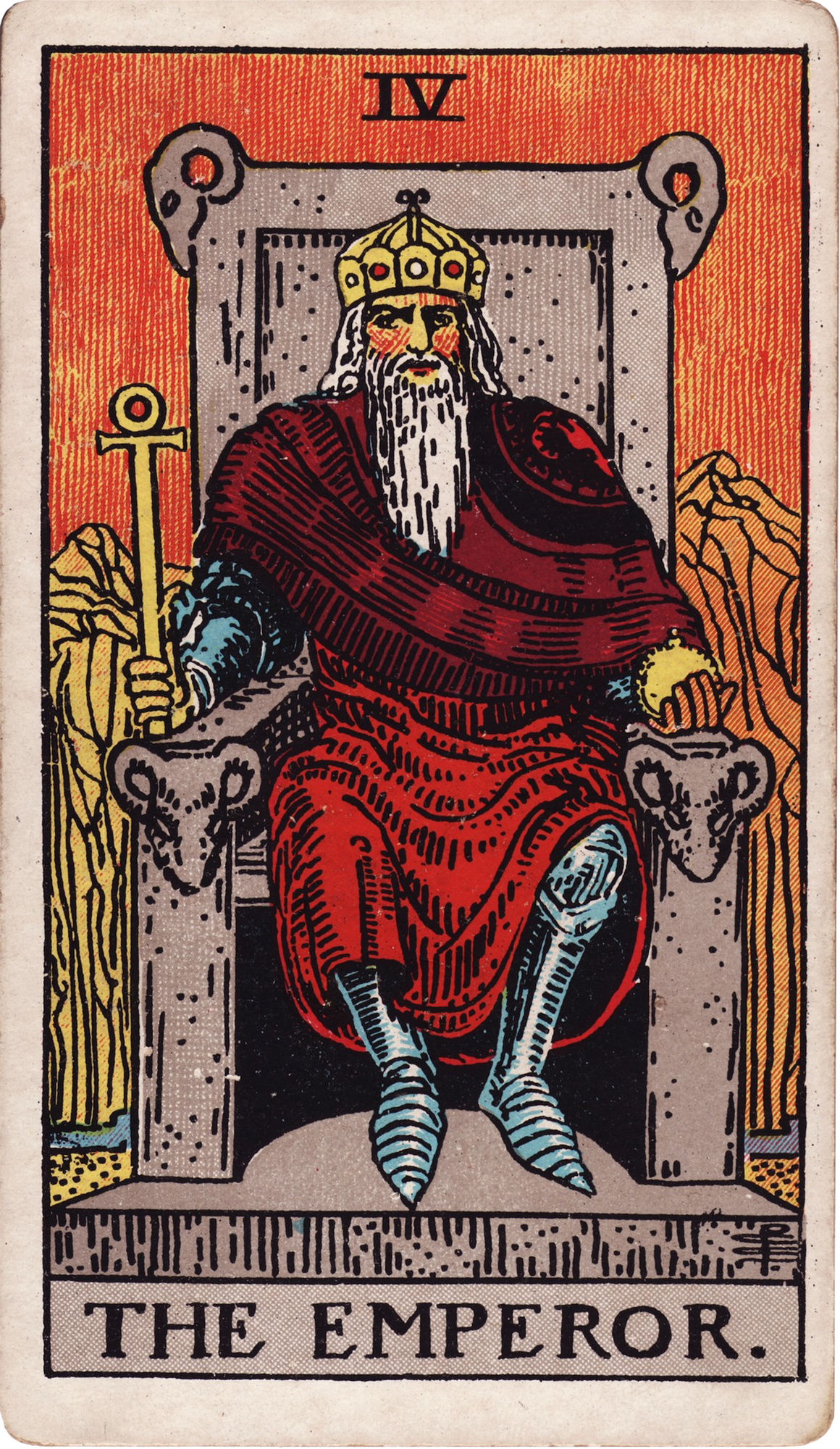 The Emperor
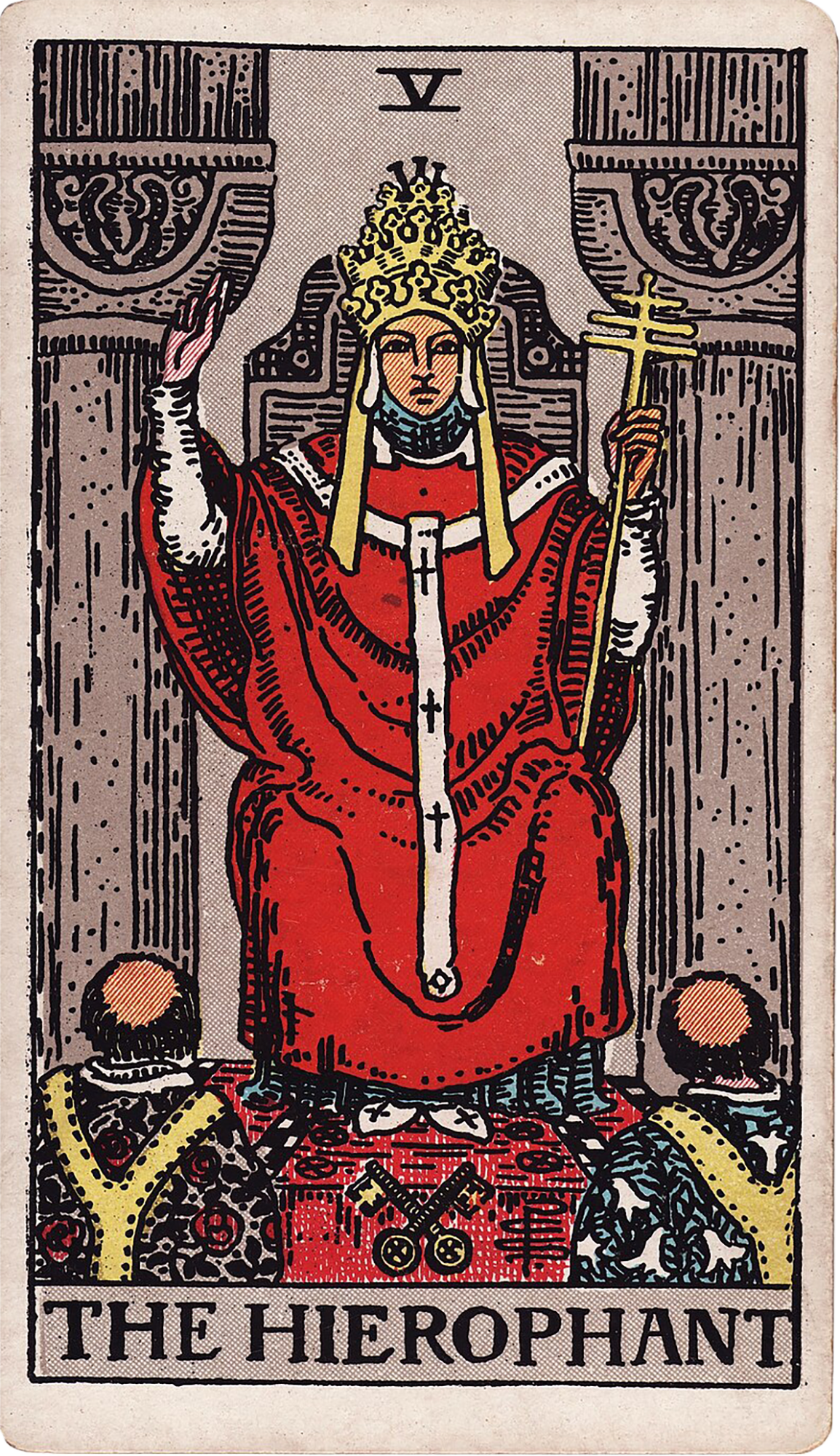 The Hierophant
Introduction to Family Symbolism in Tarot
Tarot cards often encode complex human experiences through archetypal images, with family symbolism being a central theme in many major Arcana cards. The Emperor, The Empress, and The Hierophant each represent distinct facets of familial structures, authority, nurturing, and societal roles. This article uses the supplied Tarot cards—The Emperor, The Empress, and The Hierophant—to explore these layers of meaning, offering learners a grounded approach to interpreting these archetypes in readings. We focus on how their symbolic elements and upright and reversed meanings provide insight into family dynamics, responsibilities, and traditions.
The Emperor as the Archetype of Authority and Structure
The Emperor card traditionally embodies patriarchal authority, order, and disciplined leadership. The supplied upright meaning highlights setting clear boundaries, taking responsibility, and choosing structured systems over chaos. Visually, The Emperor is depicted seated on a throne adorned with ram heads, symbolizing determination and Aries energy, which is associated with pioneering leadership and assertiveness. His scepter and orb represent worldly power and control. In practical readings, The Emperor encourages the querent to confront situations with deliberate actions, clear rules, and personal accountability. For example, in family symbolism, The Emperor might represent a father figure, a guardian of tradition, or the need to establish firm boundaries within family relationships. Reversed, The Emperor warns about rigid control, domination, or outdated structures that no longer serve growth. This can point to family dynamics where authority is misused or resistance to change creates dysfunction. Readers should ask where leadership has become inflexible and how this energy might be balanced or transformed.
The Empress as the Symbol of Nurturing and Growth
The Empress complements The Emperor by embodying fertility, nurturing, and creative abundance within family symbolism. Upright, The Empress urges consistent care and attention to foster growth in people, projects, or relationships. Her imagery—a woman crowned with stars, surrounded by lush nature and the presence of grain—evokes the natural cycles of life and fertility, underscoring the importance of patience and care. Practically, The Empress invites readers to focus on nurturing environments and to work consciously with what is present rather than waiting for ideal conditions. In family-related readings, she often signifies motherhood, caregiving, or the fertile ground from which new family chapters or ideas emerge. When reversed, The Empress signals potential overgiving, creative blocks, or neglect of self-care. It encourages reflection on whether nurturing has become smothering or one-sided. This can translate into family situations where boundaries are blurred or where personal needs are sacrificed, emphasizing the need for balance.
The Hierophant as Custodian of Tradition and Wisdom
The Hierophant stands as the embodiment of established wisdom, societal norms, and institutional knowledge, which are integral to family and community identity. The upright card emphasizes learning from qualified guidance and understanding existing systems before deciding how to engage with them. Visually, the card shows a religious or spiritual leader sitting between two pillars, holding a triple cross staff, symbolizing religious authority and connection between heaven and earth. Within family symbolism, The Hierophant can represent cultural or religious traditions passed down through generations, mentors, or the importance of conforming to or consciously choosing family values and institutions. The card encourages respect for inherited wisdom but also awareness of when to question or reinterpret it. Reversed, The Hierophant cautions against blind conformity, empty rituals without understanding, or rebellion lacking insight. In family contexts, this might highlight tensions between generational expectations and individual authenticity, or the need to break away from harmful traditions.
Practical Techniques for Reading These Cards Together
When The Emperor, The Empress, and The Hierophant appear in a spread, especially in family-related inquiries, their combined symbolism offers a layered narrative: authority and boundaries (The Emperor), nurturing and creative growth (The Empress), and tradition and collective wisdom (The Hierophant). Readers should observe how these energies interact. Example technique: After identifying each card’s upright or reversed position, ask what role each archetype currently plays in the querent’s family life or project. Is there a healthy balance between structure and care? Are traditions supporting or limiting growth? Next, consider the placement in the spread—do these cards suggest a progression (e.g., establishing rules, nurturing a family, then teaching values)? Or conflict (e.g., rigid authority clashing with a desire for nurturing or personal freedom)? Common mistakes include overgeneralizing the cards as simple 'father,' 'mother,' or 'teacher' roles without exploring their deeper qualities, or ignoring reversals which nuance these archetypes significantly. Effective reading integrates both upright strengths and reversed challenges to present a dynamic picture.
Contextualizing the Cards Using Rider-Waite-Smith Symbolism
The supplied cards draw heavily on Rider-Waite-Smith symbolism, which is rich in detailed imagery. The Emperor’s ram heads connect to Aries and assertive energy; his throne’s stability signals structural foundations. The Empress’s natural surroundings, grain, and flowing gown symbolize fertility and abundance, anchoring her as a life-giving force. The Hierophant’s triple cross and the two pillars allude to a bridge between earthly and divine laws, embodying institutional knowledge. Understanding these symbols helps readers interpret nuanced messages. For instance, if The Empress’s lush environment appears overshadowed by The Emperor’s rigid throne, it might suggest nurturing is constrained by strict authority in a given family dynamic. Similarly, The Hierophant’s presence can highlight whether family traditions serve as supportive frameworks or restrictive dogma.
Applying Insights to Family Symbolism Studies
These three cards can serve as archetypal lenses in family symbolism studies beyond Tarot readings. The Emperor represents patriarchal or protective roles that maintain order; The Empress reflects maternal and creative aspects sustaining growth; The Hierophant stands for collective memory, cultural norms, and the transmission of values. Scholars and practitioners can use these cards to explore how families balance authority with care, how traditions are honored or challenged, and how growth occurs within those frameworks. Their upright and reversed states foster nuanced discussions about healthy versus dysfunctional dynamics, making them valuable tools for therapeutic, educational, or spiritual contexts.
Common Interpretive Challenges and How to Overcome Them
One frequent challenge is oversimplification, such as equating The Emperor strictly with a 'father' or The Empress with 'mother,' which can obscure the cards' broader archetypal messages. Another is ignoring reversal nuances that reveal blocks or distortions in these energies. To overcome these, approach each card as a dynamic quality or energy rather than a fixed role. Use the supplied detailed upright and reversed meanings as guides to explore how these energies manifest constructively or when imbalanced. Always contextualize within the querent’s question and spread. A practical tip: Pair visual observation with reflective questioning—what elements in the card’s imagery speak to the current family situation? How do the colors, symbols, and posture express power, care, or tradition? This strengthens interpretive depth.
Reflection and Further Exploration
Reflecting on The Emperor, The Empress, and The Hierophant opens pathways to understanding family dynamics through archetypal symbolism. As a reader, consider how these energies operate within your own life or those you read for. Which energy feels dominant? Which is blocked or needs balancing? Experiment by focusing on one card at a time in your journal or meditations, noting imagery details and emotional responses. Observe how upright and reversed meanings apply not only to family but also to broader social or personal systems. Finally, integrate these insights with other family symbolism cards in your Tarot practice to develop a holistic and nuanced interpretive approach.
Practice questions
• How do the qualities of The Emperor manifest in your understanding of family authority and boundaries?
• In what ways can The Empress’s nurturing energy become overbearing or neglected in family dynamics?
• How does The Hierophant’s role as custodian of tradition influence your personal or cultural family values?
• Can you identify situations where these cards’ reversed meanings reveal hidden tensions or opportunities for growth?
• How can appreciating the visual symbolism in these cards deepen your interpretive skills in practical readings?
Comments
Sign in to comment.
Continue learning
Interpreting the Dance of Justice and The Devil: Balancing Morality and Temptation in Tarot Readings
The combination of Justice and The Devil in tarot presents a profound exploration of morality, temptation, and personal accountability. This article unpacks how these cards influen...
Advanced Techniques for Combining The Moon and The Star to Enhance Intuition in Tarot Readings
This article explores advanced techniques to combine the symbolism and energy of The Moon and The Star Tarot cards to enhance intuition during Tarot readings. Drawing from traditio...
Unlocking Life Insights with the Celtic Cross Tarot Spread
This article offers a thorough exploration of the Celtic Cross Tarot Spread, focusing on its application within family and practical life contexts. Using a worked example featuring...
Unlocking Hidden Meanings with The Hermit and The Hanged Man for Spiritual Growth
This article offers an in-depth exploration of The Hermit and The Hanged Man Tarot cards focusing on their roles in spiritual growth. It guides readers through beginner and advance...
Unlocking Personal Insight with the Seven Card Horseshoe Spread
The Seven Card Horseshoe Spread is a practical and insightful Tarot layout ideal for exploring personal and family dynamics. This article breaks down each position—Past, Present, H...
Mastering the Court Cards of Wands for Unlocking Personal Drive and Leadership
The Court Cards of Wands represent a dynamic spectrum of personal energy, ambition, and leadership potential within the Minor Arcana. This article offers a comprehensive exploratio...
Tracing the Origins and Evolution of The Fool Card in Tarot History
The Fool card holds a foundational place in tarot tradition, symbolizing beginnings, openness, and the embrace of uncertainty. This article traces its origins from early European d...
Techniques for Reading Court Cards to Unlock Personality Insights
Court cards in Tarot often represent people, personality traits, or energy patterns within a situation. This article offers a structured approach for beginners and advanced readers...
Unlocking Emotional Transformation with Death and The Moon Tarot Combination
This article explores the rich and complex interaction between the Death and The Moon tarot cards within the Rider-Waite-Smith tradition, focusing on their combined potential to un...
Applying The Star Card to Foster Hope and Renewal in Personal Growth
The Star card in Tarot symbolizes hope, authenticity, and the process of steady renewal. In a single-card reading, The Star encourages embracing what is present, cultivating openne...