
Exploring the Symbolic Themes and Elemental Associations of the Ace Tarot Cards for New Beginnings
This article offers an in-depth exploration of the Ace tarot cards—Wands, Cups, Swords, and Pentacles—focusing on their symbolic themes, elemental associations, and their significance in representing new beginnings within family symbolism studies. It provides detailed interpretations of each card's upright and reversed meanings, contextualizes their symbolism within the Rider-Waite-Smith tradition, and offers practical guidance on reading techniques and common pitfalls for learners. Anchored by the supplied Ace cards, the discussion includes how these cards can be understood as markers of the initial impulses in creative energy, emotional openness, intellectual clarity, and material opportunity. Readers will gain a thorough understanding of how to approach these powerful archetypes in spreads, interpret their nuances, and connect their elemental qualities to broader family symbolism and life cycles.
Cards explored in this article
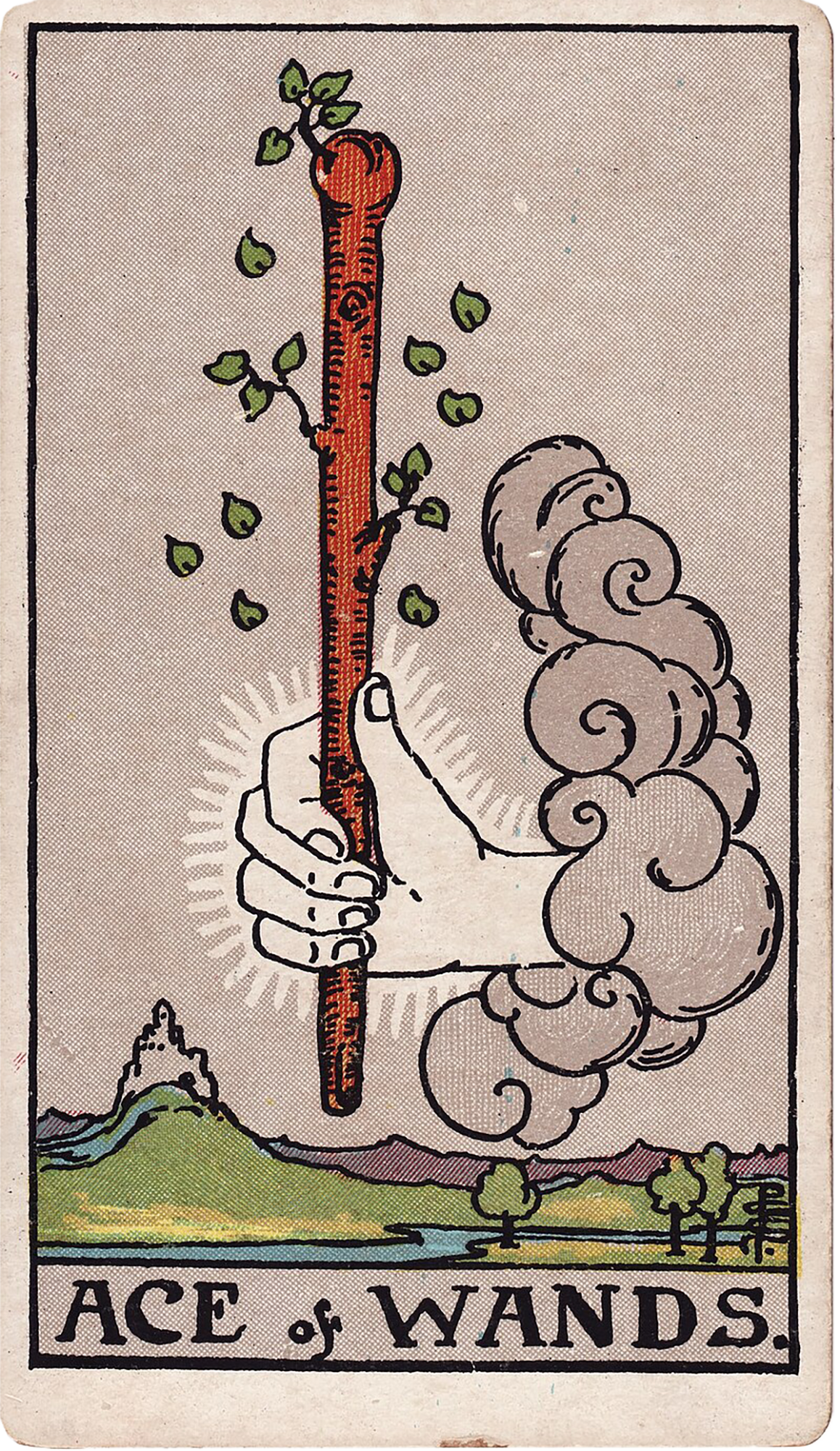 Ace of Wands
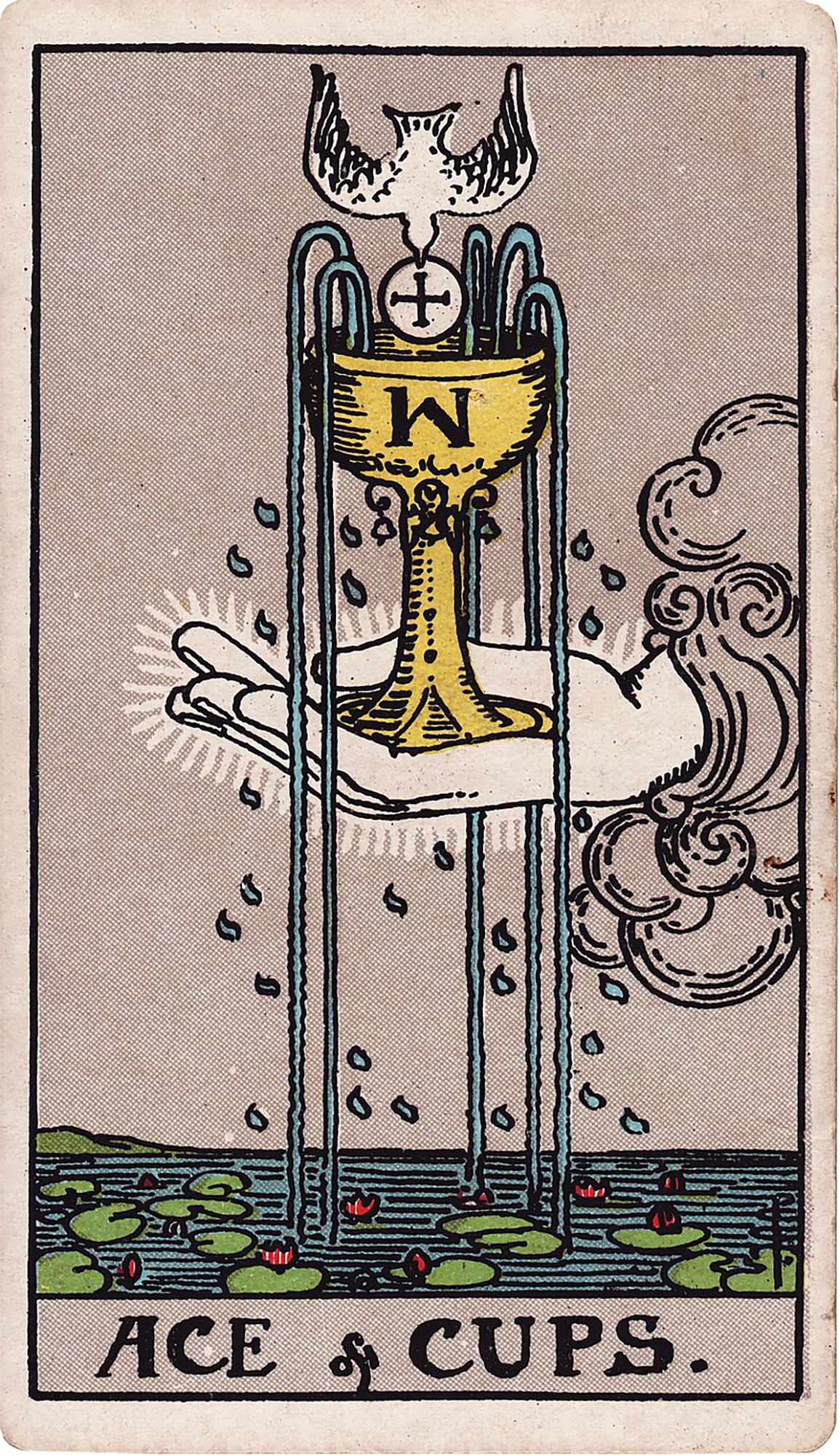 Ace of Cups
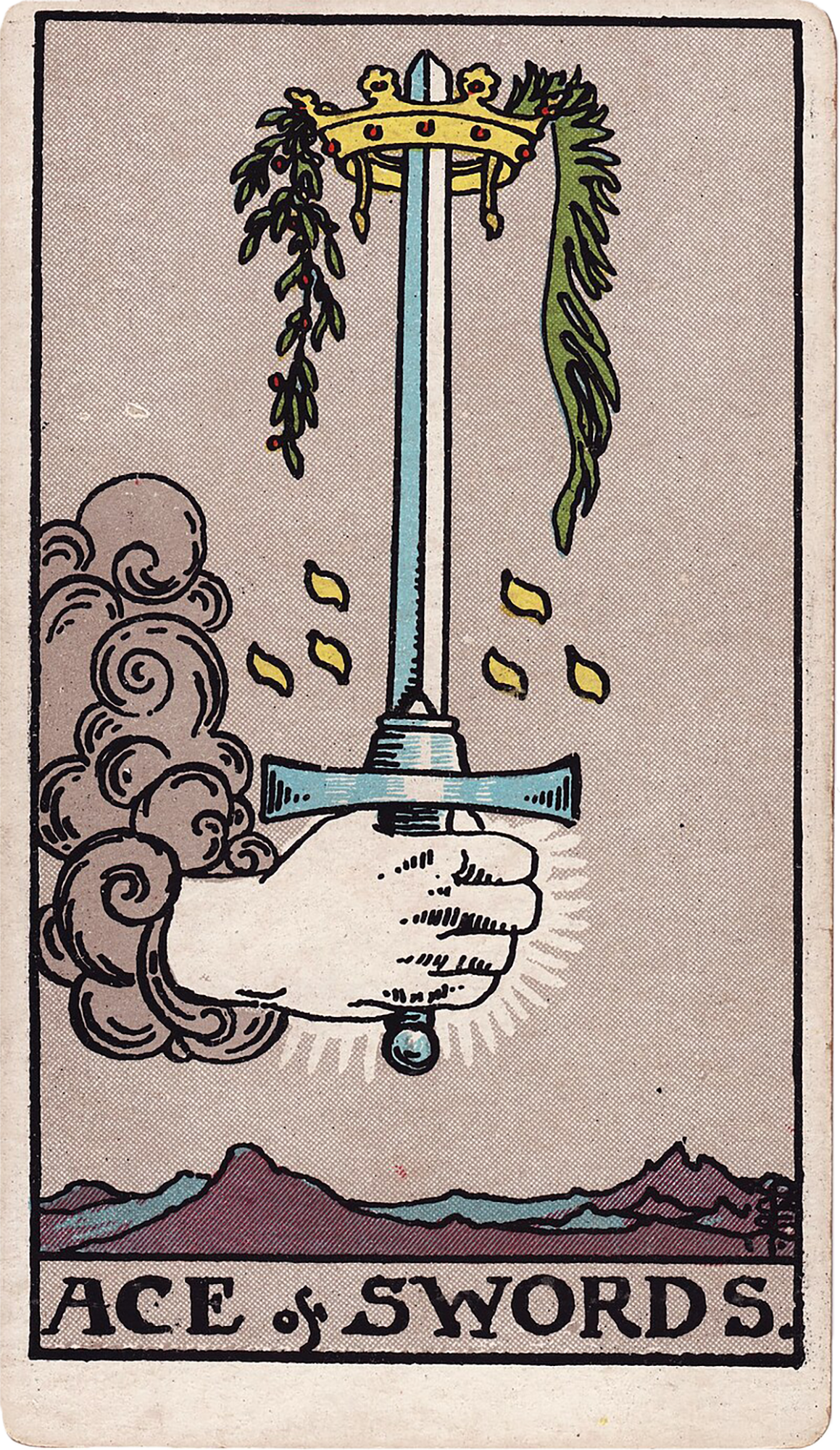 Ace of Swords
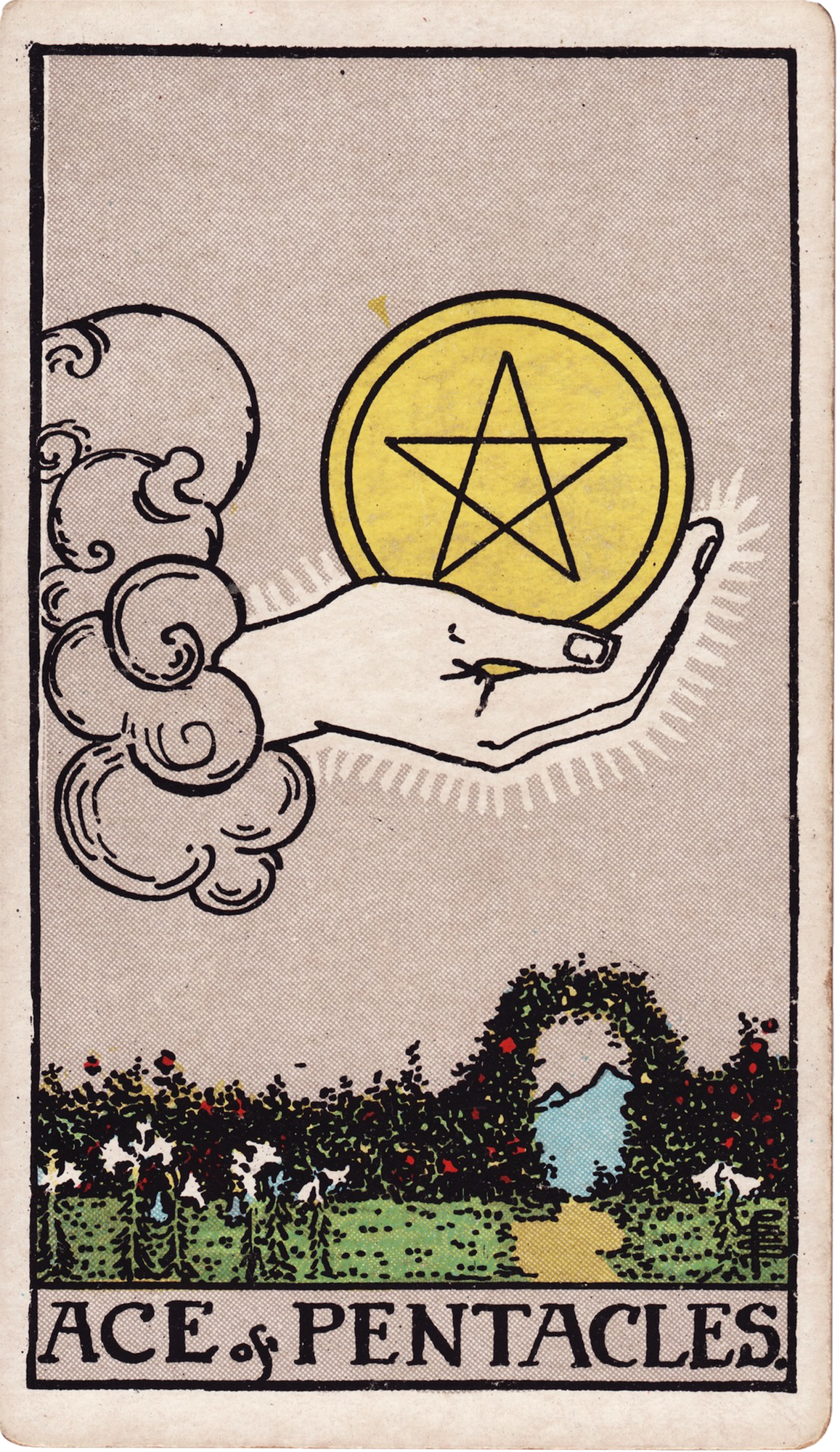 Ace of Pentacles
Introduction to the Ace Tarot Cards as Symbols of New Beginnings
In the tarot, the Aces hold a unique position as the seeds of their respective suits, representing the purest form of elemental energy and the potential for growth. Each Ace signals a new beginning, a fresh impulse, or the genesis of a process. Within the context of family symbolism studies, these cards often highlight the start of new cycles, relationships, or phases that influence familial dynamics. The Ace of Wands, Cups, Swords, and Pentacles each correspond to one of the four classical elements—Fire, Water, Air, and Earth—bringing distinctive energies and lessons. Understanding these elemental associations and symbolic themes deepens the reader’s ability to interpret how new beginnings manifest in various aspects of life, particularly within the family unit where emotional, intellectual, creative, and material forces frequently interplay.
Elemental Associations and Symbolic Themes of the Ace of Wands
The Ace of Wands is associated with the element of Fire, symbolizing energy, motivation, creativity, and the initial spark of ambition. In the Rider-Waite-Smith deck, this card is traditionally depicted as a healthy hand emerging from the clouds, gripping a wooden wand sprouting leaves. This imagery conveys a sudden impulse or inspiration ready to be acted upon. Upright, it represents a new creative project, the birth of identity, or the drive to initiate change. The card’s practical message urges immediate action to harness enthusiasm before it fades. Common in family symbolism, it may indicate a new family venture, the emergence of personal initiative within familial roles, or the start of a transformative phase. The reversed Ace of Wands suggests blocked creativity, premature action, or scattered energy, often manifesting as internal struggles that may not be visible externally. This calls for reflection on what is stalling progress and what steps are needed to realign with the card’s constructive energy.
Emotional Openness and New Beginnings in the Ace of Cups
The Ace of Cups corresponds to the element of Water and represents the opening of emotional channels, compassion, intuition, and the birth of new feelings or relationships. The Rider-Waite-Smith image typically shows a hand emerging from the clouds holding a cup overflowing with water, symbolizing abundance and receptivity. Upright, this card encourages embracing affection, intuitive insights, and emotional creativity. Within family symbolism, it often points to new bonds, healing within relationships, or the start of a compassionate phase. The practical challenge is to nurture these feelings appropriately to allow healthy expression. When reversed, the Ace of Cups highlights emotional blocks, fear of vulnerability, or emotional depletion. It can indicate internal emotional struggles or a need to release unhealthy emotional patterns before the flow of affection and receptivity can resume.
Intellectual Clarity and Breakthrough with the Ace of Swords
Aligned with the element of Air, the Ace of Swords signifies clear thought, decisive communication, and intellectual breakthroughs. The traditional imagery depicts a hand holding an upright sword, often crowned or with a wreath, symbolizing victory and truth cutting through confusion. Upright, this card calls for clarity, strategic thinking, and honest communication. In family symbolism studies, it may represent a breakthrough in understanding, the start of important conversations, or the resolution of conflicts through insight. The card demands a practical response aligned with the present reality rather than abstract ideals. Reversed, the Ace of Swords warns of confusion, misuse of logic, or harshness, suggesting that intellectual energy is misdirected or that truth is being used as a weapon. The lesson is to recognize where reasoning has become distorted and to restore clarity and constructive communication.
Material Opportunities and Foundations in the Ace of Pentacles
The Ace of Pentacles is linked to the Earth element, representing tangible beginnings such as financial opportunities, health, stability, and practical resources. The Rider-Waite-Smith depiction shows a hand emerging from clouds holding a golden pentacle against a lush garden backdrop, symbolizing potential for growth and material abundance. Upright, the card signals a chance to build stable foundations through care, consistent effort, and realistic planning. Within family contexts, this may relate to new sources of income, health improvements, or the solidification of family routines and structures. The reversed Ace of Pentacles serves as a caution against missed opportunities, scarcity thinking, or attempts to reap rewards without proper groundwork. It invites reflection on where foundations need strengthening and where practical attention must be renewed.
Practical Reading Techniques for Interpreting the Aces of Wands, Cups, Swords, and Pentacles
When reading the Ace cards, it is crucial to approach them not as vague omens but as invitations to engage with the initial phase of a process. Start by identifying the elemental domain the card governs—creative energy (Wands), emotional depth (Cups), intellectual clarity (Swords), or material reality (Pentacles). Evaluate the surrounding cards in the spread to determine whether the Ace's energy is in its nascent stage, developing, reaching a critical moment, or moving towards resolution. For example, an Ace of Wands accompanied by the Three of Wands may suggest that a creative project is beginning to expand, while with the Five of Cups, an Ace of Cups might indicate the possibility of emotional healing after loss. Avoid treating reversals simply as the opposite of upright meanings; instead, examine where the process is blocked or imbalanced. Reflect on whether the querent is holding back, facing internal conflicts, or rushing prematurely. Practical interpretation also involves linking the card’s message to the querent’s real-life context, especially how new beginnings might manifest within their family dynamics.
Common Mistakes and How to Avoid Them When Working with Ace Cards
One frequent error is to view the Aces purely as lucky or universally positive cards without considering their practical demands. Each Ace signals potential that requires conscious action to be realized. Ignoring the card’s directive to respond appropriately to the present stage can lead to misreadings. Another mistake is treating reversed Aces as simply negative, whereas they often point to subtle internal blockages or lessons not yet fully integrated. Overlooking the elemental associations or the symbolism embedded in the imagery reduces the richness of interpretation. For example, failing to notice the flourishing leaves on the Ace of Wands or the overflowing cup on the Ace of Cups can diminish understanding of growth and abundance themes. To avoid these pitfalls, always ground interpretations in both the card’s traditional symbolism and the querent’s lived experience, using the surrounding cards as contextual guides.
Connecting the Ace Cards to Family Symbolism Studies
From the perspective of family symbolism studies, the Ace cards can be seen as markers of new phases or impulses within familial systems. The Ace of Wands might represent a family member’s burgeoning initiative or a creative project that affects the family dynamic. The Ace of Cups often points to new emotional connections, reconciliations, or the birth of empathy within family relationships. The Ace of Swords can signal breakthroughs in communication or the arrival of clarity that resolves longstanding misunderstandings. The Ace of Pentacles frequently denotes the establishment of financial stability, health improvements, or the creation of supportive routines that benefit the family unit. Understanding these cards within this framework helps readers appreciate how elemental energies interact with family processes, emphasizing the importance of timing, nurturing, and practical engagement in sustaining new beginnings.
Summary and Practical Application for Learners
The Ace tarot cards serve as powerful symbols of new beginnings that are rich with elemental energy and practical significance. By closely examining the upright and reversed meanings of the Ace of Wands, Cups, Swords, and Pentacles, learners can develop nuanced interpretations that honor the card’s call to action, emotional openness, intellectual clarity, or material grounding. Paying attention to the Rider-Waite-Smith imagery helps anchor these meanings visually, fostering deeper connection with the cards. Practical reading methods include assessing surrounding cards for developmental context and avoiding simplistic reversed interpretations. In family symbolism studies, these Aces illuminate the initial stages of change within relationships and systems, making them invaluable tools for exploring how new cycles emerge and evolve. Through careful study and application, learners can harness the Aces’ symbolic power to guide querents toward meaningful new beginnings.
Practice questions
• How does the elemental nature of each Ace card influence its interpretation in a reading focused on new beginnings?
• In what ways can the symbolism of the Ace of Cups inform our understanding of emotional dynamics within a family system?
• What practical steps can a tarot reader take to avoid common mistakes when interpreting reversed Ace cards?
• How might the Ace of Pentacles represent not just financial opportunities but also foundational shifts in family routines or health?
• How does considering the surrounding cards enhance the clarity of the Ace cards’ message in a spread?
Comments
Sign in to comment.
Continue learning
Interpreting the Dance of Justice and The Devil: Balancing Morality and Temptation in Tarot Readings
The combination of Justice and The Devil in tarot presents a profound exploration of morality, temptation, and personal accountability. This article unpacks how these cards influen...
Advanced Techniques for Combining The Moon and The Star to Enhance Intuition in Tarot Readings
This article explores advanced techniques to combine the symbolism and energy of The Moon and The Star Tarot cards to enhance intuition during Tarot readings. Drawing from traditio...
Unlocking Life Insights with the Celtic Cross Tarot Spread
This article offers a thorough exploration of the Celtic Cross Tarot Spread, focusing on its application within family and practical life contexts. Using a worked example featuring...
Unlocking Hidden Meanings with The Hermit and The Hanged Man for Spiritual Growth
This article offers an in-depth exploration of The Hermit and The Hanged Man Tarot cards focusing on their roles in spiritual growth. It guides readers through beginner and advance...
Unlocking Personal Insight with the Seven Card Horseshoe Spread
The Seven Card Horseshoe Spread is a practical and insightful Tarot layout ideal for exploring personal and family dynamics. This article breaks down each position—Past, Present, H...
Mastering the Court Cards of Wands for Unlocking Personal Drive and Leadership
The Court Cards of Wands represent a dynamic spectrum of personal energy, ambition, and leadership potential within the Minor Arcana. This article offers a comprehensive exploratio...
Tracing the Origins and Evolution of The Fool Card in Tarot History
The Fool card holds a foundational place in tarot tradition, symbolizing beginnings, openness, and the embrace of uncertainty. This article traces its origins from early European d...
Techniques for Reading Court Cards to Unlock Personality Insights
Court cards in Tarot often represent people, personality traits, or energy patterns within a situation. This article offers a structured approach for beginners and advanced readers...
Unlocking Emotional Transformation with Death and The Moon Tarot Combination
This article explores the rich and complex interaction between the Death and The Moon tarot cards within the Rider-Waite-Smith tradition, focusing on their combined potential to un...
Applying The Star Card to Foster Hope and Renewal in Personal Growth
The Star card in Tarot symbolizes hope, authenticity, and the process of steady renewal. In a single-card reading, The Star encourages embracing what is present, cultivating openne...