
Exploring the Symbolism and Elemental Associations of the Four Tarot Suits for Deeper Insight
This article delves into the core symbolism and elemental correspondences of the four Tarot suits, emphasizing practical reading methods using the Ace cards—Ace of Wands, Ace of Cups, Ace of Swords, and Ace of Pentacles. By understanding the traditional Rider-Waite-Smith imagery and the intrinsic lessons contained within these Aces, readers will gain a grounded framework for interpreting suit energy in various contexts. We explore how to recognize suit qualities, common interpretive errors, and how elemental associations enhance intuitive and analytical reading approaches.
Cards explored in this article
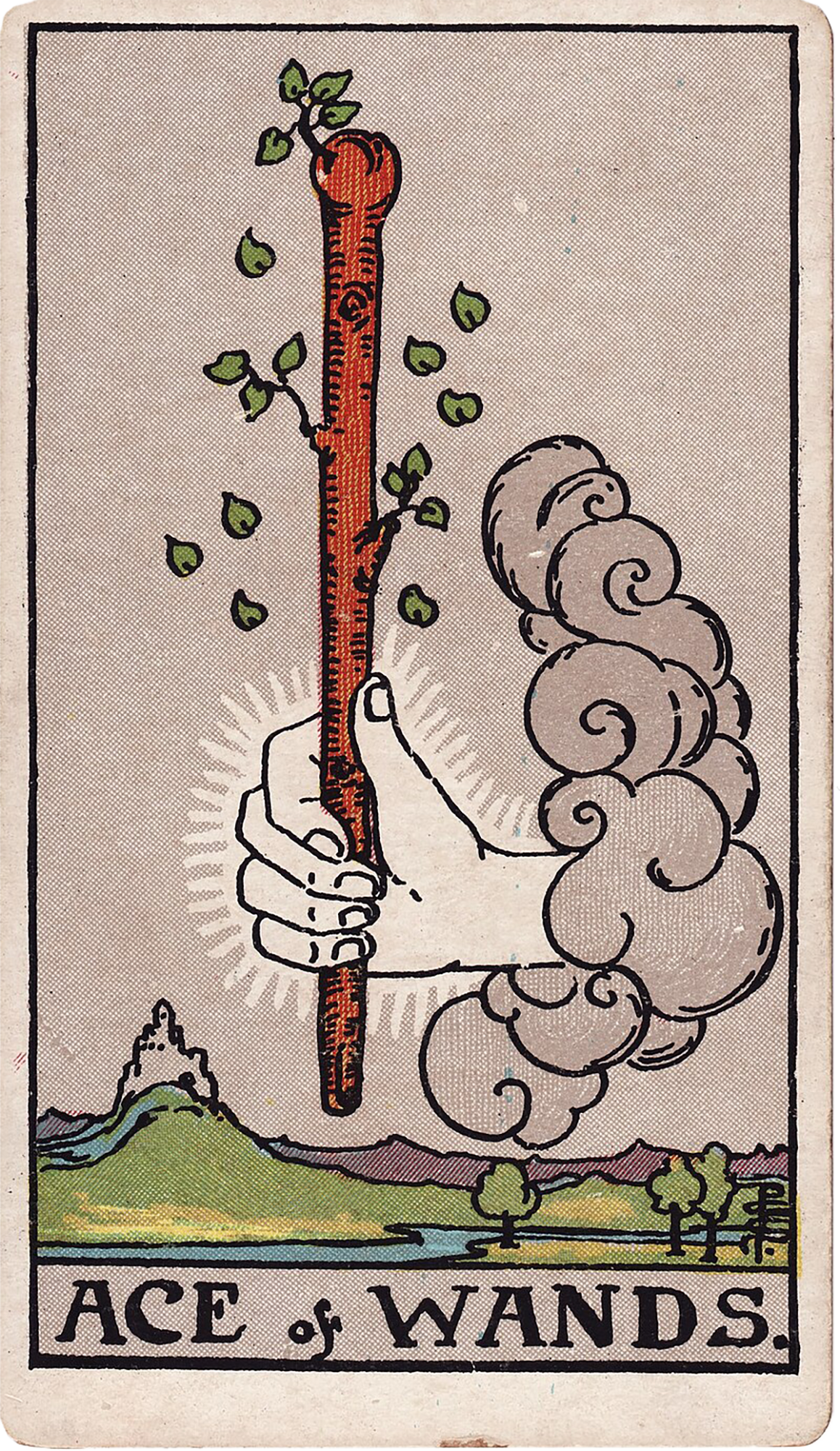 Ace of Wands
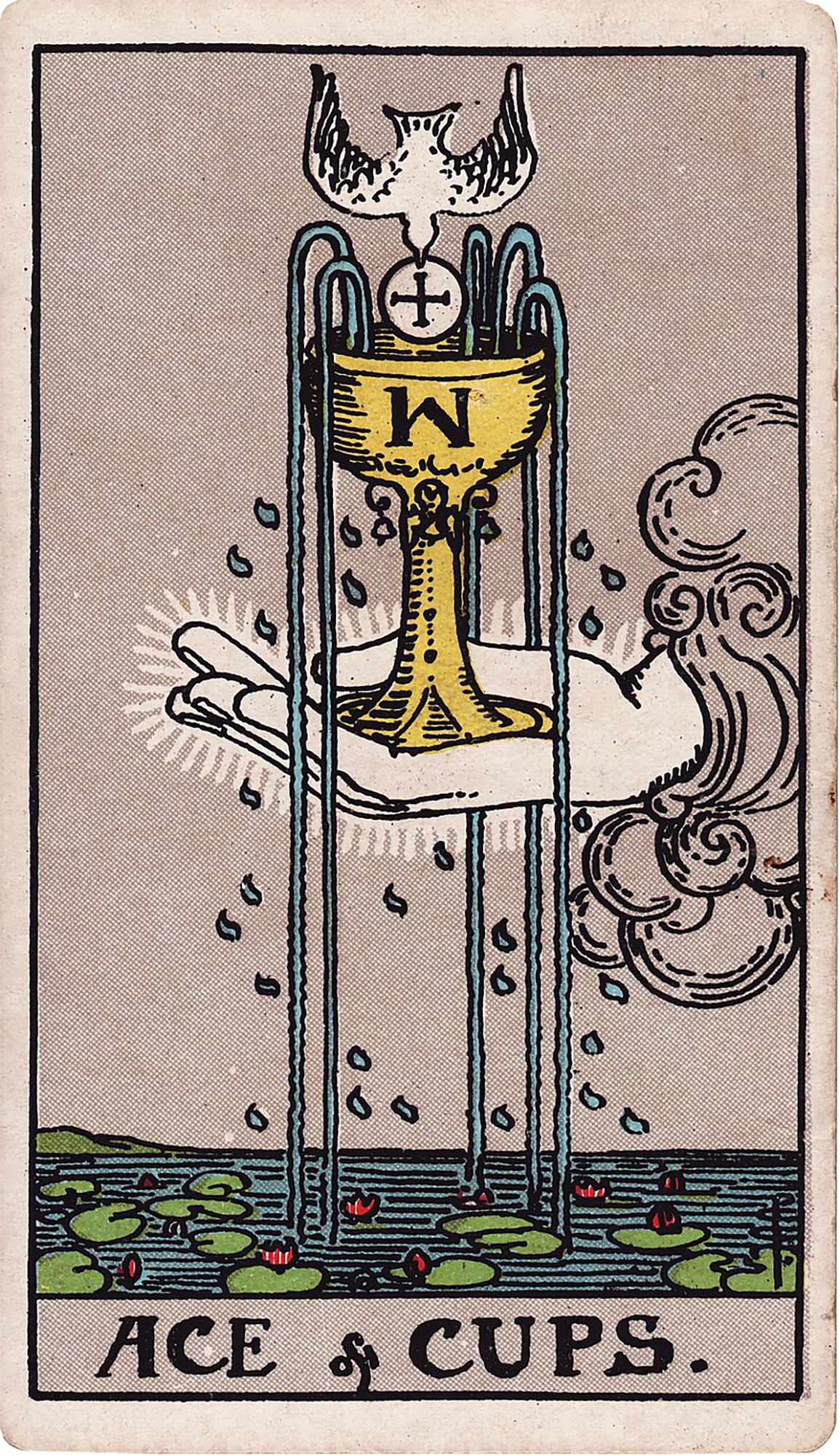 Ace of Cups
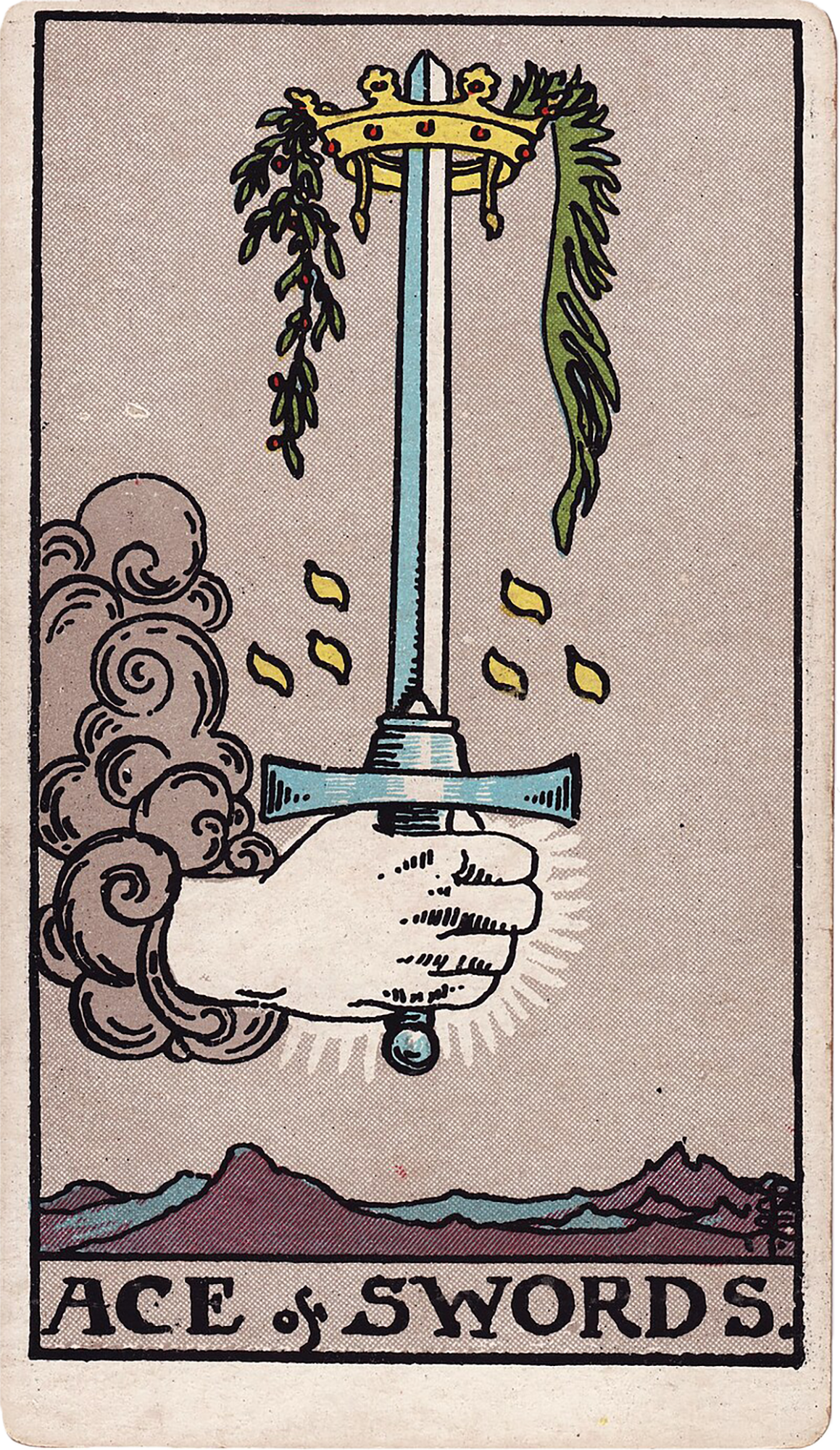 Ace of Swords
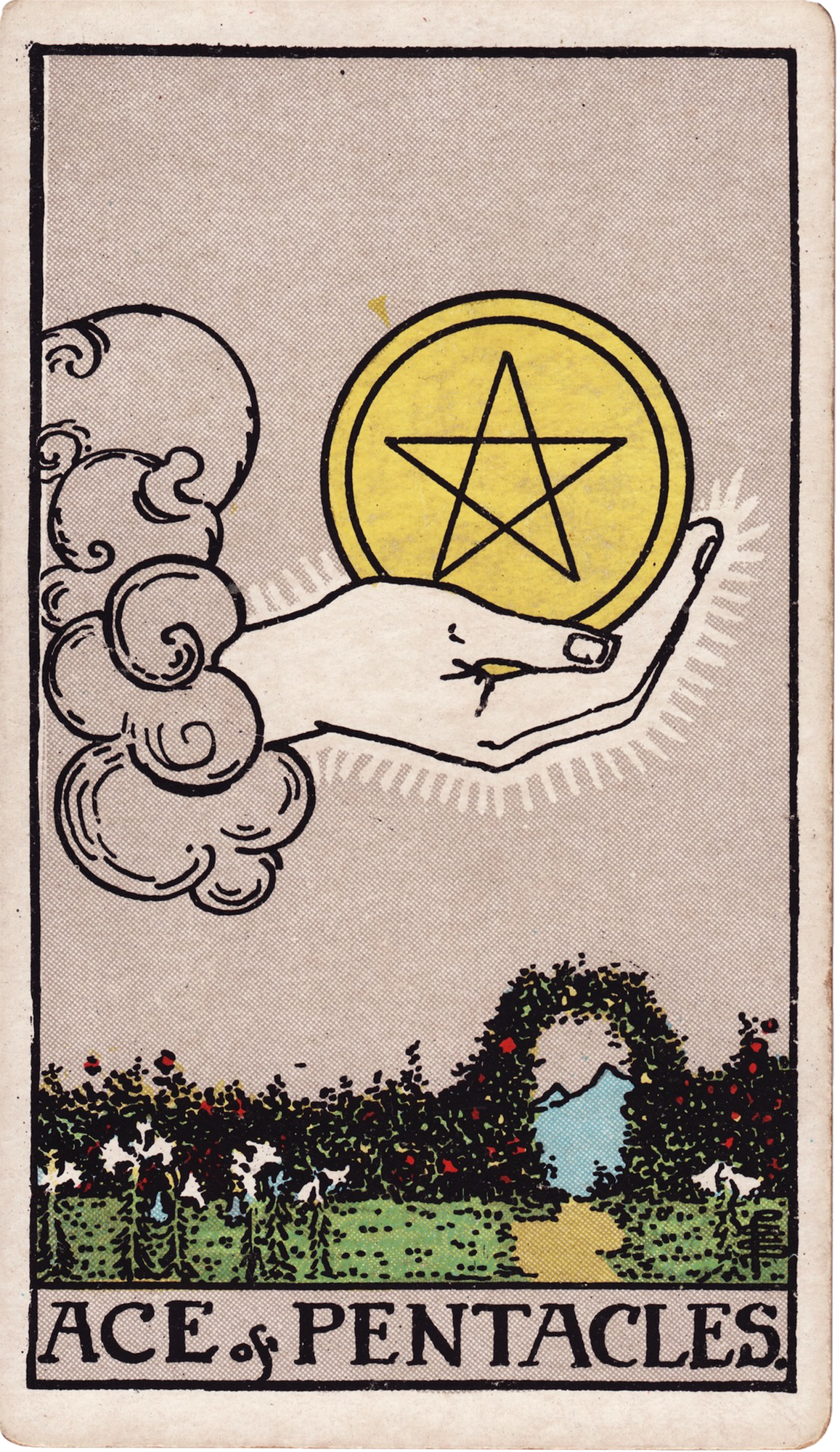 Ace of Pentacles
Introduction to the Four Suits and Their Symbolism
The Tarot deck’s four suits—Wands, Cups, Swords, and Pentacles—serve as foundational pillars representing different aspects of human experience. Each suit correlates with a classical element: Fire (Wands), Water (Cups), Air (Swords), and Earth (Pentacles). These elemental correspondences inform the suits’ themes, emotional texture, and the types of issues they address in readings. Understanding these elemental roots helps readers recognize the underlying energy patterns present in a spread and situate interpretations within a broader symbolic system. The suits also form a family unit within the Minor Arcana, providing a structural lens through which complex life themes, including family dynamics and personal growth, can be explored.
Wands and the Element of Fire Illustrated by the Ace of Wands
The Ace of Wands, illustrated traditionally with a hand emerging from a cloud holding a blossoming wand, signals the spark of new energy, creativity, and initiative. This card embodies the Fire element’s qualities—motivation, ambition, and dynamic growth. In practical readings, the Ace of Wands highlights a moment when inspired action is required to capitalize on emerging opportunities. The upright card encourages a response grounded in present circumstances rather than idealized visions, urging the querent to take the first practical step toward realization. Reversed, it reveals internal blocks such as scattered excitement or hesitation, reminding readers not to reduce the card to a simplistic opposite but to explore what is impeding forward momentum. The symbolism of a vibrant sprouting wand vividly captures the suit’s essence as the driver of identity and energetic direction.
Cups and the Element of Water Demonstrated by the Ace of Cups
The Ace of Cups visually presents a hand offering a chalice overflowing with water, symbolizing emotional abundance, receptivity, and intuitive openness. Rooted in the Water element, Cups govern feelings, relationships, and memory, reflecting the fluid nature of emotional processing. Upright, this card suggests an opening of the emotional field—whether new affection, compassion, or creative feeling—and asks for an authentic, timely response within the current emotional landscape. Reversed, it points to emotional blockages, fear of vulnerability, or feelings unexpressed, indicating internal struggles that may not yet be evident externally. For readers, the Ace of Cups is a powerful indicator that nurturing emotional openness is essential in the situation and that interpretations should balance sensitivity with practical advice.
Swords and the Element of Air as Seen in the Ace of Swords
The Ace of Swords features a hand grasping an upright sword, often crowned or surrounded by light, embodying clarity, intellectual breakthrough, and decisive communication—the hallmarks of the Air element. Swords deal with thought processes, truth-seeking, conflict, and strategy. The upright Ace of Swords signals a moment of insight or the need for clear decision-making that cuts through confusion. It invites the querent to engage with mental clarity and honesty tailored to the present context rather than abstract ideals. The reversed card indicates misused logic, harsh judgment, or confusion, emphasizing the importance of identifying where mental processes have become unbalanced or weaponized. The imagery of the sword piercing through the air symbolizes the cutting power of truth and reason central to this suit.
Pentacles and the Element of Earth Illustrated by the Ace of Pentacles
The Ace of Pentacles traditionally shows a hand presenting a coin or pentacle, symbolizing tangible resources, material beginnings, and grounded opportunities. Associated with the Earth element, Pentacles address work, money, health, physical routines, and long-term stability. Upright, this card indicates the presence of a promising material foundation that requires practical care and consistent effort to flourish. It calls for a realistic response that matches the current stage of development. When reversed, the Ace of Pentacles warns of missed opportunities, poor planning, or scarcity thinking, highlighting internal blocks or external oversight. The suit’s linkage to the physical world is vividly illustrated in the grounded imagery and the focus on concrete outcomes, reminding readers to prioritize sustainable, realistic action steps.
Practical Techniques for Reading the Four Suits Using the Aces
The Aces of each suit provide ideal entry points for learning how to interpret suit symbolism and elemental energy in Tarot. When these cards appear, they typically highlight the core challenges or opportunities related to their respective domains. A practical reading technique involves assessing whether the Ace energy is initiating a process, developing, facing pressure, or moving toward resolution—clues often discerned through surrounding cards. It is also important to differentiate between upright and reversed positions not as simple opposites but as indicators of where the energy is blocked, excessive, or underdeveloped. For example, the Ace of Wands reversed might suggest scattered initiative, while the Ace of Cups reversed points to emotional depletion. Using the Aces as focal points anchors interpretations, making it easier to extrapolate the suit’s broader meaning within the context of the reading.
Common Mistakes and How to Avoid Them
One frequent error readers make is treating reversed cards as mere negatives of their upright meanings, which oversimplifies the nuanced messages these cards convey. Each reversed Ace invites an inquiry into internal blockages or developmental stages rather than a simple denial of energy. Another common mistake is ignoring elemental correlations, which can lead to generic or disconnected interpretations. Integrating knowledge of Fire, Water, Air, and Earth enriches the reading by connecting suit themes to universal natural forces. Additionally, failing to consider the practical context of the reading—such as the querent’s current life stage—can result in abstract or irrelevant advice. Anchoring interpretations in the imagery and traditional Rider-Waite-Smith symbolism of the Aces, as provided here, helps maintain clarity and relevance.
Interpreting Family Dynamics Through Suit Symbolism
Within the topic of family symbolism studies, the four suits offer a deep well of insight to interpret family roles, dynamics, and emotional patterns. Wands can represent individual ambition and identity formation within the family unit, Cups reflect emotional bonds and relational harmony or tension, Swords reveal communication styles, conflicts, and mental legacies, while Pentacles highlight material security, health, and practical caregiving. The Ace cards from each suit, as exemplified by the supplied images, can mark new phases or challenges in family life—whether it is the spark of a new family role (Wands), the opening of emotional expression (Cups), a necessary conversation or decision (Swords), or a shift in resources or stability (Pentacles). Using the elemental framework allows readers to see how these aspects interrelate and evolve within familial contexts.
Conclusion and Integrative Practice
By closely studying the symbolism and elemental associations of the four Tarot suits through the lens of the Ace cards, readers gain a robust foundation for nuanced, practical interpretation. The Rider-Waite-Smith imagery offers clear, archetypal visuals that anchor these abstract concepts, facilitating intuitive and analytical balance. Practitioners are encouraged to approach each Ace not merely as a sign of beginnings but as a snapshot of current energy status with potential blockages or excesses. Integrating elemental knowledge, contextual sensitivity, and the practical techniques discussed will enhance the depth and accuracy of readings, particularly in complex areas such as family symbolism. As always, ongoing practice and reflection deepen mastery and insight.
Practice questions
• How does understanding the elemental association of each suit enhance your interpretation of the cards?
• In what ways can the upright and reversed meanings of the Ace cards guide you toward identifying blocked or excessive energies in a reading?
• How might the symbolism of the four suits apply to understanding family relationships or dynamics in a Tarot spread?
• What strategies can you use to avoid common interpretive mistakes when working with the four suits?
• How do the Rider-Waite-Smith images of the Ace cards help you connect abstract symbolism to practical reading advice?
Comments
Sign in to comment.
Continue learning
Interpreting the Dance of Justice and The Devil: Balancing Morality and Temptation in Tarot Readings
The combination of Justice and The Devil in tarot presents a profound exploration of morality, temptation, and personal accountability. This article unpacks how these cards influen...
Advanced Techniques for Combining The Moon and The Star to Enhance Intuition in Tarot Readings
This article explores advanced techniques to combine the symbolism and energy of The Moon and The Star Tarot cards to enhance intuition during Tarot readings. Drawing from traditio...
Unlocking Life Insights with the Celtic Cross Tarot Spread
This article offers a thorough exploration of the Celtic Cross Tarot Spread, focusing on its application within family and practical life contexts. Using a worked example featuring...
Unlocking Hidden Meanings with The Hermit and The Hanged Man for Spiritual Growth
This article offers an in-depth exploration of The Hermit and The Hanged Man Tarot cards focusing on their roles in spiritual growth. It guides readers through beginner and advance...
Unlocking Personal Insight with the Seven Card Horseshoe Spread
The Seven Card Horseshoe Spread is a practical and insightful Tarot layout ideal for exploring personal and family dynamics. This article breaks down each position—Past, Present, H...
Mastering the Court Cards of Wands for Unlocking Personal Drive and Leadership
The Court Cards of Wands represent a dynamic spectrum of personal energy, ambition, and leadership potential within the Minor Arcana. This article offers a comprehensive exploratio...
Tracing the Origins and Evolution of The Fool Card in Tarot History
The Fool card holds a foundational place in tarot tradition, symbolizing beginnings, openness, and the embrace of uncertainty. This article traces its origins from early European d...
Techniques for Reading Court Cards to Unlock Personality Insights
Court cards in Tarot often represent people, personality traits, or energy patterns within a situation. This article offers a structured approach for beginners and advanced readers...
Unlocking Emotional Transformation with Death and The Moon Tarot Combination
This article explores the rich and complex interaction between the Death and The Moon tarot cards within the Rider-Waite-Smith tradition, focusing on their combined potential to un...
Applying The Star Card to Foster Hope and Renewal in Personal Growth
The Star card in Tarot symbolizes hope, authenticity, and the process of steady renewal. In a single-card reading, The Star encourages embracing what is present, cultivating openne...