
Exploring the Symbolism and Elemental Correspondences of the Ace of Wands Ace of Cups Ace of Swords and Ace of Pentacles
This article offers a comprehensive study of the four Aces from the Tarot Minor Arcana—Wands, Cups, Swords, and Pentacles—focusing on their symbolism, elemental correspondences, and practical interpretation methods. By analyzing the upright and reversed contexts of each card, readers will gain insight into how to approach these powerful cards in readings. Grounded in traditional Rider-Waite-Smith imagery and enhanced by contemporary understanding, the article supports Tarot learners in recognizing core themes, common reading pitfalls, and techniques for integrating the elemental energies represented by these cards into meaningful interpretations.
Cards explored in this article
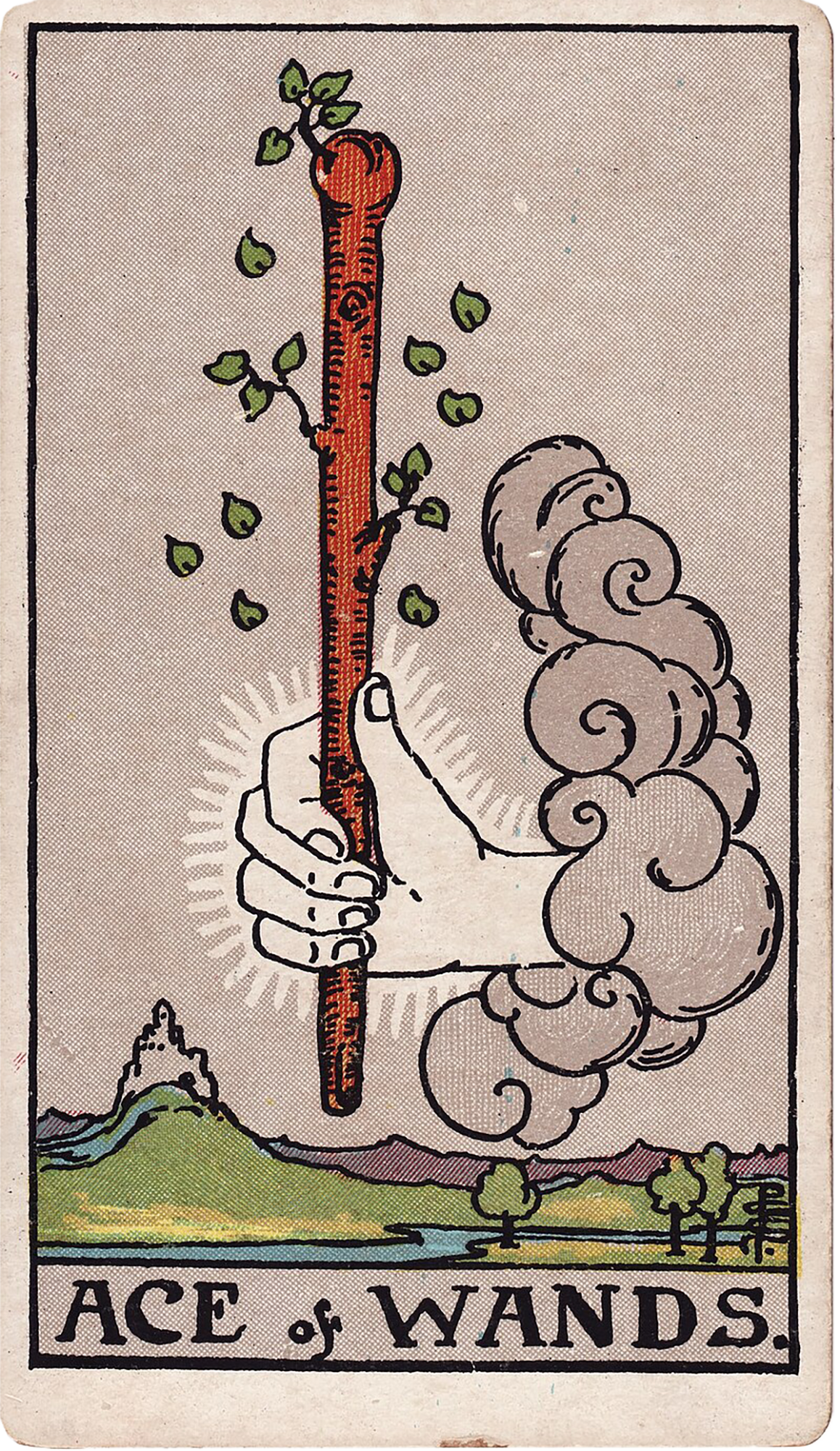 Ace of Wands
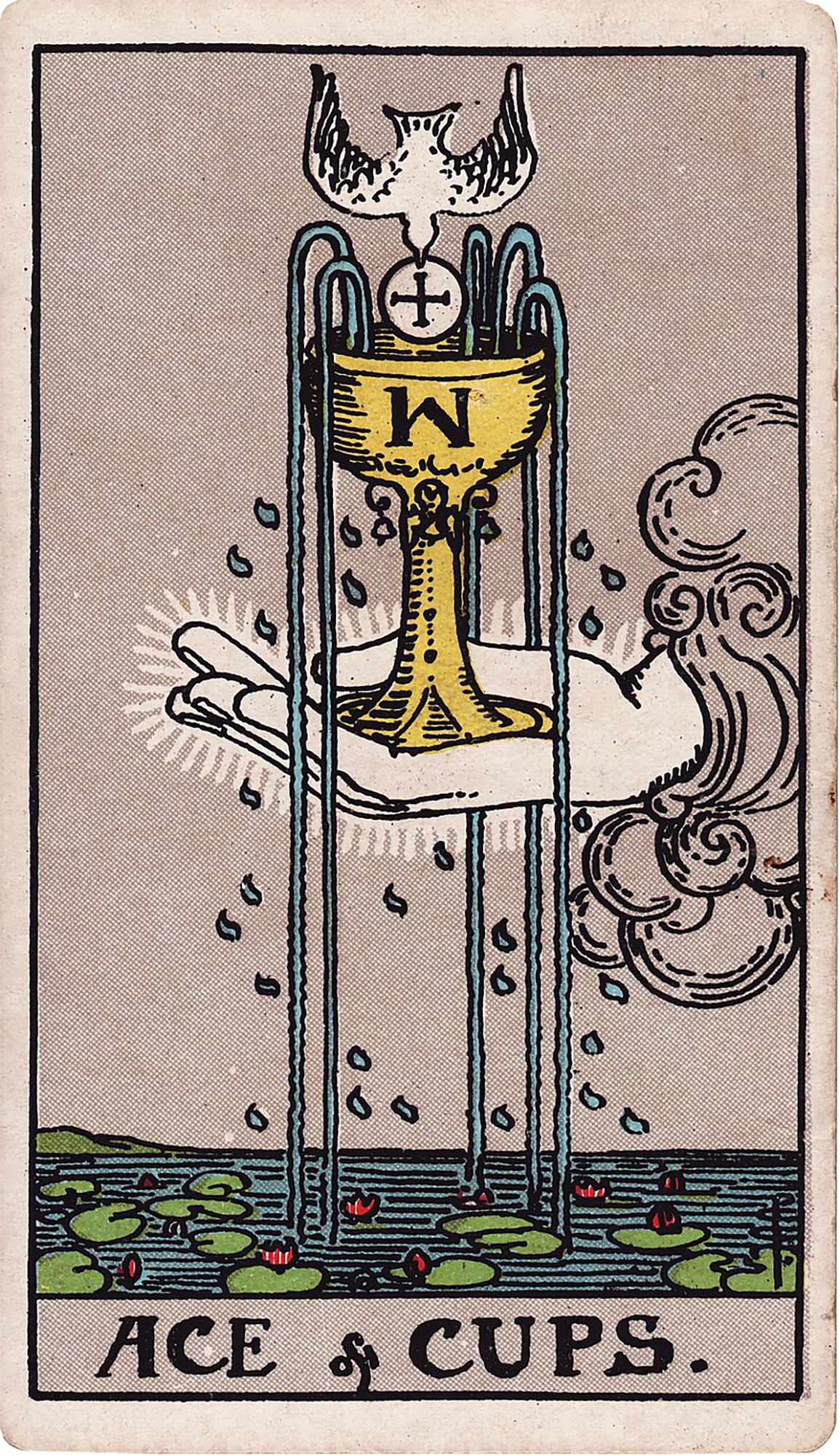 Ace of Cups
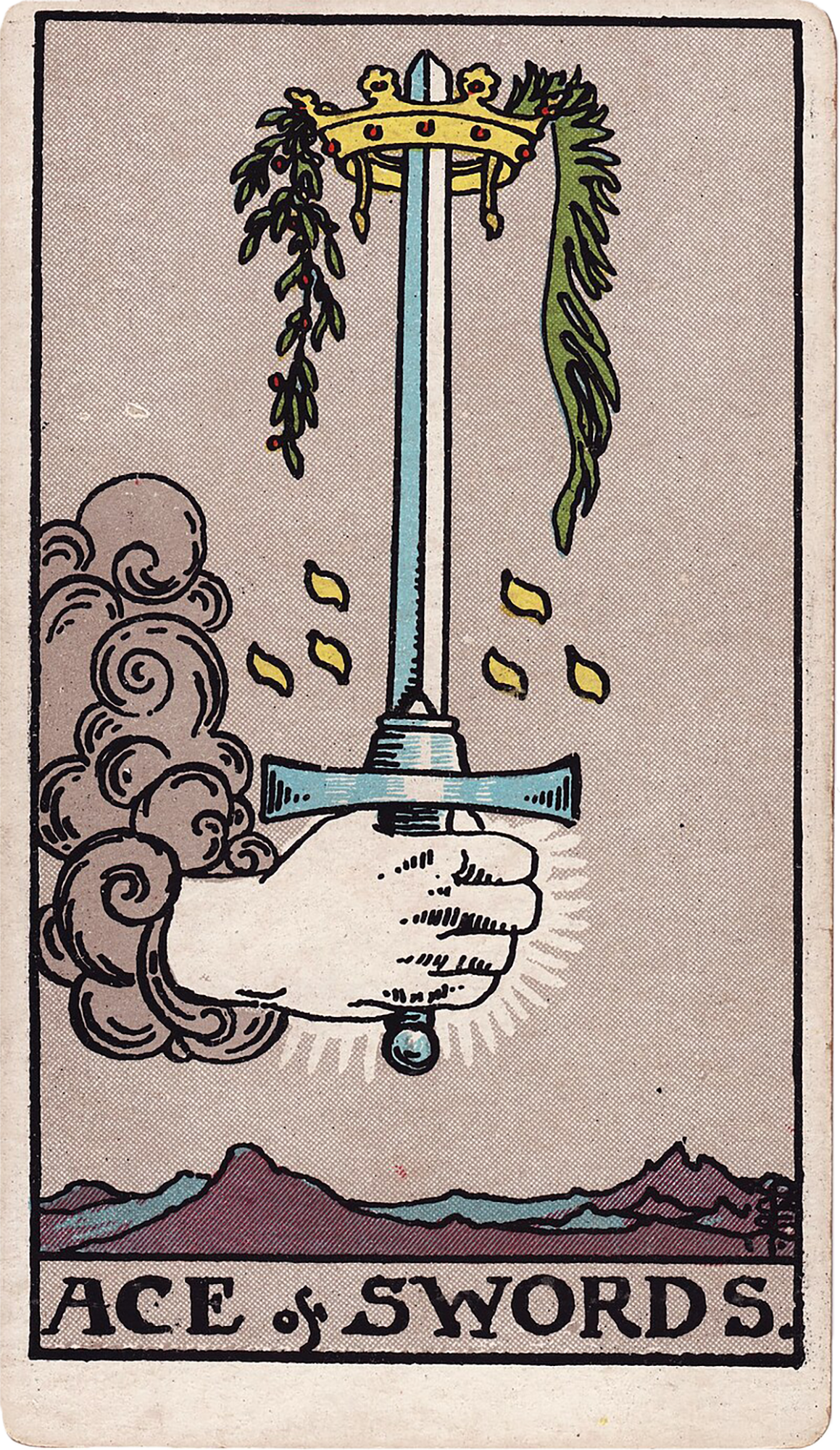 Ace of Swords
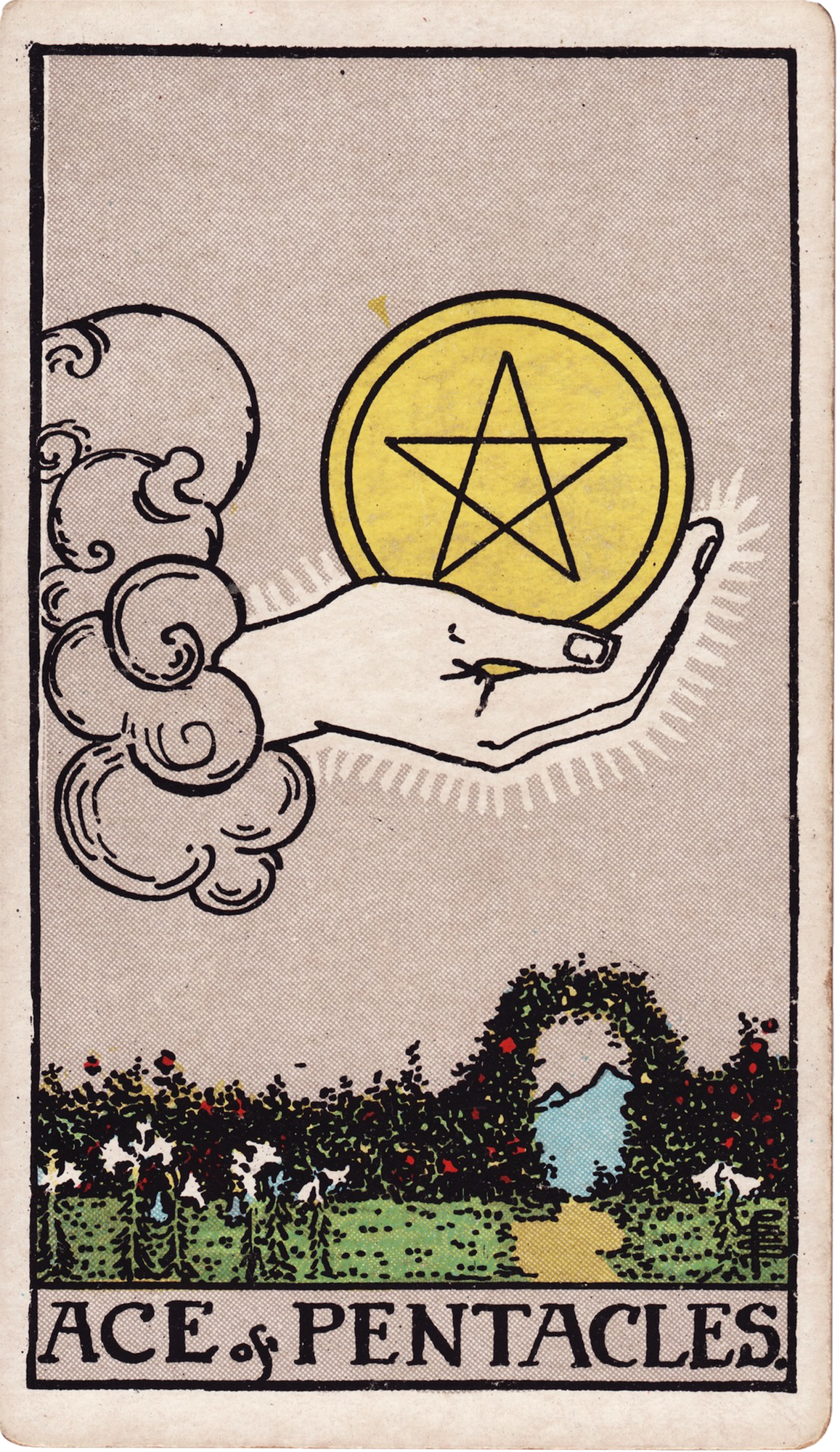 Ace of Pentacles
Introduction to the Aces and Their Unique Role in Tarot
The four Aces in Tarot—Ace of Wands, Ace of Cups, Ace of Swords, and Ace of Pentacles—serve as potent symbols of beginnings, potential, and foundational energies within their respective suits. Unlike other cards, Aces represent raw elemental forces in concentrated form, offering insight into fresh impulses or openings in a reading. Their imagery, rooted in the Rider-Waite-Smith tradition, clearly ties each Ace to one of the classical elements: fire, water, air, and earth. Understanding these elemental correspondences is essential for interpreting their meanings accurately, as well as for recognizing the practical call to action or awareness each card presents. This article will delve deeply into these cards, exploring upright and reversed meanings, symbolism, and how to use them effectively in Tarot practice.
Ace of Wands Symbolism and Elemental Correspondence
The Ace of Wands is a fiery card, symbolizing the element of fire, which governs creativity, ambition, motivation, and energy. The Rider-Waite-Smith imagery typically depicts a hand emerging from a cloud, holding a sprouting wand—signifying new growth and potential in the realm of action and initiative. Upright, this card highlights a new impulse eager for expression, urging a practical response aligned with the current stage of development, rather than abstract ideals. It asks: where is the spark visible now, and what first action can solidify this energy constructively? The card’s association with identity and directed energy means it often points to a core task becoming clearer, whether that task is to start a project, embrace creativity, or assert oneself. Reversed, the Ace of Wands draws attention to blocked or scattered inspiration, premature or hesitant action, and internal struggles with motivation. It’s important not to simply invert the upright meanings but to investigate where the flow of creative energy is stuck and what needs acknowledgment or release to restore healthy function.
Ace of Cups Symbolism and Elemental Correspondence
Representing the element of water, the Ace of Cups embodies the emotional and intuitive realms. The traditional imagery shows a hand emerging from a cloud holding a chalice often overflowing with water, symbolizing emotional abundance, compassion, and the opening of the heart. Upright, this card signals an opening in the emotional field—affection, receptivity, or creative feeling seeking expression. It calls for a response that fits the current emotional climate, encouraging the acknowledgment of feelings and relationship dynamics already present. Cups govern intuition, memory, and emotional processing, so the Ace can help clarify the emotional core of a situation, whether it is beginning, developing, or resolving. When reversed, the Ace of Cups points to emotional blockages, depletion, or fear of vulnerability. This reversal indicates the emotional process has become stuck internally and requires simplification, practice, or communication to restore flow, rather than merely negating the upright meaning.
Ace of Swords Symbolism and Elemental Correspondence
The Ace of Swords is linked with the element of air, representing mental clarity, truth, communication, and decisive insight. The Rider-Waite-Smith card typically shows a hand emerging from a cloud gripping a double-edged sword crowned by a wreath or halo, symbolizing breakthrough and intellectual power. Upright, it highlights a clear insight, decisive conversation, or a mental breakthrough that cuts through confusion. This card asks for practical engagement with the situation—a call to use logical reasoning, strategic communication, or truth-seeking to navigate the present moment. The suit of Swords encompasses thought patterns, conflict, and consequences of mental habits, so the Ace can illuminate the core intellectual challenge or opportunity. Reversed, the Ace of Swords warns of harshness, confusion, misused logic, or premature judgments. The blockage is often internal, suggesting the need to simplify or acknowledge distorted thinking before healthier intellectual clarity can re-emerge.
Ace of Pentacles Symbolism and Elemental Correspondence
Connected to the element of earth, the Ace of Pentacles symbolizes material beginnings, tangible opportunities, and resources. The Rider-Waite-Smith imagery often depicts a hand offering a golden pentacle emerging from a cloud, set against a lush garden, signaling fertile ground for growth and manifestation. Upright, this card points to practical opportunities that require consistent care and effort to develop into lasting value—in areas such as work, health, financial matters, or the physical body. It invites a grounded response, encouraging the querent to recognize where material or routine foundations can be strengthened. The suit of Pentacles deals with the physical and material, so this Ace clarifies the core practical issue at hand. When reversed, it highlights missed opportunities, scarcity thinking, or attempts to reap rewards without solid groundwork. Like other reversals, it suggests internal blockage and a need for reassessment and adjustment to restore effective material engagement.
Techniques for Reading and Interpreting the Aces Together
In practice, reading the Aces together involves recognizing how their elemental energies interact and complement each other within a spread. Each Ace represents a specific domain of experience: Wands for creative impetus, Cups for emotional openness, Swords for intellectual clarity, and Pentacles for material foundation. When multiple Aces appear, it often signals simultaneous new beginnings across different life areas or a potent opportunity to balance elemental energies. For example, the Ace of Wands might indicate the spark of a creative project, while the Ace of Pentacles suggests a concrete opportunity to support it financially or physically. Using surrounding cards to assess whether the energy is emerging, developing, or resolving helps tailor the reading to the querent’s context. Avoid the common mistake of treating Aces as solely positive omens; their reversals and nuanced meanings remind readers to consider whether energies are blocked, premature, or require conscious nurturing. Effective reading also involves grounding interpretations in the card imagery to maintain a visual and symbolic connection during the session.
Common Mistakes and How to Avoid Them in Ace Interpretations
A frequent error in reading Aces is to reduce them to generic 'new beginning' cards without exploring the specific elemental and symbolic nuances. Beginners often overlook the practical aspect emphasized in the upright meanings, ignoring how the card asks for a response appropriate to the present moment rather than idealized futures. Another mistake is to treat reversed Aces as simple opposites to upright meanings, which can lead to confusion. Instead, it’s essential to ask where the process is stuck and what might be needed to realign energies. Additionally, failing to integrate the surrounding cards can result in incomplete readings; the context determines whether the Ace’s energy is nascent, developing, or undergoing pressure. Maintaining an awareness of the Rider-Waite-Smith imagery—such as the sprouting wand, overflowing cup, crowned sword, or fertile pentacle—helps anchor interpretations and prevents overly abstract or detached readings.
Practical Exercises for Deepening Understanding of the Four Aces
To deepen your understanding of the Ace of Wands, Cups, Swords, and Pentacles, try the following exercises: First, meditate on the imagery of each card individually, focusing on the elemental symbols and what feelings or thoughts arise. Next, journal daily experiences and note any situations that resonate with the energy of one or more Aces, reflecting on how those energies manifested practically. Third, conduct mini-readings using spreads that feature one or more Aces, paying close attention to how the cards’ upright or reversed positions influence your interpretation within a real-life context. Fourth, compare your readings to the traditional Rider-Waite-Smith meanings and observe where your intuitive insights align or diverge. Finally, practice asking reflective questions such as 'What new impulse is calling for expression here?' or 'Where is energy blocked or scattered?' to cultivate a nuanced and embodied approach to these foundational cards.
Conclusion Integrating Symbolism and Practical Reading Strategies
The Aces of Wands, Cups, Swords, and Pentacles embody elemental forces that are foundational to Tarot interpretation. By closely studying their symbolism, elemental correspondences, and the balance between upright and reversed meanings, learners can move beyond superficial readings toward insightful, contextually grounded interpretations. The practical aspect of these cards—a call for an appropriate response fitting the moment—is central to unlocking their power in a spread. Rooting interpretations in the Rider-Waite-Smith imagery ensures a stable visual and symbolic anchor, while awareness of common pitfalls helps avoid misinterpretation. With practice, readers learn to detect how these elemental energies interplay and influence the querent’s circumstances, making the Aces invaluable keys for understanding beginnings, potential, and necessary action in Tarot.
Practice questions
• How do the elemental associations of each Ace influence their meaning in a reading?
• In what ways can the reversed position of an Ace provide insight beyond simply being the opposite of the upright?
• How can you use the imagery of the Rider-Waite-Smith cards to ground your interpretations of the Aces?
• What practical actions or responses does each Ace encourage you to consider in a reading context?
• How might multiple Aces appearing in a spread interact to shape a more nuanced interpretation?
Comments
Sign in to comment.
Continue learning
Interpreting the Dance of Justice and The Devil: Balancing Morality and Temptation in Tarot Readings
The combination of Justice and The Devil in tarot presents a profound exploration of morality, temptation, and personal accountability. This article unpacks how these cards influen...
Advanced Techniques for Combining The Moon and The Star to Enhance Intuition in Tarot Readings
This article explores advanced techniques to combine the symbolism and energy of The Moon and The Star Tarot cards to enhance intuition during Tarot readings. Drawing from traditio...
Unlocking Life Insights with the Celtic Cross Tarot Spread
This article offers a thorough exploration of the Celtic Cross Tarot Spread, focusing on its application within family and practical life contexts. Using a worked example featuring...
Unlocking Hidden Meanings with The Hermit and The Hanged Man for Spiritual Growth
This article offers an in-depth exploration of The Hermit and The Hanged Man Tarot cards focusing on their roles in spiritual growth. It guides readers through beginner and advance...
Unlocking Personal Insight with the Seven Card Horseshoe Spread
The Seven Card Horseshoe Spread is a practical and insightful Tarot layout ideal for exploring personal and family dynamics. This article breaks down each position—Past, Present, H...
Mastering the Court Cards of Wands for Unlocking Personal Drive and Leadership
The Court Cards of Wands represent a dynamic spectrum of personal energy, ambition, and leadership potential within the Minor Arcana. This article offers a comprehensive exploratio...
Tracing the Origins and Evolution of The Fool Card in Tarot History
The Fool card holds a foundational place in tarot tradition, symbolizing beginnings, openness, and the embrace of uncertainty. This article traces its origins from early European d...
Techniques for Reading Court Cards to Unlock Personality Insights
Court cards in Tarot often represent people, personality traits, or energy patterns within a situation. This article offers a structured approach for beginners and advanced readers...
Unlocking Emotional Transformation with Death and The Moon Tarot Combination
This article explores the rich and complex interaction between the Death and The Moon tarot cards within the Rider-Waite-Smith tradition, focusing on their combined potential to un...
Applying The Star Card to Foster Hope and Renewal in Personal Growth
The Star card in Tarot symbolizes hope, authenticity, and the process of steady renewal. In a single-card reading, The Star encourages embracing what is present, cultivating openne...