
Exploring the Symbolism and Elemental Correspondences of the Ace Tarot Cards
The Ace cards in tarot represent powerful beginnings and elemental energies that set the tone for the suits they belong to. This article explores the symbolism and elemental correspondences of the Ace of Wands, Ace of Cups, Ace of Swords, and Ace of Pentacles, focusing on the practical interpretation of their upright and reversed meanings. Anchored in Rider-Waite-Smith imagery, the article offers techniques for understanding these cards in readings, common interpretative challenges, and advice on how to integrate their lessons into a coherent narrative for learners.
Cards explored in this article
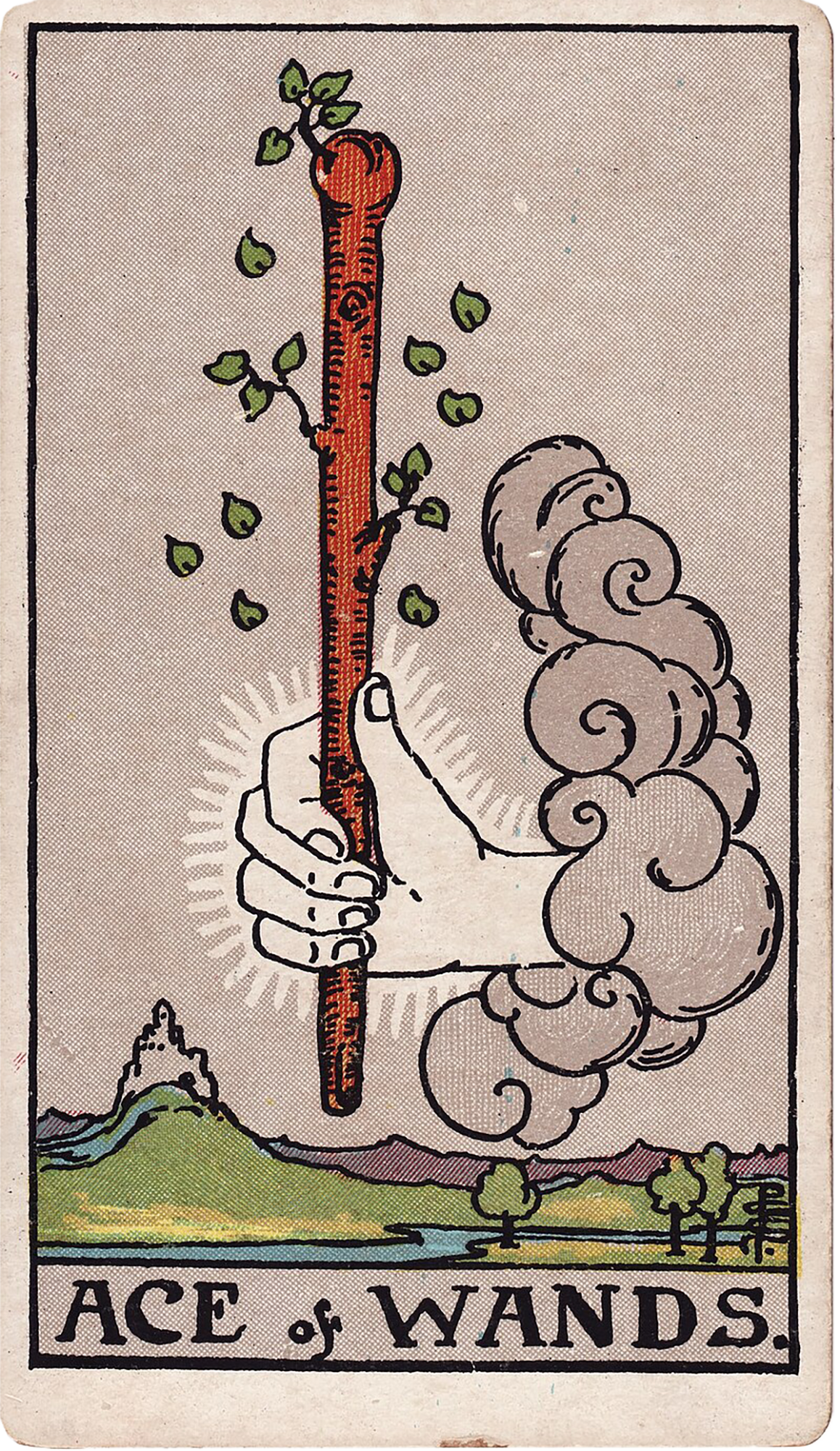 Ace of Wands
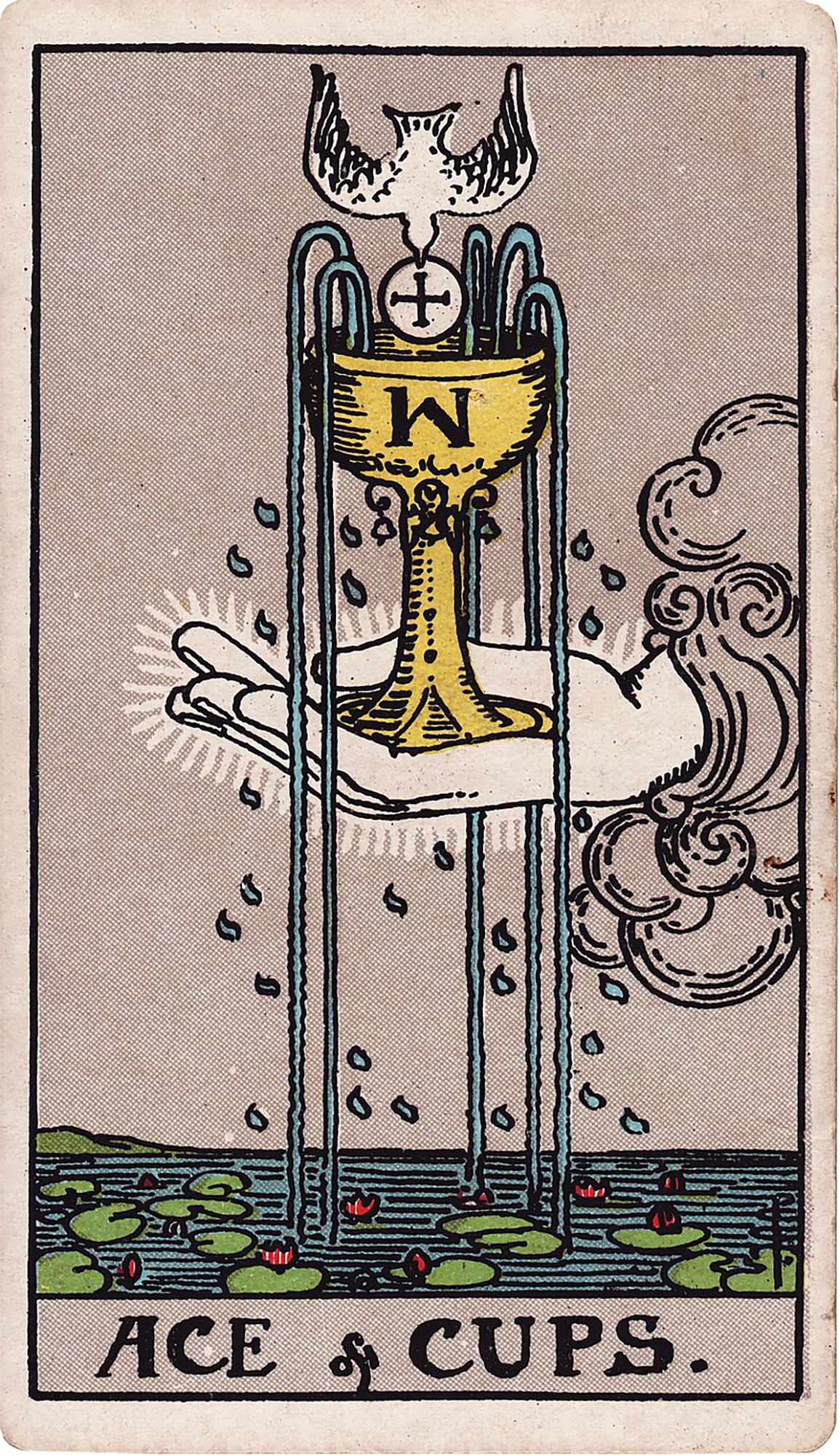 Ace of Cups
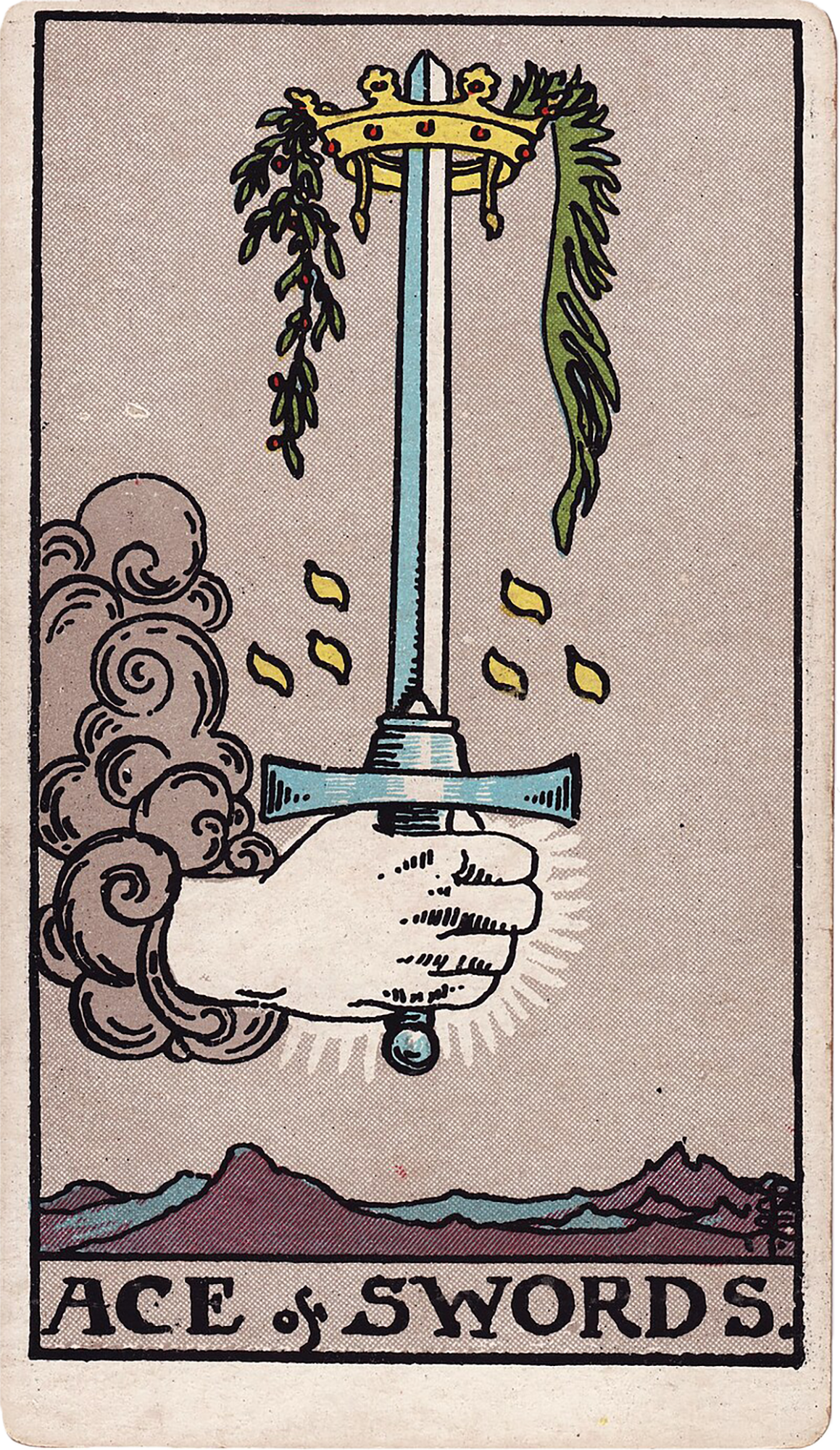 Ace of Swords
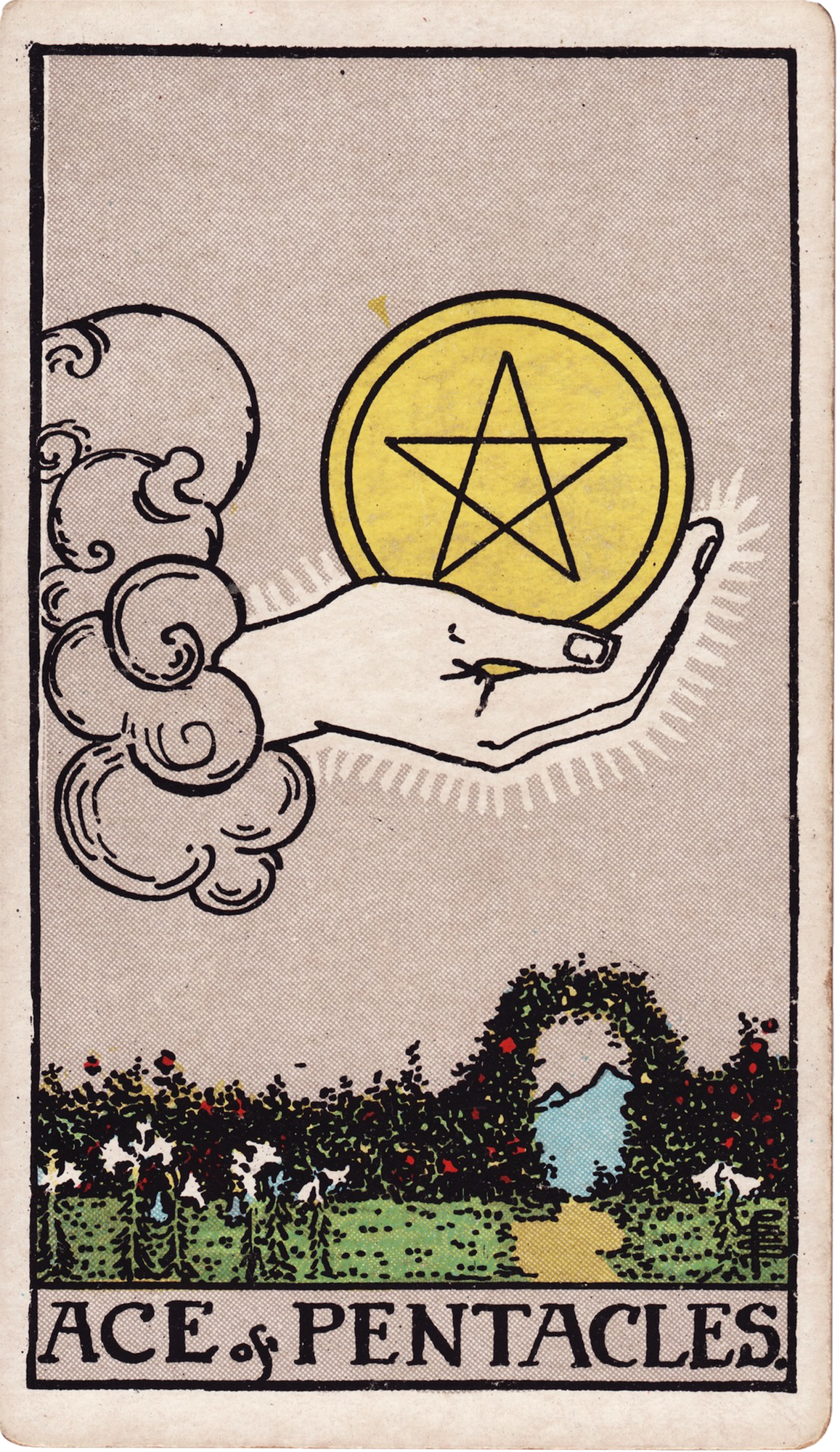 Ace of Pentacles
Introduction to Ace Cards and Their Elemental Foundations
In tarot, the Ace cards mark the purest expression of their suit's energy, symbolizing potential, initiation, and the first impulse that leads to growth. Each Ace is associated with one of the four classical elements, which underpins its symbolism and practical use in readings. Understanding these elemental correspondences allows readers to connect the cards’ meanings to broader themes and natural cycles. The Ace of Wands corresponds to Fire, representing motivation, creativity, and dynamic energy. The Ace of Cups aligns with Water, symbolizing emotions, intuition, and relational flow. The Ace of Swords connects to Air, embodying thought, clarity, and communication. The Ace of Pentacles associates with Earth, highlighting material foundations, resources, and practicality. Throughout this article, we will examine each Ace card's symbolism in detail, focusing on how they manifest in upright and reversed positions, how the Rider-Waite-Smith imagery supports their interpretation, and how to apply their lessons in practical reading scenarios.
Ace of Wands Symbolism and Interpretation
The Ace of Wands is visually striking in Rider-Waite-Smith decks, typically depicting a single, flourishing wand or staff emerging from a hand, often surrounded by leaves or light. This imagery underscores the card’s essence as a new creative impulse or energetic beginning. Upright, the Ace of Wands invites immediate action to harness enthusiasm before it wanes. It reflects motivation, ambition, and identity—the core skills of the Wands suit associated with fire and transformation. In readings, this card often signals that the querent should engage actively with an emerging opportunity or idea, using their creativity and initiative to shape the situation constructively. The card is practical, urging a response suited to the current stage rather than chasing idealized visions. Reversed, the Ace of Wands points to blocked inspiration or scattered energies, highlighting internal obstacles that hinder coherent action. This blockage might manifest as premature or hesitant moves, or intellectual understanding without consistent practice. The reversal asks readers to identify where the process is stuck and to consider releasing or simplifying approaches before renewed creative energy can flow. A common mistake is to treat the reversal as merely the opposite of the upright meaning; instead, it invites nuanced exploration of internal dynamics and timing.
Ace of Cups Symbolism and Interpretation
The Ace of Cups symbolizes the opening of the emotional field and intuitive receptivity, rooted in its elemental association with water. Rider-Waite-Smith imagery typically portrays a cup overflowing with water, sometimes with a dove or other symbols of spiritual nourishment, indicating abundance and the flow of feelings. Upright, this card calls for the recognition and expression of affection, compassion, or creative emotional energy. It encourages the querent to engage deeply with their emotional landscape, relationships, and intuitive channels. The card’s practical nature means it asks for grounded responses that fit current emotional realities rather than abstract ideals. When reversed, the Ace of Cups signals emotional blockage, depletion, or fear of vulnerability, suggesting that feelings exist but lack a healthy outlet. The reversal might represent too much or too little emotional engagement or intellectual understanding not matched by lived experience. Instead of viewing it purely as negative, the reversed position invites questions about where emotional processing has stalled and what steps are needed to restore healthy emotional flow. Misinterpretations often arise when the reversed Ace of Cups is seen as a purely pessimistic card rather than a call to self-awareness and emotional work.
Ace of Swords Symbolism and Interpretation
Associated with the air element, the Ace of Swords embodies clarity, insight, and decisive mental breakthroughs. Its Rider-Waite-Smith depiction often shows a single upright sword held aloft, sometimes crowned or surrounded by light, symbolizing truth and intellectual power cutting through confusion. Upright, this card invites clear thought, strategic communication, and the resolution of mental conflicts. It asks the querent to respond with honesty and decisiveness appropriate to the current stage of the situation. The Ace of Swords encourages the use of truth as a tool for understanding and constructive dialogue rather than as a weapon. When reversed, the card warns of harshness, misused logic, or premature judgment, where intellectual energy is either weaponized or misapplied. This position often highlights confusion, internal conflict, or a disconnect between intellectual understanding and consistent behavior. Rather than seeing the reversal as a simple negation, it should be seen as a signal to examine where mental processes have become rigid or destructive. Common mistakes include ignoring the nuances of the reversal and treating it as purely negative without recognizing its potential for growth through self-reflection.
Ace of Pentacles Symbolism and Interpretation
Rooted in the earth element, the Ace of Pentacles represents tangible beginnings, resources, and material opportunity. Rider-Waite-Smith imagery typically shows a single pentacle or coin, often held by a hand emerging from the clouds, symbolizing a gift or chance for practical foundation-building. Upright, this card highlights potential wealth, health, career, or craft that can be nurtured into long-term stability through persistent effort. It calls for practical care, consistent action, and realistic planning to realize the opportunity. The card’s pragmatic message asks readers to focus on what is already visible and actionable rather than on abstract ideals. When reversed, the Ace of Pentacles draws attention to missed opportunities, poor planning, or scarcity mindset. It suggests a desire for quick results without the necessary foundation and indicates internal blocks that prevent practical progress. This reversal invites self-examination regarding resource management and the readiness to build solid structures. A frequent interpretative pitfall is to view the reversed Ace of Pentacles as purely negative; however, it should be treated as a prompt to reestablish groundedness and reassess material priorities.
Techniques for Reading Aces in Practice
When working with the Ace cards, it is essential to focus on their role as initiators of energy within their respective suits and elements. Practical reading techniques include: 1. Contextualizing the Ace within the spread to understand whether the energy is at inception, development, or resolution stages. Surrounding cards often clarify this progression. 2. Paying close attention to upright versus reversed positions, not as strict opposites but as indicators of where the energy is flowing smoothly or where it encounters blocks. 3. Anchoring the interpretation in the Rider-Waite-Smith imagery—such as the flourishing wand, overflowing cup, crowned sword, or shining pentacle—to ground abstract ideas into concrete symbolism. 4. Asking practical questions relevant to the querent’s situation, such as “Where is this spark visible now?”, “What practical step can harness this potential?”, or “What internal block might be hindering this energy?” 5. Avoiding overgeneralization or prediction; instead, treating the Aces as invitations to recognize and consciously engage with elemental forces in action. By anchoring readings in these techniques, learners can develop nuanced, flexible interpretations that respect the cards’ complexity and relevance.
Common Mistakes and How to Avoid Them
Learners often make several common mistakes when interpreting the Ace cards: 1. Treating reversals as simple negations of upright meanings, rather than nuanced states where energy is stuck, blocked, or needs rebalancing. 2. Overlooking the elemental correspondences that provide foundational insight into each Ace’s nature and practical advice. 3. Ignoring the practical prompt within each card’s message, instead imposing abstract ideals that do not fit the querent’s current stage. 4. Reading Aces in isolation without using surrounding cards to determine the energy’s trajectory—whether it is just beginning, developing, or resolving. 5. Confusing the symbolic imagery or neglecting Rider-Waite-Smith details that anchor interpretation in tradition. To avoid these pitfalls, readers should consistently: engage with the card imagery deeply; apply elemental symbolism as a key interpretative lens; maintain practical inquiry; and use spread context to build coherent narratives around each Ace’s energy.
Integrating Ace Card Interpretations into Symbolism Studies
The study of symbolism in tarot is enriched by focusing on the Ace cards, as they crystallize elemental energies in their purest forms. By exploring the Ace of Wands, Cups, Swords, and Pentacles, learners gain insight into how elemental forces manifest in human experience—creativity and motivation (Fire), emotions and intuition (Water), intellect and clarity (Air), and material reality and stability (Earth). These cards serve as gateways to understanding broader symbolism across the tarot deck and beyond. Their practical nature emphasizes that symbolism is not static but invites active engagement and response. This approach aligns with contemporary symbolism studies that view symbols as dynamic processes rather than fixed meanings. Applying this perspective rigorously in tarot reading promotes both deeper intuition and intellectual clarity, helping learners appreciate the multi-layered nature of tarot symbolism and its capacity to inform personal growth and decision-making.
Practice questions
• How do the elemental correspondences of the Ace cards help clarify their meanings in different reading contexts?
• In what ways can the Rider-Waite-Smith imagery of each Ace card deepen your intuitive understanding of its message?
• How might recognizing the practical nature of each Ace card change the way you approach decision-making or problem-solving in a reading?
• What internal blocks or stuck points might the reversed Ace cards be highlighting in a querent’s life?
• How can surrounding cards in a spread help you determine whether an Ace’s energy is beginning, developing, or moving toward resolution?
Comments
Sign in to comment.
Continue learning
Interpreting the Dance of Justice and The Devil: Balancing Morality and Temptation in Tarot Readings
The combination of Justice and The Devil in tarot presents a profound exploration of morality, temptation, and personal accountability. This article unpacks how these cards influen...
Advanced Techniques for Combining The Moon and The Star to Enhance Intuition in Tarot Readings
This article explores advanced techniques to combine the symbolism and energy of The Moon and The Star Tarot cards to enhance intuition during Tarot readings. Drawing from traditio...
Unlocking Life Insights with the Celtic Cross Tarot Spread
This article offers a thorough exploration of the Celtic Cross Tarot Spread, focusing on its application within family and practical life contexts. Using a worked example featuring...
Unlocking Hidden Meanings with The Hermit and The Hanged Man for Spiritual Growth
This article offers an in-depth exploration of The Hermit and The Hanged Man Tarot cards focusing on their roles in spiritual growth. It guides readers through beginner and advance...
Unlocking Personal Insight with the Seven Card Horseshoe Spread
The Seven Card Horseshoe Spread is a practical and insightful Tarot layout ideal for exploring personal and family dynamics. This article breaks down each position—Past, Present, H...
Mastering the Court Cards of Wands for Unlocking Personal Drive and Leadership
The Court Cards of Wands represent a dynamic spectrum of personal energy, ambition, and leadership potential within the Minor Arcana. This article offers a comprehensive exploratio...
Tracing the Origins and Evolution of The Fool Card in Tarot History
The Fool card holds a foundational place in tarot tradition, symbolizing beginnings, openness, and the embrace of uncertainty. This article traces its origins from early European d...
Techniques for Reading Court Cards to Unlock Personality Insights
Court cards in Tarot often represent people, personality traits, or energy patterns within a situation. This article offers a structured approach for beginners and advanced readers...
Unlocking Emotional Transformation with Death and The Moon Tarot Combination
This article explores the rich and complex interaction between the Death and The Moon tarot cards within the Rider-Waite-Smith tradition, focusing on their combined potential to un...
Applying The Star Card to Foster Hope and Renewal in Personal Growth
The Star card in Tarot symbolizes hope, authenticity, and the process of steady renewal. In a single-card reading, The Star encourages embracing what is present, cultivating openne...