
Exploring the Symbolism and Elemental Correspondences of the Suit of Pentacles
This article delves deep into the Suit of Pentacles, exploring its rich symbolism and elemental correspondences within Tarot. Anchored by detailed analyses of the Ace, Page, Queen, and King of Pentacles, it explains how this suit represents material reality, practicality, and stewardship of resources. The discussion includes the traditional Rider-Waite-Smith imagery, interpretation techniques, common reading pitfalls, and practical advice to foster nuanced understanding and application. Emphasis is placed on the suit’s family structure to highlight developmental stages of material and personal growth reflected in the cards.
Cards explored in this article
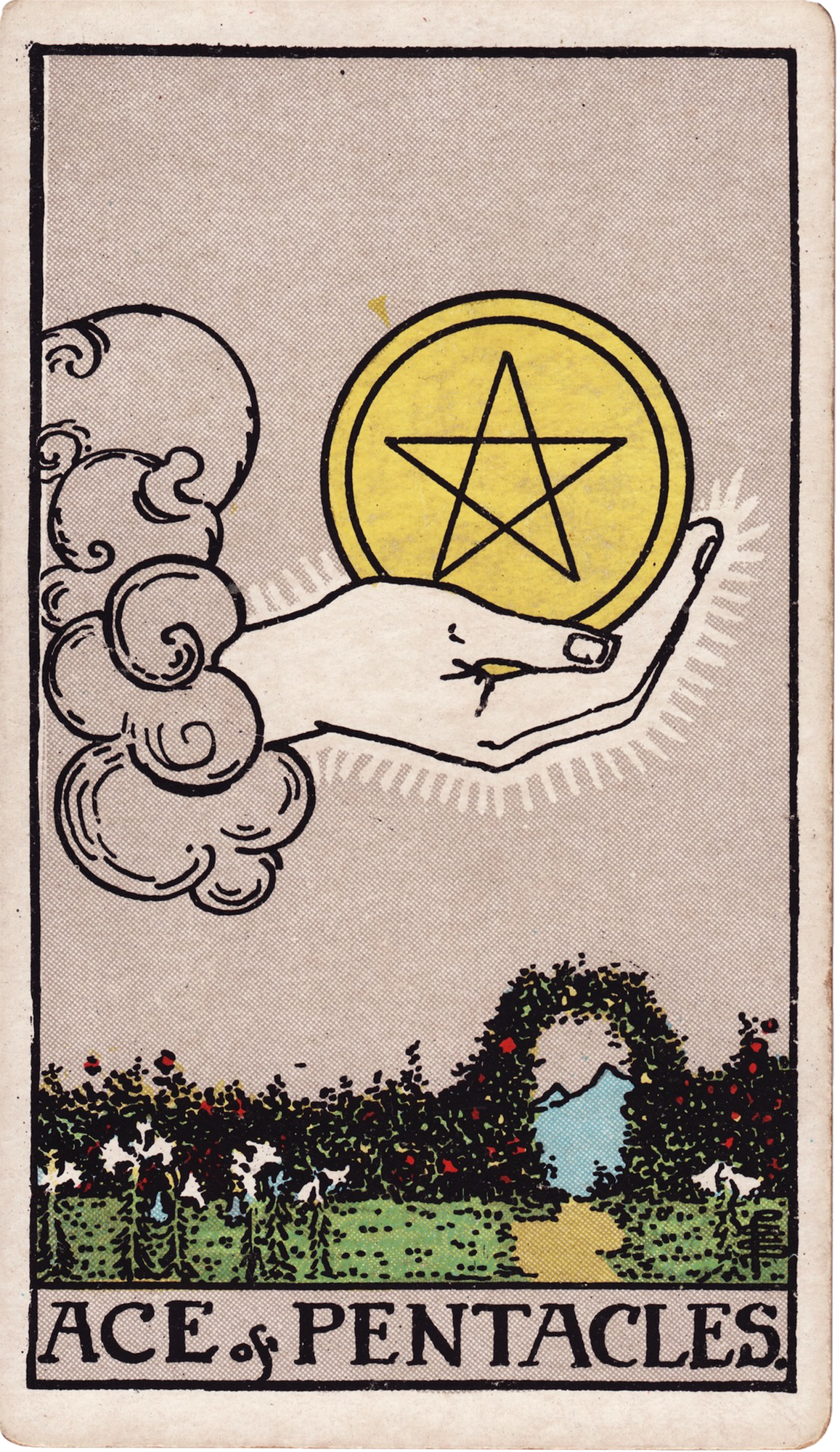 Ace of Pentacles
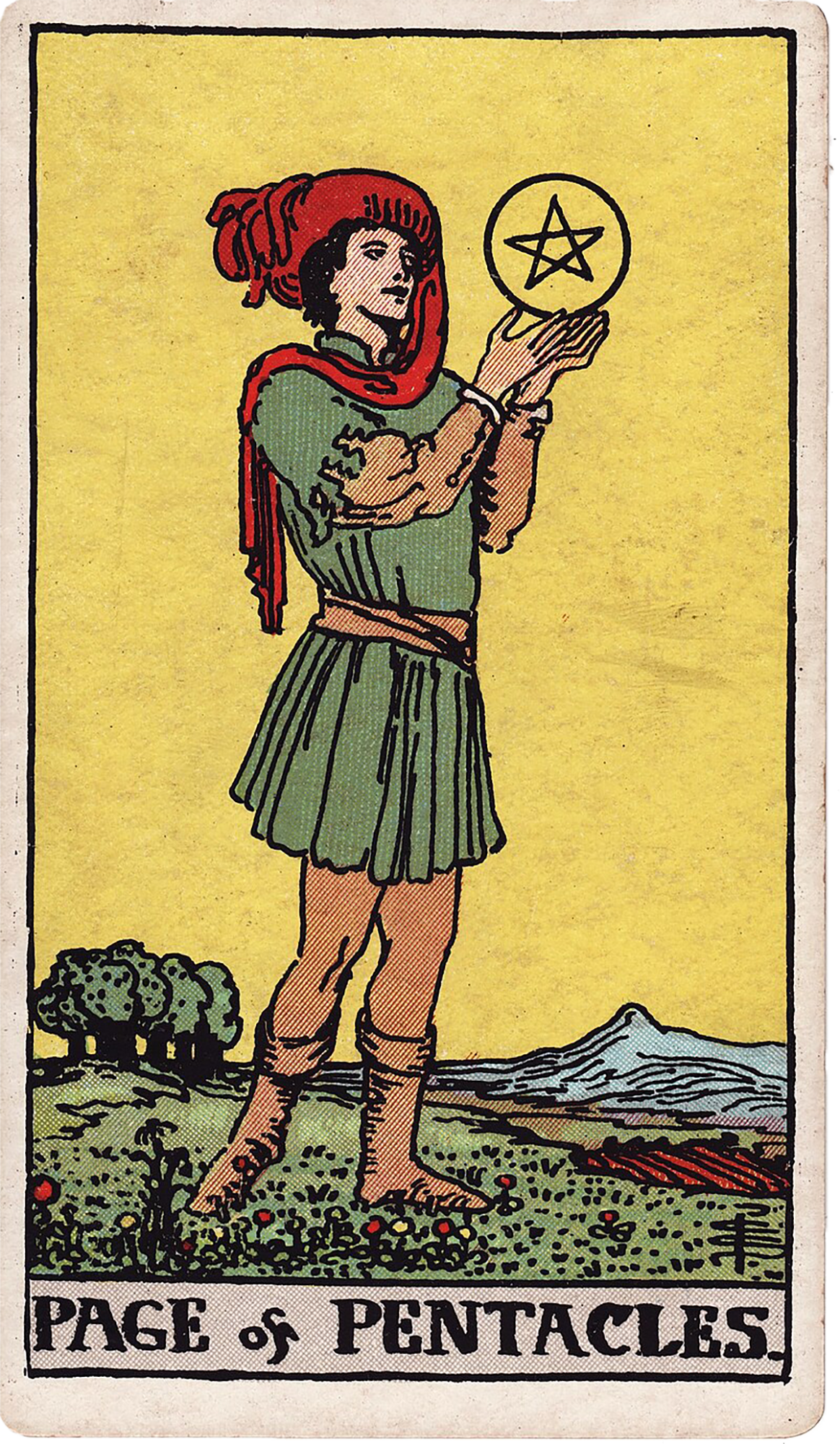 Page of Pentacles
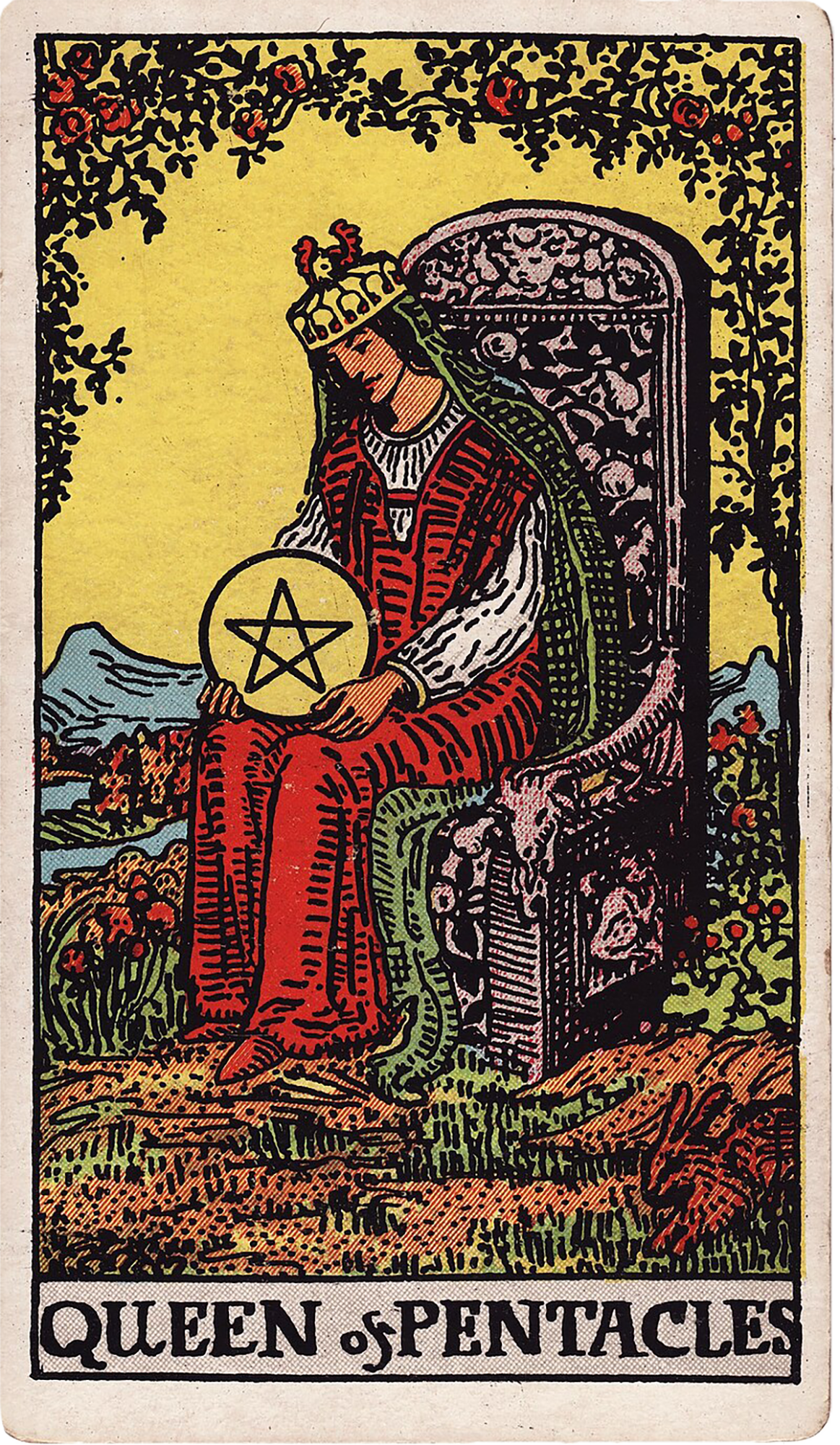 Queen of Pentacles
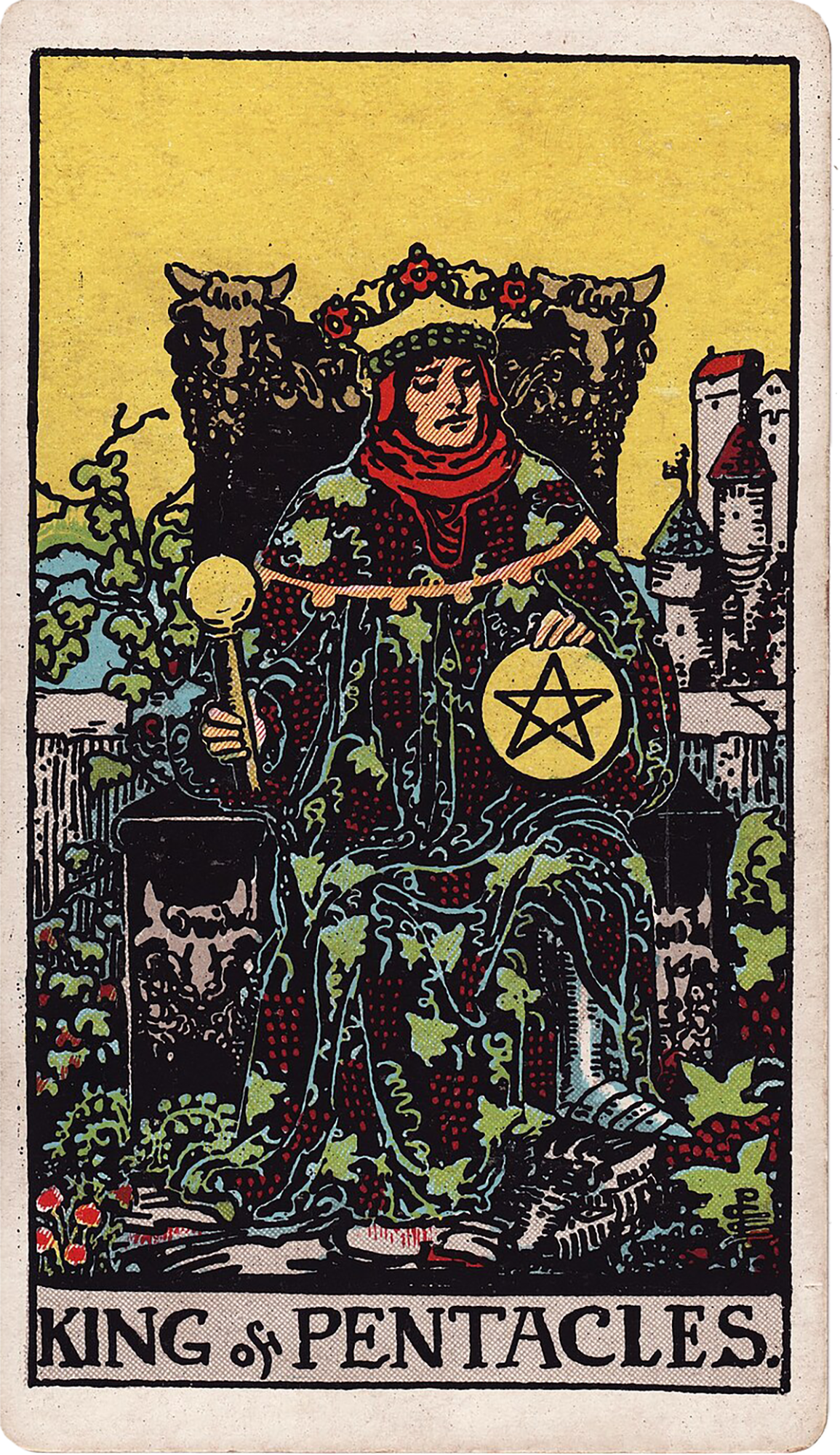 King of Pentacles
Introduction to the Suit of Pentacles and Its Elemental Foundations
The Suit of Pentacles in Tarot symbolizes the material world, encompassing work, finances, health, and tangible resources. Rooted in the Earth element, Pentacles represent stability, growth, and the physical manifestations of effort and care. Earth’s qualities of grounding, endurance, and practicality permeate every card in this suit, making it the Tarot’s primary indicator of long-term material stability and bodily concerns. Understanding this elemental foundation is critical for interpreting the suit’s imagery and messages accurately. The Rider-Waite-Smith deck visually reinforces this association through earthy settings and symbols such as coins, gardens, and natural landscapes, which convey fertility, value, and groundedness. This elemental lens guides readers to view the suit as a practical mirror of everyday life and the cycles of sowing, cultivating, and harvesting.
Family Symbolism within the Pentacles Court: Roles and Developmental Stages
Examining the Pentacles court cards—the Page, Queen, and King—reveals a family dynamic that symbolizes stages of learning, nurturing, and mature stewardship over resources. The Page of Pentacles embodies beginner energy, symbolizing the start of practical learning or a new material opportunity. Upright, this card encourages dedication to skill development and realistic planning, as illustrated by the youthful figure holding a pentacle with focused attention. The Queen of Pentacles represents practical nurture and competence, a mature caregiver who harmonizes resources with real-life needs. Her imagery often depicts comfort and abundance balanced with responsibility, reflecting the integration of care and competence. The King of Pentacles signifies advanced mastery and stewardship, a figure who governs resources with wisdom and business acumen, supporting not just self but community or family. His imagery is rich with symbols of stability and wealth, often seated on a throne adorned with natural motifs. Together, these cards narrate a progression from learning to nurturing to governing material reality, illustrating the suit’s emphasis on growth and responsibility.
In-Depth Analysis of the Ace of Pentacles: Beginnings and Practical Opportunity
The Ace of Pentacles is the seed of tangible opportunity, representing a new resource or practical beginning that has potential for growth if nurtured with care and consistent action. In the Rider-Waite-Smith imagery, a hand emerging from the clouds offers a coin planted on fertile ground, symbolizing divine opportunity meeting earthly effort. Upright, this card invites readers to identify where practical opportunities are present and encourages immediate, realistic engagement rather than abstract idealism. When reversed, the card signals missed chances, poor planning, or scarcity mindset—highlighting where efforts may be misdirected or where foundational work remains incomplete. Rather than viewing reversal as mere negation, it suggests a blockage or imbalance in manifesting material potential, prompting reflection on what practical adjustments or commitments are necessary.
Understanding the Page of Pentacles: Learning and Practical Focus
The Page of Pentacles carries the energy of a student or apprentice focused on acquiring concrete skills or embarking on a new pragmatic venture. The Rider-Waite-Smith image shows a youthful figure gazing intently at a pentacle, embodying curiosity and commitment to tangible learning. Upright, the card encourages adopting realistic, grounded planning and steady effort toward material goals. It highlights the importance of foundational competence and the willingness to develop skills through routine and practice. Reversed, the Page points to procrastination, lack of follow-through, or unrealistic expectations. It calls attention to where enthusiasm may not be matched by discipline or where external appearances of progress mask internal stagnation. In readings, recognizing the Page’s position can help identify whether the querent is in a phase of initiation requiring patience and consistent work.
The Queen of Pentacles as a Model of Practical Nurture and Competence
The Queen of Pentacles embodies the balance between material competence and nurturing care, showing how resources can be managed to support well-being beyond status or superficial gain. Her Rider-Waite-Smith depiction often includes natural elements like flowers and a rabbit, symbols of fertility, abundance, and comfort. Upright, this card encourages readers to consider how practical care and personal competence combine to create sustainable living conditions. It can highlight someone who is grounded, resourceful, and generous in a tangible way. When reversed, the Queen warns against overwork, neglect of self, or anxiety driven by financial insecurity. It suggests a need to reassess priorities and to avoid measuring self-worth solely through usefulness or material success. This card in spreads can pinpoint where practical nurturing either flourishes or falters.
Exploring the King of Pentacles: Mature Stewardship and Stability
The King of Pentacles represents the pinnacle of material mastery, combining wealth, business acumen, and responsibility to self and others. His elaborate throne and rich attire in Rider-Waite-Smith imagery symbolize power gained through stable, ethical management and long-term commitment. Upright, the King advises adopting a mature, steady approach to resources, emphasizing reliability, generosity, and strategic leadership. The card often appears when situations require confident stewardship or when the querent embodies or needs to cultivate such qualities. Reversed, this card signals potential pitfalls including greed, rigidity, misuse of power, or an overattachment to security that stifles growth. It suggests examining where control turns into stagnation or where material focus eclipses personal or ethical values. In practice, the King aids in identifying when a grounded, steady hand is essential to navigating material matters.
Technique and Practical Reading Methods for the Suit of Pentacles
When interpreting Pentacles, readers should begin by grounding their analysis in the suit’s elemental earth nature—materiality, practicality, and tangible results. Use the imagery details on each card to identify stages of development or balance between effort and reward. For example, the younger cards such as the Page often indicate beginnings or learning phases, whereas the Queen and King suggest more established, mature energies. Pay close attention to upright versus reversed positions not as simple opposites but as indicators of where the energy may be blocked, exaggerated, or underdeveloped. Always examine the card’s relationships with surrounding cards to contextualize whether the material energy is emerging, building, under pressure, or resolving. Avoid generalizing Pentacles as purely financial; their scope includes health, work ethic, body, and long-term commitments. A practical method is to anchor the reading in real-life areas connected to the querent’s experience—job, finances, physical health—and to ask which card best reflects the stage of growth or challenge in those areas.
Common Misinterpretations and How to Avoid Them
A frequent mistake with Pentacles is to limit their meaning exclusively to money or wealth, overlooking the wider implications for health, routine, and personal resource management. Another common error is treating reversed cards as simply 'bad' or negations of their upright meanings, rather than nuanced indications of imbalance, blockage, or internal conflict. For instance, the reversed Ace of Pentacles is not just 'missed opportunity' but a signal to evaluate foundational habits or mindset issues. Another pitfall is ignoring the suit’s developmental family dynamic; readers may overlook the lesson of progression from Page to Queen to King, thus missing subtle cues about the querent’s stage in managing material realities. To avoid these errors, readers should integrate symbolism analysis with practical life context and check consistency with surrounding cards. Maintaining awareness of the earth element’s themes—patience, care, grounded action—helps to keep interpretations balanced and useful.
Reflection and Application in Symbolism Studies
Studying the Suit of Pentacles offers a profound window into how symbolism encodes human experience in material and developmental terms. Each card’s imagery and elemental correspondence invite reflection on how we engage with physical reality, learn and mature in our stewardship of resources, and balance personal care with external responsibilities. Symbolism studies benefit from this suit’s clear archetypal narrative of growth from novice to master, reflecting universal themes of effort, nurture, and management. Applying this understanding in Tarot reading enriches interpretive depth and connects abstract symbols to concrete life realities. Learners are encouraged to meditate on the family roles within Pentacles and observe how these dynamics manifest in their daily lives, deepening the personal significance of the cards beyond divination into philosophical study of human development.
Practice questions
• How does the elemental nature of Earth shape the meanings of the Suit of Pentacles?
• In what ways do the Page, Queen, and King of Pentacles represent stages of material and personal growth?
• What practical steps can you identify from the Ace of Pentacles imagery that support turning opportunity into reality?
• How can recognizing reversed Pentacles cards as indications of imbalance rather than simple negatives improve your readings?
• How might the nurturing qualities of the Queen of Pentacles manifest in your own approach to managing resources?
• What lessons about mature stewardship and responsibility does the King of Pentacles teach about leadership and growth?
Comments
Sign in to comment.
Continue learning
Interpreting the Dance of Justice and The Devil: Balancing Morality and Temptation in Tarot Readings
The combination of Justice and The Devil in tarot presents a profound exploration of morality, temptation, and personal accountability. This article unpacks how these cards influen...
Advanced Techniques for Combining The Moon and The Star to Enhance Intuition in Tarot Readings
This article explores advanced techniques to combine the symbolism and energy of The Moon and The Star Tarot cards to enhance intuition during Tarot readings. Drawing from traditio...
Unlocking Life Insights with the Celtic Cross Tarot Spread
This article offers a thorough exploration of the Celtic Cross Tarot Spread, focusing on its application within family and practical life contexts. Using a worked example featuring...
Unlocking Hidden Meanings with The Hermit and The Hanged Man for Spiritual Growth
This article offers an in-depth exploration of The Hermit and The Hanged Man Tarot cards focusing on their roles in spiritual growth. It guides readers through beginner and advance...
Unlocking Personal Insight with the Seven Card Horseshoe Spread
The Seven Card Horseshoe Spread is a practical and insightful Tarot layout ideal for exploring personal and family dynamics. This article breaks down each position—Past, Present, H...
Mastering the Court Cards of Wands for Unlocking Personal Drive and Leadership
The Court Cards of Wands represent a dynamic spectrum of personal energy, ambition, and leadership potential within the Minor Arcana. This article offers a comprehensive exploratio...
Tracing the Origins and Evolution of The Fool Card in Tarot History
The Fool card holds a foundational place in tarot tradition, symbolizing beginnings, openness, and the embrace of uncertainty. This article traces its origins from early European d...
Techniques for Reading Court Cards to Unlock Personality Insights
Court cards in Tarot often represent people, personality traits, or energy patterns within a situation. This article offers a structured approach for beginners and advanced readers...
Unlocking Emotional Transformation with Death and The Moon Tarot Combination
This article explores the rich and complex interaction between the Death and The Moon tarot cards within the Rider-Waite-Smith tradition, focusing on their combined potential to un...
Applying The Star Card to Foster Hope and Renewal in Personal Growth
The Star card in Tarot symbolizes hope, authenticity, and the process of steady renewal. In a single-card reading, The Star encourages embracing what is present, cultivating openne...