
Exploring the Symbolism and Elemental Meanings of the Four Tarot Suits
This article provides an in-depth study of the Four Tarot suits—Wands, Cups, Swords, and Pentacles—focusing on their elemental symbolism, traditional iconography, and practical application in Tarot reading. Anchored by detailed insights into the Ace cards from each suit, it offers readers a grounded approach to interpreting the energetic qualities and challenges inherent in each suit. The article guides learners through common interpretive pitfalls, practical reading techniques, and the importance of contextual awareness, empowering them to apply these insights effectively in their readings.
Cards explored in this article
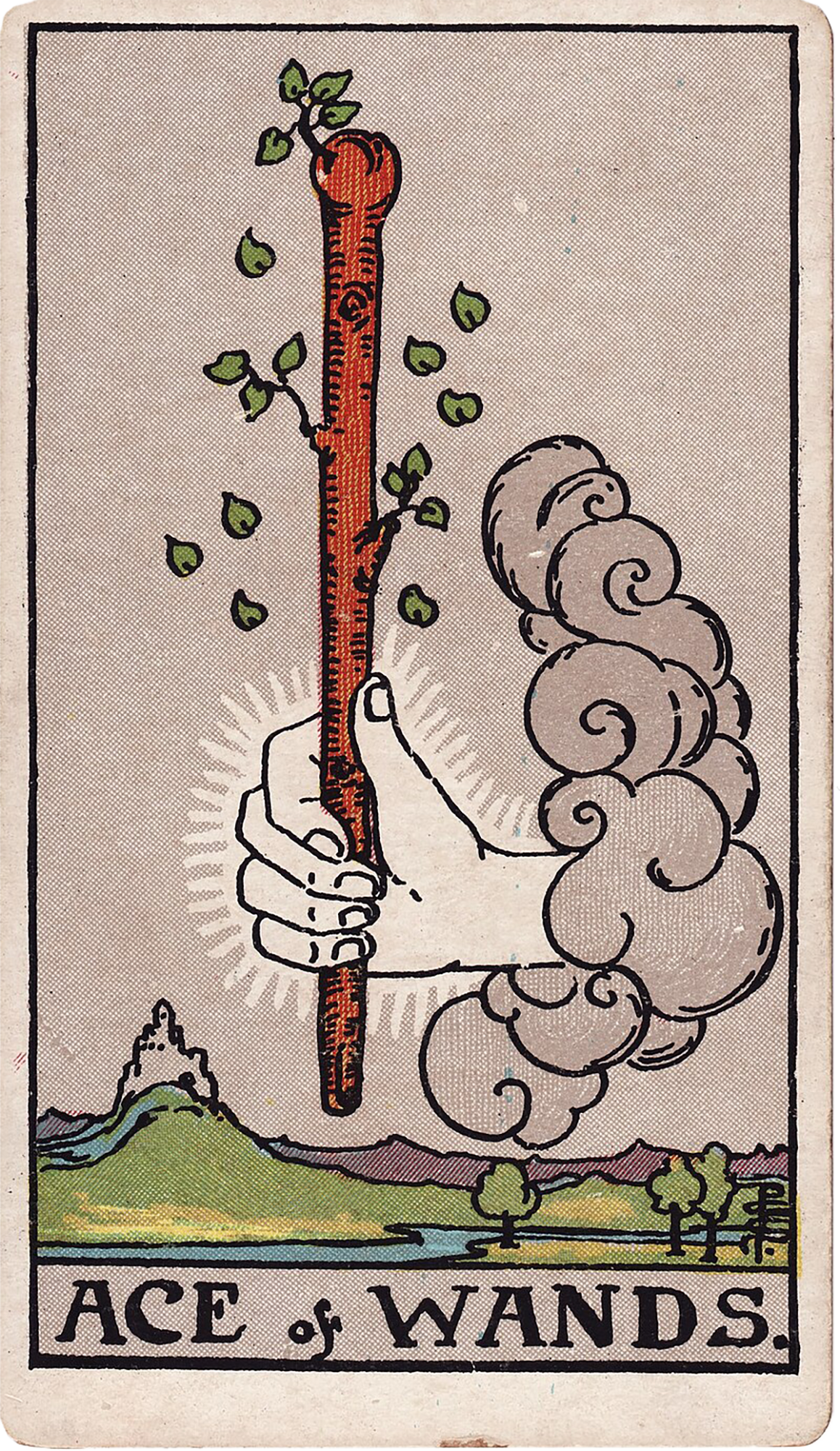 Ace of Wands
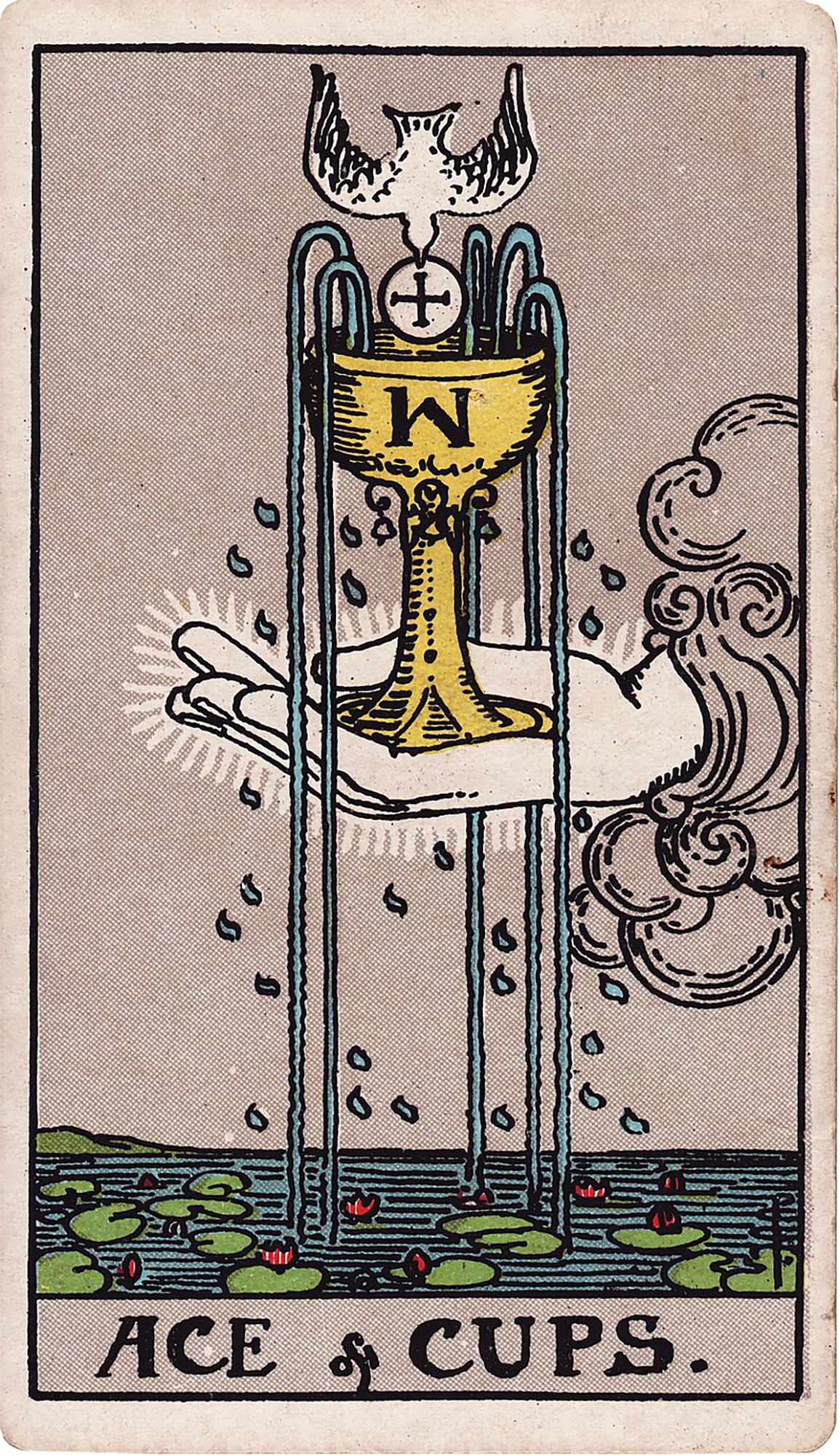 Ace of Cups
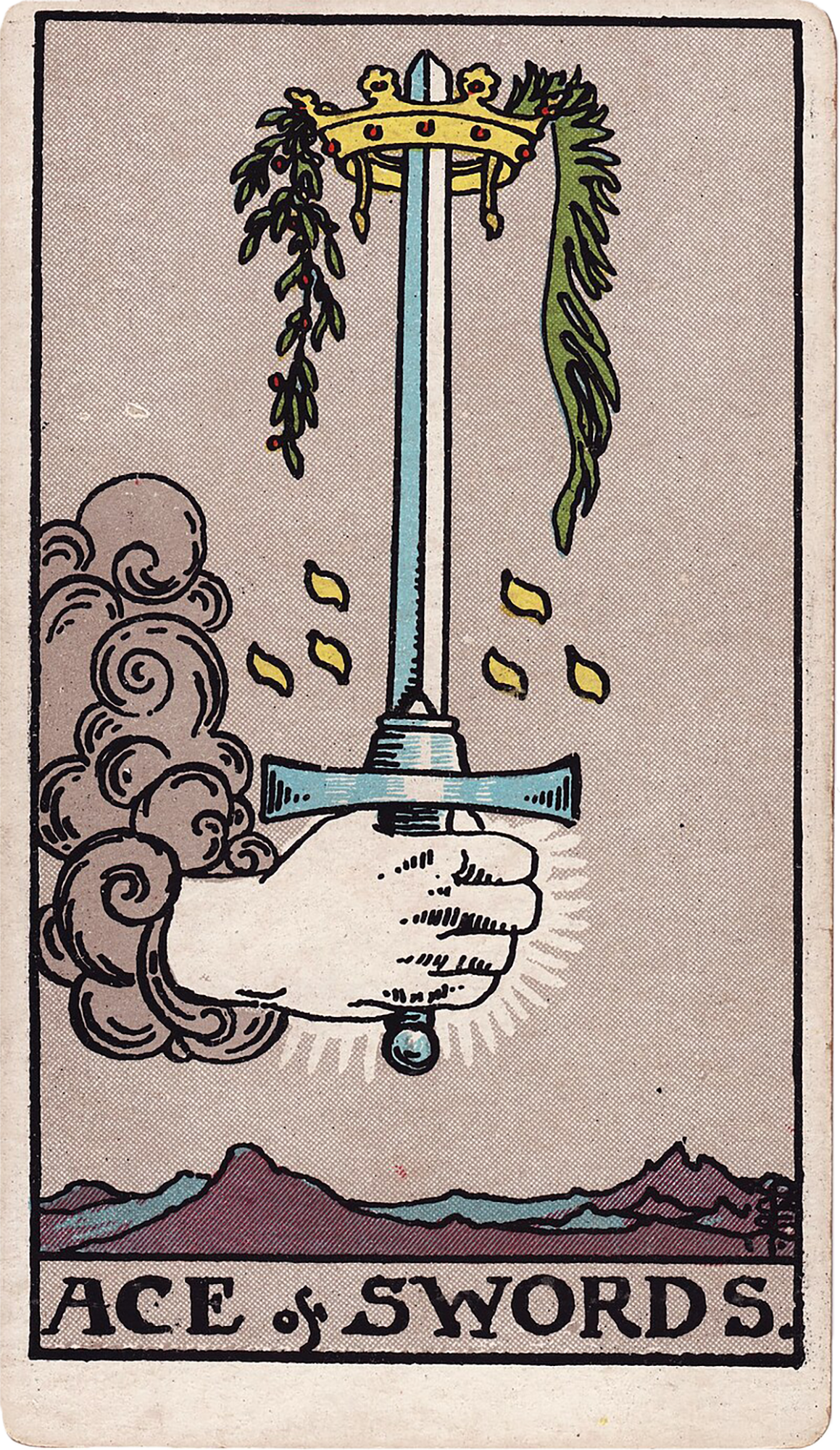 Ace of Swords
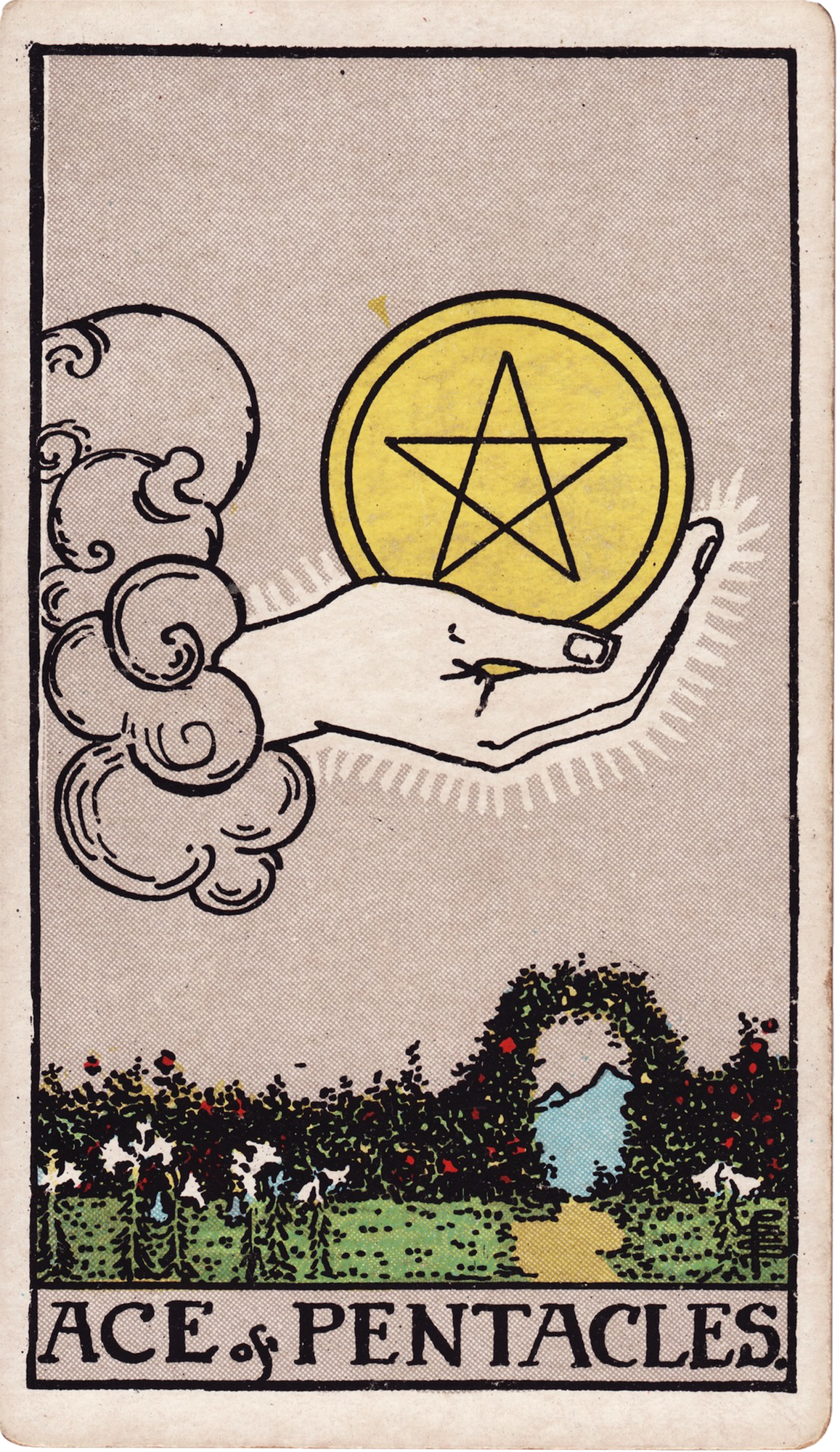 Ace of Pentacles
Introduction to the Four Tarot Suits and Their Elemental Foundations
The Tarot deck is traditionally divided into four suits—Wands, Cups, Swords, and Pentacles—each representing different aspects of human experience and tied to one of the classical elements: fire, water, air, and earth respectively. These elemental correspondences shape the symbolism and interpretive framework for the cards within each suit. Understanding these elemental foundations is crucial for both beginner and experienced readers, as it provides a coherent lens through which the cards’ meanings become more vivid and interconnected. - Wands are linked to fire, symbolizing energy, inspiration, and creative force. - Cups correspond to water, representing emotions, intuition, and relational dynamics. - Swords are associated with air, reflecting intellect, communication, and conflict. - Pentacles connect to earth, denoting material reality, stability, and practical matters. This elemental framework is not arbitrary; it reflects centuries of mystical and philosophical traditions which align natural phenomena with human archetypes. Recognizing this alignment helps readers move beyond rote memorization towards intuitive, meaningful interpretation.
Wands and the Element of Fire Illustrated by the Ace of Wands
The suit of Wands embodies the element of fire, often indicated through imagery such as flames, dynamic movement, and vibrant energy. The Ace of Wands, as supplied, exemplifies the initial spark of creative impulse or motivation. In the Rider-Waite-Smith tradition, this card typically shows a hand emerging from a cloud holding a flourishing wooden wand, symbolizing new beginnings charged with potential and vitality. Upright, the Ace of Wands highlights an emerging energy that requires immediate expression before enthusiasm fades. This practical prompt to act encourages readers to identify where nascent creative or ambitious forces are present and to take the first step to actualize them. In contrast, the reversed Ace of Wands warns about blocked inspiration, scattered efforts, or hesitation motivated by a need for perfect conditions. Practically, when seeing this card in a reading, one should consider: - Where is the querent’s current motivation or creative energy visible? - What small, feasible action can be taken now to develop this energy? - Are there internal blocks—such as fear or impatience—that need addressing to let the energy flow? Common mistakes include interpreting the card as an abstract ideal or ignoring the timing element emphasized by the need for early action. Instead, the card’s symbolism asks the reader to ground the impulse in present, concrete steps.
Cups and the Fluid Depth of Emotion Reflected in the Ace of Cups
Cups, aligned with the element of water, focus primarily on emotions, relationships, intuition, and the subconscious. The Ace of Cups is a powerful image of an emotional opening, typically depicted as a hand offering a chalice overflowing with water, sometimes with a dove or a lotus symbolizing purity and spiritual love. In its upright position, the Ace of Cups calls attention to a fresh emotional beginning—whether that be new affection, heightened compassion, or intuitive receptivity. The card invites the querent to acknowledge and express these feelings in a manner appropriate to their current life phase. The surrounding cards can clarify whether this emotional energy is just emerging, developing, or resolving. Reversed, the card draws focus to emotional blockages, depletion, or fears about vulnerability. Rather than simply negating the upright meaning, the reversal suggests that the flow of emotion is stuck internally, requiring conscious acknowledgment, release, or new channels of expression. When reading the Ace of Cups, consider: - In what areas is the querent emotionally open or closed? - How are their relationships or intuitive insights influencing their current path? - What practical steps could foster emotional health and receptivity? Avoid reducing this card merely to romantic love; its symbolism spans the full emotional spectrum, including creativity and spiritual feeling.
Swords and the Clarity of Mind Exemplified by the Ace of Swords
The suit of Swords correlates with air, representing thought, communication, conflict, and intellectual clarity. The Ace of Swords traditionally depicts a hand holding an upright sword, often crowned or surrounded by light, symbolizing breakthrough, truth, and decisive insight. Upright, this card heralds a moment of clear understanding or a pivotal conversation that cuts through confusion. It challenges the querent to engage their mental faculties efficiently and ethically, addressing the situation with truthful strategy. Reversed, the Ace warns against misused logic, confusion, or harsh judgments that turn truth into a weapon rather than a tool. In practical readings, the Ace of Swords asks: - What mental clarity or breakthrough is emerging? - Are there communication patterns that need refinement? - Is there a risk of intellectual arrogance or distortion of truth? A common pitfall is to interpret the card too rigidly as purely positive or negative. Instead, observe where the energy is in the process—whether developing, pressured, or resolving—and tailor guidance accordingly.
Pentacles and Earth’s Grounding Influence Shown in the Ace of Pentacles
Pentacles are associated with the element earth, symbolizing material concerns such as work, health, resources, and physical security. The Ace of Pentacles is typically illustrated as a hand offering a coin or pentacle, often with a lush garden or archway in the background, indicating potential for tangible growth and prosperity. Upright, this card highlights a new opportunity grounded in practical care and consistent effort. It encourages the querent to recognize the value of laying stable foundations to realize long-term goals. The reversed Ace of Pentacles signals missed chances, poor planning, or unrealistic expectations without proper groundwork. During readings, questions to explore include: - What resources or opportunities are currently available that can be cultivated? - How is the querent managing their practical affairs and health? - Where might scarcity thinking or impatience be limiting growth? This card’s symbolism stresses patience and responsibility. A common mistake is to overlook the need for steady, ongoing work in favor of quick results.
Practical Reading Techniques Anchored by the Four Aces
Using the supplied Ace cards as anchors, readers can develop practical skills in interpreting suit symbolism and elemental energies. Key techniques include: 1. Contextual Awareness: Always consider the stage of energy—beginning, developing, pressure, or resolution—by examining surrounding cards and the querent’s situation. For example, the Ace of Wands’ call to action differs if motivation is just stirring versus if enthusiasm is waning. 2. Balance Upright and Reversed Meanings: Rather than viewing reversals as mere opposites, investigate where the process is stuck or distorted. The reversed Ace of Cups, for example, signals internal emotional blockage needing attention, not simply absence of feeling. 3. Use Elemental Qualities as a Lens: When a card invites engagement with fire (Wands), water (Cups), air (Swords), or earth (Pentacles), ask how this elemental energy manifests in the querent’s life. This clarifies abstract concepts into tangible insights. 4. Avoid Overgeneralization: Each suit covers a range of human experience. For instance, Cups include not only love but all emotional and intuitive expressions. Tailor interpretation to the question and context. 5. Incorporate Imagery Details: The Rider-Waite-Smith symbolism enriches meaning—such as the overflowing cup in the Ace of Cups or the flourishing wand in the Ace of Wands—encouraging vivid, nuanced readings. By applying these techniques, readers can enhance accuracy and depth, creating readings that resonate personally with querents.
Common Interpretation Challenges and How to Overcome Them
Learners often face challenges when engaging with the Four Tarot suits, including: - Treating suits as isolated categories rather than interconnected forces influencing each other. - Over-relying on dictionary-style meanings without adapting to the querent’s context. - Misinterpreting reversed cards as purely negative rather than signals of process-related blockages. - Ignoring elemental correspondences and missing deeper symbolic cues. - Neglecting the timing and developmental stage of the card’s energy. To overcome these, readers should practice: - Integrating elemental and situational awareness in each reading. - Reflecting on their intuitive responses to card imagery. - Engaging in scenario-based exercises to explore how meanings shift across contexts. - Using the Aces as natural starting points to understand each suit’s core energy before expanding to other cards. This reflective and adaptive approach cultivates confidence and precision in interpretation.
Conclusion Reflecting on the Four Suits as a Symbolic Family
The Four Tarot suits operate as a symbolic family, each representing fundamental dimensions of human experience through their elemental and archetypal energies. By studying the Ace cards—Wands, Cups, Swords, and Pentacles—readers access clear, vivid entrances into these energetic realms. Understanding the practical, symbolic, and elemental nuances of each suit enriches Tarot reading, transforming it into a dynamic dialogue with life’s creative impulses, emotional depths, intellectual challenges, and material realities. Embracing this family symbolism encourages holistic interpretation that honors complexity while offering actionable insights. Through sustained practice and reflection, Tarot learners can harness these insights to enhance their readings, deepen self-awareness, and engage others with clarity and compassion.
Practice questions
• How do the elemental correspondences of the Four Tarot suits influence your intuitive understanding of each card?
• In what ways can the Ace cards serve as a foundational guide when interpreting other cards in their respective suits?
• How might recognizing the developmental stage (beginning, pressure, resolution) of a card’s energy improve reading accuracy?
• What internal or external blocks might the reversed Aces be signaling in a reading, and how can you explore these with querents?
• How can you integrate the symbolic details from the Rider-Waite-Smith imagery to enrich your interpretations beyond textbook definitions?
Comments
Sign in to comment.
Continue learning
Interpreting the Dance of Justice and The Devil: Balancing Morality and Temptation in Tarot Readings
The combination of Justice and The Devil in tarot presents a profound exploration of morality, temptation, and personal accountability. This article unpacks how these cards influen...
Advanced Techniques for Combining The Moon and The Star to Enhance Intuition in Tarot Readings
This article explores advanced techniques to combine the symbolism and energy of The Moon and The Star Tarot cards to enhance intuition during Tarot readings. Drawing from traditio...
Unlocking Life Insights with the Celtic Cross Tarot Spread
This article offers a thorough exploration of the Celtic Cross Tarot Spread, focusing on its application within family and practical life contexts. Using a worked example featuring...
Unlocking Hidden Meanings with The Hermit and The Hanged Man for Spiritual Growth
This article offers an in-depth exploration of The Hermit and The Hanged Man Tarot cards focusing on their roles in spiritual growth. It guides readers through beginner and advance...
Unlocking Personal Insight with the Seven Card Horseshoe Spread
The Seven Card Horseshoe Spread is a practical and insightful Tarot layout ideal for exploring personal and family dynamics. This article breaks down each position—Past, Present, H...
Mastering the Court Cards of Wands for Unlocking Personal Drive and Leadership
The Court Cards of Wands represent a dynamic spectrum of personal energy, ambition, and leadership potential within the Minor Arcana. This article offers a comprehensive exploratio...
Tracing the Origins and Evolution of The Fool Card in Tarot History
The Fool card holds a foundational place in tarot tradition, symbolizing beginnings, openness, and the embrace of uncertainty. This article traces its origins from early European d...
Techniques for Reading Court Cards to Unlock Personality Insights
Court cards in Tarot often represent people, personality traits, or energy patterns within a situation. This article offers a structured approach for beginners and advanced readers...
Unlocking Emotional Transformation with Death and The Moon Tarot Combination
This article explores the rich and complex interaction between the Death and The Moon tarot cards within the Rider-Waite-Smith tradition, focusing on their combined potential to un...
Applying The Star Card to Foster Hope and Renewal in Personal Growth
The Star card in Tarot symbolizes hope, authenticity, and the process of steady renewal. In a single-card reading, The Star encourages embracing what is present, cultivating openne...