
Exploring the Symbolism and Elemental Meanings of the Tarot Suits for Deeper Insight
This article delves into the rich symbolism and elemental associations of the four tarot suits, focusing on the Ace of Wands, Ace of Cups, Ace of Swords, and Ace of Pentacles. Through detailed analysis of their upright and reversed meanings, visual symbolism, and traditional Rider-Waite-Smith influence, readers learn to connect elemental themes with practical reading techniques. The article offers strategies to avoid common interpretive errors and encourages reflection on the energetic states within spreads, facilitating a deeper, more nuanced understanding of tarot insights.
Cards explored in this article
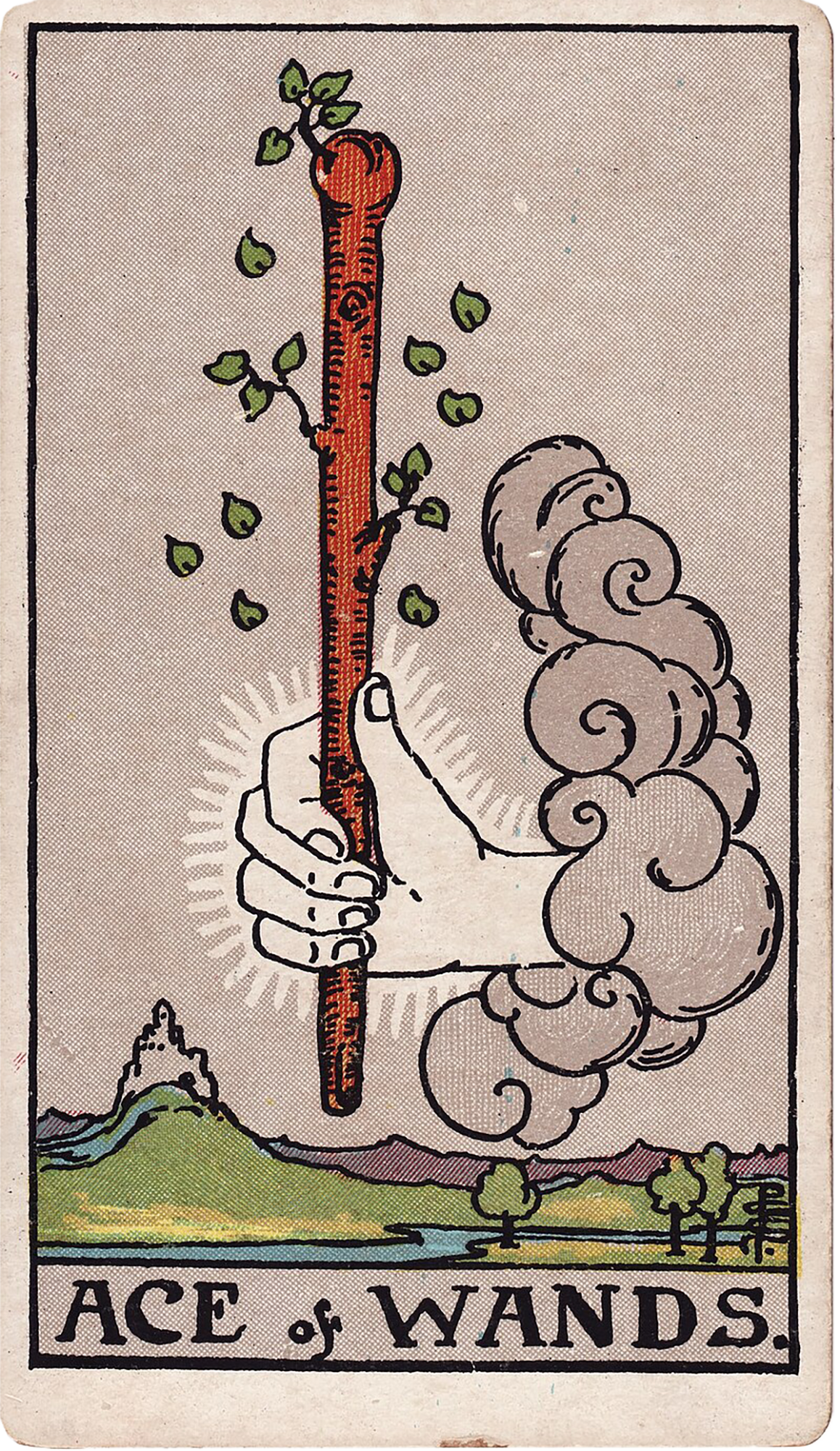 Ace of Wands
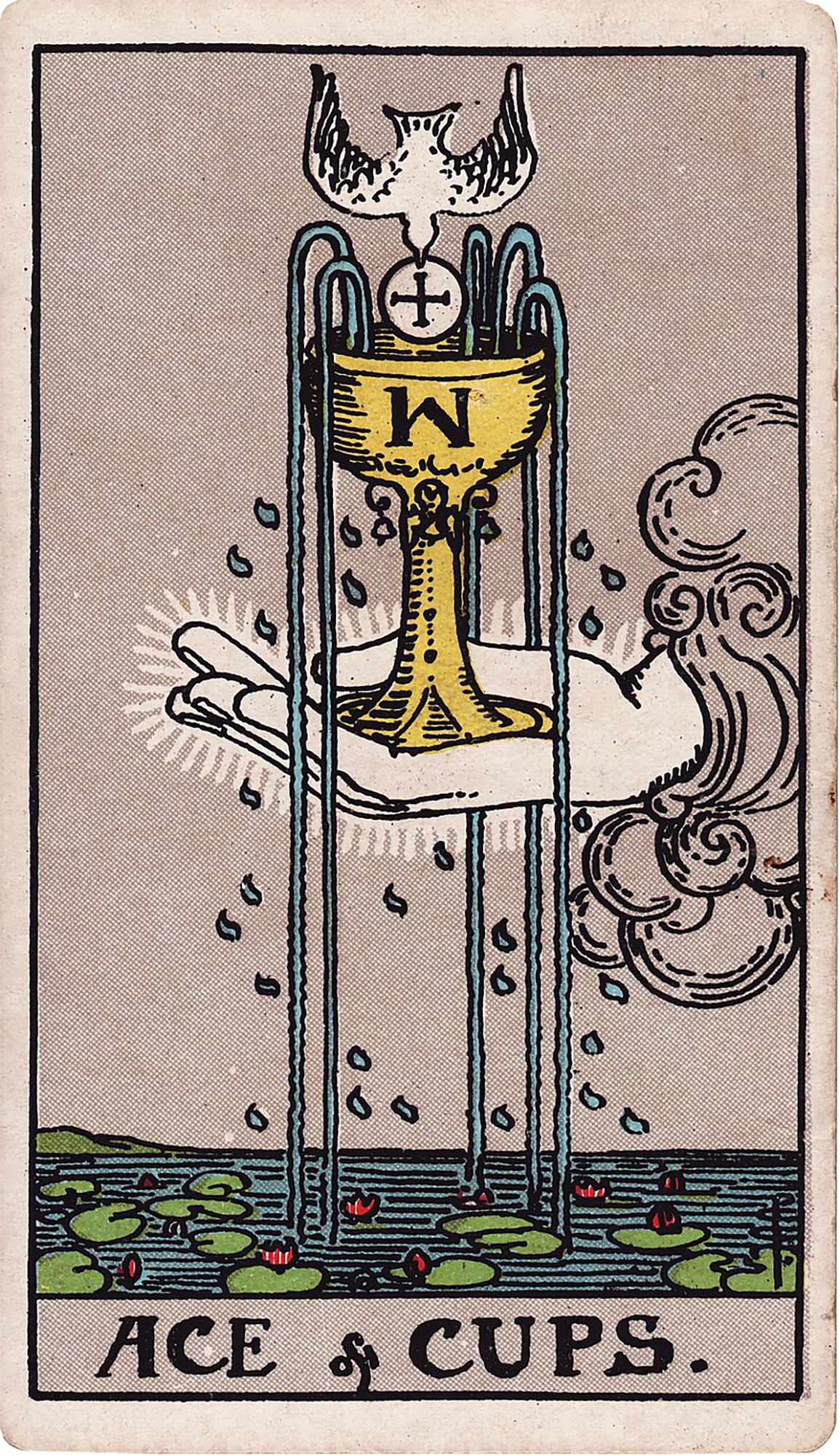 Ace of Cups
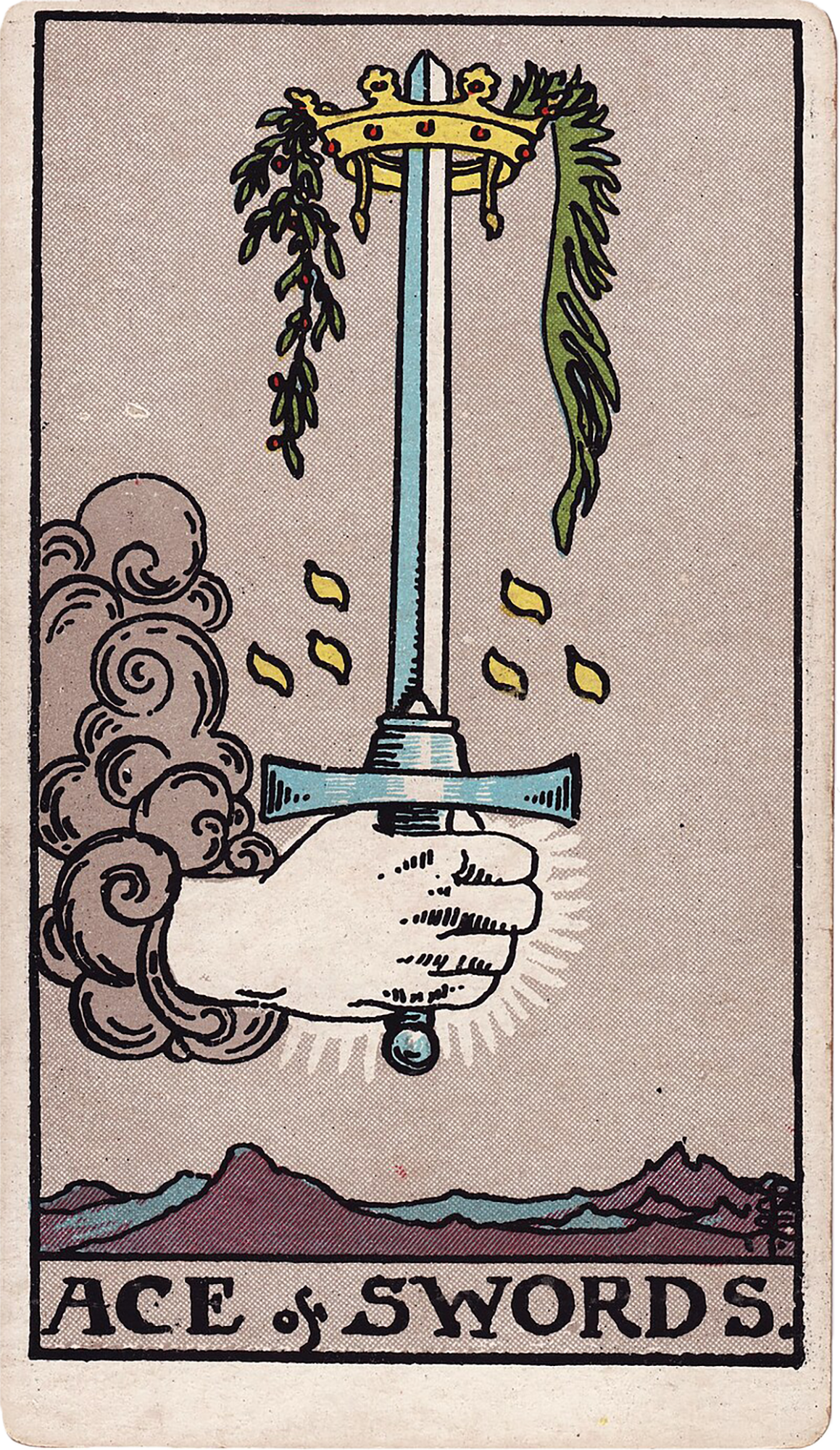 Ace of Swords
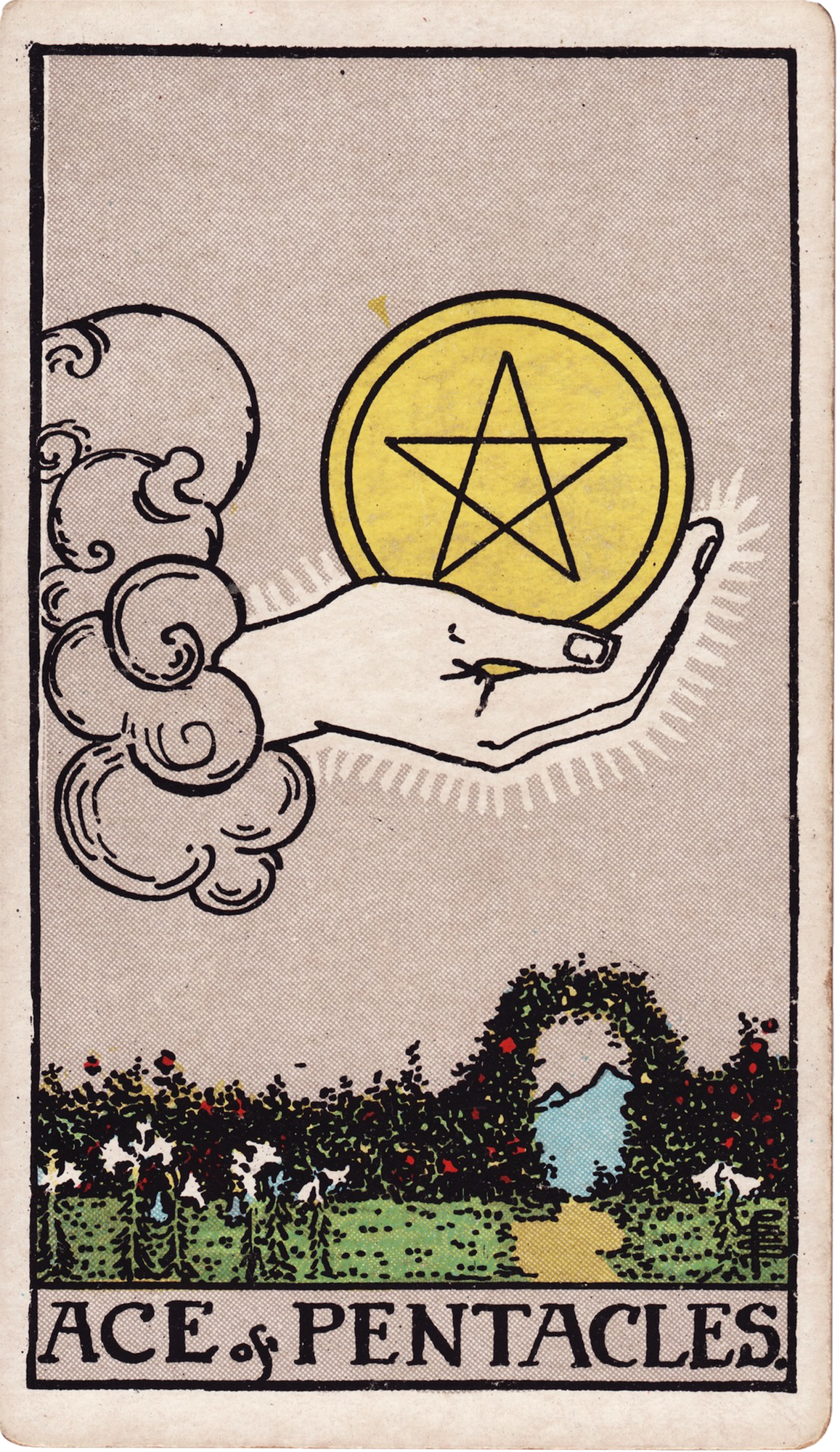 Ace of Pentacles
Introduction to Tarot Suit Symbolism and Elements
The tarot deck is traditionally divided into four suits, each corresponding to one of the classical elements: Wands with Fire, Cups with Water, Swords with Air, and Pentacles with Earth. These elemental correspondences provide a foundational framework for interpreting the cards’ meanings and energies. Understanding these connections enriches not only the comprehension of individual cards but also the dynamics within a tarot spread. The elemental symbolism reflects fundamental archetypal energies: Fire represents motivation and creativity; Water governs emotion and intuition; Air governs thought and communication; Earth relates to material reality and practical concerns. By exploring this elemental structure through the lens of the Ace cards from each suit, we can gain clearer insight into the cards’ core messages and how they apply in readings.
The Ace of Wands and the Element of Fire
The Ace of Wands symbolizes the ignition of inspiration, ambition, and the initial spark of creative energy. In the Rider-Waite-Smith deck, the Ace of Wands is typically depicted as a blooming wand held upright, often with leaves sprouting to represent growth and vitality. This visual imagery ties closely to the elemental nature of Fire—dynamic, energizing, and forward-moving. The upright Ace of Wands invites action, encouraging the querent to seize the moment and channel their motivation practically. It asks for a response appropriate to the current situation rather than an abstract ideal, reflecting Fire’s need for expression and transformation. When reversed, the Ace of Wands highlights blocks in creative expression or premature, scattered efforts. It signals a pause to assess where energy may be misdirected or withheld internally. In readings, focusing on where the energetic flow of ambition becomes stuck can unlock healthier pathways forward.
The Ace of Cups and the Element of Water
Water’s realm of emotion, intuition, and connection is embodied in the Ace of Cups. Traditionally shown as a hand emerging from a cloud holding a cup overflowing with water, this card visually represents emotional openness and the abundance of feeling. The upright Ace of Cups speaks to new emotional beginnings, compassion, and the opening of intuitive channels. It encourages nurturing receptivity and responding with heartfelt authenticity. The card’s symbolism of overflowing water highlights the fluid and dynamic nature of emotions, which require ongoing attention and healthy expression. In the reversed position, the Ace of Cups points to emotional blocks, fear of vulnerability, or depletion. It often suggests internalized feelings that need acknowledgment and release. In practice, readers look for where emotional energy is either stagnant or overwhelming, helping querents find balance in their relational and inner emotional worlds.
The Ace of Swords and the Element of Air
Air governs intellect, communication, and clarity—qualities central to the Ace of Swords. The Rider-Waite-Smith image often shows a hand holding an upright sword crowned with a laurel wreath, symbolizing victory through truth and insight. This card highlights moments of intellectual breakthrough, decisive communication, or cutting through confusion with clarity. Upright, the Ace of Swords encourages embracing clear thinking, strategic decisions, and honest dialogue. However, the reversed Ace draws attention to mental chaos, misuse of logic, or harsh judgments that may weaponize truth rather than illuminate it. The card’s connection with Air reminds readers to assess the quality of thought and communication processes within a situation. Practically, this means identifying when mental habits support resolution and when they contribute to stagnation or conflict.
The Ace of Pentacles and the Element of Earth
Earth’s qualities of stability, materiality, and practical care are central to the Ace of Pentacles. In classic imagery, it often depicts a hand holding a single large coin or pentacle against a flourishing garden background, symbolizing fertile opportunity and grounded beginnings. The upright Ace of Pentacles invites the querent to recognize tangible resources and potential for growth through disciplined effort and consistency. It emphasizes foundation-building and long-term stability. When reversed, this card signals missed opportunities, poor planning, or scarcity thinking that undermines progress. The earthy nature of Pentacles reminds readers to evaluate how material realities and physical resources are managed. Attention to routines, health, and practical skills supports the constructive unfolding of this card’s energy.
Integrating Suit Symbolism into Practical Reading Techniques
Incorporating elemental symbolism into tarot reading practice enhances interpretive depth and clarity. When reading spreads that include the Ace cards of Wands, Cups, Swords, or Pentacles, begin by identifying the elemental qualities at play: Is the querent facing a new creative venture (Fire), an emotional opening (Water), a mental breakthrough (Air), or a tangible opportunity (Earth)? Observing the upright or reversed position guides understanding of the current energetic state—whether it is flowing, blocked, premature, or exhausted. Consider surrounding cards to contextualize whether the energy is just emerging, developing, under pressure, or resolving. Avoid common mistakes such as oversimplifying reversed cards as simply negative or opposite to upright meanings; instead, treat reversals as signs of where processes are stuck or need attention. This nuanced approach respects the practical and dynamic nature of tarot symbolism.
Common Interpretive Challenges and How to Address Them
A frequent challenge in tarot readings is misapplying elemental symbolism without considering card context or the querent’s situation. For example, interpreting the Ace of Wands solely as excitement might miss the card’s call for practical initial action to harness that energy. Another pitfall is ignoring the nuanced meanings of reversed cards, which often represent internal blockages rather than straightforward failures. To overcome these challenges, use the following strategies: anchor interpretations in the card’s traditional imagery and elemental qualities; actively seek the stage of energy within the process (beginning, developing, pressured, resolving); and use reflective questions to explore where energy flow is obstructed or needs refinement. This method encourages readers to move beyond rigid definitions and engage with tarot cards as living symbols that interact dynamically with the querent’s experience.
Practical Example and Interpretation Logic Using the Supplied Ace Cards
Consider a spread featuring the upright Ace of Wands and the reversed Ace of Cups. The presence of the Ace of Wands highlights a new creative impulse or initiative demanding practical action. Its fiery energy suggests motivation and ambition that can be harnessed effectively if addressed promptly. The reversed Ace of Cups nearby points to emotional blockage or vulnerability that is not yet expressed healthily. This combination might indicate a situation where the querent is motivated to act but is internally hindered by unresolved feelings or fear of emotional openness. The interpretive logic here is to recognize the interplay between the suits’ elemental domains—Fire’s drive and Water’s emotional receptivity—and to advise the querent to honor and work through emotional blocks to fully harness creative potential. Such integrative reading demonstrates how elemental symbolism enriches the understanding of complex human experiences.
Conclusion and Encouragement for Continued Symbolism Study
The tarot’s suits and their elemental meanings offer a profound key to unlocking the cards’ layered messages. By studying the Ace of Wands, Cups, Swords, and Pentacles with attention to their upright and reversed states, their Rider-Waite-Smith imagery, and elemental attributes, readers develop a grounded yet flexible approach to interpretation. This framework supports nuanced, context-sensitive readings that honor the querent’s unique situation. We encourage learners to continue exploring suit symbolism through practice, reflection, and study of card imagery. Engaging deeply with these elemental energies cultivates not only technical skill but also intuitive sensitivity, enriching the tarot journey both for the reader and those they serve.
Practice questions
• How do the elemental qualities of each suit manifest in my current life situations?
• In what ways can recognizing blocked or excessive energy in upright and reversed cards improve my reading accuracy?
• How does the imagery of each Ace card deepen my understanding of its elemental meaning?
• What practical steps can I recommend when I see a reversed Ace card indicating a stuck process?
• How can I balance intellectual interpretation with intuitive insight when working with the Air suit?
Comments
Sign in to comment.
Continue learning
Interpreting the Dance of Justice and The Devil: Balancing Morality and Temptation in Tarot Readings
The combination of Justice and The Devil in tarot presents a profound exploration of morality, temptation, and personal accountability. This article unpacks how these cards influen...
Advanced Techniques for Combining The Moon and The Star to Enhance Intuition in Tarot Readings
This article explores advanced techniques to combine the symbolism and energy of The Moon and The Star Tarot cards to enhance intuition during Tarot readings. Drawing from traditio...
Unlocking Life Insights with the Celtic Cross Tarot Spread
This article offers a thorough exploration of the Celtic Cross Tarot Spread, focusing on its application within family and practical life contexts. Using a worked example featuring...
Unlocking Hidden Meanings with The Hermit and The Hanged Man for Spiritual Growth
This article offers an in-depth exploration of The Hermit and The Hanged Man Tarot cards focusing on their roles in spiritual growth. It guides readers through beginner and advance...
Unlocking Personal Insight with the Seven Card Horseshoe Spread
The Seven Card Horseshoe Spread is a practical and insightful Tarot layout ideal for exploring personal and family dynamics. This article breaks down each position—Past, Present, H...
Mastering the Court Cards of Wands for Unlocking Personal Drive and Leadership
The Court Cards of Wands represent a dynamic spectrum of personal energy, ambition, and leadership potential within the Minor Arcana. This article offers a comprehensive exploratio...
Tracing the Origins and Evolution of The Fool Card in Tarot History
The Fool card holds a foundational place in tarot tradition, symbolizing beginnings, openness, and the embrace of uncertainty. This article traces its origins from early European d...
Techniques for Reading Court Cards to Unlock Personality Insights
Court cards in Tarot often represent people, personality traits, or energy patterns within a situation. This article offers a structured approach for beginners and advanced readers...
Unlocking Emotional Transformation with Death and The Moon Tarot Combination
This article explores the rich and complex interaction between the Death and The Moon tarot cards within the Rider-Waite-Smith tradition, focusing on their combined potential to un...
Applying The Star Card to Foster Hope and Renewal in Personal Growth
The Star card in Tarot symbolizes hope, authenticity, and the process of steady renewal. In a single-card reading, The Star encourages embracing what is present, cultivating openne...