
Exploring the Symbolism and Hidden Meanings of the Suit of Swords in Tarot
This article delves into the rich symbolism and layered meanings of the Suit of Swords within the Tarot deck, emphasizing the intellectual and communicative qualities that define this suit. Anchoring the exploration through the detailed imagery and interpretations of the Ace of Swords, 2 of Swords, 3 of Swords, and Queen of Swords, it guides learners through the practical application of these cards in readings. Readers will gain insight into traditional Rider-Waite-Smith symbolism as well as nuanced reversed meanings, understand common interpretive challenges, and discover effective methods for integrating Sword cards into Tarot spreads. The article situates the Suit of Swords within the broader context of mental habits, decision making, and emotional conflict, providing a thoughtful framework for symbolism studies focused on the mental and communicative sphere.
Cards explored in this article
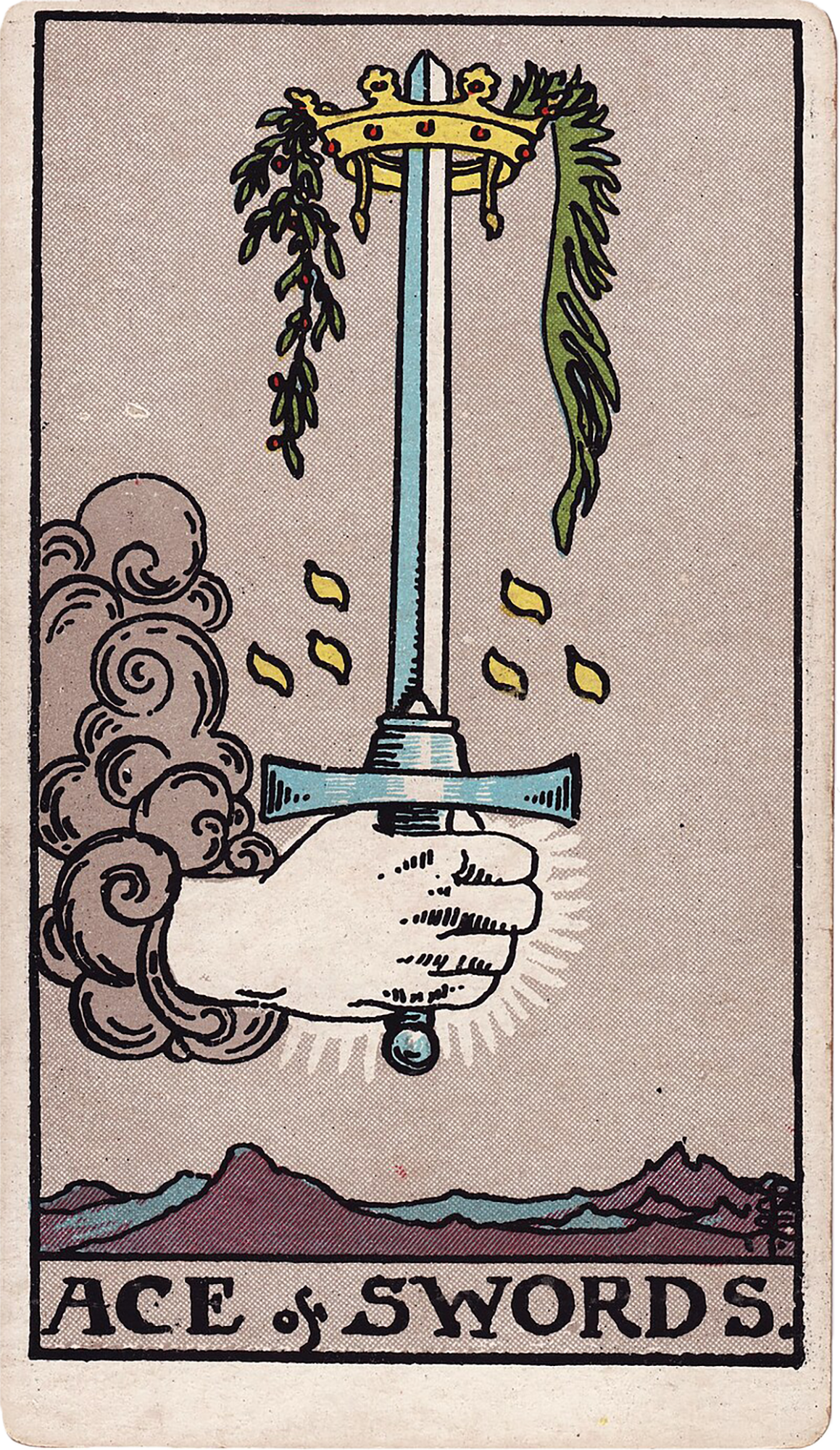 Ace of Swords
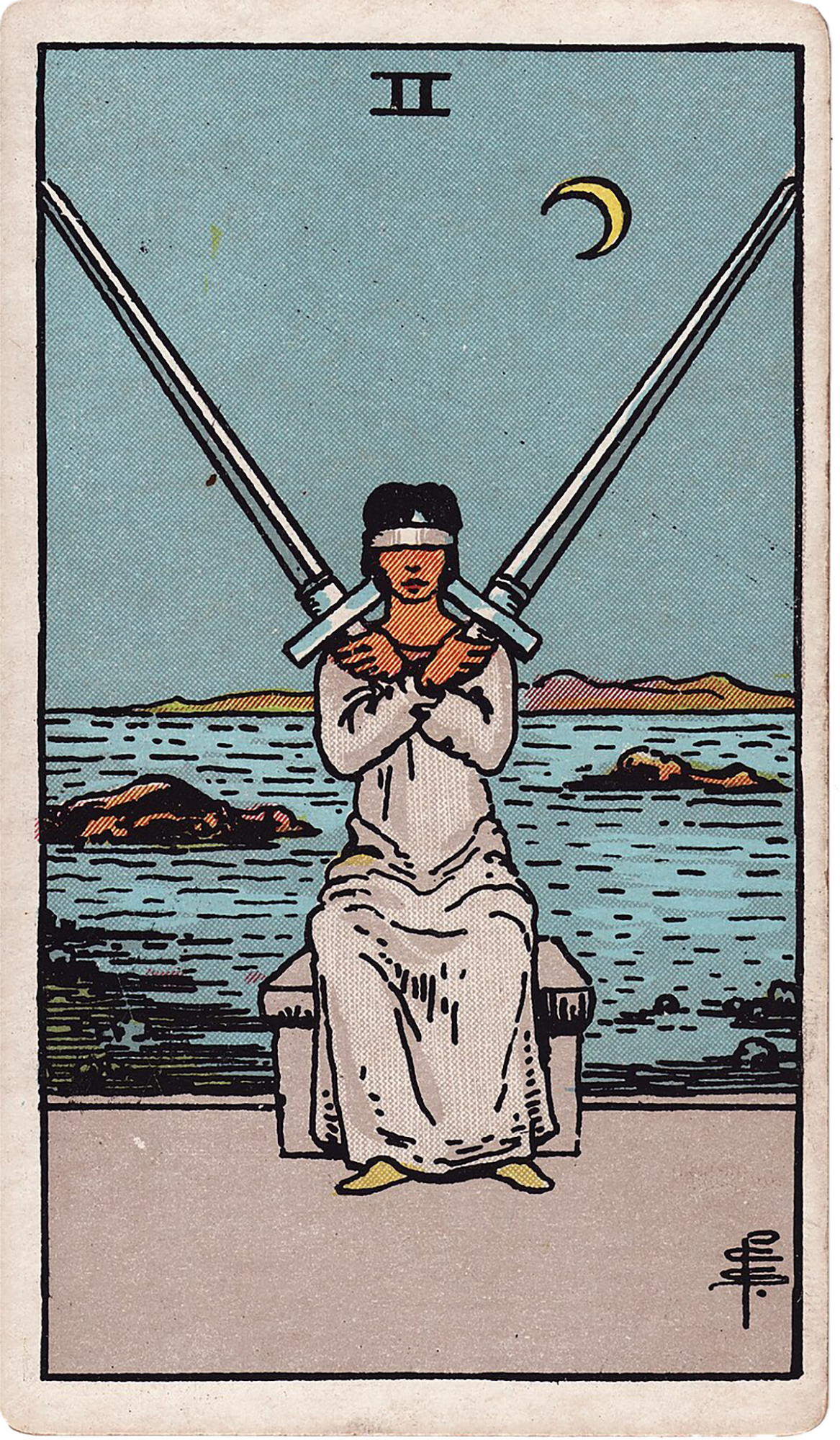 2 of Swords
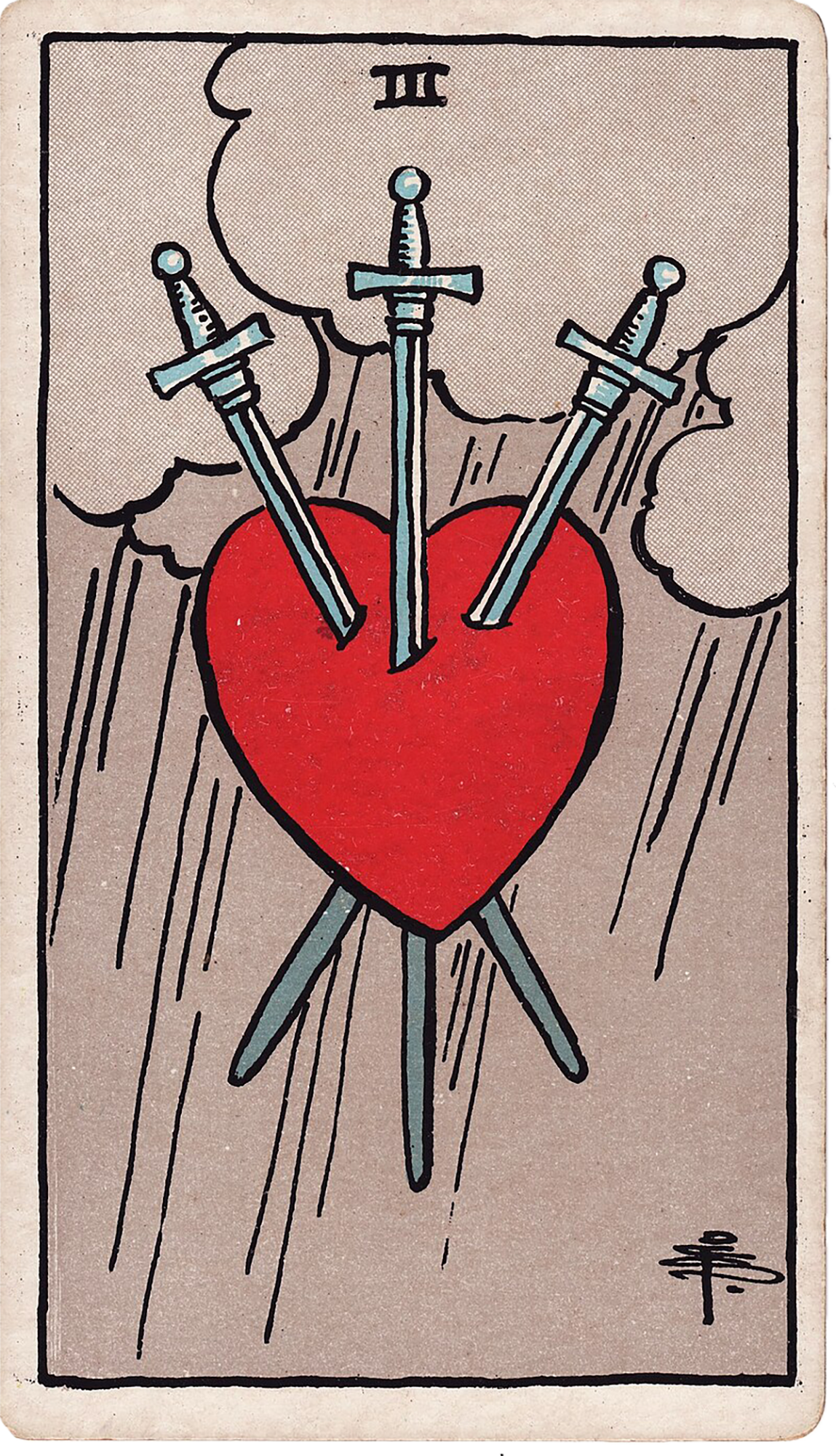 3 of Swords
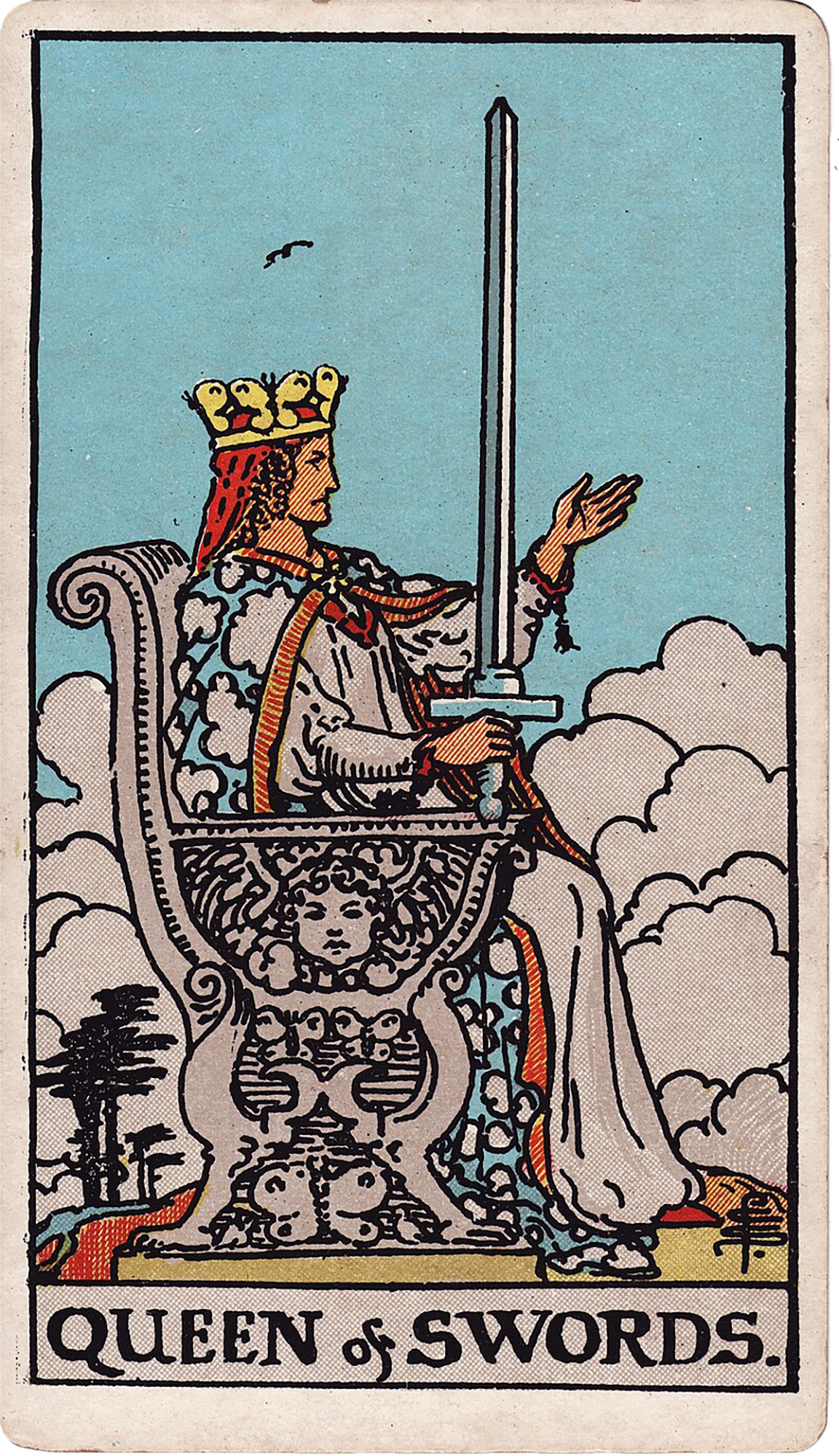 Queen of Swords
Introduction to the Suit of Swords and Its Symbolic Domain
The Suit of Swords in Tarot traditionally represents the element of Air, encompassing intellect, communication, decision-making, conflict, and truth-seeking. Unlike other suits associated with more tangible or emotional aspects of experience, Swords engage the mental plane and the consequences of our thought processes and communication styles. In the Rider-Waite-Smith deck, Swords are visually depicted as weapons but symbolically represent the cutting clarity of insight and the challenges of mental conflict rather than physical violence. This dual nature—both constructive and potentially painful—makes the Suit of Swords a powerful tool for exploring how we navigate truth, strategy, and mental habits. Throughout this article, we will anchor our study in four selected cards—the Ace of Swords, 2 of Swords, 3 of Swords, and Queen of Swords—to reveal their layered meanings and practical applications in Tarot reading.
The Ace of Swords as the Doorway to Mental Clarity
The Ace of Swords symbolizes the raw emergence of intellectual power, clarity, and decisiveness. Its upright meaning highlights moments when confusion clears and a breakthrough in understanding or communication occurs. The imagery in the Rider-Waite-Smith deck often shows a hand emerging from a cloud holding a sword upright, crowned with a wreath, symbolizing victory through truth and focused thought. Practically, this card urges the querent to respond to the present situation with clear thinking and direct communication rather than abstract ideals. The upright Ace signals that the situation can be managed through honesty, strategic thinking, and mental discipline. Conversely, when reversed, the Ace of Swords warns of intellectual misuse—harshness, premature judgment, or confusing logic that acts like a weapon rather than a tool for insight. The reversal suggests internal conflict or a mental block that requires simplification or new communication before clarity can return. In readings, it is vital to assess surrounding cards to determine if this mental breakthrough is just beginning, building tension, or close to resolution.
Decision and Impasse in the 2 of Swords
The 2 of Swords presents the imagery of a blindfolded figure holding two crossed swords, embodying suspended decision-making and internal conflict. This card signals a moment where the querent faces a decision but feels emotionally or mentally unprepared to act due to incomplete information or uncertainty. Unlike the straightforward clarity of the Ace, the 2 of Swords reflects hesitation and the need to balance opposing thoughts or feelings. Upright, it encourages the reader to identify where avoidance or indecision is occurring and what will help progress toward clarity—often by gathering more information or confronting uncomfortable truths. When reversed, the 2 of Swords can indicate avoidance, denial, or the breaking of a stalemate. Importantly, the reversal is not merely the opposite of the upright meaning but points to where the decision process is stuck and what mental or emotional blocks require attention. Effective reading of this card involves recognizing the tension between head and heart and using the broader spread to guide the querent toward resolution.
The 3 of Swords and the Reality of Pain and Healing
The 3 of Swords, famously depicted as a heart pierced by three swords against a stormy backdrop, embodies the theme of painful truth and emotional suffering. However, its symbolism is not about glorifying pain but about acknowledging the necessity of facing hurt in order to heal and move forward. Upright, the card reflects moments when pain is sufficiently clear to be named and integrated, often indicating heartbreak, betrayal, or difficult communication. The card’s energy urges practical acceptance and thoughtful response rather than avoidance. Reversed, the 3 of Swords draws attention to suppressed grief, difficulty forgiving, or recurring emotional wounds that have not yet been fully processed. It signals internal mental or emotional processes that may not be visible externally but require conscious acknowledgment and release. In Tarot readings, the 3 of Swords demands careful contextual interpretation to distinguish between ongoing hurt and the beginnings of recovery.
The Queen of Swords as the Archetype of Clear-Minded Independence
The Queen of Swords stands as a mature embodiment of the Suit’s intellectual qualities, representing independence, honest boundaries, and communication grounded in truth tempered with compassion. In Rider-Waite-Smith imagery, she is portrayed seated on a throne with a sword held upright, often with a clear sky behind her. This card upright encourages clear-mindedness, strategic thinking, and articulate expression free from unnecessary cruelty. It represents the ability to cut through confusion with balanced judgment and emotional clarity. When reversed, the Queen of Swords warns of bitterness, harsh criticism, emotional isolation, or using intellect to avoid vulnerability. The reversal invites reflection on where the querent might be defensive or disconnected from emotional complexity. Interpreters should consider the surrounding cards and the querent’s context to understand whether this card signals healthy discernment or a defensive, rigid stance.
Practical Techniques for Reading Sword Cards Accurately
To read the Suit of Swords effectively, it is essential to focus on the balance between mental clarity and emotional complexity that these cards embody. Here are some practical reading techniques: 1) Always contextualize Sword cards within the spread to understand where mental conflict, decision-making, or communication challenges appear in the querent’s life. 2) Note the stage of energy—whether the card signals the start of a mental process (like the Ace of Swords), a tension or stalemate (2 of Swords), an emotional breakthrough or pain (3 of Swords), or mature mastery (Queen of Swords). 3) Examine reversed cards as indicators of incomplete processes, blocks, or internalized conflicts rather than mere opposites, asking what needs to be acknowledged or released. 4) Use the imagery consciously—swords crossed, held upright, or piercing symbolize different dynamics of thought and communication. 5) Encourage querents to consider how thoughts, words, and decisions are influencing their current situation, emphasizing that Sword cards often highlight mental habits and their consequences. 6) Avoid interpreting Sword cards as predictions of external violence; instead, focus on their symbolic role in intellectual and communicative processes.
Common Mistakes and How to Avoid Them in Sword Card Interpretation
A frequent error in interpreting Sword cards is to overly focus on negative or conflict-driven meanings while neglecting the constructive aspects of intellect and communication. For example, the Ace of Swords reversed is not simply bad news but often signals where clarity or honest communication has become blocked and needs attention. Similarly, the 2 of Swords should not be read as mere indecision but as a complex state where emotional readiness and information gathering are required. Another common mistake is to treat reversed Sword cards as purely negative without exploring the nuances of blockage, internal conflict, or lessons that remain unintegrated. Additionally, readers sometimes misinterpret the Queen of Swords as cold or cruel when she can represent healthy boundaries and mature honesty. To avoid these pitfalls, always anchor interpretations in the card’s imagery and traditional Rider-Waite-Smith symbolism, use the querent’s context, and consider the card’s position within the spread as a dynamic part of an unfolding narrative.
Integrating Sword Cards into Broader Symbolism Studies
Studying the Suit of Swords within the broader framework of symbolism studies allows deeper insight into how mental and communicative energies manifest in human experience. The swords as symbols of air and intellect highlight the importance of thought patterns, language, and strategic choices in shaping reality. In family symbolism studies, for example, Sword cards can reveal how communication dynamics, boundary-setting, and conflict resolution function within relational systems. By anchoring interpretation in specific cards such as the Ace, 2, 3 of Swords, and the Queen, learners can map symbolic themes of clarity, decision-making, pain, and mature independence onto real-life situations. This approach enriches Tarot reading as a tool for psychological insight and personal growth, emphasizing the process of mental work rather than deterministic outcomes.
Practice questions
• How can the imagery of the Ace of Swords guide me to identify moments of mental clarity in a reading?
• In what ways might the 2 of Swords represent not just indecision but valuable pause or reflection?
• How can acknowledging the pain symbolized by the 3 of Swords deepen a querent’s healing process?
• What does the Queen of Swords teach about balancing intellect with emotional openness?
• How can I avoid misinterpreting reversed Sword cards as purely negative in my readings?
• What strategies can I use to integrate Sword cards meaningfully into complex Tarot spreads?
• How do the mental habits symbolized by the Swords influence family or relational dynamics?
Comments
Sign in to comment.
Continue learning
Interpreting the Dance of Justice and The Devil: Balancing Morality and Temptation in Tarot Readings
The combination of Justice and The Devil in tarot presents a profound exploration of morality, temptation, and personal accountability. This article unpacks how these cards influen...
Advanced Techniques for Combining The Moon and The Star to Enhance Intuition in Tarot Readings
This article explores advanced techniques to combine the symbolism and energy of The Moon and The Star Tarot cards to enhance intuition during Tarot readings. Drawing from traditio...
Unlocking Life Insights with the Celtic Cross Tarot Spread
This article offers a thorough exploration of the Celtic Cross Tarot Spread, focusing on its application within family and practical life contexts. Using a worked example featuring...
Unlocking Hidden Meanings with The Hermit and The Hanged Man for Spiritual Growth
This article offers an in-depth exploration of The Hermit and The Hanged Man Tarot cards focusing on their roles in spiritual growth. It guides readers through beginner and advance...
Unlocking Personal Insight with the Seven Card Horseshoe Spread
The Seven Card Horseshoe Spread is a practical and insightful Tarot layout ideal for exploring personal and family dynamics. This article breaks down each position—Past, Present, H...
Mastering the Court Cards of Wands for Unlocking Personal Drive and Leadership
The Court Cards of Wands represent a dynamic spectrum of personal energy, ambition, and leadership potential within the Minor Arcana. This article offers a comprehensive exploratio...
Tracing the Origins and Evolution of The Fool Card in Tarot History
The Fool card holds a foundational place in tarot tradition, symbolizing beginnings, openness, and the embrace of uncertainty. This article traces its origins from early European d...
Techniques for Reading Court Cards to Unlock Personality Insights
Court cards in Tarot often represent people, personality traits, or energy patterns within a situation. This article offers a structured approach for beginners and advanced readers...
Unlocking Emotional Transformation with Death and The Moon Tarot Combination
This article explores the rich and complex interaction between the Death and The Moon tarot cards within the Rider-Waite-Smith tradition, focusing on their combined potential to un...
Applying The Star Card to Foster Hope and Renewal in Personal Growth
The Star card in Tarot symbolizes hope, authenticity, and the process of steady renewal. In a single-card reading, The Star encourages embracing what is present, cultivating openne...