
Exploring the Symbolism and Practical Meanings of The Hanged Man in Daily Life
This article explores The Hanged Man tarot card from the Rider-Waite-Smith deck, focusing on its symbolism and practical meanings in various daily life contexts. It explains upright and reversed interpretations and illustrates how these shifts influence readings about love, career, finances, advice, challenges, people, outcomes, and spirituality. Emphasizing a visual connection to the card's imagery, the lesson guides learners through common interpretative techniques, pitfalls, and the logic behind nuanced readings. Practical examples show how to use The Hanged Man constructively, identifying when pause and perspective shift serve growth or when stagnation and resistance are present, enhancing tarot literacy and confidence.
Cards explored in this article
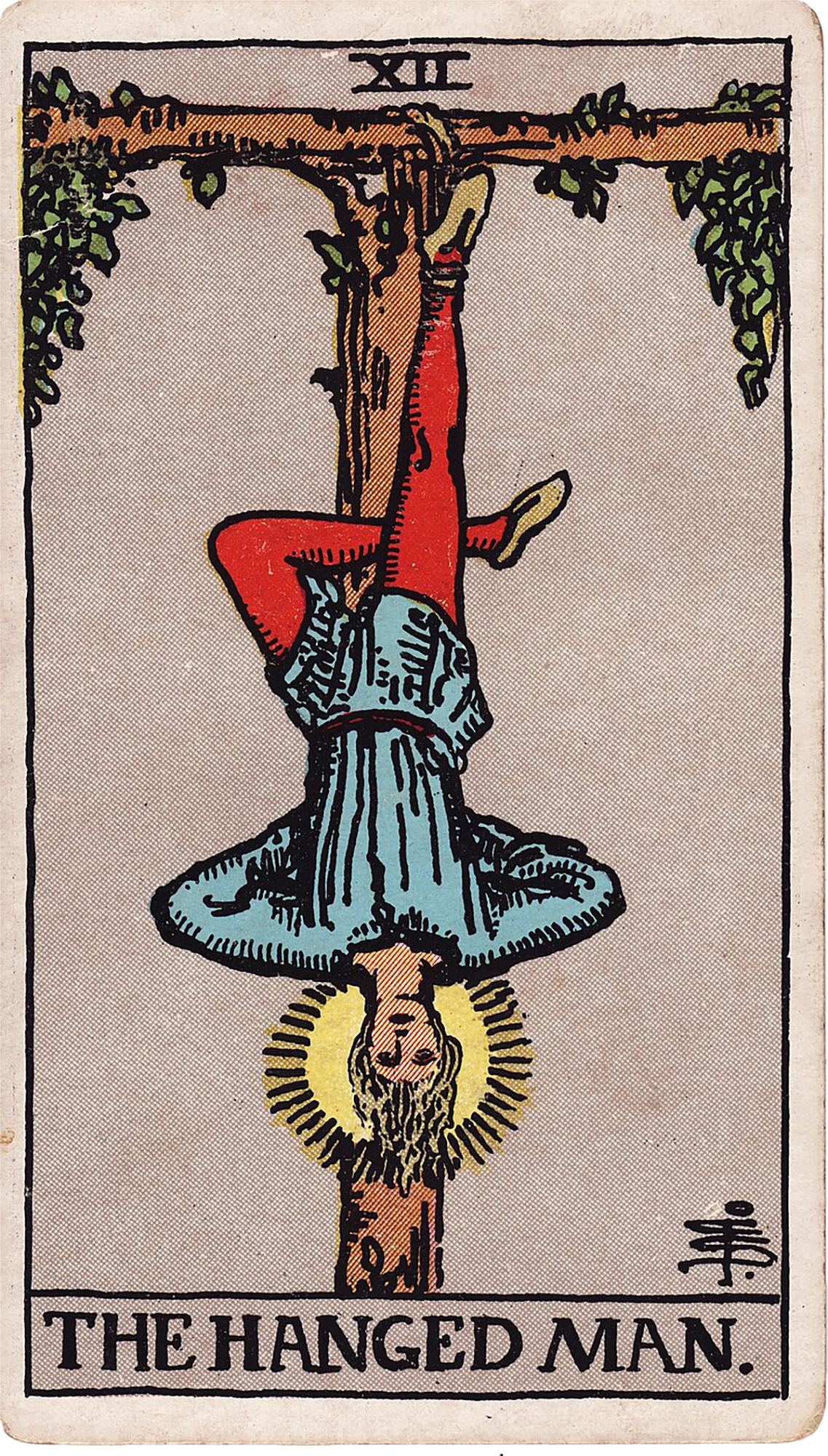 The Hanged Man
Introduction to The Hanged Man and its Symbolism
The Hanged Man is one of the Major Arcana cards in the Rider-Waite-Smith tarot deck, traditionally numbered XII. Visually, it portrays a man suspended upside-down by one foot, often from a living tree or wooden structure, surrounded by serene expressions and often a halo or glow around his head. This imagery invites reflection on sacrifice, surrender, and altered perspective. The man’s calm demeanor suggests voluntary suspension rather than forceful capture, emphasizing conscious pause and transformation through seeing the world from a new vantage point. The card’s symbolism encourages viewers to understand that growth or insight often requires letting go of direct control and embracing uncertainty. The light around the head symbolizes enlightenment and acceptance amid the inversion.
Understanding Upright and Reversed Meanings
Upright, The Hanged Man emphasizes a deliberate pause, surrendering control, and allowing a shift in perspective that can lead to understanding and transformation. It highlights the importance of patience and working with the current situation rather than forcing change. It suggests that the querent has an opportunity to engage consciously with what is visible now and take proportionate next steps, even in uncertainty. Upright, the card does not imply that the problem will be easy but that the quality of the pause is constructive and transformative. Reversed, the card often signals stagnation, resistance to surrender, or delays without learning. It might indicate martyrdom, unnecessary suffering, or internalizing the pause in a way that blocks progress. The reversed position asks the reader to consider where energy is distorted, unbalanced, or where old patterns have been recognized but not yet changed.
Applying The Hanged Man in Love Contexts
In love readings, upright The Hanged Man invites patience and open-hearted surrender. It suggests a time to pause and view the relationship from a fresh perspective, possibly reevaluating expectations or roles without rushing to judgment or action. The card encourages letting go of control or attempts to force outcomes, emphasizing emotional honesty and deliberate choice about steps forward. It might signal a period where one partner needs space or a new understanding for growth. Reversed, this card can highlight resistance to change or unhealthy patterns of sacrifice — perhaps one person feeling stuck, victimized, or unwilling to confront uncomfortable truths. It warns against martyrdom or waiting without evolving, urging the querent to reflect on whether their pause is nourishing or trapping them.
The Hanged Man in Career and Work Situations
Upright, The Hanged Man in career readings suggests a necessary pause to reassess goals, strategies, or work environment. It can indicate that the querent is at a crossroads where continuing with the same approach is unproductive and that adopting a new perspective is essential. This might mean delaying decisions, rethinking priorities, or accepting temporary restrictions while focusing on what is controllable. The card encourages working with available resources and recognizing which part of the lesson is already present in one’s approach. Reversed, the card might warn of stagnation, resistance to adapting, or feeling trapped in an unsatisfying job without taking steps to change. It can also point to burnout from over-sacrifice or refusal to acknowledge the need for rest and recalibration.
Financial Insights from The Hanged Man
In financial contexts, The Hanged Man upright advises caution and patience, suggesting a time to pause financial decisions or investments until more information or clarity emerges. It encourages accepting current limitations and working with what is available rather than pursuing risky or impulsive moves. The card advocates for viewing money matters from a new angle to uncover hidden opportunities or necessary compromises. Reversed, it may signal financial stagnation or unwillingness to face difficult realities, such as debts or budget constraints. It can reflect delays caused by resistance to surrendering old spending habits or denial of necessary adjustments.
Advice and Challenge Perspectives with The Hanged Man
As advice, upright The Hanged Man urges the querent to embrace the pause, cultivate patience, and allow a shift in understanding before acting. It recommends exploring alternative viewpoints, deepening honesty with oneself, and making deliberate choices in alignment with the current reality. The challenge side appears when this card is reversed, warning against delays that lack learning, martyrdom, or resistance to change. The struggle may be internal, such as difficulty accepting a necessary pause or external, like pressures demanding immediate action. The reader should consider how surrender or control is influencing the situation and where balance can be restored.
Person Representation through The Hanged Man
When The Hanged Man represents a person in a reading, it often describes someone who embodies patience, wisdom through experience, and the ability to see things differently. This person may willingly take a step back, sacrifice personal gain for a larger purpose, or serve as a guide encouraging new perspectives. Upright, they demonstrate calm acceptance and insightful detachment. Reversed, the person might be stuck, stubborn, or caught in self-sacrifice that is no longer healthy. They may be resistant to change or trapped by old thought patterns. Understanding this archetype helps readers identify traits or influences in relationships or environments.
Outcome and Spiritual Reflection Using The Hanged Man
As an outcome card, The Hanged Man upright suggests progress through surrender and new awareness rather than direct action. It indicates that the situation will evolve through reconsideration, patience, and a shift in perspective, not immediate resolution. Spiritually, this card invites profound reflection on the nature of control, sacrifice, and enlightenment. It encourages embracing vulnerability and trusting the process of transformation even when the future feels uncertain. Reversed in outcome or spiritual reflection, it may reveal blocks in growth caused by refusal to fully release old beliefs or behaviors. It calls for self-examination to identify where resistance is hindering awakening and where more balanced surrender can begin.
Common Interpretative Techniques and Pitfalls
When reading The Hanged Man, it’s vital to anchor interpretations to the card’s core symbolism and the current context. Avoid assuming the pause means failure or defeat; instead, see it as a fertile space for transformation. Don’t overinterpret reversal as purely negative—consider if it signals internal processing or temporary resistance. Use nearby cards and the question asked to clarify if the pause is constructive or problematic. Common mistakes include rushing the interpretation toward outcomes that ignore the card’s emphasis on process, or applying the card as a warning without exploring what the pause invites. Always ask what new perspective or deliberate choice the card encourages in this moment.
Practical Reading Method and Interpretation Logic
To read The Hanged Man effectively, start by observing the card’s imagery: the inversion, the calm face, the glowing halo, and the natural elements holding the figure. Reflect on what it means to be ‘paused’ yet enlightened. Inquire about the querent’s willingness to surrender control or shift perspective in the situation. Determine if the card is upright or reversed and apply the corresponding lessons: constructive pause or blocked surrender. Contextualize by asking what in the querent’s life aligns with the theme of suspension or new vision. Use the symbolism to guide questions about what can be released, what must be waited upon, and what fresh view can transform understanding. Confirm insights by relating them back to the querent’s situation, emphasizing learning and conscious engagement over immediate action.
Practice questions
• Where in my life am I currently resisting a necessary pause or change in perspective?
• How can embracing a deliberate surrender help me move forward in a challenging situation?
• What old patterns or beliefs might I need to release to gain new insight?
• In what areas am I working with what is available now rather than waiting for certainty?
• How do I distinguish between healthy patience and stagnation in my personal or professional life?
Comments
Sign in to comment.
Continue learning
Interpreting the Dance of Justice and The Devil: Balancing Morality and Temptation in Tarot Readings
The combination of Justice and The Devil in tarot presents a profound exploration of morality, temptation, and personal accountability. This article unpacks how these cards influen...
Advanced Techniques for Combining The Moon and The Star to Enhance Intuition in Tarot Readings
This article explores advanced techniques to combine the symbolism and energy of The Moon and The Star Tarot cards to enhance intuition during Tarot readings. Drawing from traditio...
Unlocking Life Insights with the Celtic Cross Tarot Spread
This article offers a thorough exploration of the Celtic Cross Tarot Spread, focusing on its application within family and practical life contexts. Using a worked example featuring...
Unlocking Hidden Meanings with The Hermit and The Hanged Man for Spiritual Growth
This article offers an in-depth exploration of The Hermit and The Hanged Man Tarot cards focusing on their roles in spiritual growth. It guides readers through beginner and advance...
Unlocking Personal Insight with the Seven Card Horseshoe Spread
The Seven Card Horseshoe Spread is a practical and insightful Tarot layout ideal for exploring personal and family dynamics. This article breaks down each position—Past, Present, H...
Mastering the Court Cards of Wands for Unlocking Personal Drive and Leadership
The Court Cards of Wands represent a dynamic spectrum of personal energy, ambition, and leadership potential within the Minor Arcana. This article offers a comprehensive exploratio...
Tracing the Origins and Evolution of The Fool Card in Tarot History
The Fool card holds a foundational place in tarot tradition, symbolizing beginnings, openness, and the embrace of uncertainty. This article traces its origins from early European d...
Techniques for Reading Court Cards to Unlock Personality Insights
Court cards in Tarot often represent people, personality traits, or energy patterns within a situation. This article offers a structured approach for beginners and advanced readers...
Unlocking Emotional Transformation with Death and The Moon Tarot Combination
This article explores the rich and complex interaction between the Death and The Moon tarot cards within the Rider-Waite-Smith tradition, focusing on their combined potential to un...
Applying The Star Card to Foster Hope and Renewal in Personal Growth
The Star card in Tarot symbolizes hope, authenticity, and the process of steady renewal. In a single-card reading, The Star encourages embracing what is present, cultivating openne...