
How to Read Court Cards as People Roles Inner Voices and Practical Advice
This article teaches a disciplined, image-led method for reading court cards from the Minor Arcana as people, social roles, inner voices and sources of practical advice. Using four supplied cards—the King of Wands, Queen of Cups, Knight of Swords and Page of Pentacles—as ongoing examples, the article explains how to translate Rider Waite Smith symbolism into concrete reading practice, how to decide whether a court card refers to a person or a pattern, how to read upright and reversed forms, how to combine court cards with other cards, and offers exercises and common mistakes to avoid. The aim is to support learners in making nuanced, useful readings rather than literal predictions.
Cards explored in this article
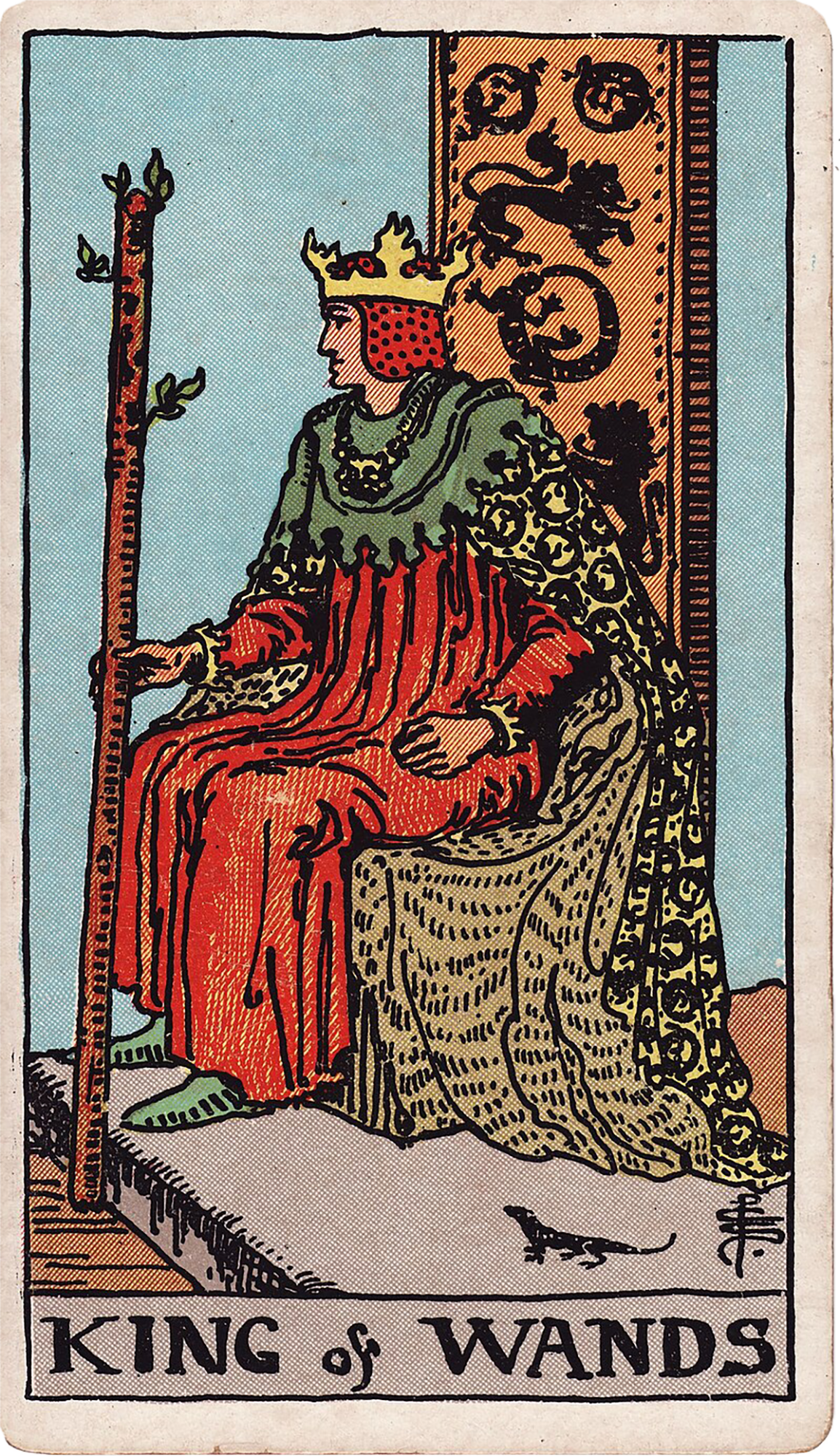 King of Wands
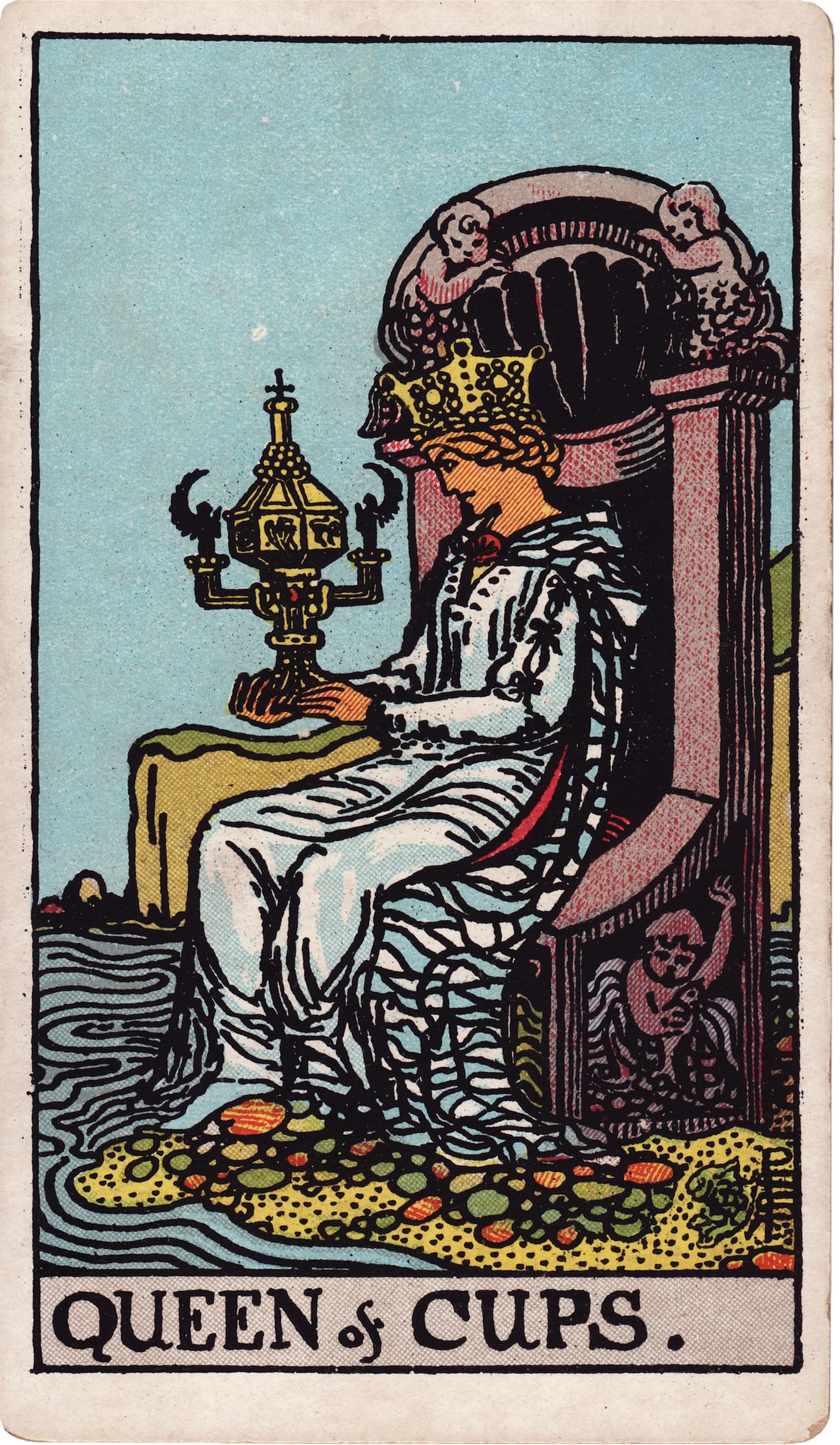 Queen of Cups
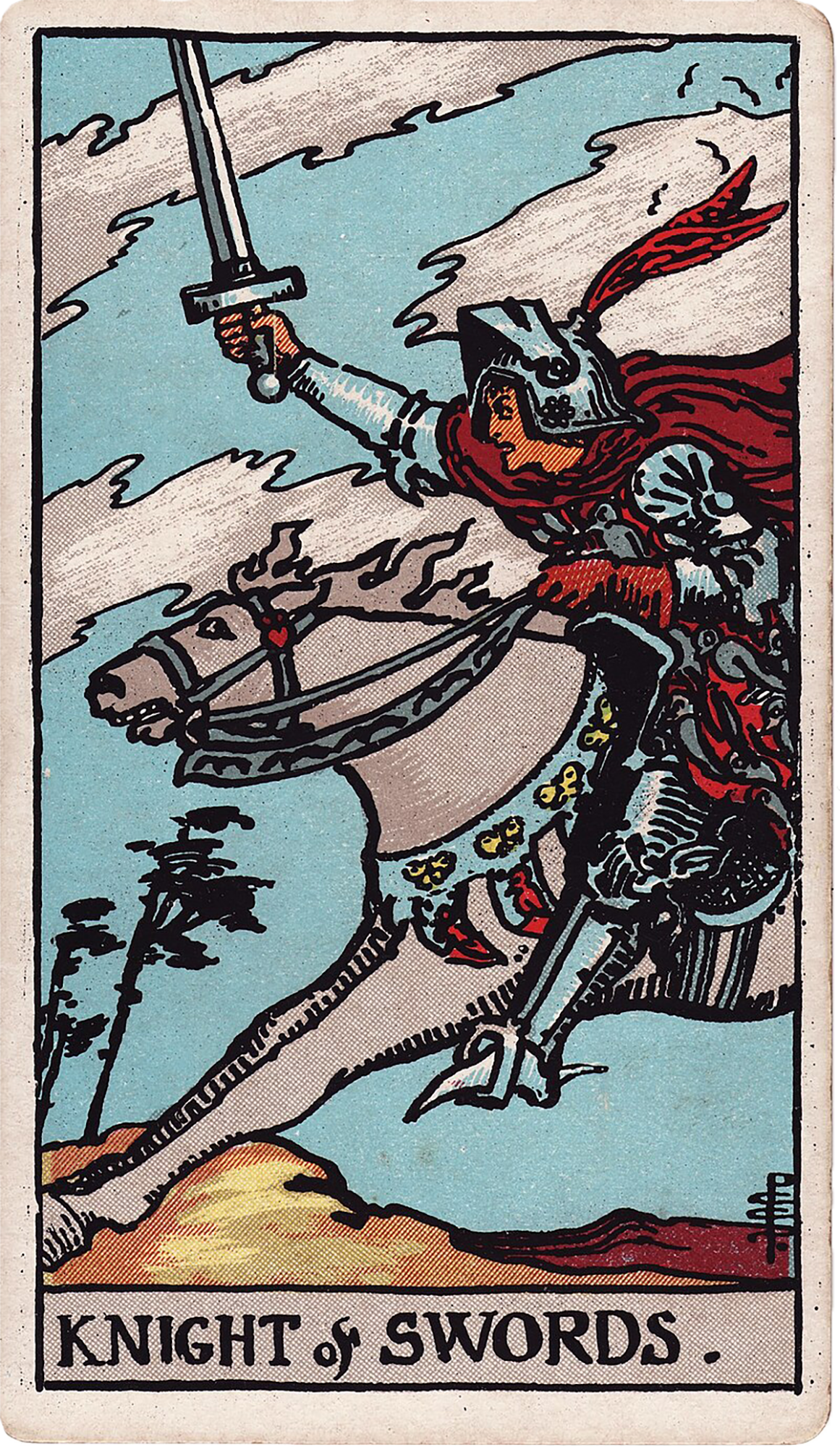 Knight of Swords
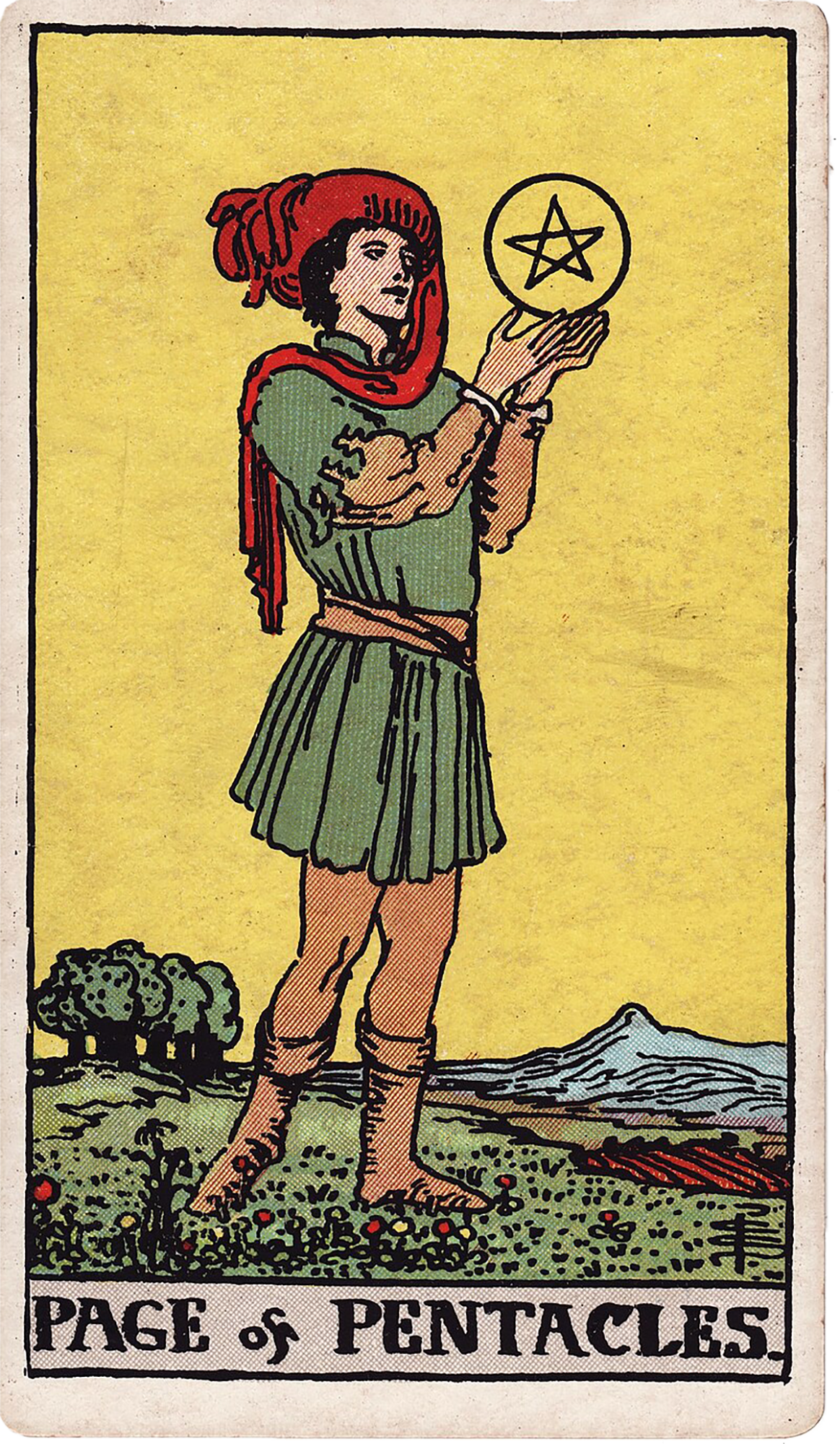 Page of Pentacles
Introduction and scope
Court cards are frequently the trickiest part of the Minor Arcana for students because they can function in multiple modes: as actual people in the querent's life, as social roles or archetypes, as inner voices and impulses, or as practical advice. This article prioritizes a clear, repeatable method so you can decide which mode fits a spread and extract useful, grounded guidance. Throughout, we anchor examples to four supplied cards and their Rider Waite Smith resonances: King of Wands (mature creative leadership), Queen of Cups (empathic container), Knight of Swords (quick, cutting thought-action), and Page of Pentacles (earnest learning and material beginning). By keeping these images in view you’ll learn how to read court cards visually, contextually and pragmatically.
Why the supplied cards are a great training set
The four supplied court cards cover the four suits and a wide range of court functions: leadership and fire in the King of Wands, emotional containment in the Queen of Cups, swift mental action in the Knight of Swords, and beginner practicality in the Page of Pentacles. Each card provides clear Rider Waite Smith imagery to practice focal techniques. For example, the King of Wands’ flowering wand and salamander symbolism teach you to read ambition, authority and the ethical management of creative force. The Queen of Cups’ closed cup and watery throne emphasize receptivity, inner depth and careful holding of feeling. The Knight of Swords’ charging horse and raised sword show rapid movement, debate and intellectual pressure. The Page of Pentacles’ studious stance with a single pentacle in a field invites interpretation in terms of concrete study and material planning. Working aloud with these four lets you practice cross-suit comparisons and see how rank, suit and posture change meaning.
A simple decision tree for what a court card is doing in a spread
Use a practical decision tree before you write a reading: 1) Position check: What is the card’s position in this spread? If it is in a role-based slot (e.g., person/partner), default to a person or social role. If it is in a problem/obstacle slot, treat it as a pattern or inner voice. If it is in an advice/result slot, treat it as counsel. 2) Name test: Ask “Could this represent someone I can name?” If yes, explore age, gender or job as possibilities but prioritize energy over literal identity. 3) Behavior focus: Look at posture, gaze and objects in the Rider Waite imagery. The King of Wands sits erect and holds a blossoming wand—this posture signals responsibility and visible activity; the Queen of Cups cradles her cup and looks inward, inviting interpretation as someone who holds emotions; the Knight of Swords’ movement can designate a messenger or a pattern of aggressive thought; the Page of Pentacles directs attention to learning and material steps. 4) Functional question: What role is the querent asking about? If they ask “Who will manage the launch?” the King of Wands as a leader is a strong fit; if they ask “How do I stabilize my feelings?” the Queen of Cups as inner containment fits better. Apply the tree each time to avoid fuzzy or contradictory readings.
People versus roles: reading the four supplied cards as external people
When court cards likely point to people, prioritize behavior over biography. The King of Wands can indicate an older or authoritative person who inspires or drives a project—look in the image for the confident posture, the wand that blooms, the salamander/fire associations in Rider Waite-derived decks; these signal sustained creative energy and entrepreneurial responsibility. The Queen of Cups often represents someone emotionally attuned and caregiving—her closed or ornate cup and the watery throne suggest a person who listens and holds, perhaps a counselor, mother figure, or emotionally intelligent friend. The Knight of Swords usually points to an active, assertive person—fast, often younger in demeanor, eager to debate or correct; the Rider Waite imagery of motion and clouds warns of speed and bluntness. The Page of Pentacles suggests a young or junior person focused on study, apprenticeship, or material starts—watch for practicality, study habits and earnestness in behavior rather than an exact age. When you identify a person, ask: how does the person behave (King of Wands style), what do they want, how do they usually respond, and what practical influence do they exert?
Roles and social dynamics: court cards as functions in a situation
Court cards often describe functions people play in a dynamic. Read them as roles when the reading concerns systems: teams, families, workplaces. In a family spread, the King of Wands could stand for the family leader who sets creative goals or pushes ambitious plans. The Queen of Cups may be the emotional anchor who soothes disputes or holds family history and memory. The Knight of Swords can be the family member who escalates arguments and forces decisions, while the Page of Pentacles may be the young adult starting a job or learning to manage money. Use the Rider Waite imagery to spot how each role shows itself: the King’s practical yet visionary posture, the Queen’s inward gaze and cup, the Knight’s forward thrust, and the Page’s study-focused stance. Roles are about function, not identity—so a querent might be the Page in one area of life (starting a career) and the King in another (leading a creative project).
Inner voices and psychological layers
Court cards are among the best tools for inner work because they externalize parts of the psyche. Read the King of Wands as an inner voice of mature initiative—the part that says “I will direct energy responsibly and keep the long view.” The Queen of Cups can be the inner caregiver who urges emotional attunement, or the part that knows how to hold grief without being overwhelmed. The Knight of Swords represents the inner critic or strategist that wants immediate clarity and decisive action; notice where its speed becomes bluntness. The Page of Pentacles is the inner apprentice that wants to learn and do the practical steps. To use them in therapy-style readings, assign each card a prompt: “What does this voice want? What is it afraid of? What practical next step does it suggest?” Then ask how each voice coordinates with the querent’s actual capacity and needs.
Upright and reversed nuance anchored to the four supplied cards
Avoid treating reversed cards as literal opposites. Instead ask where the process is stuck and what needs attention. For the King of Wands, upright signals mature vision and responsibility; reversed highlights domination, impatience, or a leader whose expectations are not communicated. The Rider Waite visual of the king’s firm grip becomes a caution in reversal—has grip turned into griping? For the Queen of Cups, upright shows emotional receptivity; reversed points to overwhelm, absorption of others’ moods or withdrawal into fantasy. Look at the closed cup in the RWS image to decide whether the querent’s care is contained or flooding. Knight of Swords upright gives swift decisive action; reversed warns of recklessness, tunnel vision or aggression—notice if the rushing horse becomes collision. The Page of Pentacles upright emphasizes careful study and practical opportunity; reversed indicates procrastination, unrealistic plans or lack of competence. In each case, the reversed state asks what to simplify, where to set boundaries, or what practical habit needs cultivation.
Practical reading method step by step
Here is a concrete method you can use at the table or in practice: 1) Shuffle with intent and notice any court cards that jump or feel heavier. 2) Lay out your spread and mark each court card position—label whether the slot tends to indicate person, role, process, or advice. 3) For each court card, first describe observable image details from the Rider Waite lineage: posture, objects (wand, cup, sword, pentacle), gaze, background. For example, say aloud: “King of Wands sits upright holding a flourishing wand—there’s authority and sustained creative direction.” 4) Decide mode using the decision tree (person, role, voice, advice). 5) Give behavioral verbs tied to the card: King of Wands = initiates, delegates; Queen of Cups = listens, contains; Knight of Swords = charges, argues; Page of Pentacles = studies, practices. 6) Translate verbs into specific practical advice: Who should do what next? For example, if the King of Wands appears in a career slot, advise concrete leadership steps (set a visible plan, delegate responsibilities). If the Queen of Cups appears reversed in a relationship slot, recommend boundary-setting and emotional differentiation exercises. 7) Check consistency with surrounding cards and timeframes. If the Knight of Swords is answering a question about timing, expect rapid movement; if it’s paired with the Page of Pentacles, slow the Knight’s impulse and create a study plan. 8) Finish by asking: what does the querent need to practice to move toward the upright expression of this court card?
Interpreting combinations and dialogue between court cards
Court cards don’t stand alone. Read them as a conversation. If the King of Wands and Queen of Cups appear together, describe an exchange: leadership informed by empathy is possible, but the King’s push may need the Queen’s containment to avoid burn-out. Rider Waite imagery helps: the King’s wand and the Queen’s cup symbolize doing and feeling—ask where they balance. If the Knight of Swords appears with the Page of Pentacles, the dynamic could be hurried ideas without grounding; the Knight wants action, the Page asks for study and realistic steps. Practically: the Knight may create a plan, the Page is the person who executes due diligence. If the Queen of Cups is reversed while the King of Wands is upright, you might read a leader acting without sufficient emotional attunement; recommend practical interventions that reconnect feeling to authority, such as checking in with stakeholders or creating reflective pauses. Always narrate the interaction and finish with a concrete practice or boundary to balance the energies.
Common mistakes and how to avoid them
Mistake 1: Reading court cards only as literal people. Fix: prioritize behavior and role first; only literalize identity when the querent provides confirming context. Mistake 2: Gender essentialism. Fix: court ranks have gendered titles but refer to energy more than sex—the Queen of Cups can be anyone who embodies emotional receptivity. Mistake 3: Reversed = opposite. Fix: read reversal as congestion, excess or internalization and ask what practice returns the card to its healthier expression. Mistake 4: Ignoring Rider Waite symbols. Fix: use concrete elements in the image—wand, cup, sword, pentacle, posture, throne—to ground meaning. Mistake 5: Giving vague advice. Fix: convert the card’s energy into behavioral verbs and then into specific steps: who does what, when and how. Anchor these steps to the imagery: the Page of Pentacles studies—recommend a course, a practice schedule, or a budget exercise; the King of Wands leads—recommend a planning meeting and a public commitment; the Knight of Swords needs slowing—suggest a pause ritual; the Queen of Cups needs boundaries—suggest journaling to process feelings before reacting.
Practice exercises using the supplied cards
Exercise 1: Three-mode reading. Pull one of the four supplied cards and read it three ways: as a person in the querent’s life, as an inner voice, and as specific advice. For example, pull the Queen of Cups and practice: person = supportive friend, inner voice = compassionate witness, advice = schedule a weekly 20-minute feeling check-in. Exercise 2: Role swap. Lay out two cards—pick two of the supplied four—and role-play the conversation aloud. If King of Wands and Knight of Swords, have the Knight propose a rapid action and the King moderate the energy. Exercise 3: Timeline test. Use the Page of Pentacles as “start,” Knight of Swords as “moment of acceleration,” Queen of Cups as “emotional reflection,” King of Wands as “leadership integration.” Notice where actions must be slowed or grounded. Exercise 4: Reversal repair. Pull one card and if it’s reversed, write three micro-practices to return it upright: for King of Wands reversed, note communication steps and delegation choices; for Queen of Cups reversed, plan boundary-checks; for Knight of Swords reversed, schedule reflection pauses; for Page of Pentacles reversed, set a short study routine.
Putting it all together in a sample reading
Example reading: Querent asks about launching a small creative business. Cards drawn: King of Wands upright in the 'role' position, Page of Pentacles upright in 'current skill' position, Knight of Swords reversed in 'obstacle', Queen of Cups reversed in 'advice'. Step 1: Image-led description: King of Wands—authoritative, blossoming wand; Page of Pentacles—studious, grounded; Knight of Swords reversed—rushing energy that has lost nuance; Queen of Cups reversed—emotional overwhelm or boundary blur. Step 2: Modes: King = leadership role (possibly the querent or a partner); Page = the querent’s beginner practical skillset; Knight reversed = a pattern of acting too fast or pushing without nuance; Queen reversed = drain from taking on others’ emotions or avoiding realistic boundaries. Step 3: Practical counsel: Keep the King of Wands’ vision but ground it through Page of Pentacles habits—set learning milestones and a simple bookkeeping plan. Address the Knight’s reversal by instituting a decision pause (24–72 hours) for major moves. Repair the Queen’s reversal with emotional boundaries: weekly check-ins rather than constant caretaking. Step 4: Final advice: a three-step plan—1) create a one-page action plan with milestones (King + Page), 2) add a decision rule for major purchases or hires (Knight reversed repair), 3) schedule reflective sessions to prevent emotional exhaustion (Queen reversed repair). This reading stays visual, behavioral and actionable.
Conclusion and how to continue practicing
Court cards reward practice because they live at the intersection of image, function and personality. Use the supplied cards—King of Wands, Queen of Cups, Knight of Swords and Page of Pentacles—as persistent reference points in your daily study. Build simple rubrics: posture = action tendency; object = domain of action (wand = energy/vision, cup = emotion, sword = thought, pentacle = material); rank = maturity/role (Page = beginner, Knight = active agent, Queen = container, King = integrator). Keep readings practical: convert energy into specific behaviors and micro-steps. Over time you’ll develop a quick sense of whether a court card is an external person, a role in a system, an inner voice or a direct piece of advice—and you’ll be able to give readings that help querents actually act with clarity and care.
Practice questions
• When you look at the King of Wands image what specific behaviors do you notice that could be translated into a one-week action plan?
• How might the Queen of Cups’ posture and closed cup suggest boundary work you or a querent needs to do?
• In what situations have you or someone you know acted like the Knight of Swords and later regretted moving too fast?
• What first small skill or habit could the Page of Pentacles model for you this month?
• How would you decide, in a family spread, whether a court card represents a person or a role?
• What micro-practices would you recommend to return each of the four supplied cards from reversal to healthier expression?
Comments
Sign in to comment.
Continue learning
Interpreting the Dance of Justice and The Devil: Balancing Morality and Temptation in Tarot Readings
The combination of Justice and The Devil in tarot presents a profound exploration of morality, temptation, and personal accountability. This article unpacks how these cards influen...
Advanced Techniques for Combining The Moon and The Star to Enhance Intuition in Tarot Readings
This article explores advanced techniques to combine the symbolism and energy of The Moon and The Star Tarot cards to enhance intuition during Tarot readings. Drawing from traditio...
Unlocking Life Insights with the Celtic Cross Tarot Spread
This article offers a thorough exploration of the Celtic Cross Tarot Spread, focusing on its application within family and practical life contexts. Using a worked example featuring...
Unlocking Hidden Meanings with The Hermit and The Hanged Man for Spiritual Growth
This article offers an in-depth exploration of The Hermit and The Hanged Man Tarot cards focusing on their roles in spiritual growth. It guides readers through beginner and advance...
Unlocking Personal Insight with the Seven Card Horseshoe Spread
The Seven Card Horseshoe Spread is a practical and insightful Tarot layout ideal for exploring personal and family dynamics. This article breaks down each position—Past, Present, H...
Mastering the Court Cards of Wands for Unlocking Personal Drive and Leadership
The Court Cards of Wands represent a dynamic spectrum of personal energy, ambition, and leadership potential within the Minor Arcana. This article offers a comprehensive exploratio...
Tracing the Origins and Evolution of The Fool Card in Tarot History
The Fool card holds a foundational place in tarot tradition, symbolizing beginnings, openness, and the embrace of uncertainty. This article traces its origins from early European d...
Techniques for Reading Court Cards to Unlock Personality Insights
Court cards in Tarot often represent people, personality traits, or energy patterns within a situation. This article offers a structured approach for beginners and advanced readers...
Unlocking Emotional Transformation with Death and The Moon Tarot Combination
This article explores the rich and complex interaction between the Death and The Moon tarot cards within the Rider-Waite-Smith tradition, focusing on their combined potential to un...
Applying The Star Card to Foster Hope and Renewal in Personal Growth
The Star card in Tarot symbolizes hope, authenticity, and the process of steady renewal. In a single-card reading, The Star encourages embracing what is present, cultivating openne...