
Map Attachment Patterns with the Relationship Five Card Spread
This article teaches a practical five-card relationship spread designed to map attachment patterns and relational dynamics. Using The Lovers (You), The Moon (The Other Person), 2 of Cups (Connection), 5 of Cups (Challenge), and 10 of Cups (Direction), the guide explains each position, Rider-Waite-Smith imagery, card-to-card dialogues, synthesis methods, reproducible technique, common mistakes, and exercises for learners. Emphasis is on careful observation of imagery, positional questions, and ethical interpretation rather than prediction.
Relationship Five
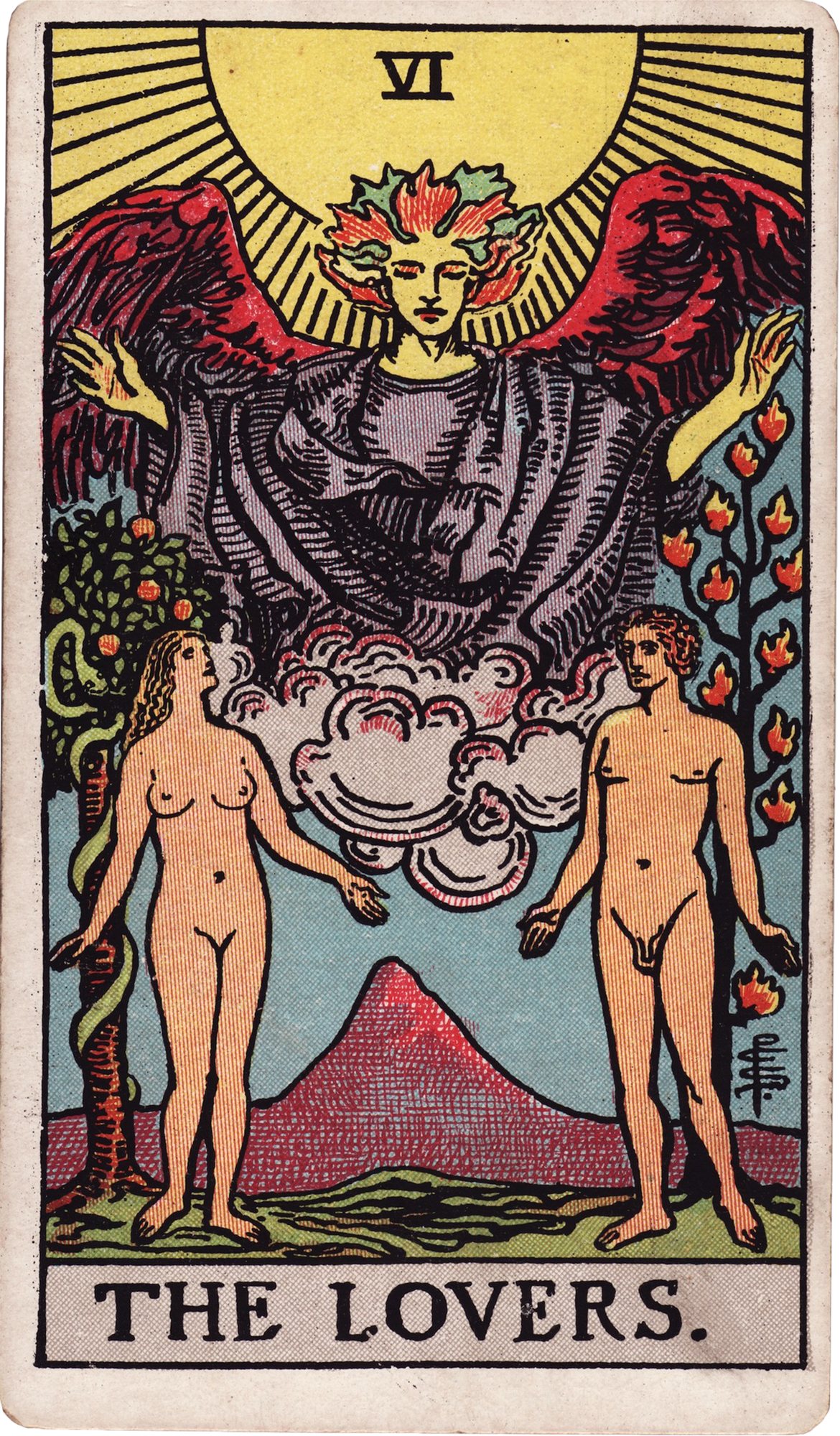 YouThe Lovers
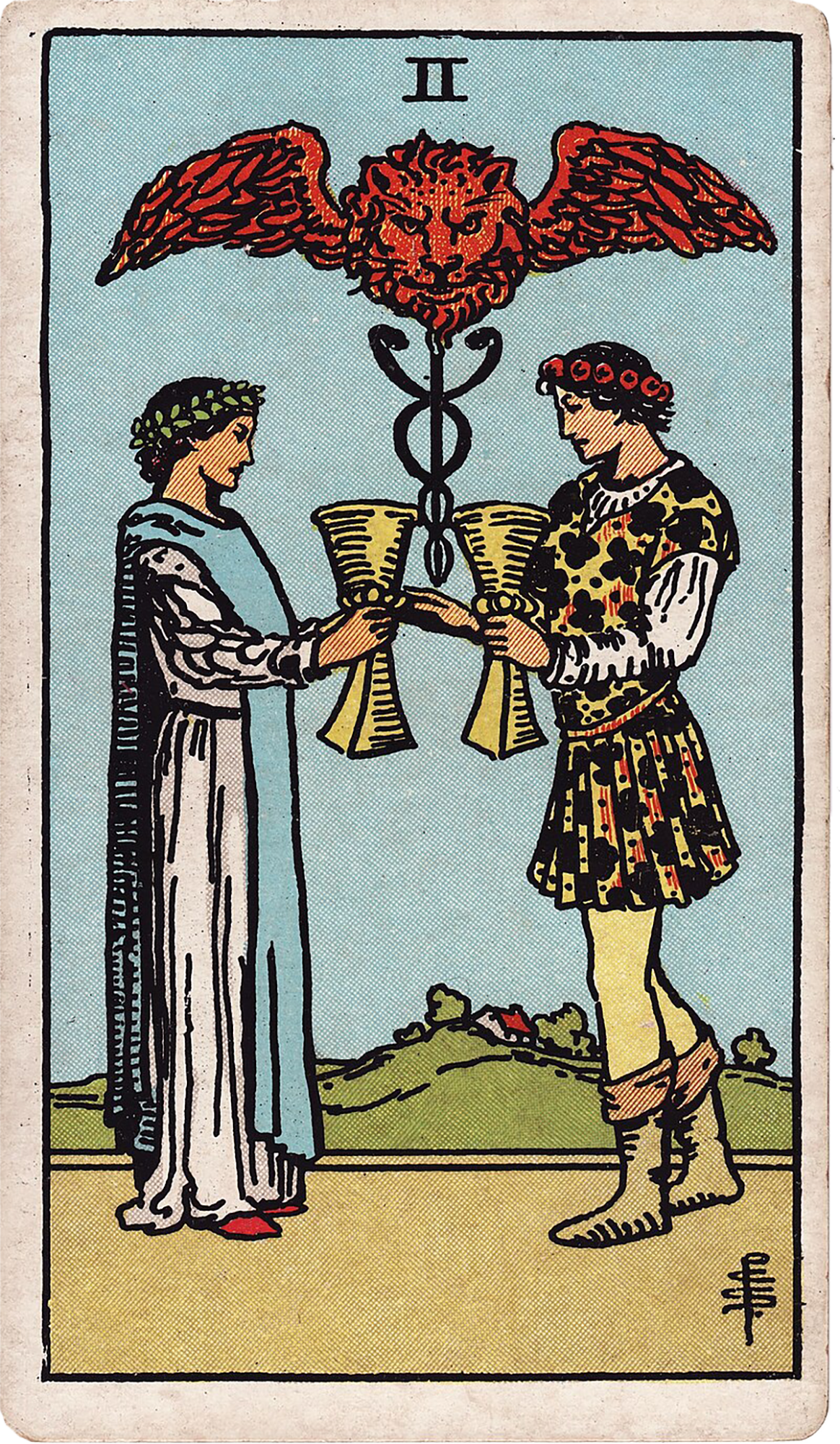 The Other Person2 of Cups
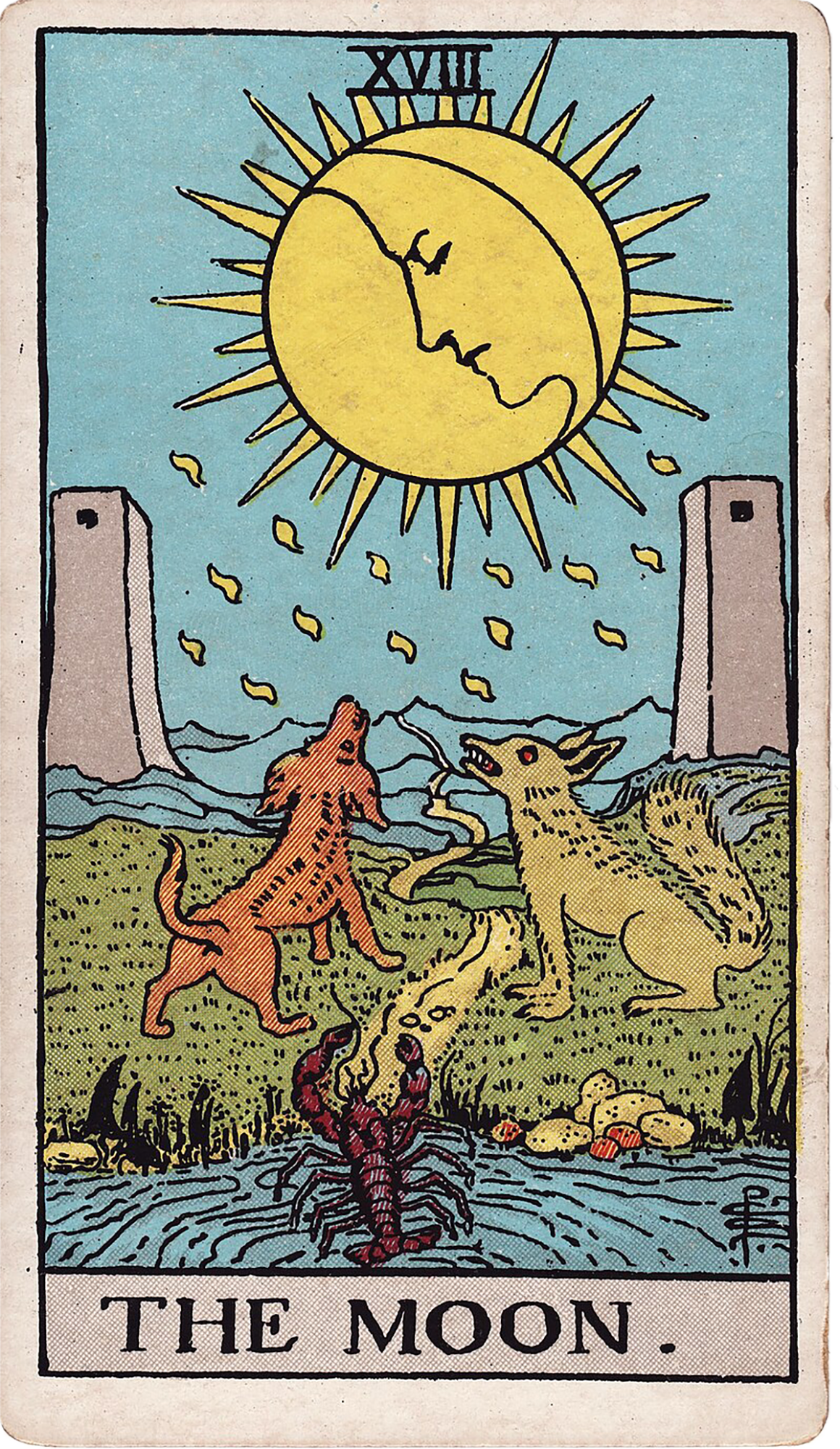 ConnectionThe Moon
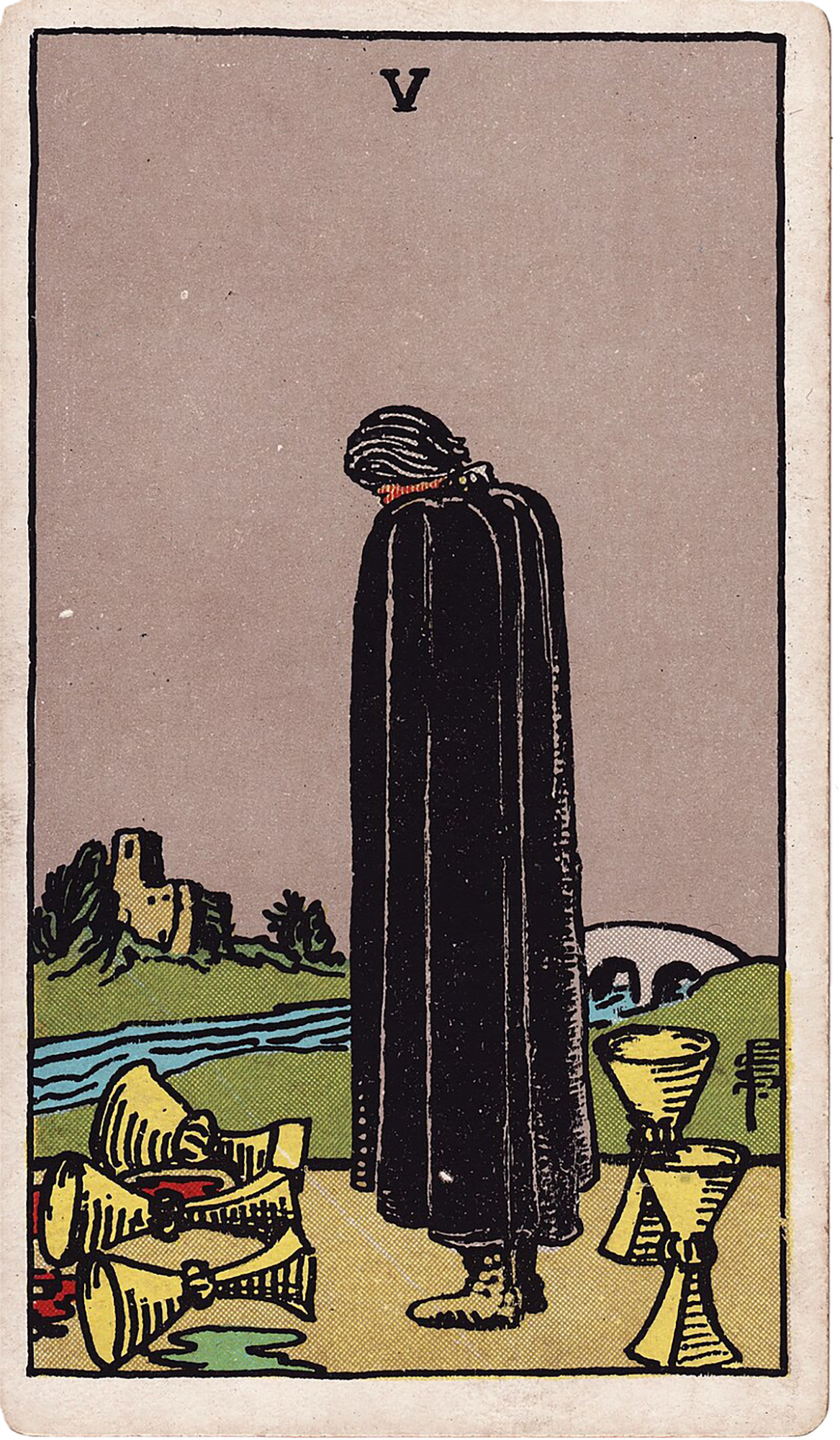 Challenge5 of Cups
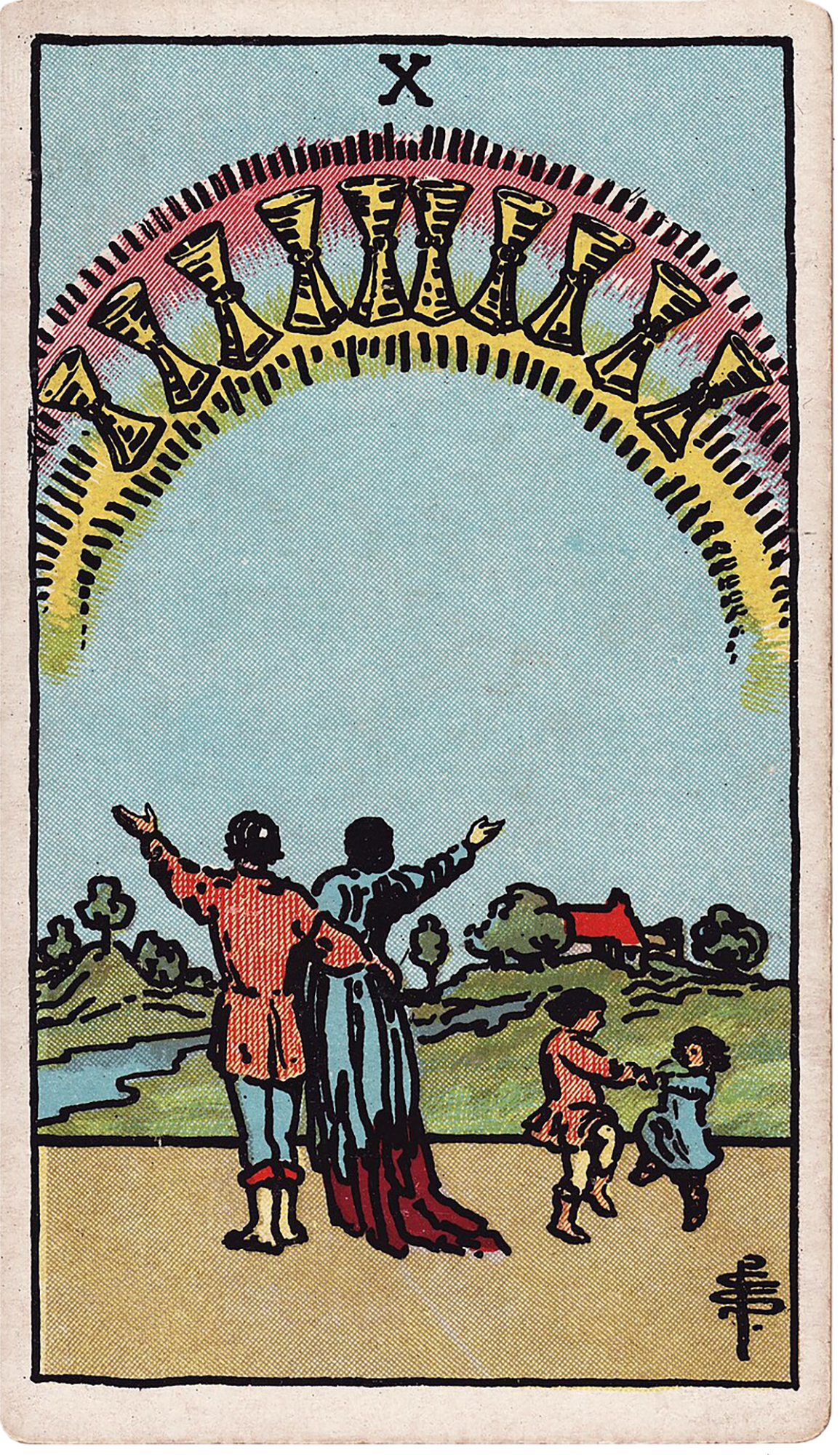 Direction10 of Cups
Introduction and Purpose
The Relationship Five Card Spread is a compact, practical layout for mapping how attachment and relationship patterns are operating between two people. It is especially useful for family contexts, partnerships, and long-term connections where emotional habit, history, and mutual expectations shape behavior. This article walks a learner through a worked example using five supplied cards that will be displayed with the article: The Lovers, The Moon, 2 of Cups, 5 of Cups, and 10 of Cups. Those cards appear in the spread in the order they were supplied. Throughout the lesson you will be asked to track Rider-Waite-Smith symbolism—visual cues such as figures, animals, trees, and objects—and to use positional questions to keep interpretation grounded and practical. The aim is not fortune-telling but to map dynamics and suggest next steps compatible with a client-centered, ethical reading practice.
Spread Overview and Position Labels
Layout and purpose: Place five cards left to right or in a T shape if you prefer visual grouping. The position labels for this spread are, in order: You, The Other Person, Connection, Challenge, Direction. The structure is intentionally simple: the first two positions describe each person’s stance and interior dynamic; the center card names the present quality of the connection; the fourth card points to the emotional obstacle or pattern that interferes; the fifth card indicates a practical direction or the shape of a possible healthy outcome. Why this order matters: Position order creates a readable flow. 'You' and 'The Other Person' set the baseline forces; 'Connection' shows how those forces meet; 'Challenge' isolates the key disturbance; 'Direction' gives a usable horizon. Keep that order every time so you and your client can compare readings across sessions.
Working with the Displayed Cards and Orientation Rules
The five supplied cards are used in the explicit order they were given. For learners reading the public article, the displayed images will be The Lovers, The Moon, 2 of Cups, 5 of Cups, and 10 of Cups. Treat the images as primary data: describe what you see before you name the traditional meaning. Use Rider-Waite-Smith imagery to anchor interpretation—angelic figure, moonlit path, two people exchanging cups, spilled cups, rainbowed family scene. Unless a card image in the spread is clearly reversed, read the cards with upright meanings first and then layer in reversed possibilities as nuance. In practice, always ask your client whether they want you to read reversals, and be explicit about how you handle them. Quick orientation rule for learners: 1) Observe image. 2) Note upright or reversed orientation. 3) State short positional sentence (what role this card plays in the spread). 4) Tie image to feeling words and behavioral indicators. This sequence keeps interpretation anchored and useful.
Position by Position: Interpretation and Imagery
You — The Lovers (upright reading as primary) The Lovers in the 'You' position asks you to look at choice, values, and responsibility in your own approach to the relationship. Rider-Waite-Smith imagery shows a naked pair beneath an angel; behind them are two trees, one with a serpent. Visually the card is about candidness, moral alignment, and the moment when attraction requires a deliberate decision. When The Lovers appears for 'You,' ask: Which of my desires are aligned with my values? Where am I being asked to make a deliberate, ethical choice rather than follow impulse? Practically, The Lovers in this spot can also mean you are conscious of the relational stakes and ready to match inner values with external action—honesty, clearer boundaries, or an integrative decision. If reversed: The Lovers reversed would highlight misalignment, indecision, or choosing short-term attraction over lasting values. If you see that orientation, focus on where avoidance or divided loyalties undermine your capacity to act in ways that match your stated intentions. The Other Person — The Moon The Moon in the 'Other' position draws attention to uncertainty, projections, and unconscious material on the other person’s side. Rider-Waite-Smith shows a moon above two towers, a dog and wolf howling, and a crayfish emerging from water. The card signals that the other person may be moving through inner confusion, fear, or unprocessed emotional material. They might be projecting old stories, fearing intimacy, or struggling to distinguish imagined threats from the real situation. Ask: What fears or projections might be guiding their responses? Are their actions shaped more by shadow material than by straightforward intent? If The Moon appears reversed, it could mean confusion is clearing or that the other person is denying intuition. That nuance changes the reading: rather than being stuck in fog, they may be only beginning to acknowledge hidden fears. Connection — 2 of Cups Placed centrally, the 2 of Cups describes the present exchange quality between you and the other person. In Rider-Waite-Smith imagery, a man and a woman face each other exchanging cups with a caduceus and a winged lion's head above them. The image signals reciprocity, mutual recognition, and the possibility of balanced emotional exchange. In this spread the 2 of Cups is encouraging: it often marks that despite personal complications, there is a capacity for meeting, repair, or cooperative decision-making. Ask: Where is reciprocity being practiced? Where is it missing? If reversed, the 2 of Cups would highlight asymmetry, misalignment of effort, or a need to renegotiate the rules of exchange. Challenge — 5 of Cups The 5 of Cups shows a figure mourning three spilled cups with two upright cups behind them. In this position it names the emotional pattern that most obstructs the connection. The card is about fixation on loss, grief that hasn't been integrated, and attention narrowed toward what has gone wrong. As a challenge, it suggests that one or both people may be stuck in regret or failure to see remaining resources. Ask: What loss is being replayed here? Is grief taking up the room where repair could happen? Are past hurts being treated as the single story of the relationship? Reversed, the 5 of Cups may indicate the beginning of recovery—turning to what remains—but the reversal is nuanced and needs the context of nearby cards. Direction — 10 of Cups The 10 of Cups offers the spread's horizon. Rider-Waite imagery shows a couple, children, and a rainbow of cups over a home: a domestic scene of belonging and emotional fulfillment. In the 'Direction' position this card prescribes a practical goal: to move toward shared emotional stability and a culture of mutual support in the family or partnership. Importantly, the 10 of Cups does not promise utopia; it describes the concrete work and values that cultivate belonging: honest communication, negotiated expectations, and reciprocal emotional availability. If reversed, the 10 of Cups warns about idealization of family harmony or a discrepancy between public appearance and private reality. Use that caution when recommending paths forward.
Card-to-Card Relationships and Conversational Pairings
Reading relationships is dialogical: the cards answer and complicate one another. Below are the core pairings to examine in a Relationship Five Card Spread using these five cards. You (The Lovers) ↔ The Other Person (The Moon) This pairing highlights a tension between clarity of choice (You) and the other person’s confusion or shadow material. The Lovers wants alignment—values translated into action—while The Moon warns that the other may be guided by fear, fantasy, or projection. Interpretive moves: ask where your choices are being shaped by the other person's fears; conversely, ask how your decisions might help or provoke the other person's shadow responses. Practical reading question: How can you choose in ways that acknowledge and stabilize the other person's uncertainty without sacrificing integrity? You (The Lovers) ↔ Connection (2 of Cups) The Lovers' need for ethical choice and harmony meets the 2 of Cups' present reciprocity. This is promising—your desire to act meaningfully is supported by a relational structure that can reciprocate. However, the reading must test whether reciprocity is genuine: is the 2 of Cups reflecting mutual recognition or a fragile agreement? Use imagery: the caduceus and lion's head suggest healing potential but also a need for courage to speak honestly. The Other Person (The Moon) ↔ Connection (2 of Cups) Here the Moon complicates the 2 of Cups. Even though the connection has the capacity for reciprocity, the other person's projections or fears could distort the exchange. The 2 of Cups recommends checking mutual assumptions—are both parties seeing the same emotional facts? If not, misinterpretation becomes the primary risk. Connection (2 of Cups) ↔ Challenge (5 of Cups) This link shows the central struggle: mutual recognition is present but overshadowed by grief or regret. The spilled cups of the 5 of Cups are physically behind the mourning figure; likewise, in the relationship there may be unprocessed losses in the background that keep reappearing. When reading, ask which losses need naming and ritualized closure to unburden the present exchange. Challenge (5 of Cups) ↔ Direction (10 of Cups) This is the transformational arc. The 5 of Cups' grieving stance must be acknowledged before the relationship can move toward the stable belonging of the 10 of Cups. The practical suggestion is grief work—honest acknowledgment of what was lost, followed by actions that rebuild trust and shared ritual. The rainbow of the 10 of Cups indicates that emotional recovery leads to a renewed family or partnership atmosphere, not instant perfection. Synthesis advice for learners: Map these pairings in notes during the reading. Write one sentence for each link that names the dynamic: example, 'My choices (Lovers) are promising reciprocity (2 of Cups) but are undermined by their fear and projection (Moon) which keeps old losses active (5 of Cups); grief work will be needed to reach a dwelling of belonging (10 of Cups).'
Synthesis: Building a Coherent Narrative Without Overclaiming
Synthesis is the process of turning card statements into an actionable, client-centered narrative. Good synthesis names dynamics, offers next steps, and identifies what needs containment or repair. For this specific five-card layout with these cards, a coherent synthesis might read: 'You are at a point of deliberate choice about how you want to engage (The Lovers). The other person is operating from fear and uncertainty (The Moon), but between you there is a real capacity for mutual recognition if you both can meet honestly (2 of Cups). The main barrier is unprocessed loss and regret that keeps reactivating past failure or disappointment (5 of Cups). The practical direction to pursue is rebuilding a stable emotional culture—small rituals, clear commitments, and grief acknowledgment—that could lead toward a reliable family atmosphere of belonging (10 of Cups).' Practice restraint: name possibilities and recommend skills or experiments rather than deterministic statements. For example, recommend a single conversational practice to try in the next week, or a ritual for acknowledging loss. This keeps readings practical and ethical.
Step-by-Step Practical Method to Reproduce the Spread
Materials: a shuffled deck with which you are familiar, a surface to lay five cards, a notebook. Procedure: 1) Intention: Ask a concise relational question such as 'How are attachment patterns showing up between me and X, and what direction is useful now?' Keep it neutral and permission-based. 2) Shuffle and focus: Invite both parties to think of the relationship without attempting to control outcomes. Shuffle until you feel ready. 3) Cut and draw: Draw five cards face down and place them left to right in order. Label them physically or verbally: 'You, The Other Person, Connection, Challenge, Direction.' 4) Reveal sequentially: Turn over cards in order. For each card: a) Describe the image for 10–20 seconds, b) State the upright meaning, c) Ask a positional question that ties meaning to behavior. This keeps you grounded and avoids storytelling leaps. 5) Map relationships: Once all cards are revealed, write short pairwise sentences for the key links listed in the previous section. Use them to form a succinct synthesis. 6) Suggest experiments: Offer 2–3 practical steps linked to the Direction card. Avoid grand promises; frame actions as experiments with measurable outcomes. 7) Close: Invite reflection from the querent and, if appropriate, set a follow-up to compare outcomes. Timing and pacing tips: Allow 20–45 minutes per reading for dialogue-heavy contexts such as couples or family clients. For private journaling, 10–20 minutes is sufficient. Keep notes during the reading so you can track how interpretations land.
Common Mistakes, Troubleshooting, and Ethical Notes
Common mistakes learners make and how to avoid them: 1) Jumping to one-card conclusions: Avoid treating any single card as the entire story. Use positional context and card-to-card links. For example, do not treat The Moon alone as 'they're hiding things'—instead, see how The Moon interacts with The Lovers and 2 of Cups. 2) Forcing contrived narratives: If imagery does not support a dramatic interpretation, ask clarifying questions rather than tightening the story. Keep to observable emotional patterns and practical steps. 3) Overusing reversed meanings: Reversals are nuance, not drama. If a card is reversed, state it as a modifier: blocked, delayed, internalized, or beginning to resolve. 4) Ignoring client agency: This spread maps dynamics; it does not prescribe coercive actions. Always prioritize consent and practical autonomy in recommendations. 5) Forgetting concrete next steps: A reading ends when it provides at least one small, measurable experiment that the querent can try before a follow-up. Ethical notes: This spread touches on grief and attachment. If serious trauma or severe mental-health issues surface, refer to trained mental-health professionals. Do not promise to 'fix' systemic family problems through a single reading. Use compassionate language and avoid moralizing.
Practice Exercises and Learning Path
Practice exercise 1 — Solo journaling run-through: Shuffle and lay the five-card spread for a recent argument or sticking point. Describe imagery out loud. Write a one-paragraph synthesis. After a week, re-run the spread and note changes. Practice exercise 2 — Paired practice with a friend: With consent, have the friend sit in the 'Other Person' role. Keep it short—20 minutes. Use the spread to propose one small action both can take. Practice exercise 3 — Focus on one pairing: Pull three pulls that answer the prompt 'What does my choice do to their uncertainty?' using The Lovers and The Moon as lenses. Compare interpretations. Skills to cultivate: image-based observation, positional questioning, translating symbolism into behavior, offering small experiments, and staying ethically bound to client autonomy. How to measure progress: track whether your suggestions lead to a concrete attempt at dialogue, grief acknowledgment, or boundary practice. Your success metric is whether the querent reports an experiment attempted, not whether the relationship instantly changed. Closing encouragement: The Relationship Five Card Spread is a compact diagnostic tool. With practice, you will get faster at noticing the micro-conversations the cards propose and better at translating symbolic language into everyday steps toward healthier attachment.
Conclusion
Using The Lovers, The Moon, 2 of Cups, 5 of Cups, and 10 of Cups in the Relationship Five Card Spread gives a clear map: how you approach choice, how the other person moves through fear, where reciprocity appears, what grief blocks progress, and a practical horizon of belonging. Keep readings grounded in imagery, ask positional questions, and offer small experiments rather than sweeping promises. Over time, this method helps learners and clients see attachment patterns more clearly and choose pragmatic steps toward repair and mutual support.
Practice questions
• When you look at The Lovers image in the 'You' position, what specific choice or value feels most present right now?
• How does The Moon image change the way you interpret the other person's recent behavior?
• What small action could you and the other person try this week to test whether the 2 of Cups energy is genuine?
• What specific grief or loss named by the 5 of Cups needs a ritual of acknowledgment before forward movement is possible?
• Which concrete habit or household practice would make the 10 of Cups more attainable in the next month?
Comments
Sign in to comment.
Continue learning
Interpreting the Dance of Justice and The Devil: Balancing Morality and Temptation in Tarot Readings
The combination of Justice and The Devil in tarot presents a profound exploration of morality, temptation, and personal accountability. This article unpacks how these cards influen...
Advanced Techniques for Combining The Moon and The Star to Enhance Intuition in Tarot Readings
This article explores advanced techniques to combine the symbolism and energy of The Moon and The Star Tarot cards to enhance intuition during Tarot readings. Drawing from traditio...
Unlocking Life Insights with the Celtic Cross Tarot Spread
This article offers a thorough exploration of the Celtic Cross Tarot Spread, focusing on its application within family and practical life contexts. Using a worked example featuring...
Unlocking Hidden Meanings with The Hermit and The Hanged Man for Spiritual Growth
This article offers an in-depth exploration of The Hermit and The Hanged Man Tarot cards focusing on their roles in spiritual growth. It guides readers through beginner and advance...
Unlocking Personal Insight with the Seven Card Horseshoe Spread
The Seven Card Horseshoe Spread is a practical and insightful Tarot layout ideal for exploring personal and family dynamics. This article breaks down each position—Past, Present, H...
Mastering the Court Cards of Wands for Unlocking Personal Drive and Leadership
The Court Cards of Wands represent a dynamic spectrum of personal energy, ambition, and leadership potential within the Minor Arcana. This article offers a comprehensive exploratio...
Tracing the Origins and Evolution of The Fool Card in Tarot History
The Fool card holds a foundational place in tarot tradition, symbolizing beginnings, openness, and the embrace of uncertainty. This article traces its origins from early European d...
Techniques for Reading Court Cards to Unlock Personality Insights
Court cards in Tarot often represent people, personality traits, or energy patterns within a situation. This article offers a structured approach for beginners and advanced readers...
Unlocking Emotional Transformation with Death and The Moon Tarot Combination
This article explores the rich and complex interaction between the Death and The Moon tarot cards within the Rider-Waite-Smith tradition, focusing on their combined potential to un...
Applying The Star Card to Foster Hope and Renewal in Personal Growth
The Star card in Tarot symbolizes hope, authenticity, and the process of steady renewal. In a single-card reading, The Star encourages embracing what is present, cultivating openne...