
Mastering Intuitive Decision Making with The High Priestess The Hermit and The Moon
This article guides tarot learners through the process of mastering intuitive decision making by focusing on The High Priestess, The Hermit, and The Moon. Each card embodies essential qualities for navigating uncertainty and inner wisdom: deep listening, reflective solitude, and careful movement through ambiguity. By analyzing upright and reversed meanings, traditional Rider-Waite-Smith symbolism, and practical examples, readers will develop both beginner and advanced techniques to consciously integrate these archetypes into readings. The article emphasizes a balanced approach to intuition, encouraging readers to recognize distortions such as avoidance or projection and to make deliberate, proportionate choices. Practical reading methods anchored in these three cards help build confident, insightful interpretations that respect the complexity of inner knowing.
Cards explored in this article
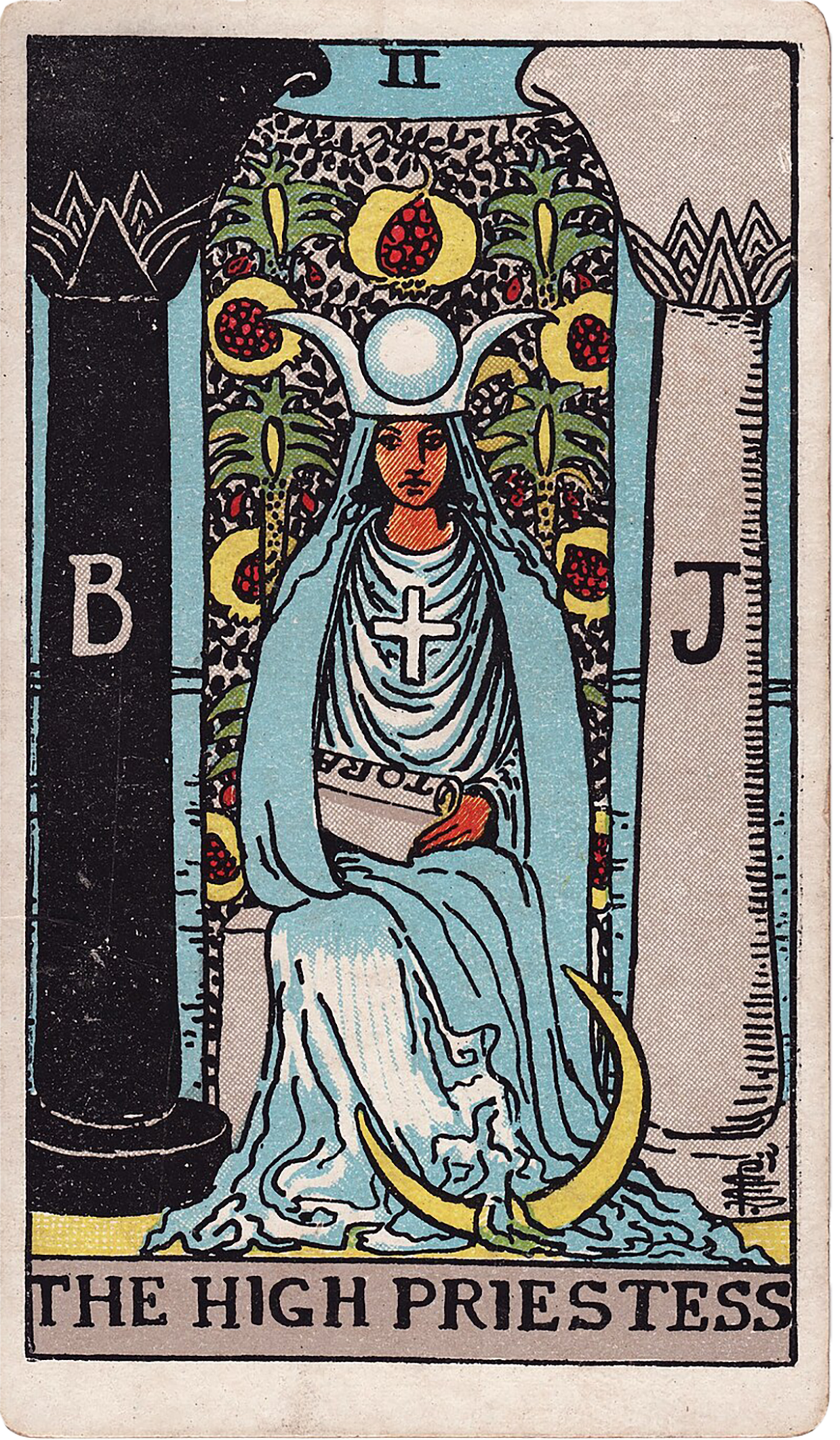 The High Priestess
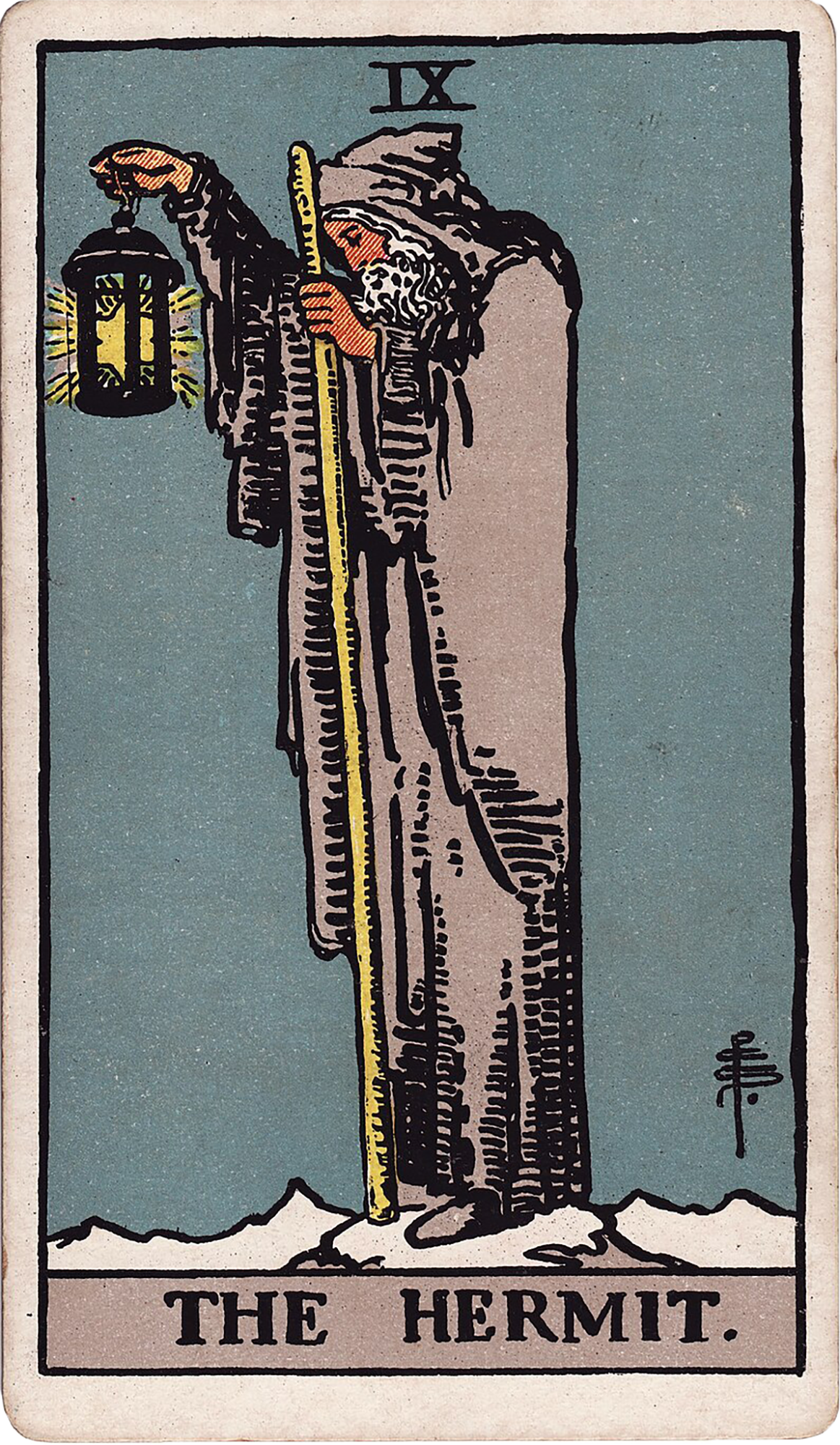 The Hermit
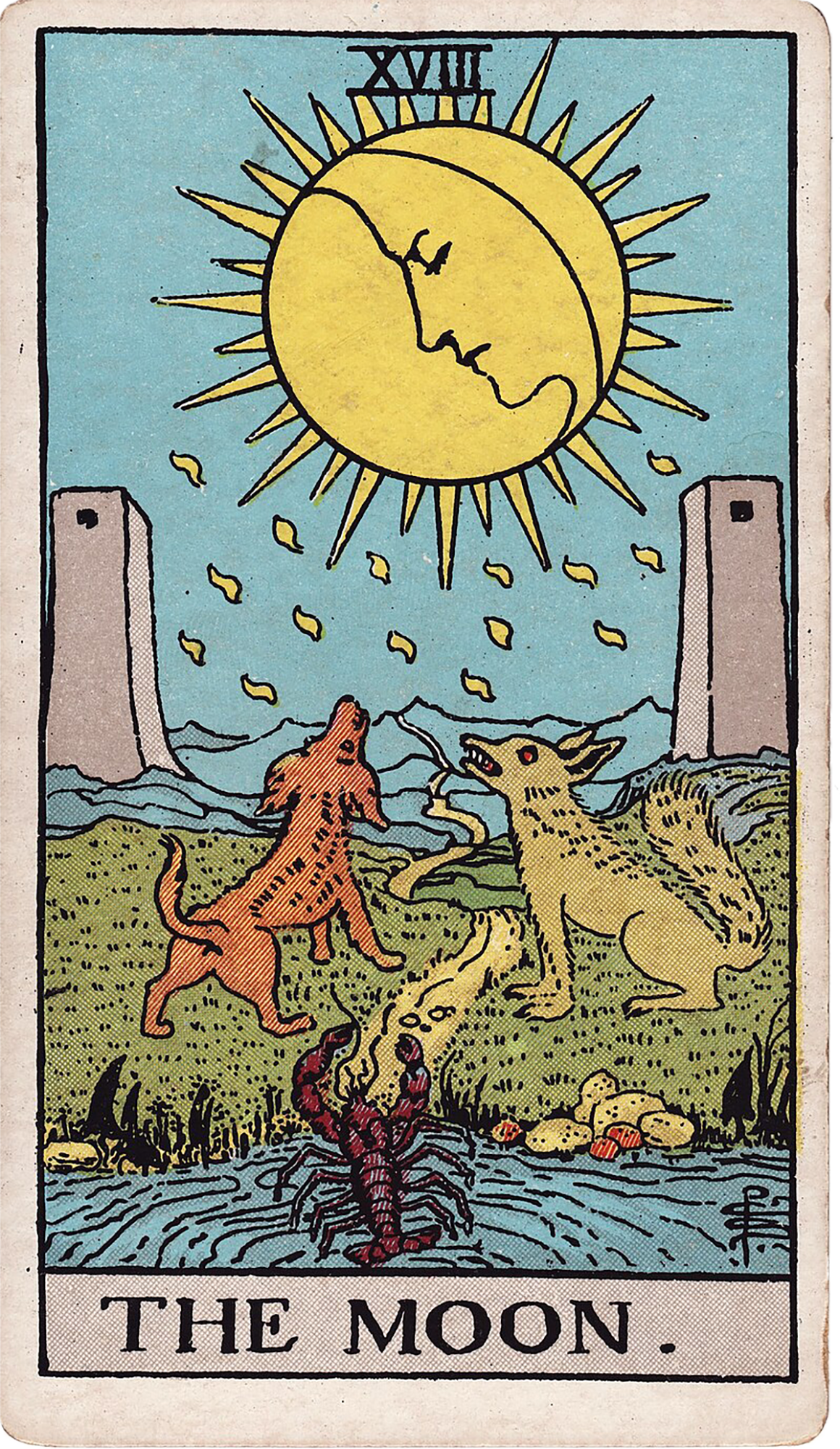 The Moon
Introduction to Intuitive Decision Making with Tarot
Intuitive decision making is a core skill in tarot reading that goes beyond surface interpretations. It involves tuning into subtle energies, symbolic language, and inner guidance to navigate uncertain or complex situations. The High Priestess, The Hermit, and The Moon are powerful archetypes in the Rider-Waite-Smith tarot deck that together embody the qualities needed for this process: attentive listening, reflective solitude, and cautious exploration of the unknown. This article explores how these cards can help readers cultivate deeper intuition and make balanced decisions in their practice. We will cover practical techniques for reading each card's upright and reversed meanings, discuss common challenges, and present examples that highlight their application at beginner and advanced levels.
The High Priestess as a Gateway to Inner Wisdom
The High Priestess symbolizes hidden knowledge, quiet discernment, and the ability to listen beneath surface appearances. In the Rider-Waite-Smith deck, she sits between two pillars, representing balance between opposites and the threshold between conscious and unconscious realms. The scroll she holds, marked with the word 'TORA,' hints at sacred law and deeper mysteries. When The High Priestess appears upright, it invites readers to pause and trust emerging information even if it is not yet fully clear. This card often suggests the situation is ripe for conscious engagement but requires a measured next step rather than immediate action. In practice, The High Priestess encourages an intuitive pause to notice subtle clues, inner feelings, or quiet signals. Readers should ask questions like: Where is deeper honesty needed? How can boundaries be clarified to reveal the truth? When reversed, this card signals possible blocks such as secrecy, disconnection from intuition, or projection of anxiety. It warns against confusing fear or wishful thinking with genuine inner knowing. Beginners often mistake reversals for outright negative omens, but a balanced approach recognizes them as invitations to examine where intuition is distorted or hidden. Advanced readers integrate these nuances, using The High Priestess to navigate between trusting inner wisdom and remaining critically aware of distortions.
The Hermit as a Model for Reflective Solitude
The Hermit represents the archetype of contemplative retreat and intentional introspection. Traditionally depicted as an elderly figure holding a lantern, he illuminates the path inward and encourages step back from external noise to gain clarity. Upright, The Hermit advises readers to create space for reflection and seek depth rather than immediate answers. It emphasizes deliberate choice based on inner light and understanding. For readers developing intuitive decision making, The Hermit is a call to honest self-examination and boundary setting. Questions like: Where might withdrawal help clarify the core issue? What insights emerge when distractions are minimized? become central. When reversed, The Hermit may indicate excessive isolation, avoidance of participation, or overanalysis that prevents action. This reversal can also mark a transitional phase where old patterns of withdrawal begin to shift but full integration has not yet occurred. A common beginner mistake is to see The Hermit reversed as failure to find answers and become stuck. Advanced practitioners recognize it as a signal to balance solitude with engagement and to question whether hesitation is protective or obstructive. The Hermit’s lantern imagery reminds readers that the light is always within reach, but must be sought through patient reflection.
The Moon as a Guide through Uncertainty and Intuition
The Moon card embodies the experience of navigating through uncertainty, illusion, and the fluid realm of dreams and intuition. Its imagery in the Rider-Waite-Smith deck includes a path winding between two towers, illuminated by a full moon, with a dog and wolf symbolizing tame and wild instincts. Upright, The Moon invites careful movement through ambiguity, respecting the power of inner images while grounding them in reality. This card teaches readers to ask: How can projections be recognized and distinguished from true intuition? Where does fear or confusion cloud my perception? The Moon encourages embracing uncertainty while remaining vigilant about deception or self-delusion. Reversed, it often points to confusion beginning to clear, but can also signify denial of intuition or becoming trapped in imagined fears. Beginners may struggle with The Moon’s ambiguity, interpreting it as negative or frightening. Advanced readers use its symbolism to hold space for paradox and complexity, understanding that intuitive decision making requires patience and an ability to tolerate not knowing. The path under the moonlight will reveal the next step when approached with care and honesty.
Integrating The High Priestess The Hermit and The Moon in Readings
When these three cards appear together, they create a powerful framework for mastering intuitive decision making. The High Priestess opens the door to inner knowledge, The Hermit provides the space for reflective clarity, and The Moon guides the careful journey through uncertainty. Readers can use their combined symbolism to assess where intuition is strong, where more solitude or honest boundary setting is needed, and where illusions or fears require gentle examination. A practical approach is to first identify the state of the querent’s inner knowing with The High Priestess. Is intuition accessible or blocked? Next, use The Hermit to evaluate the need for stepping back or deeper reflection. Finally, bring The Moon’s guidance to the forefront to negotiate ambiguity and distinguish intuition from projection. For example, if The High Priestess is upright, The Hermit reversed, and The Moon upright, the reading may suggest that inner wisdom is available but the querent is avoiding necessary solitude or reflection, while still navigating uncertainty. The reader’s task is to encourage balanced engagement that includes solitary clarity and cautious trust in intuition. Common mistakes include rushing to conclusions without honoring the process these cards represent or ignoring reversed meanings as warnings. Instead, readers should see these cards as dynamic energies to work with, asking where clearer boundaries, honesty, or deliberate choices can move the situation forward.
Techniques for Beginner and Advanced Readers
For beginners, mastering these cards starts with familiarizing oneself with their imagery and traditional meanings. Practice identifying the symbols: The High Priestess’s pillars and scroll, The Hermit’s lantern, and The Moon’s dogs and path. Use journaling to note internal reactions when these cards appear and reflect on moments when intuition felt clear or distorted. Beginner exercises include drawing one card at a time and asking: What is my inner response? Where might I be projecting fears? When reversed, reflect on how the card’s energy might be blocked or exaggerated in your life. Advanced readers deepen this by exploring the interplay between these cards within a spread. Techniques include visualization to enter the scene of the card and dialogue with the archetype, noting how insights emerge. Another practice is mapping energetic blocks or distortions, especially when cards are reversed, to guide clients toward healing old patterns. Advanced interpretation also involves integrating timing and proportionate steps. For example, recognizing when The Moon suggests waiting and when The Hermit signals readiness to act after reflection. These readers balance intuition with critical discernment, using the cards as tools for conscious, deliberate choice rather than passive prediction.
Common Challenges and How to Overcome Them
A frequent challenge is mistaking intuition for wishful thinking or fear-driven projection, especially with The Moon and The High Priestess reversed. To overcome this, readers should cultivate self-awareness and question their emotional responses. Asking, “Is this insight grounded or clouded by anxiety?” helps maintain clarity. Another difficulty is managing the tension between withdrawal and engagement highlighted by The Hermit. Avoiding situations under the guise of reflection can stall growth. Readers should learn to differentiate protective solitude from escapism and encourage clients to balance inner work with real-world participation. Misinterpreting reversals as purely negative also limits reading depth. Instead, view reversals as signals to explore hidden dynamics or transitional processes. Look for neighboring cards or context clues that indicate resistance, recovery, or excess. Regular practice, consultation with peers, and maintaining a reflective journal are effective ways to address these challenges and sharpen intuitive decision making.
Practical Reading Method Anchored in The High Priestess The Hermit and The Moon
When these cards appear in a reading, begin by describing the imagery out loud or in writing to engage the querent’s senses. For example, note The High Priestess’s calm, seated posture and the veil behind her, symbolizing hidden realms. Highlight The Hermit’s lantern as a source of inner illumination and The Moon’s mysterious path as a metaphor for the uncertain journey ahead. Ask the querent to share any intuitive impressions or feelings these images evoke. Use the upright or reversed meanings to frame questions about where clarity is emerging or blocked. Then guide the querent through a stepwise approach: Identify what inner wisdom is accessible (High Priestess), decide if deeper reflection or boundaries are needed (Hermit), and explore how to move cautiously through ambiguity (Moon). Encourage the querent to recognize the current moment’s resources rather than waiting for absolute certainty. Suggest proportionate next steps inspired by the cards’ lessons, such as journaling, meditation, or setting clearer boundaries. This method respects the cards’ symbolism and supports conscious, intuitive decision making.
Conclusion and Continuing Practice
Mastering intuitive decision making with The High Priestess, The Hermit, and The Moon is a lifelong practice that deepens with patience and reflection. These cards offer a rich symbolic language to access inner wisdom, create space for clarity, and navigate uncertainty with care and honesty. By understanding both upright and reversed meanings, recognizing common pitfalls, and applying practical techniques, readers gain confidence in their intuitive abilities. Continuing practice includes daily draws, meditating on card imagery, journaling insights, and engaging with the tarot community for feedback and growth. Remember that intuition is a skill that balances trust with discernment and courage with caution. The journey illuminated by these three archetypes invites readers to embrace complexity and make deliberate, honest choices rooted in deep knowing.
Practice questions
• Where do I currently rely on intuition in my decision making and where do I hesitate?
• How can I create space for reflection without falling into isolation or avoidance?
• What fears or projections might be clouding my ability to hear my inner wisdom?
• Which symbols in The High Priestess The Hermit and The Moon resonate most strongly with my current challenges?
• How can I balance trust in my intuition with critical thinking when interpreting ambiguous situations?
Comments
Sign in to comment.
Continue learning
Interpreting the Dance of Justice and The Devil: Balancing Morality and Temptation in Tarot Readings
The combination of Justice and The Devil in tarot presents a profound exploration of morality, temptation, and personal accountability. This article unpacks how these cards influen...
Advanced Techniques for Combining The Moon and The Star to Enhance Intuition in Tarot Readings
This article explores advanced techniques to combine the symbolism and energy of The Moon and The Star Tarot cards to enhance intuition during Tarot readings. Drawing from traditio...
Unlocking Life Insights with the Celtic Cross Tarot Spread
This article offers a thorough exploration of the Celtic Cross Tarot Spread, focusing on its application within family and practical life contexts. Using a worked example featuring...
Unlocking Hidden Meanings with The Hermit and The Hanged Man for Spiritual Growth
This article offers an in-depth exploration of The Hermit and The Hanged Man Tarot cards focusing on their roles in spiritual growth. It guides readers through beginner and advance...
Unlocking Personal Insight with the Seven Card Horseshoe Spread
The Seven Card Horseshoe Spread is a practical and insightful Tarot layout ideal for exploring personal and family dynamics. This article breaks down each position—Past, Present, H...
Mastering the Court Cards of Wands for Unlocking Personal Drive and Leadership
The Court Cards of Wands represent a dynamic spectrum of personal energy, ambition, and leadership potential within the Minor Arcana. This article offers a comprehensive exploratio...
Tracing the Origins and Evolution of The Fool Card in Tarot History
The Fool card holds a foundational place in tarot tradition, symbolizing beginnings, openness, and the embrace of uncertainty. This article traces its origins from early European d...
Techniques for Reading Court Cards to Unlock Personality Insights
Court cards in Tarot often represent people, personality traits, or energy patterns within a situation. This article offers a structured approach for beginners and advanced readers...
Unlocking Emotional Transformation with Death and The Moon Tarot Combination
This article explores the rich and complex interaction between the Death and The Moon tarot cards within the Rider-Waite-Smith tradition, focusing on their combined potential to un...
Applying The Star Card to Foster Hope and Renewal in Personal Growth
The Star card in Tarot symbolizes hope, authenticity, and the process of steady renewal. In a single-card reading, The Star encourages embracing what is present, cultivating openne...