
Mastering Intuitive Tarot Interpretation with The High Priestess The Hermit and The Moon
This comprehensive article guides Tarot learners through mastering intuitive interpretation using three profoundly symbolic cards: The High Priestess, The Hermit, and The Moon. Grounded in Rider-Waite-Smith tradition and enriched with practical reading techniques, it covers both beginner and advanced approaches to harnessing their energies. Readers will learn how to apply the lessons of these cards to improve clarity, trust inner wisdom, and navigate uncertainty in readings without relying on fixed predictions. Common pitfalls and interpretation logic are addressed alongside vivid imagery references, ensuring a rich, visually grounded learning experience.
Cards explored in this article
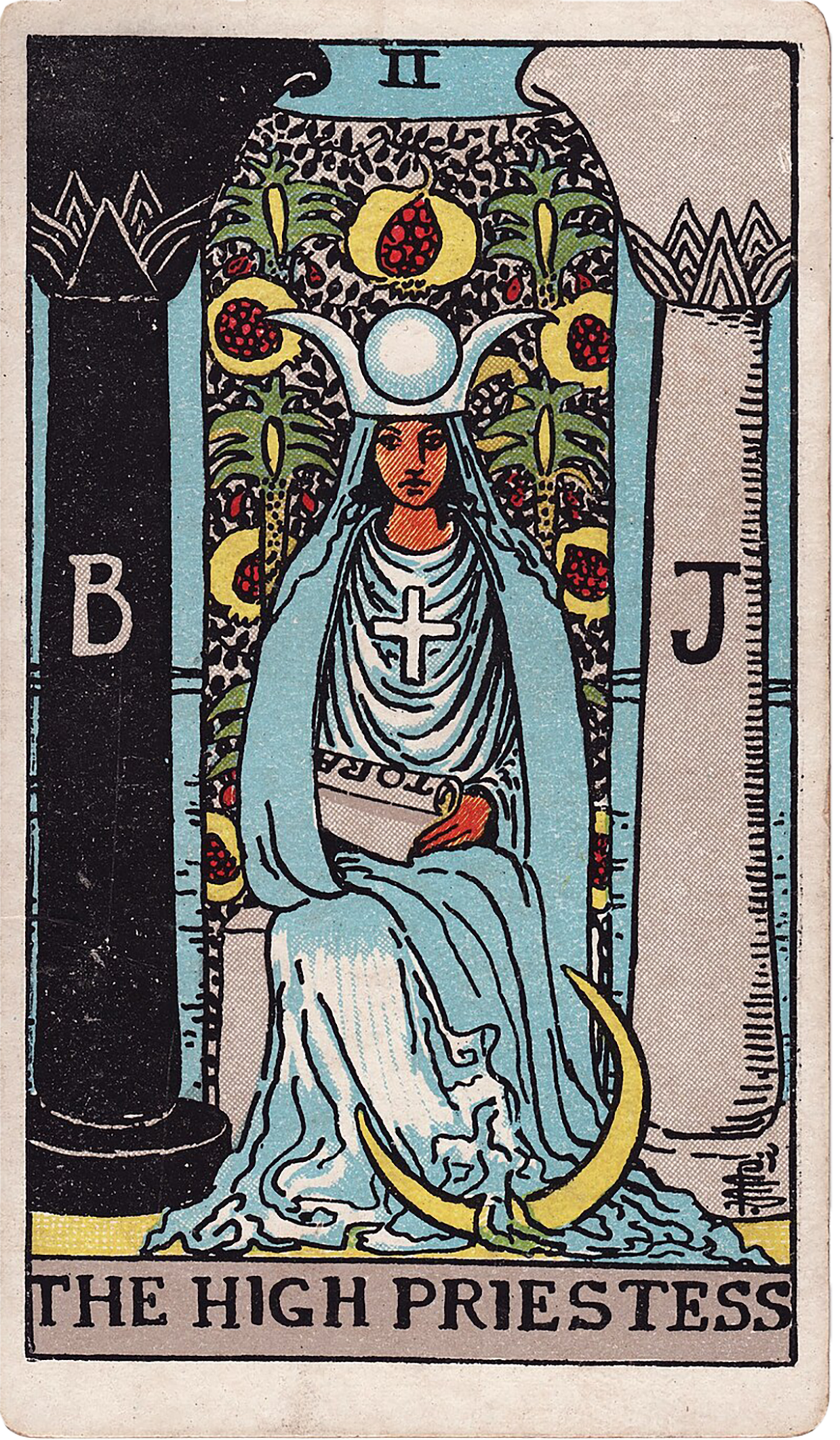 The High Priestess
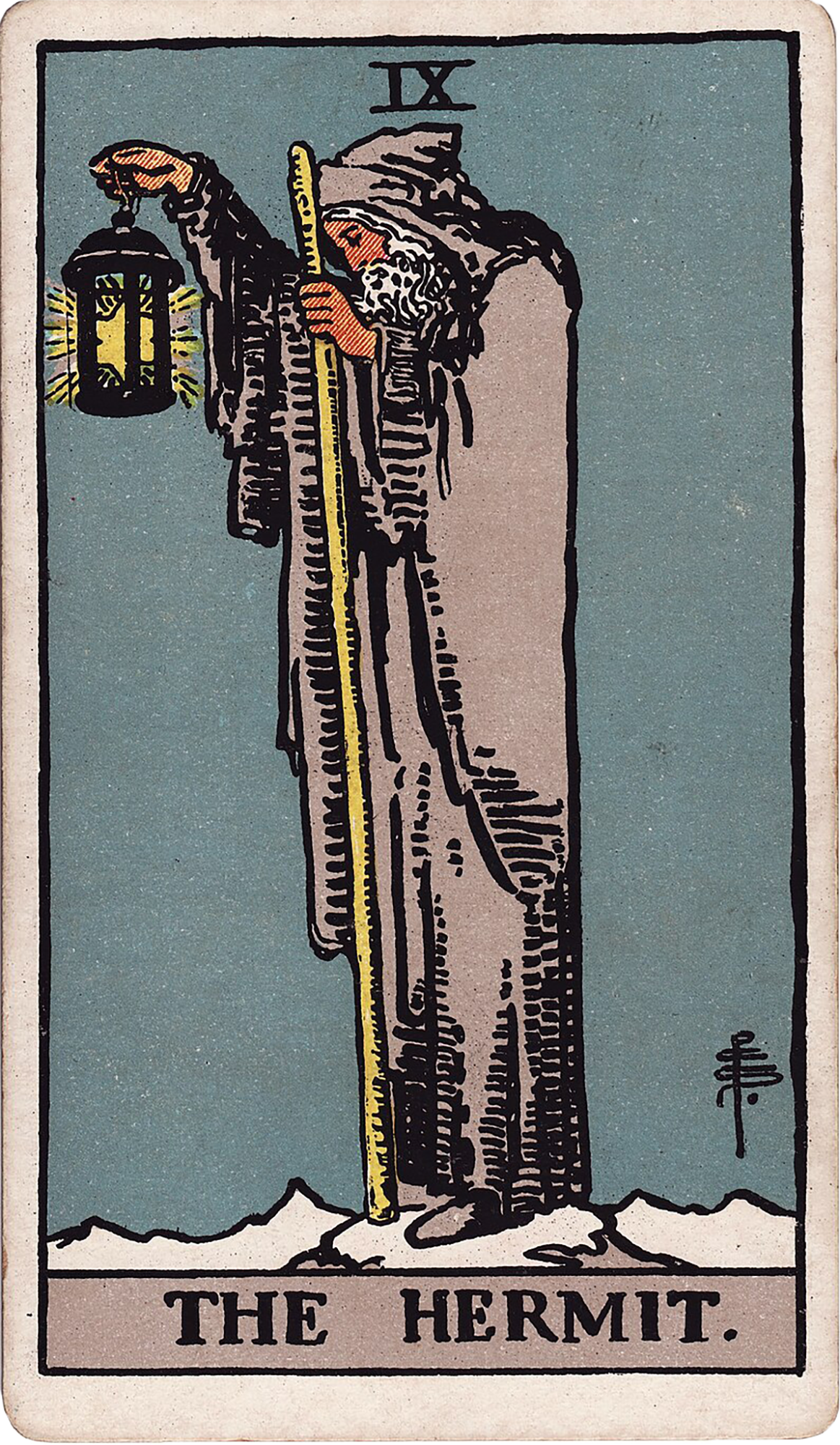 The Hermit
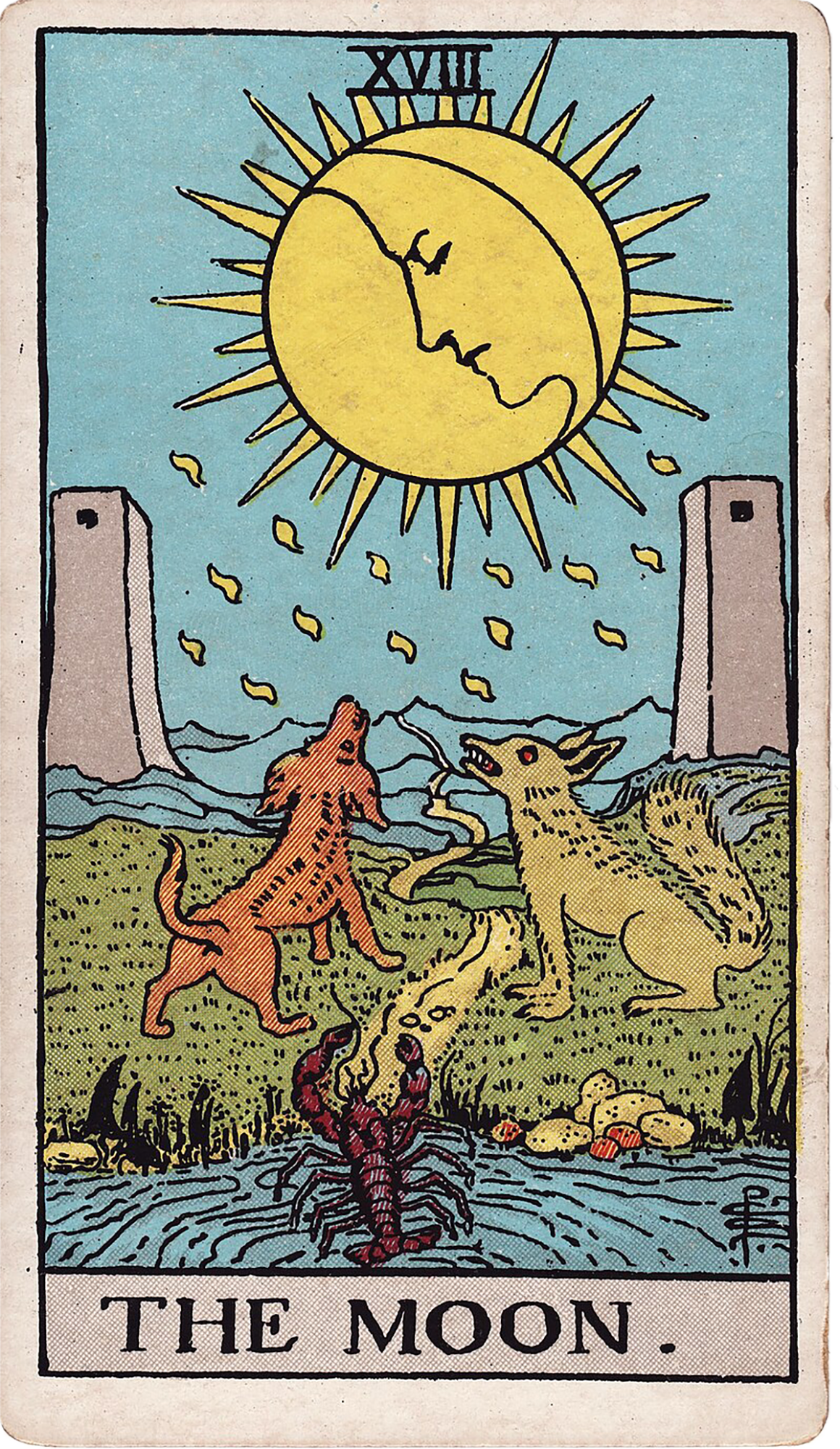 The Moon
Introduction to Intuitive Reading with The High Priestess The Hermit and The Moon
The High Priestess, The Hermit, and The Moon are three Major Arcana cards deeply associated with intuition, introspection, and navigating the unseen layers of experience. Unlike cards that symbolize action or external events, these cards invite the reader and querent to turn inward, emphasizing qualities such as listening beneath surface appearances, personal insight, and trusting subtle inner guidance. Mastering their interpretation requires understanding both their traditional Rider-Waite-Smith symbols and how to invite intuitive knowledge rather than concrete answers. This article focuses on cultivating that skill in a balanced way, useful for beginners who are learning to trust the cards and advanced practitioners seeking deeper nuance.
The High Priestess Upright and Reversed Meaning and Symbolism
The High Priestess card traditionally depicts a mysterious seated figure between two pillars labeled 'B' and 'J,' referencing the Pillars of Boaz and Jachin from Solomon’s Temple. She represents the gateway between conscious knowledge and hidden wisdom. Upright, she advises the reader to listen beneath the obvious, allowing subtle impressions or emerging information to shape understanding. This is about trusting quiet discernment and inviting the subconscious voice to speak. Rather than expecting a direct answer, the card encourages engagement with what is available now and asking where a clearer boundary or deeper honesty might move the situation forward. Reversed, The High Priestess warns of disconnection from intuition or confusion between real inner knowing and anxiety or projection. The image’s mystery turns inward, symbolizing secrecy or avoidance. Instead of disaster, the reversal asks the reader to identify where this energy is blocked or distorted, such as a reluctance to face inner truths or excessive passivity. Neighboring cards help clarify if this state is temporary or part of a deeper psychological pattern.
The Hermit Upright and Reversed Meaning and Symbolism
The Hermit shows an old man holding a lantern and staff, symbolizing a deliberate search for truth and clarity through solitude. Upright, it urges stepping back from noise and distractions to reflect deeply and thoughtfully. The lantern represents the light of insight illuminating the path ahead. The card encourages working with the present situation consciously and asking where a clearer boundary or more deliberate choice would benefit progress. When reversed, The Hermit’s introspective qualities can become excessive or misdirected. This may manifest as isolation or avoidance rather than constructive solitude. The lantern’s light may be hidden or dimmed, indicating confusion or withdrawal from necessary engagement. The reversal invites the reader to consider where the energy is distorted—perhaps through loneliness or overanalysis—and to use neighboring cards to assess whether this is a phase of recovery or resistance.
The Moon Upright and Reversed Meaning and Symbolism
The Moon card shows a nocturnal scene with a full moon, a crayfish emerging from water, a dog and a wolf howling, and a winding path leading into distant mountains. Upright, The Moon emphasizes moving carefully through uncertainty. It asks the reader to respect dreams, imagination, and subtle intuition while remaining vigilant against projections or illusions. The card’s symbolism conveys the tension between wild instinct (wolf) and domesticated mind (dog), alongside the mysterious subconscious depths (crayfish). It encourages active engagement with the unknown and questioning assumptions. Reversed, The Moon suggests confusion may be beginning to clear, but hidden fears, denial of intuition, or imagined scenarios might trap the querent. This reversal does not signal failure but rather a moment to examine where illusion or deception clouds judgment. The challenge is to identify distorted energy and use the card in context to understand whether the querent is moving toward clarity or retreating into denial.
Practical Beginner Techniques for Intuitive Interpretation
For beginners, working with these three cards begins with close observation of their Rider-Waite-Smith imagery and quiet meditation on their visual cues. Start by noting the symbols: the High Priestess’s scroll and moon, the Hermit’s lantern and staff, and the Moon’s animals, water, and path. Use journaling to record initial impressions, feelings, and questions that arise. A useful exercise is to draw one card at a time and ask: 'What is this card inviting me to notice beneath the surface?' or 'Where in my life is this energy present now?' Developing a ritual of asking open-ended questions helps move beyond rote meanings and fosters personal connection. Practice reading the cards in pairs or triples to see how their energies interact. For example, The High Priestess and The Hermit together may emphasize a deep internal process requiring both trust in intuition and deliberate reflection. The Moon combined with either card warns to be mindful of illusions or emotional confusion. Beginners should avoid jumping to predictions, instead focusing on descriptive and reflective interpretations.
Advanced Techniques for Deepening Intuitive Skills
Advanced readers can deepen interpretation by integrating the psychological and archetypal aspects of these cards. The High Priestess can represent the unconscious Self or anima/animus, while The Hermit aligns with the archetype of the Wise Old Man or inner guide. The Moon engages with the shadow and the thin veil between reality and dreams. One advanced method involves exploring the cards’ placement within a spread to highlight where intuition, introspection, or uncertainty influences the querent’s situation. For example, The Hermit in a position of outcome may imply that insight will come through patient solitude, while The Moon reversed in a challenge position suggests the need to confront fear and misinformation. Advanced readers also benefit from combining traditional meaning with their intuitive impressions elicited during the reading. This balance between learned knowledge and spontaneous insight helps avoid common errors like over-intellectualizing or forcing a single narrative. Reflecting on body sensations, emotions, or images that arise while viewing the cards supports a more embodied, integrative reading.
Common Mistakes and How to Avoid Them
A frequent beginner mistake is treating these cards as fixed predictors rather than symbols inviting exploration. For example, interpreting The High Priestess only as 'secret knowledge' without engaging what that means in context limits the card’s usefulness. Similarly, The Hermit is sometimes misunderstood as promoting withdrawal rather than intentional solitude. Another error is ignoring the reversed positions or interpreting reversal as simply negative. Instead, recognize reversals as signals about energy blockages or internal processes that need attention. A common pitfall with The Moon is either romanticizing intuition without skepticism or dismissing the card’s warnings about illusion. The key is balancing trust with discernment. Avoiding these mistakes involves slowing down the reading, asking clarifying questions, and always relating back to the imagery and the querent’s lived experience.
Practical Reading Method for Using The High Priestess The Hermit and The Moon Together
When these three cards appear together, they create a powerful narrative about the inner journey through uncertainty toward clarity. Begin by examining each card individually for its upright or reversed qualities, noting symbols that stand out. Next, consider their sequence or positions in the spread: Are they indicating a process (The High Priestess as initial insight, The Hermit as contemplation, The Moon as navigating fears), or are they highlighting simultaneous energies? Ask questions such as: Where is the querent being invited to trust intuition (High Priestess)? Where is deliberate reflection required (Hermit)? What illusions or uncertainties must be acknowledged (Moon)? Use the cards to guide the querent toward actionable steps that incorporate those qualities—for instance, encouraging journaling to access inner knowing, allowing solitude to process insights, and practicing mindfulness to recognize projections. Finally, confirm interpretations by checking how the cards resonate with the querent’s narrative and emotions, adjusting the reading dynamically.
Conclusion and Next Steps for Readers
Mastering intuitive Tarot interpretation with The High Priestess, The Hermit, and The Moon involves patience, practice, and respect for the cards’ subtle messages. These cards teach that clarity often arises not from immediate answers but from engaging patiently with uncertainty and inner wisdom. Beginners should cultivate regular meditation or journaling practices focused on these cards, while advanced readers can explore deeper archetypal and psychological layers. Always anchor interpretations in the visual symbols and the querent’s lived context to avoid abstractions. With time and experience, these cards become trusted companions that guide readings away from surface-level predictions toward transformative insight. The journey they represent is ongoing, inviting readers to develop their intuitive skills while remaining grounded in Tarot’s rich symbolic tradition.
Practice questions
• How can I observe and describe the symbolism of The High Priestess without immediately seeking a direct answer?
• In what ways might The Hermit encourage a beneficial withdrawal versus an unhelpful isolation in a reading?
• How do the animals and nighttime imagery on The Moon card challenge me to balance intuition with skepticism?
• What signs indicate that a reversed card is signaling a temporary pause rather than a permanent block?
• How can I integrate my intuitive impressions with traditional card meanings when reading these three cards together?
Comments
Sign in to comment.
Continue learning
Interpreting the Dance of Justice and The Devil: Balancing Morality and Temptation in Tarot Readings
The combination of Justice and The Devil in tarot presents a profound exploration of morality, temptation, and personal accountability. This article unpacks how these cards influen...
Advanced Techniques for Combining The Moon and The Star to Enhance Intuition in Tarot Readings
This article explores advanced techniques to combine the symbolism and energy of The Moon and The Star Tarot cards to enhance intuition during Tarot readings. Drawing from traditio...
Unlocking Life Insights with the Celtic Cross Tarot Spread
This article offers a thorough exploration of the Celtic Cross Tarot Spread, focusing on its application within family and practical life contexts. Using a worked example featuring...
Unlocking Hidden Meanings with The Hermit and The Hanged Man for Spiritual Growth
This article offers an in-depth exploration of The Hermit and The Hanged Man Tarot cards focusing on their roles in spiritual growth. It guides readers through beginner and advance...
Unlocking Personal Insight with the Seven Card Horseshoe Spread
The Seven Card Horseshoe Spread is a practical and insightful Tarot layout ideal for exploring personal and family dynamics. This article breaks down each position—Past, Present, H...
Mastering the Court Cards of Wands for Unlocking Personal Drive and Leadership
The Court Cards of Wands represent a dynamic spectrum of personal energy, ambition, and leadership potential within the Minor Arcana. This article offers a comprehensive exploratio...
Tracing the Origins and Evolution of The Fool Card in Tarot History
The Fool card holds a foundational place in tarot tradition, symbolizing beginnings, openness, and the embrace of uncertainty. This article traces its origins from early European d...
Techniques for Reading Court Cards to Unlock Personality Insights
Court cards in Tarot often represent people, personality traits, or energy patterns within a situation. This article offers a structured approach for beginners and advanced readers...
Unlocking Emotional Transformation with Death and The Moon Tarot Combination
This article explores the rich and complex interaction between the Death and The Moon tarot cards within the Rider-Waite-Smith tradition, focusing on their combined potential to un...
Applying The Star Card to Foster Hope and Renewal in Personal Growth
The Star card in Tarot symbolizes hope, authenticity, and the process of steady renewal. In a single-card reading, The Star encourages embracing what is present, cultivating openne...