
Mastering Intuitive Tarot Reading with Dual Card Combinations for Deeper Insight
This article guides readers through mastering intuitive tarot reading using dual card combinations, focusing on The High Priestess and The Hermit from the Rider-Waite-Smith deck. It covers beginner to advanced techniques, interpretation logic, common pitfalls, and practical approaches to tapping into the deeper layers of meaning that arise when these cards appear together. By anchoring understanding in the specific imagery and symbolism of these cards, readers will develop a nuanced, insightful reading style that balances intuition with structured analysis.
Cards explored in this article
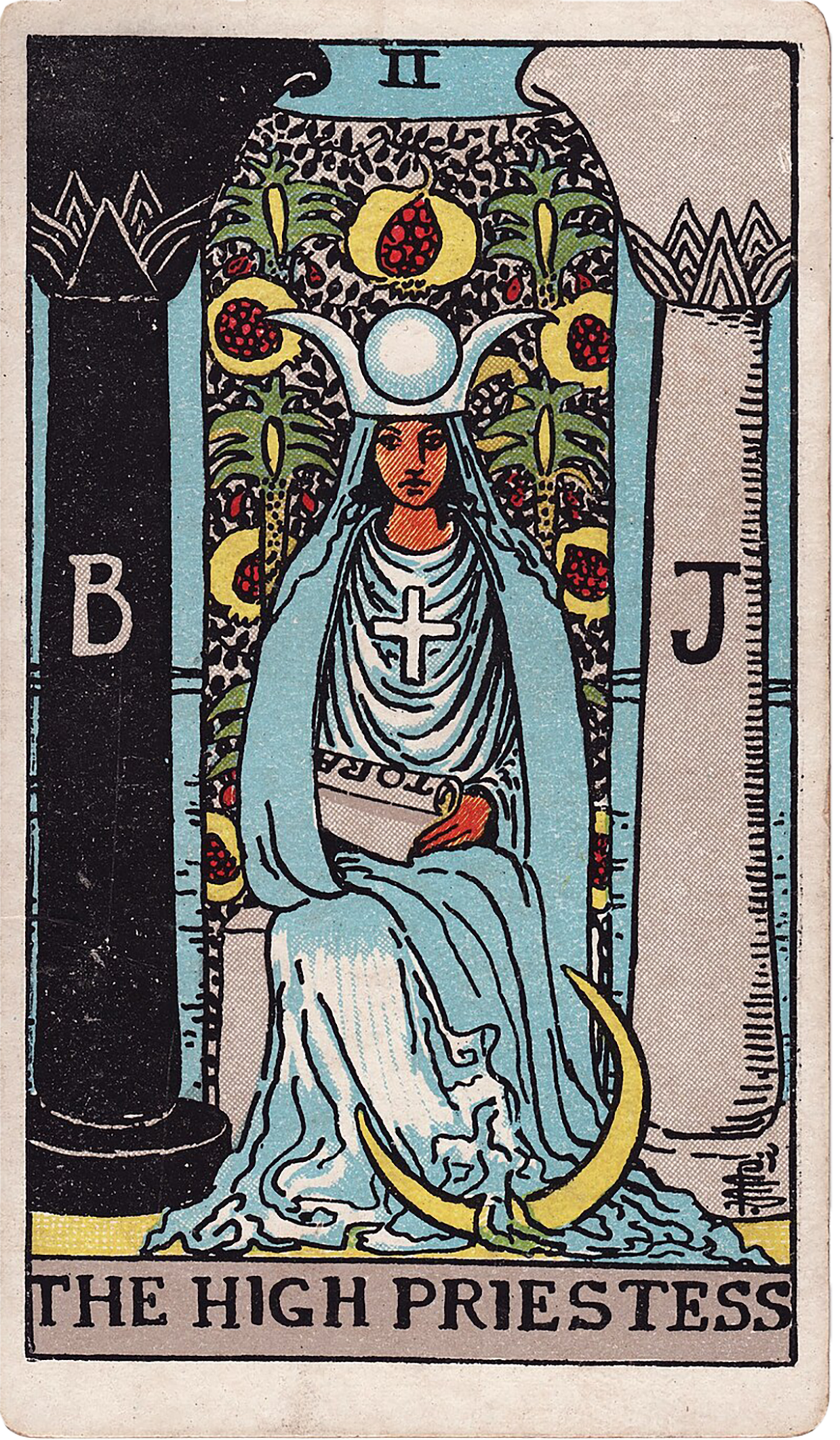 The High Priestess
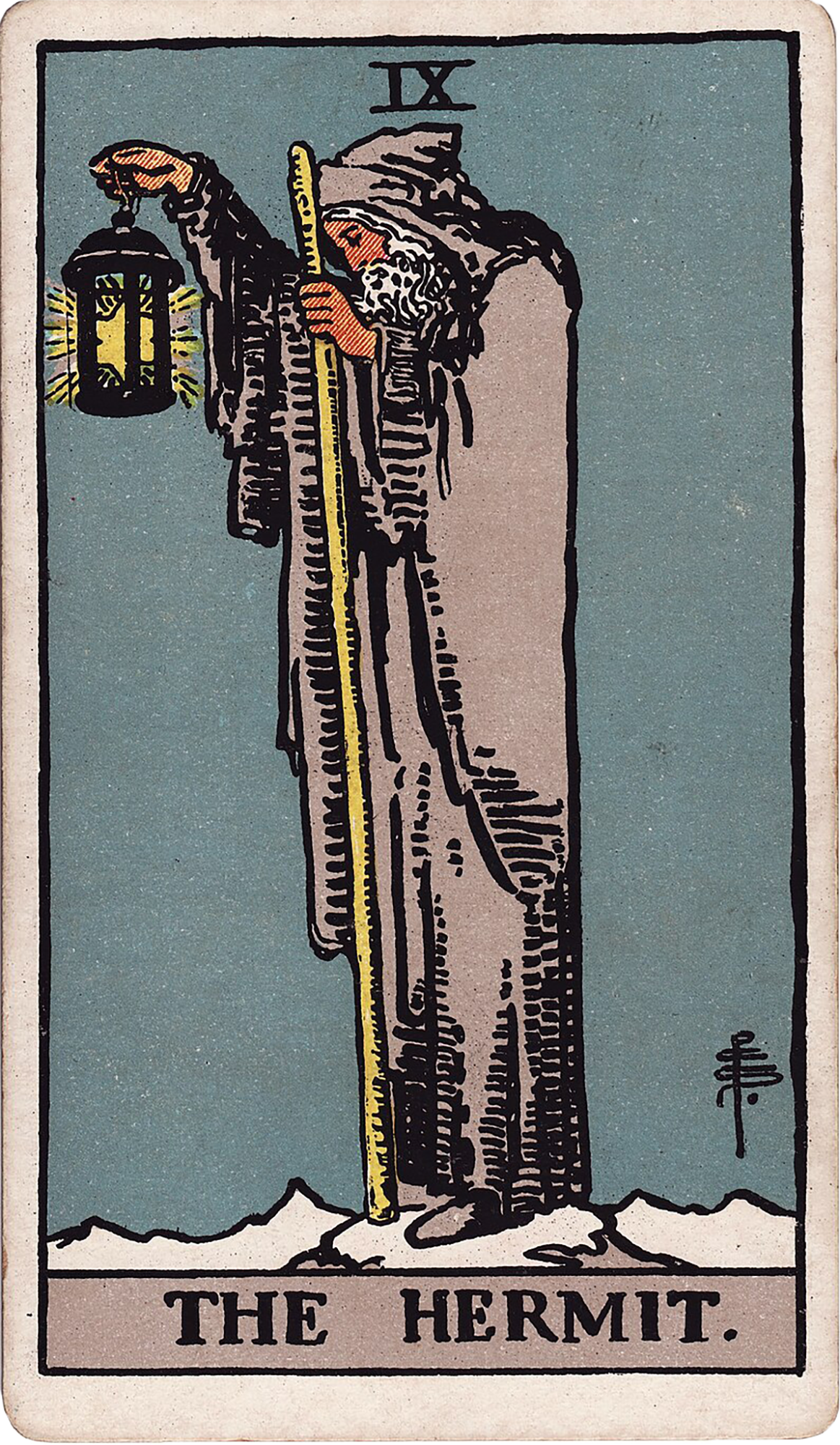 The Hermit
Understanding Dual Card Combinations in Tarot Reading
Intuitive tarot reading often begins with single cards, but combining cards invites more layered insights. Dual card combinations act as dialogues between two symbolic energies, revealing how they interact, amplify, or balance each other. Rather than isolated meanings, the relationship between cards can unlock subtle messages about timing, challenges, or internal states. For intuitive readers at any level, exploring two-card spreads is a practical way to deepen the quality of readings without overwhelming complexity. When done skillfully, dual card combinations bridge conscious interpretation with subconscious guidance.
Introducing The High Priestess and The Hermit Cards
The High Priestess and The Hermit are archetypes rich in introspective and spiritual symbolism within the Rider-Waite-Smith tradition. The High Priestess, upright, invites quiet discernment, urging us to listen beneath surface appearances and trust emerging information. She is the guardian of intuition, secrets, and inner wisdom, often portrayed seated between the pillars of Boaz and Jachin, symbolizing balance and duality. The Hermit complements this by emphasizing solitude and deep reflection. His lantern lights the way to inner knowledge, encouraging stepping back from external noise to seek clarity. While The High Priestess focuses on receptive intuition, The Hermit leans toward active seeking through contemplation. Both cards, especially when upright, highlight conscious engagement with inner realms rather than external distractions.
Techniques for Reading The High Priestess and The Hermit Together
Beginner readers should first familiarize themselves with each card's upright and reversed meanings. The High Priestess upright encourages trusting subtle cues and working with what is available now, while reversed she warns against intuition blocks or secrecy. The Hermit upright stresses purposeful withdrawal for insight, and reversed indicates isolation or avoidance. When these cards appear together, start by observing how their core themes interact. For example, The High Priestess’s invitation to listen beneath the surface can be complemented by The Hermit’s call to solitary reflection. Consider whether the combination suggests a period of inner preparation or a need to balance passive receptivity with active contemplation. Advanced techniques include: - Layered questioning: Use the cards to pose nuanced questions. Where is intuition clear versus clouded? Where does solitude help versus hinder? - Cross-referencing imagery: Notice shared symbols like the moon (intuition, cycles) and cloaked figures (mystery, inward focus). These reinforce the reading’s themes. - Timing and progression: The High Priestess may indicate an emerging awareness, while The Hermit suggests deeper work needed to integrate that insight. - Energy flow: Assess if the cards suggest harmonious cooperation (both upright) or tension (one reversed), guiding your interpretation of the querent’s inner state.
Practical Steps to Conduct Your Intuitive Dual Card Reading
1. Prepare Your Space and Mind: Begin with quieting your thoughts to heighten sensitivity to the cards’ messages. 2. Draw The High Priestess and The Hermit: Lay them side by side, noting their placement and orientation. 3. Observe Imagery and Symbolism: Focus on key symbols—The High Priestess’s pomegranates, scroll, veil; The Hermit’s lantern, staff, cloak. 4. Identify Upright or Reversed States: This informs whether the energy is flowing or blocked. 5. Formulate Core Themes: For example, intuition and reflective solitude, or blocked inner knowing and excessive withdrawal. 6. Ask Contextual Questions: Where is clarity emerging? What inner work is necessary? 7. Synthesize Meanings: Craft a narrative that respects both cards’ energies and their interaction. 8. Check for Balance: Is the querent integrating intuition with reflection, or is one aspect dominant? 9. Encourage Action: Suggest deliberate steps matching the cards’ guidance—such as journaling, meditation, or setting clearer boundaries. This method fosters a grounded yet fluid reading experience, encouraging the reader to trust both traditional symbolism and personal intuitive impressions.
Common Mistakes and How to Avoid Them
1. Overgeneralizing Meanings: Avoid treating The High Priestess and The Hermit as fixed archetypes detached from the querent’s context. Instead, integrate intuition with situational details. 2. Neglecting Reversals: Reversed cards often indicate subtle distortions or psychological shifts rather than simply negative outcomes. Explore what is blocked or internalized. 3. Ignoring Card Interaction: Each card’s meaning can shift when paired. Focus on their dynamic relationship rather than isolated definitions. 4. Rushing to Prediction: Especially with introspective cards, readings are less about foretelling and more about guidance and self-awareness. 5. Relying Solely on Intuition or Logic: Balance your intuitive impressions with structured analysis of symbols and traditional meanings. By consciously avoiding these pitfalls, readers enhance accuracy and depth in their dual card readings.
Interpretation Logic Anchored in The High Priestess and The Hermit Imagery
The High Priestess sits between the black and white pillars, symbolizing duality and balance, with a veil behind her suggesting hidden knowledge. Her scroll labeled 'Tora' hints at divine law and wisdom, urging the reader to discern what is revealed versus concealed. Her crescent moon at her feet connects to intuition and cycles. The Hermit’s lantern casts light but only illuminates a small area, emphasizing selective focus and the value of solitude for insight. His staff represents support and guidance. He wears a cloak suggesting protection during inward journeys. When combined, their imagery encourages a reading that honors mystery and the necessity of intentional inner work. Intuition (High Priestess) must be paired with deliberate reflection (Hermit) to move toward clarity. Interpretations should pay close attention to this interplay, using visuals as anchors to tap into deeper layers of meaning beyond surface associations.
Examples of Intuitive Interpretations Using Both Cards
Example 1: Both Upright The querent is facing a complex decision. The High Priestess suggests listening to subtle inner signals, while The Hermit advises withdrawing briefly to gain clarity. Together, they counsel patience, inner receptivity, and a pause from external distractions to foster deeper understanding. Example 2: High Priestess Reversed, Hermit Upright Here, intuition may be blocked or clouded by anxiety or secrecy, but The Hermit’s upright presence encourages active reflection to uncover hidden truths. This combination can point to the beginning stages of recognizing self-deception or internal resistance. Example 3: High Priestess Upright, Hermit Reversed Though intuition is accessible, The Hermit reversed warns of excessive isolation or avoidance. The reading might suggest that the querent needs to balance inward listening with engaging necessary external actions or breaking out of isolating thought patterns. By applying the technique of blending symbolism, upright/reversed states, and relational dynamics, readings become more nuanced and personally meaningful.
Advancing Your Practice Beyond Dual Cards
Once comfortable with dual card reading, integrate these insights into larger spreads or more complex layouts. Use The High Priestess and The Hermit to identify key themes or blocks in multi-card readings. Practice journaling your intuitive impressions and observations about how these cards influence the overall narrative. Advanced readers might also experiment with timing questions: Does The High Priestess signal an emerging awareness phase, and The Hermit a deeper integration phase? Exploring these temporal layers refines the reading’s guidance. Continual study of card symbolism alongside experiential practice sharpens both intuition and analytical skills. Over time, the dialogue between cards becomes a rich conversation rather than a checklist, fostering profound insight for you and those you read for.
Practice questions
• How do The High Priestess and The Hermit complement each other’s messages about intuition and reflection?
• In your own readings, how can you balance trusting intuitive impressions with analyzing card symbolism?
• What situations might call for embracing the solitude suggested by The Hermit alongside the receptive listening of The High Priestess?
• How do reversed cards of The High Priestess and The Hermit influence your interpretation strategies?
• Can you identify moments when two-card combinations reveal deeper insight than single cards? What techniques help you discern this?
Comments
Sign in to comment.
Continue learning
Interpreting the Dance of Justice and The Devil: Balancing Morality and Temptation in Tarot Readings
The combination of Justice and The Devil in tarot presents a profound exploration of morality, temptation, and personal accountability. This article unpacks how these cards influen...
Advanced Techniques for Combining The Moon and The Star to Enhance Intuition in Tarot Readings
This article explores advanced techniques to combine the symbolism and energy of The Moon and The Star Tarot cards to enhance intuition during Tarot readings. Drawing from traditio...
Unlocking Life Insights with the Celtic Cross Tarot Spread
This article offers a thorough exploration of the Celtic Cross Tarot Spread, focusing on its application within family and practical life contexts. Using a worked example featuring...
Unlocking Hidden Meanings with The Hermit and The Hanged Man for Spiritual Growth
This article offers an in-depth exploration of The Hermit and The Hanged Man Tarot cards focusing on their roles in spiritual growth. It guides readers through beginner and advance...
Unlocking Personal Insight with the Seven Card Horseshoe Spread
The Seven Card Horseshoe Spread is a practical and insightful Tarot layout ideal for exploring personal and family dynamics. This article breaks down each position—Past, Present, H...
Mastering the Court Cards of Wands for Unlocking Personal Drive and Leadership
The Court Cards of Wands represent a dynamic spectrum of personal energy, ambition, and leadership potential within the Minor Arcana. This article offers a comprehensive exploratio...
Tracing the Origins and Evolution of The Fool Card in Tarot History
The Fool card holds a foundational place in tarot tradition, symbolizing beginnings, openness, and the embrace of uncertainty. This article traces its origins from early European d...
Techniques for Reading Court Cards to Unlock Personality Insights
Court cards in Tarot often represent people, personality traits, or energy patterns within a situation. This article offers a structured approach for beginners and advanced readers...
Unlocking Emotional Transformation with Death and The Moon Tarot Combination
This article explores the rich and complex interaction between the Death and The Moon tarot cards within the Rider-Waite-Smith tradition, focusing on their combined potential to un...
Applying The Star Card to Foster Hope and Renewal in Personal Growth
The Star card in Tarot symbolizes hope, authenticity, and the process of steady renewal. In a single-card reading, The Star encourages embracing what is present, cultivating openne...