
Mastering Practical Lessons Through the Court Cards of Pentacles
The Court Cards of Pentacles—Page, Knight, Queen, and King—each embody stages and facets of practical, material, and familial growth. This article guides learners through their upright and reversed meanings, focusing on work, health, routine, resources, and family dynamics. Through Rider-Waite-Smith symbolism and contextual analysis, readers will master interpretation techniques, recognize common pitfalls, and deepen their understanding of how these cards reflect and shape real-world material and relational stability.
Cards explored in this article
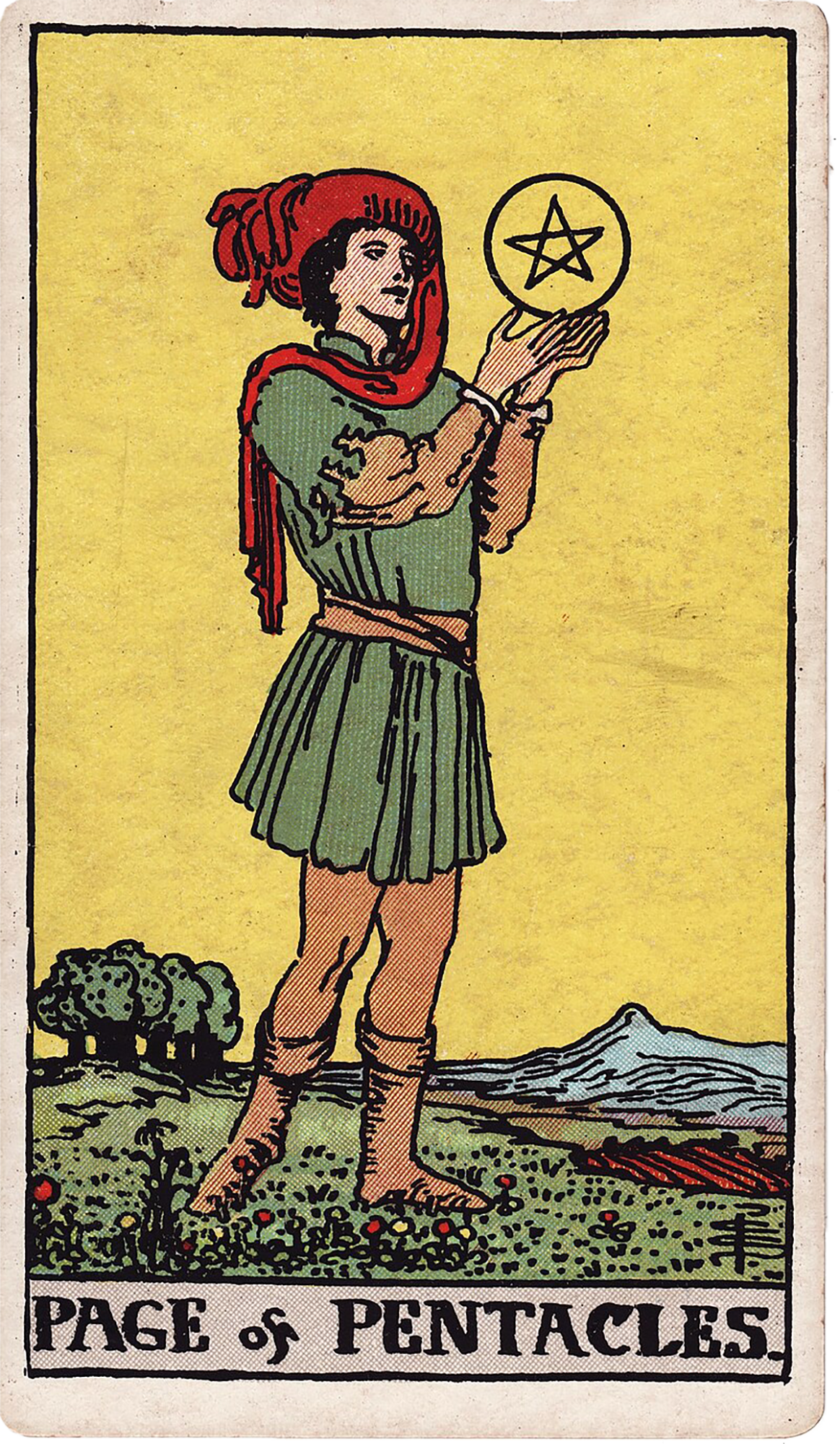 Page of Pentacles
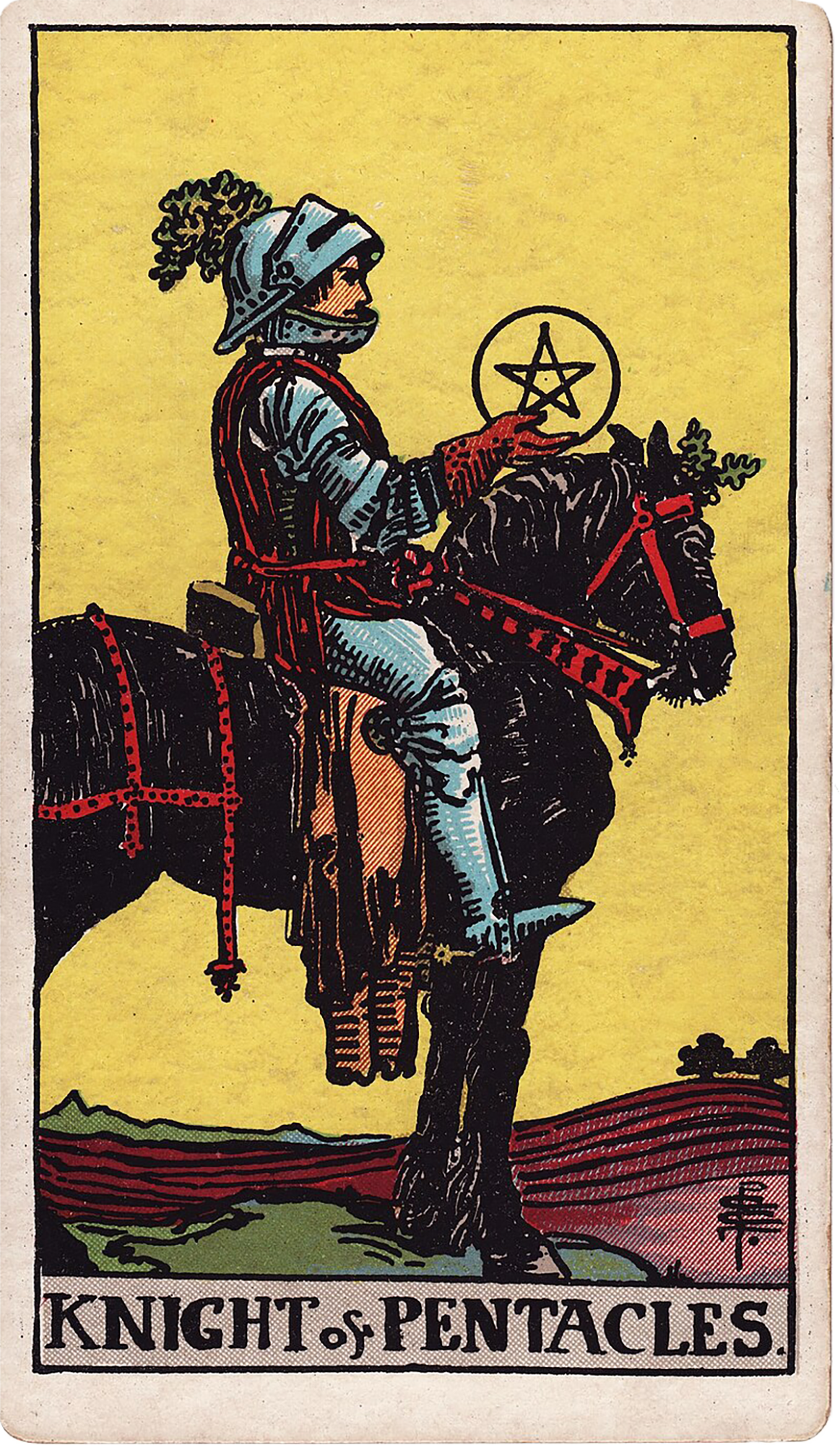 Knight of Pentacles
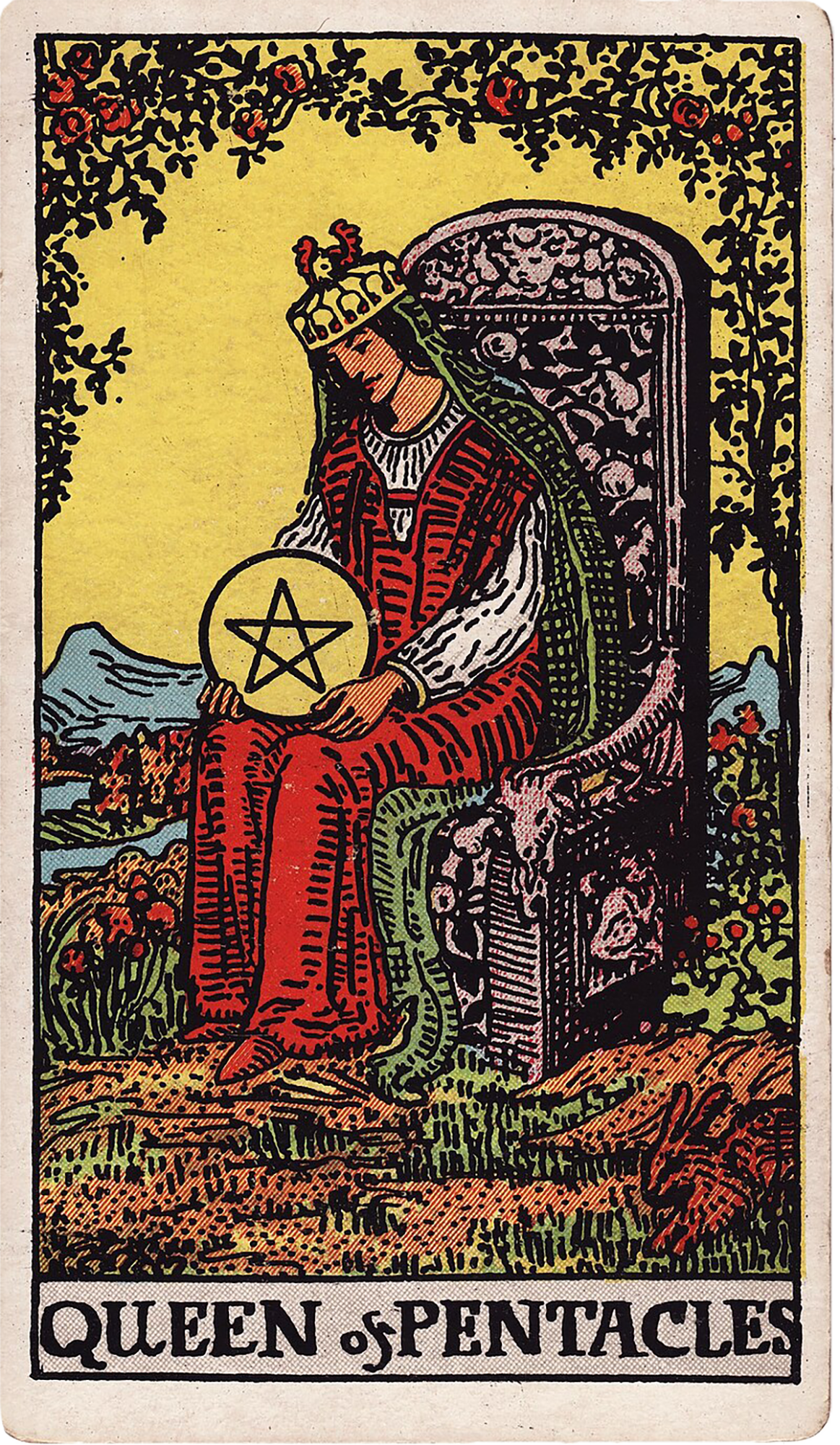 Queen of Pentacles
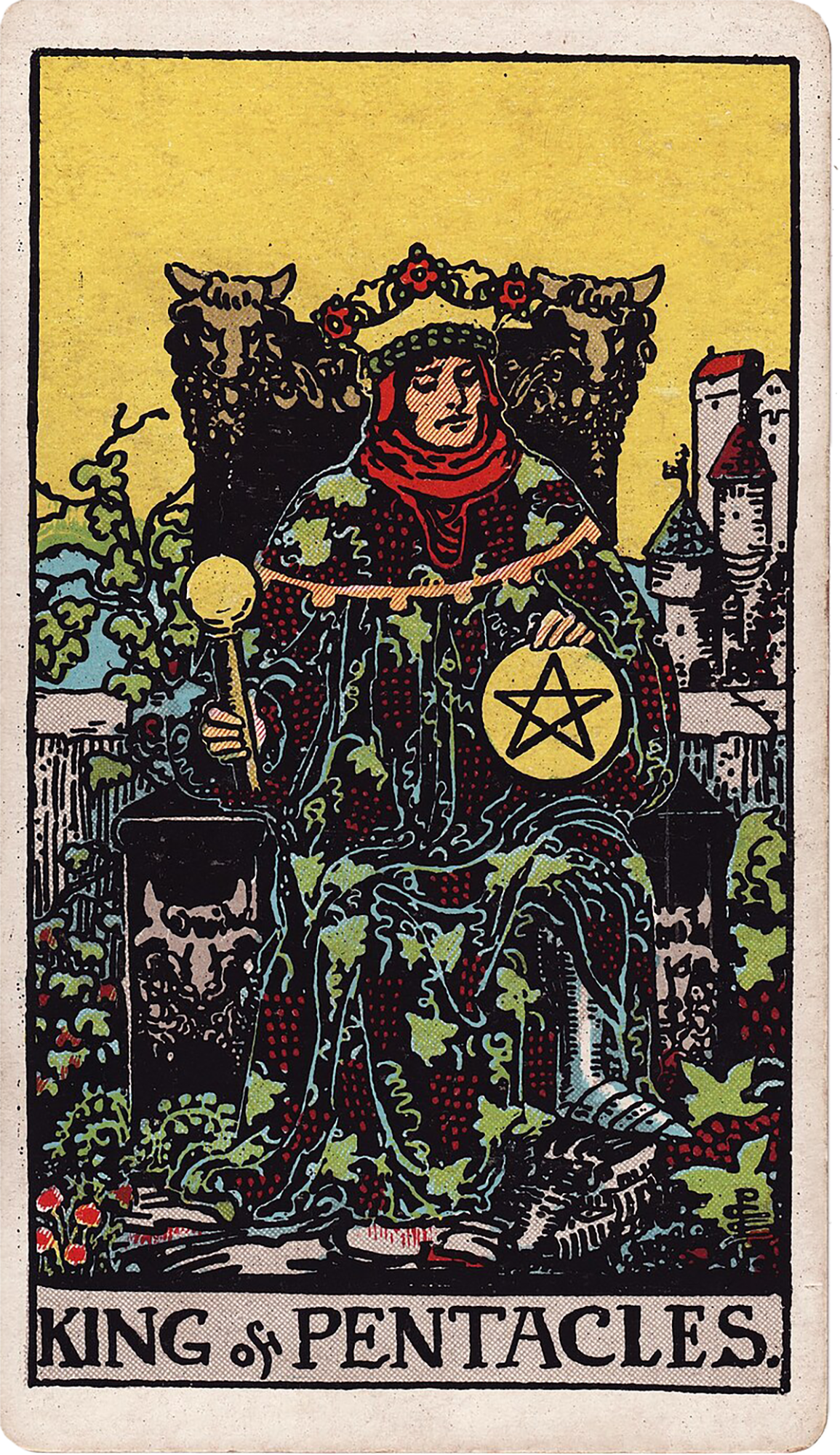 King of Pentacles
Introduction to the Court Cards of Pentacles in the Minor Arcana
The Pentacles suit in Tarot traditionally represents material aspects of life: work, money, health, routine, craft, and the physical body. Its Court Cards—Page, Knight, Queen, and King—offer a progressive, practical narrative of growth, responsibility, and mastery within these domains. Unlike the abstract or emotional focus of other suits, the Pentacles Courts embody concrete lessons in managing resources and nurturing stability, especially within family and community contexts. Understanding these cards requires attention to their visual symbolism, their place in the family hierarchy, and their practical energies reflected in daily life.
Page of Pentacles as the Embodiment of Beginner Practical Learning
The Page of Pentacles is the youthful apprentice of the suit, symbolizing the moment of initial engagement with practical skills or material opportunities. The image traditionally shows a young figure carefully examining a pentacle, embodying curiosity, intent study, and the seed of potential in work or health routines. Upright, this card urges focusing on grounded, achievable steps—learning a craft, starting a budget, or adopting healthier habits. It represents the 'beginner energy' where effort may involve discomfort but clarifies the core task. Reversed, the Page warns against procrastination, poor planning, or intellectual understanding without action. The reversal invites reflection on internal blocks or scattered focus that stall growth. Rather than viewing it as a failure, it signals a need to simplify, practice more deliberately, or communicate intentions clearly to move forward. When reading this card, locate it in the spread relative to other cards showing development or pressure to understand if the beginner phase is just starting or struggling. This awareness helps tailor advice to realistic next steps rather than lofty ideals.
Knight of Pentacles and the Lesson of Reliable Steady Progress
The Knight of Pentacles epitomizes consistent effort and responsible routine. In the Rider-Waite-Smith deck, the Knight is depicted as a diligent figure mounted steadily on a horse, symbolizing perseverance and methodical progress rather than impulsive action. Upright, this card encourages maintaining focus on long-term material stability, emphasizing reliability in work, health routines, or financial plans. Reversed, the Knight challenges us to identify stagnation, rigidity, or workaholic tendencies masked as productivity. Slow movement might feel like progress but could be resistance to change or fear of risk. Internally, this may reveal an unwillingness to adapt or a need to reassess whether current routines serve growth or merely comfort. Effective interpretation involves noting whether the Knight appears with cards indicating development or resolution, helping clarify if persistence is yielding results or if a shift is required. This card balances patience with the practical necessity of action.
Queen of Pentacles as the Symbol of Practical Nurture and Competence
The Queen of Pentacles represents mature care that supports tangible well-being rather than status or abstract ideals. She is often portrayed seated comfortably with symbols of prosperity and domestic comfort, highlighting her competence in managing resources to nurture life and family. Upright, this card teaches the value of practical nurturing—balancing work, health, and home life with a grounded approach. She encourages competence that fosters long-term stability and personal care without neglect. Reversed, the Queen may indicate overwork, self-neglect, or anxiety about finances that disrupt nurturing. It can also reflect controlling care, where usefulness becomes the sole measure of personal worth. This reversal invites reflection on boundaries, self-care, and releasing compulsive control. In readings, the Queen’s presence often emphasizes the quality of care and resource management in family or health situations, signaling the importance of nurturing oneself and others sustainably.
King of Pentacles and the Pinnacle of Mature Stewardship and Stability
The King of Pentacles personifies the apex of material mastery, business acumen, and resource stewardship. Traditionally shown as a commanding, wealthy figure surrounded by symbols of abundance, he embodies the ability to create and sustain long-term stability that benefits both self and others. Upright, the King encourages pragmatic leadership, wise investment of resources, and building security that supports family and community. He represents not just personal success but responsible guardianship. Reversed, the King warns against greed, rigidity, or status obsession that can halt growth. Misuse of financial power or clinging too tightly to security may prevent necessary expansion. This reversal suggests examining where attachments limit adaptability or generosity. When this card appears in readings, it marks a stage of established material competence but asks the querent to reflect on the ethical and relational dimensions of their stewardship.
Common Mistakes in Interpreting Pentacles Court Cards
A frequent error with Pentacles Court Cards is treating their reversals as purely negative or the simple opposite of upright meanings. Instead, reversed cards often highlight where the process of growth is stuck or imbalanced. For example, a reversed Page does not mean failure but invites examination of procrastination or lack of practical follow-through. Another mistake is ignoring the cards’ context within the spread. The Court Cards of Pentacles are practical and stage-sensitive; their advice depends greatly on whether the reading’s focus is on beginnings, ongoing effort, nurturing, or mature management. Additionally, readers sometimes overlook the symbolism of the Rider-Waite-Smith imagery—such as the grounded stance of the Knight’s horse or the Queen’s lush environment—which anchors the cards’ practical, material lessons. Finally, it is important not to project abstract ideals onto these cards. Their strength lies in concrete, actionable guidance rather than spiritual or emotional abstractions.
Techniques for Reading the Pentacles Court Cards Practically
To read these Court Cards effectively, start by evaluating their position and orientation within the spread. Determine whether the card’s energy is entering, developing, under pressure, or nearing resolution. Focus on the cards’ symbolism: observe the posture, attire, environment, and objects held or surrounding the figure. The Page’s studious gaze on the pentacle signals learning; the Knight’s steady horse suggests endurance; the Queen’s comforting environment signals nurture; the King’s throne and symbols denote authority and abundance. Ask practical questions: What stage of material or familial development does this card represent here? What routines, habits, or resources are in focus? What blockages appear from reversed images? Use the cards to anchor advice in realistic, stepwise actions: learning and practicing new skills (Page), maintaining steady progress (Knight), balancing care with competence (Queen), and leading with responsibility and generosity (King). Keep the family and relational context in mind, as these cards often reflect roles and dynamics within a household or community setting.
Examples of Practical Lessons from Court Cards of Pentacles in Family Suit Readings
Consider a reading where the Page of Pentacles appears upright in a family context. This may signal a young family member beginning to take responsibility—starting a job, learning budgeting, or adopting a health routine. The practical lesson is to support beginners with patience and clear, achievable goals. If the Knight of Pentacles appears reversed, it might suggest a family member stuck in a rut, overworking without meaningful progress, or resistant to change. The lesson is to reassess routines and encourage flexibility, preventing burnout. The Queen of Pentacles upright could appear in readings about caregiving, highlighting the importance of nurturing family members without losing oneself. Reversed, it warns of neglecting self-care or becoming overly controlling, reminding readers to balance giving and receiving. A reading with the King of Pentacles reversed may reveal a family dynamic where financial control is misused or security fears limit growth. The lesson is to cultivate generosity, adaptability, and ethical stewardship. Anchoring interpretations in the card images and situational context enhances clarity and actionable insight.
Conclusion and Integrating Court Cards of Pentacles into Your Tarot Practice
Mastering the Court Cards of Pentacles enriches practical Tarot reading by illuminating stages of material and familial growth, responsibility, and nurture. By grounding interpretations in Rider-Waite-Smith symbolism and focusing on realistic, stage-appropriate responses, readers can provide nuanced guidance about work, health, finances, and relational dynamics. Avoid simplistic oppositions of upright and reversed meanings; instead, explore where the process is stalled and what practical steps facilitate progress. Emphasize the cards as active lessons rather than static predictions. Integrate these cards by observing their interaction with other Minor Arcana and Major Arcana cards to fully map the querent’s material journey and family environment. This approach cultivates a Tarot practice that is both deeply educational and genuinely useful in everyday life.
Practice questions
• How does the Page of Pentacles’ beginner energy manifest in your current material or family situation?
• In what areas might the Knight of Pentacles’ steady progress have become stubbornness or stagnation?
• How can you balance the Queen of Pentacles’ practical nurture with self-care and boundaries?
• Where could the King of Pentacles’ focus on security limit growth or generosity in your life?
• When you encounter reversed Pentacles Court Cards, how do you identify the stuck process rather than only negative outcomes?
• What symbolism in the Rider-Waite-Smith depictions helps you connect with these cards’ teachings?
Comments
Sign in to comment.
Continue learning
Interpreting the Dance of Justice and The Devil: Balancing Morality and Temptation in Tarot Readings
The combination of Justice and The Devil in tarot presents a profound exploration of morality, temptation, and personal accountability. This article unpacks how these cards influen...
Advanced Techniques for Combining The Moon and The Star to Enhance Intuition in Tarot Readings
This article explores advanced techniques to combine the symbolism and energy of The Moon and The Star Tarot cards to enhance intuition during Tarot readings. Drawing from traditio...
Unlocking Life Insights with the Celtic Cross Tarot Spread
This article offers a thorough exploration of the Celtic Cross Tarot Spread, focusing on its application within family and practical life contexts. Using a worked example featuring...
Unlocking Hidden Meanings with The Hermit and The Hanged Man for Spiritual Growth
This article offers an in-depth exploration of The Hermit and The Hanged Man Tarot cards focusing on their roles in spiritual growth. It guides readers through beginner and advance...
Unlocking Personal Insight with the Seven Card Horseshoe Spread
The Seven Card Horseshoe Spread is a practical and insightful Tarot layout ideal for exploring personal and family dynamics. This article breaks down each position—Past, Present, H...
Mastering the Court Cards of Wands for Unlocking Personal Drive and Leadership
The Court Cards of Wands represent a dynamic spectrum of personal energy, ambition, and leadership potential within the Minor Arcana. This article offers a comprehensive exploratio...
Tracing the Origins and Evolution of The Fool Card in Tarot History
The Fool card holds a foundational place in tarot tradition, symbolizing beginnings, openness, and the embrace of uncertainty. This article traces its origins from early European d...
Techniques for Reading Court Cards to Unlock Personality Insights
Court cards in Tarot often represent people, personality traits, or energy patterns within a situation. This article offers a structured approach for beginners and advanced readers...
Unlocking Emotional Transformation with Death and The Moon Tarot Combination
This article explores the rich and complex interaction between the Death and The Moon tarot cards within the Rider-Waite-Smith tradition, focusing on their combined potential to un...
Applying The Star Card to Foster Hope and Renewal in Personal Growth
The Star card in Tarot symbolizes hope, authenticity, and the process of steady renewal. In a single-card reading, The Star encourages embracing what is present, cultivating openne...