
Mastering Practical Life Lessons from the Court Cards of Pentacles
The Court Cards of Pentacles—Page, Knight, Queen, and King—offer a profound roadmap for understanding practical life lessons revolving around family, resources, work ethic, and material stability. Rooted in the Rider-Waite-Smith symbolism and grounded by their upright and reversed meanings, these cards guide learners to navigate everyday challenges through patience, responsibility, nurturing, and stewardship. This article unpacks each card’s imagery and essence, explains techniques for reading them within spreads, highlights common interpretive pitfalls, and provides reflection questions to deepen mastery. By integrating these archetypes into practical tarot work, readers can enhance personal growth and practical decision-making.
Cards explored in this article
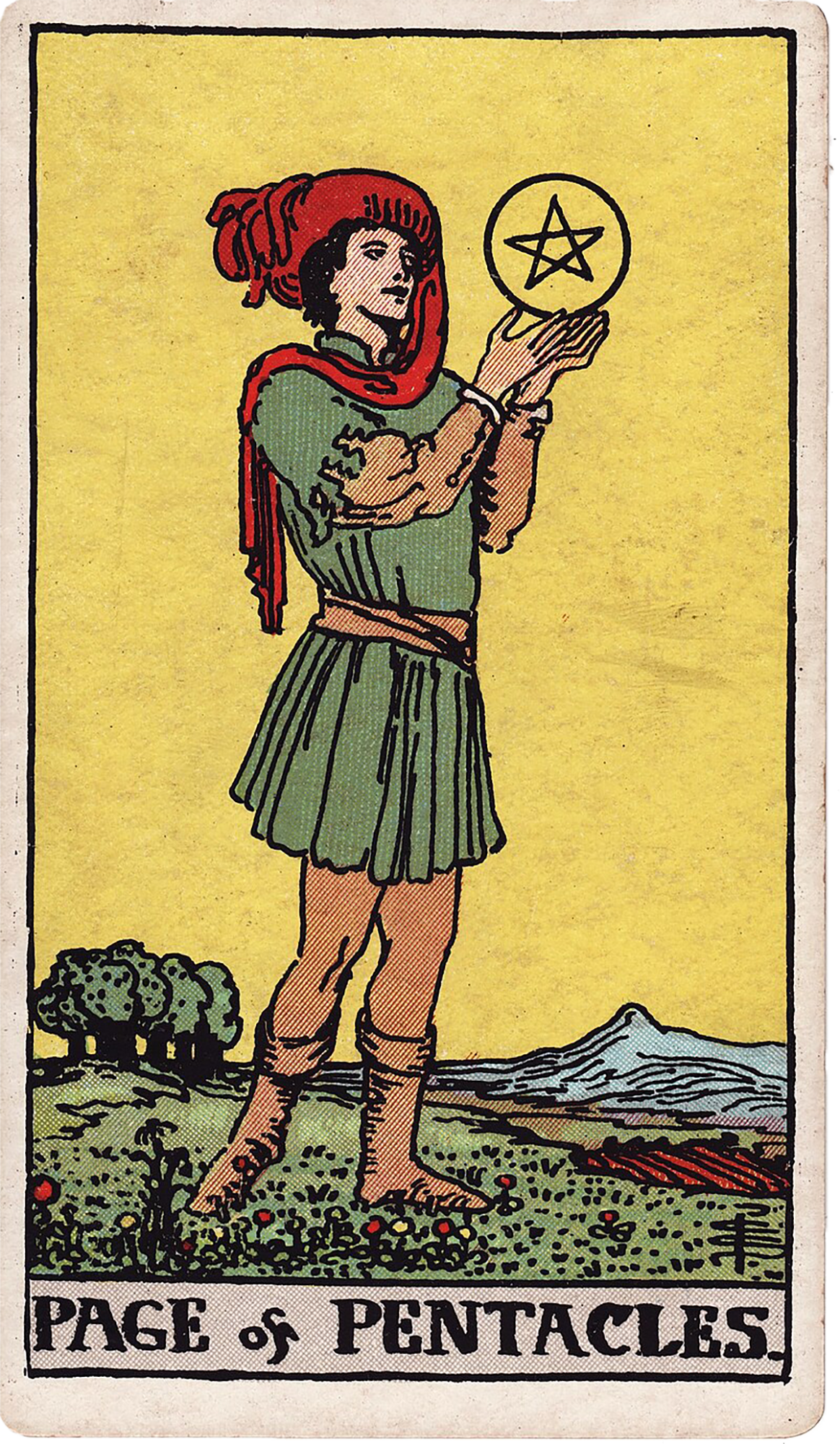 Page of Pentacles
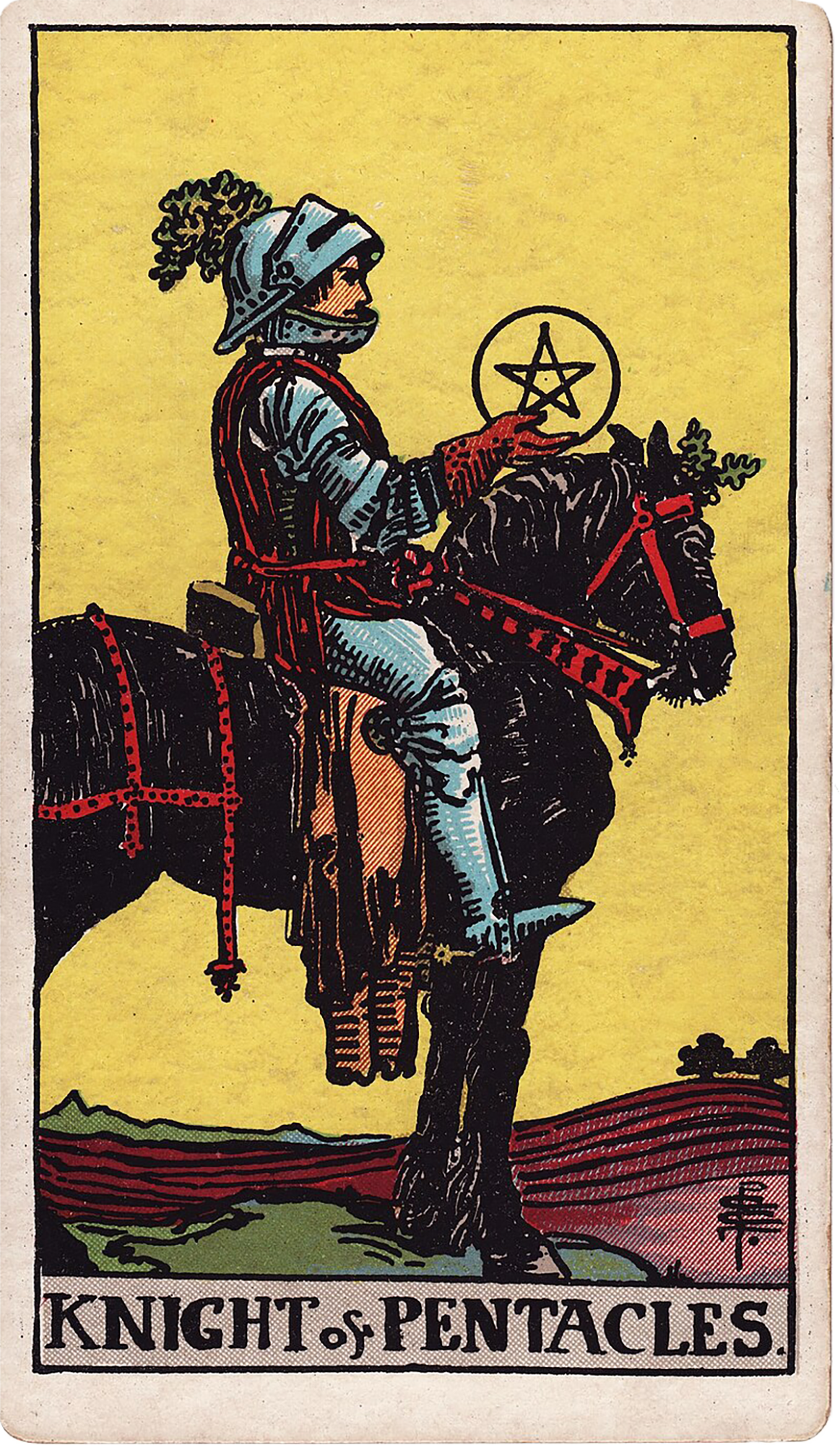 Knight of Pentacles
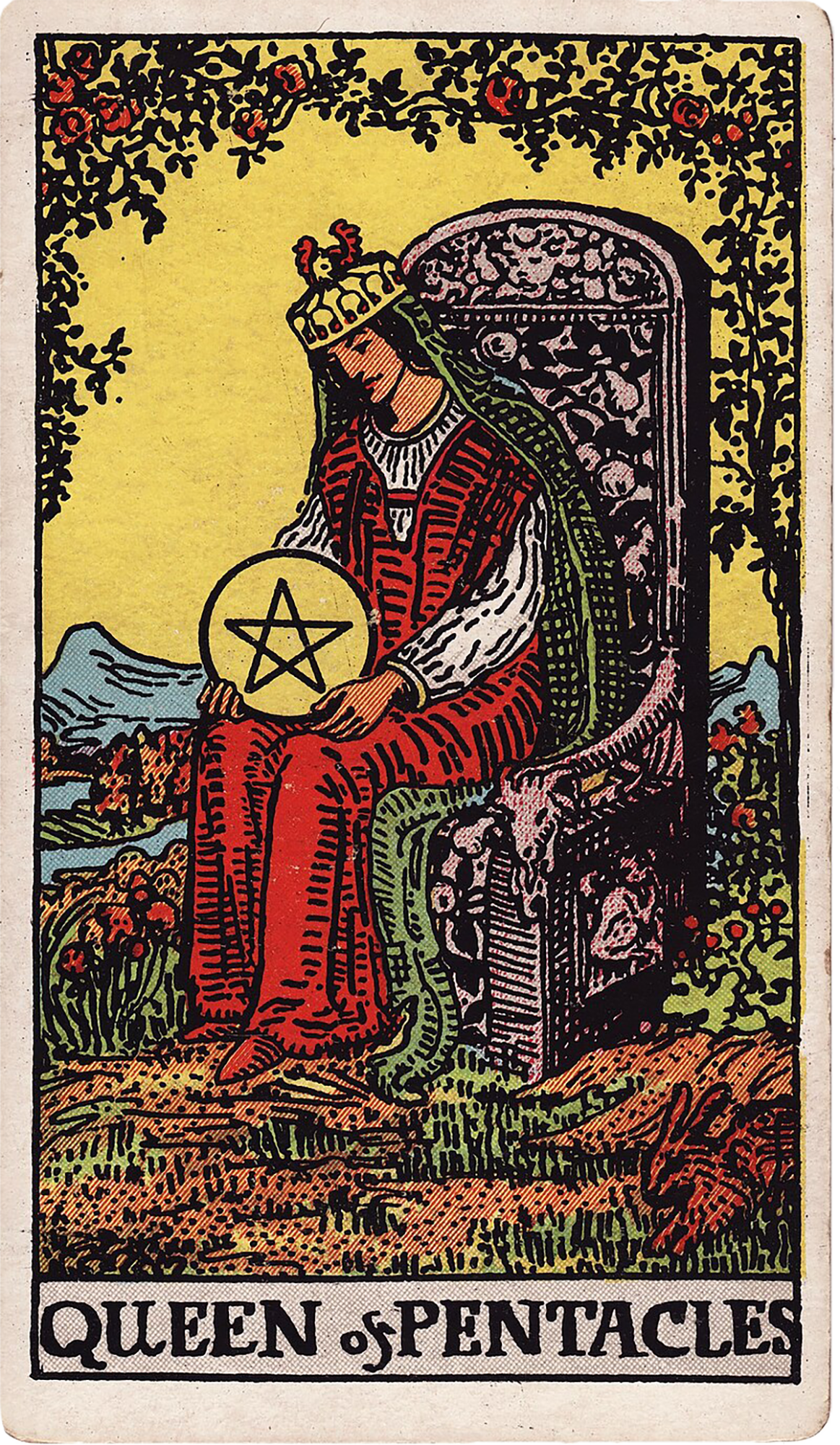 Queen of Pentacles
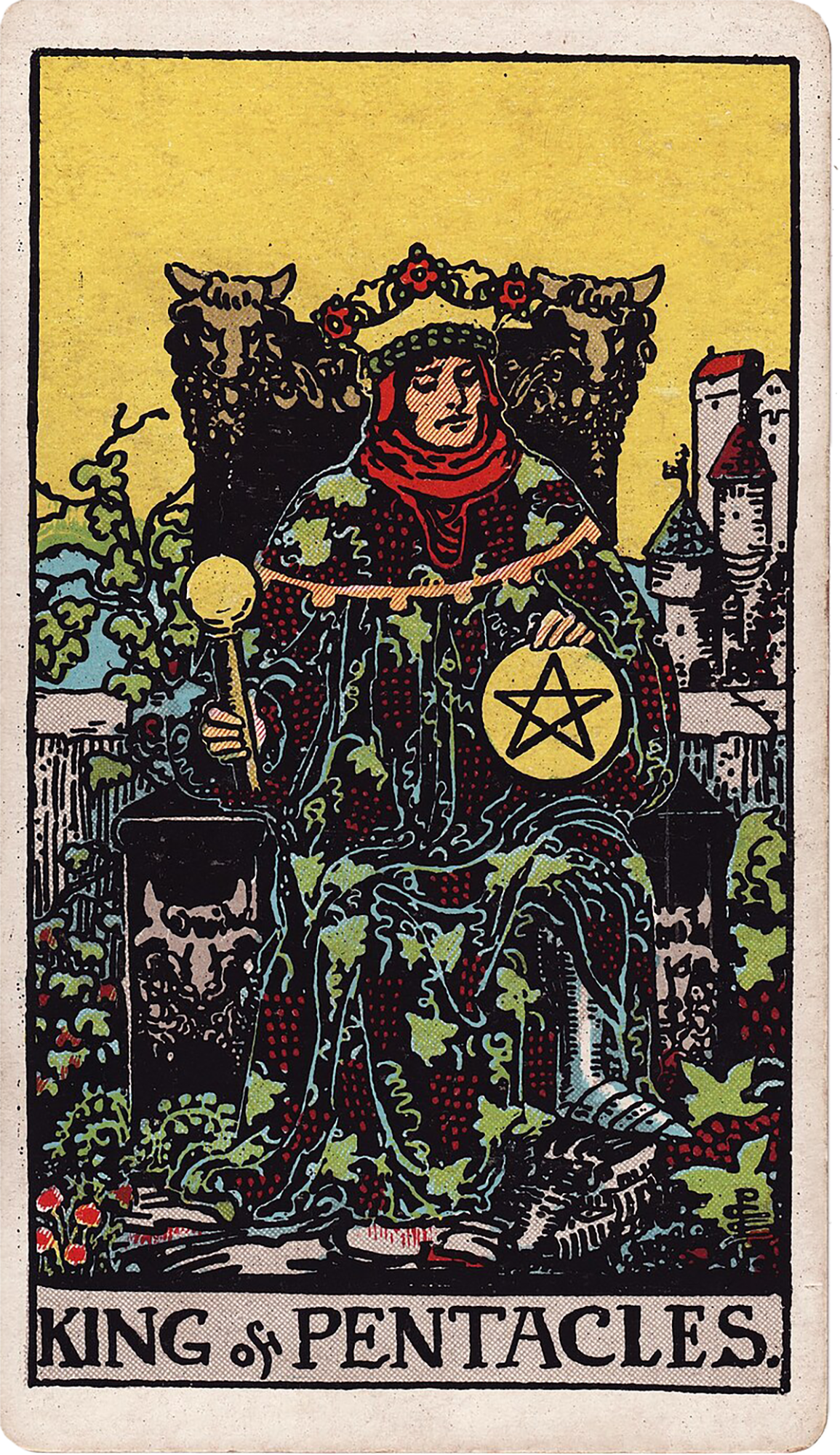 King of Pentacles
Introduction to the Court Cards of Pentacles and Their Practical Significance
The Court Cards in the Pentacles suit represent evolving stages of engagement with the material world, especially as it relates to family, daily routine, resources, and long-term stability. Unlike the more abstract or emotional aspects often found in other suits, Pentacles emphasize tangible outcomes, effort, and responsible stewardship. The Page, Knight, Queen, and King form a developmental progression that mirrors growing competence and maturity in practical life skills. Understanding these cards unlocks insights into how one handles work, finances, health, and caregiving within the family context. Their Rider-Waite-Smith imagery reinforces groundedness and interaction with the physical realm, featuring earthy colors, tools, and symbols associated with wealth and nurturing.
Page of Pentacles Practical Lessons and Reading Techniques
The Page of Pentacles embodies the beginner’s mindset focused on learning, planning, and taking material opportunities seriously. In the Rider-Waite-Smith deck, the Page is pictured outdoors holding a single pentacle, symbolizing new ventures in work, education, or health. Upright, this card encourages realistic and practical steps rather than abstract ideals. For example, if a querent is starting a family project or financial plan, the Page suggests building foundational skills and applying consistent effort. Reversed, the Page warns of procrastination, unrealistic planning, or surface-level engagement without follow-through. When reading, pay attention to whether the Page’s energy is emerging or stuck—are the plans actionable, or is the querent distracted? Use surrounding cards to clarify the scope and timing of efforts. Avoid treating the reversal as merely “bad luck”; instead, explore what blocks learning or commitment to material goals.
Knight of Pentacles Insights on Routine and Reliability
The Knight of Pentacles is the archetype of steady progress through disciplined routine and reliability. Traditionally depicted riding a slow-moving horse, the Knight emphasizes endurance and practical perseverance rather than speed or flair. When upright, this card suggests that success comes from consistent work habits, patience, and methodical attention to detail—qualities essential in managing family responsibilities, finances, or health regimens. The Knight’s imagery, with its earthy tones and grounded posture, calls for realistic assessment and slow but sure momentum. Reversed, it can denote stagnation, stubbornness, or confusing inactivity with productivity. In a reading, look for signs of burnout or rigidity in the querent’s approach to daily life or caregiving roles. The key question is whether routine is supporting growth or becoming a limiting cage. Practically, the Knight teaches that steady effort is valuable but must remain flexible and purpose-driven.
Queen of Pentacles as the Embodiment of Practical Nurture
The Queen of Pentacles represents mature, practical nurturing—balancing competence with care to make resources serve real needs rather than status or appearances. Her traditional Rider-Waite-Smith image shows a regal woman seated comfortably, surrounded by natural abundance and holding a pentacle, symbolizing her mastery over material and domestic spheres. Upright, she teaches how to harmonize work, family care, and financial management without sacrificing wellbeing. She embodies self-sufficiency combined with generosity, encouraging readers to ground nurturing in competence and realistic support. Reversed, however, the Queen warns against overwork, self-neglect, or valuing self-worth solely by productivity. In readings, she often highlights the querent’s role in managing household or family resources and encourages reflection on sustainable care practices. Avoid idealizing her as a purely maternal figure; instead, respect her as a practical manager of life’s essentials.
King of Pentacles and Mastery of Stewardship and Stability
The King of Pentacles signifies the pinnacle of material stewardship, business acumen, and the capacity to build and maintain stability that supports both self and others. His imagery—a mature man adorned in rich robes, holding a pentacle and seated solidly—reflects authority rooted in experience, responsibility, and tangible achievements. Upright, the King calls for wise management of resources, long-term planning, and leadership that nurtures security within family or business. He encourages readers to embody mature competence, balancing ambition with generosity. When reversed, the King may reveal greed, rigidity, or attachment to status that hampers growth. In a practical reading context, this card tests whether the querent’s approach to material life fosters sustainable success or creates barriers through inflexibility or selfishness. It invites reflection on how personal wealth or stability can be a foundation for the well-being of others.
Common Mistakes and How to Avoid Them When Reading Pentacles Court Cards
A common pitfall when interpreting these cards is to reduce them to simplistic labels like "student" for the Page or "boss" for the King without engaging the nuanced lessons each card offers. Another error is treating reversed cards as merely negative or oppositional to their upright meanings. Instead, the reversal should signal where practical processes are stuck or imbalanced, prompting inquiry into what needs simplification, acknowledgment, or change. Readers should also avoid ignoring the cards’ context within a spread; the Court Cards of Pentacles often relate to the querent’s stage in a practical or familial process, so timing and surrounding influences matter. Lastly, relying solely on abstract ideals without grounding interpretations in the imagery and material symbolism of the cards undermines their educational value. Always anchor readings in the cards’ visual cues—such as the pentacle held by the Page or the stable posture of the King—to connect with their practical essence.
Practical Reading Method for Family and Resource-Related Questions
When using the Pentacles Court Cards for questions about family, work, or resources, begin by identifying the querent’s current stage of engagement. For instance, the Page signals a beginning or learning phase; the Knight indicates ongoing maintenance; the Queen reflects nurturing and balancing multiple needs; and the King reveals mastery and stewardship. Note the card’s orientation—upright or reversed—and interpret reversals as signs pointing to blockages or areas needing attention rather than simply negative outcomes. Next, examine the surrounding cards for clues about timing, obstacles, or support. Encourage the querent to reflect on where their practical routines or family roles might benefit from more patience, structure, or flexibility. By explicitly connecting the card imagery to life domains—such as the Page’s single pentacle representing focused opportunity or the Queen’s lush environment symbolizing resource management—readers deepen the relevance of the cards to real-world situations.
Interpretation Logic Anchored in Rider-Waite-Smith Symbolism
The Rider-Waite-Smith deck’s symbolism underpins coherent interpretation of the Court Cards in Pentacles. Each card’s imagery features earthy landscapes, emphasizing groundedness, and the pentacles themselves symbolize tangible wealth, health, and resources. The Page’s youthful figure and focus on one pentacle connote new beginnings and potential. The Knight’s slow-moving horse and sturdy posture reflect routine and reliability. The Queen’s throne amid greenery and her nurturing gaze suggest competence in blending care with material stewardship. The King’s rich attire and firm grasp on the pentacle illustrate mature control and responsibility. By consciously referencing these visual elements during readings, learners maintain interpretive consistency and avoid drifting into vague or purely psychological readings disconnected from the cards’ material focus. This visual anchoring also aids memory retention and deepens intuitive engagement with the tarot.
Conclusion and Mastery Through Reflection and Practice
Mastering the practical life lessons embedded in the Court Cards of Pentacles involves more than memorizing upright and reversed meanings. It requires ongoing reflection on how these archetypes manifest in one’s family dynamics, work habits, and resource management. By consistently anchoring interpretations in the Rider-Waite-Smith imagery and understanding the developmental arc from Page to King, tarot learners gain a powerful framework for supporting querents through real-world challenges. Practice reading these cards in diverse spreads and contexts, paying attention to how the cards’ energies develop or become blocked. Use the reflection questions below to deepen your connection to their lessons. Over time, integrating the steady, nurturing, and responsible qualities of the Pentacles Court Cards will enhance both your tarot skills and practical life wisdom.
Practice questions
• In what areas of my life am I embodying the beginner’s mindset of the Page of Pentacles, and where might I be procrastinating or overcomplicating?
• How does my current routine reflect the steady, reliable energy of the Knight of Pentacles, and where might I be confusing slow progress with stagnation?
• Am I balancing nurturing and competence as the Queen of Pentacles advises, or am I neglecting self-care in pursuit of practical goals?
• Where can I practice the mature stewardship exemplified by the King of Pentacles to build long-term stability for myself and those I support?
• When reading Pentacles Court Cards, how can I better incorporate the cards’ imagery to ground my interpretations in tangible life situations?
• What signs of blockage or imbalance am I noticing when Pentacles Court Cards appear reversed, and how might I address these issues practically?
Comments
Sign in to comment.
Continue learning
Interpreting the Dance of Justice and The Devil: Balancing Morality and Temptation in Tarot Readings
The combination of Justice and The Devil in tarot presents a profound exploration of morality, temptation, and personal accountability. This article unpacks how these cards influen...
Advanced Techniques for Combining The Moon and The Star to Enhance Intuition in Tarot Readings
This article explores advanced techniques to combine the symbolism and energy of The Moon and The Star Tarot cards to enhance intuition during Tarot readings. Drawing from traditio...
Unlocking Life Insights with the Celtic Cross Tarot Spread
This article offers a thorough exploration of the Celtic Cross Tarot Spread, focusing on its application within family and practical life contexts. Using a worked example featuring...
Unlocking Hidden Meanings with The Hermit and The Hanged Man for Spiritual Growth
This article offers an in-depth exploration of The Hermit and The Hanged Man Tarot cards focusing on their roles in spiritual growth. It guides readers through beginner and advance...
Unlocking Personal Insight with the Seven Card Horseshoe Spread
The Seven Card Horseshoe Spread is a practical and insightful Tarot layout ideal for exploring personal and family dynamics. This article breaks down each position—Past, Present, H...
Mastering the Court Cards of Wands for Unlocking Personal Drive and Leadership
The Court Cards of Wands represent a dynamic spectrum of personal energy, ambition, and leadership potential within the Minor Arcana. This article offers a comprehensive exploratio...
Tracing the Origins and Evolution of The Fool Card in Tarot History
The Fool card holds a foundational place in tarot tradition, symbolizing beginnings, openness, and the embrace of uncertainty. This article traces its origins from early European d...
Techniques for Reading Court Cards to Unlock Personality Insights
Court cards in Tarot often represent people, personality traits, or energy patterns within a situation. This article offers a structured approach for beginners and advanced readers...
Unlocking Emotional Transformation with Death and The Moon Tarot Combination
This article explores the rich and complex interaction between the Death and The Moon tarot cards within the Rider-Waite-Smith tradition, focusing on their combined potential to un...
Applying The Star Card to Foster Hope and Renewal in Personal Growth
The Star card in Tarot symbolizes hope, authenticity, and the process of steady renewal. In a single-card reading, The Star encourages embracing what is present, cultivating openne...