
Mastering the Art of Combining The Magician The High Priestess and Ace of Wands for Creative Tarot Insights
This article guides tarot learners through mastering the combined interpretation of The Magician, The High Priestess, and Ace of Wands cards. It presents a step-by-step approach to harnessing these cards’ energies for creative readings, balancing intuitive insight with deliberate action. The content covers card symbolism, nuanced meanings in upright and reversed positions, practical reading techniques, common interpretation pitfalls, and exercises for integrating these lessons into daily tarot practice.
Cards explored in this article
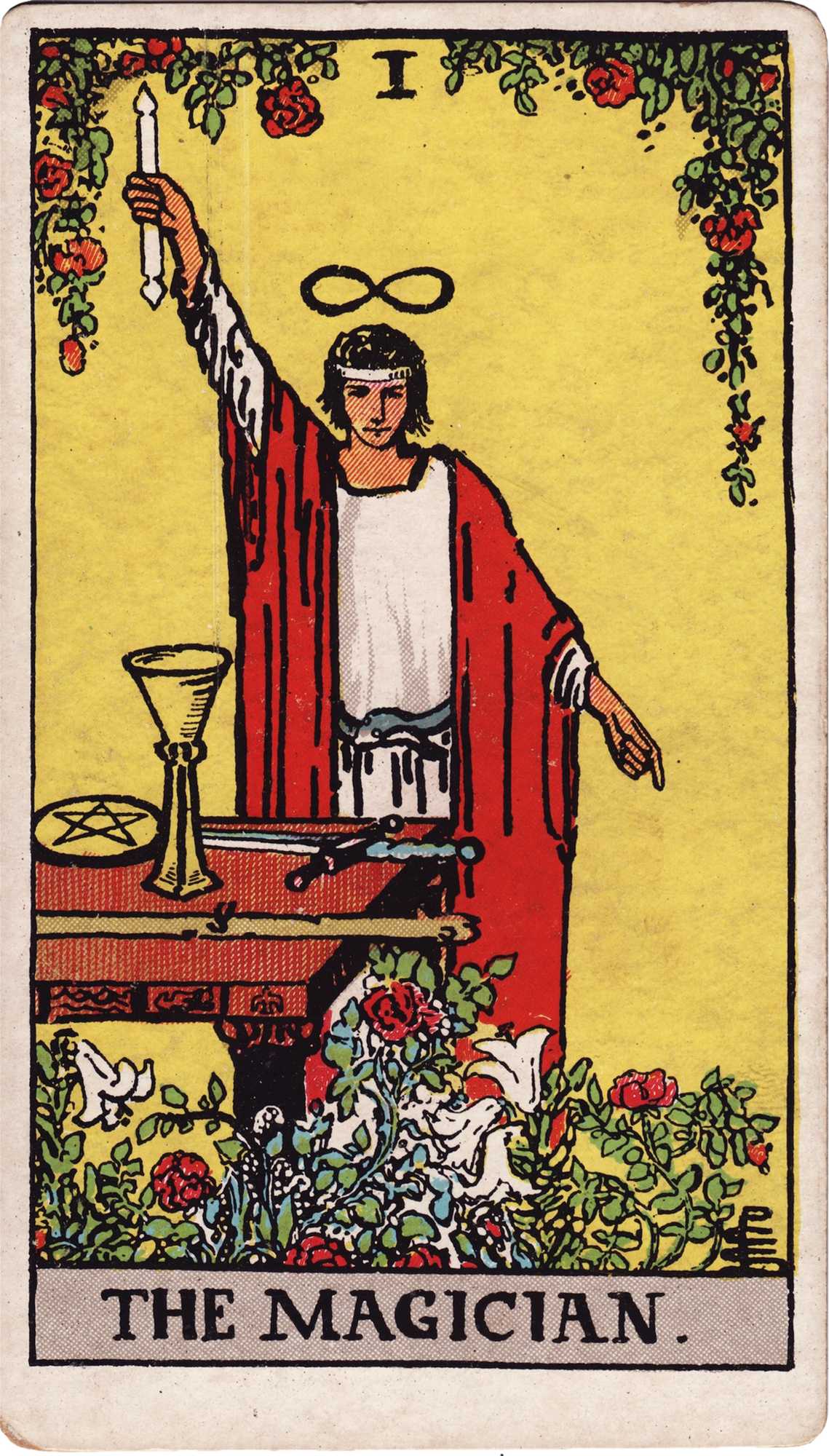 The Magician
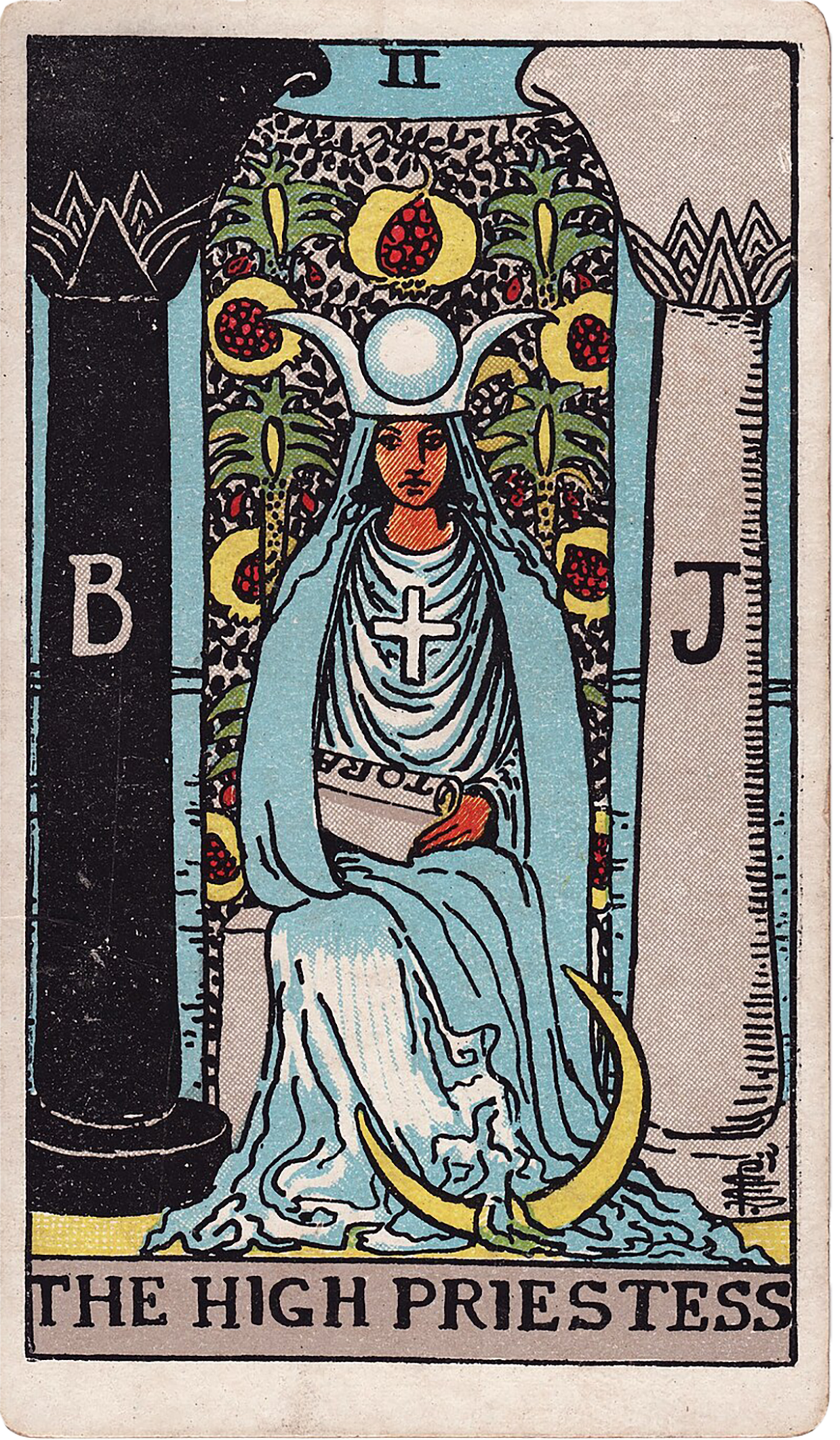 The High Priestess
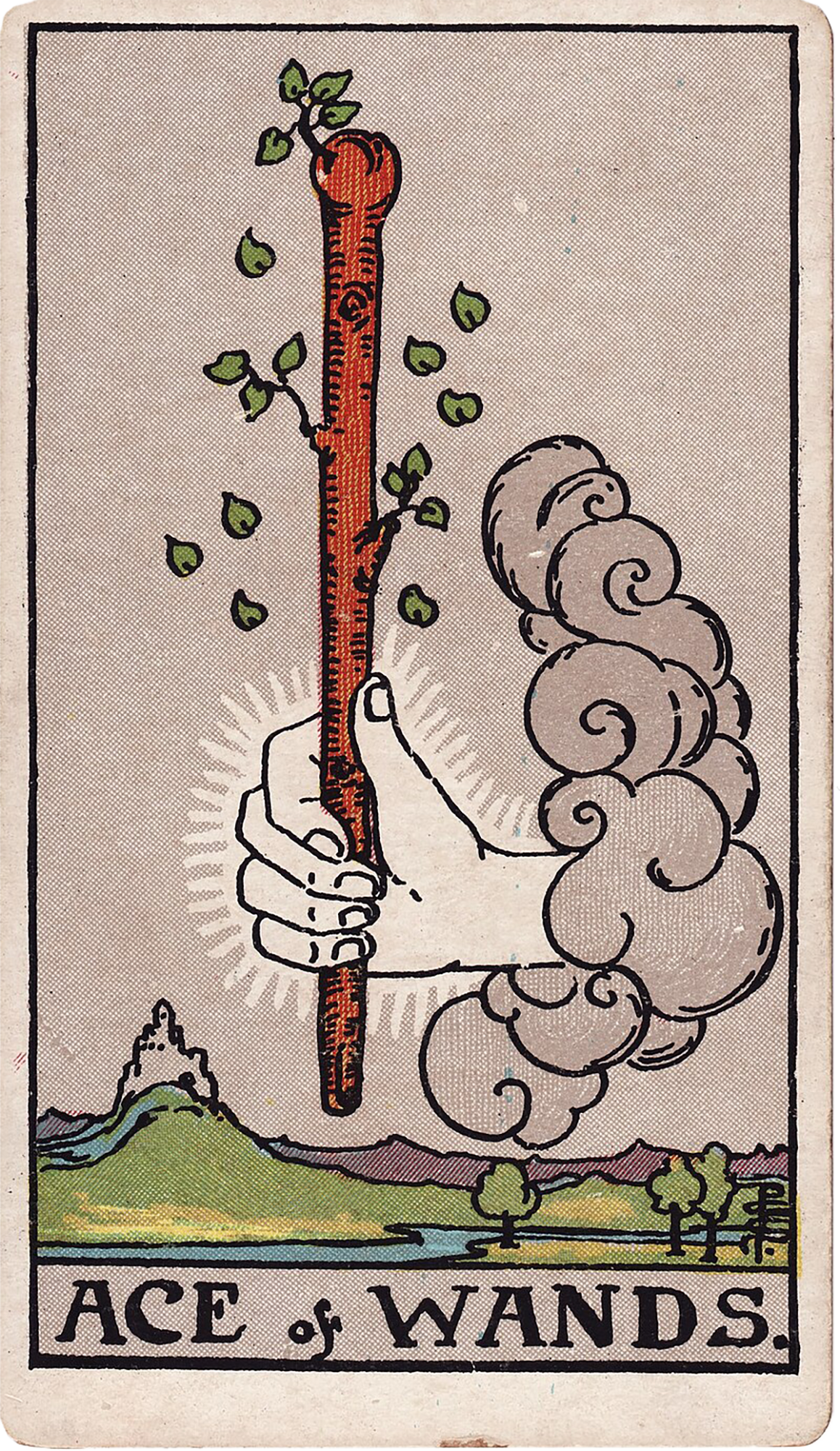 Ace of Wands
Understanding the Core Symbols of The Magician The High Priestess and Ace of Wands
The foundation of mastering any tarot combination is a solid grasp of each card’s individual symbolism and traditional meanings. The Magician represents deliberate use of skills and clear communication, emphasizing turning potential into concrete action. The High Priestess embodies inner wisdom, intuition, and the subtle revelations that come from listening beneath surface appearances. The Ace of Wands signals a fresh impulse or creative spark, calling for immediate, practical action to harness enthusiasm before it fades. Visually, The Magician holds the tools of all four suits on his table, symbolizing mastery over the elements and potential. The High Priestess sits between two pillars marked B and J, representing balance and duality, often interpreted as the veil between conscious and unconscious knowledge. The Ace of Wands shows a hand emerging from a cloud holding a blooming wand, symbolizing the birth of creative energy and the start of a new venture. Recognizing these images helps readers anchor meanings in familiar Rider-Waite-Smith symbolism. When combined, these cards invite a reading that balances inner knowing (High Priestess), focused skillful action (Magician), and inspired initiation (Ace of Wands).
Beginner Techniques for Combining These Cards in a Reading
For learners new to tarot or combining multiple major arcana and aces, start by reading each card’s upright or reversed meaning plainly within the context of the question. The Magician’s upright suggests using what is immediately available, the High Priestess upright encourages quiet discernment, and the Ace of Wands upright urges taking the first practical step to express new energy. A straightforward approach is to interpret the cards as a sequential narrative: The High Priestess advises pausing to listen to inner guidance; The Magician shows how to translate that guidance into skillful, deliberate action; the Ace of Wands calls for the initiation of a new project or creative expression based on that combined insight. In practice, a beginner might receive these three cards in a spread addressing creative blocks. The High Priestess might indicate the need to trust intuitive feelings about the block rather than surface thoughts. The Magician then advises using known skills or resources to address it consciously. The Ace of Wands encourages acting quickly to capitalize on newfound clarity or motivation. Beginner readers should also pay attention to reversed cards, which often indicate blockages or imbalance. For example, a reversed High Priestess suggests disconnection from intuition, which slows down the process of insight. A reversed Magician may warn against manipulation or scattered effort. A reversed Ace of Wands points to blocked inspiration or premature action. Noting these nuances helps beginners avoid simplistic readings.
Advanced Techniques for Deepening Interpretation and Creative Insight
Advanced readers deepen the combination by exploring how the cards’ energies interact dynamically, including how upright and reversed positions influence one another. For instance, The Magician upright paired with The High Priestess reversed suggests conscious skill is present but the intuitive guidance is blocked or misunderstood, signaling a need to re-balance logic and intuition before action. Conversely, a reversed Magician with an upright High Priestess and Ace of Wands might warn that although inspiration and inner wisdom are available, the querent is struggling to manifest these energies constructively. Another advanced technique is layering psychological and practical levels. The High Priestess often points to unconscious influences or hidden information. The Magician calls for bringing that into conscious awareness and expression. The Ace of Wands then challenges the querent to act on this blended insight immediately. This layered reading technique enables the tarot to serve not only as prediction but as a tool for self-development and creative problem-solving. Visual analysis also plays a key role in advanced readings. For example, The Magician’s gaze is directed upward, connecting divine energy to earthly tools, while The High Priestess looks forward serenely, embodying stillness and patience. The Ace of Wands’ hand emerging from the cloud suggests divine inspiration manifesting in the material world. Noticing these image-driven directional cues can highlight themes of connection, timing, and flow in the reading. Finally, advanced readers may use these three cards together within specific spreads such as a three-card past-present-future or situation-action-outcome layout. Here, The High Priestess could represent a past moment of reflection or blocked awareness, The Magician the present active choice to manifest change, and Ace of Wands the emerging creative potential in the future. This contextual reading enriches the narrative arc of the cards.
Common Mistakes When Working with These Cards Together
A frequent beginner mistake is to treat each card in isolation without exploring the interaction between them, resulting in disjointed or superficial interpretations. For example, reading The Magician simply as ’skill’ and the Ace of Wands as ’new ideas’ without linking how the skill can be applied to the new creative impulse misses the full synergy. Another error is ignoring reversed cards or automatically assigning them negative meanings. Instead, reversed positions often indicate nuanced delays, internalized processes, or temporary challenges. For instance, a reversed High Priestess may mean the querent is struggling with self-trust rather than lacking intuition altogether. Some readers also overlook the practical timing element that Ace of Wands introduces. Because it urges prompt action, failing to acknowledge this can cause readings to feel vague or indecisive. Finally, neglecting the Rider-Waite-Smith imagery limits interpretive depth. The specific symbols such as The Magician’s infinity symbol, The High Priestess’s scroll, or the budding leaves on the Ace of Wands offer rich clues that tie abstract meanings to concrete visual cues. Missing these reduces readings to generic advice.
Practical Method for Conducting a Combined Card Reading
To integrate the Magician High Priestess and Ace of Wands combination effectively, begin by shuffling and focusing on a clear question or theme involving creativity, decision-making, or inner guidance. 1. Lay out the three cards in a row or a triangle to visually represent balance and flow. 2. Examine each card’s imagery closely. Note the Magician’s tools, the High Priestess’s pillars and veil, and the growing wand held by the hand. 3. Identify each card’s upright or reversed status and recall their core meanings as outlined above. 4. Ask: How does the High Priestess’s message about inner knowledge shape the Magician’s ability to act? What kind of new beginning or spark does the Ace of Wands suggest in this context? 5. Consider the timing and sequence implied. The High Priestess may represent internal preparation, The Magician the conscious decision to use resources, and the Ace of Wands the moment of inspired action. 6. Reflect on any reversal as a sign to pause, re-assess, or adjust expectations. 7. Synthesize the three cards into a cohesive narrative, emphasizing the balance between intuition, skill, and initiative. Practicing this method regularly will help deepen your intuitive and analytical skills in tarot, enabling you to generate creative, insightful readings that go beyond surface-level interpretations.
Examples of Combined Interpretations for Creative Readings
Example 1 Upright trio: A querent asks about starting a creative project. The High Priestess suggests they trust their gut feelings about timing and inspiration. The Magician advises using their existing skills and tools deliberately to shape the idea. The Ace of Wands encourages taking immediate action to begin work before enthusiasm wanes. The overall message: balance intuition with deliberate, skillful execution, then act decisively. Example 2 High Priestess reversed, Magician upright, Ace of Wands upright: The querent feels disconnected from their inner voice but still possesses the skills and energy to act. The reading suggests working to reconnect with intuition (perhaps through meditation or reflection) while consciously applying skills, as raw enthusiasm without inner direction could lead to frustration. Example 3 Magician reversed, High Priestess upright, Ace of Wands reversed: Here the querent has intuitive clarity but struggles to manifest it due to self-doubt or scattered effort. The reversed Ace of Wands compounds this by showing blocked inspiration or hesitation. The reading recommends focusing on clearing mental blocks and practicing patience before jumping into action. These examples illustrate how blending the three cards' symbolism creates nuanced and actionable insights for both beginners and experienced readers.
Practice questions
• How can I distinguish between intuition and mere anxiety when interpreting The High Priestess card?
• In what ways can The Magician’s energy be misused or distorted in a reading, especially when reversed?
• What practical steps can I suggest when the Ace of Wands appears to encourage immediate action?
• How does the interplay of intuition, skill, and initiative influence the timing of decisions in my readings?
• What visual symbols on these cards resonate most with me and how can I use them to deepen my interpretations?
Comments
Sign in to comment.
Continue learning
Interpreting the Dance of Justice and The Devil: Balancing Morality and Temptation in Tarot Readings
The combination of Justice and The Devil in tarot presents a profound exploration of morality, temptation, and personal accountability. This article unpacks how these cards influen...
Advanced Techniques for Combining The Moon and The Star to Enhance Intuition in Tarot Readings
This article explores advanced techniques to combine the symbolism and energy of The Moon and The Star Tarot cards to enhance intuition during Tarot readings. Drawing from traditio...
Unlocking Life Insights with the Celtic Cross Tarot Spread
This article offers a thorough exploration of the Celtic Cross Tarot Spread, focusing on its application within family and practical life contexts. Using a worked example featuring...
Unlocking Hidden Meanings with The Hermit and The Hanged Man for Spiritual Growth
This article offers an in-depth exploration of The Hermit and The Hanged Man Tarot cards focusing on their roles in spiritual growth. It guides readers through beginner and advance...
Unlocking Personal Insight with the Seven Card Horseshoe Spread
The Seven Card Horseshoe Spread is a practical and insightful Tarot layout ideal for exploring personal and family dynamics. This article breaks down each position—Past, Present, H...
Mastering the Court Cards of Wands for Unlocking Personal Drive and Leadership
The Court Cards of Wands represent a dynamic spectrum of personal energy, ambition, and leadership potential within the Minor Arcana. This article offers a comprehensive exploratio...
Tracing the Origins and Evolution of The Fool Card in Tarot History
The Fool card holds a foundational place in tarot tradition, symbolizing beginnings, openness, and the embrace of uncertainty. This article traces its origins from early European d...
Techniques for Reading Court Cards to Unlock Personality Insights
Court cards in Tarot often represent people, personality traits, or energy patterns within a situation. This article offers a structured approach for beginners and advanced readers...
Unlocking Emotional Transformation with Death and The Moon Tarot Combination
This article explores the rich and complex interaction between the Death and The Moon tarot cards within the Rider-Waite-Smith tradition, focusing on their combined potential to un...
Applying The Star Card to Foster Hope and Renewal in Personal Growth
The Star card in Tarot symbolizes hope, authenticity, and the process of steady renewal. In a single-card reading, The Star encourages embracing what is present, cultivating openne...