
Mastering the Five Card Cross Spread for Practical Life and Decision Insights
The Five Card Cross Spread is a versatile and accessible tarot layout designed to illuminate key aspects of practical life situations and decision-making processes. This article breaks down each position—Present, Past, Future, Challenge, and Advice—illustrating their meanings through a worked example featuring The Fool, The Magician, The High Priestess, The Emperor, and The Hierophant. Readers will learn the technique behind the spread, interpretive logic grounded in Rider-Waite-Smith symbolism, and how to navigate card interactions to generate balanced, actionable insights. Practical tips for learners and common pitfalls are also discussed to empower effective, grounded tarot practice.
Five Card Cross
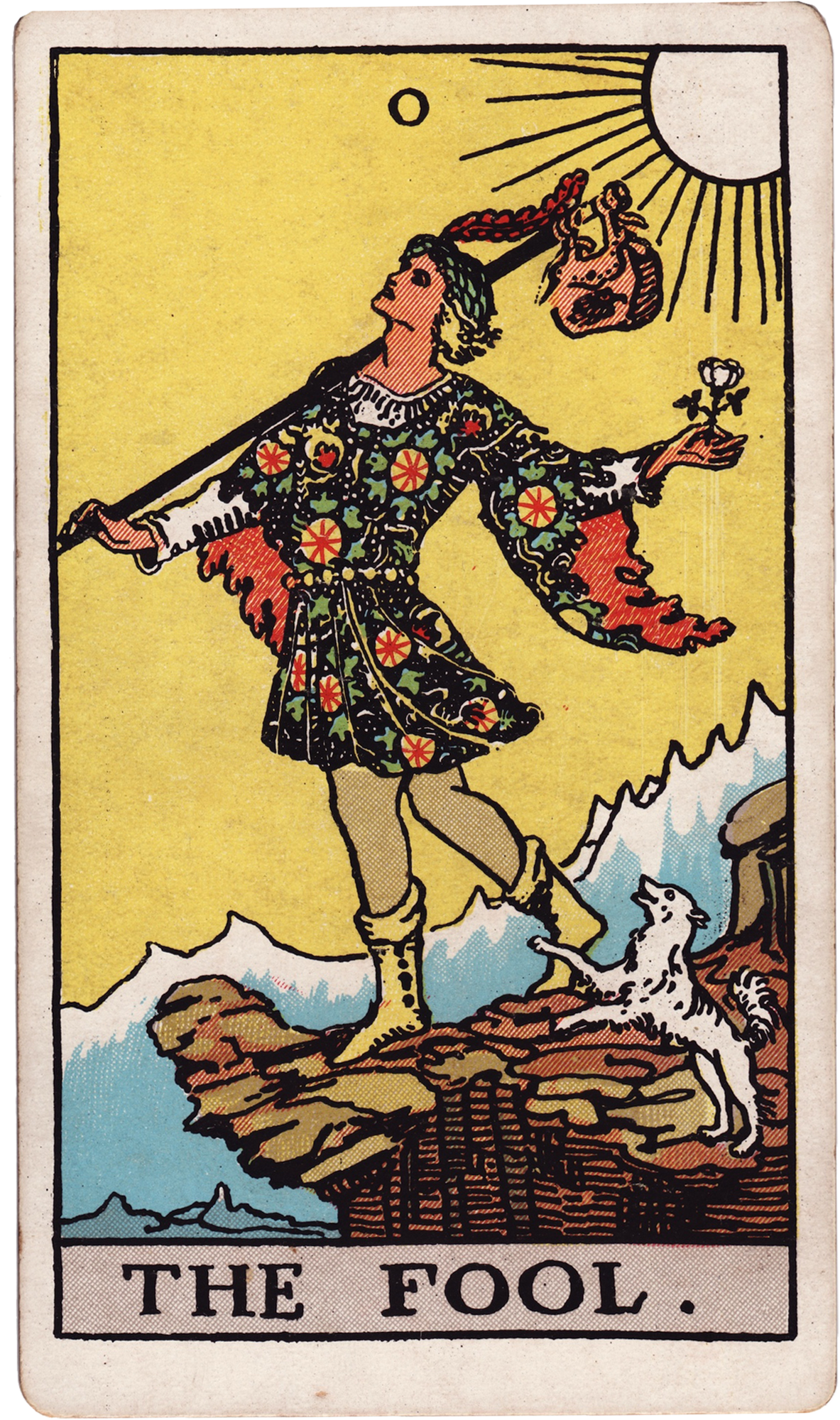 PresentThe Fool
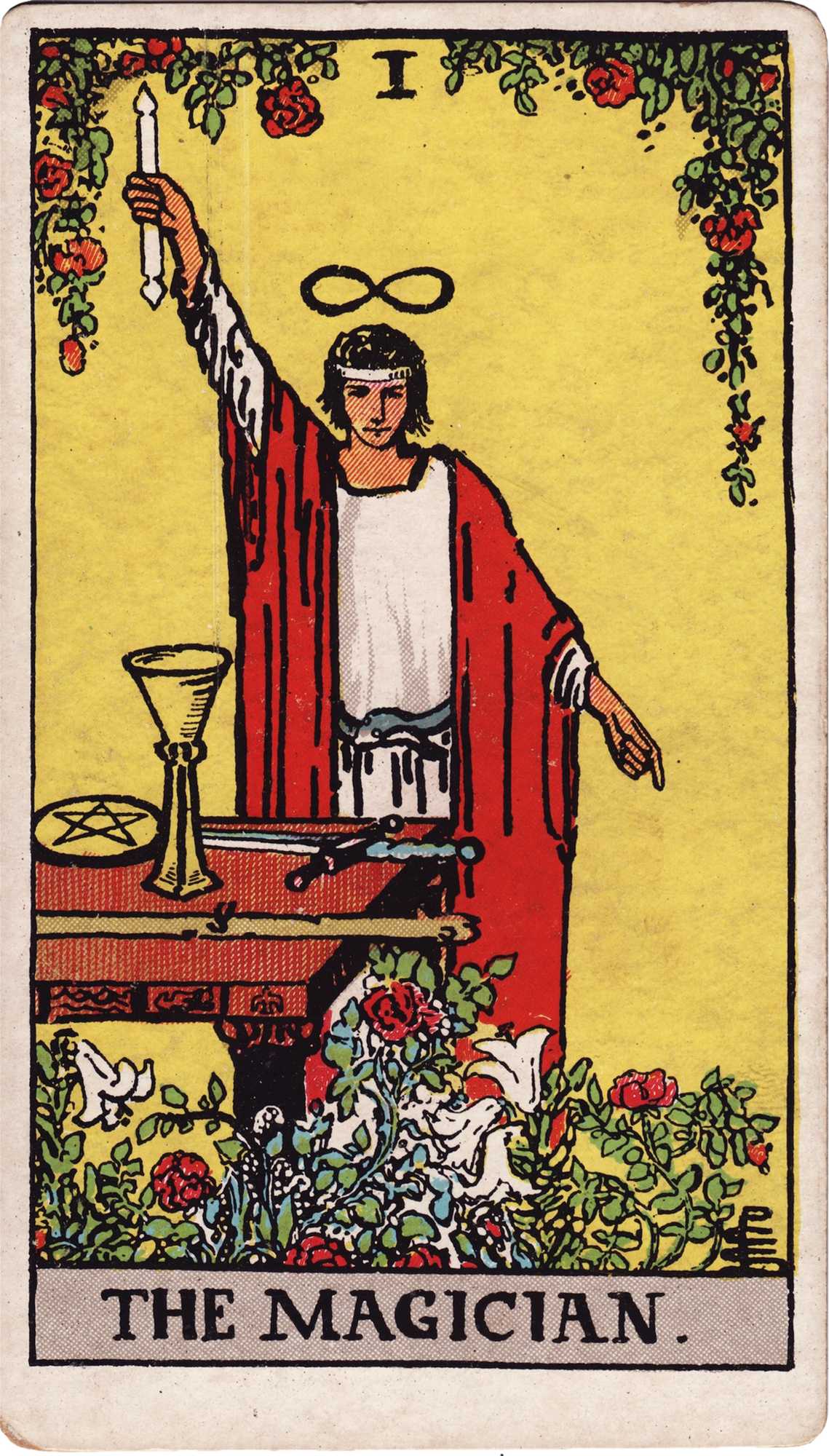 PastThe Magician
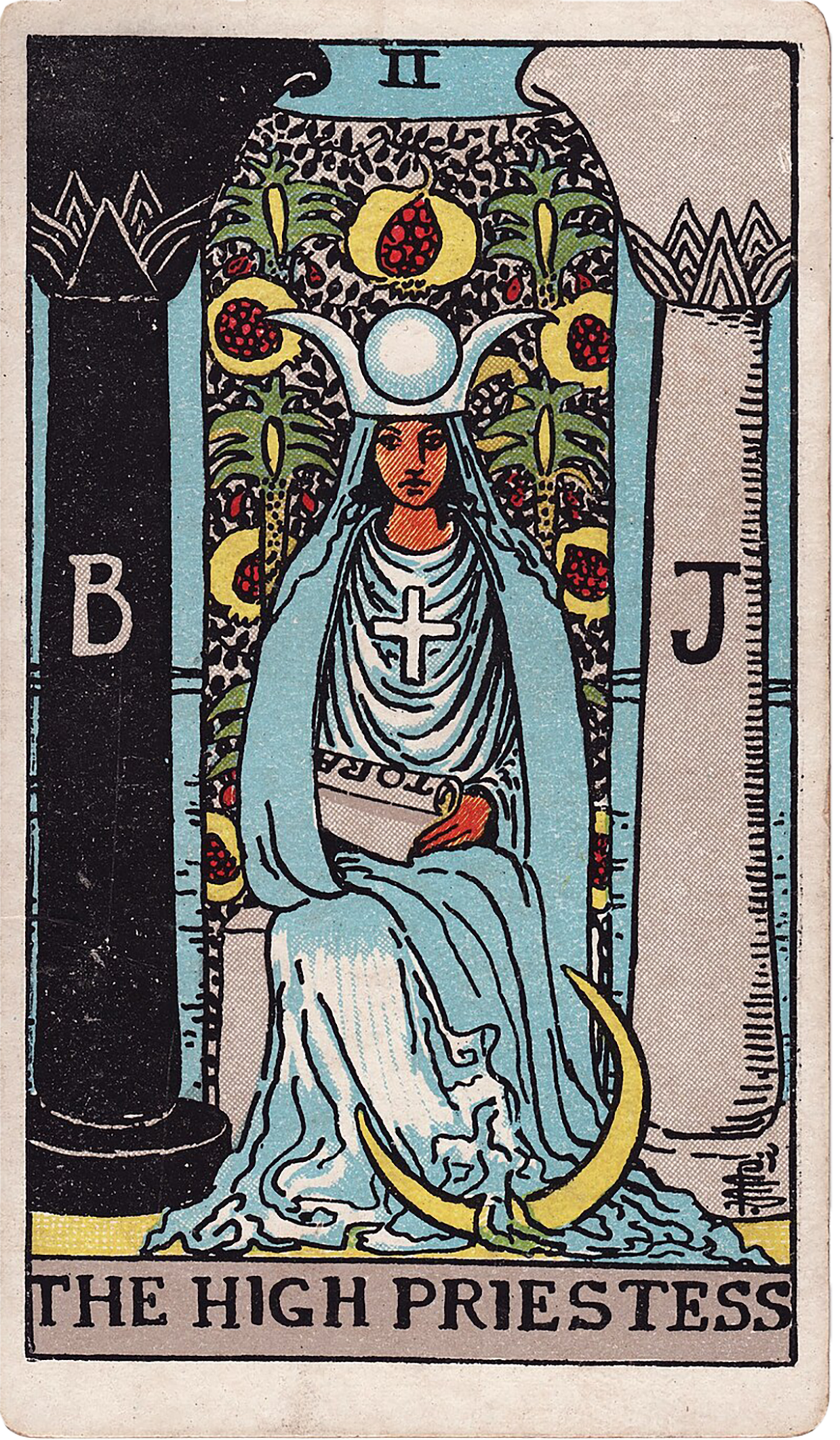 FutureThe High Priestess
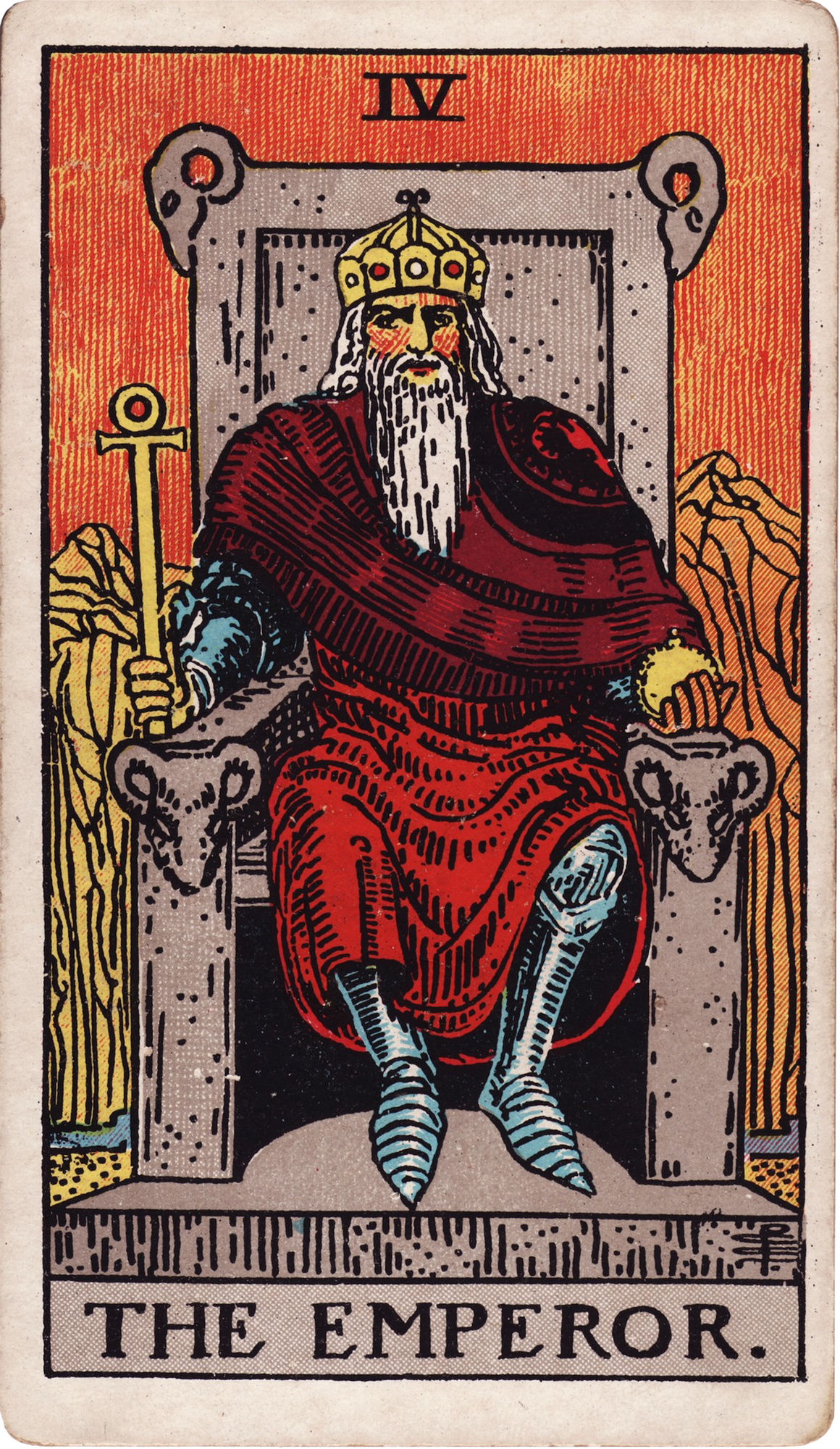 ChallengeThe Emperor
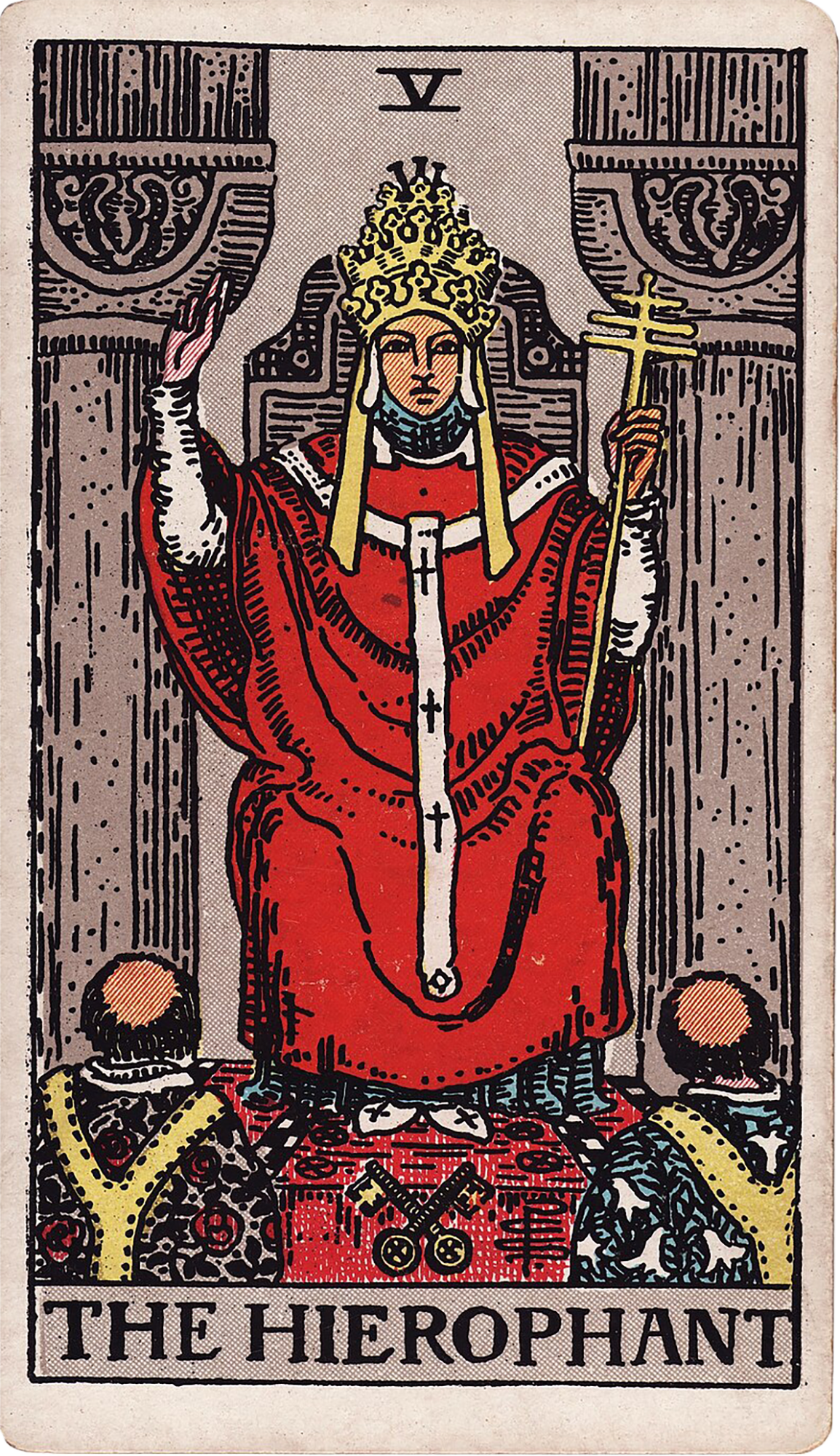 AdviceThe Hierophant
Introduction to the Five Card Cross Spread
The Five Card Cross Spread is a classic layout used by tarot readers to explore a situation with clarity and depth while remaining practical. It is especially useful for learners aiming to develop their interpretive skills by focusing on core life dynamics without overwhelming complexity. The spread positions five cards in a cross shape, each representing a key dimension of the inquiry: Present, Past, Future, Challenge, and Advice. This arrangement encourages a narrative that connects temporal elements with immediate obstacles and guidance, making it ideal for decision-making and understanding personal or external influences. Unlike larger spreads, the Five Card Cross keeps the reading focused and accessible while allowing meaningful nuance through card relationships.
Understanding the Layout and Card Positions
The spread’s layout is simple yet symbolically potent. Visualize a cross: the center card marks the Present, the card to the left represents the Past, the card to the right shows the Future, the card above indicates the Challenge, and the card below provides Advice. This structure creates a temporal flow from left to right, framed by vertical influences that highlight internal or external obstacles and supportive counsel. Readers should place the cards carefully and focus on the questions each position asks: - Present: What is the current state or essential theme? - Past: What recent influences shape the present? - Future: What is emerging or likely to develop? - Challenge: What obstacle must be recognized or overcome? - Advice: What approach or mindset will help move forward? Using this framework helps learners anchor interpretations and avoid drifting into vague or overly speculative readings.
Deep Dive into Each Position with Supplied Cards
To illustrate, let’s examine the supplied cards in their respective positions: 1. Present — The Fool (Upright) The Fool embodies new beginnings, spontaneity, and the leap of faith required to start a fresh chapter without full certainty. Placed in the Present, it highlights that the querent is on the cusp of initiating something unknown, emphasizing curiosity over hesitation. The upright state encourages embracing the moment with openness, reminding us to work with available resources and take the next practical step. 2. Past — The Magician (Upright) The Magician signifies deliberate skill use, clear communication, and converting potential into action. Positioned in the Past, it suggests that recently the querent harnessed their talents or resources consciously, laying groundwork through focused effort. This past energy powers the current start marked by The Fool and implies that the querent has foundational capabilities ready to be mobilized. 3. Future — The High Priestess (Upright) Upcoming is a phase requiring quiet discernment, trusting intuition, and allowing deeper understanding to surface. The High Priestess in the Future position advises patience and listening beneath surface appearances. It suggests that not everything will be immediately clear and that some information will emerge through reflection or inner insight, which is vital for the unfolding journey. 4. Challenge — The Emperor (Upright) The Emperor represents authority, structure, discipline, and boundary-setting. As a Challenge, it points to the need to establish order or take responsibility where there may be chaos or uncertainty. The card may indicate resistance to leadership or difficulty implementing necessary systems. Recognizing this as a challenge allows the querent to consciously engage with creating stability rather than avoiding it. 5. Advice — The Hierophant (Upright) Finally, The Hierophant offers wisdom through tradition, learning established rules, and seeking qualified guidance. As Advice, it recommends connecting with trusted sources or frameworks before proceeding further. This card encourages respect for boundaries of knowledge and social structures to ensure sustainable progress rather than impulsive or isolated action. Together, these cards form a narrative: The querent is beginning a new phase (The Fool) empowered by past skills (The Magician), needing to trust intuition (The High Priestess) while overcoming the challenge of imposing order (The Emperor) with the counsel of established wisdom (The Hierophant).
Card-to-Card Relationships and Combined Meaning
Interpreting cards in isolation limits the depth of a reading. The true value arises from understanding how the cards interact: - The Fool’s leap is supported by The Magician’s skill, showing readiness despite uncertainty. - The High Priestess following The Fool advises slowing down to integrate unseen information before moving ahead recklessly. - The Emperor as Challenge asks whether the querent can impose necessary boundaries to stabilize the otherwise free-spirited Fool’s journey. - The Hierophant’s advice balances the Emperor’s structure by encouraging adherence to proven wisdom rather than authoritarian control. These relationships reflect a dynamic tension between freedom and structure, intuition and discipline, innovation and tradition. Recognizing this interplay helps learners craft readings that feel cohesive and resonate with practical life complexities.
How to Reproduce the Five Card Cross Spread Reading
For learners wishing to replicate this method, follow these steps: 1. Prepare your deck by shuffling while focusing on a clear question or area of practical life or decision-making. 2. Lay out five cards in the cross formation: center (Present), left (Past), right (Future), top (Challenge), and bottom (Advice). 3. Begin by interpreting each card’s traditional and contextual meaning relative to its position. 4. Notice how cards influence one another, especially temporal flow and contrasting or complementary themes. 5. Synthesize the message into a narrative that respects the querent’s situation without making deterministic predictions. 6. Reflect on which parts of the lesson are already emerging in behavior and what practical next steps can be taken. Common mistakes include overinterpreting reversals without context, ignoring card relationships, or reading cards in isolation. Maintain balance by grounding symbolism in concrete questions and the querent’s lived experience.
Practical Tips for Learning and Application
To build confidence with the Five Card Cross Spread: - Practice regularly with varied questions to see how the same cards adapt to different contexts. - Take notes on recurring themes and how particular cards behave in different positions. - Use Rider-Waite-Smith imagery as your visual anchor; for example, the carefree stance of The Fool or the authoritative throne of The Emperor provides intuitive clues. - When reversals appear, shift from fearing negative outcomes to exploring blocked or distorted energies. - Invite querents or yourself to reflect on how each card’s lesson can be applied practically—not just what "will" happen. - Balance intuition with structured interpretation to avoid confusion or overreach. With patience and focused study, the Five Card Cross spread becomes a powerful tool for practical insight and decision clarity.
Conclusion and Reflection
Mastering the Five Card Cross Spread equips learners with a versatile framework for exploring practical life questions through tarot. Anchored by clear card positions and supported by meaningful relational dynamics, this spread offers balanced insights that respect both intuitive and rational faculties. The example of The Fool, The Magician, The High Priestess, The Emperor, and The Hierophant illustrates how traditional symbolism can guide readers through beginnings, skills, intuition, challenges, and advice. By practicing this spread regularly and focusing on concrete applications, learners can enrich their tarot practice with clarity, depth, and practical wisdom.
Practice questions
• How does the position of a card influence its interpretation in the Five Card Cross Spread?
• In what ways do The Fool and The Magician complement each other in the spread’s narrative?
• How can the challenge represented by The Emperor be addressed in real-life decision-making?
• What role does The High Priestess play in balancing action and reflection in this layout?
• How does The Hierophant’s advice encourage responsible and sustainable choices?
• What strategies can help avoid common pitfalls when interpreting card reversals?
Comments
Sign in to comment.
Continue learning
Interpreting the Dance of Justice and The Devil: Balancing Morality and Temptation in Tarot Readings
The combination of Justice and The Devil in tarot presents a profound exploration of morality, temptation, and personal accountability. This article unpacks how these cards influen...
Advanced Techniques for Combining The Moon and The Star to Enhance Intuition in Tarot Readings
This article explores advanced techniques to combine the symbolism and energy of The Moon and The Star Tarot cards to enhance intuition during Tarot readings. Drawing from traditio...
Unlocking Life Insights with the Celtic Cross Tarot Spread
This article offers a thorough exploration of the Celtic Cross Tarot Spread, focusing on its application within family and practical life contexts. Using a worked example featuring...
Unlocking Hidden Meanings with The Hermit and The Hanged Man for Spiritual Growth
This article offers an in-depth exploration of The Hermit and The Hanged Man Tarot cards focusing on their roles in spiritual growth. It guides readers through beginner and advance...
Unlocking Personal Insight with the Seven Card Horseshoe Spread
The Seven Card Horseshoe Spread is a practical and insightful Tarot layout ideal for exploring personal and family dynamics. This article breaks down each position—Past, Present, H...
Mastering the Court Cards of Wands for Unlocking Personal Drive and Leadership
The Court Cards of Wands represent a dynamic spectrum of personal energy, ambition, and leadership potential within the Minor Arcana. This article offers a comprehensive exploratio...
Tracing the Origins and Evolution of The Fool Card in Tarot History
The Fool card holds a foundational place in tarot tradition, symbolizing beginnings, openness, and the embrace of uncertainty. This article traces its origins from early European d...
Techniques for Reading Court Cards to Unlock Personality Insights
Court cards in Tarot often represent people, personality traits, or energy patterns within a situation. This article offers a structured approach for beginners and advanced readers...
Unlocking Emotional Transformation with Death and The Moon Tarot Combination
This article explores the rich and complex interaction between the Death and The Moon tarot cards within the Rider-Waite-Smith tradition, focusing on their combined potential to un...
Applying The Star Card to Foster Hope and Renewal in Personal Growth
The Star card in Tarot symbolizes hope, authenticity, and the process of steady renewal. In a single-card reading, The Star encourages embracing what is present, cultivating openne...