
Mastering the Relationship Five Card Spread to Enhance Emotional Understanding and Conflict Resolution
The Relationship Five Card Spread is a powerful tool for enhancing emotional awareness and navigating conflicts within relationships. This article guides learners through a detailed exploration of the spread’s five positions—You, The Other Person, Connection, Challenge, and Direction—using a specific set of cards: The Lovers, 2 of Cups, Knight of Cups, Queen of Cups, and King of Cups. By carefully examining each card’s symbolism and position, readers will learn how to interpret emotional dynamics, identify obstacles, and find constructive ways forward. Practical instructions for reproduction, common mistakes, and interpretative logic are offered to empower readers to apply this method effectively in family and other relational contexts.
Relationship Five
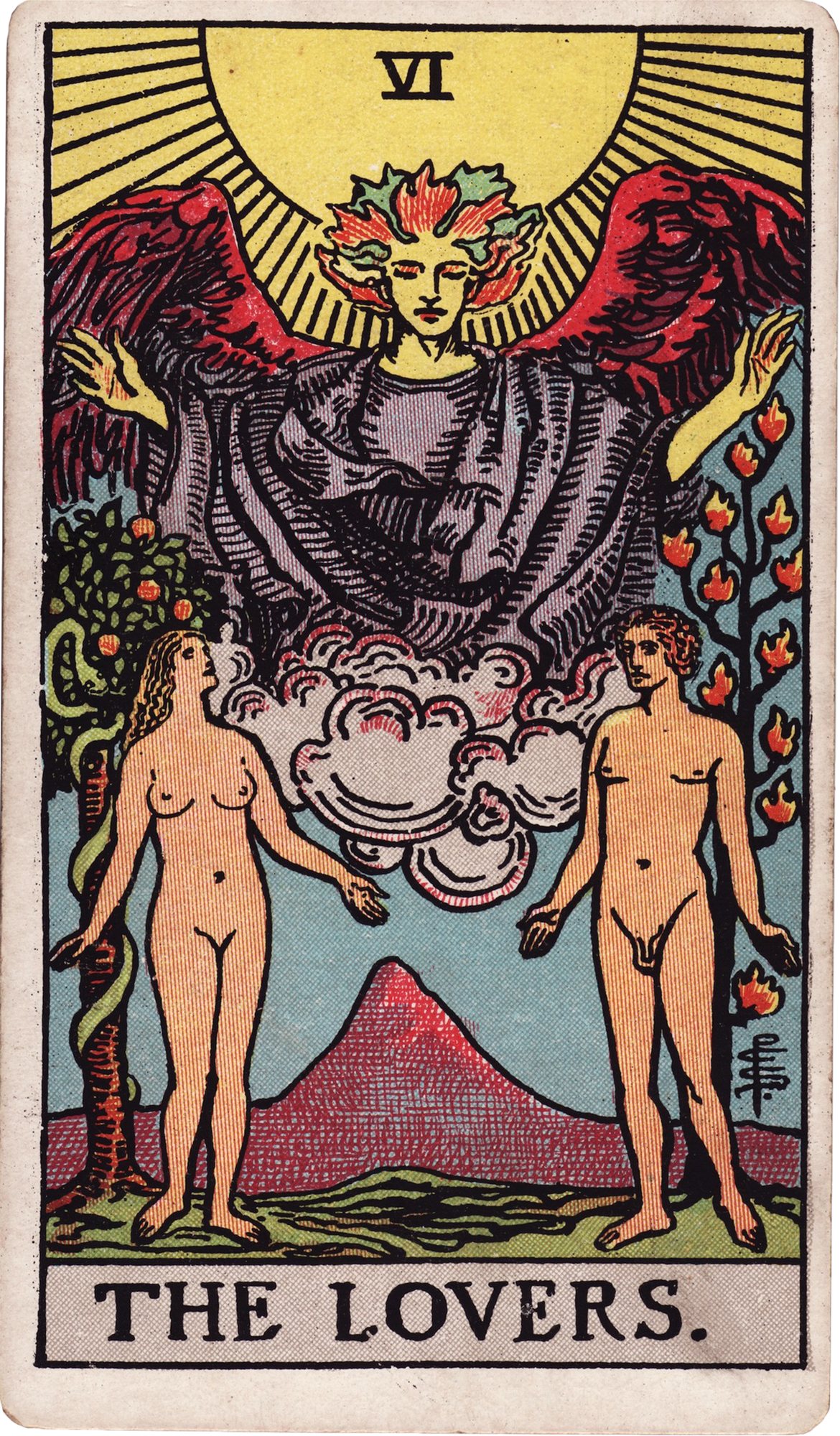 YouThe Lovers
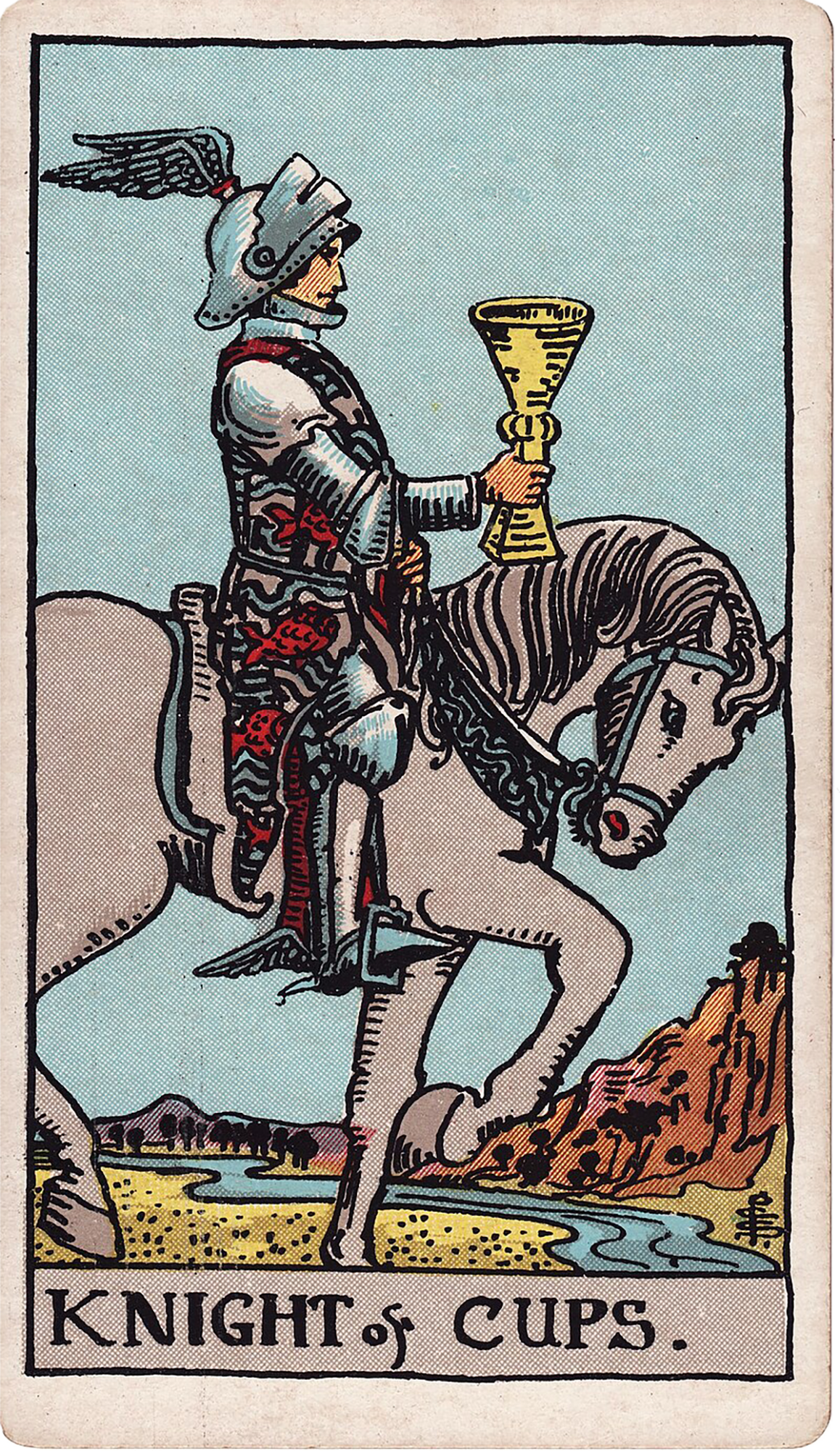 The Other PersonKnight of Cups
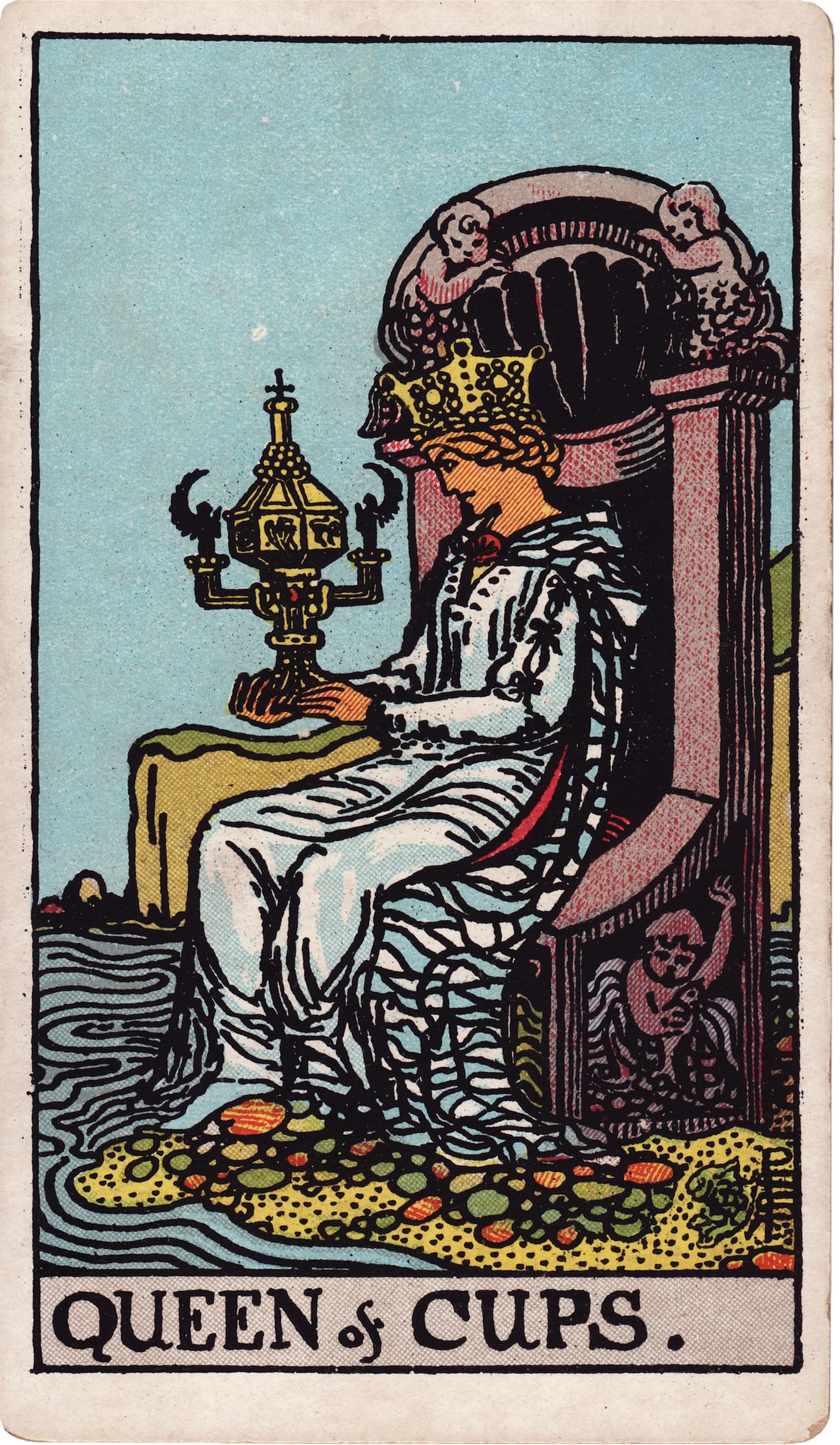 ConnectionQueen of Cups
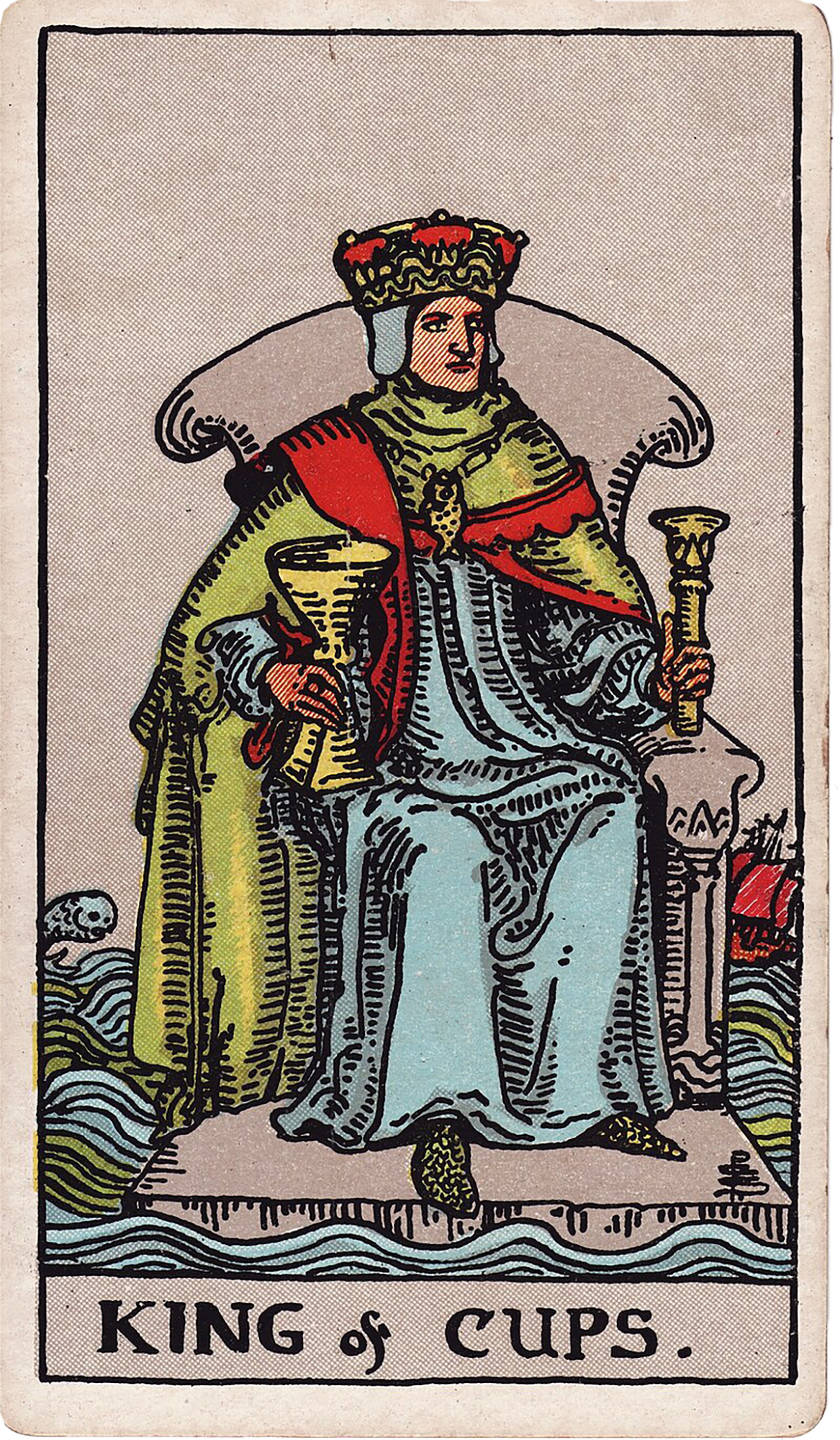 ChallengeKing of Cups
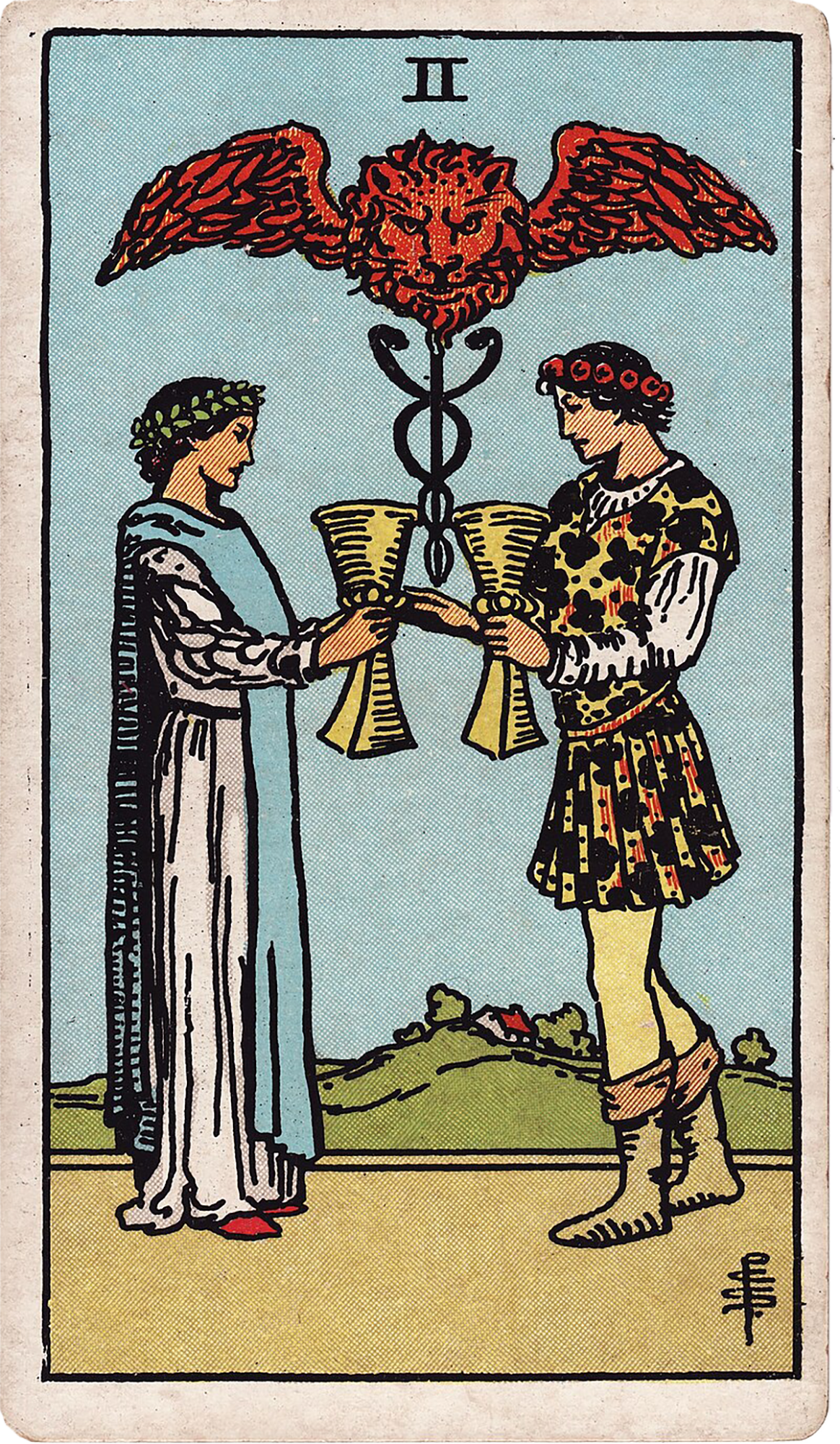 Direction2 of Cups
Introduction to the Relationship Five Card Spread
The Relationship Five Card Spread is designed to illuminate the emotional landscape between two people, making it ideal for family and close personal relationships where understanding and conflict resolution are essential. The spread covers five critical perspectives: the individual self (You), the other person involved, the nature of their connection, the main challenge in the relationship, and the suggested direction for growth or healing. This focused approach helps practitioners move beyond vague impressions, encouraging precise emotional insights and actionable guidance.
Understanding the Five Positions in the Spread
Each position in this spread has a distinct role in telling the relationship’s story: 1. You: This position represents the querent’s current emotional state and internal dynamics concerning the relationship. 2. The Other Person: This card sheds light on the other individual’s emotional perspective or behavior. 3. Connection: Central to the spread, this card describes the quality and nature of the bond shared. 4. Challenge: This position reveals obstacles, misunderstandings, or emotional blocks affecting the relationship. 5. Direction: The final card suggests the next steps or mindset needed to improve or resolve the situation. Knowing what each position signifies allows readers to frame their interpretations systematically and avoid conflating internal feelings with external behaviors.
Card-by-Card Interpretation Anchored in Provided Cards
The cards drawn for this example reading are The Lovers in the You position, 2 of Cups for The Other Person, Knight of Cups in Connection, Queen of Cups as Challenge, and King of Cups indicating Direction. - You (The Lovers): The Lovers upright call attention to the querent’s need to consciously choose authenticity and alignment with their core values in the relationship. The card’s imagery of dual figures and angelic presence signals a crossroads where deeper honesty and deliberate choice are essential. This position asks: where is the querent beginning to see what truly matters and how can they act responsibly on that insight? - The Other Person (2 of Cups): The upright 2 of Cups emphasizes mutual recognition and emotional exchange from the other person, indicating a willingness or capacity for reciprocity. Traditionally linked to partnership and harmony, this card suggests the other party is emotionally engaged but the effort must remain balanced. Paired with The Lovers, it indicates potential alignment but also the necessity for clear communication. - Connection (Knight of Cups): Here, the Knight of Cups represents the current emotional dynamic between the two parties—pursuing heartfelt desires with imagination and grace. This card shows movement and emotional intention, highlighting an active effort to nurture the bond. However, as a Knight, it can also suggest a stage of development rather than completion, urging attention to consistency and grounding fantasies in reality. - Challenge (Queen of Cups): The Queen of Cups reversed or upright (upright in this case) points to challenges with emotional receptivity and managing empathy without being overwhelmed. In this spread, she highlights the struggle to maintain emotional boundaries while being fully present and intuitive. This card invites the reader to consider where emotional regulation or self-care is compromised and how this may complicate connection. - Direction (King of Cups): The King of Cups upright offers a model for steady emotional leadership. As a direction, he encourages cultivating composure, vulnerability balanced with strength, and compassion combined with clear boundaries. He signals that mature emotional intelligence is the ideal way forward to resolve conflicts and support sustainable relationship growth. Together, these cards tell a nuanced story of conscious choice, mutual emotional engagement, dynamic pursuit of connection, challenges in emotional balance, and a path toward steady and compassionate leadership.
Interpreting Card-to-Card Relationships for Deeper Insight
Analyzing how cards interact reveals layers of meaning beyond individual definitions. For example, The Lovers in the You position paired with the 2 of Cups in The Other Person suggests a fundamental readiness on both sides to align values and emotions, but the presence of the Knight of Cups in Connection signals that this alignment is still evolving and requires active nurturing. The Queen of Cups as Challenge indicates that emotional overwhelm or blurred boundaries might be slowing progress, explaining why the connection isn’t fully stable yet. Meanwhile, the King of Cups in Direction advises embracing mature emotional leadership—an integration of empathy and composure—to meet this challenge effectively. These interrelations encourage readers to think systemically about relationships, recognizing how individual states and shared dynamics interplay and where growth is most needed.
Practical Steps to Reproduce and Use This Spread
To use this spread, follow these steps: 1. Shuffle your deck focusing on the relationship or conflict you want to understand. 2. Draw five cards and lay them out left to right in this order: You, The Other Person, Connection, Challenge, Direction. 3. Begin by interpreting each card in its position using traditional meanings and symbolism. Reference card imagery, such as dual figures in The Lovers or the cup-bearing Knight, to ground your intuition. 4. Analyze card-to-card interactions to deepen your narrative. 5. Reflect on the combined message, especially the Challenge and Direction cards, to identify practical emotional steps. 6. Apply insights by suggesting clear actions or mindset shifts based on the Direction card. Common mistakes include ignoring position context, rushing to judgment without considering nuances in card reversals or upright meanings, and overlooking the flow between cards. Taking time to study each card’s Rider-Waite-Smith symbolism—such as the angel in The Lovers or the calm waters surrounding the King of Cups—enhances accuracy and empathy in readings.
Using Imagery and Symbolism to Enhance Emotional Understanding
The Rider-Waite-Smith deck, which these cards belong to, is rich with symbols that deepen emotional insight. For example: - The angel above The Lovers signifies divine or higher guidance in choices. - The intertwined figures on the 2 of Cups highlight mutuality and shared energy. - The Knight of Cups rides forward, offering a message of pursuit and emotional invitation. - The Queen of Cups holds a closed cup, symbolizing guarded emotions and inner receptivity. - The King of Cups sits serenely on turbulent waters, portraying emotional mastery amid chaos. Paying attention to such details helps the reader connect not just intellectually but intuitively with the cards, enriching the emotional nuances in practical family or relational readings.
Common Pitfalls and How to Avoid Them
Learners often encounter challenges like conflating the querent’s feelings with the entire relationship dynamic or ignoring reversals and subtle card states. Another frequent error is reading cards in isolation rather than as a cohesive system. To avoid these pitfalls: - Always keep position meanings clear and distinct. - Observe whether cards are upright or reversed to adjust interpretation. - Look for patterns or themes across cards, such as repeated Cups suit indicating emotional focus. - Allow space for complexity—relationships are rarely simple or one-dimensional. - Use the cards’ imagery actively; narrate what you see to deepen understanding. Practicing with this structured approach builds skill, confidence, and emotional sensitivity.
Conclusion and Empowerment Through Mastery
Mastering the Relationship Five Card Spread empowers readers to skillfully navigate emotional landscapes and conflicts within close relationships. By grounding interpretations in position context, card symbolism, and relational dynamics—as demonstrated through The Lovers, 2 of Cups, Knight of Cups, Queen of Cups, and King of Cups—learners gain tools to foster empathy, honesty, and mature emotional leadership. With practice, this spread becomes a practical compass guiding toward deeper connection and constructive resolution, especially within family and intimate settings. The method encourages intentional, compassionate engagement rather than guesswork, making it a valuable asset for both personal growth and professional readings.
Practice questions
• How does conscious choice, as symbolized by The Lovers, affect my current relationships?
• In what ways can recognizing mutual emotional effort, like the 2 of Cups, clarify misunderstandings?
• How might pursuing emotional intentions with imagination, as shown by the Knight of Cups, enhance my connection with others?
• Where in my relationships do I struggle with emotional boundaries or overwhelm reflected by the Queen of Cups?
• What steps can I take to embody the steady emotional leadership of the King of Cups in challenging situations?
Comments
Sign in to comment.
Continue learning
Interpreting the Dance of Justice and The Devil: Balancing Morality and Temptation in Tarot Readings
The combination of Justice and The Devil in tarot presents a profound exploration of morality, temptation, and personal accountability. This article unpacks how these cards influen...
Advanced Techniques for Combining The Moon and The Star to Enhance Intuition in Tarot Readings
This article explores advanced techniques to combine the symbolism and energy of The Moon and The Star Tarot cards to enhance intuition during Tarot readings. Drawing from traditio...
Unlocking Life Insights with the Celtic Cross Tarot Spread
This article offers a thorough exploration of the Celtic Cross Tarot Spread, focusing on its application within family and practical life contexts. Using a worked example featuring...
Unlocking Hidden Meanings with The Hermit and The Hanged Man for Spiritual Growth
This article offers an in-depth exploration of The Hermit and The Hanged Man Tarot cards focusing on their roles in spiritual growth. It guides readers through beginner and advance...
Unlocking Personal Insight with the Seven Card Horseshoe Spread
The Seven Card Horseshoe Spread is a practical and insightful Tarot layout ideal for exploring personal and family dynamics. This article breaks down each position—Past, Present, H...
Mastering the Court Cards of Wands for Unlocking Personal Drive and Leadership
The Court Cards of Wands represent a dynamic spectrum of personal energy, ambition, and leadership potential within the Minor Arcana. This article offers a comprehensive exploratio...
Tracing the Origins and Evolution of The Fool Card in Tarot History
The Fool card holds a foundational place in tarot tradition, symbolizing beginnings, openness, and the embrace of uncertainty. This article traces its origins from early European d...
Techniques for Reading Court Cards to Unlock Personality Insights
Court cards in Tarot often represent people, personality traits, or energy patterns within a situation. This article offers a structured approach for beginners and advanced readers...
Unlocking Emotional Transformation with Death and The Moon Tarot Combination
This article explores the rich and complex interaction between the Death and The Moon tarot cards within the Rider-Waite-Smith tradition, focusing on their combined potential to un...
Applying The Star Card to Foster Hope and Renewal in Personal Growth
The Star card in Tarot symbolizes hope, authenticity, and the process of steady renewal. In a single-card reading, The Star encourages embracing what is present, cultivating openne...