
Mastering the Three Card Spread for Effective Tarot Intuitive and Analytical Readings
This article explores how to effectively use the three card spread featuring The Magician, The High Priestess, and The Hermit to develop both intuitive and analytical Tarot reading skills. It covers foundational techniques for beginners and advanced strategies for experienced readers, focusing on the traditional Rider-Waite-Smith symbolism of the cards supplied. Readers will learn how to balance symbolism, position meanings, and card interaction to produce nuanced, clear, and constructive interpretations suitable for various reading contexts.
Cards explored in this article
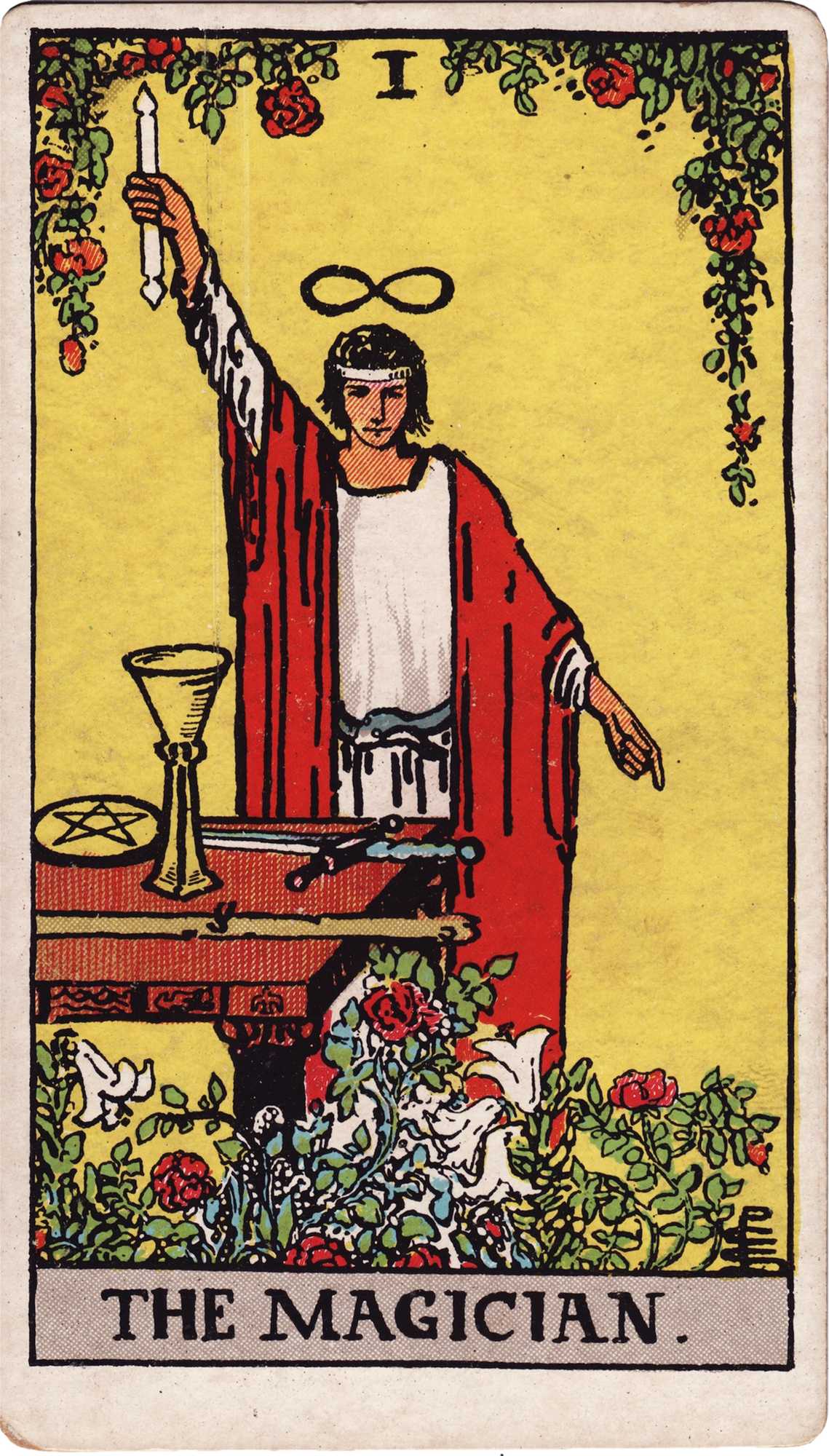 The Magician
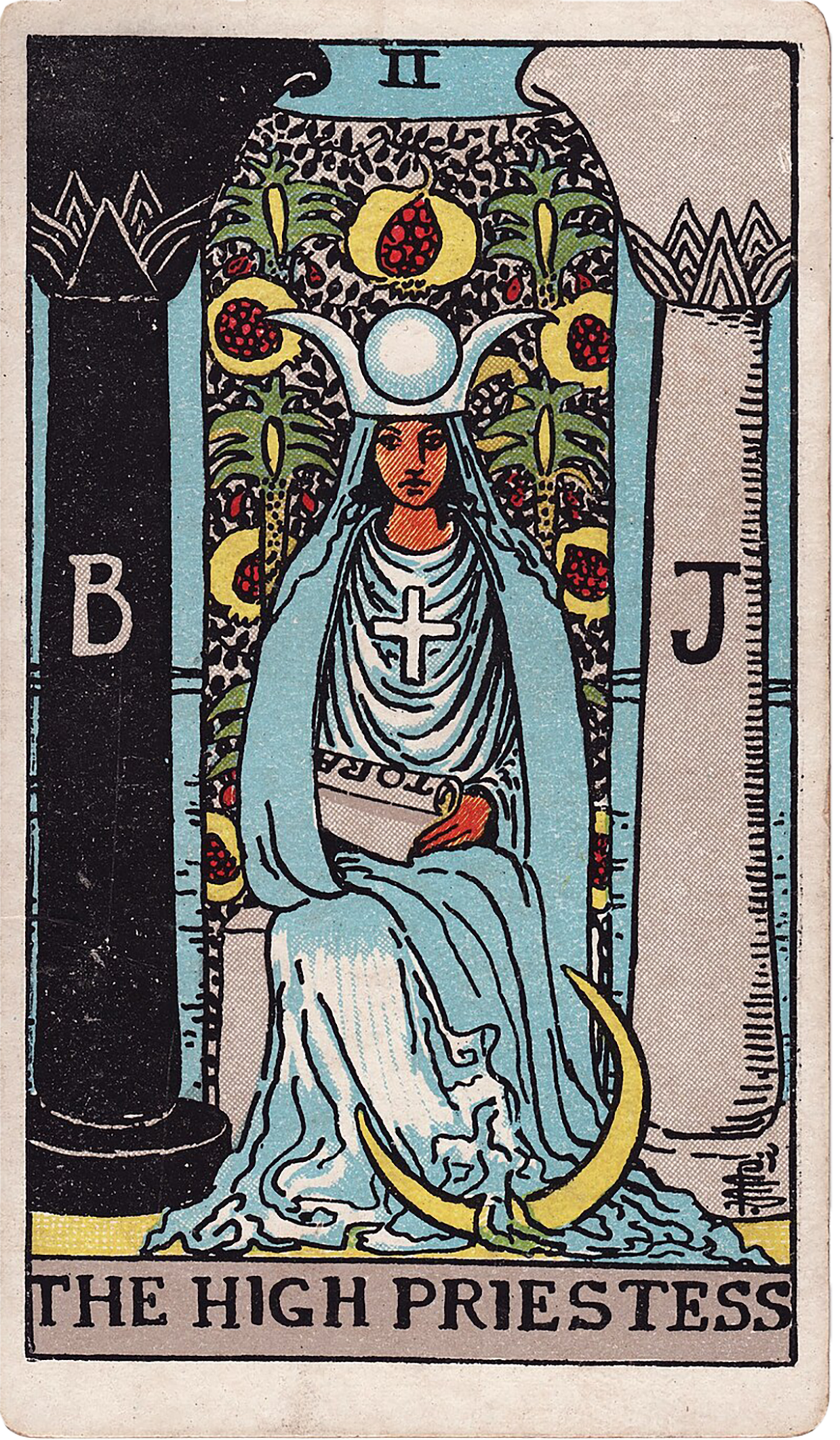 The High Priestess
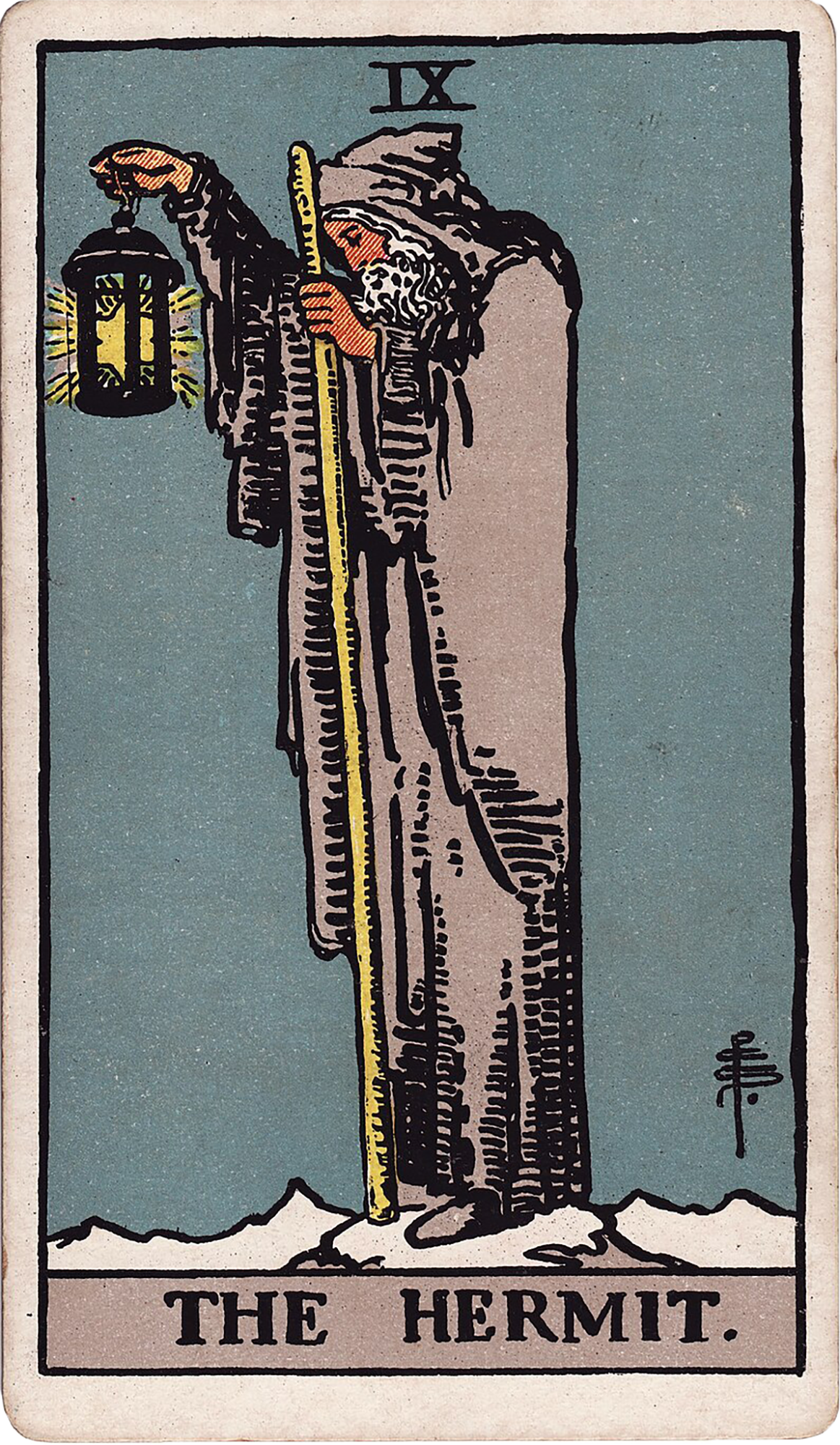 The Hermit
Introduction to the Three Card Spread and Its Versatility
The three card spread is one of the most versatile and accessible Tarot layouts, used across many reading styles for its simplicity and depth. Traditionally, the positions can represent past, present, and future, or situation, action, outcome, among other frameworks. The strength of this spread lies in its ability to offer a focused snapshot without overwhelming the reader or querent. When combined with powerful Major Arcana cards like The Magician, The High Priestess, and The Hermit, the spread can reveal layers of conscious action, hidden knowledge, and reflective insight. For learners, this spread provides a manageable yet rich format to practice both intuitive impressions and structured, analytical reasoning.
Foundational Technique for Beginners Using Supplied Cards
When beginning with the three card spread, start by assigning clear positional meanings based on your question or reading style. For example, you could use Past, Present, Future or Mind, Body, Spirit. Observe each card in its position with attention to upright or reversed status, as this influences interpretation. Taking The Magician upright in the first position suggests a foundation built on available skills and deliberate choice—an invitation to harness existing resources consciously. The High Priestess upright in the center position emphasizes tuning into intuition and allowing hidden information to emerge. The Hermit upright in the final position points to thoughtful withdrawal or insightful solitude as an outcome or guiding principle. Beginners should focus on describing each card’s core meaning in context, then consider how they relate sequentially to tell a story or offer advice.
Advanced Interpretative Strategies with Card Interaction
Advanced readers deepen interpretation by analyzing card interactions and thematic echoes. Notice that The Magician, The High Priestess, and The Hermit together form a progression from action (The Magician) through inner wisdom (The High Priestess) to reflective insight (The Hermit). This sequence illustrates a conscious process: initiating with deliberate skill, tuning into subtle knowing, and finally stepping back for clarity. Reversed cards add complexity; for instance, a reversed The Magician might signal scattered efforts or manipulation blocking effective action, which can then be moderated by an upright High Priestess encouraging honest discernment. Similarly, a reversed High Priestess may highlight disconnection from intuition, which could be addressed by the Hermit’s call for deeper solitude and reflection. Advanced technique also involves using Rider-Waite-Smith imagery details like The Magician’s infinity symbol and tools on the table, The High Priestess’s scroll and veil, and The Hermit’s lantern to enrich storytelling and pinpoint nuanced advice.
Common Mistakes to Avoid in Three Card Readings
A frequent error in three card spreads is oversimplifying card meanings or forcing a rigid narrative without respecting the cards’ unique messages and positional context. Another mistake is neglecting the difference between upright and reversed cards, which can substantially alter the message. For example, ignoring that a reversed The Hermit may indicate unhealthy isolation or avoidance rather than positive introspection can mislead the reading. Additionally, failing to integrate the cards as a cohesive message and instead treating them as isolated points often results in fragmented guidance. Avoid reading the cards as deterministic predictions; instead, use them as dynamic tools to explore potentials and encourage conscious choices. Lastly, rushing the process without quiet reflection limits intuitive connection to the cards’ symbolism.
Step-by-Step Practical Method for Conducting the Spread
1. Clear your mind and focus on the question or area of life you want to explore. 2. Shuffle the deck thoroughly while maintaining awareness of the inquiry. 3. Draw three cards and lay them left to right in your chosen positional framework. 4. Observe each card’s imagery carefully, noting upright or reversed orientation. 5. Start by stating the traditional upright or reversed meaning of each card based on Rider-Waite-Smith symbolism: The Magician for skill and deliberate action, The High Priestess for intuition and hidden knowledge, The Hermit for reflection and insight. 6. Consider the flow of the spread as a narrative or process, noting how each card’s energy influences the next. 7. Reflect on questions like 'Where is deliberate choice needed?', 'What hidden information should I trust?', and 'How can stepping back offer clarity?' inspired by the cards. 8. Summarize the reading in clear, constructive language, emphasizing actionable insights rather than fixed outcomes.
Interpreting Upright and Reversed Cards in the Spread
Upright cards generally indicate qualities functioning constructively or available energies. For example, an upright The Magician signals conscious use of talents and clear communication. Meanwhile, a reversed Magician might show scattered energy or manipulation, inviting examination of which areas feel distorted or blocked. The High Priestess upright encourages trusting inner knowing and patience, while reversed, it warns of disconnection from intuition or secrecy. The Hermit upright asks for solitude to gain wisdom, but reversed can point to unhealthy withdrawal or avoidance. In the three card spread, note how reversals can affect the overall message—for instance, a reversed card in the middle position (often present or internal state) may indicate psychological resistance or a need for correction. Always explore how reversals interact with upright cards to understand tension or balance within the reading.
Using Rider-Waite-Smith Imagery to Strengthen Interpretation
The Rider-Waite-Smith deck’s rich symbolism deepens the reader’s connection to card meanings. The Magician holds a wand pointing upward, symbolizing channeling divine energy, with tools representing the four suits indicating mastery over all elements. The infinity symbol above his head reminds the reader of limitless potential. The High Priestess sits between black and white pillars, representing duality and balance, holding a scroll labeled Torah which signifies hidden wisdom. Her veil is decorated with pomegranates, symbolizing fertility and knowledge. The Hermit carries a lantern shining light in darkness, representing the search for inner truth, and a staff for support. Observing these details encourages readers to move beyond textbook definitions and engage with the cards intuitively. Asking questions like 'What does the infinity symbol suggest about potential here?' or 'How does the lantern’s illumination relate to the situation?' fosters a deeper, nuanced reading experience.
Integrating Intuition with Analytical Thinking in Readings
Effective Tarot reading balances intuitive impressions with disciplined analysis. Start by grounding yourself in the cards’ traditional meanings and Rider-Waite-Smith symbolism, as these offer a stable interpretive foundation. Then, allow intuitive insights to arise naturally while engaging with the imagery and positional context. For example, The High Priestess encourages quiet listening—mirroring how readers can sense subtle energies or emotions from the querent or situation. Analytical thinking helps organize these impressions logically, connecting card meanings sequentially and identifying patterns. Using the three card spread with The Magician, The High Priestess, and The Hermit invites a dialog between action, intuition, and reflection, encouraging readers to develop a multi-dimensional approach. Practicing both modes strengthens overall reading skill and confidence.
Example Three Card Reading Using The Magician, The High Priestess, and The Hermit
Imagine a querent asking about how to approach a new creative project. You lay the three card spread with The Magician upright in position one (Past or Foundation), The High Priestess reversed in position two (Present or Challenge), and The Hermit upright in position three (Future or Advice). The Magician upright suggests the querent has the skills and resources to begin deliberately. The reversed High Priestess indicates difficulty trusting intuition or possible secrecy around the project. The Hermit upright advises taking time for solitude and reflection before proceeding further. The reading points to a foundation of capability, a present block in inner listening, and a need for calm introspection to move forward effectively. This example demonstrates how the interplay of upright and reversed cards provides actionable insight.
Practice questions
• How does each card’s traditional meaning shift when placed in different positions of the three card spread?
• In what ways can reversals transform the overall narrative of a three card reading?
• How can observing Rider-Waite-Smith imagery enhance your intuitive connection to each card?
• What strategies help balance intuitive impressions with analytical interpretation during a reading?
• How might the sequence of The Magician, The High Priestess, and The Hermit illustrate a process within your own life or a querent’s situation?
Comments
Sign in to comment.
Continue learning
Interpreting the Dance of Justice and The Devil: Balancing Morality and Temptation in Tarot Readings
The combination of Justice and The Devil in tarot presents a profound exploration of morality, temptation, and personal accountability. This article unpacks how these cards influen...
Advanced Techniques for Combining The Moon and The Star to Enhance Intuition in Tarot Readings
This article explores advanced techniques to combine the symbolism and energy of The Moon and The Star Tarot cards to enhance intuition during Tarot readings. Drawing from traditio...
Unlocking Life Insights with the Celtic Cross Tarot Spread
This article offers a thorough exploration of the Celtic Cross Tarot Spread, focusing on its application within family and practical life contexts. Using a worked example featuring...
Unlocking Hidden Meanings with The Hermit and The Hanged Man for Spiritual Growth
This article offers an in-depth exploration of The Hermit and The Hanged Man Tarot cards focusing on their roles in spiritual growth. It guides readers through beginner and advance...
Unlocking Personal Insight with the Seven Card Horseshoe Spread
The Seven Card Horseshoe Spread is a practical and insightful Tarot layout ideal for exploring personal and family dynamics. This article breaks down each position—Past, Present, H...
Mastering the Court Cards of Wands for Unlocking Personal Drive and Leadership
The Court Cards of Wands represent a dynamic spectrum of personal energy, ambition, and leadership potential within the Minor Arcana. This article offers a comprehensive exploratio...
Tracing the Origins and Evolution of The Fool Card in Tarot History
The Fool card holds a foundational place in tarot tradition, symbolizing beginnings, openness, and the embrace of uncertainty. This article traces its origins from early European d...
Techniques for Reading Court Cards to Unlock Personality Insights
Court cards in Tarot often represent people, personality traits, or energy patterns within a situation. This article offers a structured approach for beginners and advanced readers...
Unlocking Emotional Transformation with Death and The Moon Tarot Combination
This article explores the rich and complex interaction between the Death and The Moon tarot cards within the Rider-Waite-Smith tradition, focusing on their combined potential to un...
Applying The Star Card to Foster Hope and Renewal in Personal Growth
The Star card in Tarot symbolizes hope, authenticity, and the process of steady renewal. In a single-card reading, The Star encourages embracing what is present, cultivating openne...