
Mastering the Three Card Spread to Overcome Emotional Challenges and Gain Clarity
This article provides an in-depth exploration of mastering the Three Card Spread focusing on overcoming emotional challenges and gaining clarity. Using the specific cards The Chariot, Wheel of Fortune, and 8 of Swords in the positions of Past, Present, and Future, it explains card symbolism, positional meanings, card-to-card dynamics, and practical methods for learners. The article emphasizes a balanced, constructive approach to reading and interpreting emotional journeys through tangible actions and mindset shifts.
Three Card
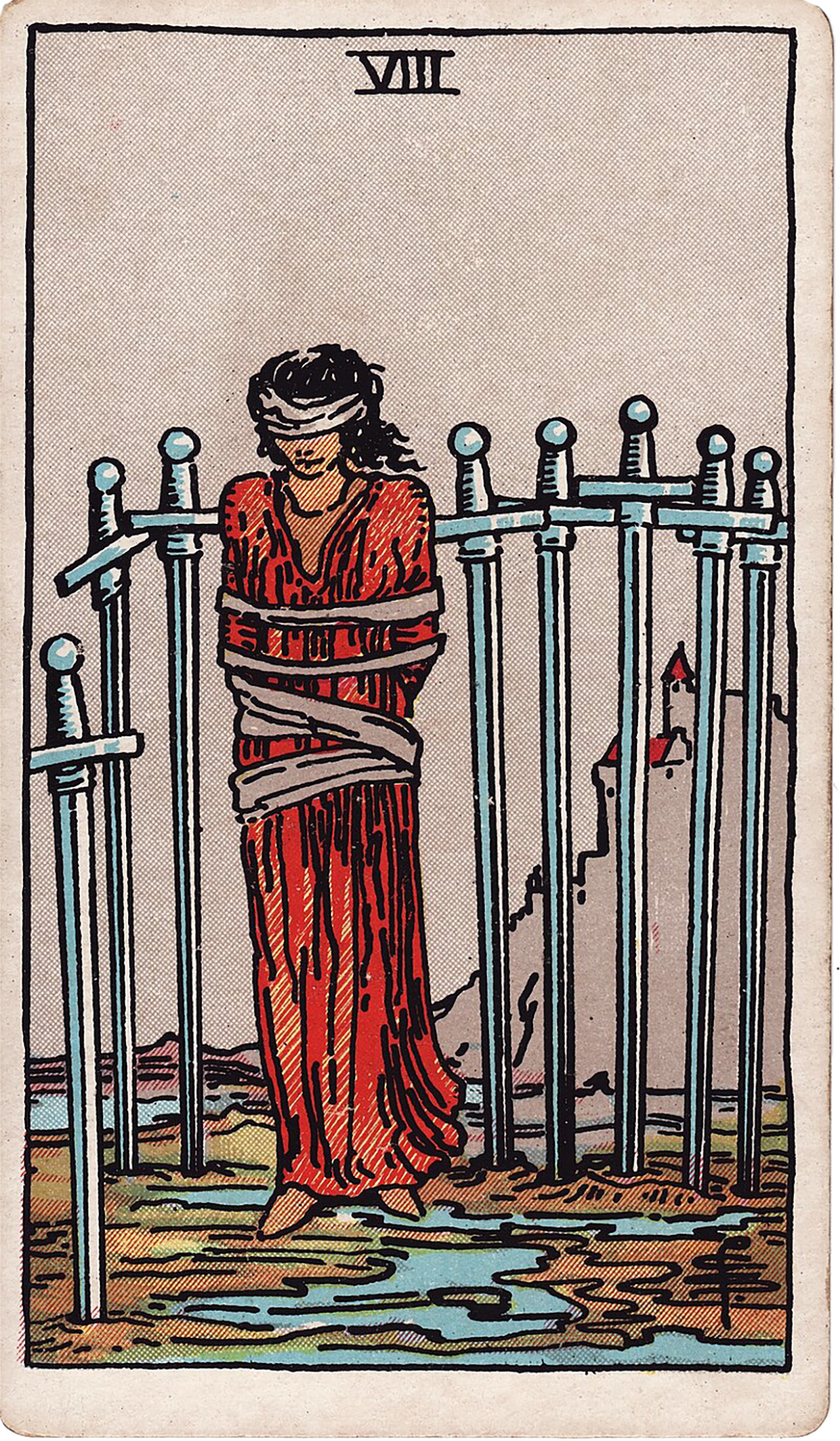 Past8 of Swords
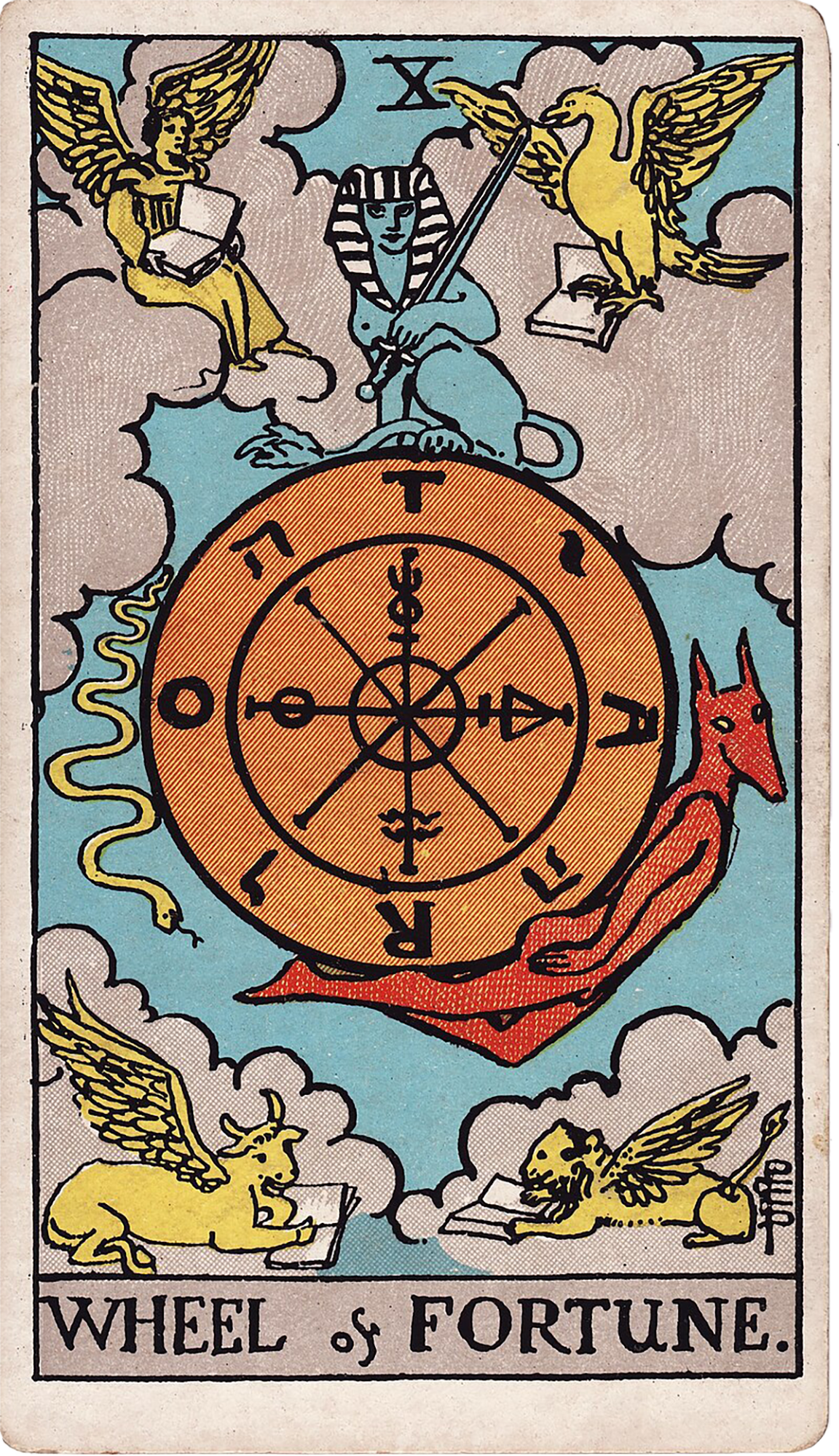 PresentWheel of Fortune
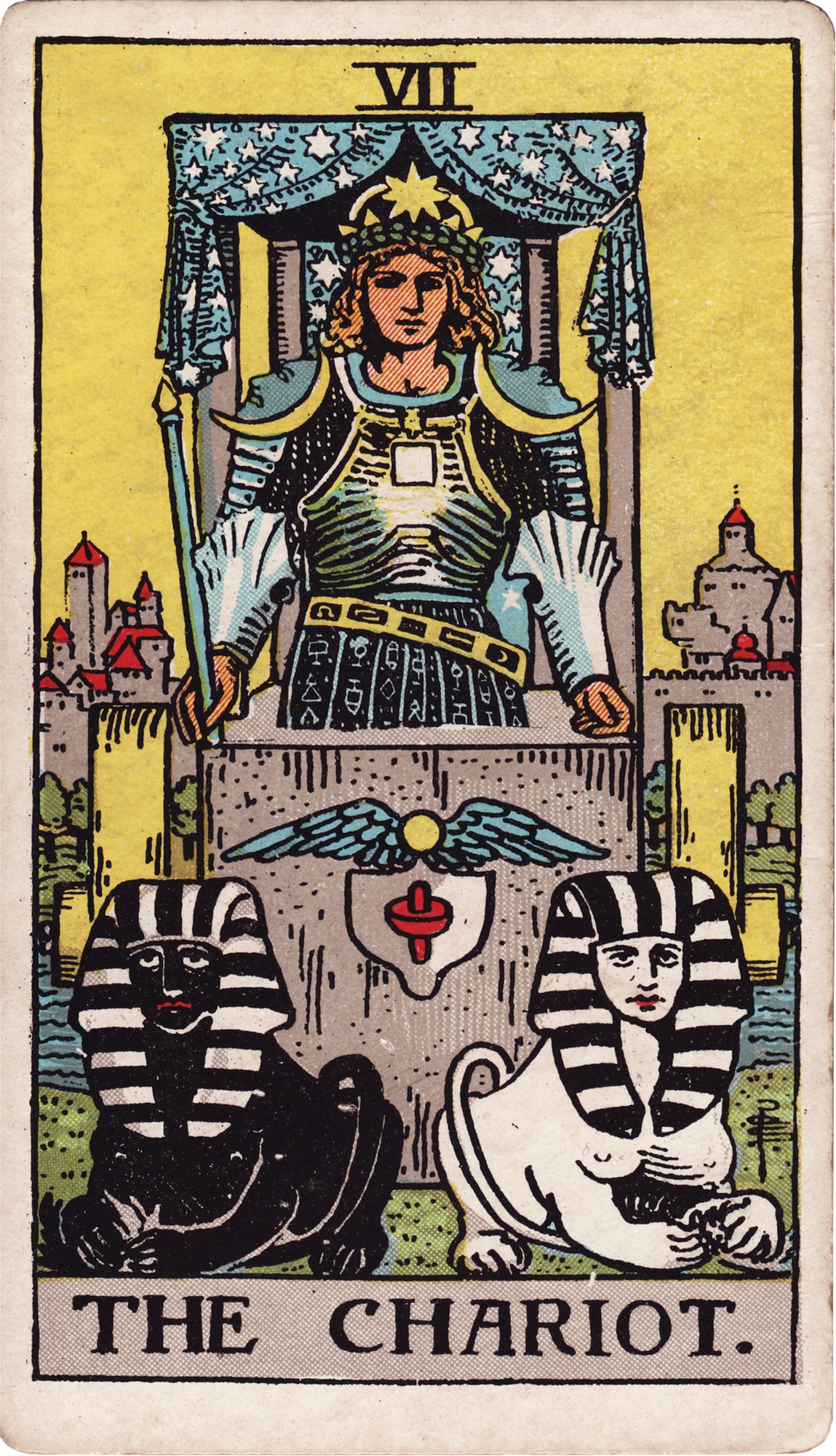 FutureThe Chariot
Introduction to the Three Card Spread and Emotional Clarity
The Three Card Spread is a versatile and accessible tarot layout ideal for exploring emotional challenges and gaining clarity. It uses three cards placed sequentially to represent Past, Present, and Future aspects of the querent’s situation. This spread’s simplicity allows the reader to focus deeply on the interrelationship between these cards and their position, making it an excellent tool for learners and practitioners seeking practical insights into emotional dynamics. By examining the cards in chronological order, the reader can identify patterns, obstacles, and potential outcomes with greater clarity and confidence.
Understanding the Cards in Context: The Chariot, Wheel of Fortune, and 8 of Swords
Each tarot card carries distinct symbolic meaning rooted in the Rider-Waite-Smith tradition, which informs its interpretation in any spread. The three cards in this spread — The Chariot, Wheel of Fortune, and 8 of Swords — together provide a rich narrative about emotional struggle and resolution. The Chariot, upright in the Past position, emphasizes the theme of choosing a direction and aligning competing impulses with disciplined determination. Traditionally, The Chariot depicts a figure controlling two sphinxes or horses, symbolizing the mastery of opposing forces through focus and willpower. Placed in the Past, it suggests that the querent has recently faced or is emerging from a period requiring strong self-control and deliberate choice, even if the path was difficult. Wheel of Fortune, upright in the Present, symbolizes a turning point and the importance of adapting to changing circumstances. The card’s imagery of a spinning wheel underscores the cyclical nature of life, fate, and timing. In the present, it invites the querent to recognize where events are shifting and to engage consciously with these changes instead of resisting them. The 8 of Swords, upright in the Future, depicts a blindfolded woman surrounded by swords, representing feelings of entrapment and mental restriction. However, the loose bindings in the imagery suggest that these limitations may be negotiable or self-imposed. Positioned in the Future, this card signals a period where the querent might feel stuck or constrained but also hints at the possibility for liberation through awareness and action.
Position 1 Past and The Chariot: Foundations of Emotional Discipline
In the Past position, The Chariot invites reflection on how the querent has exercised control, made deliberate choices, or confronted internal conflicts. The card’s upright nature indicates that despite challenges, there was a conscious effort to steer emotions and impulses toward a goal. The imagery shows a figure unwaveringly holding the reins, symbolizing the need for focused will and clear boundaries. When reading The Chariot in this context, ask: Where have you recently chosen direction despite uncertainty? What competing internal forces have you begun to harmonize? The card does not promise ease but signals that the querent has laid a strong foundation of self-discipline, essential for the emotional journey ahead. A common mistake is to interpret The Chariot as indicating automatic success or smooth progress. Instead, learners should appreciate its message of ongoing effort and the importance of working with available resources rather than waiting for perfect conditions.
Position 2 Present and Wheel of Fortune: Embracing Change with Awareness
Wheel of Fortune in the Present position highlights that the querent is at a turning point. The card’s upright meaning stresses adaptability and the need to respond deliberately to evolving circumstances. The imagery shows the spinning wheel surrounded by symbols of the zodiac and alchemy, reminding us of the larger cycles affecting personal experience. This card urges the querent to avoid resistance or blaming external forces; instead, it encourages an honest appraisal of what is within one’s control. In practice, when this card appears here, the reader should ask: What changes are actively influencing you now? Where can clearer boundaries or deliberate choices reduce confusion or frustration? The presence of Wheel of Fortune suggests that emotional clarity comes from acceptance and strategic timing, not forced outcomes. A frequent misinterpretation is to assume that this card guarantees luck or a sudden resolution. Instead, it teaches timing, responsibility, and working creatively with change.
Position 3 Future and 8 of Swords: Recognizing Mental Constraints and Paths to Freedom
The 8 of Swords in the Future position presents a cautionary but hopeful message about possible mental or emotional entrapments. The card’s traditional depiction of a blindfolded figure surrounded by swords points to feelings of restriction that may arise, often self-imposed through fear or limiting beliefs. However, careful observation of the imagery shows that the bindings are loose and there is space to move, symbolizing that the constraints are negotiable. This card invites the querent to introspect on where they might feel stuck and what mental shifts or communication strategies could help release them. In teaching readings, it’s important to frame the 8 of Swords not as a permanent blockade but as an indicator of where focused effort in truth-speaking, strategy, or decision-making can create breakthroughs. It encourages learners to ask: What fears or assumptions are limiting you? What small, practical step could you take to begin loosening these bonds? Misreading this card as purely negative or helplessness undermines its nuanced message about agency and potential liberation.
Card-to-Card Relationships and the Overall Narrative
When interpreting a spread, the dialogue between cards deepens understanding. Here, The Chariot in the Past sets a stage of self-discipline and determination, which logically precedes the turning point indicated by the Wheel of Fortune in the Present. This progression suggests that the querent’s past efforts to align internal drives are now meeting external changes that require adaptability. The movement from The Chariot’s controlled forward motion to the Wheel’s cyclical, uncontrollable nature illustrates the balance between willpower and surrender to timing. The final position, 8 of Swords, indicates that despite progress, mental challenges may arise that require renewed honesty and strategic thinking — lessons aligned with the Swords suit’s emphasis on thought and communication. Together, these cards tell a story of emotional growth: from struggling to take control, to accepting change, to facing and ultimately overcoming restrictive mental patterns. This narrative can guide the querent to approach emotional challenges pragmatically, acknowledging both personal responsibility and external forces.
Practical Method for Learners to Use the Spread
To reproduce this Three Card Spread effectively, follow these steps: 1. Prepare your space and mindset: Create a quiet environment and focus on an emotional question or challenge that needs clarity. 2. Shuffle and draw three cards: Place them left to right, labeling them Past, Present, and Future. 3. Examine each card in position: Observe imagery carefully, noting symbols, colors, figures, and traditional meanings. 4. Ask position-specific questions: For Past, inquire about foundations and prior efforts; for Present, explore current influences and adaptability; for Future, identify potential obstacles and growth opportunities. 5. Consider card relationships: How does the story flow? Where do energies complement or contrast? 6. Synthesize a narrative: Integrate insights into a coherent, practical message rather than deterministic prediction. 7. Reflect on actionable steps: Identify what the querent can do now to move forward, inspired by the cards’ lessons. Common mistakes include overemphasizing one card without considering position, ignoring reversals or nuances, and treating the spread as fortune-telling rather than a tool for reflection and empowerment.
Examples and Application in Real Readings
Imagine a querent struggling with emotional indecision about a relationship or career shift. The Chariot in Past suggests they have tried to assert control or make deliberate choices but may still be wrestling with conflicting desires. The Wheel of Fortune in Present advises them to recognize changing circumstances and to be open to new timing or opportunities rather than pushing prematurely. The 8 of Swords in Future warns of potential feelings of entrapment or mental fog, but also opens the possibility that these are self-limiting and can be overcome with clear communication and honest self-inquiry. Teaching readers can use this example to illustrate how to frame questions, interpret imagery, and connect cards to the querent’s lived experience. Encourage learners to journal their impressions, emotions, and any intuitive responses triggered by each card to deepen understanding.
Reflection and Continuing Practice
Mastering the Three Card Spread requires ongoing practice and reflective engagement. After each reading, consider journaling responses to questions such as: How did my interpretation of the Past shape my view of the Present? What shifts did I notice when connecting cards? How can I apply the lessons of this spread to daily emotional challenges? Learners should also revisit cards like The Chariot, Wheel of Fortune, and 8 of Swords in different contexts to deepen their symbolic fluency. Recognize that tarot is a tool for empowerment and insight, not a source of fixed destiny. By cultivating curiosity, patience, and openness, readers can transform emotional challenges into meaningful growth.
Practice questions
• How does understanding the symbolism of The Chariot in the Past position change your view of your recent emotional efforts?
• In what ways can you apply the adaptive energy of Wheel of Fortune to your current emotional situation?
• What limiting beliefs or mental constraints represented by the 8 of Swords might you be holding onto, and how can you begin to loosen them?
• How does viewing the cards as part of a narrative rather than isolated symbols deepen your reading?
• What practical steps can you take after a reading to move from insight to action?
Comments
Sign in to comment.
Continue learning
Interpreting the Dance of Justice and The Devil: Balancing Morality and Temptation in Tarot Readings
The combination of Justice and The Devil in tarot presents a profound exploration of morality, temptation, and personal accountability. This article unpacks how these cards influen...
Advanced Techniques for Combining The Moon and The Star to Enhance Intuition in Tarot Readings
This article explores advanced techniques to combine the symbolism and energy of The Moon and The Star Tarot cards to enhance intuition during Tarot readings. Drawing from traditio...
Unlocking Life Insights with the Celtic Cross Tarot Spread
This article offers a thorough exploration of the Celtic Cross Tarot Spread, focusing on its application within family and practical life contexts. Using a worked example featuring...
Unlocking Hidden Meanings with The Hermit and The Hanged Man for Spiritual Growth
This article offers an in-depth exploration of The Hermit and The Hanged Man Tarot cards focusing on their roles in spiritual growth. It guides readers through beginner and advance...
Unlocking Personal Insight with the Seven Card Horseshoe Spread
The Seven Card Horseshoe Spread is a practical and insightful Tarot layout ideal for exploring personal and family dynamics. This article breaks down each position—Past, Present, H...
Mastering the Court Cards of Wands for Unlocking Personal Drive and Leadership
The Court Cards of Wands represent a dynamic spectrum of personal energy, ambition, and leadership potential within the Minor Arcana. This article offers a comprehensive exploratio...
Tracing the Origins and Evolution of The Fool Card in Tarot History
The Fool card holds a foundational place in tarot tradition, symbolizing beginnings, openness, and the embrace of uncertainty. This article traces its origins from early European d...
Techniques for Reading Court Cards to Unlock Personality Insights
Court cards in Tarot often represent people, personality traits, or energy patterns within a situation. This article offers a structured approach for beginners and advanced readers...
Unlocking Emotional Transformation with Death and The Moon Tarot Combination
This article explores the rich and complex interaction between the Death and The Moon tarot cards within the Rider-Waite-Smith tradition, focusing on their combined potential to un...
Applying The Star Card to Foster Hope and Renewal in Personal Growth
The Star card in Tarot symbolizes hope, authenticity, and the process of steady renewal. In a single-card reading, The Star encourages embracing what is present, cultivating openne...