
Practical Wisdom and Responsibility Lessons from the Court Cards of Pentacles
The Court Cards of Pentacles—Page, Knight, Queen, and King—offer profound lessons on practical wisdom, responsibility, and the management of resources that extend beyond personal gain into family and community care. Rooted in the suit of Pentacles’ association with material reality, health, work, and stability, these cards embody stages of development from eager beginner to mature steward. This article explores their upright and reversed meanings within the Rider-Waite-Smith tradition, focusing on family suit dynamics and the practical application of their lessons in Tarot readings. Through detailed analysis, visual symbolism, reading techniques, and interpretive strategies, learners deepen their understanding of how these Court Cards encapsulate evolving responsibility and grounded growth in everyday life.
Cards explored in this article
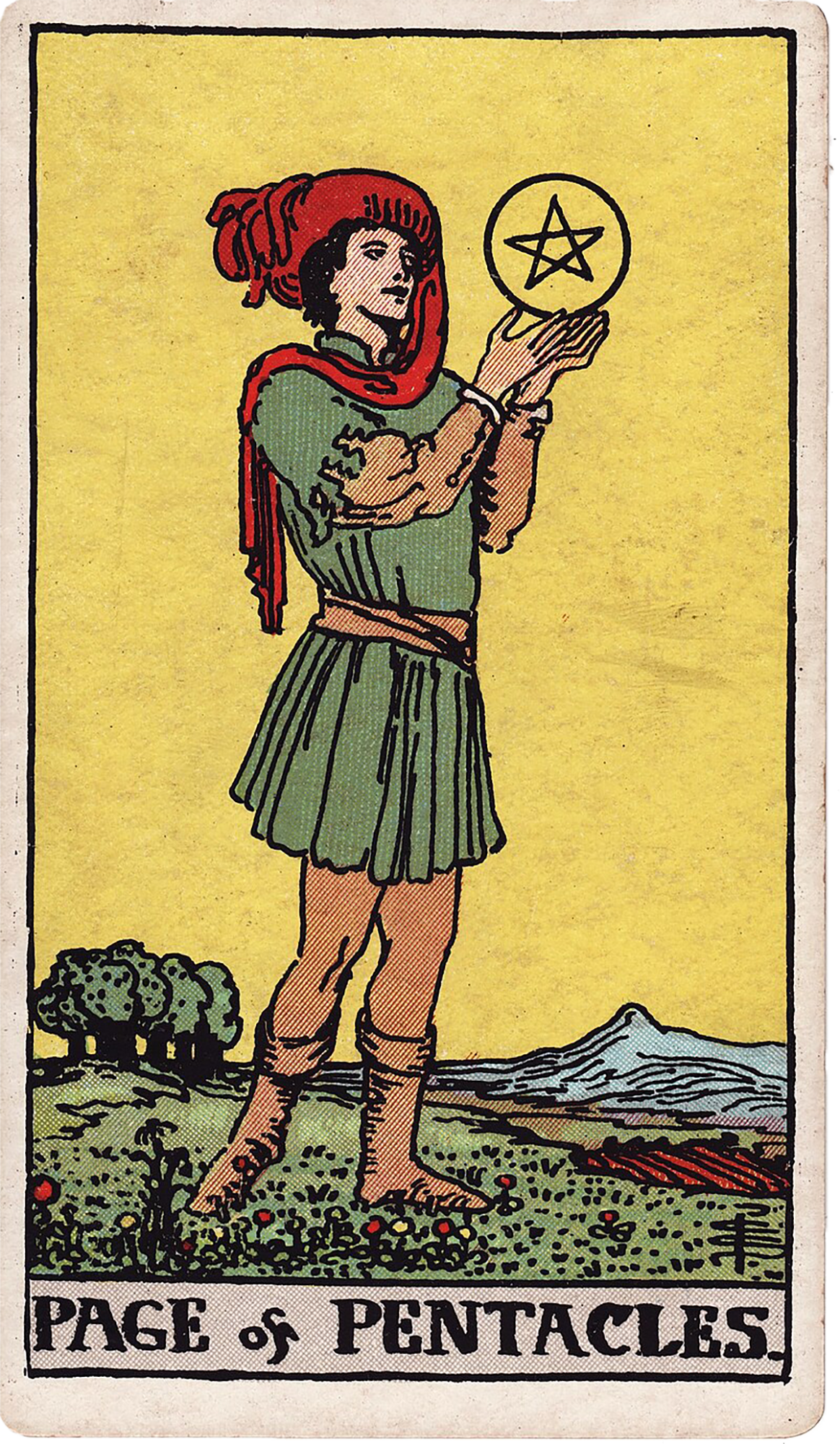 Page of Pentacles
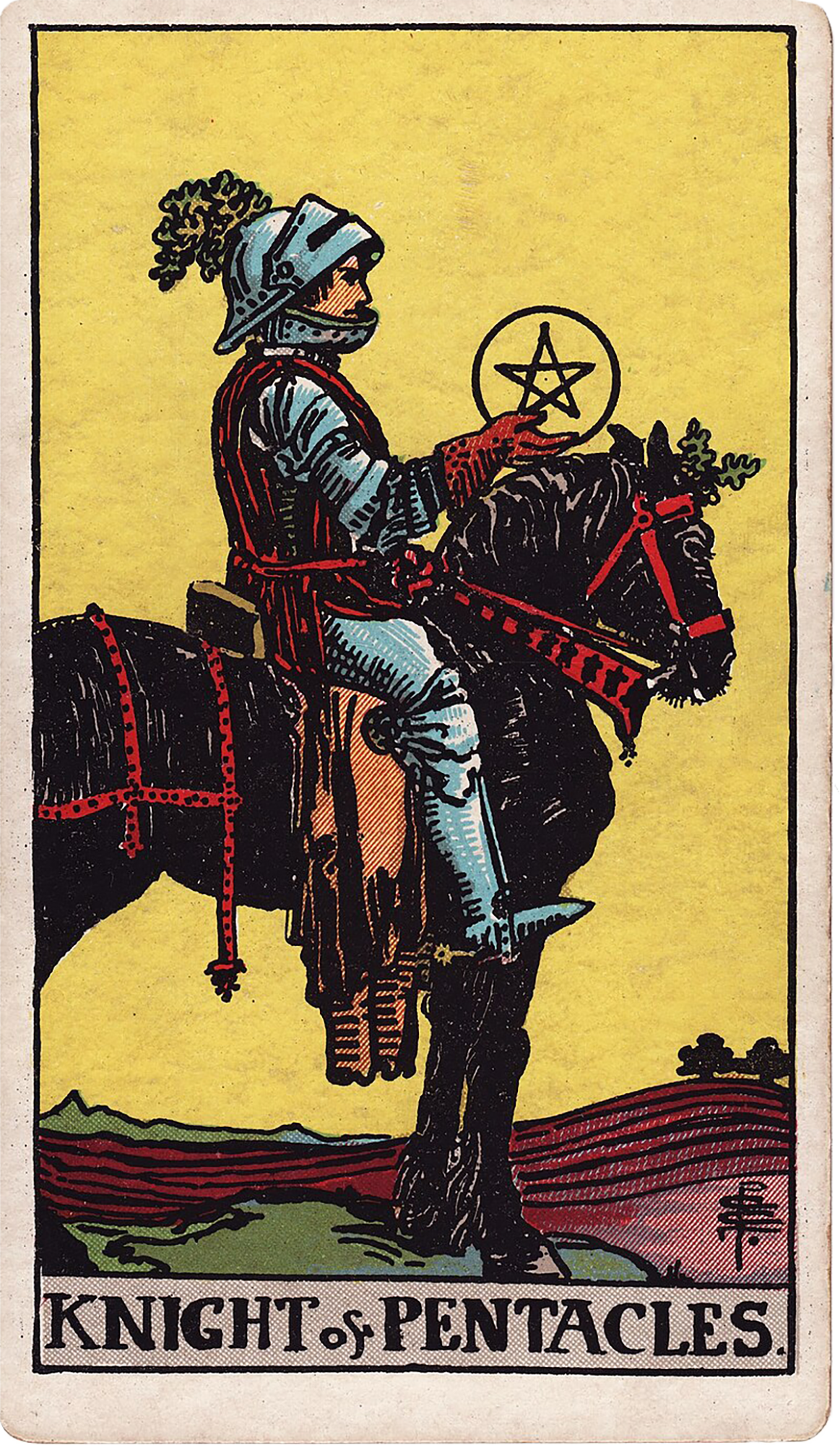 Knight of Pentacles
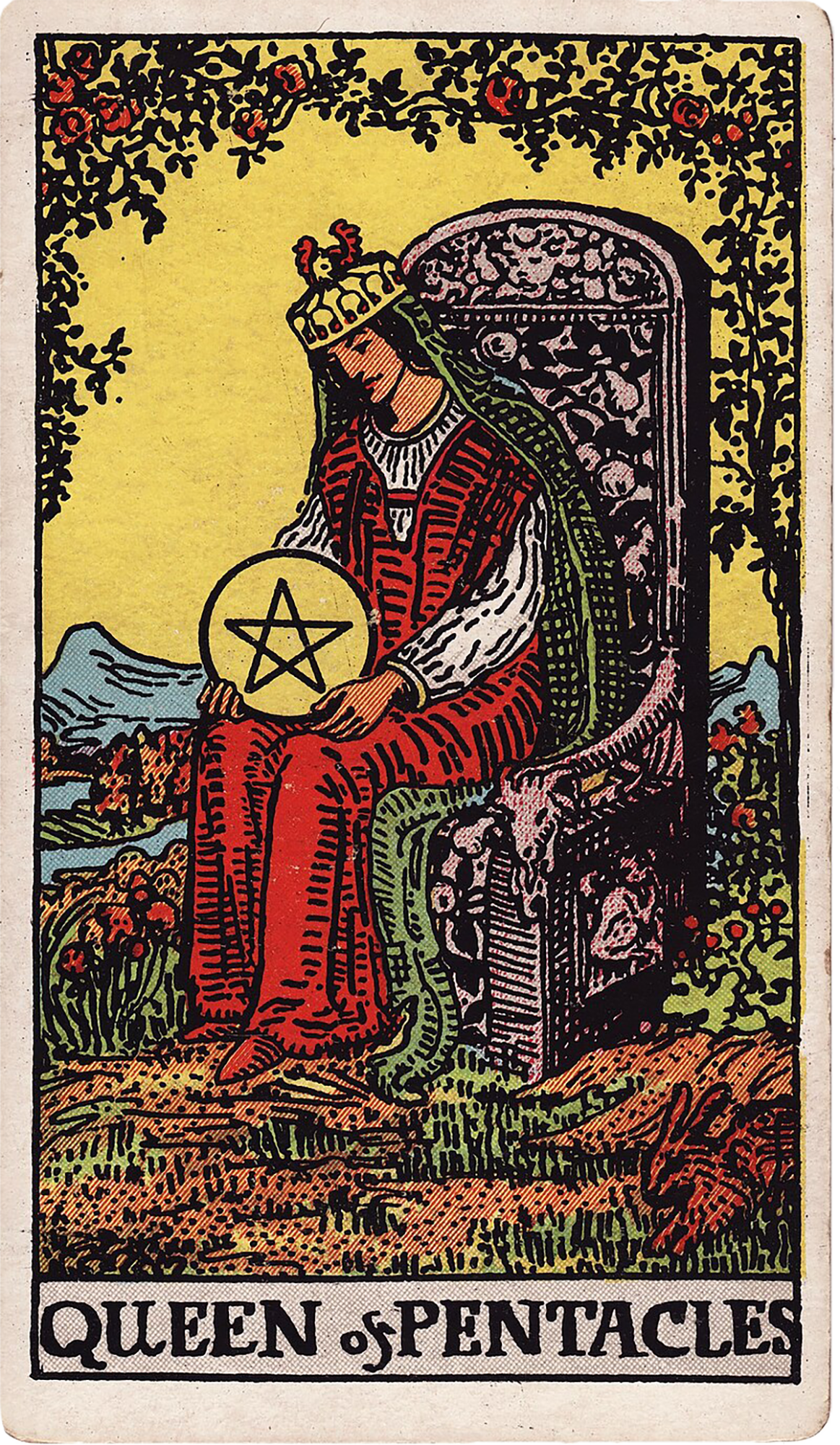 Queen of Pentacles
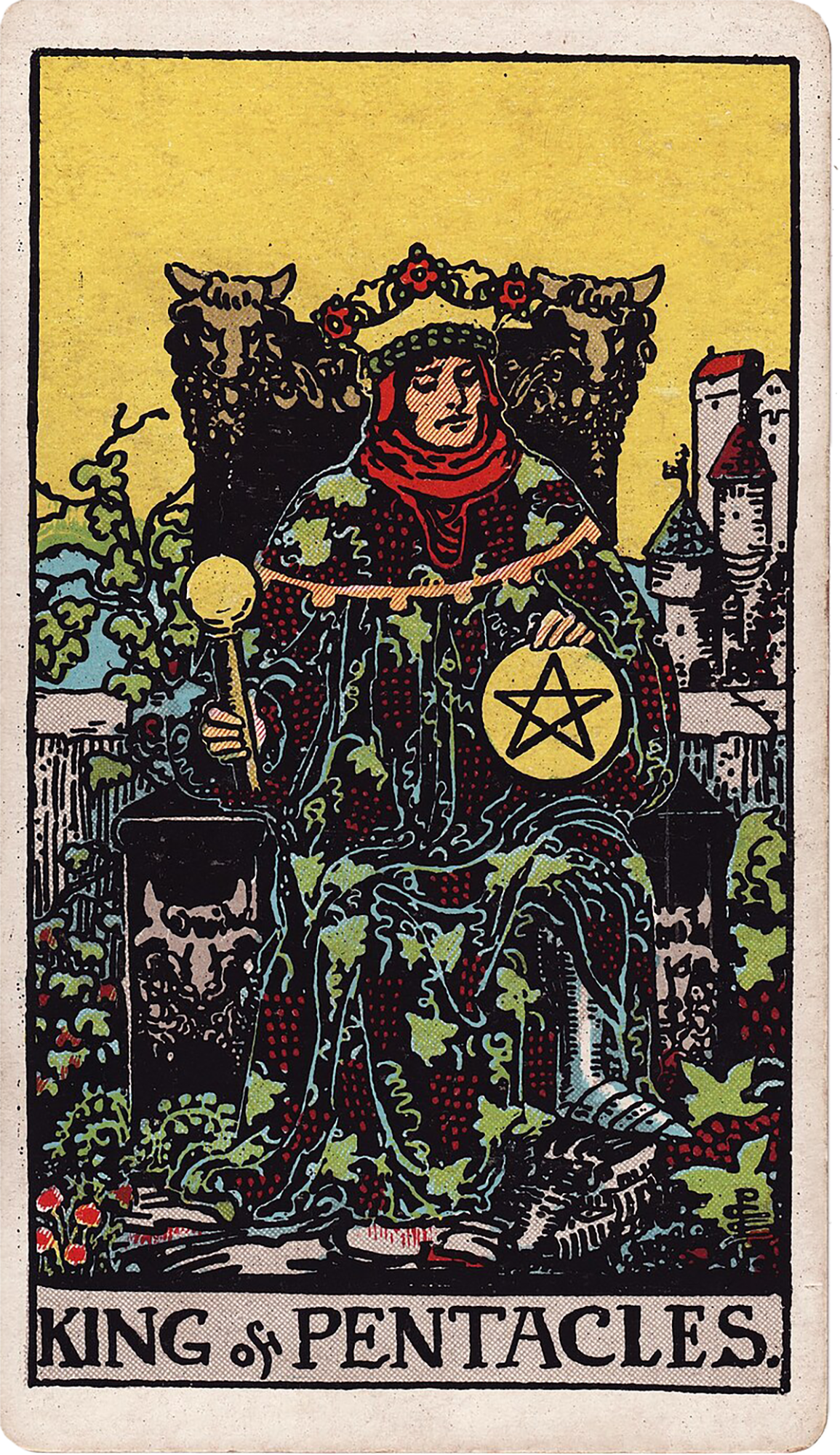 King of Pentacles
Introduction to the Court Cards of Pentacles and Their Family Suit Context
The suit of Pentacles in Tarot traditionally relates to the material aspects of life—work, money, health, routine, resources, craft, the body, and long-term stability. Within this suit, the Court Cards—the Page, Knight, Queen, and King—represent stages of personal and practical development. They form a family suit that mirrors progression: from the Page’s beginner energy to the King’s mature stewardship. Each card highlights distinct lessons about responsibility, competence, and the practical application of wisdom. Unlike more abstract or emotional suits, Pentacles ground us firmly in present, tangible realities, making these Court Cards invaluable for readings focused on real-world challenges and opportunities. Their Rider-Waite-Smith images reinforce these themes visually, emphasizing tools, nature, and posture that symbolize their unique energies.
Page of Pentacles as the Practical Learner and Starter of Realistic Plans
The Page of Pentacles embodies the initial stage of engagement with practical skills and material opportunities. Upright, the card signifies a beginner’s mindset focused on learning, starting realistic plans, and taking present circumstances seriously. In the Rider-Waite-Smith deck, the Page holds a pentacle carefully, symbolizing attentiveness and respect toward material potential. This energy encourages learners to focus on concrete steps rather than abstract ideals. Reversed, the Page warns against procrastination, poor study habits, and unrealistic planning. It suggests a blockage where the lesson of practical engagement is intellectually understood but not yet embodied. For example, in a reading about career or health, the reversed Page might indicate that the querent is aware of the changes needed but is stuck in inaction or distraction. Rather than viewing the reversal as simply negative, readers should explore where simplification or renewed effort is needed to resume progress. In the family suit dynamic, the Page is the 'child' or apprentice—open, curious, but vulnerable to overwhelm or distraction. The lesson here is responsibility through learning and the humility to start small and build competence gradually.
Knight of Pentacles as the Embodiment of Steady Reliability and Routine Progress
The Knight of Pentacles represents the continuation and maturation of the Page’s initial efforts—highlighting steady execution, reliability, and responsible progress through routine. Upright, the Knight personifies diligence and persistence, often depicted in the Rider-Waite-Smith deck as a knight mounted on a sturdy horse, firmly holding a pentacle. His posture and expression communicate patience and commitment to long-term goals. This card’s energy fits the present stage where practical work is ongoing rather than flashy or dramatic. It reminds readers and querents that progress often requires repeated effort and consistency. When reversed, the Knight of Pentacles signals stagnation, stubbornness, or confusing slow movement with no movement. It may also indicate workaholism—where routine becomes compulsive rather than productive. The reversal invites examination of whether the querent is resisting necessary change or has lost sight of the purpose behind their reliable routine. In the Pentacles family narrative, the Knight is the 'young adult'—developed enough to take responsibility seriously but still prone to rigidity or frustration. It teaches the value of perseverance balanced with flexibility and self-care.
Queen of Pentacles as the Nurturing and Competent Caregiver
The Queen of Pentacles embodies mature, practical nurture combined with competence in managing resources for real-life support. Visually, the Rider-Waite-Smith Queen is seated comfortably in nature, holding a pentacle with calm assurance, surrounded by symbols of abundance and groundedness. She represents the ability to use resources wisely to create a stable and nurturing environment—not just for personal gain but for others as well. Upright, she teaches readers about balancing care and competence, self-sufficiency, and generosity. This card encourages an attitude of practical nurture rather than abstract idealism or controlling behavior. Reversed, the Queen warns of overwork, self-neglect, financial anxiety, or care that becomes controlling or conditional. It challenges readers to assess whether the querent measures worth solely through usefulness or productivity, a common pitfall in the Pentacles suit. In the family suit, the Queen is the 'parental figure'—one who nurtures growth while modeling responsibility and grounded care. She urges integration of material competence with emotional wisdom and self-respect.
King of Pentacles as the Mature Steward of Resources and Stability for Others
The King of Pentacles represents the culmination of the Pentacles Court journey—a mature steward who has developed business competence, financial responsibility, and the ability to build stability that supports not only oneself but others. In Rider-Waite-Smith symbolism, the King is adorned in rich robes, seated firmly on a throne decorated with bulls (an emblem of Taurus and material abundance), firmly holding a pentacle. His aura suggests authority grounded in practical wisdom rather than ostentation. Upright, the King encourages readers to embody responsible leadership, stewardship, and measured use of power. He teaches how the management of resources can be an act of service as well as security. Reversed, the King cautions against greed, rigidity, status obsession, misuse of financial power, or excessive attachment to security that inhibits growth. This reversal invites reflection on whether the querent’s control over resources serves true stability or feeds fear and stagnation. Within the family suit metaphor, the King is the 'wise elder'—one who completes the cycle by integrating experience, care, and pragmatic leadership. This card challenges readers to consider how mature responsibility includes generosity and adaptability.
Practical Techniques for Reading the Court Cards of Pentacles
When interpreting the Court Cards of Pentacles, it is essential to anchor meanings in both their upright and reversed states while paying close attention to context within the spread and surrounding cards. Techniques include: 1. Visual Anchoring: Use Rider-Waite-Smith imagery to connect with the card’s posture, tools, and setting. For example, the careful hold of the pentacle by the Page suggests learning to respect resources, while the Queen’s lush environment signals nurture. 2. Stage Identification: Place the card within a developmental timeline—from beginner (Page) through mature (King)—to understand the querent’s current relationship with practical responsibility. 3. Suit Context: Always interpret Pentacles in relation to their association with material reality, physical health, and tangible resources. This ensures readings avoid overly abstract or emotional interpretations. 4. Reversal Exploration: Instead of automatically negating upright meanings, explore where the process is stuck or imbalanced. Ask what needs attention to restore healthy expression. 5. Family Suit Dynamics: Consider how the cards reflect roles within a family or community, highlighting lessons about nurture, growth, leadership, and support. Example: In a career-focused spread, the Knight of Pentacles upright might encourage steady project progress, but reversed may suggest burnout or resistance to change. The Queen upright may point toward nurturing workplace relationships, while reversed could warn of neglecting self-care.
Common Mistakes and How to Avoid Them When Interpreting Pentacles Court Cards
Learners often make several common mistakes when working with the Court Cards of Pentacles, including: 1. Overgeneralizing: Treating all Pentacles Court Cards as simply about money or work without recognizing their nuanced lessons in responsibility and care. 2. Ignoring Reversals: Viewing reversed cards as purely negative instead of investigating blocked processes or internal conflicts. 3. Neglecting Imagery: Missing key Rider-Waite-Smith symbols such as the bull on the King’s throne or the fertile earth around the Queen, which inform deeper meanings. 4. Detaching from Present Reality: Applying abstract ideals or future predictions rather than focusing on concrete, present-stage practical wisdom. 5. Skipping Family Suit Context: Overlooking how the cards interact as a family unit teaching a developmental progression. To avoid these pitfalls, readers should slow down, apply the suite’s core themes consistently, and integrate imagery, context, and the querent’s lived experience into their interpretations.
Reflection Questions for Deepening Understanding of the Pentacles Court Cards
To internalize and apply the lessons of the Page, Knight, Queen, and King of Pentacles, consider these reflective prompts: - Where in my life am I embodying the beginner’s openness of the Page? Where might I be procrastinating or avoiding practical steps? - How do I balance steady routine with flexibility, as taught by the Knight? Am I mistaking stagnation for stability? - In what ways do I nurture others and myself with practical care like the Queen? Do I risk overwork or self-neglect? - How do I steward my resources and responsibilities in a way that supports myself and others, as the King exemplifies? Where might control or fear limit my growth? - How do these cards’ lessons reflect in my family or community roles? Journaling on these questions after Tarot study can deepen the practical wisdom embedded in the Pentacles Court.
Practice questions
• Where am I currently acting with the beginner’s practical energy of the Page of Pentacles, and where might I be procrastinating?
• How do I balance diligence and flexibility in my daily routines as suggested by the Knight of Pentacles?
• In what ways do I nurture myself and others with competence and grounded care like the Queen of Pentacles?
• How do I responsibly steward my resources to build stability for my family or community in the manner of the King of Pentacles?
• What blocks or imbalances arise in my practical responsibilities and how can I address them to restore healthy growth?
Comments
Sign in to comment.
Continue learning
Interpreting the Dance of Justice and The Devil: Balancing Morality and Temptation in Tarot Readings
The combination of Justice and The Devil in tarot presents a profound exploration of morality, temptation, and personal accountability. This article unpacks how these cards influen...
Advanced Techniques for Combining The Moon and The Star to Enhance Intuition in Tarot Readings
This article explores advanced techniques to combine the symbolism and energy of The Moon and The Star Tarot cards to enhance intuition during Tarot readings. Drawing from traditio...
Unlocking Life Insights with the Celtic Cross Tarot Spread
This article offers a thorough exploration of the Celtic Cross Tarot Spread, focusing on its application within family and practical life contexts. Using a worked example featuring...
Unlocking Hidden Meanings with The Hermit and The Hanged Man for Spiritual Growth
This article offers an in-depth exploration of The Hermit and The Hanged Man Tarot cards focusing on their roles in spiritual growth. It guides readers through beginner and advance...
Unlocking Personal Insight with the Seven Card Horseshoe Spread
The Seven Card Horseshoe Spread is a practical and insightful Tarot layout ideal for exploring personal and family dynamics. This article breaks down each position—Past, Present, H...
Mastering the Court Cards of Wands for Unlocking Personal Drive and Leadership
The Court Cards of Wands represent a dynamic spectrum of personal energy, ambition, and leadership potential within the Minor Arcana. This article offers a comprehensive exploratio...
Tracing the Origins and Evolution of The Fool Card in Tarot History
The Fool card holds a foundational place in tarot tradition, symbolizing beginnings, openness, and the embrace of uncertainty. This article traces its origins from early European d...
Techniques for Reading Court Cards to Unlock Personality Insights
Court cards in Tarot often represent people, personality traits, or energy patterns within a situation. This article offers a structured approach for beginners and advanced readers...
Unlocking Emotional Transformation with Death and The Moon Tarot Combination
This article explores the rich and complex interaction between the Death and The Moon tarot cards within the Rider-Waite-Smith tradition, focusing on their combined potential to un...
Applying The Star Card to Foster Hope and Renewal in Personal Growth
The Star card in Tarot symbolizes hope, authenticity, and the process of steady renewal. In a single-card reading, The Star encourages embracing what is present, cultivating openne...