
Separating Folklore from Evidence A Researcher's Guide to Tarot History
This article teaches a research-oriented approach to tarot history for learners. It explains why rigorous methods matter, identifies common folklore claims, and gives concrete techniques for testing hypotheses about imagery and origins. Throughout the guide we repeatedly use the Rider-Waite-Smith images of The Magician, The High Priestess, and The World as visual anchors for iconographic analysis and interpretive practice. The goal is practical: learn how to treat tarot cards as historical objects, trace motifs, evaluate primary evidence, avoid circular reasoning, and translate findings into cautious, well-supported conclusions.
Cards explored in this article
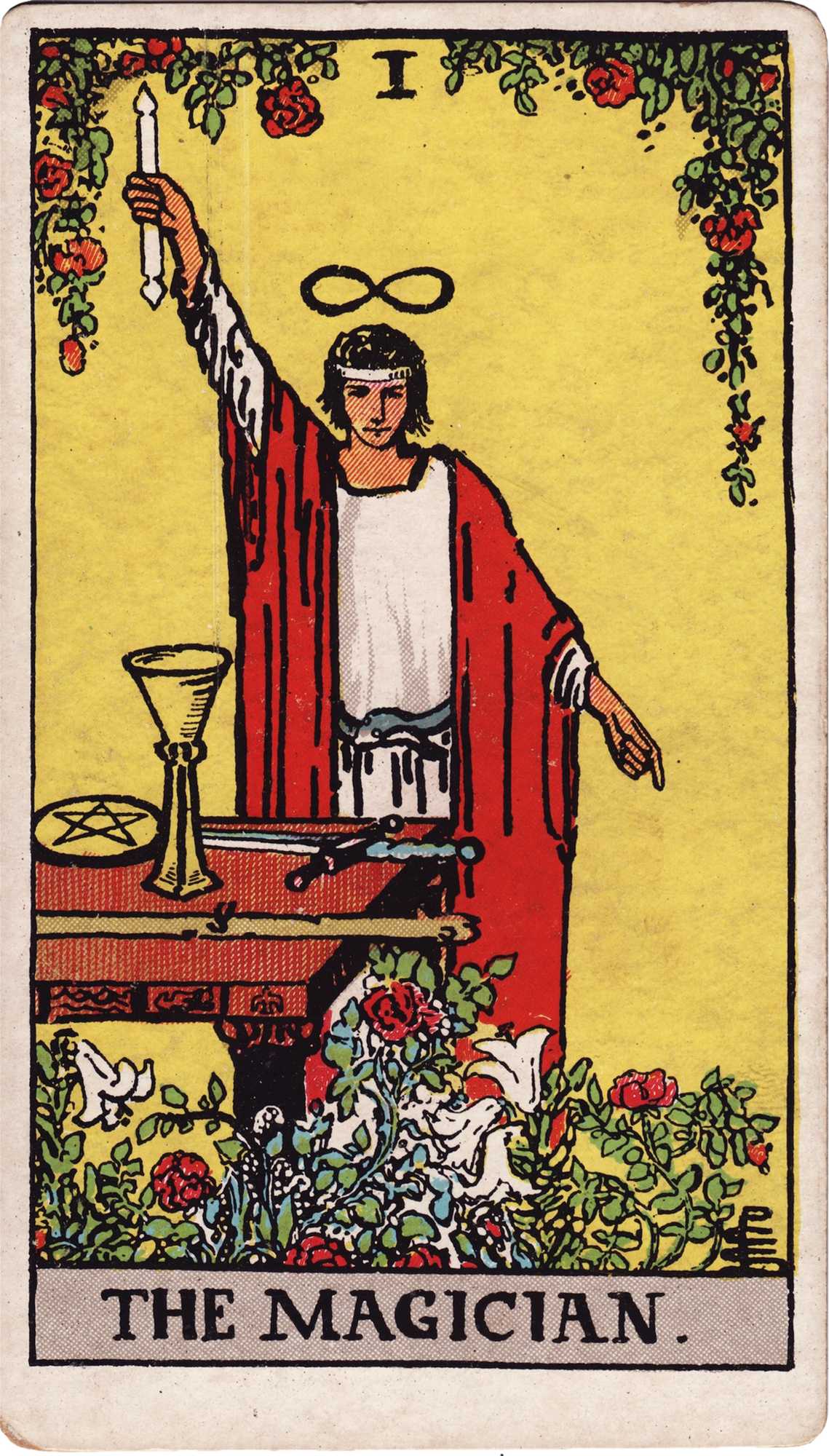 The Magician
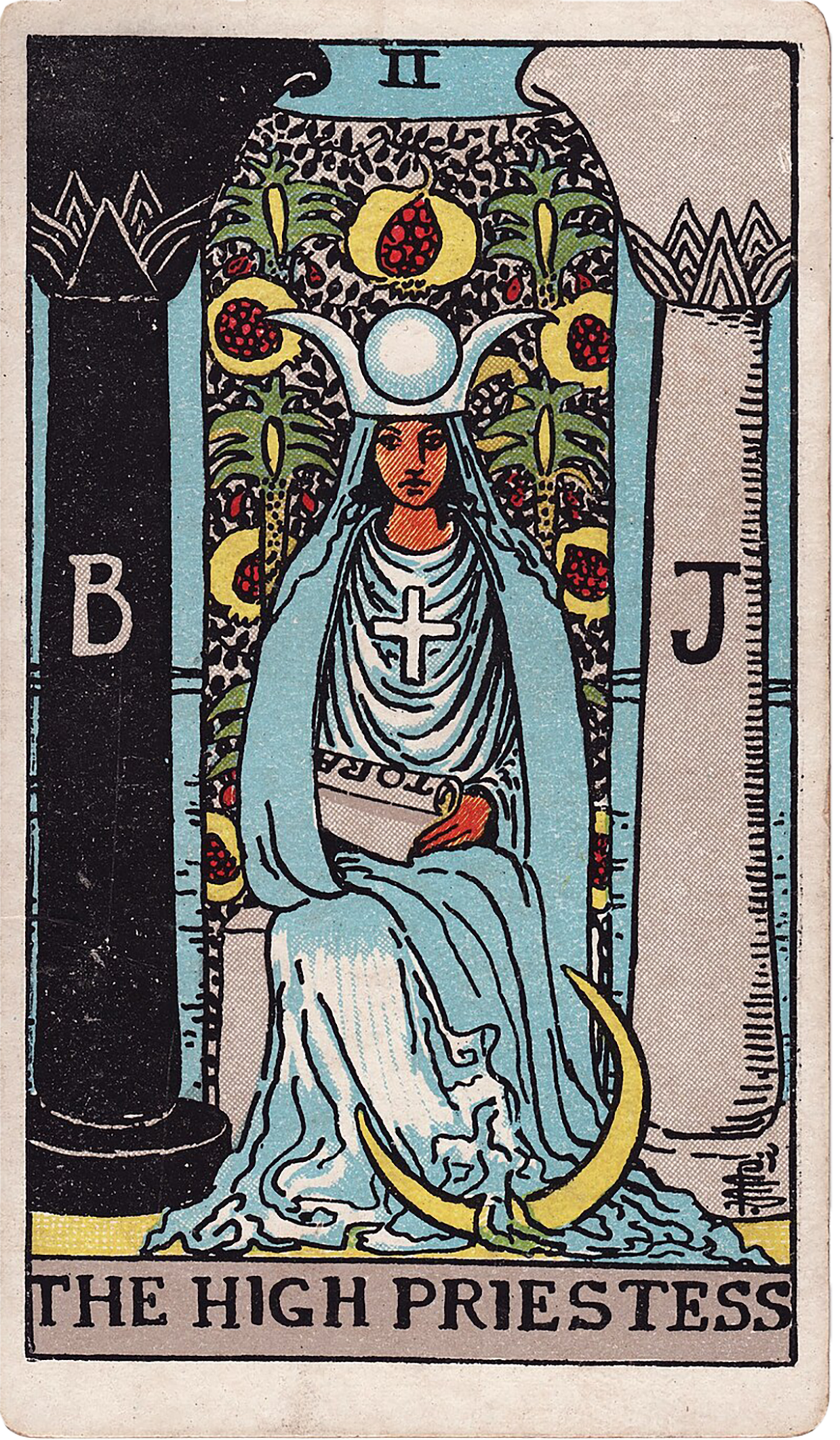 The High Priestess
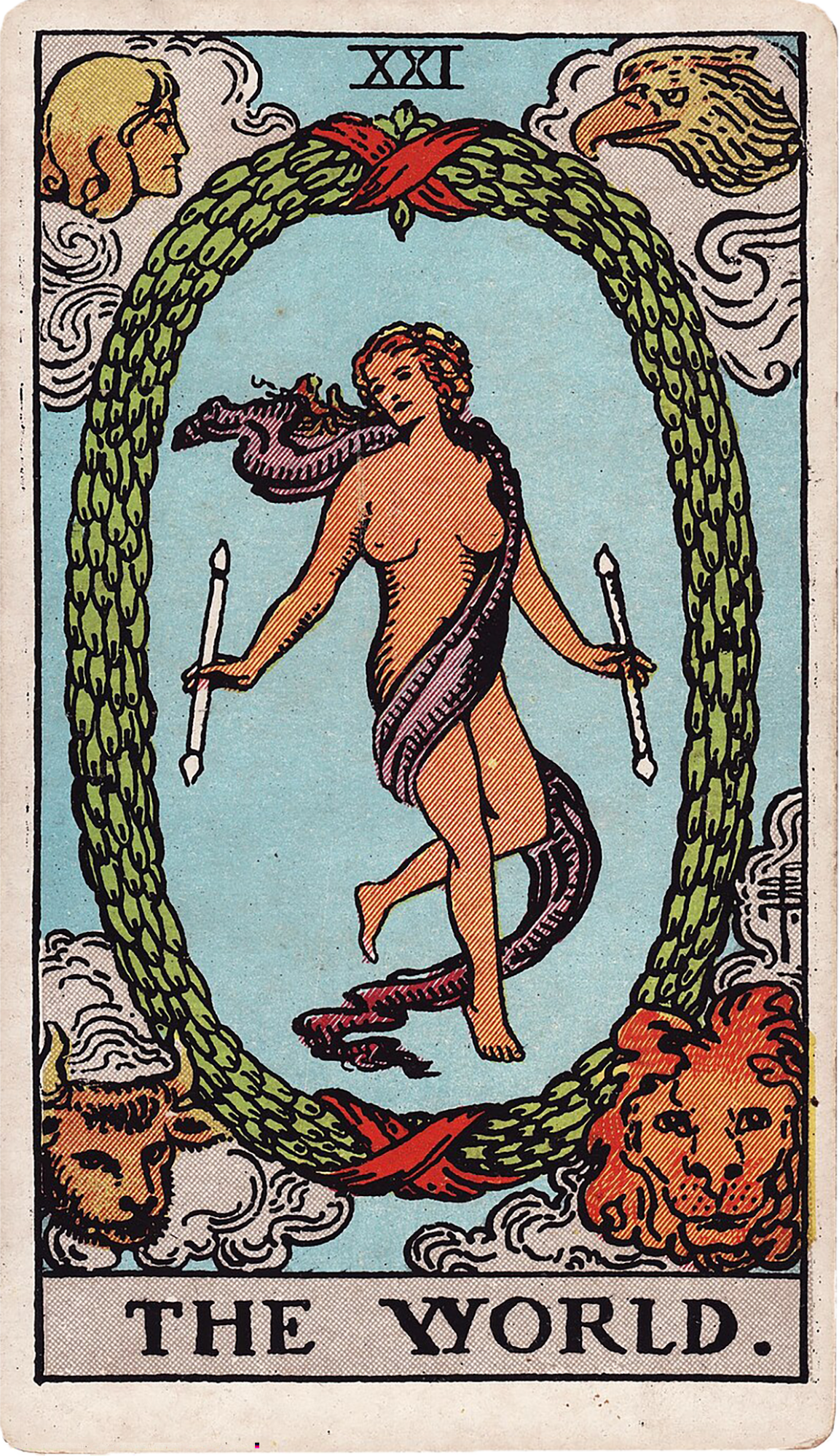 The World
Introduction Why separating folklore from evidence matters
Many popular accounts of tarot combine evocative storytelling with unverified claims about ancient origins, secret lineages, or mystical continuity. That storytelling can be compelling and useful in practice, but it becomes a problem when readers or researchers treat myth as history. Academic history and careful cultural history ask for verifiable sources, transparent reasoning, and an awareness of how images and ideas travel. This article gives learners a compact, usable toolkit for treating tarot as both a living divinatory practice and a body of historical evidence. To keep the discussion concrete we will repeatedly anchor methods to three widely recognized cards that you will see displayed with this article: The Magician, The High Priestess, and The World. Using their Rider-Waite-Smith symbolism, we will demonstrate techniques for tracing motifs, testing claims, and drawing measured conclusions.
Core principles of historical method applied to tarot
Several simple principles guide reliable historical work: prioritize primary sources, prefer contemporaneous evidence over later reinterpretations, distinguish description from interpretation, and document provenance. When applied to tarot: treat a single 19th-century occultist's essay as an interpretation, not a substitute for 15th-century card examples; record where, when, and in what material a card image was produced; and be explicit about uncertainty. Iconography is central: many tarot motifs derive from broader visual culture (religious art, prints, costume, emblem books). That means one strong explanatory strategy is to identify parallel images in contemporaneous art and books rather than assuming an isolated, unique origin. The Rider-Waite-Smith deck is a 20th-century tarot interpretation drawing on older symbols. When you study it, ask which elements were inherited, which were reimagined, and which are modern inventions.
Common folklore claims and how to test them
Popular folklore about tarot tends to cluster around a few persistent claims. Below are common examples and a short test you can run for each. Claim: Tarot cards are thousands of years old and come from ancient Egypt. Test: Seek primary sources. Are there any surviving card decks, references, or images from pre-medieval Egypt that match tarot trumps? If not, the claim lacks direct evidence. A more defensible account recognizes the documented appearance of suited playing cards in 14th–15th century Europe and the earliest known tarot trumps in 15th-century Italy. Claim: Specific major-arcana figures are direct survivals of pagan gods or secret priesthoods. Test: Perform motif tracing. Take one figure (for example, The High Priestess) and catalog the features: veil, pomegranates, scroll, throne, moon. Search for these elements in medieval and Renaissance Christian art, classical allegory, and emblem books. If the combination of features appears most frequently in late medieval Christian imagery, that context is a better candidate for origin than an undocumented ancient priesthood. Claim: Modern occult meanings reflect historical intent. Test: Compare early manuals and usage. Many esoteric meanings were codified in the late 18th and 19th centuries by authors who reinterpreted older decks. If an interpretive system appears first in a late source, treat it as a later layer rather than an original meaning.
Types of evidence and where to find them
Different kinds of evidence support different claims. Learn how to find and evaluate each type. Physical artifacts: Surviving cards (hand-painted decks, printed decks) give direct evidence about imagery, size, and material. Repositories: museum collections, digitized catalogues, auction records. Always check physical descriptions and condition notes. Printed documents: Inventories, bills of sale, guild records, and early printed manuals can anchor dates and places. Search library catalogs, historical databases, and digitized archives for references to 'carte da trionfi', 'trionfi', 'tarocchi', or other contemporary terms. Iconographic parallels: Paintings, woodcuts, misericords, and emblem books often share motifs with tarot. Track the circulation of visual types—motifs frequently migrate from one medium to another. Secondary scholarship: Peer-reviewed articles and academic books synthesize evidence and debate interpretations. Use them to check your findings, not to replace primary-source checking. Provenance records: When you encounter a deck or an image online, record its ownership history and the institution or seller providing it. Provenance gaps matter.
Iconographic technique Using The Magician The High Priestess and The World as lenses
Iconographic analysis treats each visual element as a clue. Use these three cards as worked examples of how to parse imagery. The Magician: Note the table with the four tools (wand, cup, sword, pentacle), the wand held upward, the infinity symbol, the red-and-white garments, and the garden setting. Questions to ask: Where else in 15th–17th century imagery do we find a figure with a table of tools or a magician gesturing upward? Do medieval emblem books show 'magus' figures with similar tools used as allegory for the arts or rhetoric? Is the infinity symbol a later artistic addition or a motif with a traceable lineage? Comparing the Magician's attributes with contemporary images of learned men, alchemists, or allegories of action helps anchor the figure to specific visual traditions. The High Priestess: Observe the veil, the black-and-white pillars (when present), the pomegranate motif behind her, the crescent moon, and the scroll held in her lap. The High Priestess in Rider-Waite-Smith draws on medieval images of the veiled woman, Marian iconography, and the concept of hidden knowledge. A common folklore claim ties the card to Egyptian Isis. Test that by looking for the same configuration—veil plus pomegranates plus a scroll—across medieval Christian art and emblems. If the combination appears most often in Christian or allegorical contexts, that is the stronger historical source. The World: Focus on the wreath framing a dancing, robed figure and the four corner figures suggesting the tetramorph of the evangelists. Note the triumphal or cyclical quality. Similar figures appear in medieval 'world' illustrations and personifications of victory or the cosmos. Track how triumphal motifs and cosmological diagrams in medieval manuscripts and early prints might have influenced the development of this card. For each card: list discrete visual elements, search for their earliest documented occurrences, measure whether the combination is innovative or inherited, and avoid reading modern esoteric interpretation back into earlier periods without evidence.
A step-by-step protocol for testing historical claims
When you encounter a specific historical claim about a tarot motif or origin, follow a simple protocol. 1. Identify the exact claim. Write it down in one sentence. 2. Locate the earliest source that asserts the claim. Is it a contemporary 15th-century document or a later 18th–19th-century occultist text? 3. Search for primary artifacts or images that predate the claim. Use museum catalogues, digital libraries, and manuscript databases. 4. Map the motif. Break the image into elements and look for parallels in the same period and region. 5. Check language and terminology. How were the cards named historically? Did contemporary users call them by the names and functions ascribed later? 6. Evaluate competing explanations. If a motif appears in multiple contexts, which context has the closest chronological and geographical fit? 7. Document uncertainty. If the evidence is ambiguous, describe the degrees of likelihood rather than present a definitive origin. 8. Consult scholarship. See whether peer-reviewed or university-press work has addressed the motif and how it evaluates evidence. This protocol helps avoid common traps: relying on late reinterpretations, accepting appealing but undocumented narratives, and conflating symbolism that is similar but historically unrelated.
Common mistakes and how to avoid them
Learners repeatedly make a handful of errors. Recognize and correct them. Circular reasoning: Using a late occultist's interpretation to identify a 'hidden' meaning in a medieval card, and then citing that card as evidence that the occultist's claim was correct. Fix: prioritize contemporaneous evidence. Cherry-picking: Selecting only images that fit a desired narrative. Fix: record counterexamples and report frequency and distribution of motifs. Projecting modern usage backward: Assuming that how a card is used today was how it was used historically. Fix: separate the history of the image from the history of its interpretation. Overinterpreting single examples: Treating a single surviving deck as definitive for all regional practice. Fix: assess variability across multiple decks and regions. Neglecting material context: Ignoring print technology, patronage, and local visual culture. Fix: include codicology and material analysis when possible.
Practical reading exercise Using the supplied cards as a research spread
You can use a small three-card spread as a heuristic for historical inquiry, treating the cards as prompts rather than divinatory answers. Use the displayed Rider-Waite-Smith images of The Magician, The High Priestess, and The World as follows. Position 1 The Magician Research tools and starting evidence: Interpret the Magician as asking what instruments you will use. That includes databases, museum catalogs, bibliographies, and image comparisons. Upright: organize and prioritize. Reversed: beware scattered searches and confirmation bias. Position 2 The High Priestess Hidden sources and intuition about gaps: The High Priestess draws attention to archives, marginalia, and understudied images. Upright: look carefully under the veil—hidden documents can change an interpretation. Reversed: watch for secrecy, inaccessible collections, or overreliance on unverified intuitions. Position 3 The World Conclusion and integration: The World asks whether your evidence supports a coherent conclusion or whether more work remains. Upright: integrate findings and acknowledge what you can reasonably claim. Reversed: note incomplete closure and the need for further sources. Example reading: If you find a blog asserting an ancient origin, lay the cards. The Magician upright reminds you to collect measurable tools (catalog entries). The High Priestess reversed warns that the claim likely rests on hidden or late sources rather than primary artifacts. The World reversed indicates incomplete evidence, so you should withhold definitive statements and seek more documentation.
Case study The High Priestess Isis claim and how to evaluate it
A frequent case in popular folklore ties The High Priestess to Egyptian Isis and claims direct descent from ancient priestesses. Apply the protocol. 1. Identify the claim: The High Priestess is a survival of Isis worship. 2. Earliest proponent: This idea was popularized by late 18th-century and 19th-century writers who reinterpreted European tarot through an Egypt-centered lens. 3. Primary evidence check: Are there surviving Egyptian cards or medieval European cards explicitly linking a veiled, pomegranate-bearing woman to Egyptian motifs? No. The specific combination of veil, pomegranates, and a scroll appears in medieval and Renaissance Christian and allegorical images more often than in surviving Egyptian art. 4. Motif mapping: Pomegranates are common in medieval Marian imagery and as symbols of fertility and resurrection. Veils and secret books appear in allegory and chivalric literature. 5. Competing explanation: The features of The High Priestess fit well within late medieval European iconography, manuscript decorative language, and emblem traditions. 6. Conclusion: The Isis hypothesis is historically unsupported as a direct transmission. It is a later reinterpretation layered onto European images. That does not diminish the card's value as a contemporary symbolic resource, but it does mean that claims of ancient Egyptian origin should be presented as speculative reinterpretations rather than established fact.
Translating research into interpretive caution for readers and practitioners
Historical caution does not reduce the relevance of tarot images in practice. Instead, it grounds interpretation in a clearer awareness of how meanings accumulate. For learners and readers: make a habit of distinguishing three levels when discussing a card. 1. Visual-historical layer: what the image likely referenced when it was made (material culture, religious imagery, allegory). 2. Interpretive layer: meanings assigned by later readers and occultists. 3. Contemporary practice: how modern readers and readers-in-the-moment use the card. When you teach or write about tarot, label which layer you are discussing, and cite sources when you assert historical origin claims. For example: 'The High Priestess draws on late medieval veiled-woman imagery (visual-historical layer); later occultists associated her with Egyptian lore (interpretive layer); contemporary readers often use her to indicate hidden knowledge or inner wisdom (practice layer).' This structure keeps folklore visible without pretending it is documentary history.
Exercises for learners to practice the method
1. Motif inventory: Choose The Magician image and list ten visual elements. For each element, find at least one parallel in a dated work from before 1900. Record sources. 2. Source chase: Identify the earliest printed source that applies a particular occult meaning to any of the three supplied cards. Note the date and author and treat it as an interpretive, not primary, source. 3. Comparative search: Compare the pomegranate motif behind The High Priestess to five medieval illustrations of pomegranates. Are the contexts similar or different? What do the differences suggest? 4. Draft a short research note: Using museum catalogs, locate an early tarot deck and summarize its provenance, imagery, and what it does and does not tell you about modern meanings. These exercises strengthen practical archival habits and visual literacy.
Conclusion A balanced approach that respects myth but honors evidence
Tarot's imaginative appeal will always invite mythmaking. The skill of the historical researcher is to honor the evocative power of those myths while subjecting claims about origins and lineage to documented evidence. Use the Rider-Waite-Smith images of The Magician, The High Priestess, and The World not as immutable indexes to a single hidden truth but as rich case studies in how visual motifs travel, are reinterpreted, and become layered with meaning. Work methodically, keep sources visible, and present conclusions with the appropriate degree of confidence. That approach preserves both the mystery that makes tarot meaningful and the intellectual honesty that makes historical knowledge reliable.
Practice questions
• When you look at The Magician, which discrete visual elements can you list, and where might you look for their earliest parallels?
• How would you test a claim that The High Priestess originates in an ancient foreign religion? What specific kinds of evidence would falsify or support that claim?
• What differences do you see between the Rider-Waite-Smith images and surviving 15th-century Italian trump cards, and what do those differences imply about interpreting modern decks historically?
• Describe a situation where a late interpretive source (18th or 19th century) should be treated as evidence for change in meaning rather than as proof of original meaning.
• If you encounter an online article claiming a dramatic origin story for The World, what minimum steps would you take before citing that article in your own research?
• How can the three-card research spread (Magician High Priestess World) help clarify your next steps when investigating a motif?
• What are the ethical responsibilities of a teacher when presenting speculative origin stories about tarot to beginners?
• In your own words, explain the difference between motif similarity and historical transmission. How does that distinction affect conclusions about card origins?
Comments
Sign in to comment.
Continue learning
Interpreting the Dance of Justice and The Devil: Balancing Morality and Temptation in Tarot Readings
The combination of Justice and The Devil in tarot presents a profound exploration of morality, temptation, and personal accountability. This article unpacks how these cards influen...
Advanced Techniques for Combining The Moon and The Star to Enhance Intuition in Tarot Readings
This article explores advanced techniques to combine the symbolism and energy of The Moon and The Star Tarot cards to enhance intuition during Tarot readings. Drawing from traditio...
Unlocking Life Insights with the Celtic Cross Tarot Spread
This article offers a thorough exploration of the Celtic Cross Tarot Spread, focusing on its application within family and practical life contexts. Using a worked example featuring...
Unlocking Hidden Meanings with The Hermit and The Hanged Man for Spiritual Growth
This article offers an in-depth exploration of The Hermit and The Hanged Man Tarot cards focusing on their roles in spiritual growth. It guides readers through beginner and advance...
Unlocking Personal Insight with the Seven Card Horseshoe Spread
The Seven Card Horseshoe Spread is a practical and insightful Tarot layout ideal for exploring personal and family dynamics. This article breaks down each position—Past, Present, H...
Mastering the Court Cards of Wands for Unlocking Personal Drive and Leadership
The Court Cards of Wands represent a dynamic spectrum of personal energy, ambition, and leadership potential within the Minor Arcana. This article offers a comprehensive exploratio...
Tracing the Origins and Evolution of The Fool Card in Tarot History
The Fool card holds a foundational place in tarot tradition, symbolizing beginnings, openness, and the embrace of uncertainty. This article traces its origins from early European d...
Techniques for Reading Court Cards to Unlock Personality Insights
Court cards in Tarot often represent people, personality traits, or energy patterns within a situation. This article offers a structured approach for beginners and advanced readers...
Unlocking Emotional Transformation with Death and The Moon Tarot Combination
This article explores the rich and complex interaction between the Death and The Moon tarot cards within the Rider-Waite-Smith tradition, focusing on their combined potential to un...
Applying The Star Card to Foster Hope and Renewal in Personal Growth
The Star card in Tarot symbolizes hope, authenticity, and the process of steady renewal. In a single-card reading, The Star encourages embracing what is present, cultivating openne...