
Tracing The Origins And Symbolism Of The High Priestess Card In Tarot History
The High Priestess tarot card stands as a powerful emblem of intuition, hidden knowledge, and inner wisdom within the tarot tradition. Rooted in ancient archetypes and layered symbolism, this card invites readers to look beneath the surface, trust subtle insights, and engage with the unconscious. This article traces its origins, explores its traditional Rider-Waite-Smith imagery, and offers practical guidance for interpreting both upright and reversed positions. By anchoring interpretation to the specifics of The High Priestess card, learners gain clarity on how to weave its lessons into readings, especially when considering family history and traditions. We also discuss common questions and pitfalls around this card, emphasizing how to approach it as a tool for deeper discernment rather than fixed prediction.
Cards explored in this article
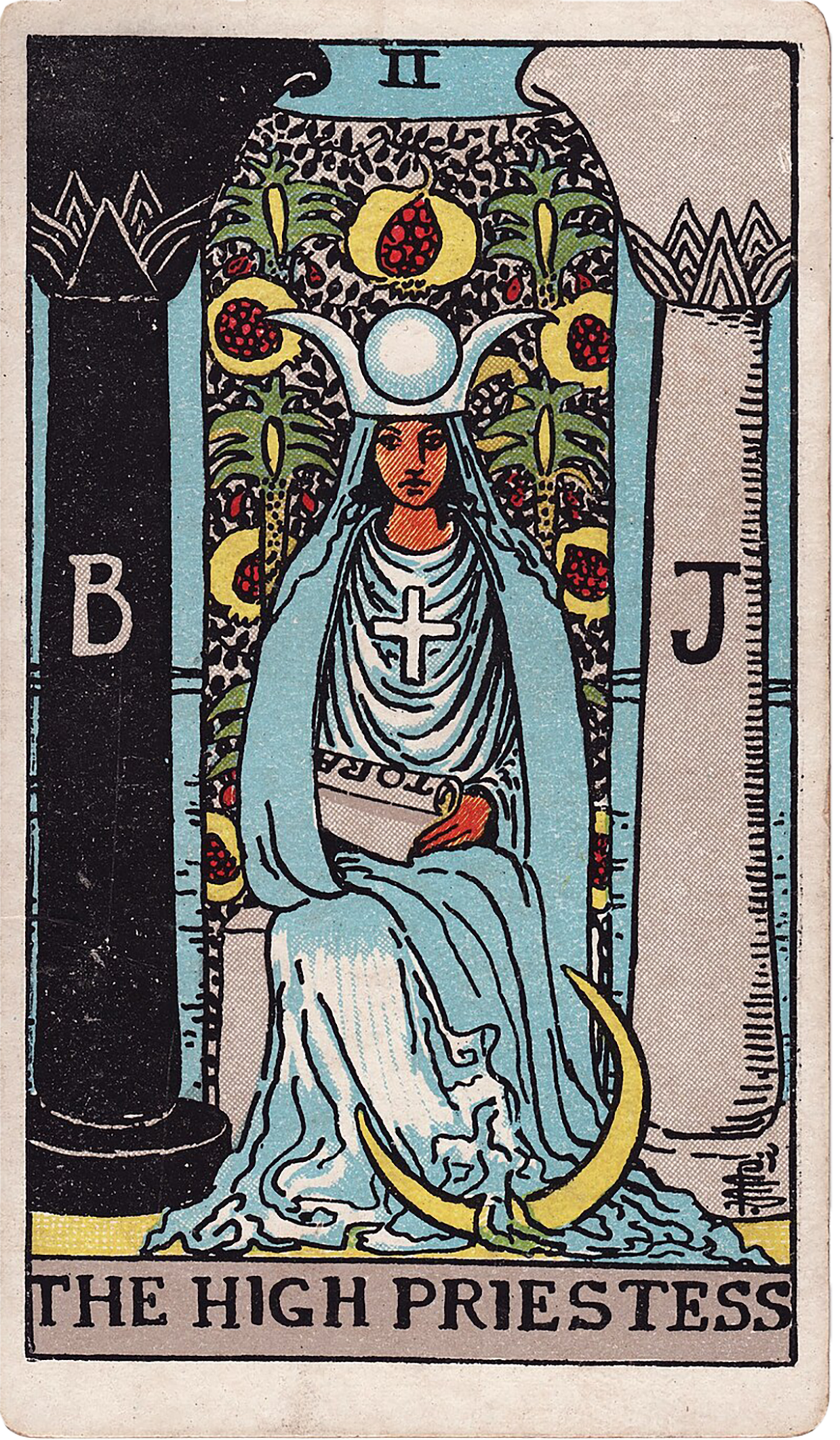 The High Priestess
The Historical Roots Of The High Priestess Card
The High Priestess card, traditionally numbered II in the Major Arcana, traces its origins back to early tarot decks that emerged in the 15th century in Europe. While early decks varied widely, the archetype this card embodies has deep connections to mythological and religious figures associated with mystery, female wisdom, and secret knowledge. For example, parallels can be drawn to the Roman goddess Isis, the biblical figure of the Virgin Mary as a symbol of purity and hidden truth, and the ancient Greek Pythia, the oracle at Delphi who communicated divine wisdom. By the time the Rider-Waite-Smith deck was created in 1909, The High Priestess was solidified as a figure representing intuitive insight and the unconscious realm. The card’s Roman numeral II aligns her with duality, balance, and the gateway between opposites—light and dark, known and unknown.
Symbolism Embedded In The High Priestess Card
The imagery of The High Priestess card in the Rider-Waite-Smith deck is rich with symbolic elements designed to evoke inner knowledge and subtle discernment. She is seated between two pillars, one black and one white, symbolizing duality and the entrance to a hidden realm—the veil behind her further suggests a threshold between the conscious mind and the mysteries beyond. The crescent moon at her feet represents intuition and the cyclical nature of knowledge. Her crown resembles the triple moon, invoking the phases of the feminine divine and the cycles of nature. The scroll she holds, often inscribed with the word 'TORA,' is a symbol of sacred law and hidden wisdom. These images collectively urge the reader to listen beneath surface appearances, appreciating that true understanding often arises quietly and indirectly. The card encourages working with present information and trusting the unfolding process, rather than demanding immediate certainty.
Interpreting The High Priestess Upright In Readings
When The High Priestess appears upright in a reading, as described in the supplied card context, she emphasizes the importance of quiet discernment and listening beneath surface appearances. This is not a call for passivity but an invitation to engage with what is already visible, asking where clearer boundaries, honesty, or deliberate choices might move the situation forward. In practical terms, the upright card can signal a moment when the central issue has emerged enough to be consciously addressed, though not necessarily resolved quickly. For those reading the card, it encourages embracing inner wisdom and working with available resources. For example, in a family context, this might mean honoring long-held traditions or unspoken dynamics that influence current circumstances. The High Priestess asks readers to notice subtle cues and cultivate patience, recognizing that insight often unfolds over time.
Understanding The High Priestess Reversed And Its Nuanced Meanings
The reversed position of The High Priestess card introduces complexity, highlighting themes such as secrecy, disconnection from intuition, or avoidance. Importantly, reversal does not inherently suggest negative outcomes but rather signals where the card’s upright qualities may be blocked, delayed, or expressed without balance. For instance, reversed, The High Priestess may point to mistaking anxiety or projection for genuine inner knowing, or to a period of psychological privacy where an individual is beginning to recognize old patterns without fully transforming them. Context is vital here; the surrounding cards can clarify whether reversal indicates resistance, excess, or recovery. For the learner, this means avoiding automatic assumptions about reversal and instead exploring where subtle energies become distorted or difficult to access. In family history readings, this card reversed might suggest secrets or unacknowledged emotional dynamics that need gentle exploration.
Common Questions And Missteps When Reading The High Priestess
A frequent question learners ask about The High Priestess is whether it predicts secret knowledge or hidden people. While the card does highlight mystery and unseen forces, it is not a direct indicator of specific secrets or concealed individuals without contextual support. Another common misstep is overvaluing intuition without balancing it with practical action; The High Priestess encourages awareness but also conscious engagement. Some readers mistakenly interpret the card as passive or indecisive, yet the card’s core lesson is deliberate patience and discernment rather than avoidance. When reversed, readers may rush to label the card 'bad' or ominous, missing its role in signaling internal blocks or the need for psychological work. Approaching The High Priestess as a dynamic symbol that invites questions rather than provides fixed answers helps maintain interpretive clarity.
Practical Techniques For Reading The High Priestess In Family And Tradition Contexts
To work effectively with The High Priestess in readings focused on family history and tradition, it helps to anchor interpretation in the card’s symbolic cues and ask specific questions. For example, consider where quiet listening or honoring unspoken family dynamics might provide deeper understanding. The card might invite reflection on inherited beliefs, cultural secrets, or the role of intuition in navigating family relationships. When reading upright, focus on what knowledge is emerging and how deliberate choices can honor tradition while fostering growth. When reversed, explore where disconnection or secrecy may be hindering progress and how awareness might begin to shift these patterns. Use the imagery—such as the pillars and veil—to identify where boundaries exist and what might lie beyond conscious awareness. Encourage clients or yourself to journal or meditate on these symbols to deepen intuitive insights and integrate them constructively.
Interpreting The High Priestess Card Through Its Visual Language
The visual language of The High Priestess card offers a direct pathway to its meaning. Focusing on the supplied card’s imagery, note her serene and composed posture, the intricate veil patterned with pomegranates behind her, and the scroll partially concealed in her hand. The pomegranates symbolize fertility, abundance, and the mysteries of life and death, linking to mythic cycles of hidden knowledge. The veil acts as both a barrier and an invitation, challenging the reader to discern what is hidden and what is ready to be revealed. The black-and-white pillars represent the polarity of opposites and the balance necessary to access wisdom. By consciously exploring these details during a reading, learners can connect with the card’s layered messages beyond surface interpretation, enriching their understanding and application of The High Priestess’s lessons.
Integrating The High Priestess Lessons Into Personal And Family Narratives
The High Priestess, with her emphasis on quiet knowledge and subtlety, offers valuable lessons for personal growth and understanding family lineage. Integrating her symbolism into family narratives involves honoring the unseen forces that shape traditions, recognizing the value of listening deeply to stories passed down, and trusting intuitive insights that arise during reflection. This card encourages patience with the unfolding of understanding rather than rushing to conclusions or forcing clarity. In families, embracing The High Priestess’s qualities can help uncover hidden dynamics or healing old patterns by approaching history with empathy and openness. Practically, this might involve creating space for storytelling, meditative inquiry, or exploring ancestral influences with respect. The card’s presence in readings suggests that wisdom is often accessible through subtle, nonverbal channels and that embracing mystery can be a powerful tool for transformation.
Practice questions
• In what areas of my life or family history am I being called to listen more deeply beneath surface appearances?
• How do I distinguish between genuine intuition and anxiety or projection when interpreting signals from within?
• What hidden or unspoken family traditions might be influencing my current situation or decisions?
• Where might I be avoiding or disconnecting from inner wisdom, and how can I gently re-engage with it?
• How do the symbols of balance, mystery, and the veil resonate with my understanding of knowledge and growth?
• What practical steps can I take to honor the lessons of The High Priestess in my personal or family context?
Comments
Sign in to comment.
Continue learning
Interpreting the Dance of Justice and The Devil: Balancing Morality and Temptation in Tarot Readings
The combination of Justice and The Devil in tarot presents a profound exploration of morality, temptation, and personal accountability. This article unpacks how these cards influen...
Advanced Techniques for Combining The Moon and The Star to Enhance Intuition in Tarot Readings
This article explores advanced techniques to combine the symbolism and energy of The Moon and The Star Tarot cards to enhance intuition during Tarot readings. Drawing from traditio...
Unlocking Life Insights with the Celtic Cross Tarot Spread
This article offers a thorough exploration of the Celtic Cross Tarot Spread, focusing on its application within family and practical life contexts. Using a worked example featuring...
Unlocking Hidden Meanings with The Hermit and The Hanged Man for Spiritual Growth
This article offers an in-depth exploration of The Hermit and The Hanged Man Tarot cards focusing on their roles in spiritual growth. It guides readers through beginner and advance...
Unlocking Personal Insight with the Seven Card Horseshoe Spread
The Seven Card Horseshoe Spread is a practical and insightful Tarot layout ideal for exploring personal and family dynamics. This article breaks down each position—Past, Present, H...
Mastering the Court Cards of Wands for Unlocking Personal Drive and Leadership
The Court Cards of Wands represent a dynamic spectrum of personal energy, ambition, and leadership potential within the Minor Arcana. This article offers a comprehensive exploratio...
Tracing the Origins and Evolution of The Fool Card in Tarot History
The Fool card holds a foundational place in tarot tradition, symbolizing beginnings, openness, and the embrace of uncertainty. This article traces its origins from early European d...
Techniques for Reading Court Cards to Unlock Personality Insights
Court cards in Tarot often represent people, personality traits, or energy patterns within a situation. This article offers a structured approach for beginners and advanced readers...
Unlocking Emotional Transformation with Death and The Moon Tarot Combination
This article explores the rich and complex interaction between the Death and The Moon tarot cards within the Rider-Waite-Smith tradition, focusing on their combined potential to un...
Applying The Star Card to Foster Hope and Renewal in Personal Growth
The Star card in Tarot symbolizes hope, authenticity, and the process of steady renewal. In a single-card reading, The Star encourages embracing what is present, cultivating openne...