
Uncovering the Historical Origins and Common Questions About the Knight of Cups
The Knight of Cups is a vivid figure in the Tarot’s Cups suit, embodying emotional pursuit, imagination, and grace. This article traces the Knight’s historical origins, explores its rich symbolism within the Rider-Waite-Smith tradition, addresses common interpretive questions, and offers practical guidance for Tarot learners. By focusing on the card’s upright and reversed positions, readers will gain a deeper understanding of its role in Tarot spreads, how to navigate common pitfalls, and how to ground readings in the card’s historical and symbolic context.
Cards explored in this article
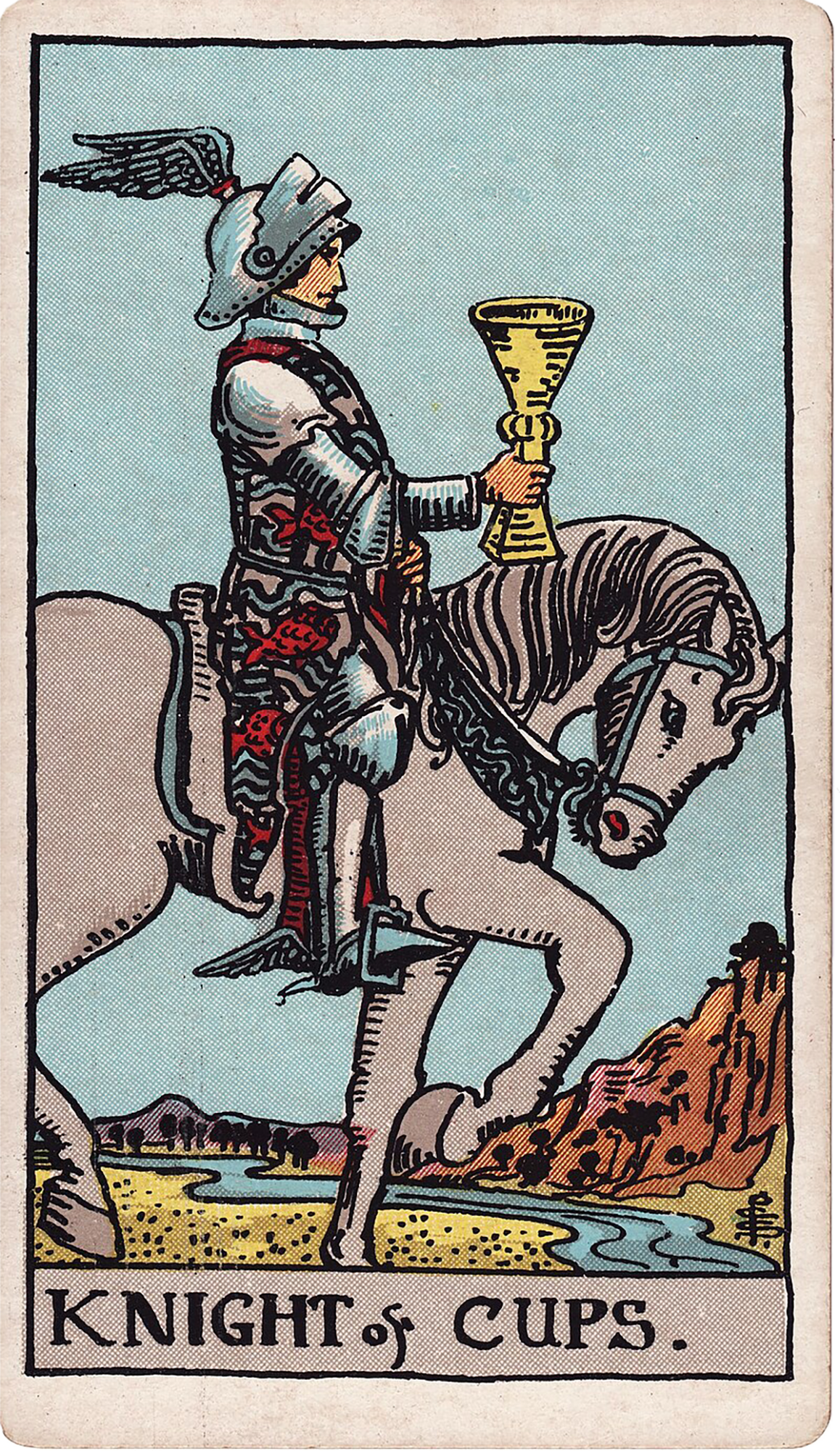 Knight of Cups
Historical Origins of the Knight of Cups
The Knight of Cups is one of the 16 court cards found in the traditional Tarot deck, which itself evolved from playing cards introduced in Europe during the 14th century. Rooted in medieval chivalry and courtly tradition, the Knight represents a youthful figure associated with action and movement, positioned between the pages and the kings in hierarchy. Traditionally, Knights symbolized messengers or agents of change, tasked with delivering news or advancing quests. Cups, as a suit, correspond to the element of water, standing for emotions, relationships, and intuition. The Knight of Cups thus historically emerged as an archetype of the emotional seeker or romantic adventurer—someone who pursues what the heart values with earnest intention. Rider-Waite-Smith, created in the early 20th century by Arthur Edward Waite and illustrated by Pamela Colman Smith, popularized this symbolism by portraying the Knight of Cups as a figure on horseback, carrying a cup delicately, suggesting grace, receptivity, and emotional purpose.
Traditional Rider-Waite-Smith Symbolism of the Knight of Cups
The Rider-Waite-Smith Knight of Cups offers a wealth of symbolism to inform interpretation. The Knight rides a white horse, a traditional symbol of purity and spiritual progress, suggesting that his quest is not merely physical but deeply emotional and idealistic. The horse’s slow, deliberate pace implies a controlled, thoughtful advance rather than reckless action. The Knight’s cup is ornate and held prominently, representing the offering or pursuit of emotional connection, creativity, or intuition. The water in the background, including a river or small waterfall, connects him to the Cups suit’s essential element—water—symbolizing fluidity, feelings, and subconscious undercurrents. The Knight wears armor, denoting protection and readiness, but it is not heavy or aggressive, reinforcing the card’s emphasis on grace and emotional intention rather than brute force. Together, these images suggest that the Knight of Cups is a messenger of the heart, guiding the seeker toward meaningful emotional experiences while maintaining a respectful, imaginative approach.
Upright Meaning and Practical Interpretations
Upright, the Knight of Cups invites the querent to pursue what the heart values with grace, imagination, and emotional intention. It signals a phase where emotional intelligence and receptivity are key. In readings, this card often points to situations that benefit from empathy, relationship-building, and intuitive insight. The card’s practical nature asks readers to consider the present stage of a situation—what actions are appropriate now rather than idealizing a distant or abstract goal. The Knight can indicate a person in the querent’s life or the querent themselves embodying the qualities of emotional openness, romantic pursuit, or creative inspiration. Despite this, the Knight is not a passive dreamer but an active quester, engaging with feelings deliberately and constructively. For example, if appearing in a relationship spread, the Knight of Cups might suggest an invitation to express feelings with sincerity or to pursue emotional growth gently yet purposefully. It also signals that emotional work may be underway that requires patience and sensitivity.
Reversed Meaning and Common Challenges
When reversed, the Knight of Cups highlights potential pitfalls related to the card’s core energies. Instead of healthy emotional pursuit, it may indicate moodiness, idealization, empty promises, or seduction without substance. The reversed Knight can reveal a person chasing fantasies instead of engaging with reality or struggling to align their feelings with their actions. This reversal often signals internal conflicts not openly visible to others—where emotional lessons are intellectually understood but not integrated. Rather than treating the reversed Knight as simply the opposite of the upright meaning, it is important to examine where the process has become stuck. Ask whether simplification, honest communication, or emotional release is needed. The reversal can serve as a prompt to shift from unrealistic expectations to grounded emotional work. For example, a reversed Knight of Cups might suggest a tendency to avoid difficult conversations or to cling to idealized notions of love that hinder genuine connection.
Common Questions About the Knight of Cups and How to Approach Them
Learners often have several recurring questions about the Knight of Cups, which we will address here: 1. Is the Knight of Cups always about romance? While the card frequently relates to romantic or emotional themes, it also encompasses broader emotional intelligence, creativity, and intuition. It can describe relationships of many kinds, including friendships or artistic endeavors. 2. How do I know if the Knight represents a person or a situation? Context within the spread and surrounding cards is crucial. If paired with other court cards or people-related cards, it may indicate a person. If surrounded by cards describing events or feelings, it might represent an emotional pattern or situation. 3. Can the Knight of Cups indicate bad news? Generally, Cups relate to emotional content rather than concrete news, but the Knight can carry messages about feelings or relationships that might be challenging. The tone depends heavily on surrounding cards. 4. How do I avoid mistaking fantasy for reality? Pay close attention to the reversed card’s guidance. If the Knight appears reversed or accompanied by cards showing confusion or illusion, it suggests a need to ground emotional expectations. 5. How does the Knight differ from other Cups court cards? Pages often symbolize beginnings or messages, Knights movement and pursuit, Queens emotional maturity and nurturing, and Kings authority and mastery. The Knight’s dynamic quality is key: he is the active seeker within the emotional realm.
Practical Techniques for Reading the Knight of Cups
To effectively incorporate the Knight of Cups into Tarot readings, consider the following techniques: 1. Observe Card Position: Note whether the card appears upright or reversed to determine the emotional tone and challenges. 2. Contextualize Within the Spread: Analyze the surrounding cards to identify whether the Knight represents a person, a situation, or an emotional state. 3. Visual Anchoring: Use the Knight’s imagery as a focal point. For example, the white horse’s calm posture reminds you to interpret the card’s energy as thoughtful and deliberate rather than impulsive. 4. Ask Present-Stage Questions: Instead of focusing on abstract ideals, ask what actions or feelings are appropriate and constructive at this moment. 5. Watch for Emotional Process Clues: The Knight emphasizes emotional tasks that are beginning, developing, or resolving. Identify these phases to guide interpretation. 6. Note Potential Reversals as Process Stuck Points: When reversed, consider what emotional blockages or unrealistic ideals need addressing. 7. Use Reflective Journaling: Encourage querents to journal about their current emotional quests and compare insights with the Knight’s themes. This deepens personal connection to the card’s message.
Common Mistakes to Avoid When Interpreting the Knight of Cups
Even experienced readers can fall into traps with the Knight of Cups. Some common mistakes include: 1. Over-Romanticizing: Automatically assuming the card means romantic love without considering other emotional or creative contexts can narrow interpretation unnecessarily. 2. Ignoring Reversal Nuance: Treating the reversed Knight simply as ‘bad news’ misses the card’s subtle cues about emotional process and internal blockages. 3. Neglecting Surrounding Cards: The Knight’s meaning relies heavily on spread context. Isolating it can lead to misreadings. 4. Forcing Idealism: While the Knight embodies imagination and heart’s desire, forcing unrealistic or abstract ideals into a reading ignores practical advice the card often offers. 5. Confusing the Knight with Other Cups Court Cards: Each court card has a distinct energy. Confusing the Knight’s active pursuit with the Page’s beginnings or the Queen’s nurturing dilutes clarity. 6. Misreading as Passive: The Knight is not a passive figure; overlooking his agency and action orientation undermines the depth of interpretation.
Summary and Final Reflection
The Knight of Cups serves as a rich symbol within Tarot, combining historical tradition, layered symbolism, and practical interpretive value. Rooted in medieval chivalry and refined by Rider-Waite-Smith’s evocative imagery, the Knight embodies the dynamic pursuit of emotional meaning with grace and imagination. Upright, the card encourages heartfelt action grounded in present reality; reversed, it signals the need to confront emotional idealization or blockages. Understanding the Knight of Cups involves balancing appreciation for its traditional symbolism with awareness of context and emotional process within a reading. By avoiding common pitfalls and applying practical techniques, learners can deepen their Tarot practice and provide nuanced readings that honor the card’s enduring legacy.
Practice questions
• In what areas of your life are you currently pursuing emotional or creative fulfillment like the Knight of Cups?
• How can you balance idealism and practical action when following your heart’s desires?
• Have you noticed instances when emotional intentions became stuck or distorted, similar to the reversed Knight of Cups? How did you address them?
• When reading the Knight of Cups, how do you distinguish whether it represents a person, situation, or emotional process in the querent’s life?
• What techniques help you anchor your interpretation in the card’s imagery rather than abstract ideas?
Comments
Sign in to comment.
Continue learning
Interpreting the Dance of Justice and The Devil: Balancing Morality and Temptation in Tarot Readings
The combination of Justice and The Devil in tarot presents a profound exploration of morality, temptation, and personal accountability. This article unpacks how these cards influen...
Advanced Techniques for Combining The Moon and The Star to Enhance Intuition in Tarot Readings
This article explores advanced techniques to combine the symbolism and energy of The Moon and The Star Tarot cards to enhance intuition during Tarot readings. Drawing from traditio...
Unlocking Life Insights with the Celtic Cross Tarot Spread
This article offers a thorough exploration of the Celtic Cross Tarot Spread, focusing on its application within family and practical life contexts. Using a worked example featuring...
Unlocking Hidden Meanings with The Hermit and The Hanged Man for Spiritual Growth
This article offers an in-depth exploration of The Hermit and The Hanged Man Tarot cards focusing on their roles in spiritual growth. It guides readers through beginner and advance...
Unlocking Personal Insight with the Seven Card Horseshoe Spread
The Seven Card Horseshoe Spread is a practical and insightful Tarot layout ideal for exploring personal and family dynamics. This article breaks down each position—Past, Present, H...
Mastering the Court Cards of Wands for Unlocking Personal Drive and Leadership
The Court Cards of Wands represent a dynamic spectrum of personal energy, ambition, and leadership potential within the Minor Arcana. This article offers a comprehensive exploratio...
Tracing the Origins and Evolution of The Fool Card in Tarot History
The Fool card holds a foundational place in tarot tradition, symbolizing beginnings, openness, and the embrace of uncertainty. This article traces its origins from early European d...
Techniques for Reading Court Cards to Unlock Personality Insights
Court cards in Tarot often represent people, personality traits, or energy patterns within a situation. This article offers a structured approach for beginners and advanced readers...
Unlocking Emotional Transformation with Death and The Moon Tarot Combination
This article explores the rich and complex interaction between the Death and The Moon tarot cards within the Rider-Waite-Smith tradition, focusing on their combined potential to un...
Applying The Star Card to Foster Hope and Renewal in Personal Growth
The Star card in Tarot symbolizes hope, authenticity, and the process of steady renewal. In a single-card reading, The Star encourages embracing what is present, cultivating openne...