
Uncovering the Historical Origins and Common Questions About the Suit of Pentacles
The Suit of Pentacles, rooted deeply in history and tradition, symbolizes the material and practical aspects of life including work, resources, health, and stability. This article delves into its historical origins tracing back to medieval and Renaissance symbolism, explores the family traditions that shaped its interpretation, and addresses common questions tarot practitioners face. By closely examining the Ace, 2, and 3 of Pentacles cards, learners will acquire practical reading techniques and interpretation logic grounded in Rider-Waite-Smith symbolism. The article also clarifies frequent misunderstandings and offers reflective questions to deepen understanding and skill in reading the Pentacles suit effectively.
Cards explored in this article
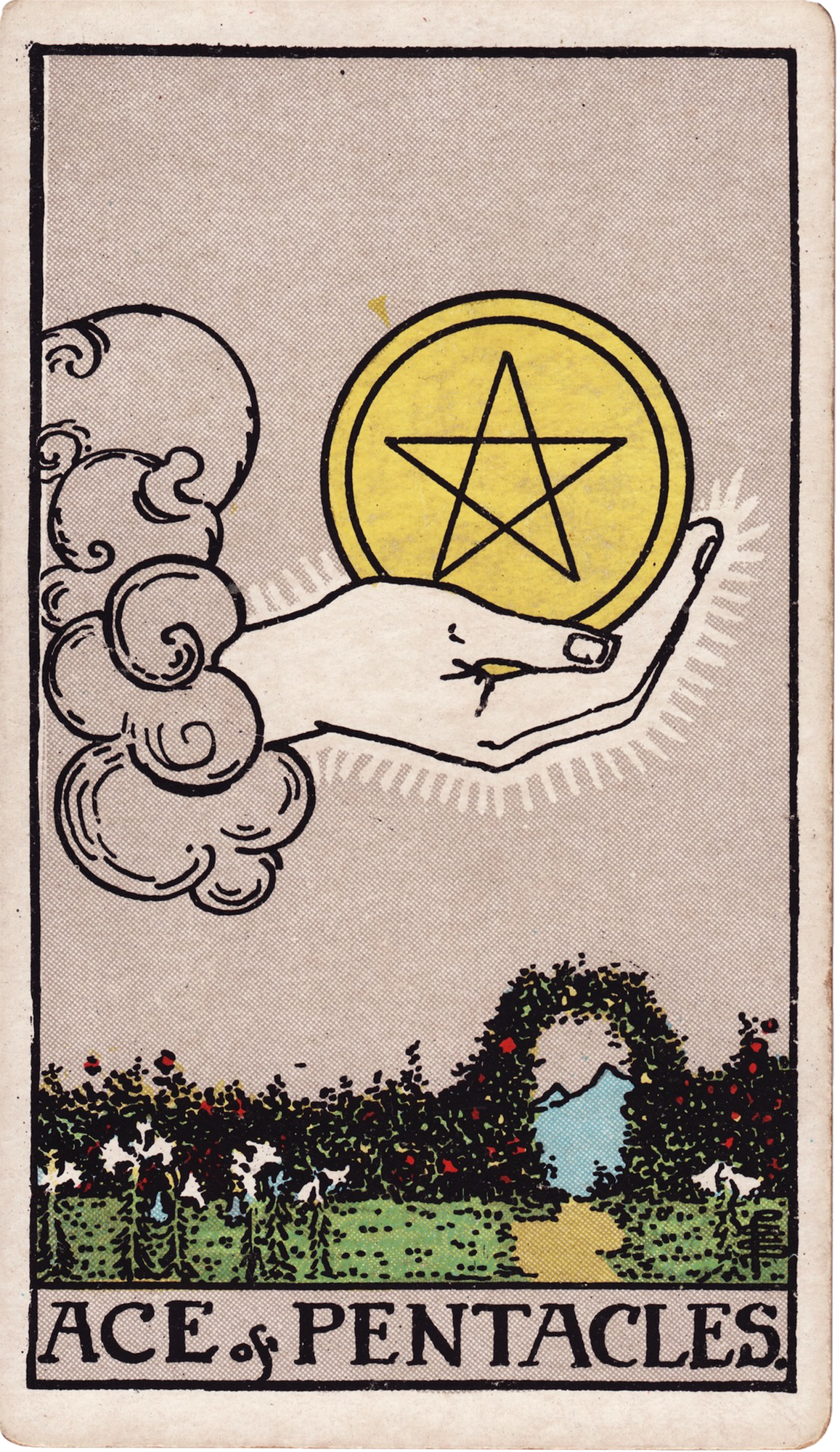 Ace of Pentacles
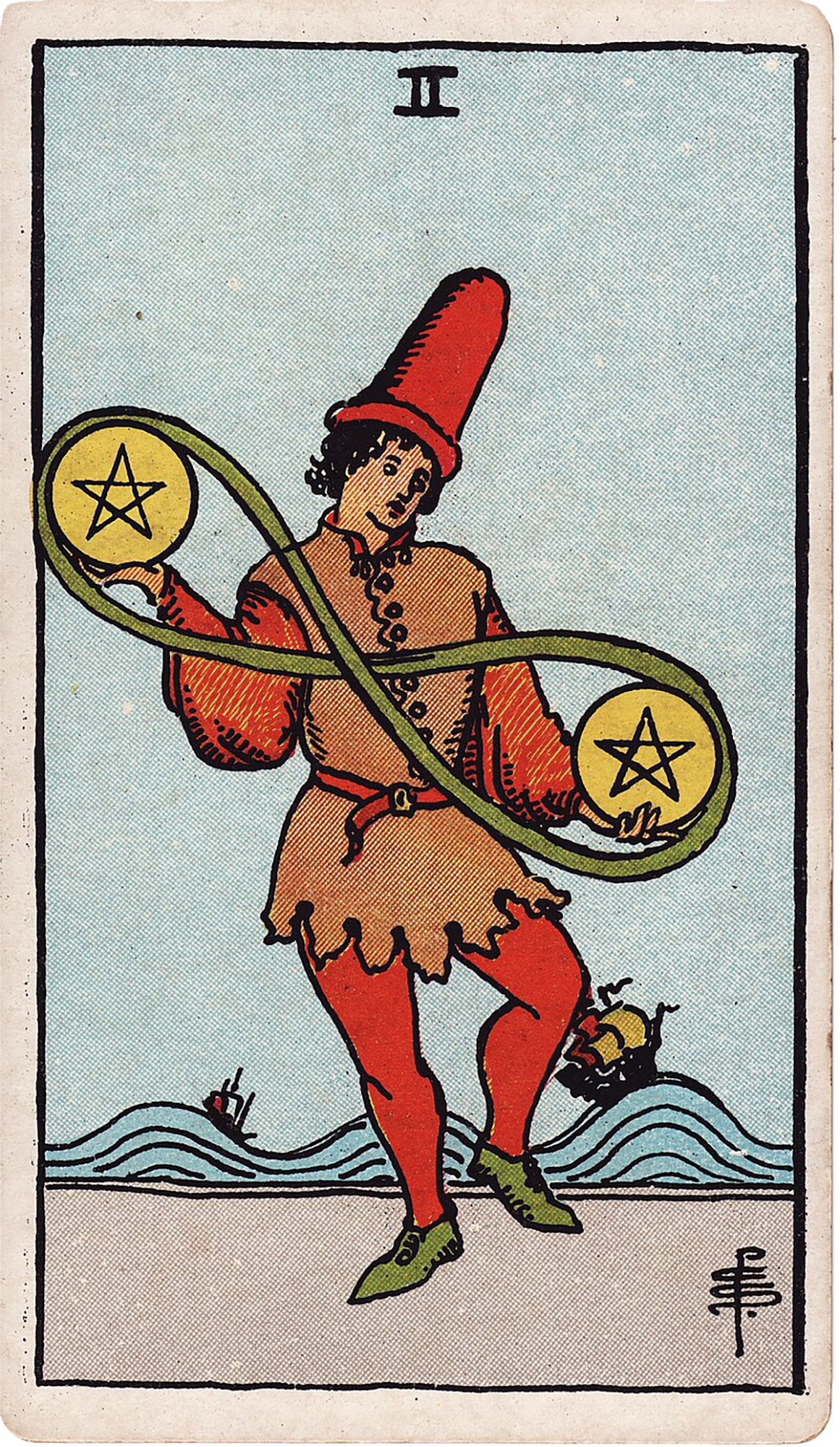 2 of Pentacles
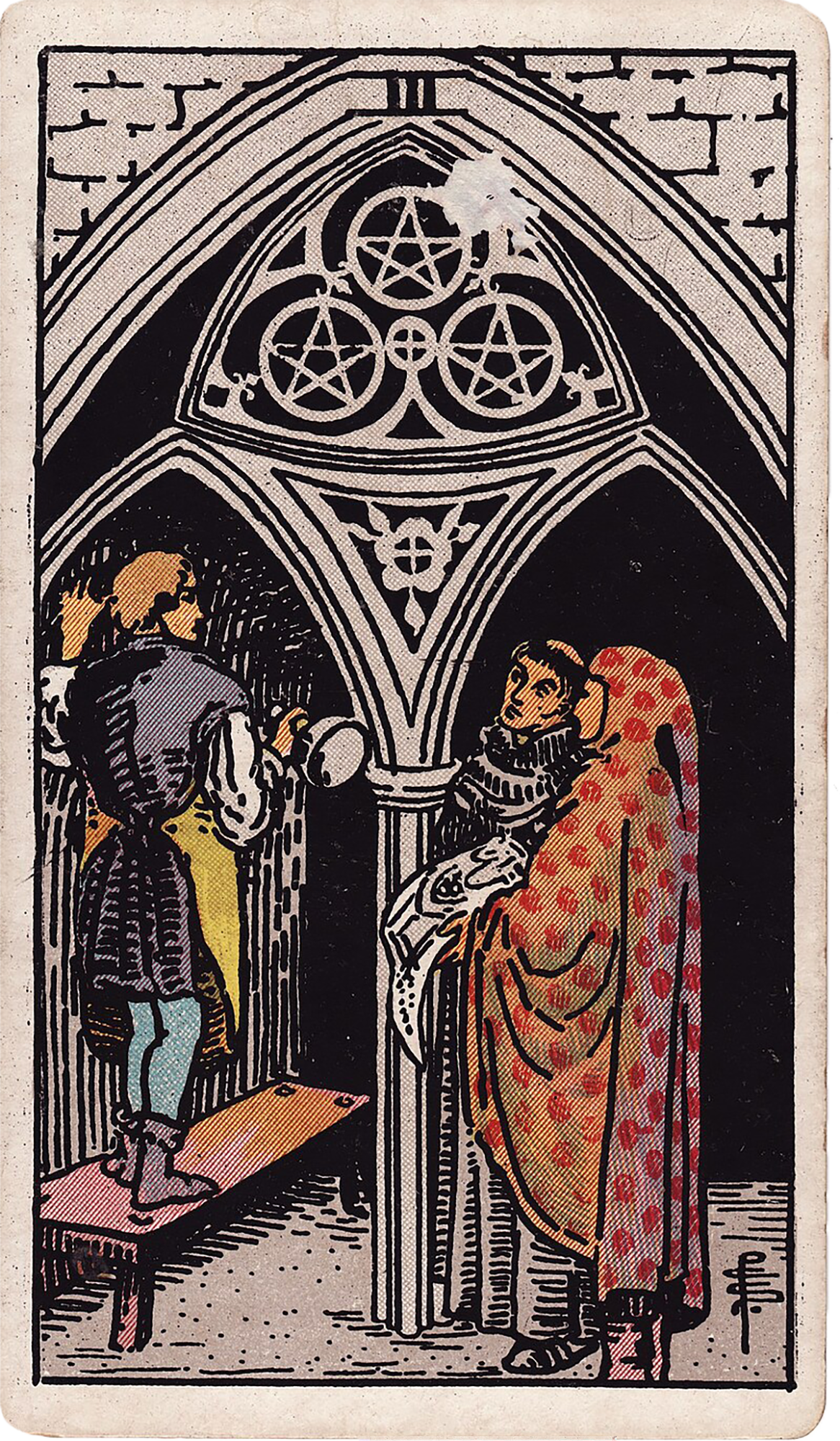 3 of Pentacles
Historical Origins of the Suit of Pentacles
The Suit of Pentacles finds its roots in the traditional playing card suits that evolved into tarot decks during the Renaissance period, especially in Europe. Historically linked to the element Earth, Pentacles represent tangible, material concerns including wealth, work, health, and physical resources. The pentacle itself, a five-pointed star within a circle, traditionally symbolizes protection and the unity of the five elements, emphasizing groundedness and the physical realm. This suit was often associated with merchants and artisans, reflecting societal roles tied to the accumulation and management of resources. In the Rider-Waite-Smith deck, the pentacle coin visually echoes this heritage, reinforcing themes of practical value and material manifestation. Understanding this historical context helps readers appreciate why the suit focuses on everyday, material realities rather than abstract ideals.
Family Traditions and Symbolism in the Suit of Pentacles
Within tarot traditions passed down through families and occult societies, the Suit of Pentacles is often linked to lessons about responsibility, diligence, and the long-term effects of one’s actions. The cards emphasize how physical and economic stability affects not only the individual but their familial and social networks. For example, the Ace of Pentacles signals the start of a new material opportunity requiring practical attention, much like planting a seed that will grow through consistent effort. This reflects a tradition of valuing steady progress and care in one’s affairs. The 2 of Pentacles shows the need for balance and adaptability amid changing priorities, a lesson many families can relate to when juggling multiple responsibilities. The 3 of Pentacles celebrates collaboration and the recognition of collective expertise, underlining the tradition that success often depends on teamwork and shared contributions. These family and cultural traditions enrich the cards’ meanings and provide a grounding framework for interpretation.
Analyzing the Ace of Pentacles in Practical Readings
The Ace of Pentacles symbolizes a concrete beginning or resource that holds potential value. Its upright meaning encourages readers to focus on real-world opportunities that can be nurtured into lasting success. Visually, the large pentacle held up by a hand emerging from a cloud represents an offer or gift from the universe, signaling that practical effort can yield tangible rewards. In readings, this card often points to work, health, or financial ventures requiring consistent care rather than abstract ideals. The reversed Ace warns of missed chances, poor planning, or scarcity mindset—indicating internal blocks or external obstacles to establishing a solid foundation. When interpreting this card, consider where the querent might be resisting practical tasks or failing to recognize the groundwork needed for growth. Use surrounding cards to discern whether the opportunity is just beginning to manifest or if it has stalled.
Understanding the 2 of Pentacles and Managing Change
The 2 of Pentacles is a card of active balance and flexibility. Its imagery shows a figure juggling two pentacles connected by an infinity loop, symbolizing the continuous need to manage shifting priorities and resources. Upright, this card encourages adaptability and maintaining equilibrium amidst change rather than seeking perfect stillness. It reminds the reader that practical success often requires ongoing adjustments and responsiveness to circumstance. The reversal highlights struggles with overcommitment, disorganization, or financial strain, pointing to moments when the juggling act becomes unsustainable. In readings, it is important not to view the reversed meaning simply as the opposite of upright but as an indication of where the process is stuck—perhaps needing simplification or better communication. Pairing this card with others helps clarify what specific areas of life require rebalancing.
Collaboration and Skill Development in the 3 of Pentacles
The 3 of Pentacles illustrates the importance of teamwork, skill refinement, and mutual respect. Traditionally, it depicts a craftsman working on a cathedral while two figures discuss plans, highlighting the value of collaborative effort and differing expertise. Upright, this card encourages readers to see how progress improves through feedback, planning, and shared goals. It signals that long-term stability is often the product of collective work rather than isolated achievement. When reversed, the card points to poor teamwork, low standards, or difficulty accepting constructive criticism. It suggests where the process has become blocked—perhaps due to ego, misunderstanding, or lack of recognition. Practical reading advice includes exploring where cooperation can be improved or where outside input might be beneficial. This card teaches a vital lesson that material stability grows strongest when supported by community and respect.
Common Questions About the Suit of Pentacles and How to Address Them
Many learners encounter recurring questions when working with the Suit of Pentacles. One common query is how to distinguish between material concerns and spiritual or emotional themes—Pentacles primarily deals with the physical realm, but it also reflects the body and health, linking closely to overall wellbeing. Another frequent question involves reversal meanings; as illustrated by the Ace, 2, and 3 of Pentacles, reversals are not solely negative but point to where growth is stuck or blocked. Readers are encouraged to explore what needs simplifying, acknowledging, or communicating before the upright energy can return. A third common issue is balancing practicality with intuition: Pentacles call for pragmatic actions but should be interpreted in context with other suits to avoid overly rigid readings. Finally, learners often ask how to incorporate family and cultural tradition into their readings; understanding the suit’s historical connections to work and community can deepen interpretation and provide richer insights.
Practical Techniques for Reading the Suit of Pentacles
When reading Pentacles, focus on the concrete details of the querent’s situation: finances, health routines, work, craftsmanship, or resource management. Use imagery carefully—observe the pentacles themselves, the body language of figures, and environmental cues in each card. For example, the Ace’s hand emerging from clouds suggests divine opportunity but grounded in practical action. The 2’s flowing infinity loop shows ongoing movement requiring balance, while the 3’s collaborative scene highlights the value of teamwork. Always contextualize each card within the broader spread to see where a pattern is emerging—whether the energy is initiating, developing, under pressure, or moving toward resolution. Avoid treating reversals as simply negative; instead, ask reflective questions about what is stuck internally or externally. Encourage querents to consider what practical steps or mindset shifts might help restore balance and growth. Using journaling or dialogue to explore these themes can enhance insight and integration.
Common Misinterpretations and How to Avoid Them
One frequent mistake is interpreting the Suit of Pentacles too rigidly as only about money or material wealth. While finances are an element, Pentacles also concern health, routine, and physical well-being. Another error is assuming reversals mean failure or negativity rather than signals for where work is needed. For example, the reversed Ace of Pentacles is not simply a bad omen but a prompt to examine missed opportunities or internal resistance. Similarly, the 2 and 3 reversed often highlight where processes are stuck or require new approaches. Avoid reading these cards in isolation; always integrate with the spread’s overall narrative and the querent’s context. Beginners sometimes neglect the suit’s connection to time and effort—Pentacles often emphasize long-term stability rather than instant results. Patience and practical follow-through are critical themes often overlooked. Finally, do not ignore the symbolic family and cultural traditions shaping these cards, as understanding these enriches your interpretive depth.
Practice questions
• How does understanding the historical origins of the Suit of Pentacles deepen your appreciation of its meanings?
• In what ways can family and cultural traditions influence the interpretation of Pentacles in a reading?
• When you see the Ace of Pentacles in a spread, what practical opportunities might it be pointing to in the querent’s life?
• How can recognizing the active balance symbolized by the 2 of Pentacles improve your reading accuracy?
• What lessons about collaboration and skill development does the 3 of Pentacles offer, and how can these be applied beyond the reading?
• How might reversing the Pentacles cards reveal internal blocks rather than external failures in a querent’s situation?
• What practical steps can you suggest to a querent when the Pentacles indicate stuck or challenging material circumstances?
Comments
Sign in to comment.
Continue learning
Interpreting the Dance of Justice and The Devil: Balancing Morality and Temptation in Tarot Readings
The combination of Justice and The Devil in tarot presents a profound exploration of morality, temptation, and personal accountability. This article unpacks how these cards influen...
Advanced Techniques for Combining The Moon and The Star to Enhance Intuition in Tarot Readings
This article explores advanced techniques to combine the symbolism and energy of The Moon and The Star Tarot cards to enhance intuition during Tarot readings. Drawing from traditio...
Unlocking Life Insights with the Celtic Cross Tarot Spread
This article offers a thorough exploration of the Celtic Cross Tarot Spread, focusing on its application within family and practical life contexts. Using a worked example featuring...
Unlocking Hidden Meanings with The Hermit and The Hanged Man for Spiritual Growth
This article offers an in-depth exploration of The Hermit and The Hanged Man Tarot cards focusing on their roles in spiritual growth. It guides readers through beginner and advance...
Unlocking Personal Insight with the Seven Card Horseshoe Spread
The Seven Card Horseshoe Spread is a practical and insightful Tarot layout ideal for exploring personal and family dynamics. This article breaks down each position—Past, Present, H...
Mastering the Court Cards of Wands for Unlocking Personal Drive and Leadership
The Court Cards of Wands represent a dynamic spectrum of personal energy, ambition, and leadership potential within the Minor Arcana. This article offers a comprehensive exploratio...
Tracing the Origins and Evolution of The Fool Card in Tarot History
The Fool card holds a foundational place in tarot tradition, symbolizing beginnings, openness, and the embrace of uncertainty. This article traces its origins from early European d...
Techniques for Reading Court Cards to Unlock Personality Insights
Court cards in Tarot often represent people, personality traits, or energy patterns within a situation. This article offers a structured approach for beginners and advanced readers...
Unlocking Emotional Transformation with Death and The Moon Tarot Combination
This article explores the rich and complex interaction between the Death and The Moon tarot cards within the Rider-Waite-Smith tradition, focusing on their combined potential to un...
Applying The Star Card to Foster Hope and Renewal in Personal Growth
The Star card in Tarot symbolizes hope, authenticity, and the process of steady renewal. In a single-card reading, The Star encourages embracing what is present, cultivating openne...