
Uncovering the Historical Origins and Symbolism of the Suit of Swords in Tarot
This article delves into the historical origins and rich symbolism of the Suit of Swords in Tarot, focusing on its roots in medieval and Renaissance traditions. Anchored by detailed study of the Ace, Page, and Knight of Swords from the Rider-Waite-Smith deck, it explains how these cards embody the suit's themes of intellect, communication, conflict, and decisiveness. Readers will gain practical advice for interpretation, common pitfalls to avoid, and methods for integrating the suit's meanings into readings that emphasize mental clarity and strategic action.
Cards explored in this article
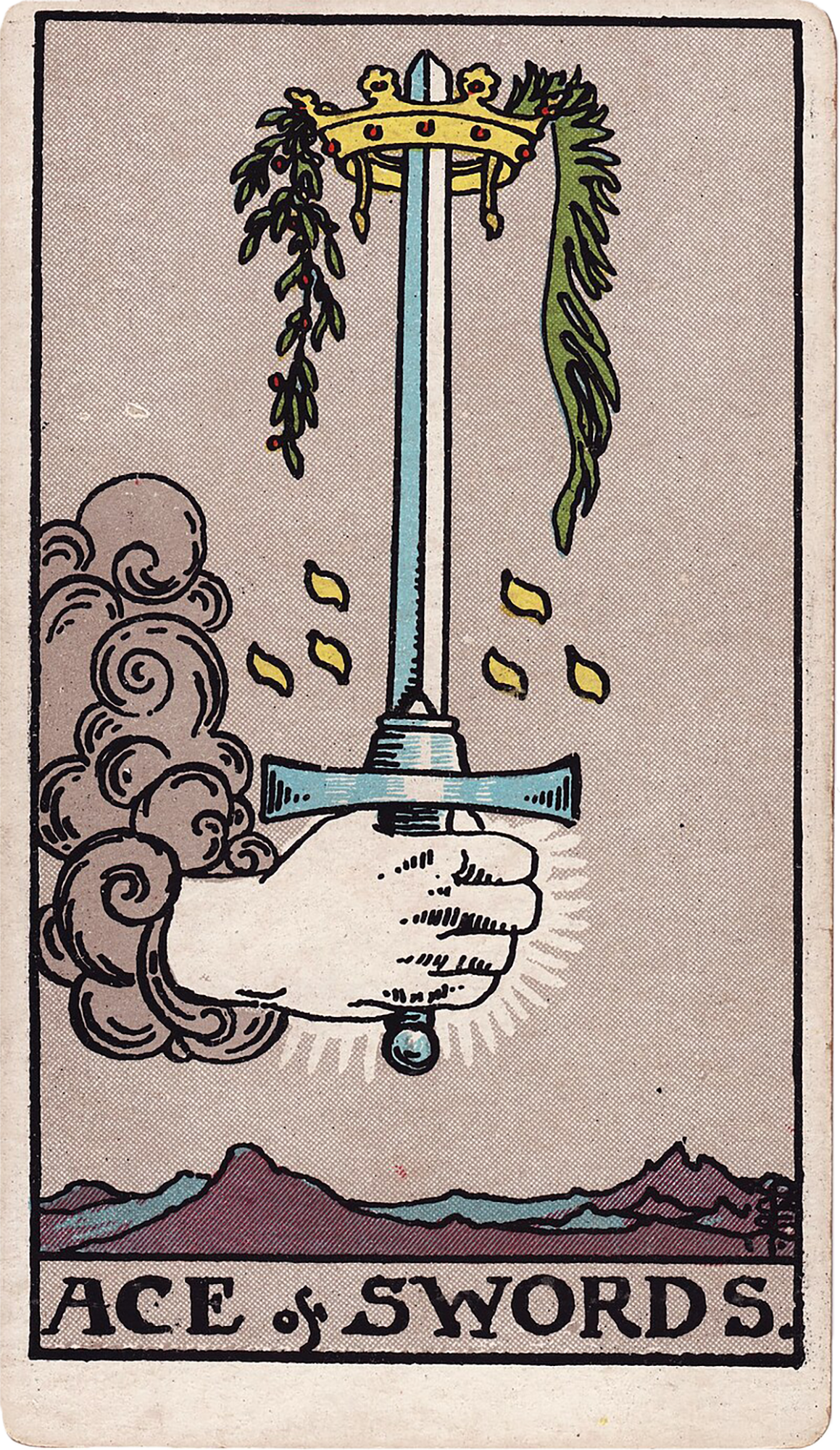 Ace of Swords
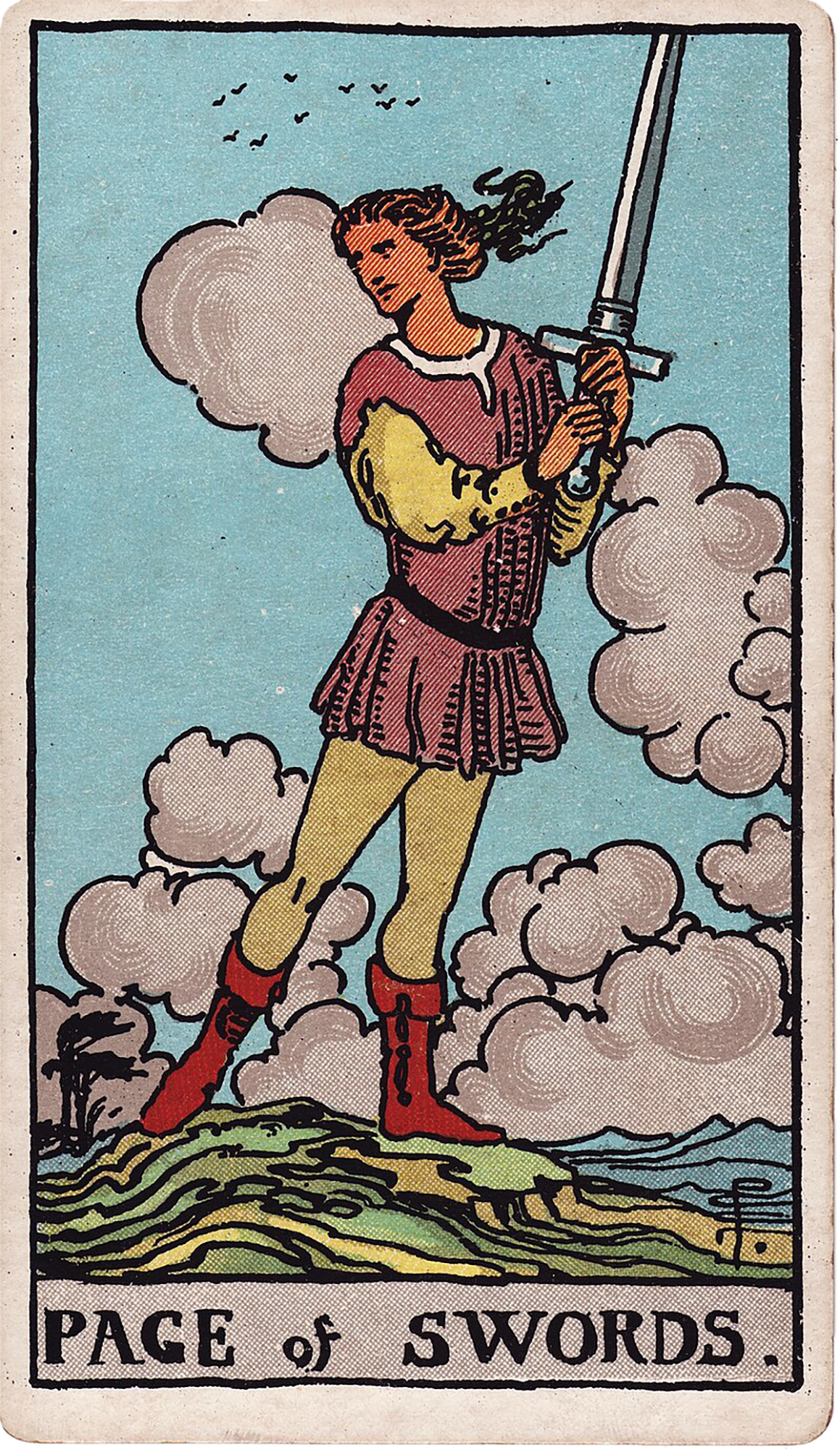 Page of Swords
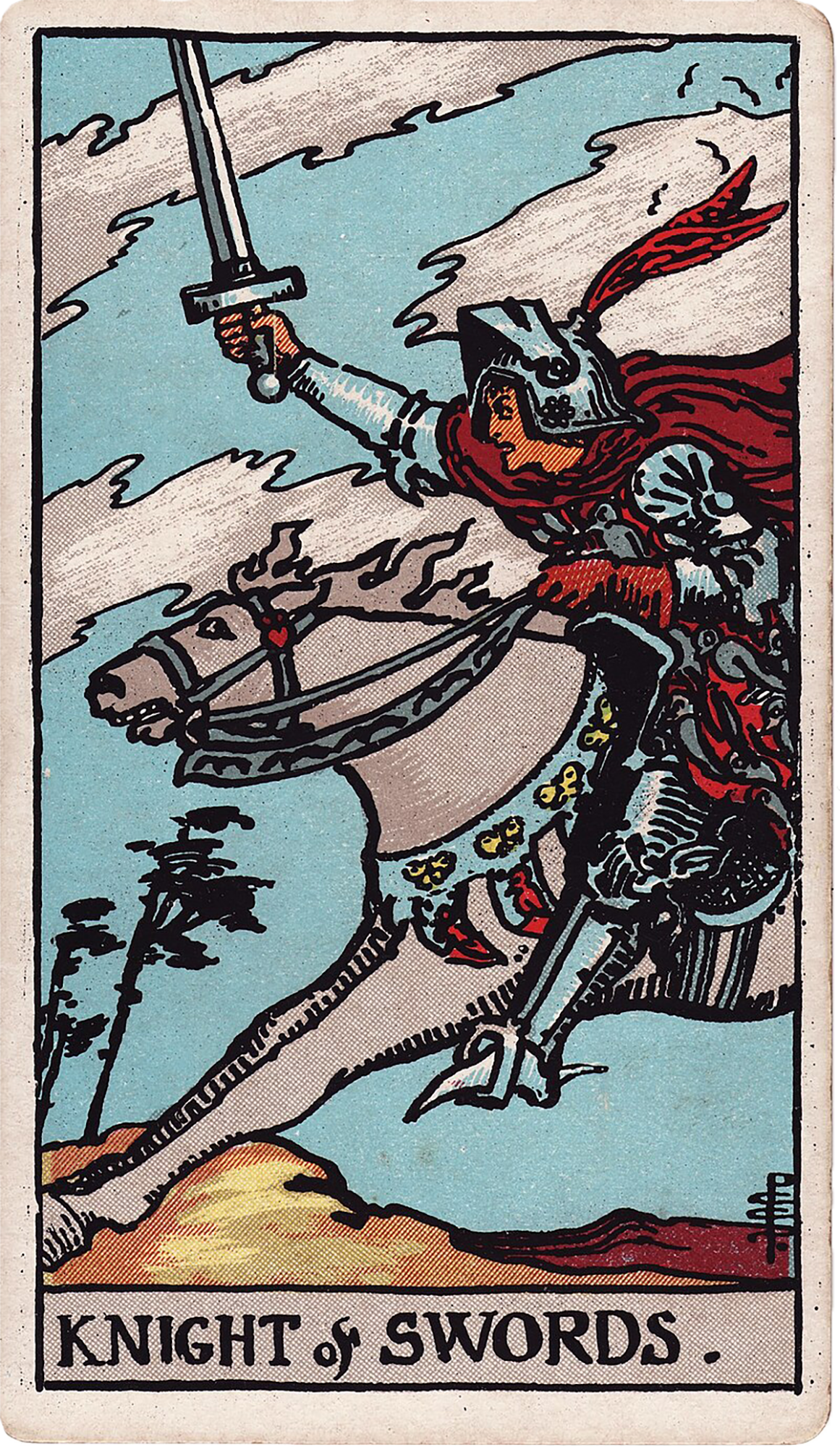 Knight of Swords
Historical Origins of the Suit of Swords
The Suit of Swords is one of the four traditional suits found in Tarot decks, with its origins traceable to the Latin-suited playing cards of the late 14th and early 15th centuries. These decks, emerging in Italy and Spain, featured suits representing weapons, coins, cups, and batons — predecessors to the Tarot suits of Swords, Pentacles, Cups, and Wands. Swords symbolized warfare, authority, and the intellect, reflecting a society where the use of the sword was often associated with nobility and justice. Over time, as Tarot evolved into a tool for divination, the Suit of Swords became linked not only to conflict and strife but also to the mental faculties of thought, communication, and decision-making. The Rider-Waite-Smith deck, created in the early 20th century, solidified much of this symbolism through detailed illustrations and esoteric intention, making it the most widely recognized Tarot tradition today.
Symbolism and Themes Found in the Suit of Swords
The Suit of Swords traditionally represents the element of Air, which corresponds to the mind, intellect, and communication. The sword itself is a powerful symbol: a tool for cutting through illusion and confusion, but also a weapon that can cause harm if misused. This dual nature is essential when reading cards from this suit. Swords embody clarity, truth, and the power of reason, but they also highlight conflict, challenge, and the consequences of choices. For example, the Ace of Swords illustrates a sharp new insight or decisive moment that clears confusion and enables focused action. Meanwhile, court cards such as the Page and Knight of Swords represent different facets of mental energy and communication—curiosity and vigilance in the Page, swift action and assertiveness in the Knight. These cards invite readers to consider how mental habits and communication styles shape a situation.
Detailed Exploration of the Ace of Swords
The Ace of Swords is often seen as the purest expression of the suit's themes. In the Rider-Waite-Smith imagery, the Ace features a single upright sword cutting through the clouds, crowned with a laurel wreath symbolizing victory and clarity. Upright, this card signals a breakthrough in understanding—an intellectual or communicative moment that dispels confusion and allows for decisive responses. The card reminds readers to focus on what practical, present-focused action fits the current stage of the situation. Reversed, the Ace of Swords warns against the misuse of logic or truth as a weapon, premature judgments, or internal confusion that is not yet openly visible. Instead of a simple negative interpretation, it calls for a deeper look at where the process is stuck and what mental habits require adjustment before clarity can return.
Understanding the Page of Swords and Its Role in Readings
The Page of Swords depicts a youthful figure alert and watchful, holding a sword upright and ready to engage. This card is rich with symbolism of mental curiosity, vigilance, and the desire to gather information. It encourages an inquisitive but cautious approach to communication and thought, reflecting the energy of learning and questioning. When upright, the Page suggests that the querent or situation benefits from asking questions, staying alert, and gathering facts. Reversed, it may point to scattered thoughts, gossip, defensiveness, or speaking without full understanding. As with the Ace, the reversed Page is not simply bad but signals the need to identify where communication or mental focus is misdirected or blocked, encouraging readers to reflect on what needs to be clarified or released.
The Knight of Swords and Its Dynamic Energy
The Knight of Swords is an image of swift and decisive action: a mounted figure charging forward with sword drawn, embodying courage, intellectual force, and the ability to cut through delay or confusion. Upright, this card highlights a readiness to confront challenges head-on, often representing someone who acts with conviction and mental clarity. It encourages readers to recognize when decisive communication or strategy is required. However, the Knight's energy can become reckless or aggressive when reversed, signaling a loss of nuance, tunnel vision, or verbal force that disregards consequences. The reversal invites reflection on whether speed and decisiveness are overshadowing needed caution and understanding. Interpreters should observe surrounding cards to see whether this energy is constructive or spiraling into impulsiveness.
Practical Reading Techniques for the Suit of Swords
When reading the Suit of Swords, it is crucial to focus on the intellectual and communicative aspects of the querent’s situation rather than assuming physical conflict. Start by identifying the stage of mental or communicative energy: is the card presenting a new insight (like the Ace of Swords), an emerging curiosity (Page), or an active challenge (Knight)? Consider the card’s orientation and surrounding cards to nuance the interpretation. Pay attention to whether the card’s energy is constructive—cutting through confusion, clarifying truth—or if it’s stuck in reversal, indicating miscommunication, harshness, or internal conflict. Avoid over-simplifying reversed cards as merely negative; instead, use them as signals for areas needing reflection or adjustment. Combining this with an understanding of the elemental Air qualities—thought, reason, clarity, and communication—enables readings that are both practical and insightful.
Common Reading Mistakes and How to Avoid Them
One frequent mistake when interpreting the Suit of Swords is equating all sword cards with conflict or negativity. While swords do represent challenge, they also symbolize mental clarity and truth. Another error is treating reversed cards as simple opposites of upright meanings; this reduces the complex insights reversals can provide about where thought processes or communication are blocked or unhealthy. Additionally, ignoring the context of surrounding cards can lead to shallow readings. The Suit of Swords works best when linked to the querent’s mental patterns and communication dynamics, so interpretations should consider the querent’s situation, questions, and emotional state. Finally, avoid reading physical violence into swords unless the question or spread specifically addresses it. The suit is primarily about the mental and communicative realms.
Integrating the Suit of Swords into Family History and Tradition Readings
When using the Suit of Swords in readings focused on family history or tradition, the cards often highlight patterns of communication, inherited mental habits, or conflicts that shape family dynamics. For instance, the Ace of Swords may reveal moments when clear communication or decisive action changed the course of family events. The Page of Swords can indicate curiosity about family stories or the need to ask hard questions to uncover truths. The Knight of Swords might represent an ancestor known for decisiveness or a family tendency toward swift judgment or argumentative communication. By understanding these cards through the lens of mental and communicative energy, readers can help querents explore how family traditions influence present thought patterns and interpersonal dynamics.
Reflection and Application for Learners
Learners should approach the Suit of Swords as a tool for exploring the intellect and communication—not as a harbinger of doom. Reflect on your own mental habits and how you wield your 'sword' of thought and speech. Practice interpreting the supplied cards—the Ace, Page, and Knight of Swords—not only in isolation but within sample spreads. Ask yourself where clarity is emerging, where curiosity invites deeper questioning, and where rapid action might require tempering with reflection. Use reversals to explore internal blocks rather than simply negative outcomes. With consistent practice, the Suit of Swords becomes a powerful lens for understanding both the querent’s inner world and the external communication challenges they face.
Practice questions
• How does the symbolism of the sword as both a tool for clarity and a weapon influence your interpretation of the Suit of Swords?
• In what ways can the Ace of Swords help you identify moments of intellectual breakthrough in a reading?
• What does the Page of Swords teach about the importance of vigilance and curiosity in communication?
• How can the Knight of Swords’ energy be balanced to avoid recklessness while maintaining decisiveness?
• When reversed, how can Sword cards guide you to recognize internal mental or communicative blocks rather than simply indicating negativity?
• How might family history and tradition influence the patterns revealed by Sword cards in a reading?
Comments
Sign in to comment.
Continue learning
Interpreting the Dance of Justice and The Devil: Balancing Morality and Temptation in Tarot Readings
The combination of Justice and The Devil in tarot presents a profound exploration of morality, temptation, and personal accountability. This article unpacks how these cards influen...
Advanced Techniques for Combining The Moon and The Star to Enhance Intuition in Tarot Readings
This article explores advanced techniques to combine the symbolism and energy of The Moon and The Star Tarot cards to enhance intuition during Tarot readings. Drawing from traditio...
Unlocking Life Insights with the Celtic Cross Tarot Spread
This article offers a thorough exploration of the Celtic Cross Tarot Spread, focusing on its application within family and practical life contexts. Using a worked example featuring...
Unlocking Hidden Meanings with The Hermit and The Hanged Man for Spiritual Growth
This article offers an in-depth exploration of The Hermit and The Hanged Man Tarot cards focusing on their roles in spiritual growth. It guides readers through beginner and advance...
Unlocking Personal Insight with the Seven Card Horseshoe Spread
The Seven Card Horseshoe Spread is a practical and insightful Tarot layout ideal for exploring personal and family dynamics. This article breaks down each position—Past, Present, H...
Mastering the Court Cards of Wands for Unlocking Personal Drive and Leadership
The Court Cards of Wands represent a dynamic spectrum of personal energy, ambition, and leadership potential within the Minor Arcana. This article offers a comprehensive exploratio...
Tracing the Origins and Evolution of The Fool Card in Tarot History
The Fool card holds a foundational place in tarot tradition, symbolizing beginnings, openness, and the embrace of uncertainty. This article traces its origins from early European d...
Techniques for Reading Court Cards to Unlock Personality Insights
Court cards in Tarot often represent people, personality traits, or energy patterns within a situation. This article offers a structured approach for beginners and advanced readers...
Unlocking Emotional Transformation with Death and The Moon Tarot Combination
This article explores the rich and complex interaction between the Death and The Moon tarot cards within the Rider-Waite-Smith tradition, focusing on their combined potential to un...
Applying The Star Card to Foster Hope and Renewal in Personal Growth
The Star card in Tarot symbolizes hope, authenticity, and the process of steady renewal. In a single-card reading, The Star encourages embracing what is present, cultivating openne...