
Understanding Leadership and Responsibility Lessons from the Knight Queen and King of Pentacles
This article explores the leadership and responsibility themes embodied by the Knight, Queen, and King of Pentacles in the Minor Arcana court cards. Focusing on the family suit of Pentacles, it examines how these cards teach about steady progress, practical nurture, and mature stewardship. By analyzing their Rider-Waite-Smith imagery and upright and reversed meanings, the article offers learners a grounded framework for interpreting these cards in Tarot spreads. Practical reading techniques, common interpretative pitfalls, and contextual applications are discussed to enrich understanding of how these cards reveal lessons about managing resources, work ethic, and the balance between personal and communal responsibility.
Cards explored in this article
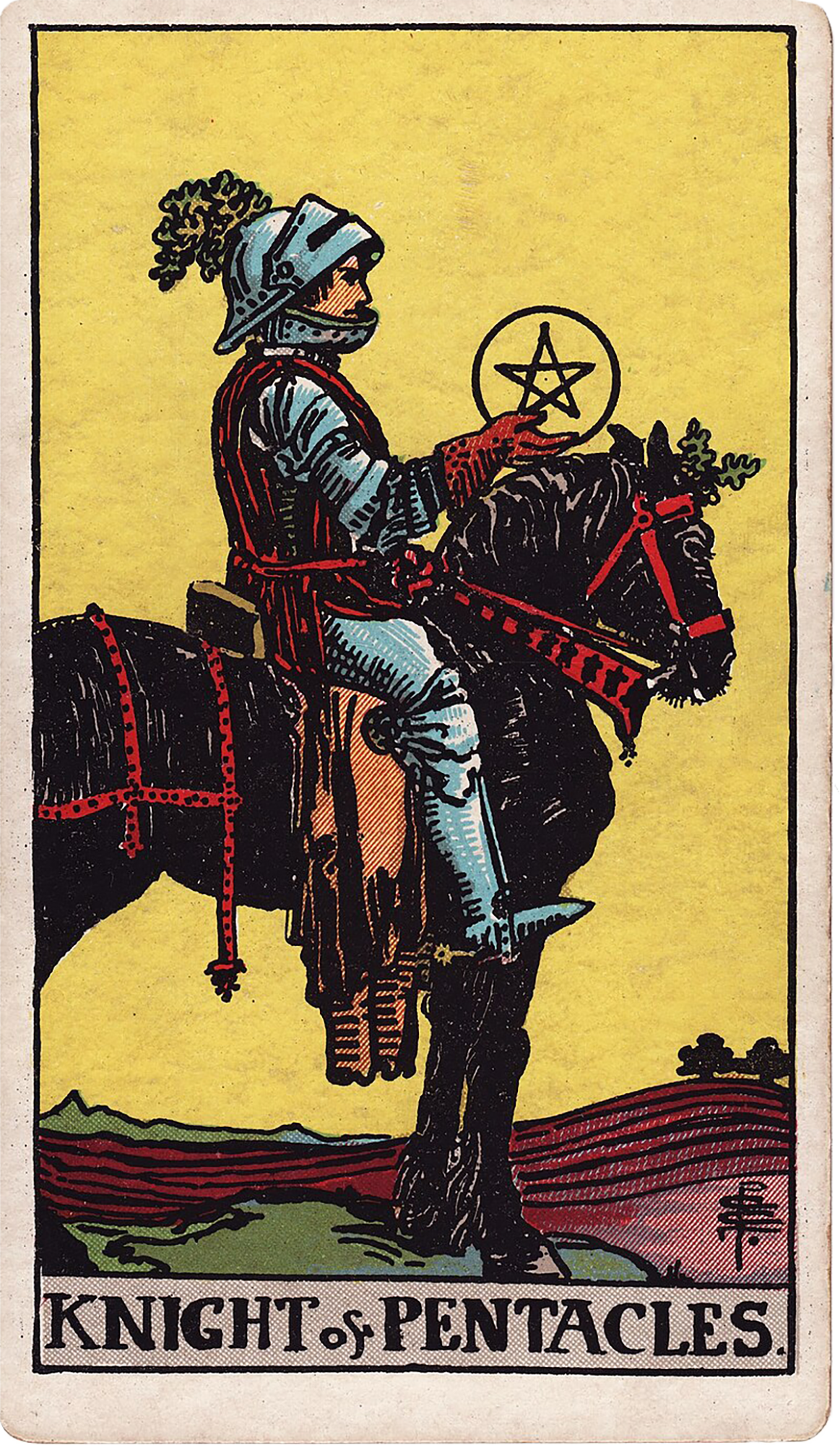 Knight of Pentacles
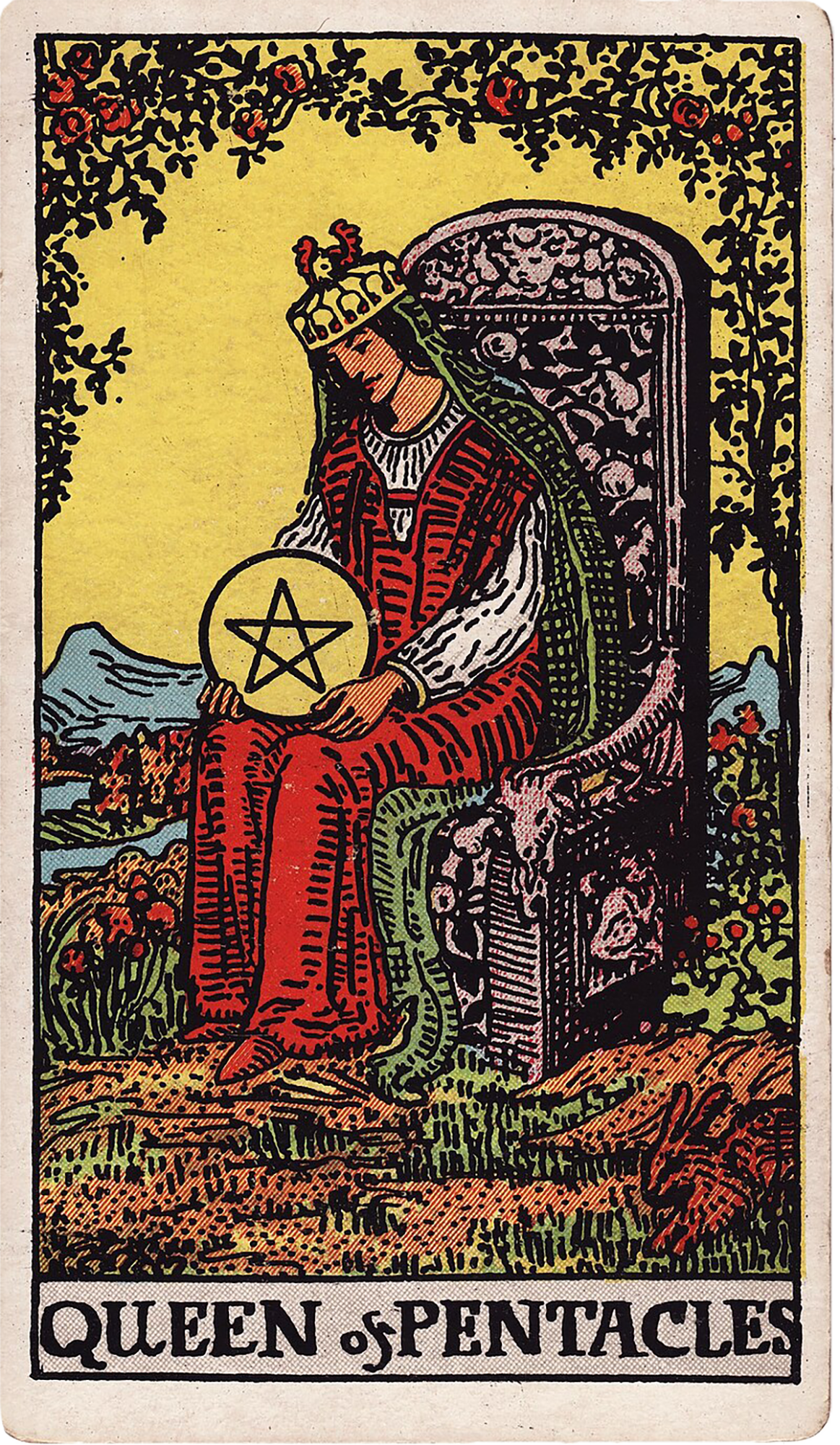 Queen of Pentacles
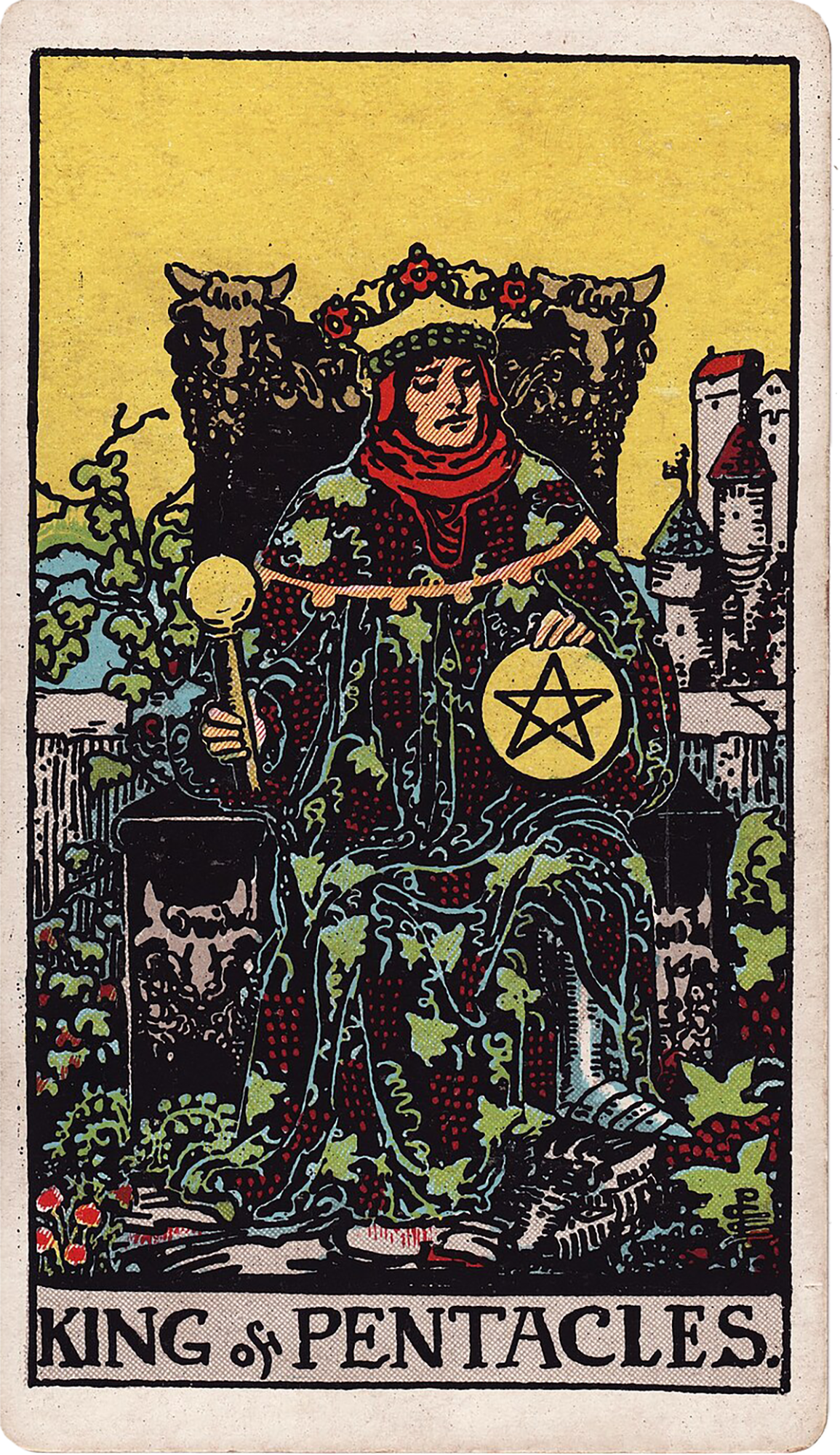 King of Pentacles
Introduction to the Pentacles Suit and Court Cards
The suit of Pentacles in Tarot is deeply connected to material reality — encompassing work, money, health, routine, and tangible resources. The court cards within this suit, specifically the Knight, Queen, and King, represent different facets of leadership and responsibility in these practical domains. Understanding these cards as a family unit helps learners grasp how Tarot portrays growth from steady effort to nurturing care and finally to mature stewardship. The Rider-Waite-Smith deck visually reinforces these themes. For example, the Knight of Pentacles rides a slow, deliberate horse, emphasizing steady work and reliability. The Queen is often depicted with a rich natural environment, symbolizing care and material competence. The King sits confidently amidst symbols of wealth and power, signifying mastery and stability. Together, these images provide a roadmap for interpreting how leadership and responsibility develop and manifest in day-to-day life.
The Knight of Pentacles Lessons on Steady Leadership
The Knight of Pentacles embodies leadership through consistent, practical action rather than dramatic or impulsive moves. Upright, this card highlights steady execution and reliability. Its traditional Rider-Waite-Smith imagery shows a knight mounted on a stationary horse, holding a pentacle firmly — a visual metaphor for deliberate progress and grounded effort. When this card appears in a reading, it often signals handling situations with patience and a focus on routine and incremental growth. It asks the querent to consider where slow, dependable work is already visible and how to strengthen it. Reversed, the Knight warns against stagnation, stubbornness, or confusing slow movement for no movement, drawing attention to internal blocks or workaholism. Practically, readers should observe surrounding cards to assess whether this energy is starting, developing, or under pressure. A common mistake is to misinterpret the Knight as passive; rather, it champions active consistency and enduring responsibility.
The Queen of Pentacles and the Power of Practical Nurture
The Queen of Pentacles represents a mature, nurturing leadership style focused on competence and supporting life through material means. In the Rider-Waite-Smith deck, she is often shown seated comfortably in a lush natural setting, holding a pentacle that symbolizes her ability to make resources serve real-life needs rather than status alone. Upright, this card teaches about balancing care with practical resource management — an essential lesson in leadership that involves both empathy and competence. The Queen reminds readers that responsibility includes self-care and nurturing others sustainably. When reversed, she highlights potential pitfalls like overwork, self-neglect, or controlling care that stifles growth. In readings, it is important to note whether this nurturing energy is balanced or pushed to unhealthy extremes. Learners should use the Queen to recognize when leadership requires attentive care beyond mere task execution, emphasizing emotional and material well-being for oneself and others.
The King of Pentacles as Symbol of Mature Stewardship
The King of Pentacles represents the pinnacle of leadership and responsibility within the suit — mature stewardship of resources combined with business competence and stability. His Rider-Waite-Smith portrayal includes luxurious robes, a throne adorned with bulls (signifying wealth and strength), and a confident expression, illustrating mastery over material and social domains. Upright, the King encourages building stable systems that support both oneself and community, emphasizing long-term planning and ethical management of power. Reversed, this card cautions against greed, rigidity, or becoming overly attached to security at the expense of growth. In practical Tarot reading, the King of Pentacles advises querents to consider where they can embody leadership that fosters sustainable prosperity. A frequent interpretative challenge is to conflate material success with moral leadership; this card balances the two, reminding readers that responsible leadership includes both competence and integrity.
Integrating the Knight Queen and King of Pentacles in Readings
When these three cards appear together or within the same reading context, they present a layered story of leadership and responsibility evolving from active effort (Knight) through nurturing care (Queen) to mature stewardship (King). Readers should note their positions and relationships within the spread to understand whether the querent is beginning a leadership journey, refining their nurturing capabilities, or consolidating their role as a resourceful and ethical leader. For example, a spread showing the Knight and Queen might suggest a transition from steady work to more involved caregiving, while the King signals the achievement of a sustainable leadership model. Practically, it is useful to anchor interpretations in the imagery — the grounded horse of the Knight, the lush environment of the Queen, and the commanding throne of the King -- to convey the cards’ essence. Moreover, considering reversals in this family reveals where responsibility becomes imbalanced or blocked, informing advice on necessary adjustments.
Common Mistakes and How to Avoid Them
A common mistake among learners is to oversimplify the Pentacles court cards as solely about money or status. Each card’s lesson is far richer, encompassing work ethic, health, routine, and the stewardship of all material resources. Misreading the Knight as lazy or passive ignores its message of steady diligence. Similarly, the Queen should not be reduced to a generic nurturing archetype, but understood as a practical caretaker who balances empathy with resource management. The King is sometimes seen simply as a figure of wealth rather than a model of mature leadership that integrates power with responsibility. Another pitfall is ignoring reversals or interpreting them as mere opposites; instead, learners should explore where the energy is stuck, excessive, or underdeveloped. To avoid these errors, readers should rely on the Rider-Waite-Smith symbolism and the supplied card contexts, probing the interplay between the cards and their positions in the spread.
Practical Techniques for Reading These Court Cards
To work effectively with the Knight, Queen, and King of Pentacles, Tarot readers should start by carefully observing the Rider-Waite-Smith images and noting the posture, environment, and symbols: the Knight’s slow horse, the Queen’s garden, the King’s throne. Begin by naming the core leadership or responsibility theme each card highlights in the querent’s life context. Use the upright and reversed meanings as nuanced guides rather than fixed predictions, asking what stage of growth or blockage the cards represent. When interpreting these cards, consider their relationship to surrounding cards, which can clarify whether the energy is emerging, developing, or under pressure. Ask questions like: What routine or resource management does the querent need to develop or release? Where is nurturing balanced or excessive? How is leadership maturing or becoming rigid? Combining imagery, card position, and context enables a holistic reading that respects the cards’ depth and practical wisdom.
Conclusion Reflecting on Leadership and Responsibility in the Pentacles Family
The Knight, Queen, and King of Pentacles offer a profound framework for understanding leadership and responsibility within the material realm. By progressing from steady effort through nurturing to mature stewardship, these court cards illustrate how leadership is not merely about power but about reliability, care, and sustainable growth. Their traditional Rider-Waite-Smith symbolism enriches this narrative, grounding abstract lessons in vivid imagery that guides interpretation. For learners, these cards provide practical tools to explore work, money, health, and resource management in Tarot readings. Recognizing the nuanced upright and reversed meanings prevents simplistic readings and opens pathways for personal insight and growth. Ultimately, integrating these lessons helps querents and readers alike cultivate leadership that is dependable, compassionate, and ethically robust.
Practice questions
• How does the Knight of Pentacles’ emphasis on routine and steady progress show up in your approach to leadership?
• In what ways can you balance caring for others and yourself as taught by the Queen of Pentacles?
• What does mature stewardship mean to you in the context of your resources and responsibilities, as suggested by the King of Pentacles?
• How might recognizing the reversed aspects of these cards help identify where leadership or responsibility is blocked or misdirected?
• Can you identify a situation in your life that reflects the progression from the Knight to the Queen to the King of Pentacles?
Comments
Sign in to comment.
Continue learning
Interpreting the Dance of Justice and The Devil: Balancing Morality and Temptation in Tarot Readings
The combination of Justice and The Devil in tarot presents a profound exploration of morality, temptation, and personal accountability. This article unpacks how these cards influen...
Advanced Techniques for Combining The Moon and The Star to Enhance Intuition in Tarot Readings
This article explores advanced techniques to combine the symbolism and energy of The Moon and The Star Tarot cards to enhance intuition during Tarot readings. Drawing from traditio...
Unlocking Life Insights with the Celtic Cross Tarot Spread
This article offers a thorough exploration of the Celtic Cross Tarot Spread, focusing on its application within family and practical life contexts. Using a worked example featuring...
Unlocking Hidden Meanings with The Hermit and The Hanged Man for Spiritual Growth
This article offers an in-depth exploration of The Hermit and The Hanged Man Tarot cards focusing on their roles in spiritual growth. It guides readers through beginner and advance...
Unlocking Personal Insight with the Seven Card Horseshoe Spread
The Seven Card Horseshoe Spread is a practical and insightful Tarot layout ideal for exploring personal and family dynamics. This article breaks down each position—Past, Present, H...
Mastering the Court Cards of Wands for Unlocking Personal Drive and Leadership
The Court Cards of Wands represent a dynamic spectrum of personal energy, ambition, and leadership potential within the Minor Arcana. This article offers a comprehensive exploratio...
Tracing the Origins and Evolution of The Fool Card in Tarot History
The Fool card holds a foundational place in tarot tradition, symbolizing beginnings, openness, and the embrace of uncertainty. This article traces its origins from early European d...
Techniques for Reading Court Cards to Unlock Personality Insights
Court cards in Tarot often represent people, personality traits, or energy patterns within a situation. This article offers a structured approach for beginners and advanced readers...
Unlocking Emotional Transformation with Death and The Moon Tarot Combination
This article explores the rich and complex interaction between the Death and The Moon tarot cards within the Rider-Waite-Smith tradition, focusing on their combined potential to un...
Applying The Star Card to Foster Hope and Renewal in Personal Growth
The Star card in Tarot symbolizes hope, authenticity, and the process of steady renewal. In a single-card reading, The Star encourages embracing what is present, cultivating openne...