
Understanding Life Lessons and Growth Through The Page Knight Queen and King of Pentacles
This article delves deeply into the family suit and court card lessons found within the Page, Knight, Queen, and King of Pentacles. These four cards, part of the Minor Arcana's Pentacles suit, illustrate a progressive narrative of growth and mastery over material and practical life aspects. By closely examining the Rider-Waite-Smith symbolism and traditional meanings, learners gain insight into interpreting these cards in readings. The article also offers practical advice on reading these cards contextually, understanding upright and reversed nuances, and overcoming common interpretive mistakes. Through this guided exploration, readers develop a clear framework for applying the lessons of these Pentacles court cards to real-life situations involving work, resources, routine, and personal development.
Cards explored in this article
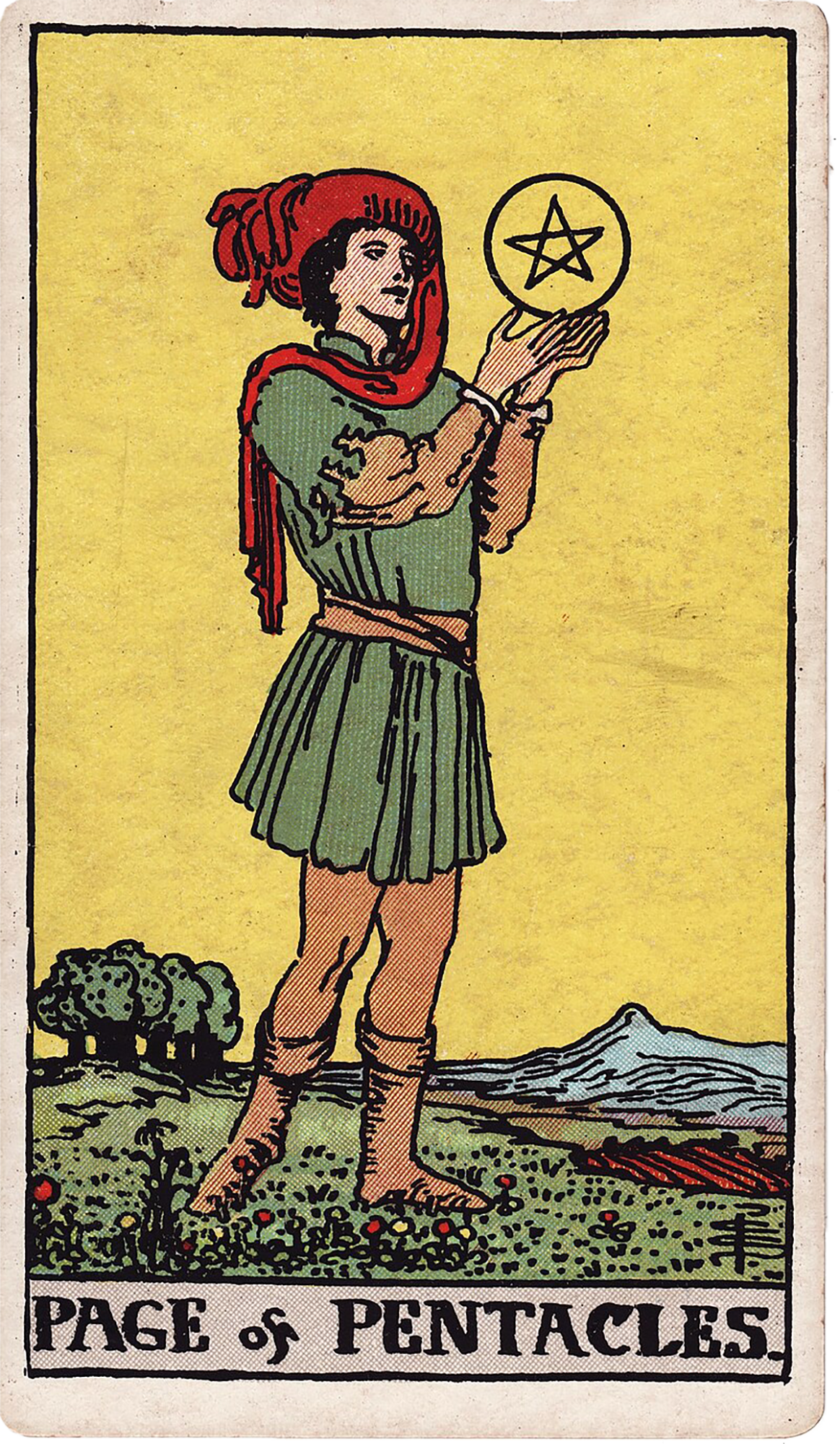 Page of Pentacles
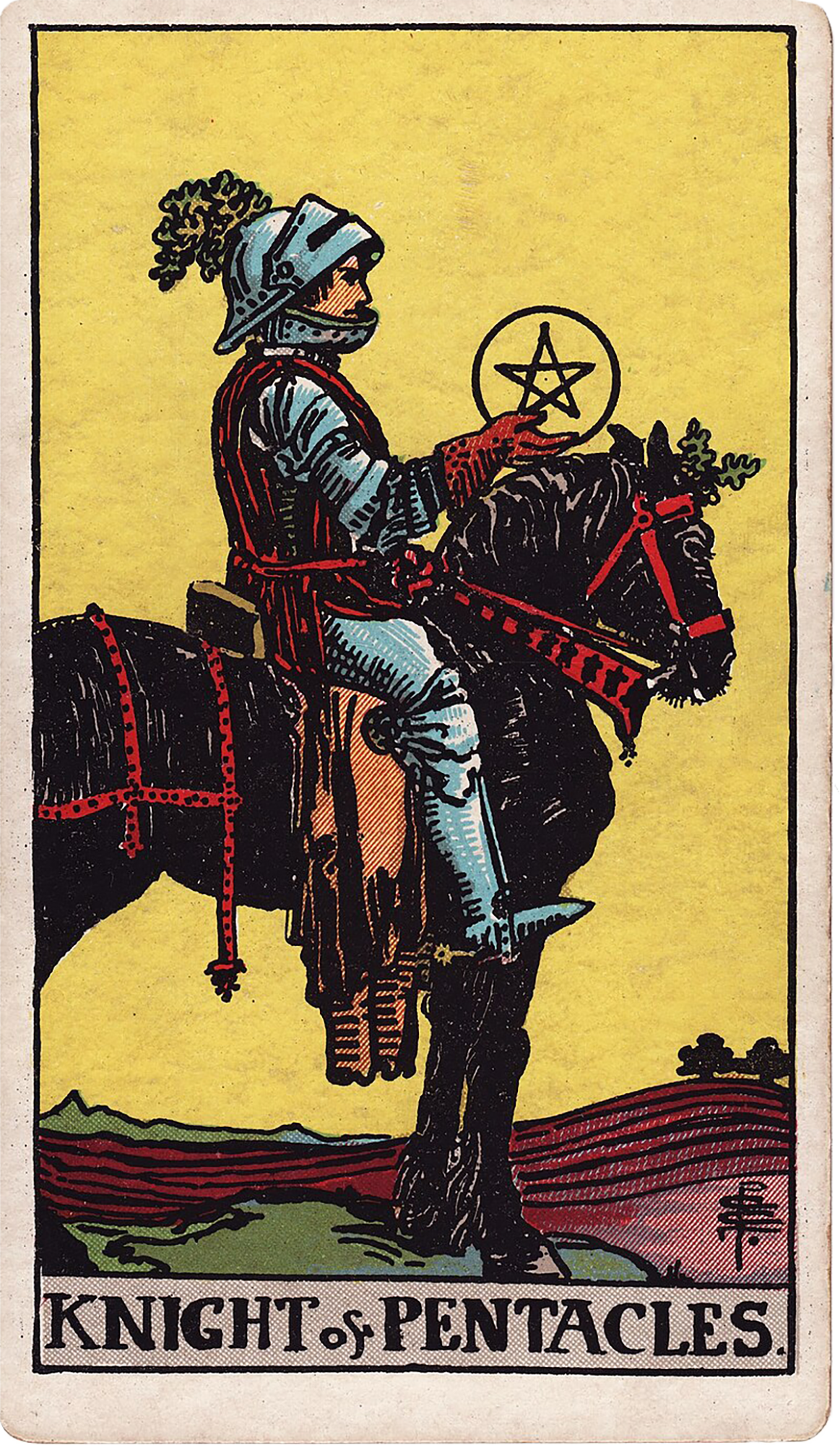 Knight of Pentacles
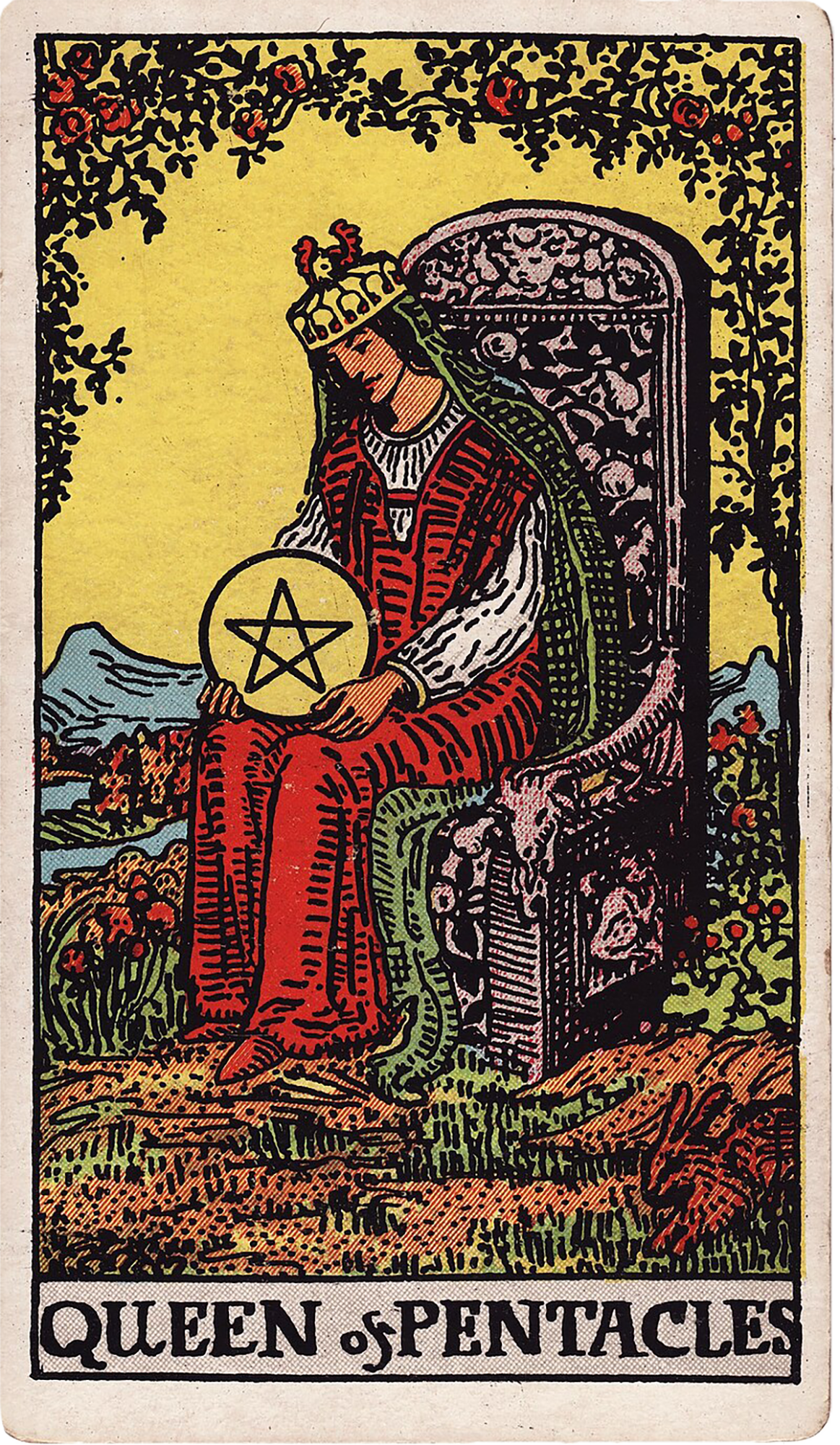 Queen of Pentacles
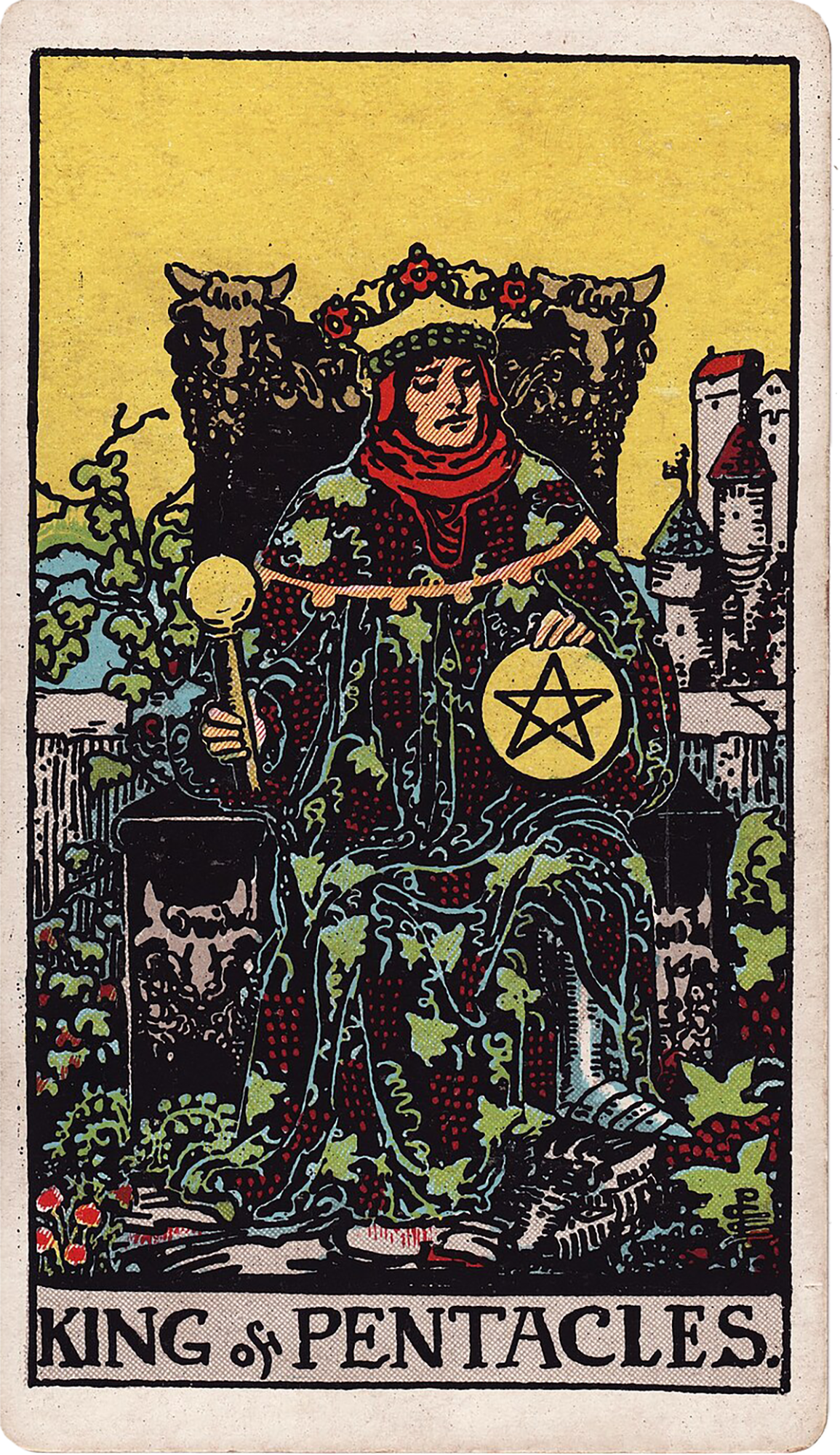 King of Pentacles
Introduction to the Family Suit and Court Cards in Pentacles
The suit of Pentacles in the Minor Arcana governs themes of material reality: work, money, health, routine, and long-term stability. Within this suit, the court cards — Page, Knight, Queen, and King — represent archetypes and stages of growth related to these themes. Understanding these cards as a family suit means recognizing their interconnected lessons, progression, and how they reflect different facets of personal and practical development. Each card embodies a unique energy and role, showing the evolution from initial learning through steadfast application, nurturing competence, and finally mature stewardship. This article focuses specifically on the Page, Knight, Queen, and King of Pentacles, using traditional Rider-Waite-Smith imagery and supplied card descriptions to anchor the interpretation.
Page of Pentacles The Beginner’s Focus on Practical Learning
The Page of Pentacles symbolizes the start of a practical journey. As depicted in Rider-Waite-Smith, the Page holds a golden pentacle carefully in both hands, gazing at it intently. This posture signals curiosity and commitment to learning a material skill or opportunity grounded in reality rather than abstract ideals. Upright, this card calls readers to recognize beginner energy focused on study, realistic planning, or the earnest pursuit of financial or resource-based goals. It represents a stage where foundational effort and discipline are needed, perhaps involving routine, body care, or craftsmanship. Reversed, the Page highlights procrastination, scattered focus, or insufficient follow-through, cautioning against intellectual understanding not yet embodied in action. When reading this card, avoid treating the reversal as strictly negative; instead, explore what internal blockages or external distractions are stalling growth. Practically, the Page asks: Are you ready to engage with material realities honestly and consistently? This card often appears when a querent is at the threshold of new, practical learning or financial opportunity, offering a constructive prompt to start small and build skillfully.
Knight of Pentacles Steady Progress and Reliability
The Knight of Pentacles furthers the narrative by embodying steady, reliable, and persistent effort. Unlike the dramatic energy of other knights in Tarot, the Knight of Pentacles is methodical, symbolized traditionally by a figure in armor sitting firmly on a horse, holding a pentacle with careful attention. This card emphasizes routine, responsibility, and consistent application over quick wins or grand gestures. Upright, the Knight indicates progress through daily diligence, the slow but sure building of resources, health, or skills. It reminds readers that success in material matters is often achieved by bringing focus to routine and avoiding burnout or distraction. Reversed, the Knight cautions about stagnation, stubbornness, or confusing slow movement with actual progress. It can reveal workaholism or resistance to necessary change. For practical readings, the Knight encourages patience and reliability. It answers the question of how to move forward in material matters: by steady, realistic effort rather than rushed or dramatic action. Readers should examine surrounding cards to identify whether this card signals building maturity or stuck patterns requiring release.
Queen of Pentacles Practical Nurture and Competence
The Queen of Pentacles represents a mature, nurturing approach to material and practical life. She is often depicted seated comfortably in a garden, holding a pentacle with a serene, grounded presence. This imagery connects to themes of competence, care, and the integration of resources to support real life rather than status or appearance alone. Upright, the Queen is a symbol of practical nurture — managing finances wisely, maintaining health, and creating a stable environment where growth flourishes. She embodies the ability to balance work and home life with grace and efficiency. Reversed, this card draws attention to challenges like overwork, self-neglect, or anxiety around finances. It may also suggest controlling tendencies or tying self-worth too closely to external usefulness. In readings, the Queen invites reflection on how one nurtures oneself and others, encourages sustainable resource management, and highlights the importance of competence over superficial success. She teaches that true stability comes from caring for the body, mind, and environment in harmony.
King of Pentacles Mature Stewardship and Stability
The King of Pentacles symbolizes the pinnacle of material mastery and stewardship. Traditionally shown enthroned with symbols of wealth and abundance, he embodies business competence, responsibility, and the ability to build lasting security for oneself and others. His imagery communicates strength grounded in experience and a healthy attitude toward resources and power. Upright, the King calls for mature decision-making, wise investment of time and money, and the creation of a stable foundation that supports growth for a wider community. He represents a stage where success is not only personal but shared, with an emphasis on sustainable, long-term planning. Reversed, the King warns against greed, rigidity, or becoming overly attached to security at the expense of growth. It may also indicate misuse of financial power or status obsession. In practical readings, this card challenges querents to evaluate how they manage resources and authority. It encourages leadership that builds rather than controls, reminding that true power lies in stewardship and generosity rather than accumulation alone.
Reading the Page Knight Queen and King Together for Family Suit Lessons
When these four court cards appear together or in sequence, they provide a rich framework for understanding stages of growth in the Pentacles family suit. Starting with the Page’s fresh curiosity and willingness to learn, through the Knight’s steady and disciplined progress, advancing to the Queen’s practical nurturing, and culminating in the King’s mature stewardship, these cards narrate a developmental arc. In readings, consider the cards as representing phases in a project, personal development, or approach to resources. The Page may signal the beginning of a new practical venture, the Knight the necessary work and routine to develop it, the Queen the integration and care needed for sustainability, and the King the achievement of lasting stability and leadership. Reversed cards within this sequence often point to specific areas where growth is interrupted—such as lack of follow-through at the Page stage or rigidity at the King stage. To apply this family suit lesson method effectively, always anchor interpretation in the specific question and context, use surrounding cards to clarify energy flow, and remind querents that these archetypes serve as guides rather than absolute predictions.
Common Interpretation Mistakes and How to Avoid Them
One frequent mistake is reducing these court cards to fixed personality types rather than dynamic energies reflecting stages or modes of handling material concerns. For example, seeing the Knight of Pentacles only as 'boring' misses its core lesson of steady reliability. Another pitfall is treating reversed cards as simply the 'opposite' of upright meanings. Instead, reversals often highlight where the process is stuck or imbalanced, offering clues to what needs release or adjustment. Ignoring the practical and grounded symbolism of the Pentacles suit can lead to over-spiritualizing these cards, losing their valuable message about everyday work, health, and resources. To avoid these errors, focus on the cards’ imagery (e.g., the Page’s attentive gaze, the Queen’s garden setting), remember the suit’s theme of materiality, and situate the cards within their family narrative for richer interpretation.
Techniques for Practicing and Deepening Interpretation
To build skill with the Page, Knight, Queen, and King of Pentacles, start by studying each card’s Rider-Waite-Smith imagery closely, noting elements like posture, setting, symbols (pentacles, tools, animals), facial expressions, and color tones. Journal your impressions and connect them to the practical themes of the suit. Next, practice reading these cards in simple spreads focused on work, finance, or health questions. Pay close attention to whether the card is upright or reversed and what surrounding cards suggest about the stage of a process. Try narrative exercises where you imagine the journey of a querent moving from the Page to the King in a material goal—what challenges and lessons appear at each step? Finally, reflect on real-life examples from family, work, or your own experience that resonate with each card’s lesson to internalize their meanings deeply.
Practice questions
• In what areas of your life do you currently embody the beginner’s energy of the Page of Pentacles?
• How do you balance steady progress and routine without falling into stagnation like the Knight of Pentacles reversed warns?
• What does practical nurture mean to you in your daily routine and relationships as the Queen of Pentacles teaches?
• How can you cultivate mature stewardship of your resources and responsibilities inspired by the King of Pentacles?
• Where might you be resisting necessary growth or clinging to security at the expense of development?
Comments
Sign in to comment.
Continue learning
Interpreting the Dance of Justice and The Devil: Balancing Morality and Temptation in Tarot Readings
The combination of Justice and The Devil in tarot presents a profound exploration of morality, temptation, and personal accountability. This article unpacks how these cards influen...
Advanced Techniques for Combining The Moon and The Star to Enhance Intuition in Tarot Readings
This article explores advanced techniques to combine the symbolism and energy of The Moon and The Star Tarot cards to enhance intuition during Tarot readings. Drawing from traditio...
Unlocking Life Insights with the Celtic Cross Tarot Spread
This article offers a thorough exploration of the Celtic Cross Tarot Spread, focusing on its application within family and practical life contexts. Using a worked example featuring...
Unlocking Hidden Meanings with The Hermit and The Hanged Man for Spiritual Growth
This article offers an in-depth exploration of The Hermit and The Hanged Man Tarot cards focusing on their roles in spiritual growth. It guides readers through beginner and advance...
Unlocking Personal Insight with the Seven Card Horseshoe Spread
The Seven Card Horseshoe Spread is a practical and insightful Tarot layout ideal for exploring personal and family dynamics. This article breaks down each position—Past, Present, H...
Mastering the Court Cards of Wands for Unlocking Personal Drive and Leadership
The Court Cards of Wands represent a dynamic spectrum of personal energy, ambition, and leadership potential within the Minor Arcana. This article offers a comprehensive exploratio...
Tracing the Origins and Evolution of The Fool Card in Tarot History
The Fool card holds a foundational place in tarot tradition, symbolizing beginnings, openness, and the embrace of uncertainty. This article traces its origins from early European d...
Techniques for Reading Court Cards to Unlock Personality Insights
Court cards in Tarot often represent people, personality traits, or energy patterns within a situation. This article offers a structured approach for beginners and advanced readers...
Unlocking Emotional Transformation with Death and The Moon Tarot Combination
This article explores the rich and complex interaction between the Death and The Moon tarot cards within the Rider-Waite-Smith tradition, focusing on their combined potential to un...
Applying The Star Card to Foster Hope and Renewal in Personal Growth
The Star card in Tarot symbolizes hope, authenticity, and the process of steady renewal. In a single-card reading, The Star encourages embracing what is present, cultivating openne...