
Understanding Life Lessons and Personality Traits Through the Court Cards of Pentacles
The Court Cards of Pentacles in the Minor Arcana represent a progression of life lessons and personality traits related to material stability, practical skills, and responsible stewardship. This article examines the Page, Knight, Queen, and King of Pentacles, interpreting their upright and reversed meanings with a focus on family suit dynamics. Through detailed symbolism analysis, practical reading techniques, and common interpretative pitfalls, readers will develop a nuanced understanding of how these cards articulate developmental stages of competence, nurture, reliability, and mature resource management. Reflection questions and related topics support further study and application in tarot practice.
Cards explored in this article
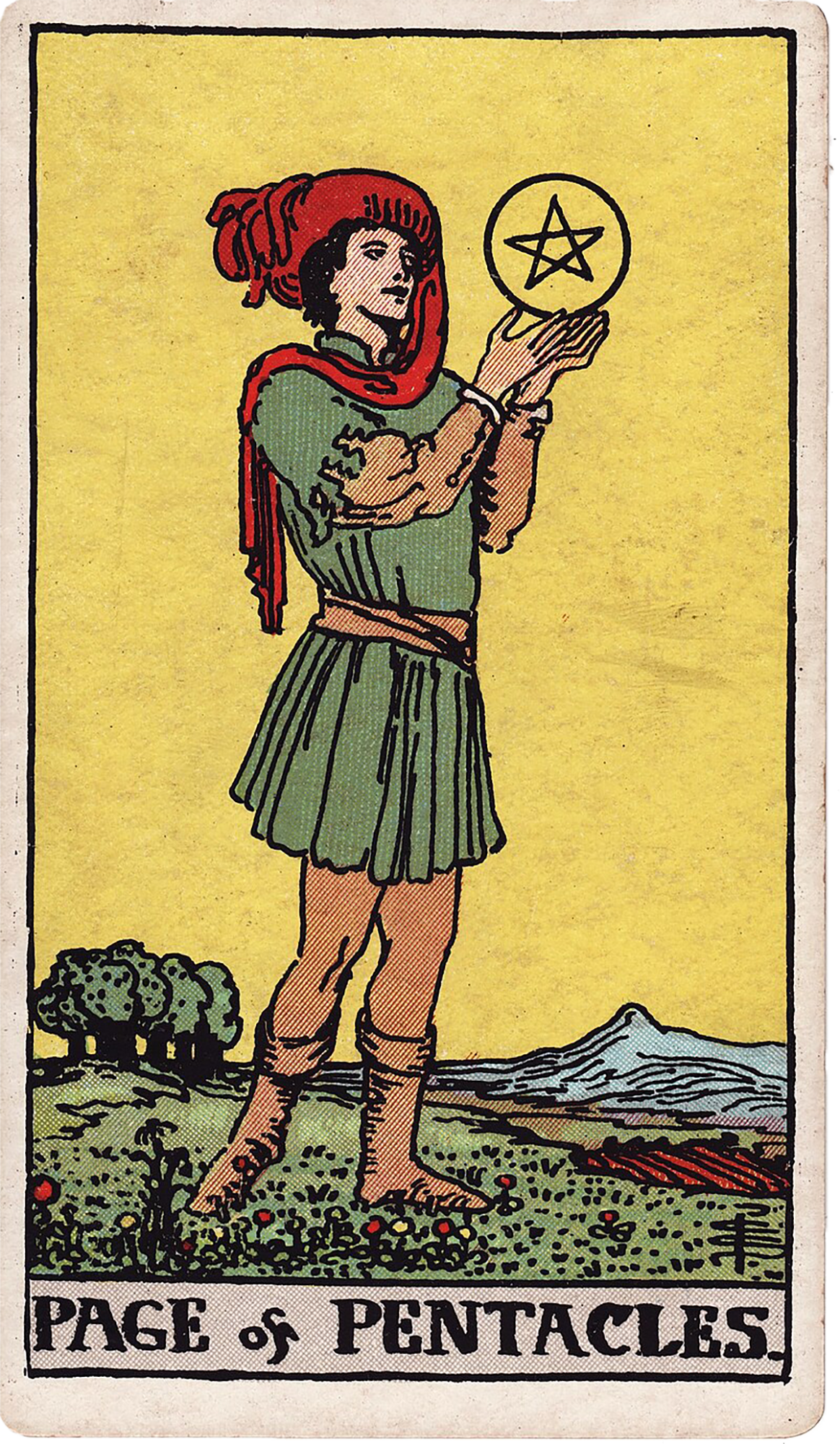 Page of Pentacles
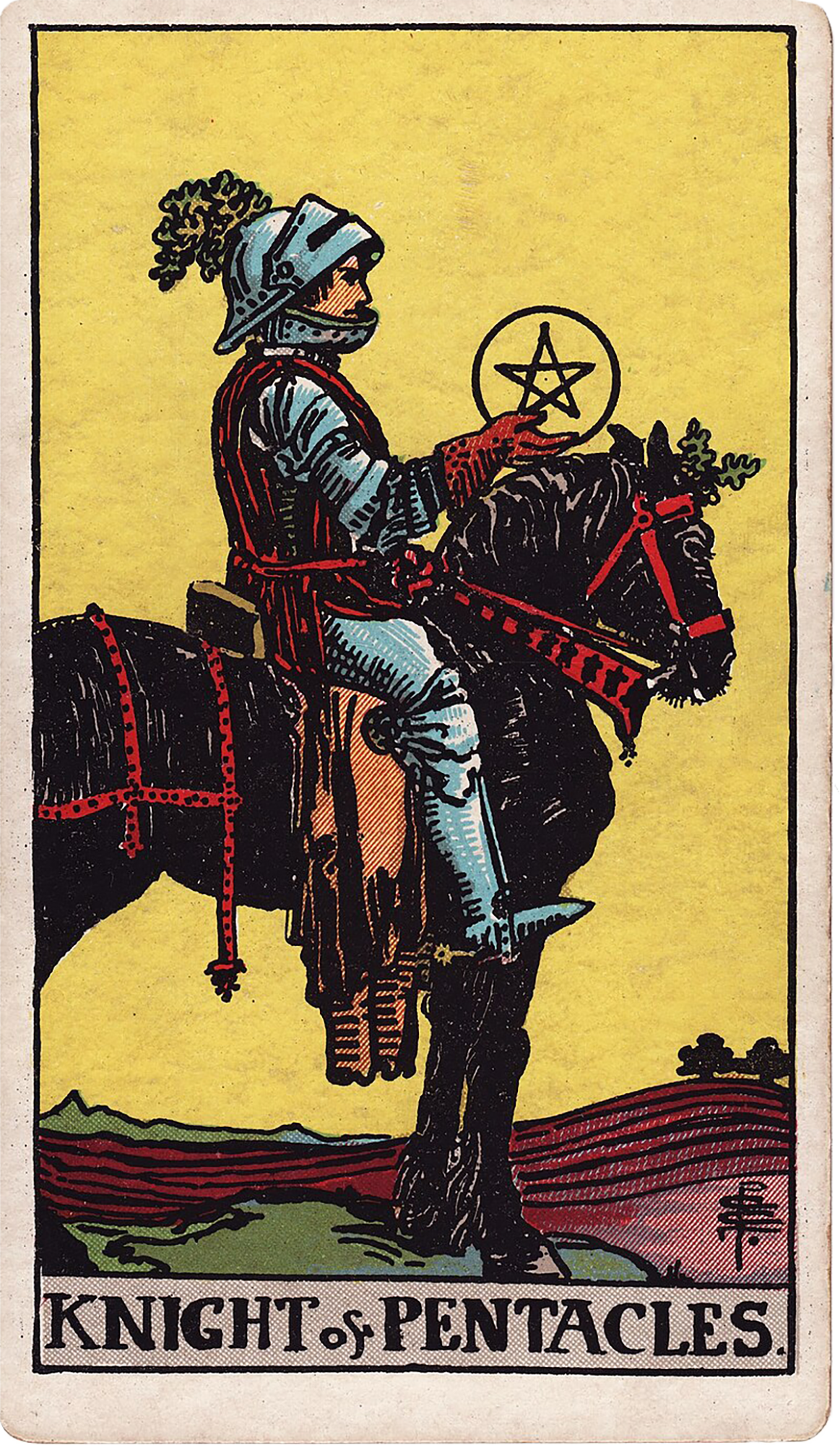 Knight of Pentacles
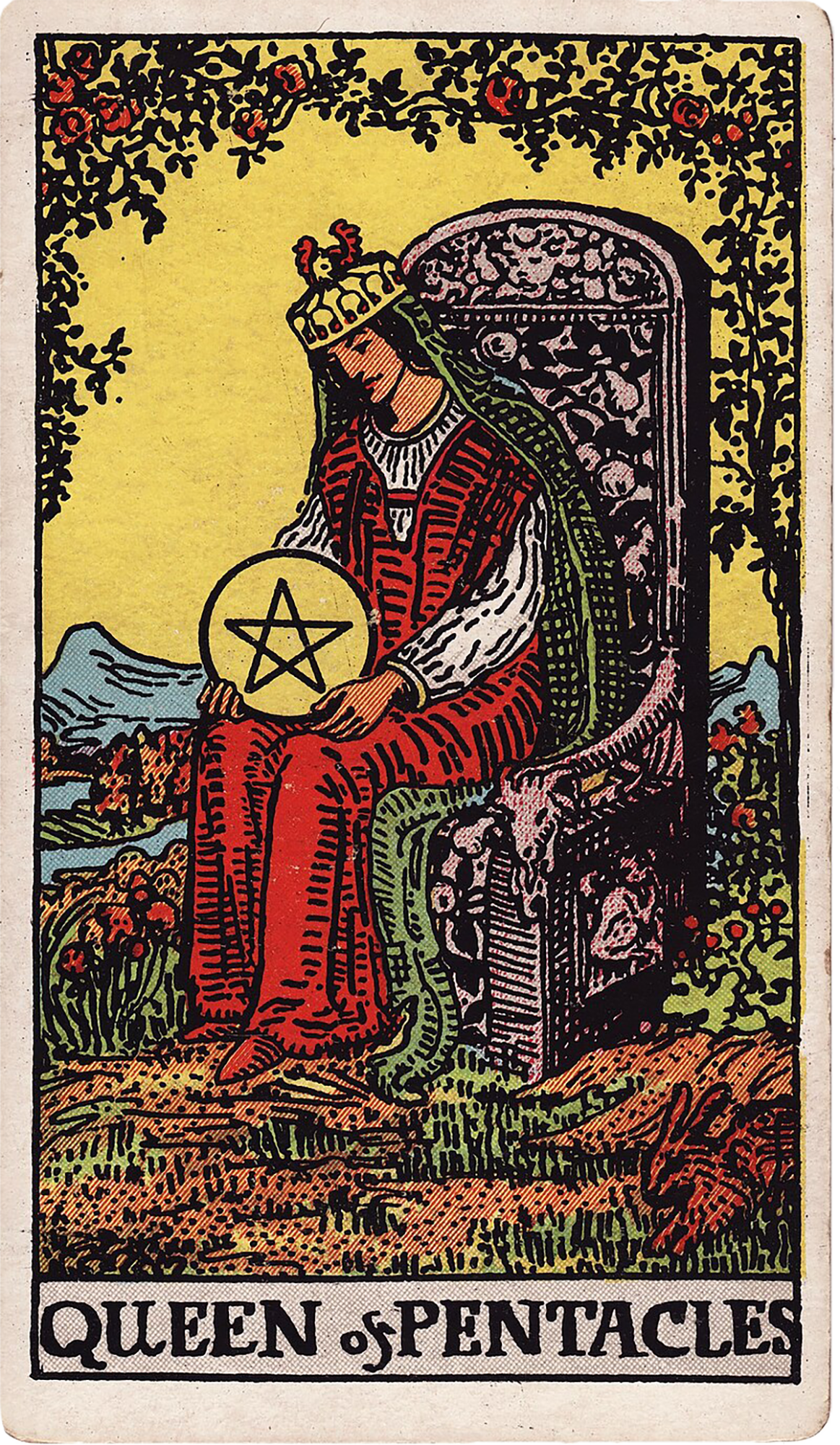 Queen of Pentacles
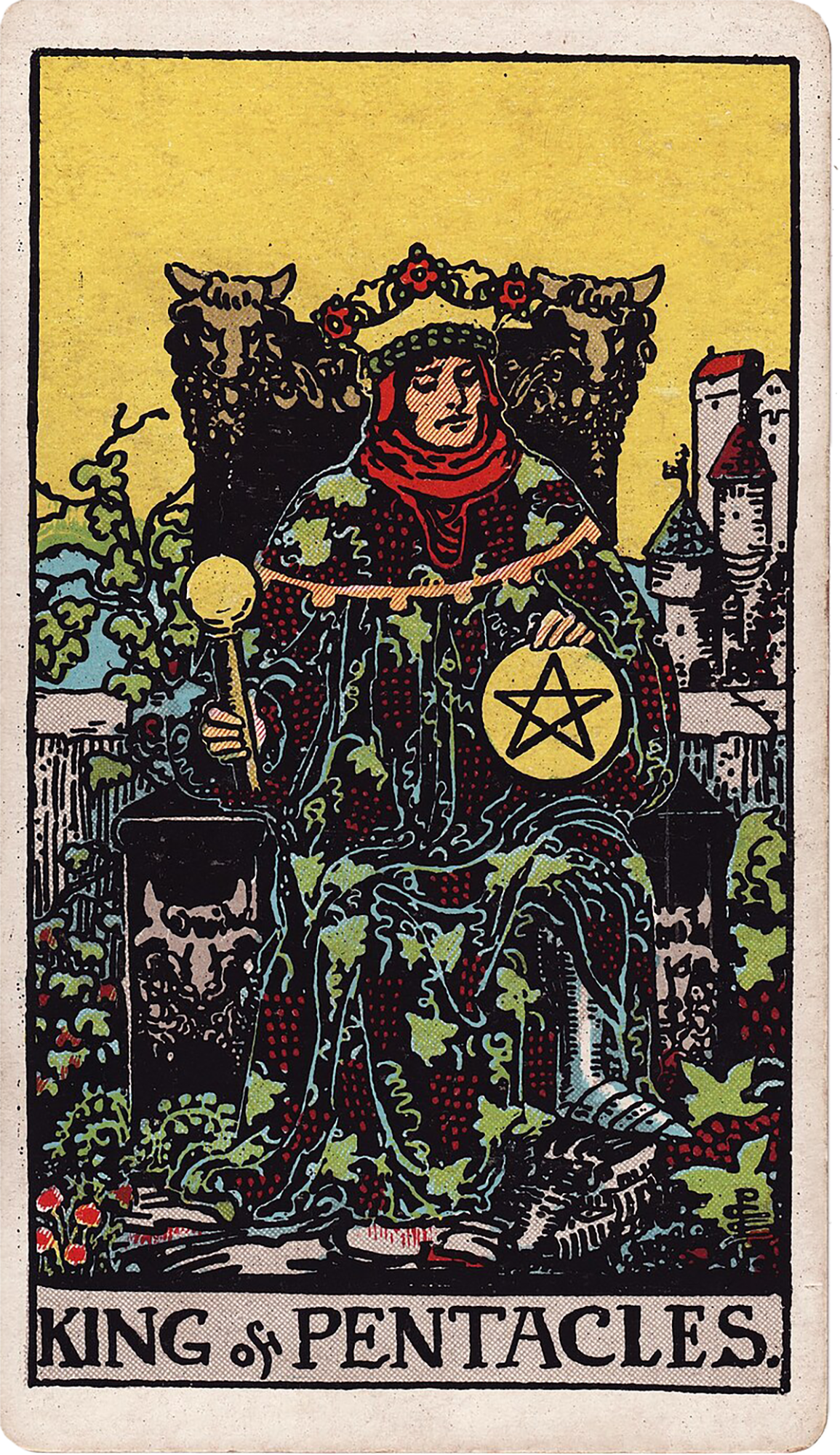 King of Pentacles
Introduction to Pentacles Court Cards and Family Suit Dynamics
The Pentacles suit in the Minor Arcana traditionally governs aspects of material life: work, money, health, routine, resources, craft, bodily well-being, and long-term stability. Within this suit, the Court Cards—Page, Knight, Queen, and King—each embody different levels of mastery and personality archetypes connected to these domains. Unlike other suits that may emphasize emotional or intellectual qualities, the Pentacles Court Cards focus on practical competence and groundedness. Understanding these cards as a family suit allows readers to trace a developmental journey from eager beginner (Page) to responsible leader and steward (King). This framework is essential for interpreting these cards not merely as static personalities, but as evolving lessons reflecting stages in material and personal growth.
Page of Pentacles Practical Learning and Beginning Energy
The Page of Pentacles depicts a young figure attentively studying a single pentacle, symbolizing the start of a practical journey. Upright, this card signals beginner energy focused on acquiring skills related to the material world—whether financial literacy, health routines, or craft mastery. The rider’s grounded stance and clear gaze emphasize attentiveness and readiness to learn. The card’s traditional Rider-Waite symbolism, including fertile earth and the pentacle itself, reinforces growth potential rooted in reality rather than abstraction. In readings, the upright Page encourages an honest assessment of current abilities and a call to commit to realistic, manageable steps. It can mark new projects or educational phases where practical application is key. However, the reversed Page warns against procrastination, unrealistic plans, or superficial engagement with material matters. The symbolism of a pentacle viewed less clearly or ignored altogether can illustrate internal blocks or scattered focus. Rather than assuming failure, readers should explore where the learning process has stalled and what simplification or refocusing is needed to restore healthy momentum.
Knight of Pentacles Steady Progress and Routine Discipline
The Knight of Pentacles represents the next stage: steady execution and reliability through routine and diligence. This figure is often shown mounted on a strong, solid horse, symbolizing consistent effort and a no-nonsense approach. The Knight is less about speed or flair and more about methodical progress and completion of practical tasks. Upright, the Knight encourages perseverance and dedication, signaling that material goals are attainable through patience rather than sudden breakthroughs. The card’s rich green and earthy tones in Rider-Waite imagery reinforce the theme of growth through persistence. In family suit terms, the Knight’s lesson revolves around sustaining effort without distraction or burnout. Reversed, the Knight signals stagnation, stubbornness, or confusing slow and steady with immobility. This blockage might manifest as workaholism or resistance to necessary change. Readers should investigate whether the querent’s routine has become rigid or whether they are confusing persistence with unproductive repetition. The card invites inquiry into what parts of life require flexibility, rest, or innovation to avoid being stuck.
Queen of Pentacles Nurturing Practicality and Resource Stewardship
The Queen of Pentacles embodies practical nurture, competence, and the ability to make resources support life beyond superficial status. The Rider-Waite image typically shows a regal woman surrounded by nature, holding a pentacle with care and confidence. Her throne and the flourishing landscape symbolize grounded abundance and active stewardship. Upright, the Queen teaches lessons about balancing care for others and oneself while managing resources wisely. She represents those who can create long-term stability by integrating skills with emotional intelligence and nurturing energy. The card highlights the importance of competence in daily life and the comfort that comes from reliable care. Conversely, the reversed Queen warns about overwork, self-neglect, or financial anxiety. When this energy becomes distorted, nurturing turns controlling or tied to self-worth measured solely by usefulness. Readers encountering a reversed Queen should explore where boundaries are blurred or where self-care has been sacrificed for external demands. The card suggests rebalancing priorities and restoring healthy care practices.
King of Pentacles Mature Stewardship and Stability for Self and Others
The King of Pentacles represents the pinnacle of Pentacles court lessons: mature stewardship of resources, business competence, and creating stability that supports both oneself and others. The Rider-Waite depiction features a confident, seated king surrounded by symbols of wealth and abundance, including grapes and a sturdy throne, denoting secure foundations built over time. Upright, the King signifies mastery, responsibility, and the ability to manage material affairs with wisdom and generosity. He exemplifies leadership grounded in competence rather than status obsession. Readers should see this card as a call to embody integrity in financial and health matters and to support community through well-managed resources. When reversed, the King points to greed, rigidity, or misuse of financial power. The card cautions against becoming so attached to security that growth and adaptability cease. In readings, it invites reflection on whether one’s relationship to material wealth is balanced or if control issues are preventing healthy development. The reversal also encourages examining where internalized fears or status anxieties may cloud clear judgment.
Techniques for Reading Pentacles Court Cards in Context
Interpreting the Pentacles Court Cards effectively requires contextualizing their energy within the broader spread. First, identify where the querent is in their practical or material development. Are they initiating a skill (Page), building routine (Knight), nurturing a stable environment (Queen), or assuming mature responsibility (King)? Use the surrounding cards to determine if the energy is emerging, developing, facing challenges, or reaching resolution. Pay close attention to reversals, not as simple negatives but as signals where a process is stuck or needs adjustment. Ask what practical lessons the querent may be intellectually aware of but has yet to fully incorporate into daily life. Consider common pitfalls such as procrastination with the Page, rigidity with the Knight, self-neglect with the Queen, or greed with the King. Visual cues in the Rider-Waite imagery, such as the body language of figures, natural elements, and pentacle placement, provide further nuance. For instance, the Page’s focused gaze invites engagement, while the King’s solid stance encourages trust in long-term planning. Anchoring readings in these images helps maintain clarity and depth.
Common Mistakes and How to Avoid Them
A frequent mistake in reading Pentacles Court Cards is treating them as fixed personality types rather than evolving stages or lessons. For example, seeing a reversed Knight simply as laziness ignores the possibility of internal resistance or burnout. Another error is ignoring the suit’s practical nature and trying to impose abstract or emotional interpretations better suited to Cups or Swords. Additionally, readers sometimes overlook the importance of surrounding cards in determining whether a Court Card’s energy is beginning, challenged, or resolving. Without this context, interpretations can become one-dimensional or misleading. To avoid these pitfalls, always frame Court Cards as dynamic archetypes reflecting current life lessons. Use the card images as anchors and explore the interplay between upright and reversed states as an invitation to deeper inquiry rather than definitive judgment.
Practical Applications and Examples
Consider a querent who draws the upright Page of Pentacles alongside cards indicating learning or new projects. The reading might encourage them to focus on incremental skill acquisition and to resist overambition. If reversed, the message would be to identify and remove distractions or unrealistic expectations blocking progress. A Knight of Pentacles upright might appear in questions about career or health, emphasizing steady routines and reliability. Reversed, it could signal boredom or the need to break rigid patterns to avoid stagnation. The Queen of Pentacles upright often shows in family or home-related spreads, highlighting nurturing competence. Reversed, it warns of overwork or neglecting personal needs in caregiving roles. The King of Pentacles upright supports readings about leadership or financial management, encouraging mature stewardship. Reversed, it might highlight issues with control or fear-based attachment to security. By consistently relating these cards back to their imagery and core Pentacles themes, readers gain clarity and actionable insight.
Practice questions
• In what areas of your life do you see beginner energy similar to the Page of Pentacles, and how can you support that growth practically?
• Where might you be demonstrating Knight of Pentacles qualities—steadiness and routine—and how might you avoid stagnation?
• How do you balance nurturing others and yourself in a way that reflects the Queen of Pentacles healthy energy?
• Are there any attachments to material security or control that the King of Pentacles reversed might be highlighting in your life?
• How can the symbolism of the Pentacles Court Cards guide you in approaching practical challenges with patience and competence?
Comments
Sign in to comment.
Continue learning
Interpreting the Dance of Justice and The Devil: Balancing Morality and Temptation in Tarot Readings
The combination of Justice and The Devil in tarot presents a profound exploration of morality, temptation, and personal accountability. This article unpacks how these cards influen...
Advanced Techniques for Combining The Moon and The Star to Enhance Intuition in Tarot Readings
This article explores advanced techniques to combine the symbolism and energy of The Moon and The Star Tarot cards to enhance intuition during Tarot readings. Drawing from traditio...
Unlocking Life Insights with the Celtic Cross Tarot Spread
This article offers a thorough exploration of the Celtic Cross Tarot Spread, focusing on its application within family and practical life contexts. Using a worked example featuring...
Unlocking Hidden Meanings with The Hermit and The Hanged Man for Spiritual Growth
This article offers an in-depth exploration of The Hermit and The Hanged Man Tarot cards focusing on their roles in spiritual growth. It guides readers through beginner and advance...
Unlocking Personal Insight with the Seven Card Horseshoe Spread
The Seven Card Horseshoe Spread is a practical and insightful Tarot layout ideal for exploring personal and family dynamics. This article breaks down each position—Past, Present, H...
Mastering the Court Cards of Wands for Unlocking Personal Drive and Leadership
The Court Cards of Wands represent a dynamic spectrum of personal energy, ambition, and leadership potential within the Minor Arcana. This article offers a comprehensive exploratio...
Tracing the Origins and Evolution of The Fool Card in Tarot History
The Fool card holds a foundational place in tarot tradition, symbolizing beginnings, openness, and the embrace of uncertainty. This article traces its origins from early European d...
Techniques for Reading Court Cards to Unlock Personality Insights
Court cards in Tarot often represent people, personality traits, or energy patterns within a situation. This article offers a structured approach for beginners and advanced readers...
Unlocking Emotional Transformation with Death and The Moon Tarot Combination
This article explores the rich and complex interaction between the Death and The Moon tarot cards within the Rider-Waite-Smith tradition, focusing on their combined potential to un...
Applying The Star Card to Foster Hope and Renewal in Personal Growth
The Star card in Tarot symbolizes hope, authenticity, and the process of steady renewal. In a single-card reading, The Star encourages embracing what is present, cultivating openne...