
Understanding The Emperor Card in Personal Authority Career and Leadership Roles
The Emperor card in tarot embodies structure, authority, and disciplined leadership. This article unpacks how The Emperor’s upright and reversed positions highlight themes of responsibility, boundaries, control, and vulnerability in contexts such as personal authority, career progression, leadership roles, relationships, and spiritual reflection. Using the traditional Rider-Waite-Smith imagery as a foundation, readers will learn a step-by-step approach to interpreting The Emperor across different life areas. The article also addresses common pitfalls in reading this card and guides readers on integrating its lessons into practical decision-making.
Cards explored in this article
 The Emperor
Introduction to The Emperor Card and Its Symbolism
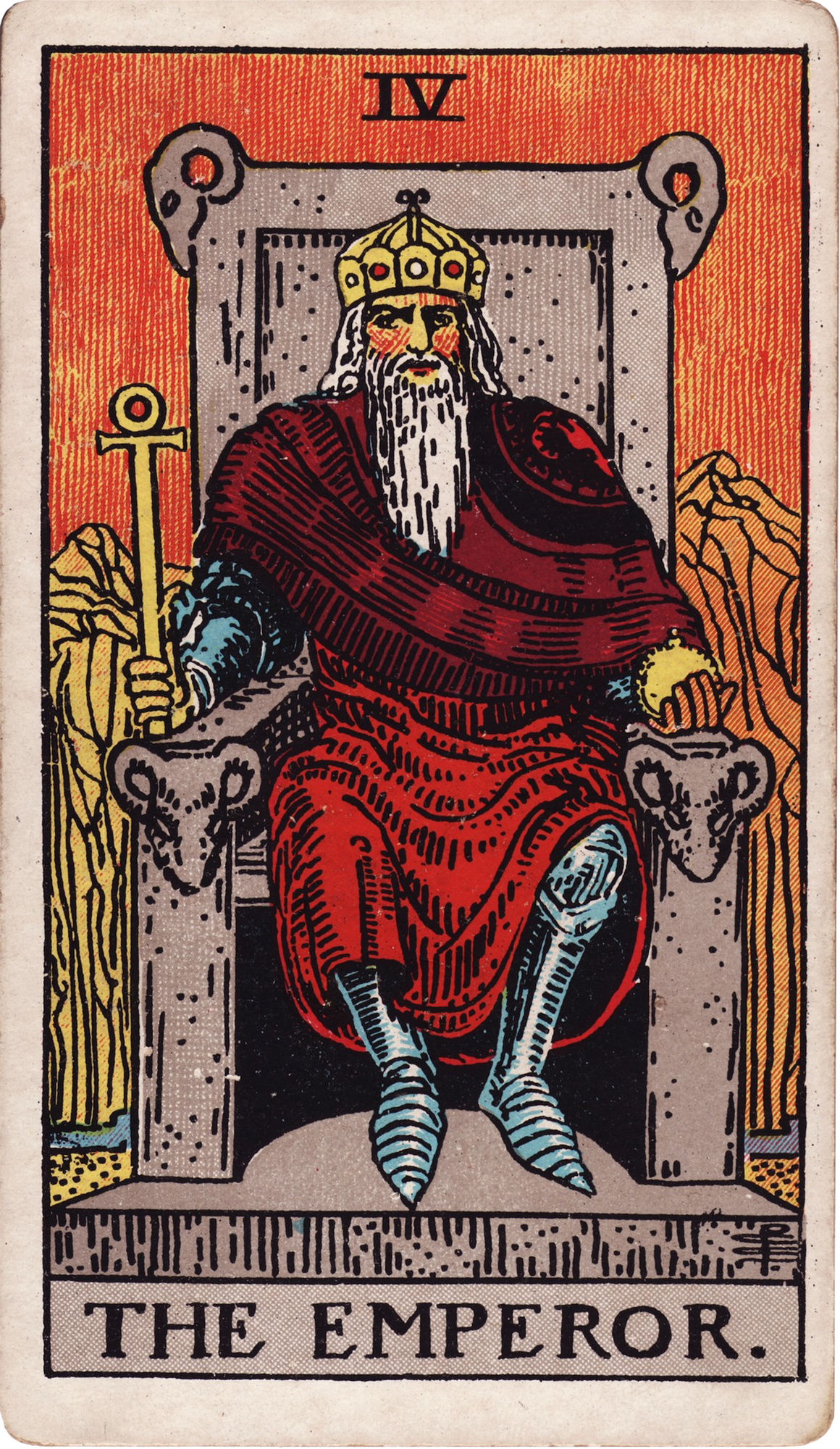
The Emperor is the fourth Major Arcana card in traditional tarot decks, often depicted as a majestic ruler seated on a stone throne adorned with ram motifs—symbols of Aries energy, authority, and initiative. The card’s imagery conveys stability, structure, and control, with the throne symbolizing solid foundations, the red robes representing passion and leadership, and the scepter and orb denoting sovereignty and dominion over worldly affairs. In the classic Rider-Waite-Smith deck, these symbols emphasize The Emperor’s role as the archetype of order, discipline, and responsible governance. The meaning of the card shifts depending on whether it appears upright or reversed, shaping how it relates to various life contexts.
Core Upright Meanings of The Emperor in Personal Authority
When The Emperor appears upright, it highlights qualities such as setting clear boundaries, creating systems, and embracing responsibility with deliberate authority. It encourages the querent to adopt a disciplined approach rather than succumbing to chaos or indecision. This upright position asks us to consider where clear leadership or structure could transform a situation, suggesting a moment where the central issues are visible and ready for conscious engagement. For personal authority, The Emperor invites self-governance and accountability, reminding you to work with what’s currently available rather than waiting for perfect conditions. This approach fosters confidence and clarity in handling challenges by focusing on practical next steps.
Interpreting The Emperor Upright in Career and Leadership Roles
In career readings, The Emperor upright signals advancement through structured leadership and strategic planning. It represents roles where authority, discipline, and decisiveness are essential, such as management, entrepreneurship, or leadership in traditional institutions. The imagery of solidity and control suggests a need to create or reinforce systems that support long-term success rather than quick fixes. It encourages professionals to take responsibility for their path, setting boundaries that protect their time and energy. Leaders drawing The Emperor upright are reminded to balance firmness with fairness and to lead by example, embodying integrity and resilience. This card also validates the benefits of working within existing frameworks, using them constructively rather than dismissing them out of hand.
The Emperor Reversed and Its Implications for Authority and Control
When reversed, The Emperor shifts focus to potential pitfalls associated with authority—rigidity, domination, or control pursued for its own sake. This position reveals where personal or external structures may be outdated, oppressive, or misused. It also signals fear of vulnerability or reluctance to relinquish control, which can block growth. The reversed Emperor is not inherently negative; it often marks a psychological or private struggle with authority, either internally imposed or externally experienced. In leadership contexts, it warns against excessive micromanagement, inflexibility, or authoritarian tendencies that stifle creativity and collaboration. Recognizing this distortion invites reflection on where balance and adaptation are needed to restore healthy dynamics.
Applying The Emperor Card to Family and Relationship Contexts
In family or relationship readings, The Emperor upright suggests the presence or need for a stable, protective figure who sets clear boundaries and provides structure. This might be a parent, partner, or oneself stepping into a leadership role that fosters security and order. The card encourages honest communication about expectations and responsibilities, emphasizing reliability and respect for roles within the family system. When reversed, The Emperor can highlight power struggles, emotional rigidity, or controlling behaviors that undermine harmony. It asks readers to examine where authority is being misused or where fear of vulnerability prevents authentic connection. Practical reading advises looking at how boundaries can be adjusted healthily or where old patterns of dominance require release.
Money and Resource Management through The Emperor’s Lens
Financially, The Emperor upright advocates disciplined budgeting, strategic investments, and creating reliable systems for resource management. This card supports building long-term security by laying down clear rules and frameworks for money handling. It encourages the querent to take responsibility for financial decisions and avoid impulsiveness. Conversely, the reversed Emperor may warn about financial control issues—overly rigid money habits that cause stress, or conversely, reckless attempts to dominate financial situations without sound planning. It can also indicate structural problems, like outdated financial arrangements that no longer serve your goals. The card invites practical assessment and a move toward balanced, structured financial stewardship.
The Emperor as Advice Challenge and Outcome in Readings
As advice, The Emperor calls for stepping into a leadership role, clarifying boundaries, or creating systems that promote stability. It encourages deliberate choices and direct responses to challenges, focusing on what is manageable now rather than waiting for ideal conditions. The challenge associated with The Emperor often involves confronting resistance to authority, either internal or external, or overcoming fears of asserting oneself. As an outcome card, The Emperor suggests that disciplined action and responsible leadership will bring order and progress, but it also reminds readers that such outcomes require sustained effort and conscious decision-making. Recognizing the card’s lessons in these positions helps readers apply its energy with intention.
Techniques for Reading The Emperor in Different Contexts
When interpreting The Emperor, start by anchoring your reading in the card’s visual elements: the throne, the ram symbolism, the scepter, the orb, and the red robe. Each symbol highlights aspects like authority, energy, structure, and leadership. Identify the card’s position (upright or reversed) and consider how that polarity shifts the meaning. Then, tailor the interpretation to the context of the question: Is the focus on personal growth, career, relationships, or finances? Ask questions such as: Where is clear leadership needed? What structures are in place, and are they supportive or restrictive? Where might control be healthy or excessive? Use the card’s imagery to guide intuitive insights alongside traditional meanings, being mindful not to jump to worst-case scenarios. Instead, view reversals as invitations for deeper reflection on blocks or imbalances.
Common Mistakes and How to Avoid Them
A frequent mistake with The Emperor is reading it as merely a ‘bossy’ or authoritarian figure, ignoring the card’s balance of protection and constructive leadership. Another is assuming that the reversed card automatically predicts failure or loss of control. Instead, the reversal should be seen as highlighting areas where authority energy is distorted or inaccessible, not destroyed. Avoid ignoring the card’s call to work with existing conditions; waiting for perfect clarity or control before acting can stall progress. Finally, do not detach the card’s symbolism from the querent’s personal context—The Emperor’s lessons manifest uniquely in each life area and personality, so tailor interpretations accordingly.
Practical Example Reading with The Emperor Card
Imagine a querent asking about a career transition who draws The Emperor upright. The reader observes the card’s imagery: the solid throne and ram’s heads suggesting pioneering leadership and stable foundations. They interpret the card as encouragement for the querent to take charge of their career path by setting clear goals, establishing routines, and confidently asserting their authority in new roles. The reader advises not to wait for perfect conditions but to take deliberate next steps with the resources currently available. If the card were reversed, the reading might focus on potential rigidity or fear in leadership roles, prompting the querent to examine where control issues or outdated beliefs may be impeding their growth. The reader might suggest exploring flexibility and vulnerability to restore balance.
Spiritual Reflection and The Emperor’s Deeper Lessons
Spiritually, The Emperor invites reflection on the nature of personal sovereignty and the balance between control and trust. The upright card encourages embodying grounded authority rooted in integrity and conscious responsibility, while the reversed invites contemplation of where ego-driven control or fear of vulnerability limits spiritual growth. The Emperor’s symbolism of order amidst chaos can remind seekers that discipline in spiritual practice and ethical leadership fosters inner stability. Meditating on the card’s imagery can deepen awareness of how personal boundaries and systems serve the soul’s evolution—not as constraints but as frameworks supporting authentic expression and connection.
Practice questions
• In what areas of your life do you currently need to establish clearer boundaries or take more responsibility?
• How do you balance authority with vulnerability in your personal and professional relationships?
• Are there any rigid structures or control patterns in your life that may be limiting growth?
• How can you apply The Emperor’s lessons of disciplined leadership to your current challenges?
• What next proportionate step can you take today to move forward with order instead of waiting for certainty?
Comments
Sign in to comment.
Continue learning
Interpreting the Dance of Justice and The Devil: Balancing Morality and Temptation in Tarot Readings
The combination of Justice and The Devil in tarot presents a profound exploration of morality, temptation, and personal accountability. This article unpacks how these cards influen...
Advanced Techniques for Combining The Moon and The Star to Enhance Intuition in Tarot Readings
This article explores advanced techniques to combine the symbolism and energy of The Moon and The Star Tarot cards to enhance intuition during Tarot readings. Drawing from traditio...
Unlocking Life Insights with the Celtic Cross Tarot Spread
This article offers a thorough exploration of the Celtic Cross Tarot Spread, focusing on its application within family and practical life contexts. Using a worked example featuring...
Unlocking Hidden Meanings with The Hermit and The Hanged Man for Spiritual Growth
This article offers an in-depth exploration of The Hermit and The Hanged Man Tarot cards focusing on their roles in spiritual growth. It guides readers through beginner and advance...
Unlocking Personal Insight with the Seven Card Horseshoe Spread
The Seven Card Horseshoe Spread is a practical and insightful Tarot layout ideal for exploring personal and family dynamics. This article breaks down each position—Past, Present, H...
Mastering the Court Cards of Wands for Unlocking Personal Drive and Leadership
The Court Cards of Wands represent a dynamic spectrum of personal energy, ambition, and leadership potential within the Minor Arcana. This article offers a comprehensive exploratio...
Tracing the Origins and Evolution of The Fool Card in Tarot History
The Fool card holds a foundational place in tarot tradition, symbolizing beginnings, openness, and the embrace of uncertainty. This article traces its origins from early European d...
Techniques for Reading Court Cards to Unlock Personality Insights
Court cards in Tarot often represent people, personality traits, or energy patterns within a situation. This article offers a structured approach for beginners and advanced readers...
Unlocking Emotional Transformation with Death and The Moon Tarot Combination
This article explores the rich and complex interaction between the Death and The Moon tarot cards within the Rider-Waite-Smith tradition, focusing on their combined potential to un...
Applying The Star Card to Foster Hope and Renewal in Personal Growth
The Star card in Tarot symbolizes hope, authenticity, and the process of steady renewal. In a single-card reading, The Star encourages embracing what is present, cultivating openne...